





High-Speed PCB
High-speed printed circuit boards (PCBs) are essential components in modern electronics, enabling the reliable transmission of signals at frequencies exceeding 100 MHz. These specialized boards address the challenges of signal integrity, electromagnetic interference, and thermal management in applications such as telecommunications, data centers, automotive systems, and high-performance computing. For engineers and designers searching for High-Speed PCB resources, this tag serves as a comprehensive hub, offering in-depth guidance on optimizing designs to prevent issues like crosstalk, reflections, and timing errors that can degrade performance. Understanding the fundamentals of high-speed PCB design begins with selecting appropriate materials, such as low-loss dielectrics and controlled-impedance traces, to maintain signal quality over long distances. Best practices include implementing proper layer stacking for multilayer boards, using differential signaling to reduce noise, and incorporating ground planes to minimize EMI. Practical applications often involve simulation tools like SPICE or electromagnetic field solvers to predict and mitigate potential problems before prototyping, saving time and costs in the development cycle. For instance, in 5G infrastructure, high-speed PCBs ensure seamless data transfer rates, while in consumer electronics, they support faster processing in devices like smartphones and gaming consoles. Professionals tackling high-speed projects can benefit from actionable insights on via optimization, such as back-drilling to eliminate stubs, and routing techniques that prioritize signal path length matching. This collection of articles explores these topics through real-world examples and case studies, helping you apply proven strategies to your own designs. Whether you are refining an existing layout or starting a new high-frequency project, the resources here provide the technical depth needed to achieve robust, efficient results.
Technical Articles
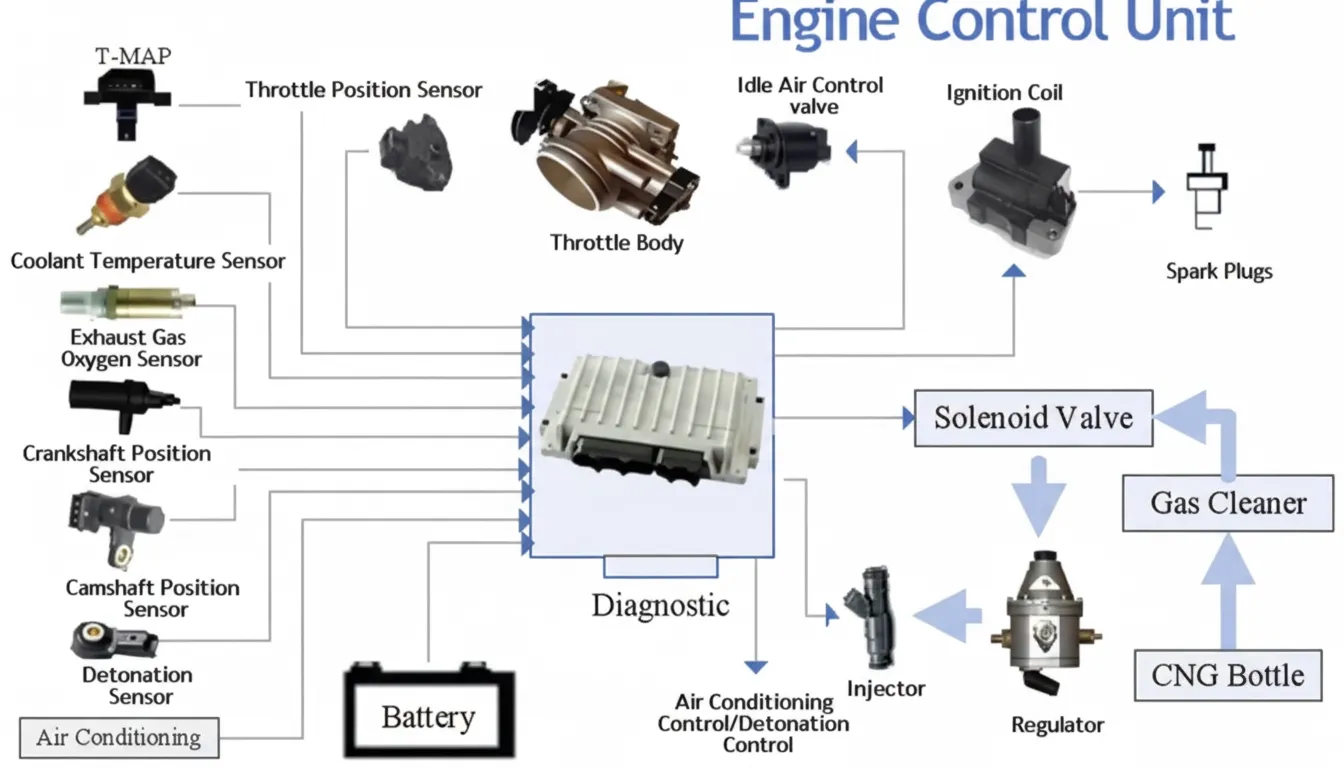
FPGA's Role in Driver Assistance Systems
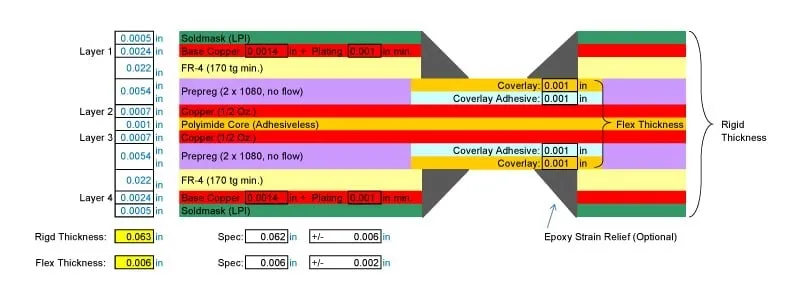
Signal Integrity PCB Designers
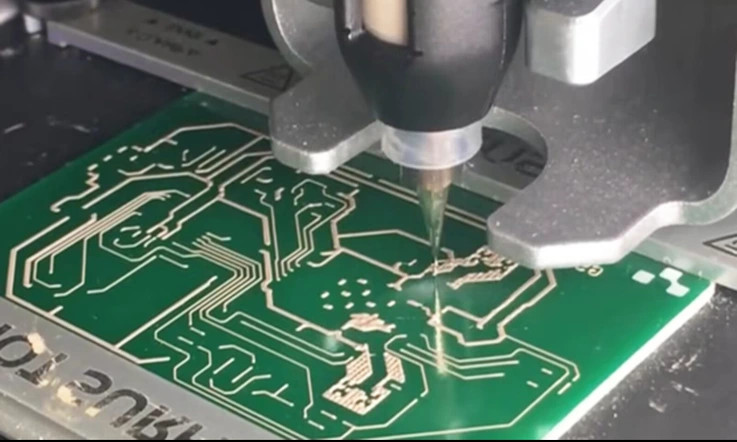
Understanding High Tg PCB Impedance Control: A Practical Guide
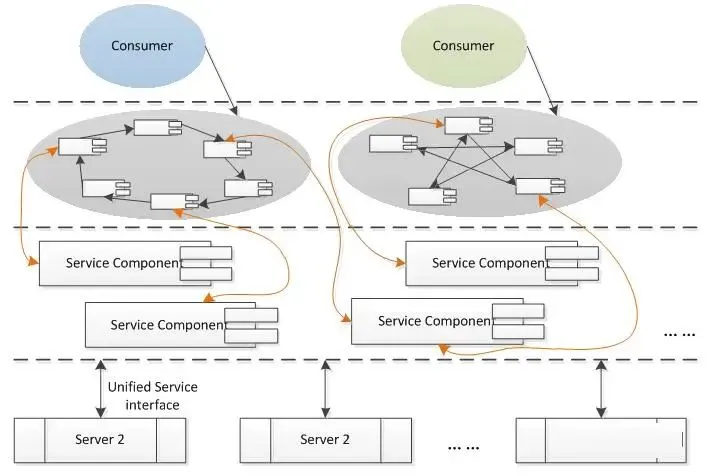
SOA Implementation in Automotive E/E Architectures
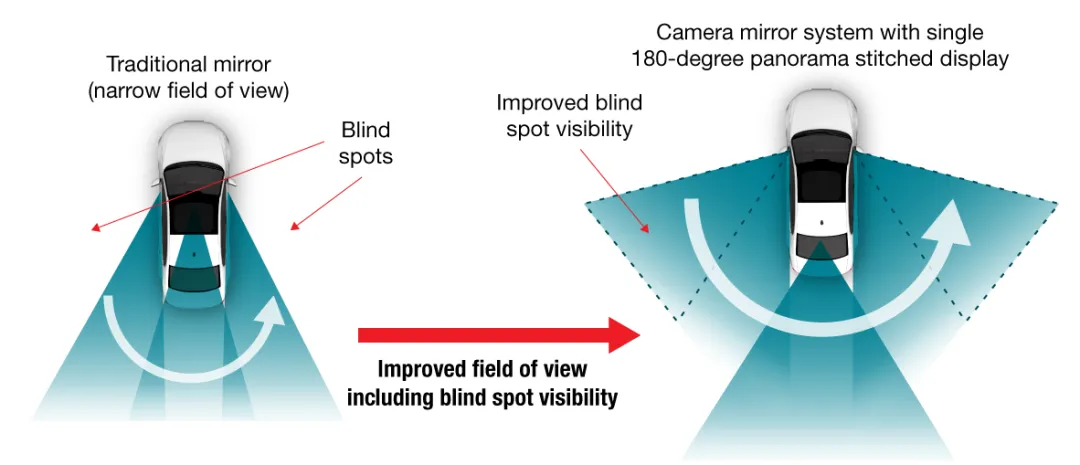
Digital Cockpit Systems: High-Performance PCB Design for Automotive SoC Integration, Multi-Display, and In-Cabin Sensing
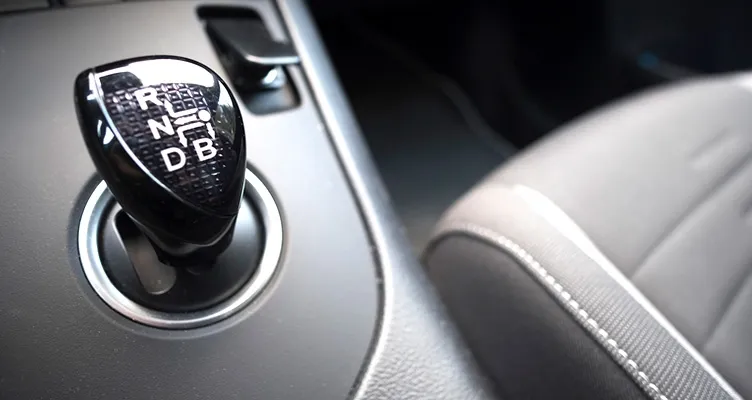
Why Japanese Cars Use CVT Transmissions
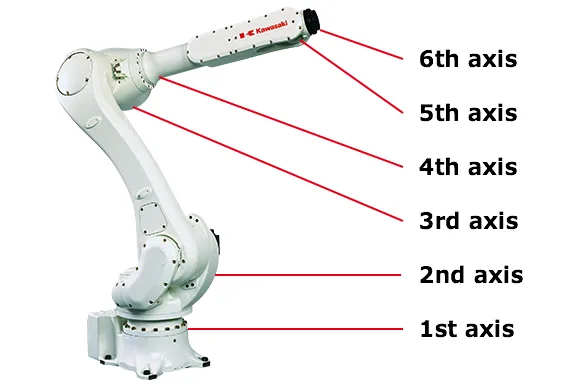
PCB Design and Manufacturing for Industrial Robots: Core Principles, Components, and System Integration
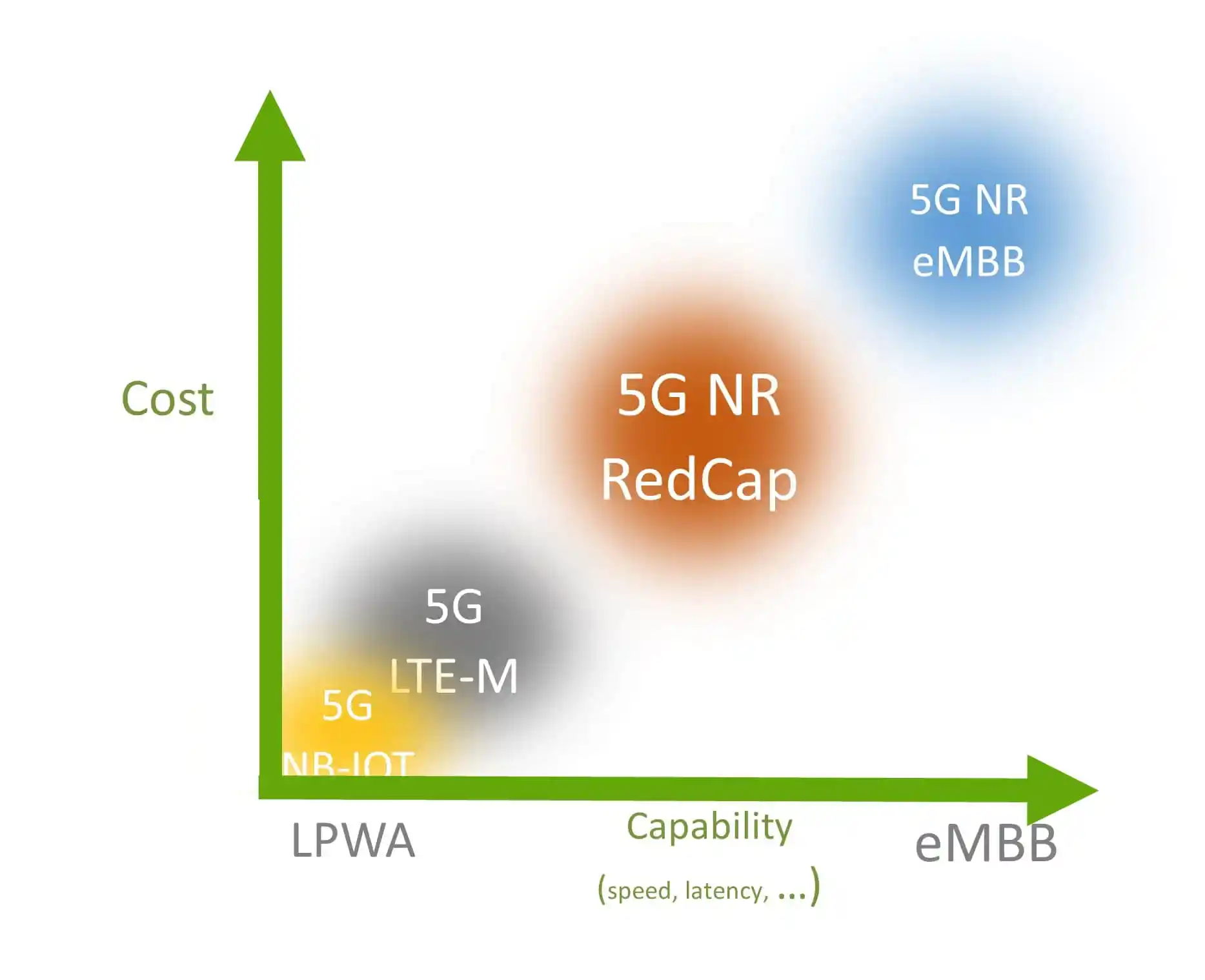
What Is RedCap? How 5G RedCap Base Stations Differ
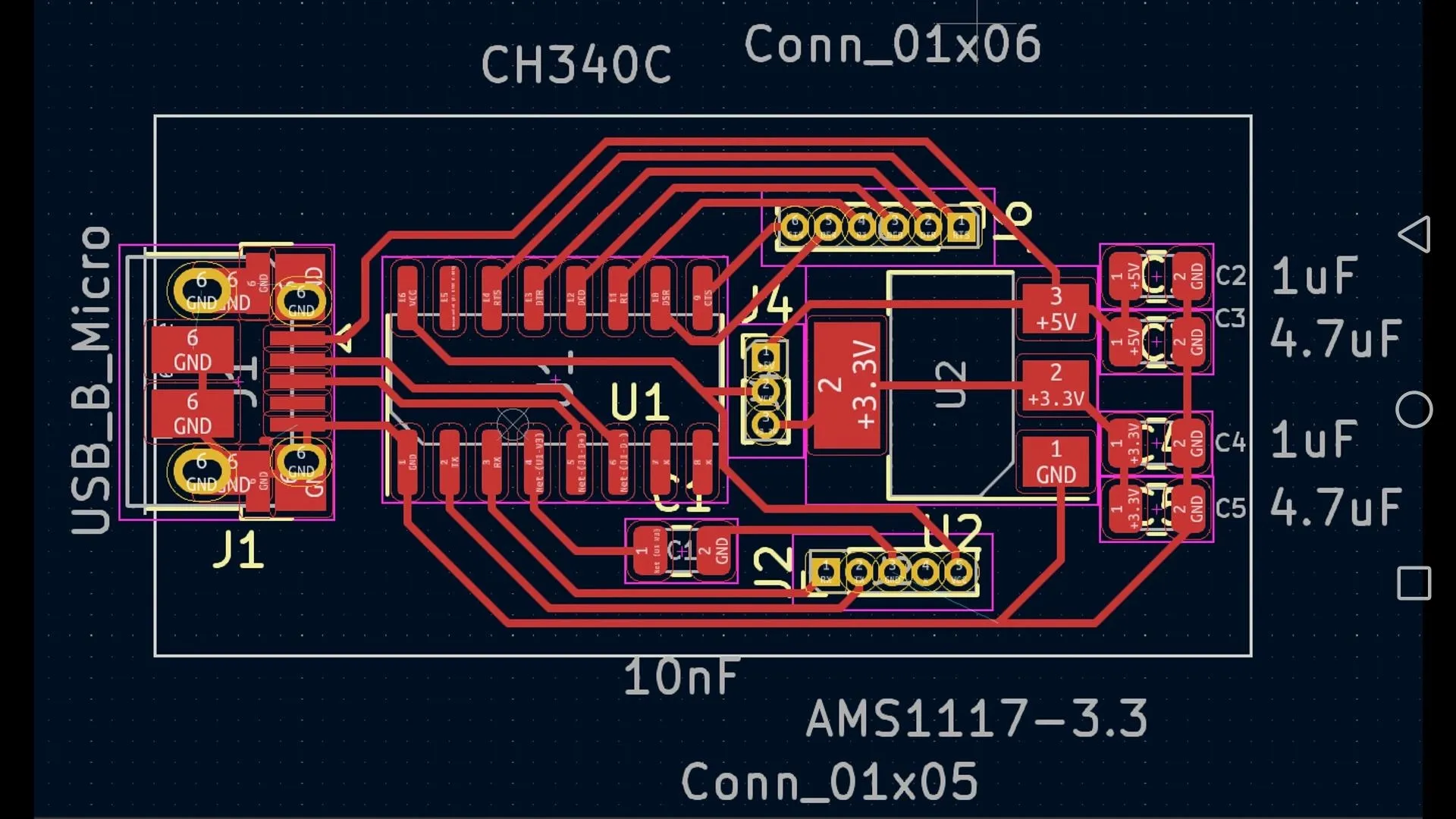
Designing Robust USB Interfaces: A Guide to Reliable PCB Layout

Deconstructing AI Servers: A Look Inside PCB Composition and Value
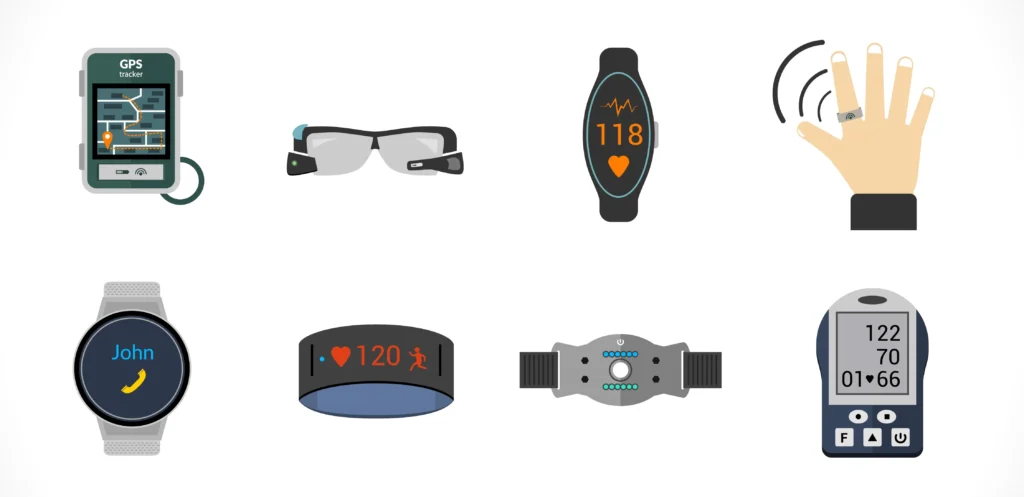
Top Three Technologies in Wearable Devices
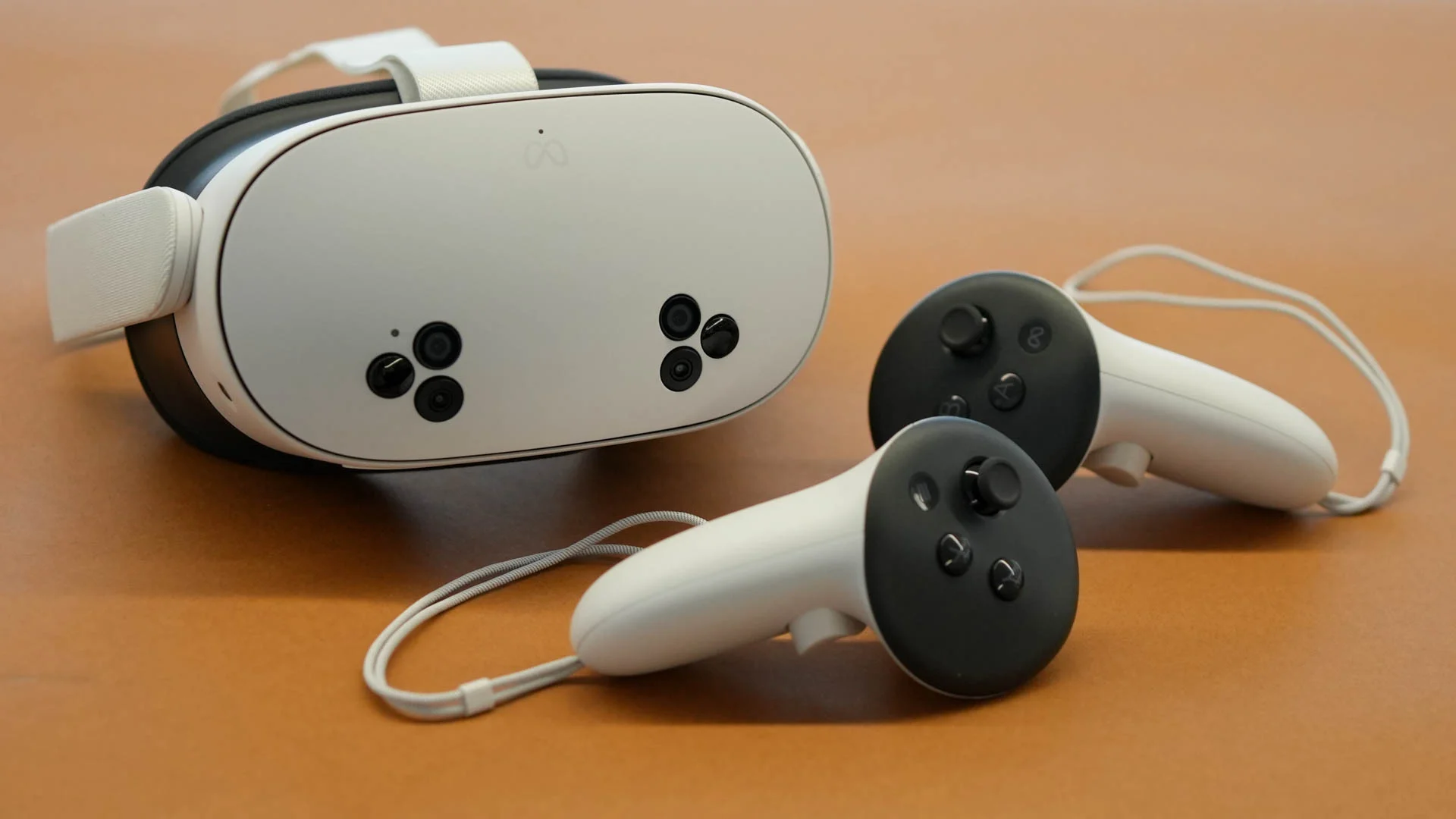
What Makes a Quality VR Headset? Key Electronics and PCB Design Factors
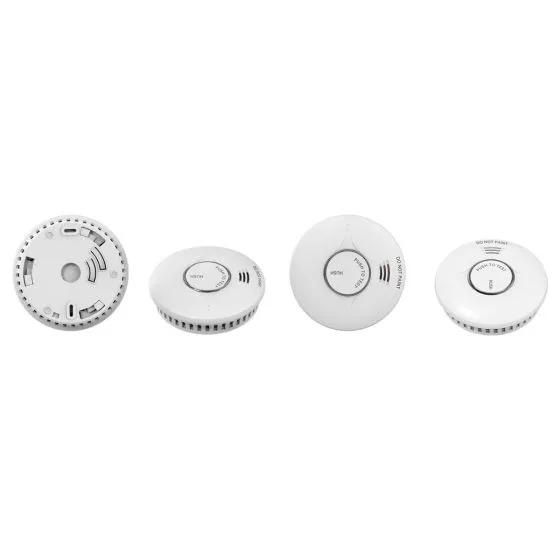
Smoke Alarm Design with RJM8L151S
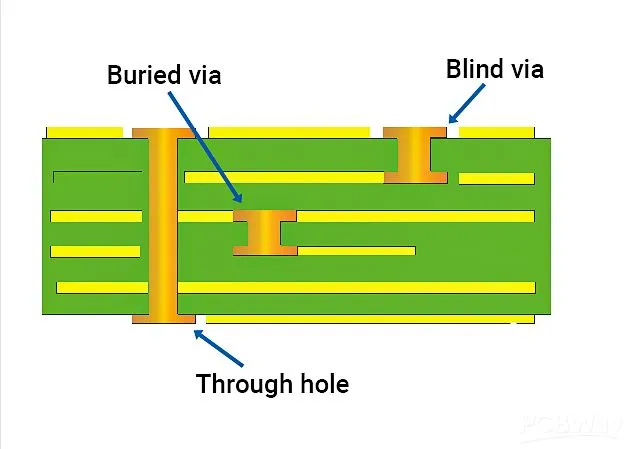
Enhancing PCB Signal Integrity: A Guide to Blind Vias and Anti-Pads
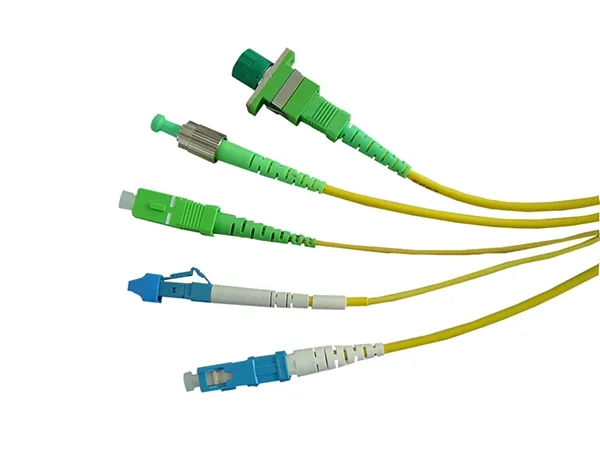
Advanced PCB Design Strategies for Fiber Optic Modules and LiFi Wireless Communication Systems
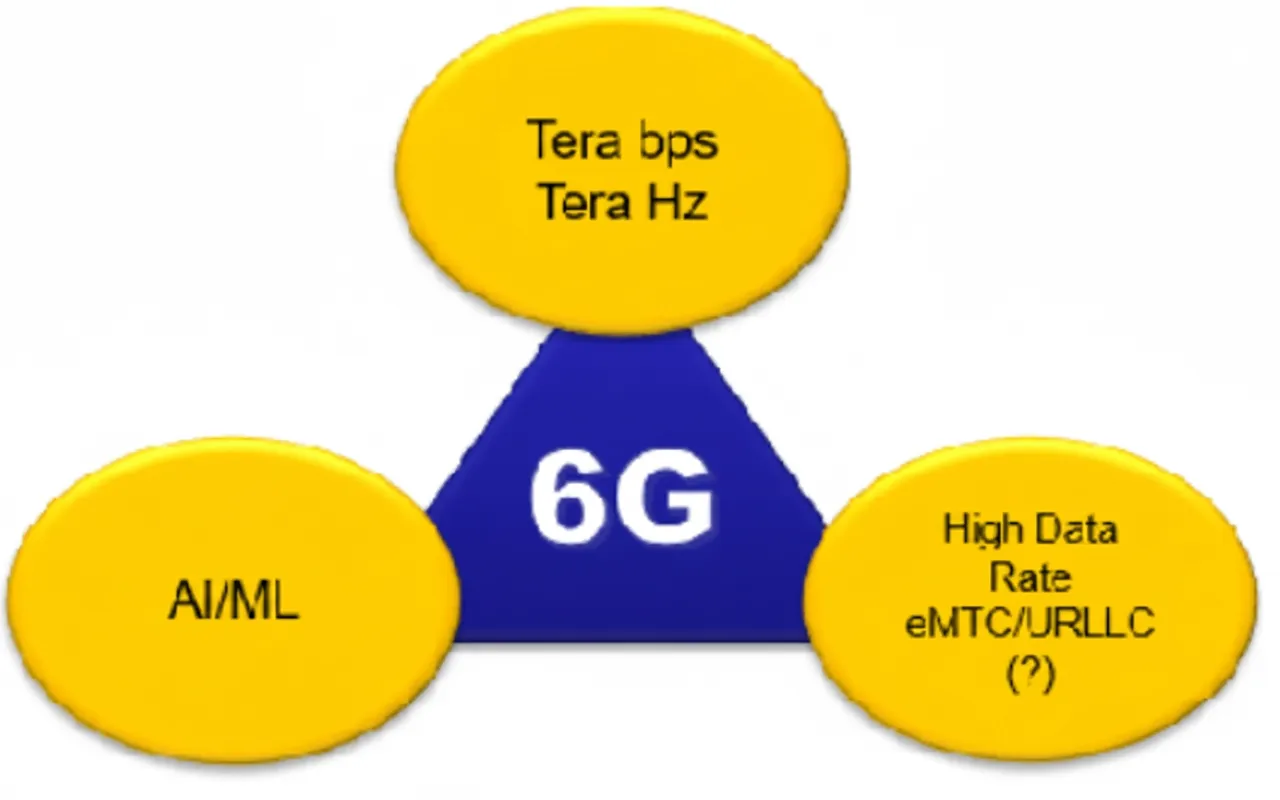
6G Mobile Communications: PCB Design, 3D Integration, and Manufacturing Challenges for THz, AI-Native, and Massive MIMO Systems
Router PCB Design for Beginners: A Step-by-Step Guide to Networking Hardware
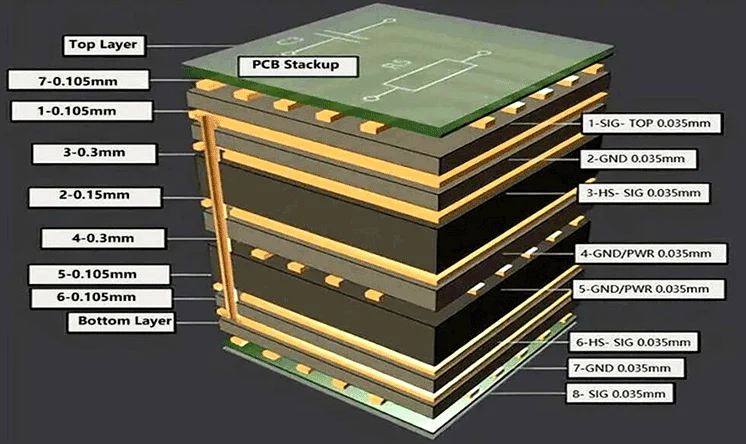
Signal Integrity for Hobbyists: Simple Tips for Better 8 Layer PCB Designs