 00:46
00:46
PCB Cleaning
Proper maintenance of printed circuit boards (PCBs) is essential for ensuring their longevity and optimal performance in electronic devices. The PCB Cleaning tag encompasses a range of techniques and best practices designed to remove contaminants such as flux residues, dust, oils, and oxidation that can accumulate during manufacturing, assembly, or prolonged use. For engineers, hobbyists, and technicians searching for effective PCB cleaning methods, this resource addresses common challenges like preventing corrosion, improving solder joint integrity, and avoiding electrical shorts that could lead to system failures. Understanding the right approach to PCB cleaning starts with selecting appropriate tools and solvents based on the board's materials and the type of contaminants involved. Common methods include using isopropyl alcohol for gentle wiping, ultrasonic baths for thorough immersion cleaning, or specialized brushes and compressed air for delicate components. Best practices emphasize safety measures, such as wearing protective gear to avoid exposure to chemicals and ensuring proper ventilation. By following these guidelines, users can achieve cleaner boards that enhance signal quality and reduce the risk of malfunctions in applications ranging from consumer electronics to industrial automation. Practical applications often involve post-soldering cleanup to eliminate conductive residues or routine maintenance to restore older circuits. Articles linked under this tag offer detailed guides on troubleshooting common cleaning issues, comparing commercial cleaners versus DIY solutions, and adapting techniques for high-density or sensitive PCBs. Whether you are dealing with a one-off prototype or scaling up production, these resources provide the insights needed to implement efficient cleaning processes that support reliable electronic designs.
Video Guide
-
00:46
Technical Articles
How to Hand Solder Tiny PCB Components (Like 0402 SMDs)
Epoxy Conformal Coating: When You Need Unmatched Chemical and Abrasion Resistance
Troubleshooting Crystal Oscillator Circuits: A Step by Step Guide
PCB Cleaning for High-Frequency Applications: Minimizing Signal Loss and Maximizing Performance

Security Analysis of Query and SMS Bombing
Salt Spray Testing for Sheet Metal Corrosion Resistance: Standards Explained
How Moisture Affects LED Display Components
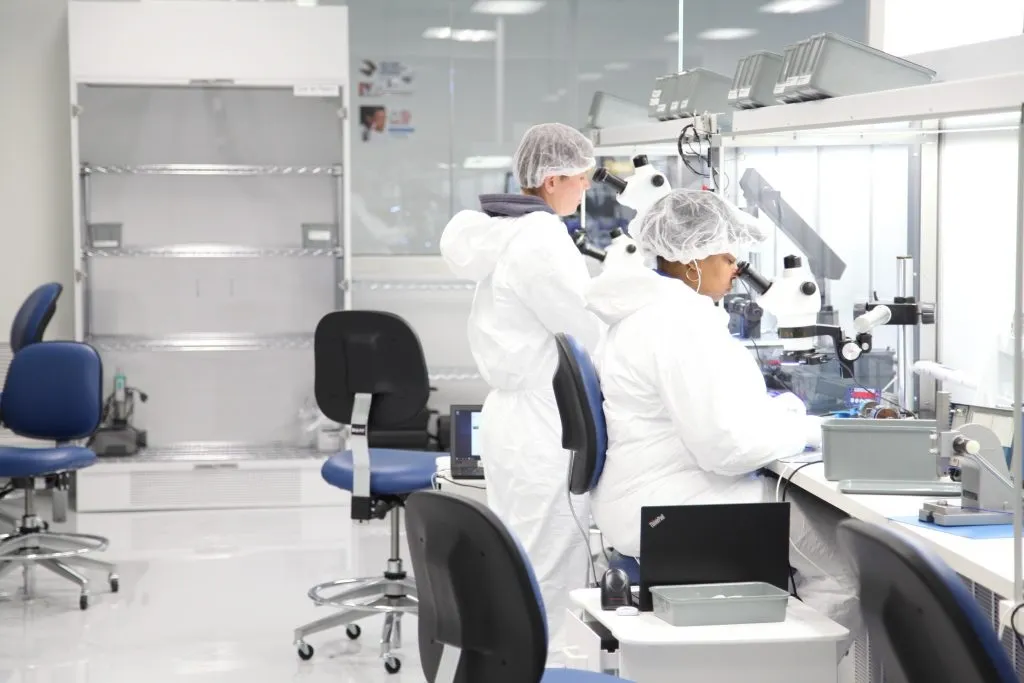
PCB Cleaning and Footprint Contamination
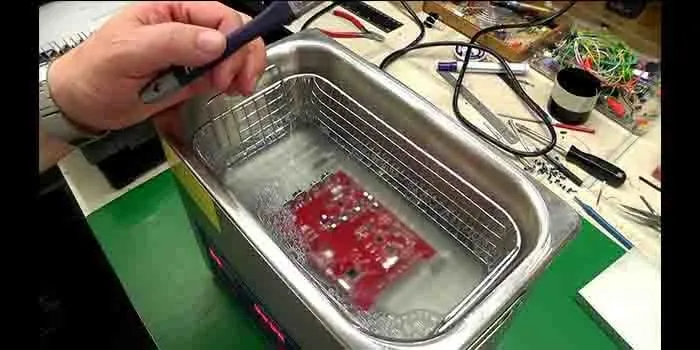
Is Your Ultrasonic Cleaner Damaging Your PCBs? A Guide to Safe Practices
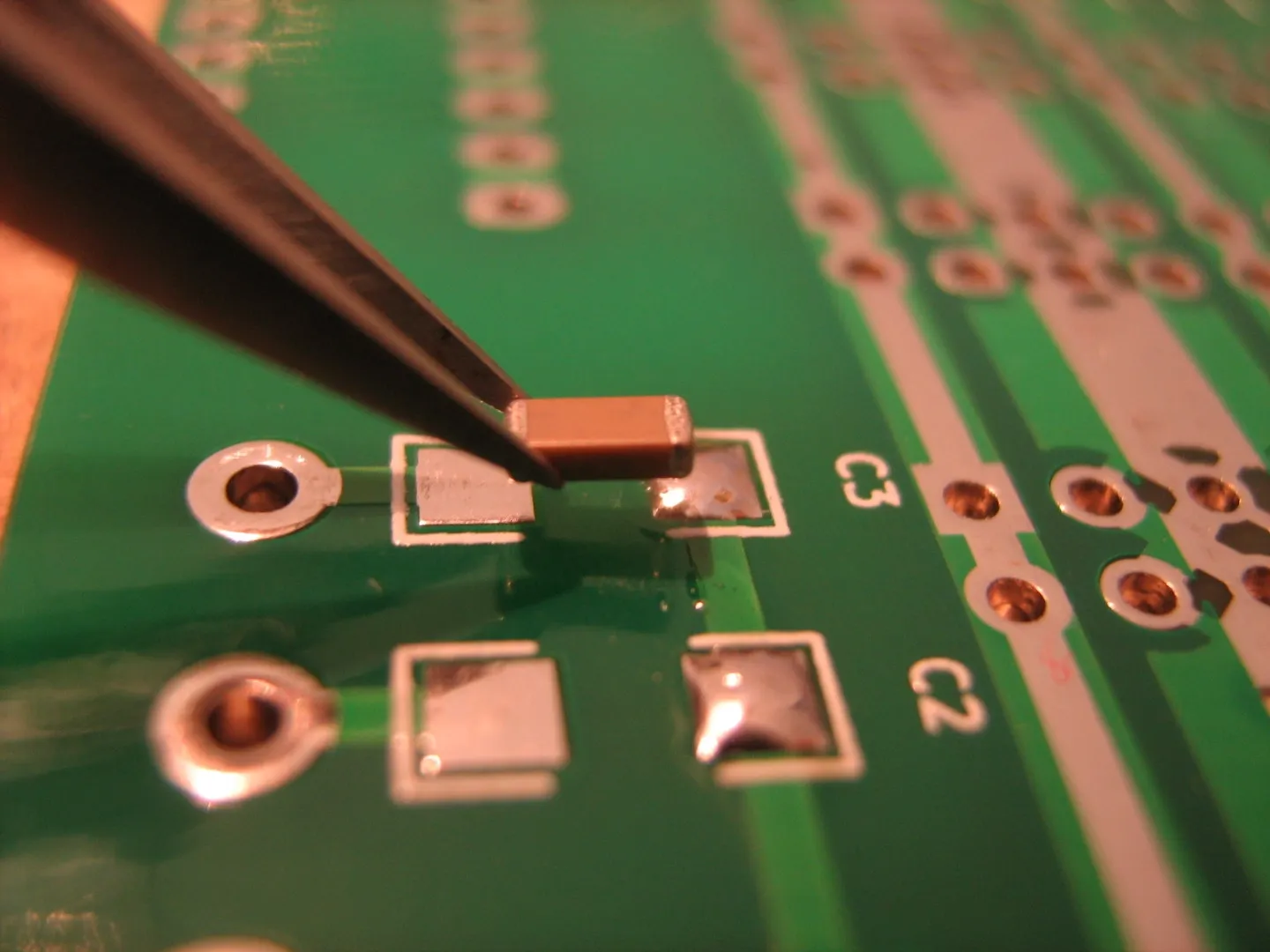
SMD Component Replacement: A Step by Step Rework Tutorial
Server Intrusion: Symptoms, Investigation, and Response
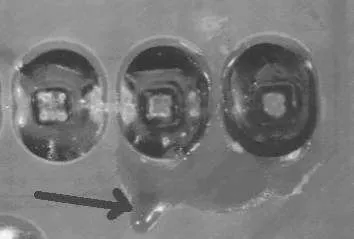
No Clean vs. Water Soluble Flux: Choosing the Right Flux for Your PCB Project
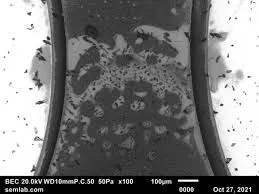
Cleaning and Coating: Protecting Your PCB Prototype After Assembly
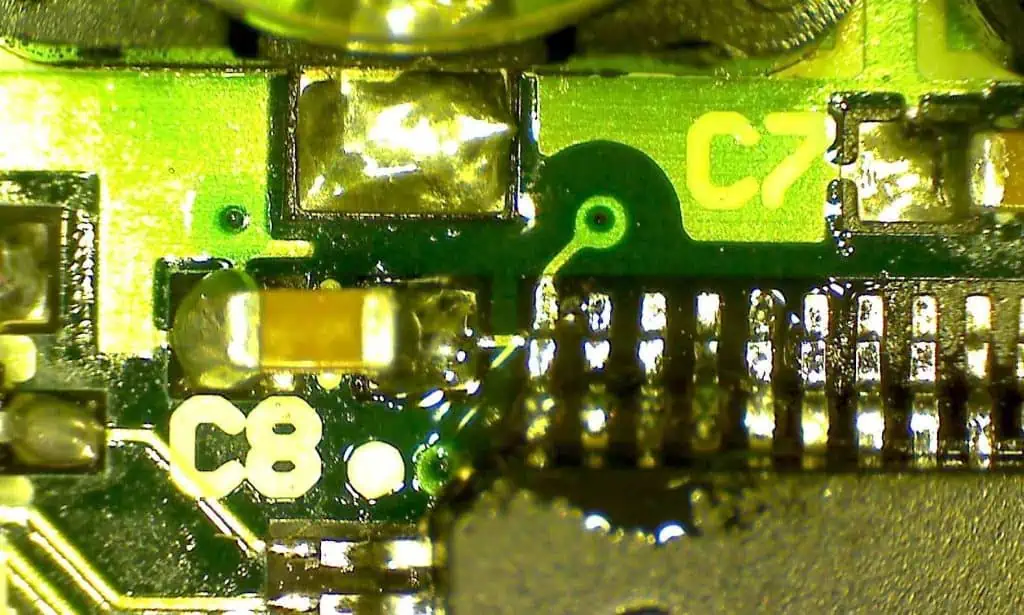
Step by Step: Manual PCB Cleaning After Rework for Optimal Results
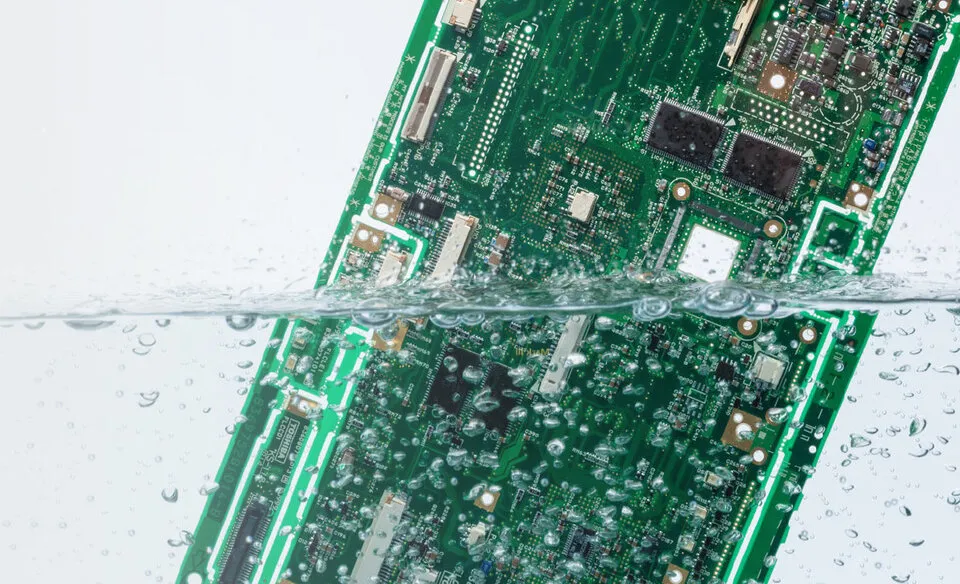
PCB Cleaning Equipment for Rework: A Buyer's Guide
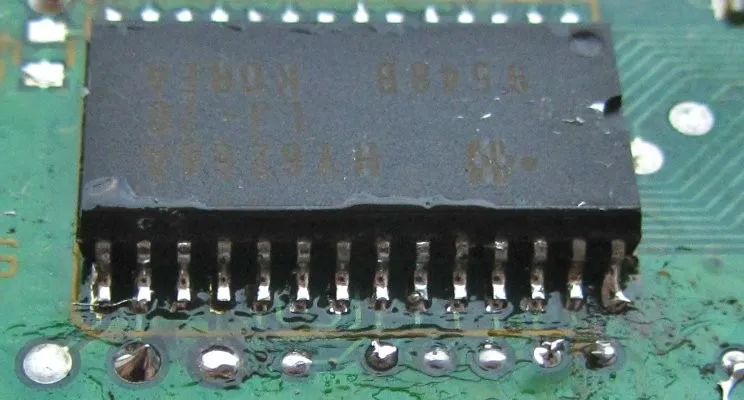
Troubleshooting Common PCB Cleaning Problems After Rework
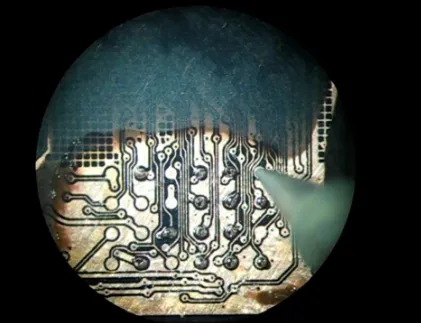
How to Access NAND Flash and Read Data

PCB Mass Production for Medical Devices: Ensuring Safety and Reliability
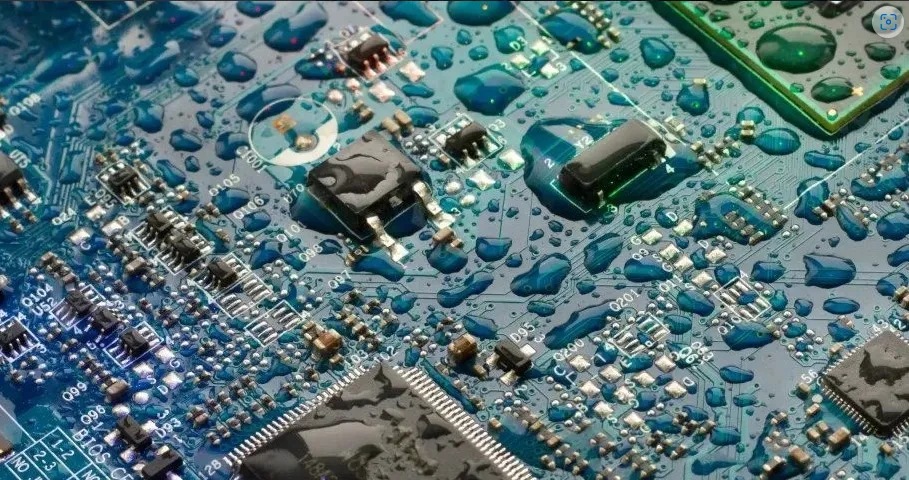
Effective PCB Drying Methods: A Comprehensive Guide