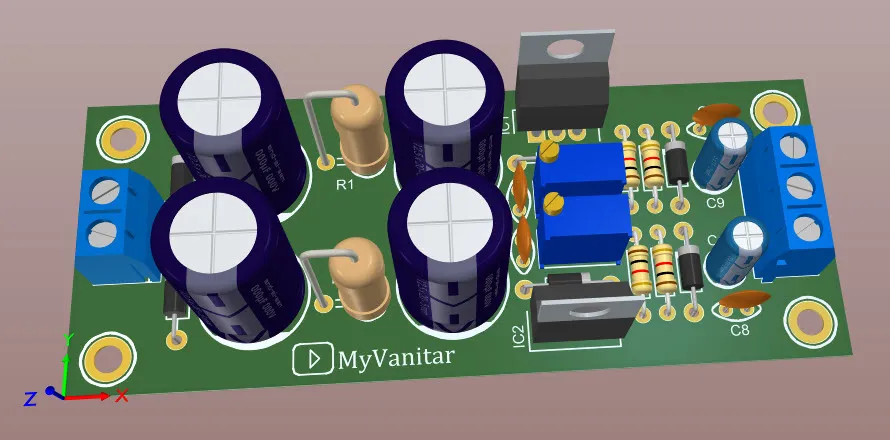
Power PCB Layout
Power PCB layout is a critical aspect of electronics design, focusing on the arrangement and optimization of printed circuit boards for handling high currents, voltages, and thermal loads. This tag encompasses topics related to creating robust layouts that ensure efficient power distribution, minimize losses, and enhance overall system reliability in demanding applications such as power supplies, inverters, motor controllers, and renewable energy systems. For engineers and hobbyists searching for guidance on Power PCB Layout, understanding these principles is essential to avoid common pitfalls like electromagnetic interference, overheating, or voltage drops that can compromise performance or lead to failures. Key best practices include calculating appropriate trace widths based on current ratings to prevent excessive resistance and heat buildup, strategically placing components to optimize heat dissipation and signal integrity, and implementing effective grounding techniques to reduce noise in high-power environments. For instance, using multilayer boards with dedicated power planes can significantly improve current handling and thermal management, while incorporating vias for heat sinking helps maintain component longevity. These approaches not only comply with industry standards like IPC-2221 but also support scalable designs for both prototypes and production runs. Professionals often turn to Power PCB Layout resources to refine their skills in simulation tools like Altium or KiCad, where layout decisions directly impact efficiency metrics such as power factor and ripple voltage. By delving into the articles under this tag, readers can access step-by-step tutorials on integrating decoupling capacitors, managing creepage distances for safety, and troubleshooting layout-induced issues in real-world projects. Whether you're designing for automotive electronics or industrial automation, these insights provide practical strategies to achieve compact, cost-effective boards that perform reliably under stress.
Technical Articles

What You Can Do with Diodes

AI PCB Thermal Design: Predicting Hotspots and Optimizing Heat Dissipation

Ki-PIDA: Direct Power Integrity Simulation in KiCad

Eight Layout Considerations for Differential Filters on PCBs

Buck Regulator PCB Layout and Grounding Guide for Low Noise

Non-Isolated Switching Power Supply PCB Layout: Hot Loops and Shielding

Build Your Own AI Accelerator: A Hobbyist's Custom PCB Guide
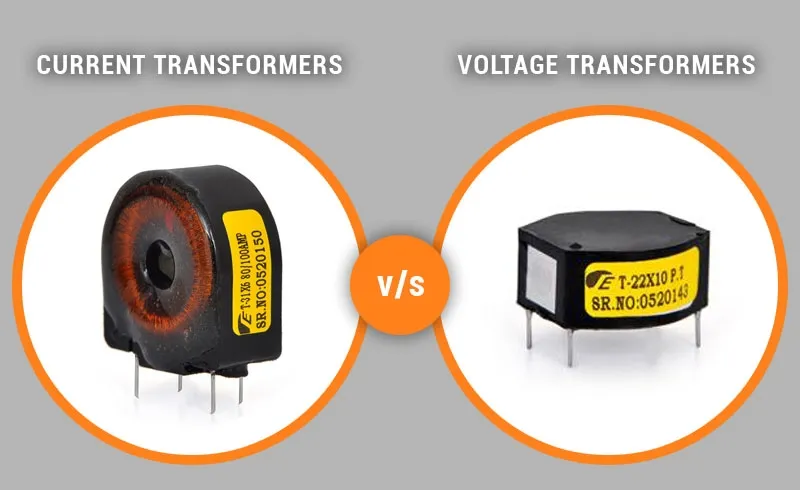
Differences Between Current and Voltage Transformers

PCB EMC Design: Module Partitioning and Special Component Layout

Power Management ICs for AR Glasses: A Comprehensive Selection Guide
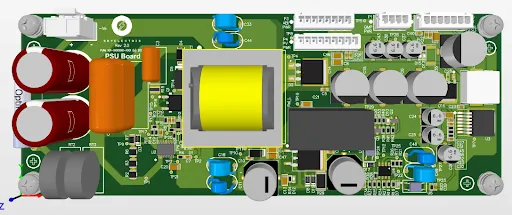
Thick Copper PCBs: Enabling Compact and Efficient DC DC Converters
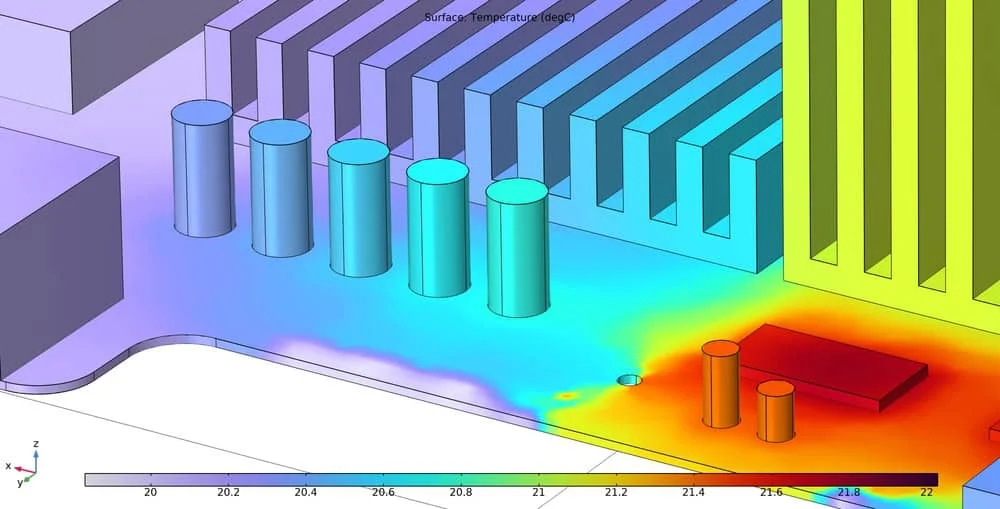
Thermal Management Tools for PCBs: Keeping Your Designs Cool Under Pressure
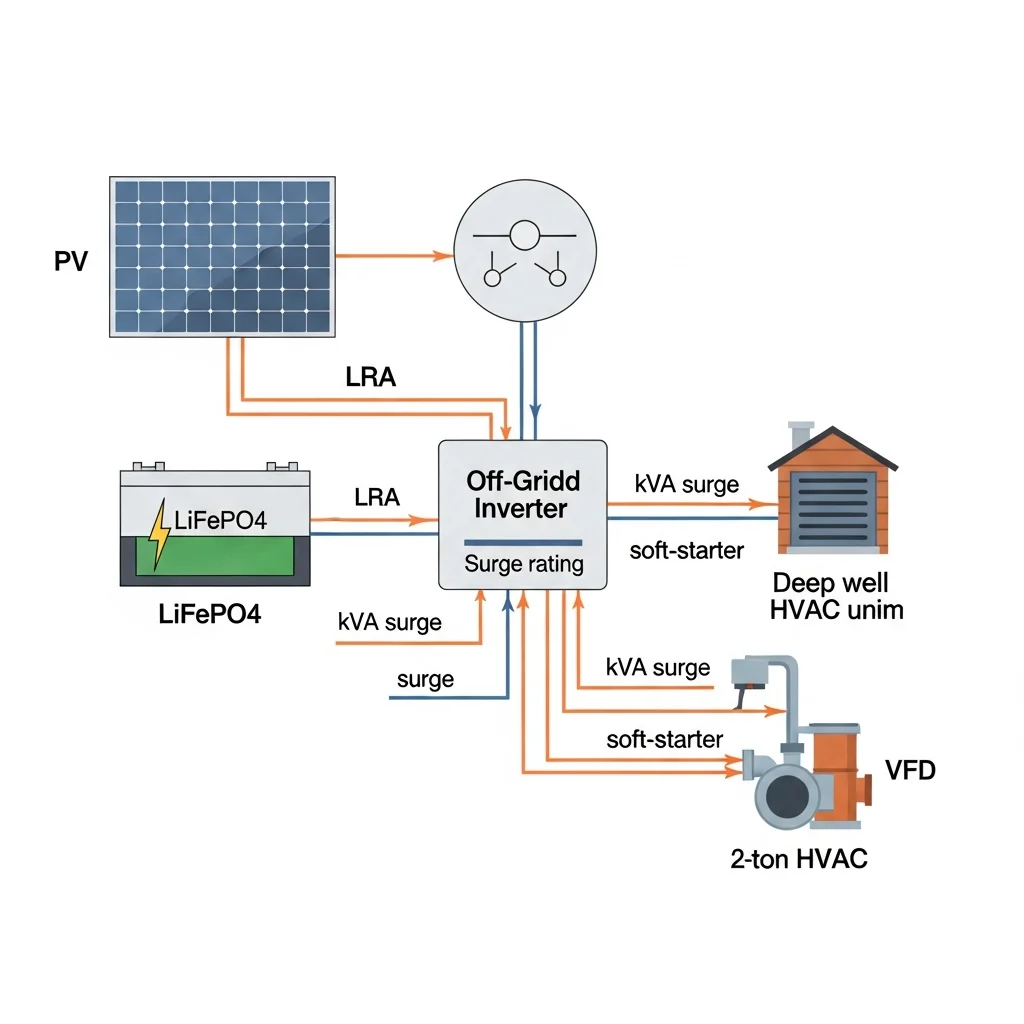
Impact of Inverter Voltage Settings on Motor Performance
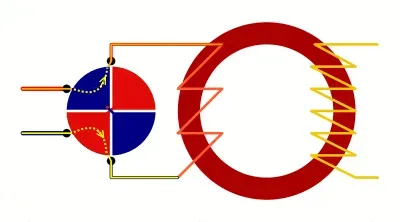
What Is an Inverter? How It Works

Choosing Circuit Breakers, Contactors and Wires by Motor Power
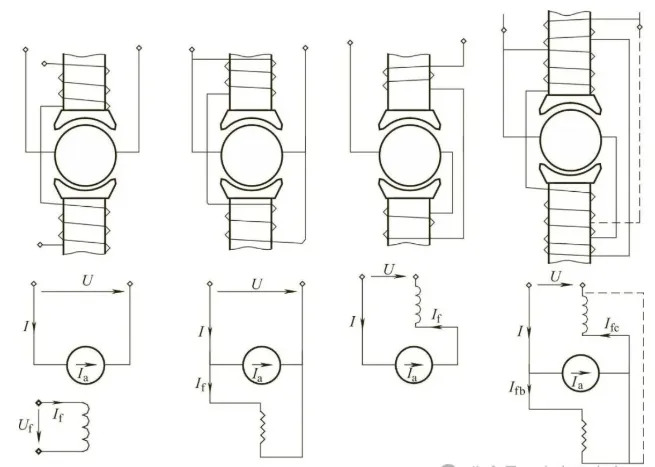
DC Motor Excitation Methods
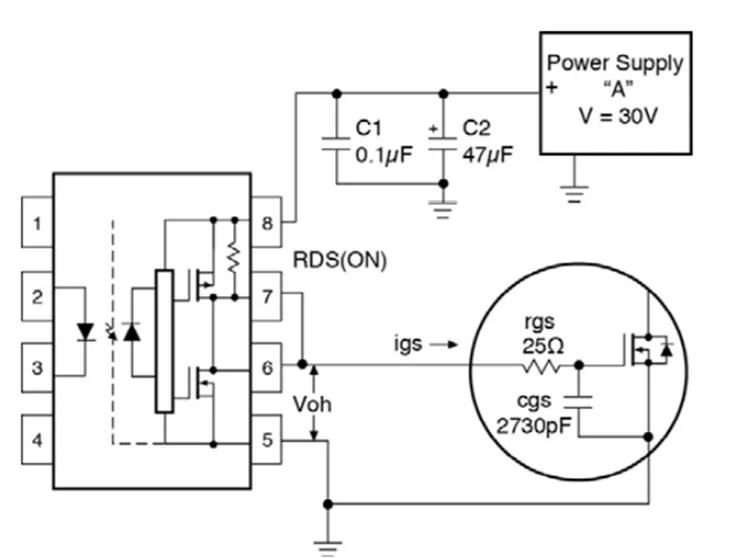
Common MOSFET Driver Circuit Topologies
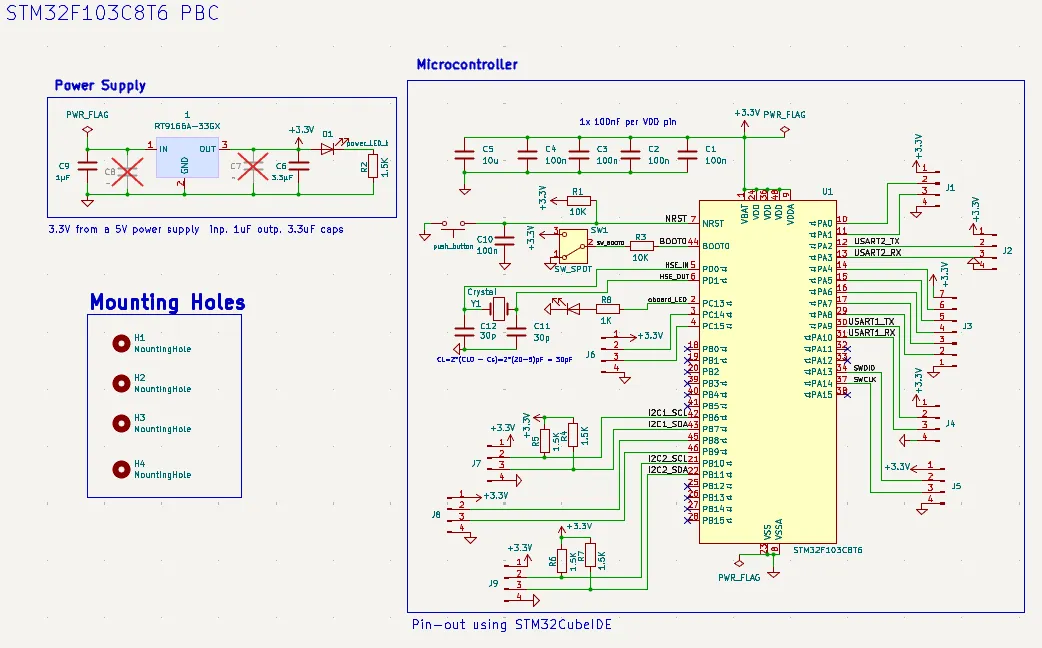
Step by Step Guide to Designing a Power Supply PCB in KiCad