Power PCB Layout
Power PCB layout is a critical aspect of electronics design, focusing on the arrangement and optimization of printed circuit boards for handling high currents, voltages, and thermal loads. This tag encompasses topics related to creating robust layouts that ensure efficient power distribution, minimize losses, and enhance overall system reliability in demanding applications such as power supplies, inverters, motor controllers, and renewable energy systems. For engineers and hobbyists searching for guidance on Power PCB Layout, understanding these principles is essential to avoid common pitfalls like electromagnetic interference, overheating, or voltage drops that can compromise performance or lead to failures. Key best practices include calculating appropriate trace widths based on current ratings to prevent excessive resistance and heat buildup, strategically placing components to optimize heat dissipation and signal integrity, and implementing effective grounding techniques to reduce noise in high-power environments. For instance, using multilayer boards with dedicated power planes can significantly improve current handling and thermal management, while incorporating vias for heat sinking helps maintain component longevity. These approaches not only comply with industry standards like IPC-2221 but also support scalable designs for both prototypes and production runs. Professionals often turn to Power PCB Layout resources to refine their skills in simulation tools like Altium or KiCad, where layout decisions directly impact efficiency metrics such as power factor and ripple voltage. By delving into the articles under this tag, readers can access step-by-step tutorials on integrating decoupling capacitors, managing creepage distances for safety, and troubleshooting layout-induced issues in real-world projects. Whether you're designing for automotive electronics or industrial automation, these insights provide practical strategies to achieve compact, cost-effective boards that perform reliably under stress.
Technical Articles
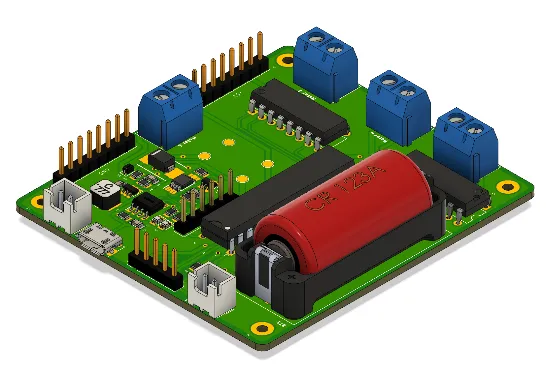
Power Distribution Network Design for Robotics Control PCBs: Efficiency and Reliability
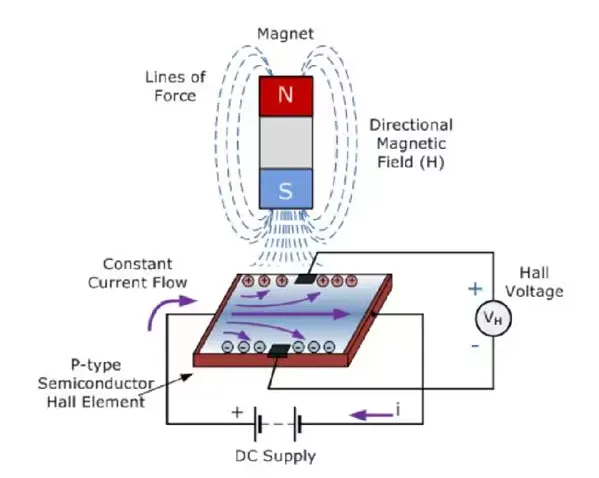
Differential Hall Sensors: What They Are and How They Work
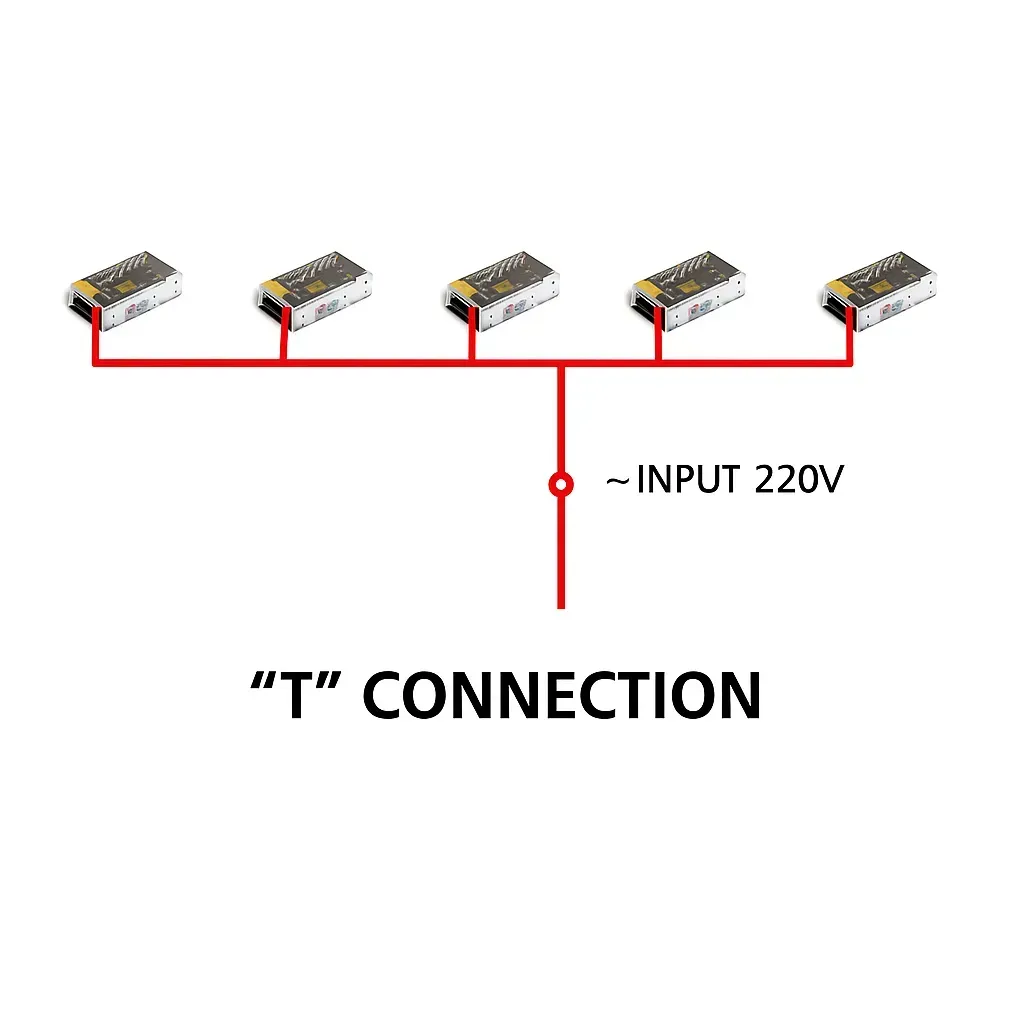
LED Display 220V Power Cable: Straight vs T Wiring
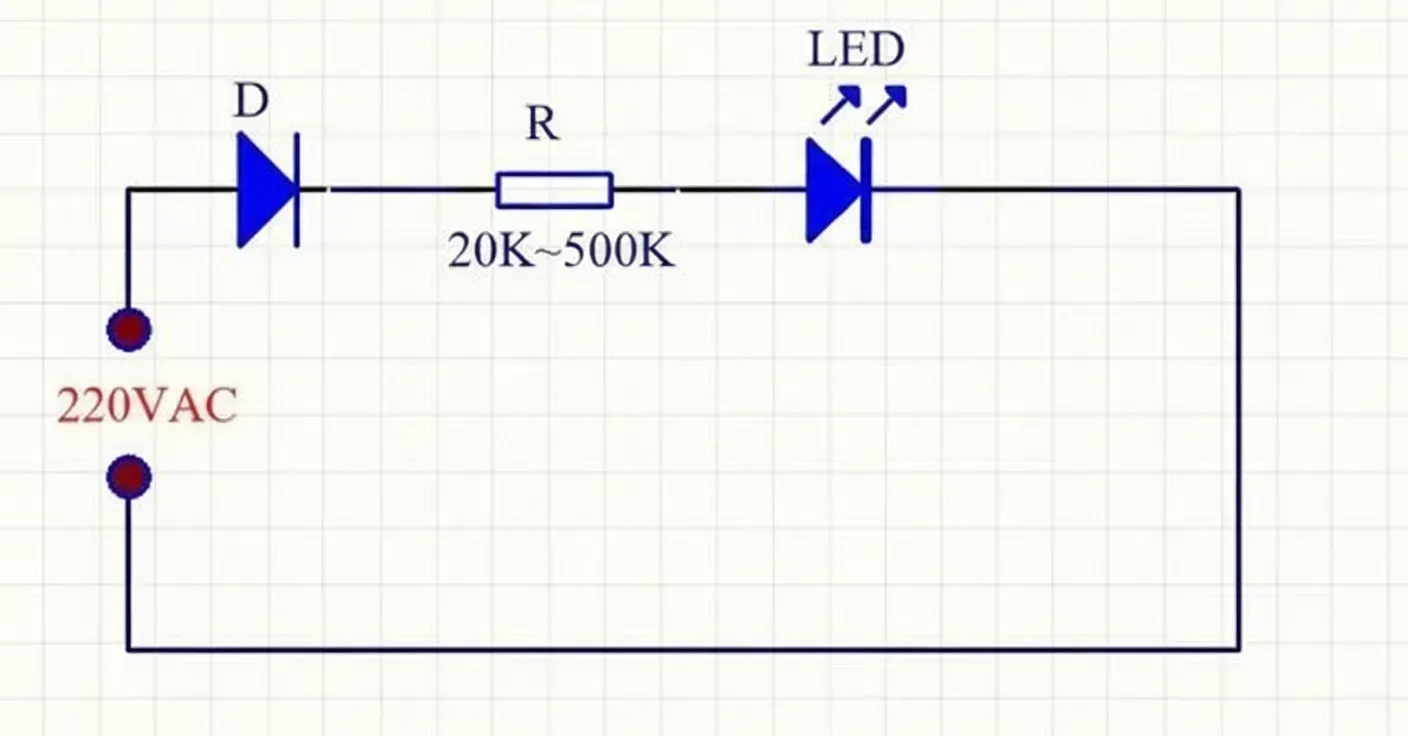
Series and Parallel LED Circuits on 220 V AC
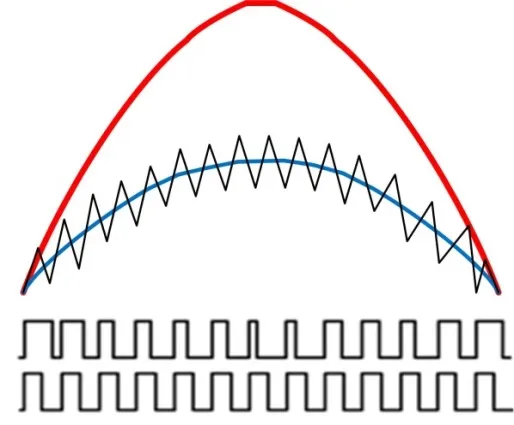
PFC BCM vs CCM Modes Explained: Power Factor Correction in Power Supplies
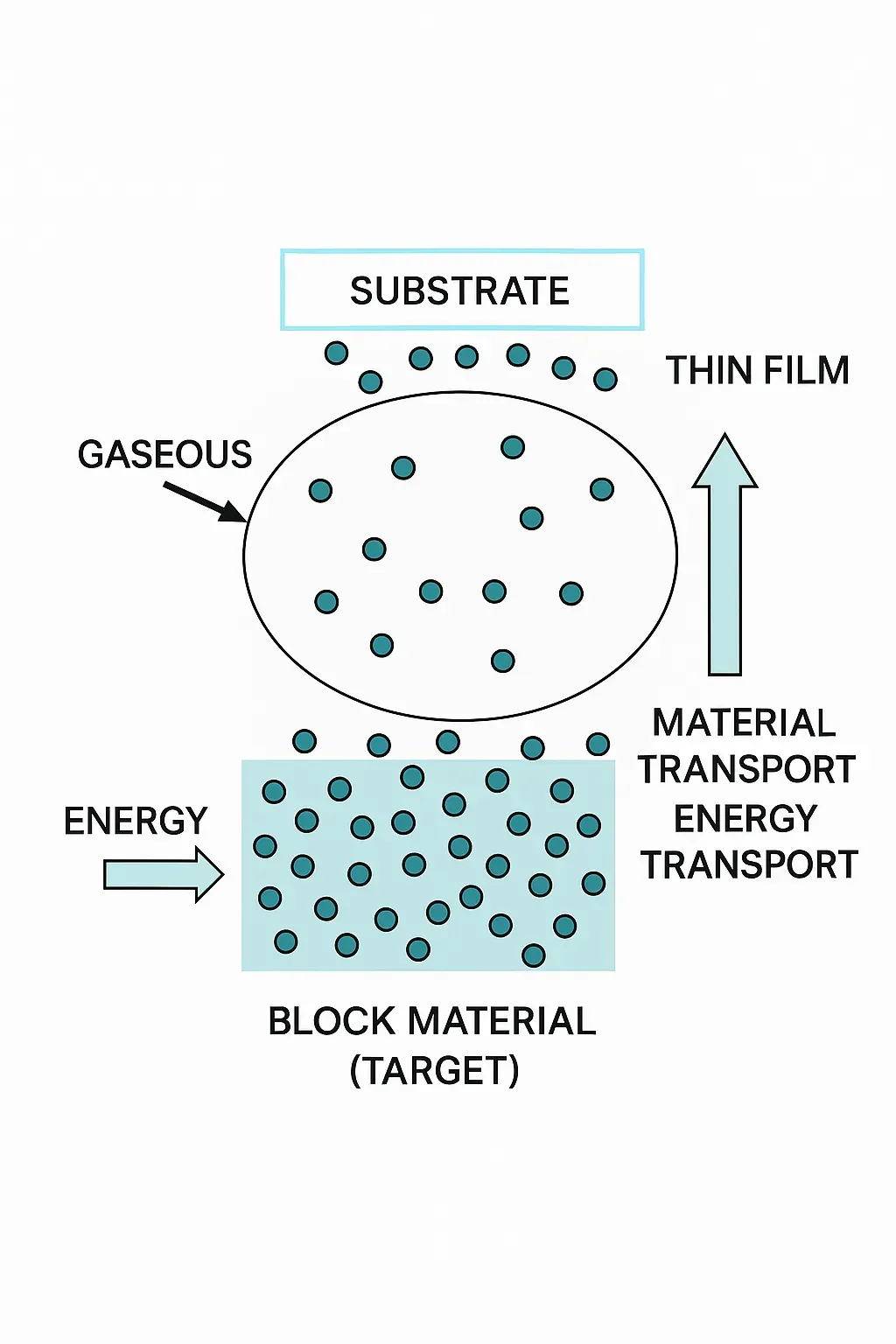
SiC Device Packaging and Module Technologies
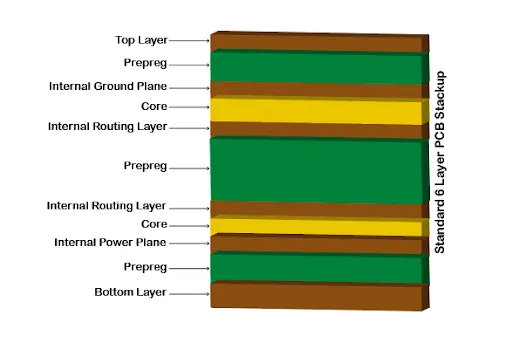
Optimizing PCB Layout for Energy Efficiency: Design Techniques for a Greener Future
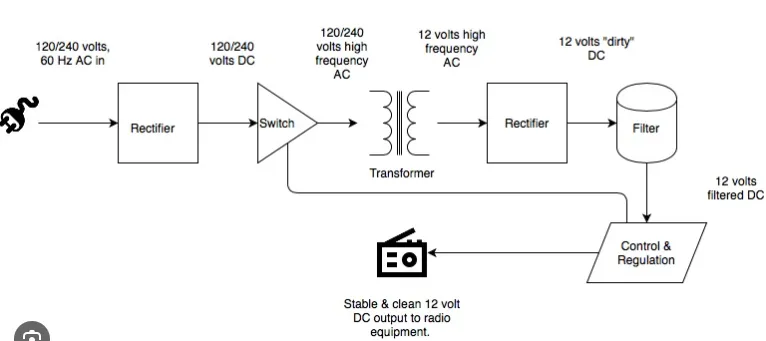
RF Power Supply Parameters and Test Principles
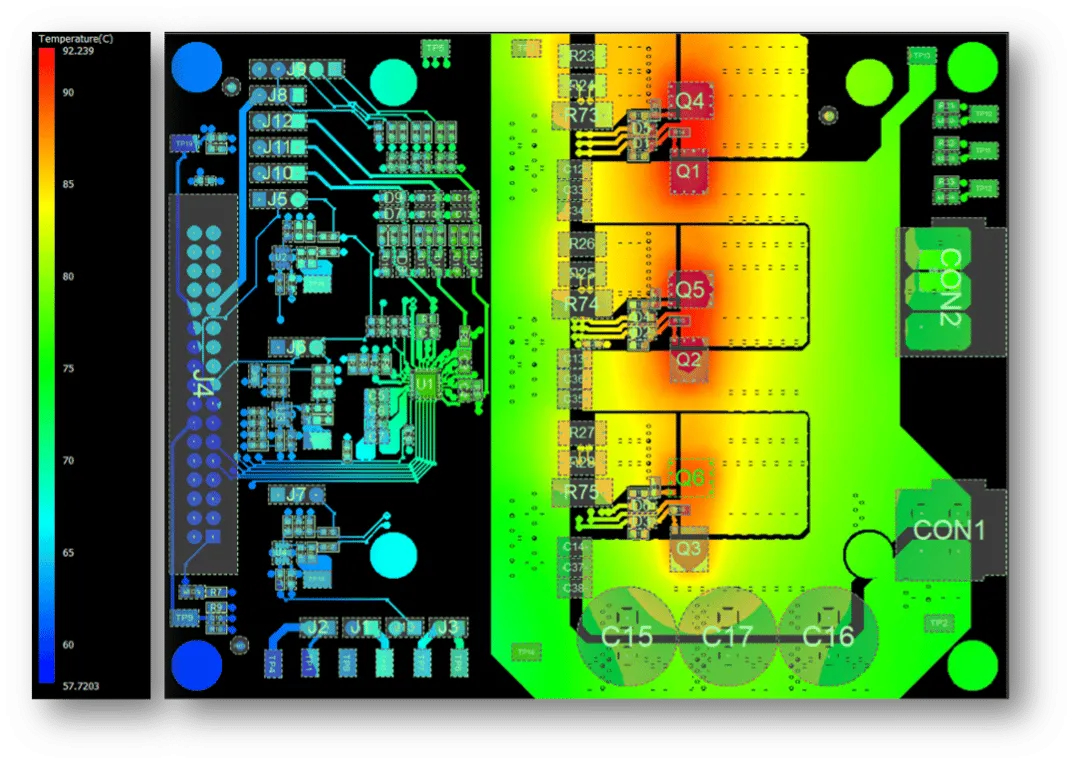
The Ultimate Guide to Low Power PCB Design for Smart Home Devices
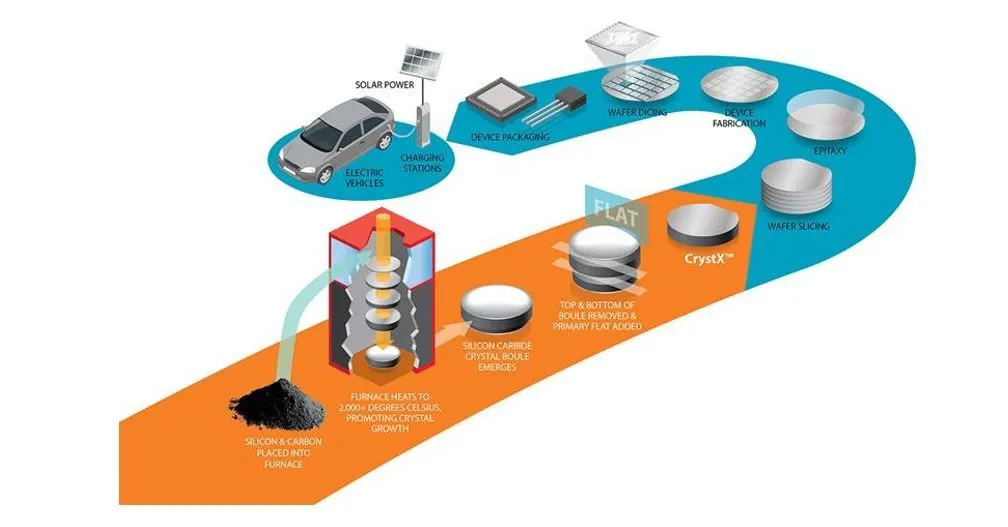
Advantages and Challenges of Silicon Carbide
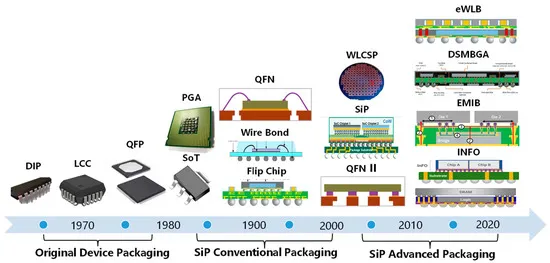
Trends in SiC Module Packaging Evolution
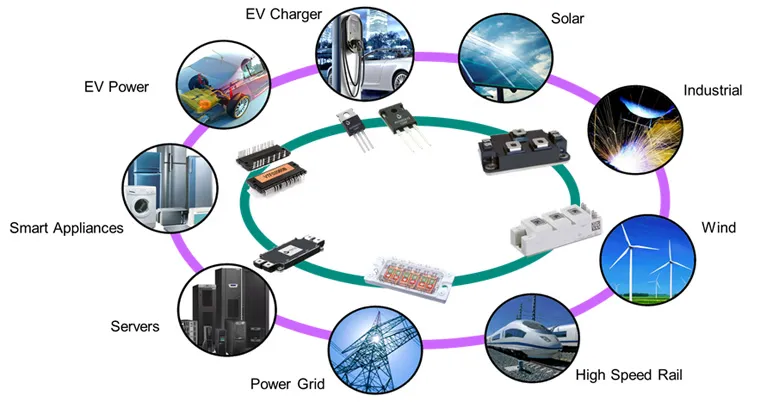
Electrical Advantages of SiC Power Devices
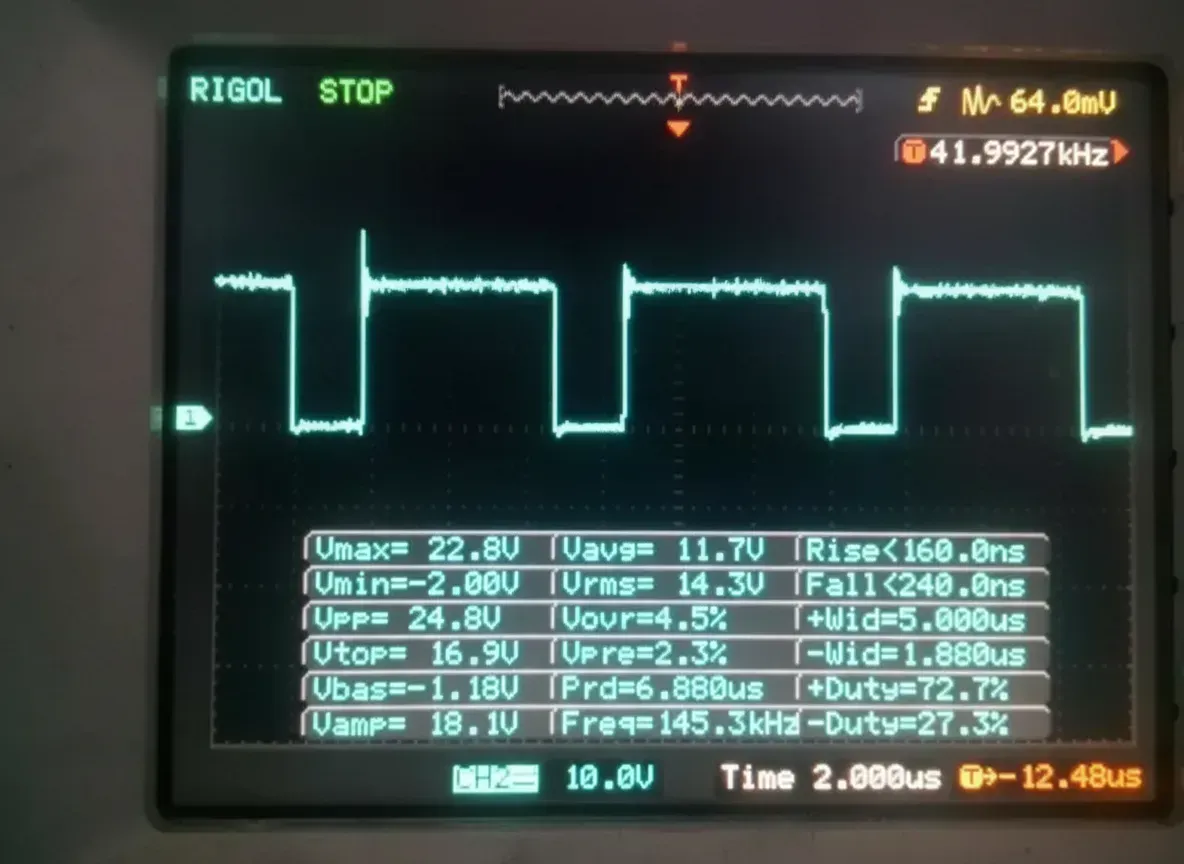
MOSFET Smoking Within Ten Seconds Under Load
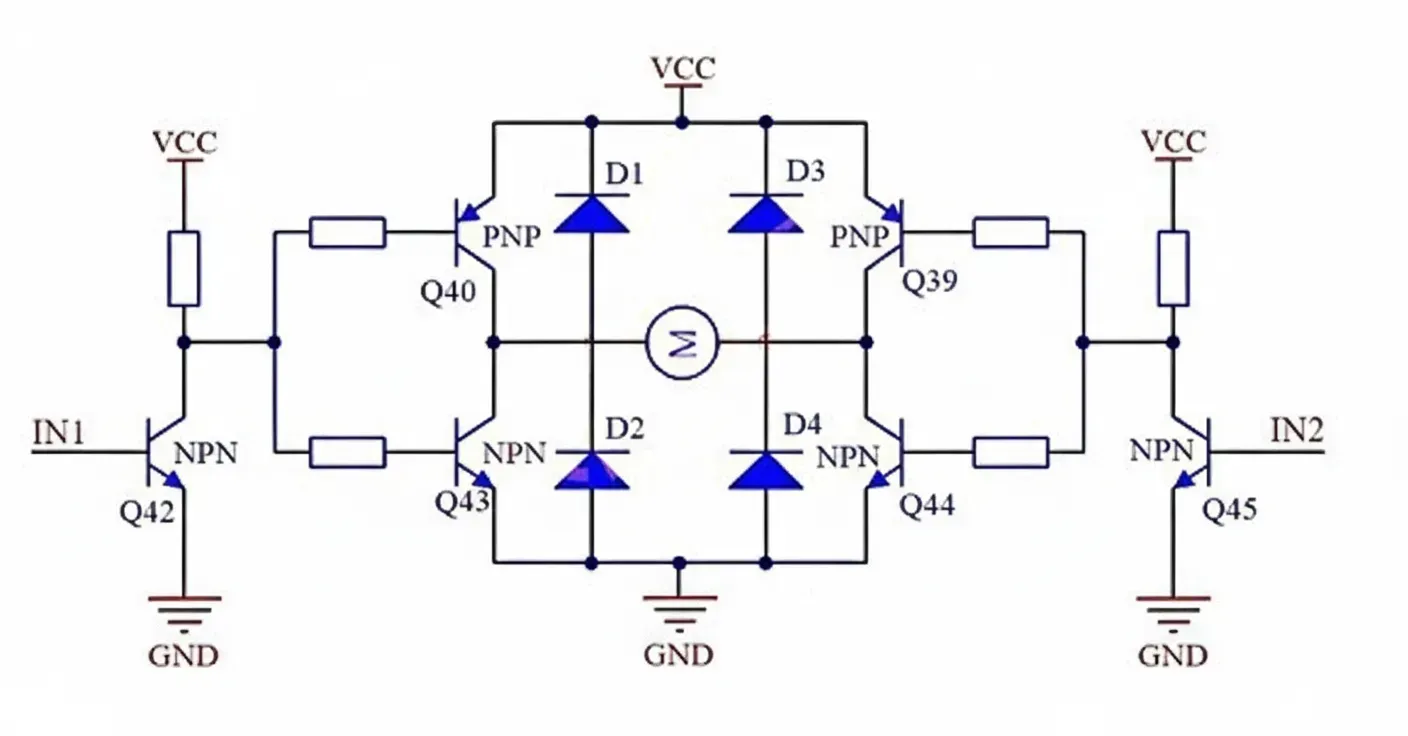
Why MOSFETs Fail in Low-Power BLDC Motors
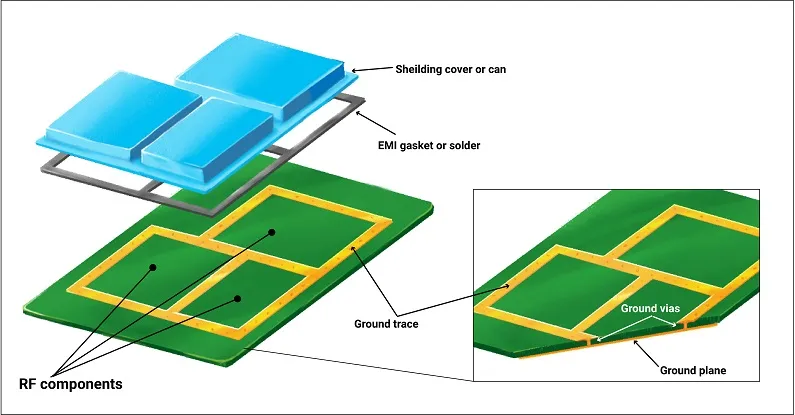
Advanced Techniques for Optimizing Power Supply PCB Layout

China IGBT Manufacturers: Capacity Expansion & PCB Design Impact
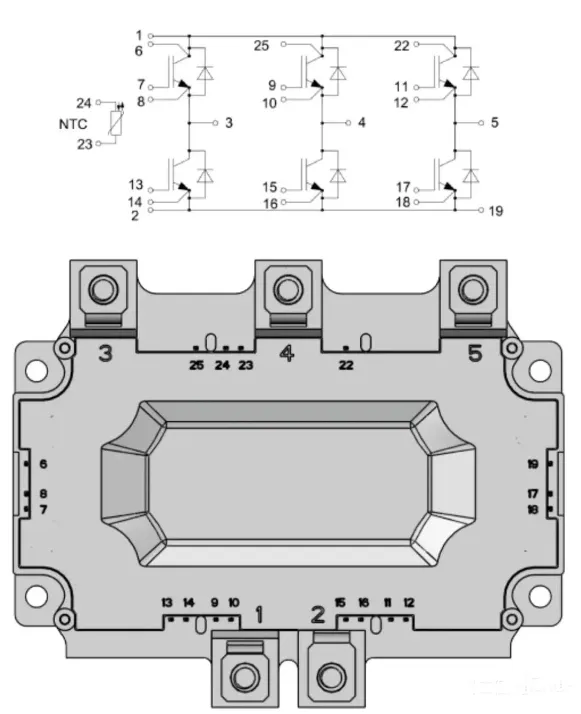
Common Automotive IGBT Module Package Types: Technologies, Applications, and PCB Integration in New Energy Vehicles

Silicon Carbide in Modern Power Electronics: PCB Design and Manufacturing Considerations