 00:52
00:52
Rigid PCB Design
Rigid PCB design forms the backbone of modern electronics, providing a stable and durable foundation for circuits in everything from consumer gadgets to industrial machinery. Unlike flexible alternatives, rigid printed circuit boards (PCBs) are constructed from non-bendable materials like fiberglass-reinforced epoxy, ensuring mechanical strength and reliable performance under various environmental stresses. This tag, Rigid PCB Design, encompasses a collection of articles that delve into the fundamentals, advanced techniques, and real-world applications of creating these essential components. For engineers, hobbyists, and manufacturers searching for guidance on rigid PCB design, the content here addresses key challenges such as layer stacking, trace routing, and thermal management. You'll find practical advice on selecting appropriate substrates, optimizing signal integrity to minimize noise, and incorporating design for manufacturability (DFM) principles to reduce production costs and errors. Best practices include adhering to IPC standards for via placement and solder mask application, which help prevent common issues like short circuits or component failures. These insights are particularly valuable for projects requiring high-density interconnects or compliance with regulatory requirements in sectors like automotive and aerospace. By exploring the articles under this tag, you can gain actionable strategies for prototyping and scaling designs, from initial schematic capture using tools like Eagle or Altium to final assembly considerations. Whether you're troubleshooting impedance control in high-speed circuits or integrating power distribution networks, the resources provide step-by-step approaches grounded in industry expertise. This knowledge empowers you to create more efficient, cost-effective PCBs that meet performance demands and accelerate time-to-market. Dive into specific topics to refine your skills and apply proven methods to your next electronics project.
Video Guide
-
00:52
Technical Articles
How to Fix SMD Edge Clearance, V-CUT Legend, and Gold Finger Issues in Class 3 PCB CAM Review
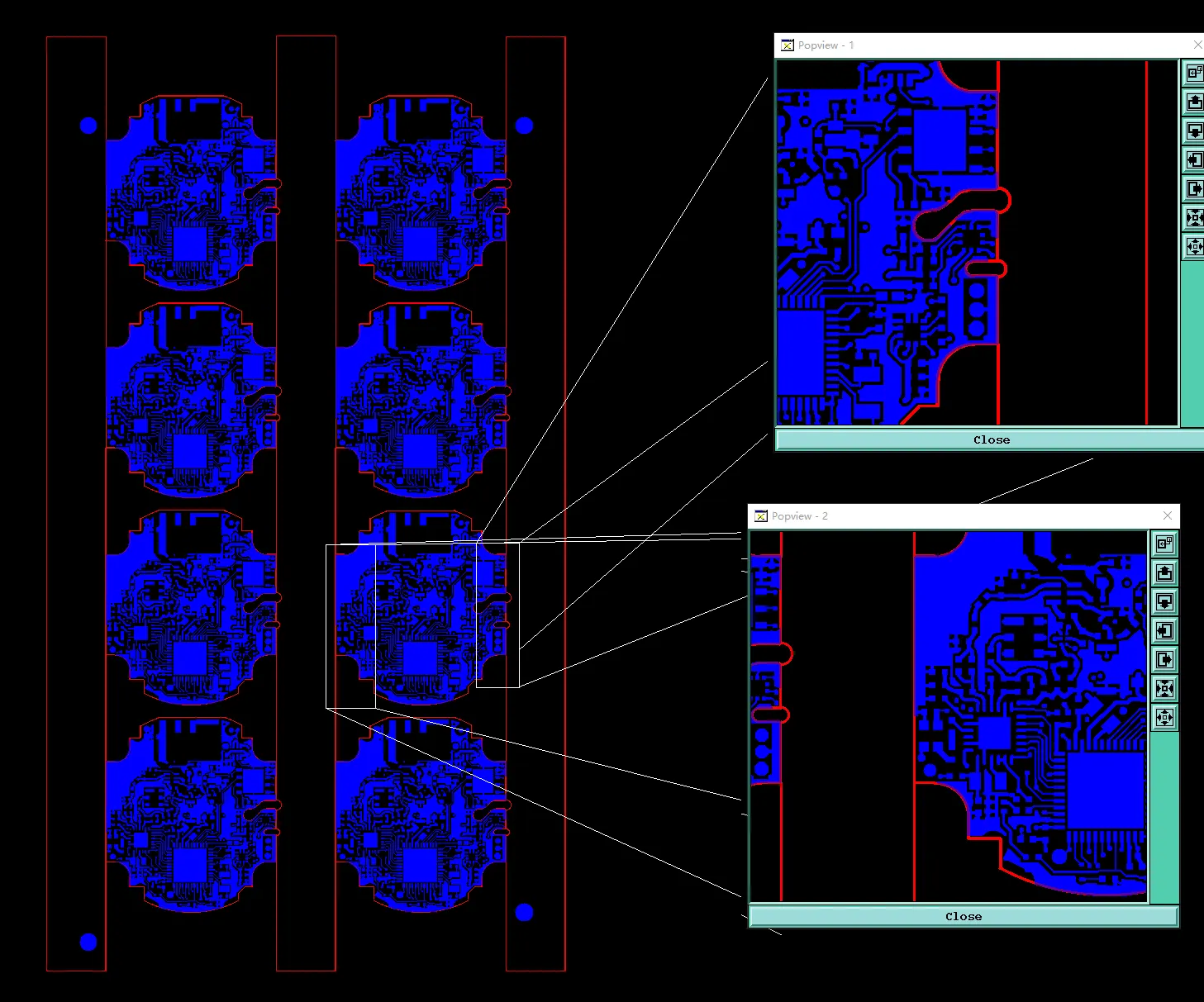
Trace to Board Edge Clearance: Essential DFM Rules
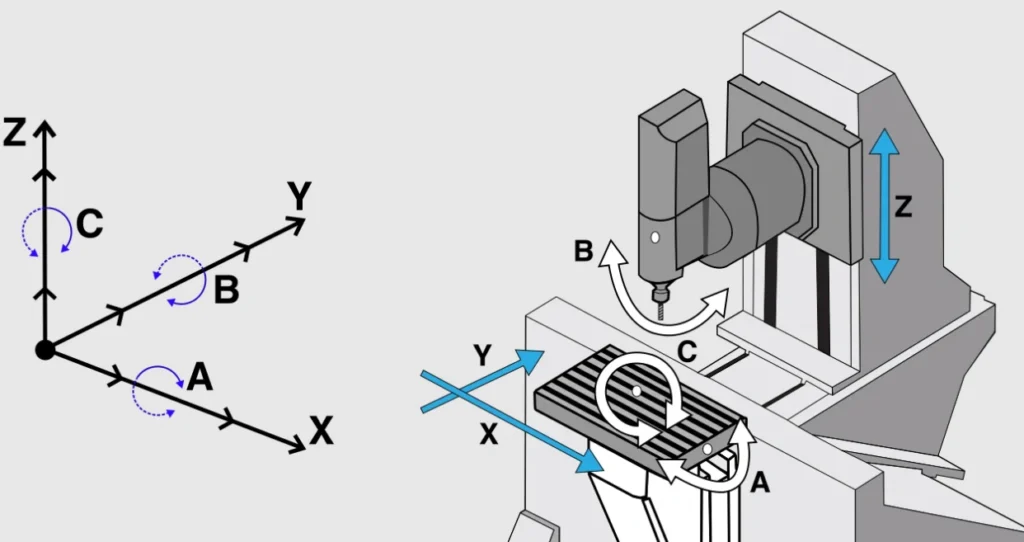
How to Design CNC Parts for Low Volume Production
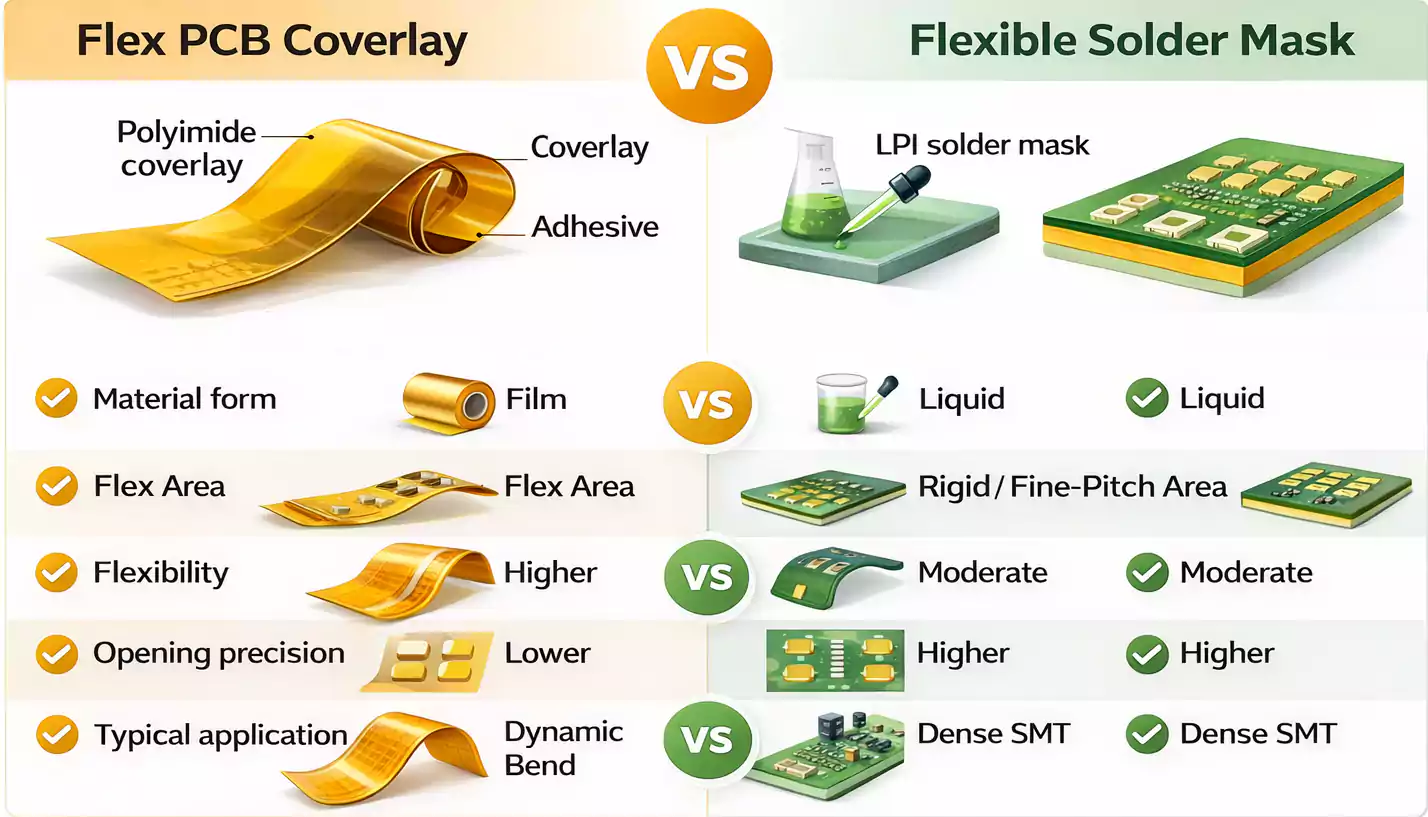
Coverlay Opening vs Solder Mask Opening: What's the Difference?
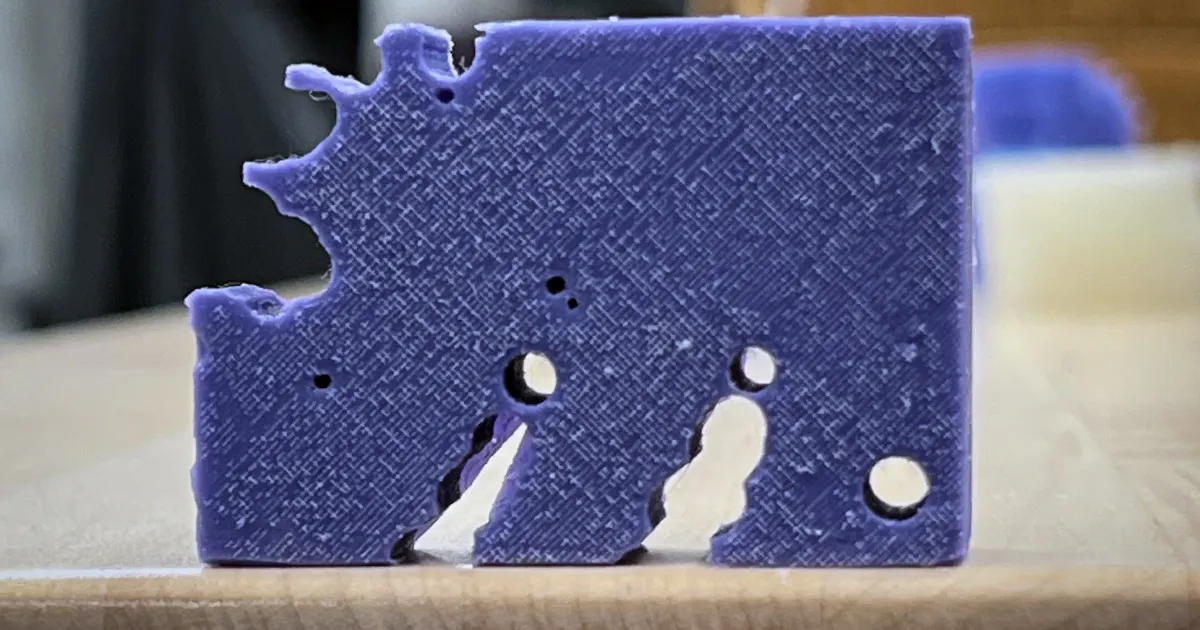
AI Designs Robots From Scratch

Remote Rehabilitation Data Collection for Real-Time 3D Vision
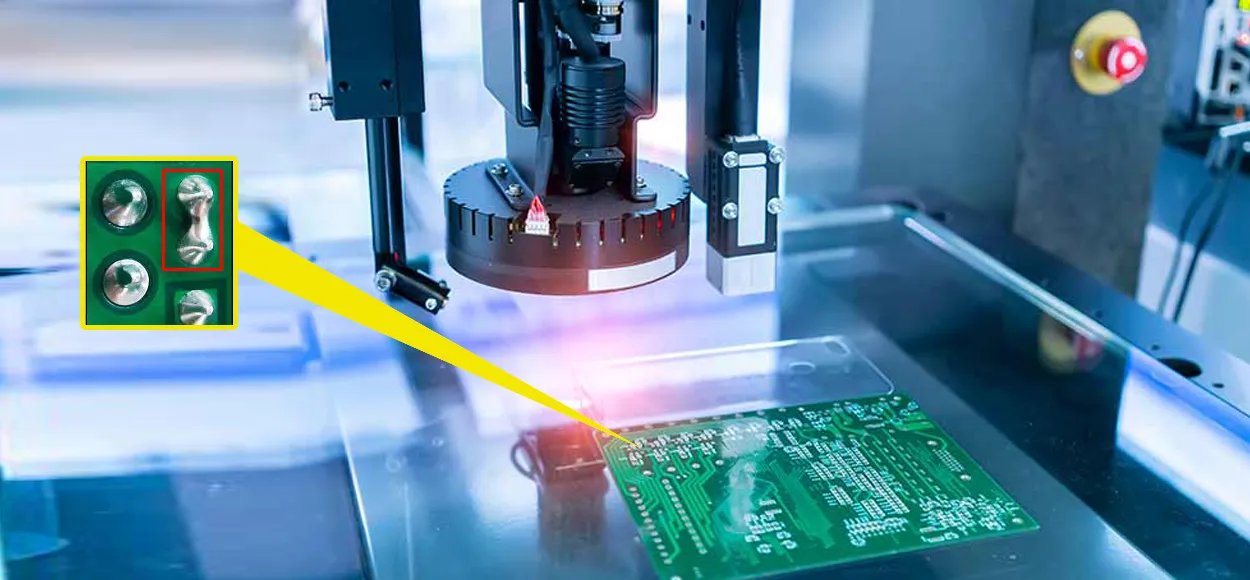
Ultimate Guide to Industrial PCB

Core Technologies Driving Electric Aircraft Development
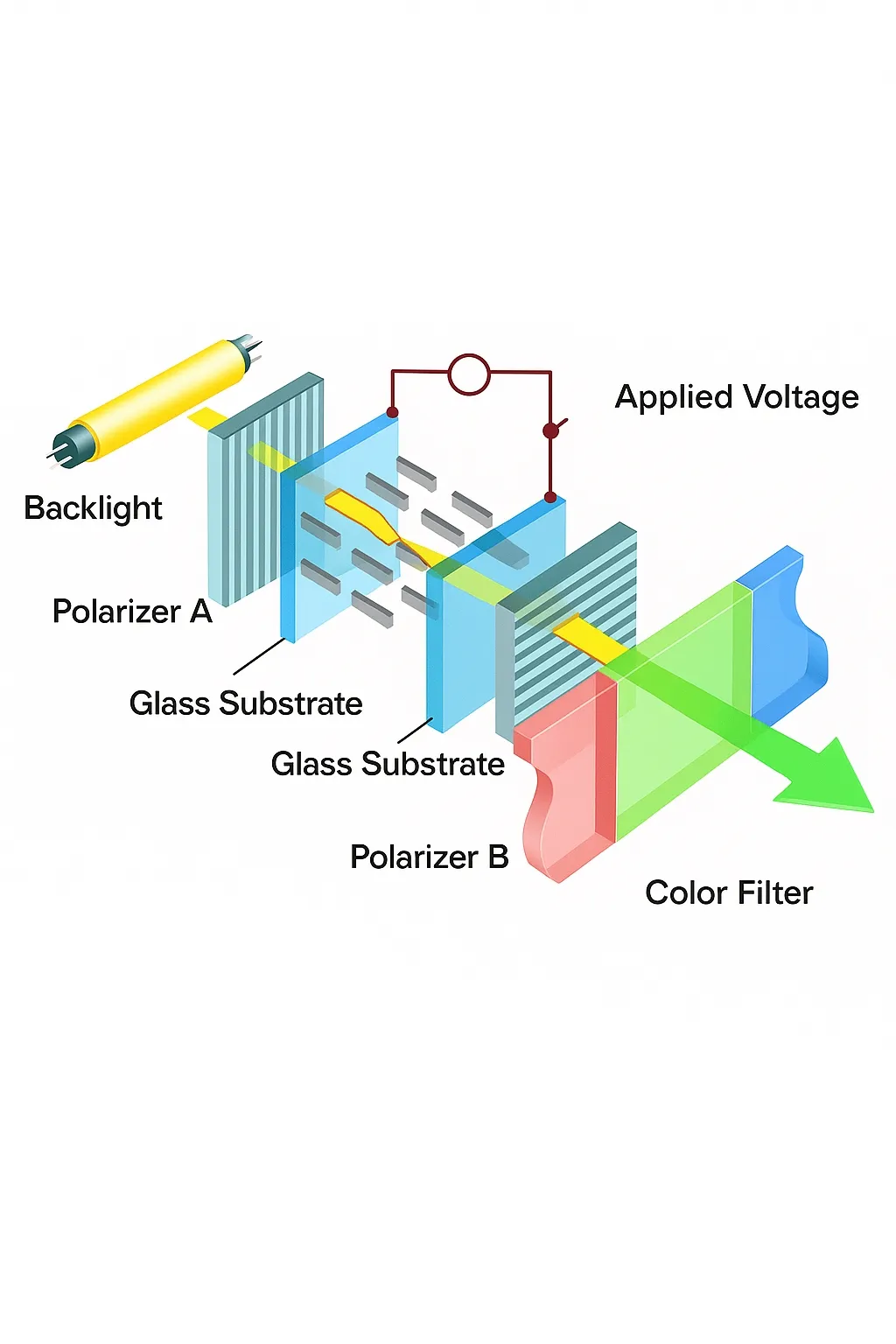
Common Display Types and a TFT-LCD Control Overview
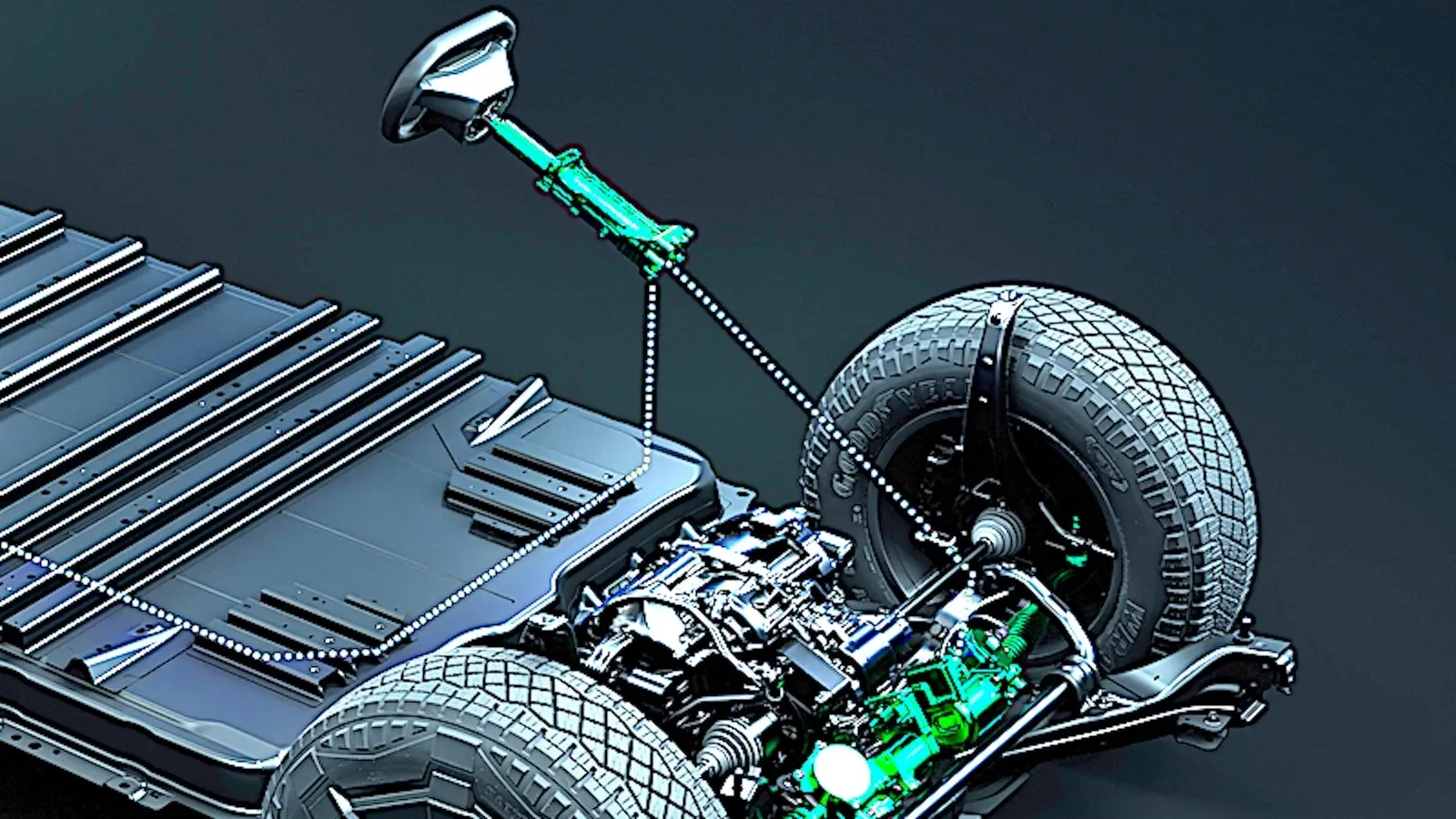
Tesla steer-by-wire system architecture
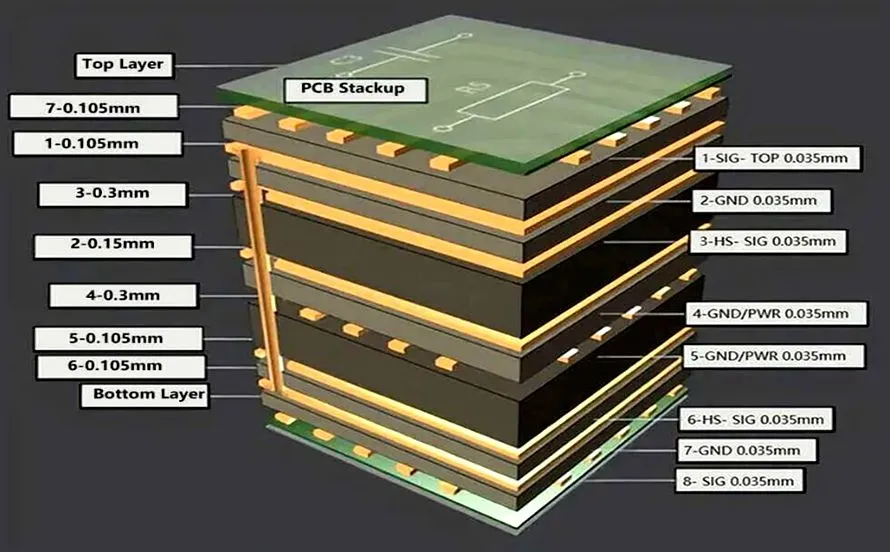
Decoding PCB Thickness: How to Optimize for Performance, Cost, and Reliability

Moto 360 Gen 2: Design and Hardware Updates
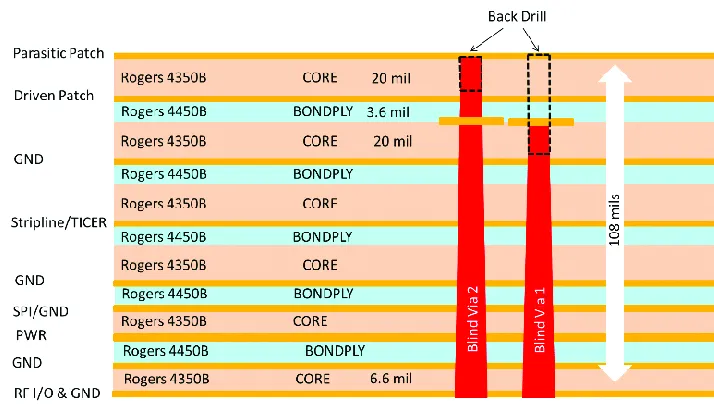
Mastering Rigid PCB Design: A Comprehensive Guide for Beginners
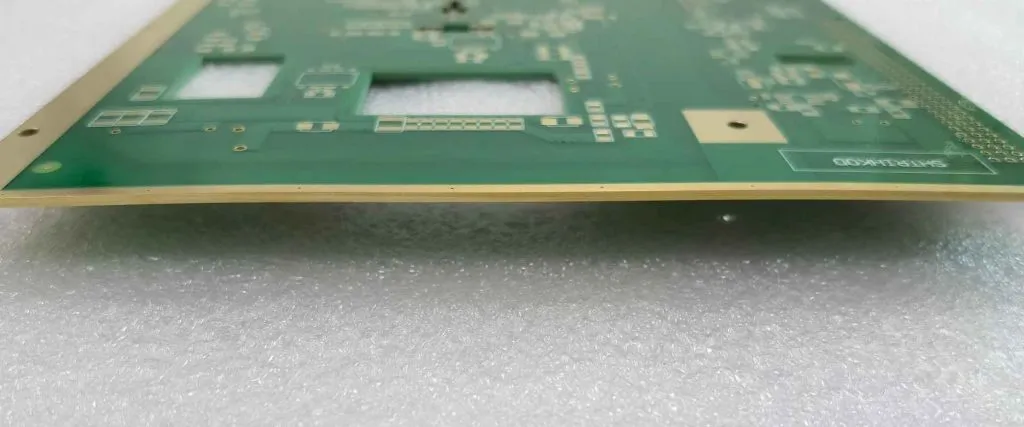
The Role of PCB Edge Plating in Board to Board Connections
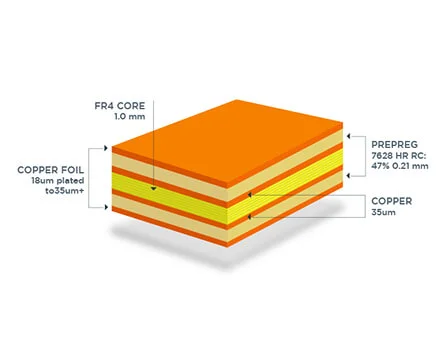
Optimizing Signal Integrity in Rigid PCB Design: Techniques and Best Practices
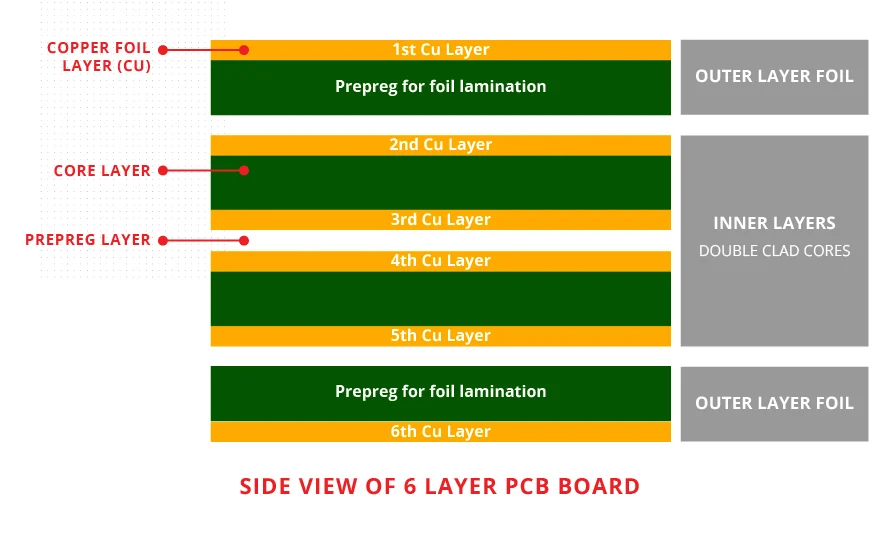
The Ultimate Checklist for Flawless Rigid PCB Design: Avoid Costly Mistakes

High-Security Cryptographic Module Design Architecture

Designing Your First Avionics PCB for Model Rockets

Network Switch PCB Layout: A Comprehensive Design-to-Production Guide