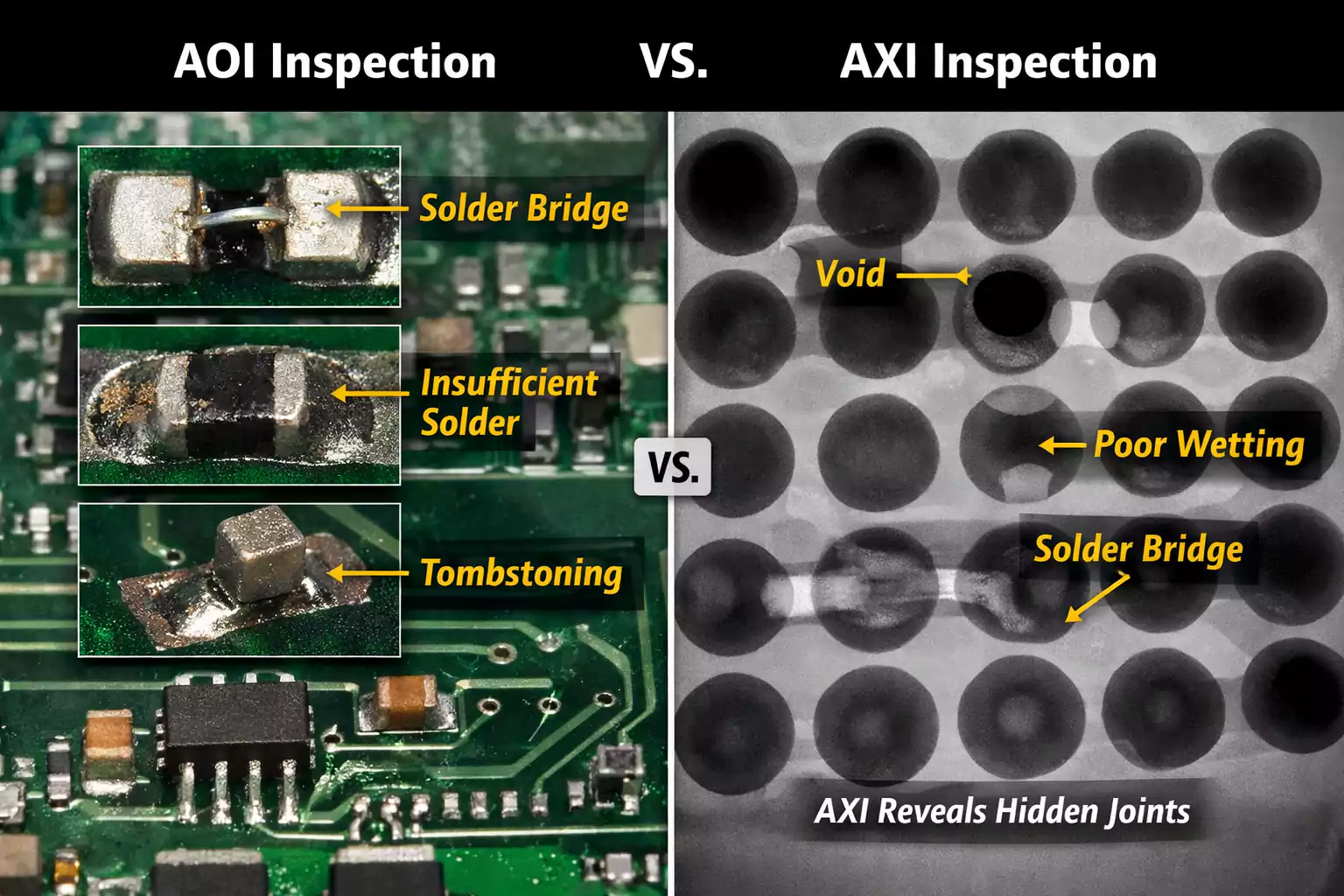
Solder Joint Reliability
Solder joint reliability is a critical aspect of printed circuit board (PCB) design and manufacturing, focusing on the long-term performance and durability of connections between components and the board. In electronics, solder joints serve as the backbone of electrical and mechanical integrity, but they can degrade over time due to factors such as thermal expansion, mechanical vibration, humidity, and material fatigue. For engineers, technicians, and hobbyists searching for information on this topic, understanding solder joint reliability helps prevent common failures in consumer devices, automotive systems, industrial equipment, and aerospace applications. By addressing these challenges early in the design phase, professionals can enhance product lifespan and reduce costly rework or recalls. This tag encompasses a range of articles that delve into the science behind solder joint failures, including intermetallic compound formation, voiding, and cracking under stress. Readers will find practical guidance on selecting appropriate solder alloys, such as lead-free options compliant with RoHS standards, and optimizing reflow soldering processes to minimize defects. Best practices include implementing accelerated life testing methods like thermal cycling and shear testing to predict real-world performance, as well as using advanced inspection tools such as X-ray imaging or cross-sectional analysis for quality assurance. These insights are particularly valuable for those troubleshooting field failures or seeking to comply with industry standards like IPC-9701 for reliability assessment. For deeper knowledge, the articles linked under this tag offer case studies from real-world scenarios, step-by-step tutorials on improving joint strength through design modifications, and comparisons of soldering techniques like wave versus reflow. Whether you are refining prototypes or scaling production, these resources provide the technical foundation to achieve robust, reliable solder joints that withstand demanding environments.
Technical Articles
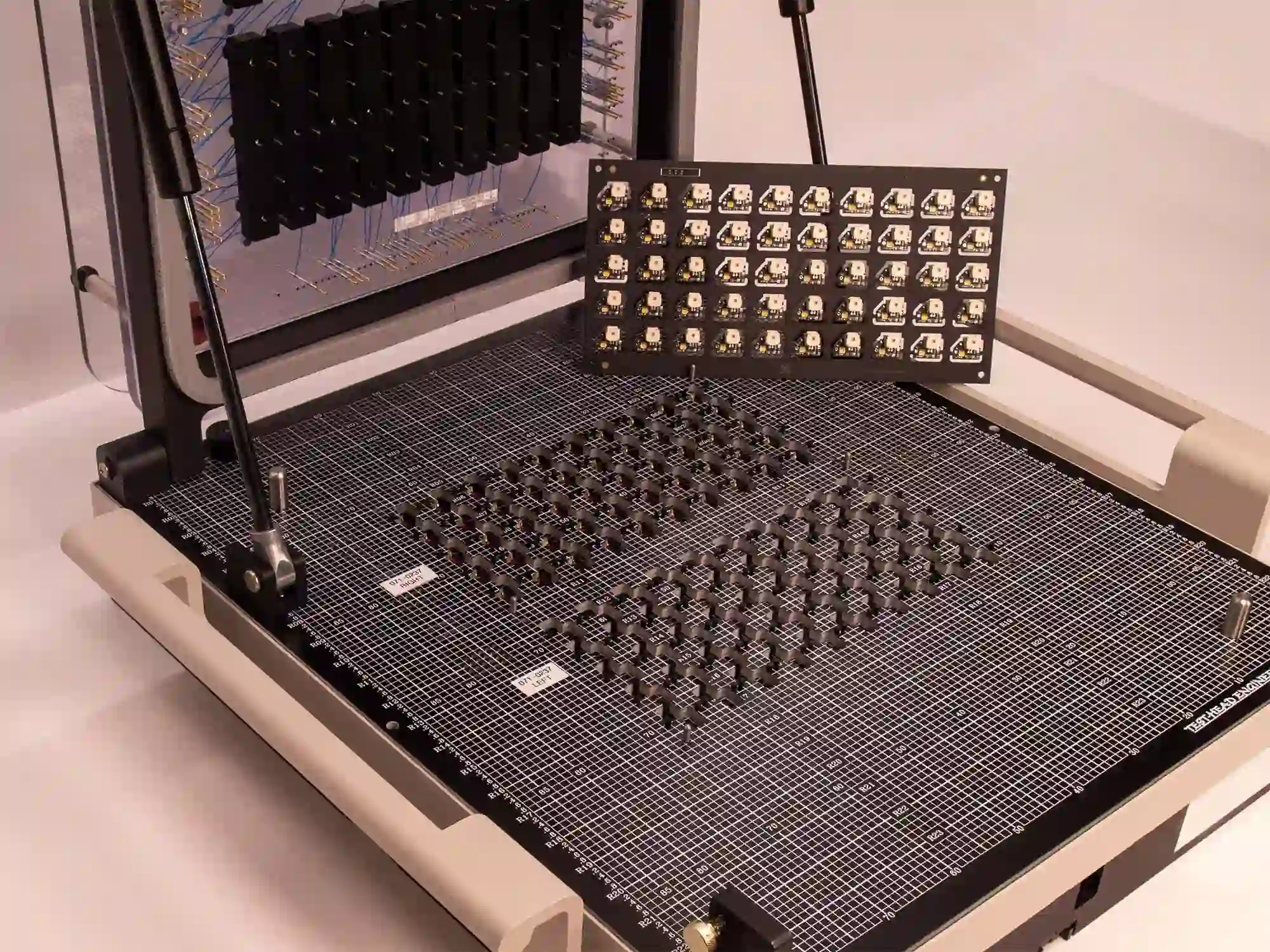
The Advantages of In-Circuit Test for PCB Assembly

Ensuring PCB Reliability: A Deep Dive into Solder Joint Voids
How to Hand Solder Tiny PCB Components (Like 0402 SMDs)
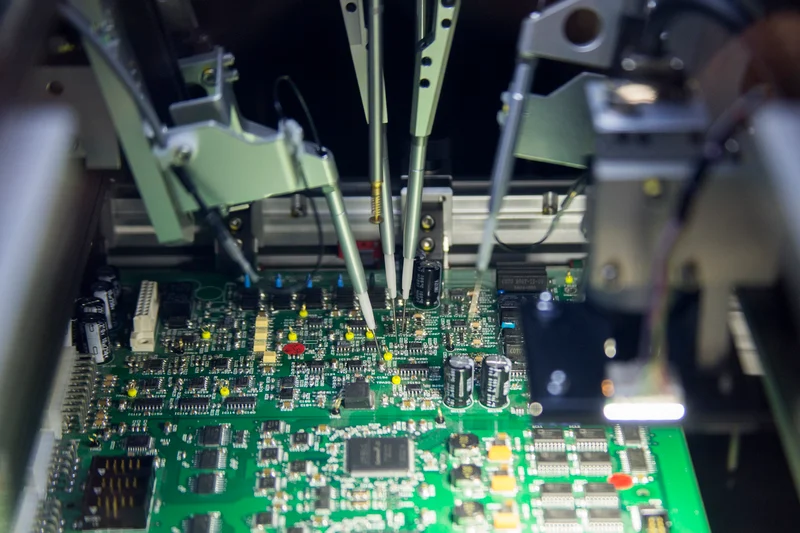
Challenges in using FPT

Lead Free Assembly in Industrial Applications: Optimizing for Harsh Environments
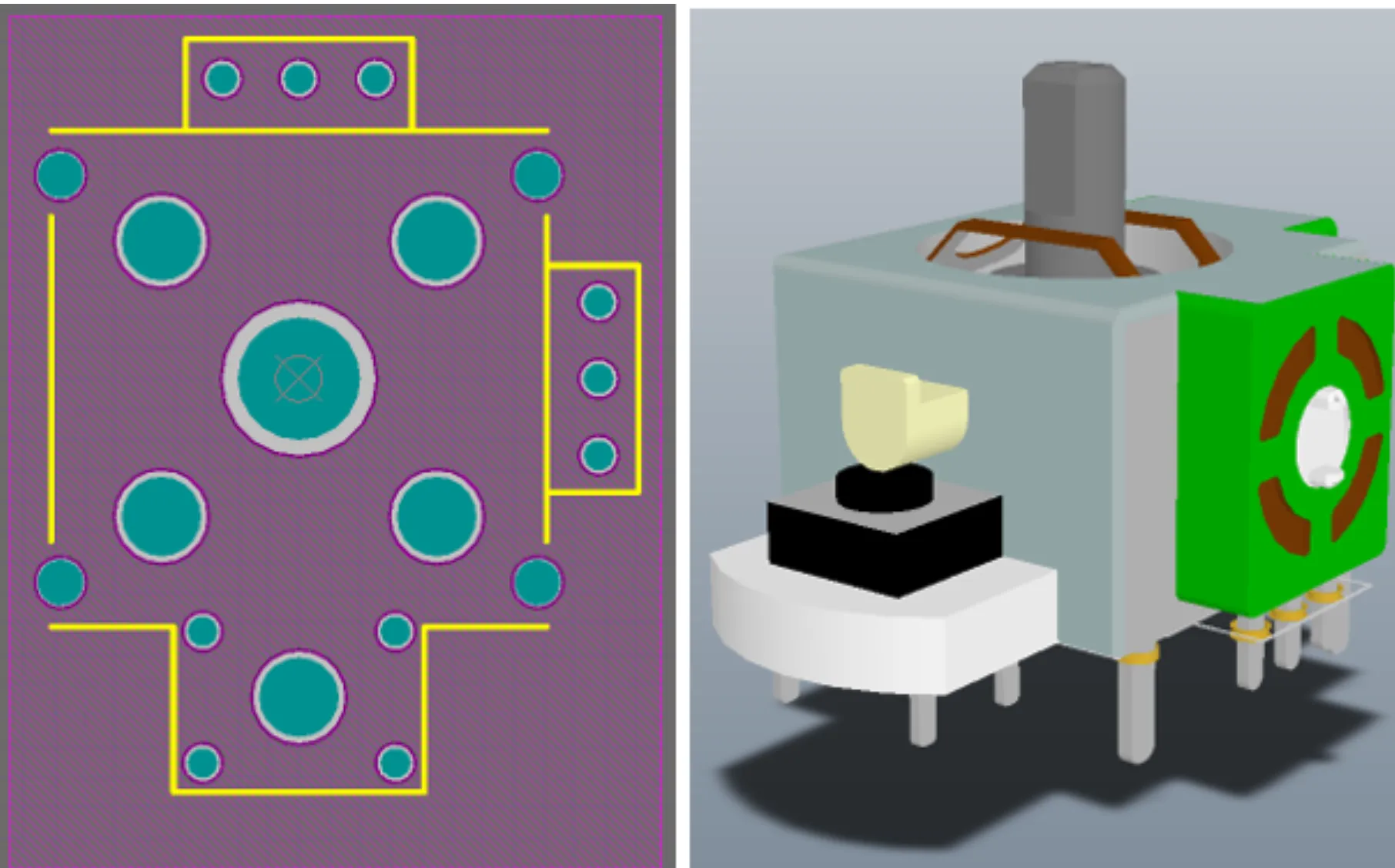
Creating Custom Component Footprints: When and How to Break the Rules
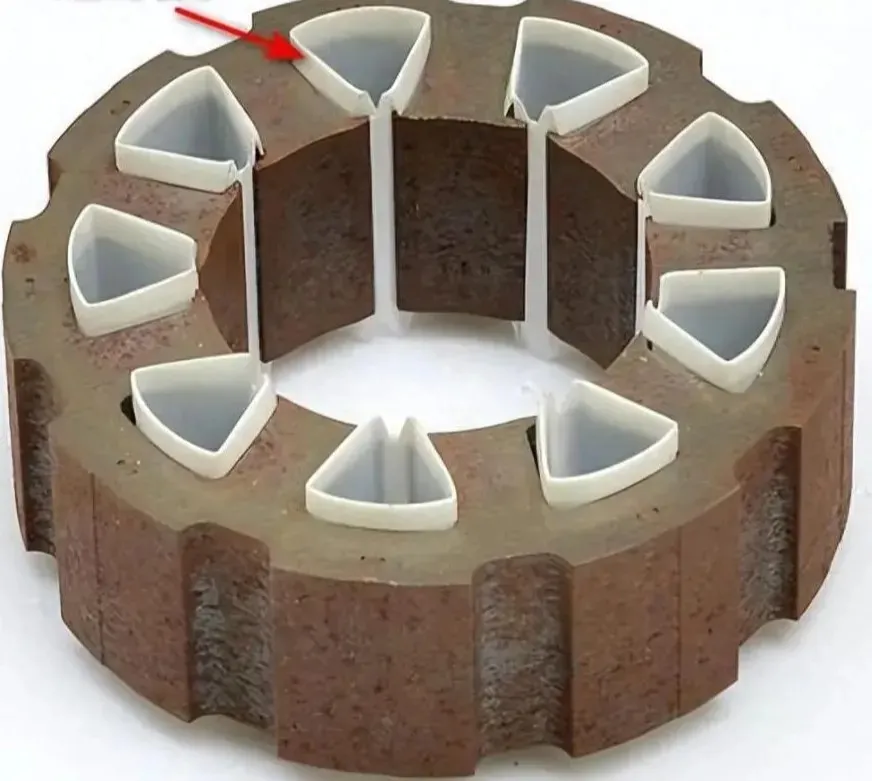
Motor Slot Fill Ratio: Practical Analysis
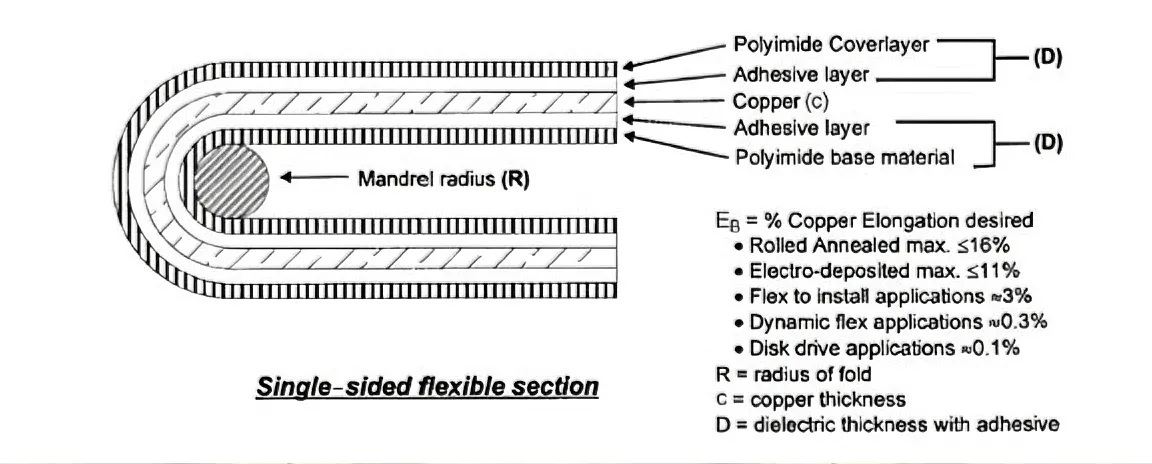
Soldering on Flexible PCBs: Techniques for Hobbyists
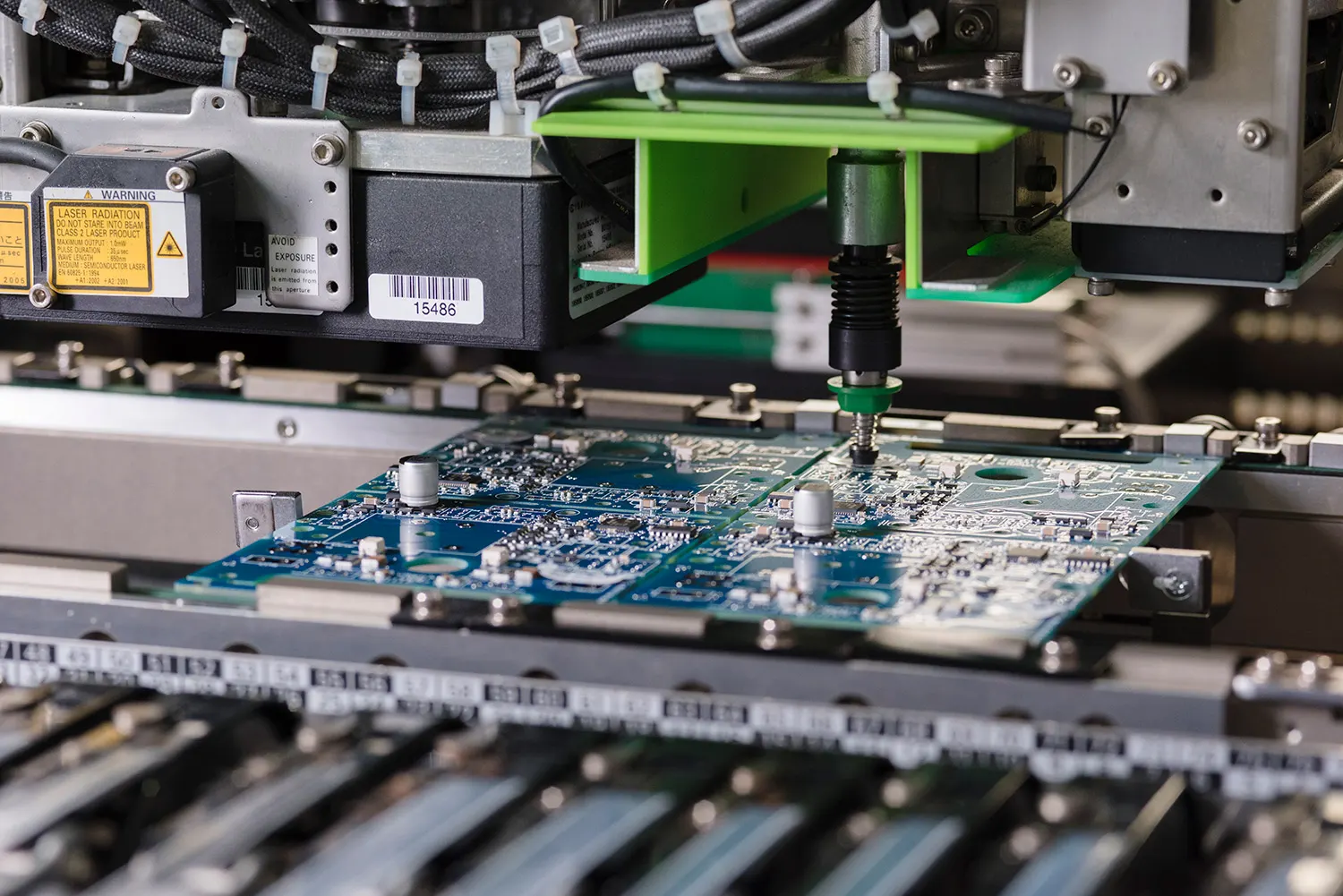
Design for Assembly Checklist: 10 Steps to Streamline Your PCB Assembly Process
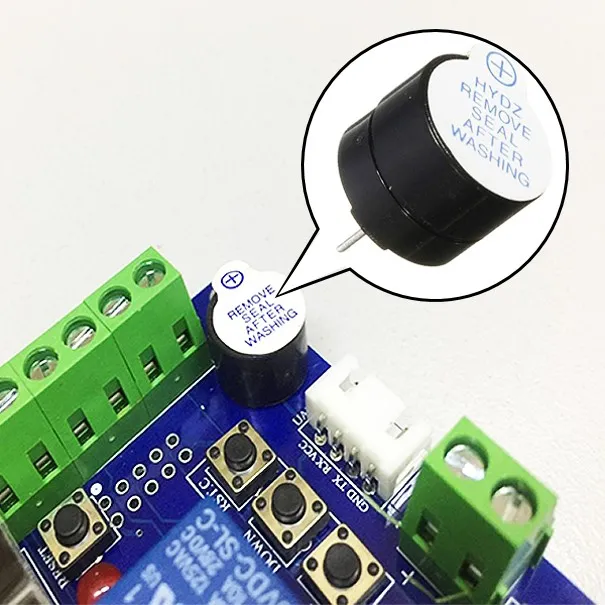
Extend Buzzer Life: Essential Tips for Engineers on Minimizing Failures
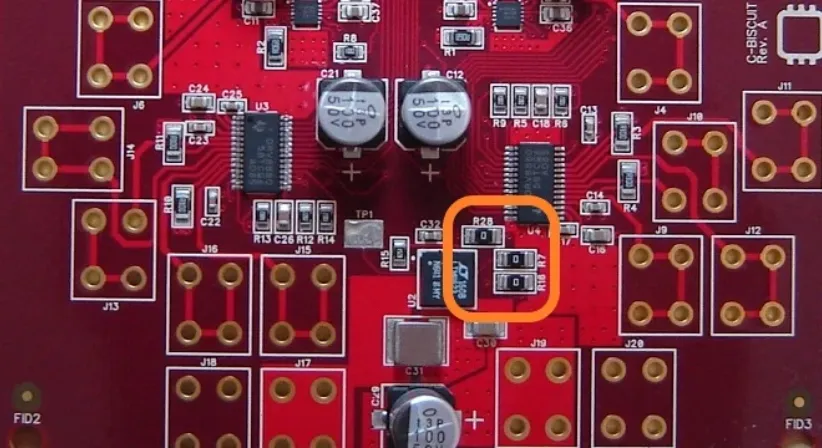
Zero Ohm Resistors vs. Jumpers: When to Use Which in Your PCB Design
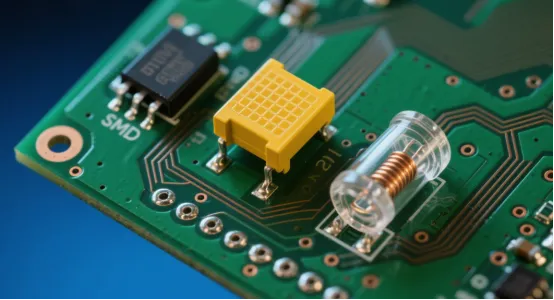
SMD Fuses: Compact Circuit Protection for High Density PCBs
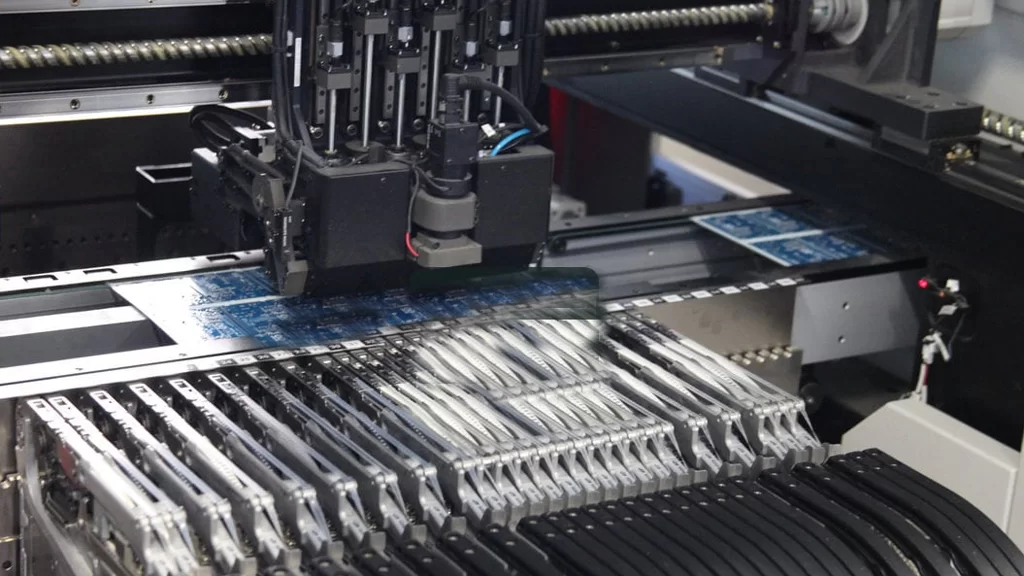
The Ultimate Guide to Design for Assembly (DFA) in Electronics Manufacturing
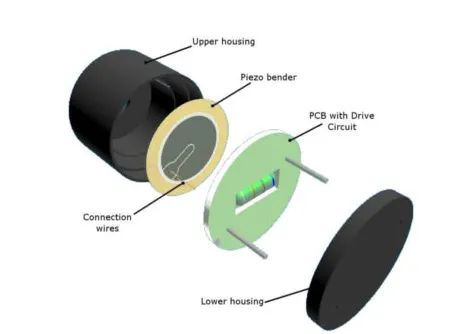
Buzzers in Automotive Electronics: Applications and Reliability Requirements
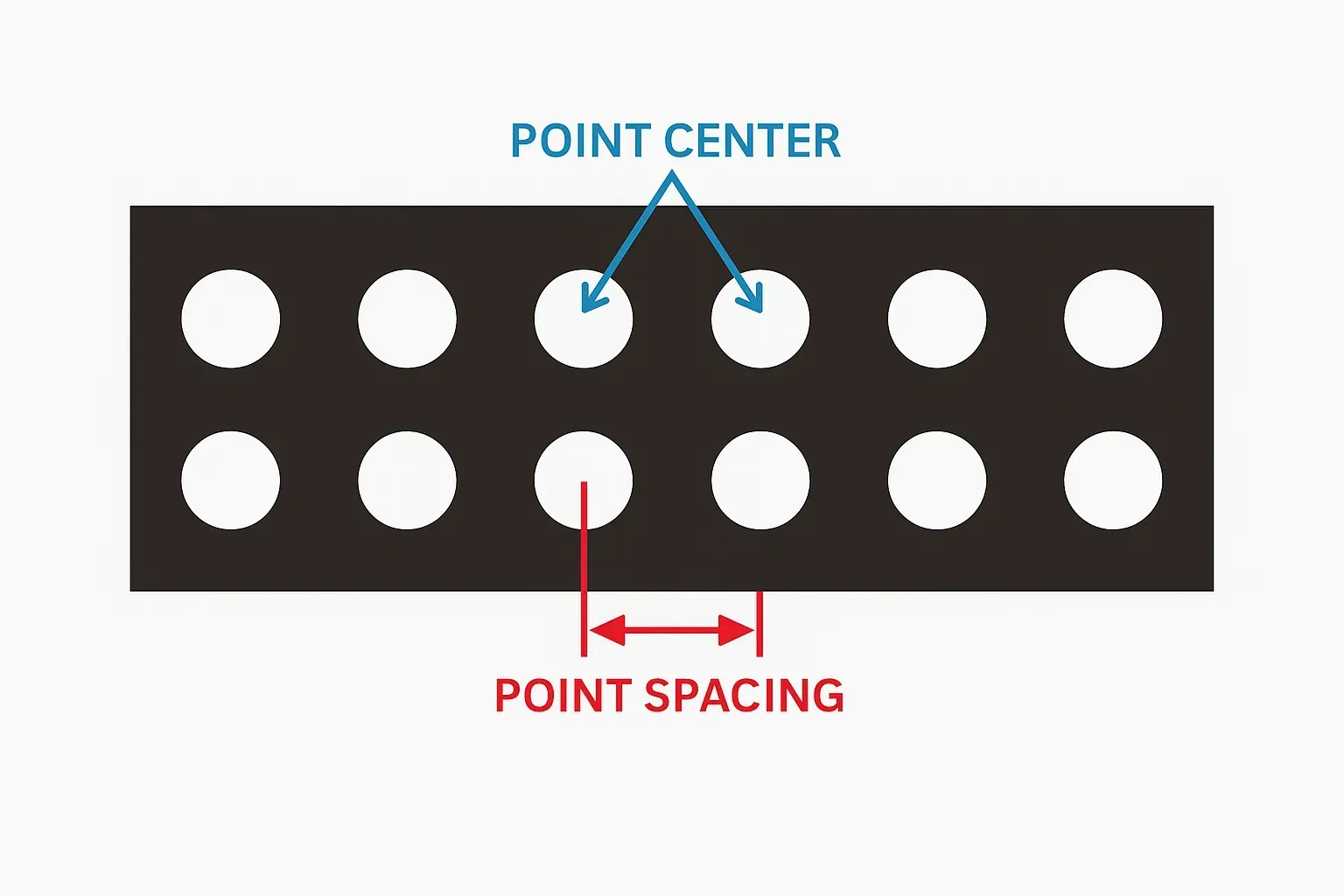
55 Technical Terms for LED Displays
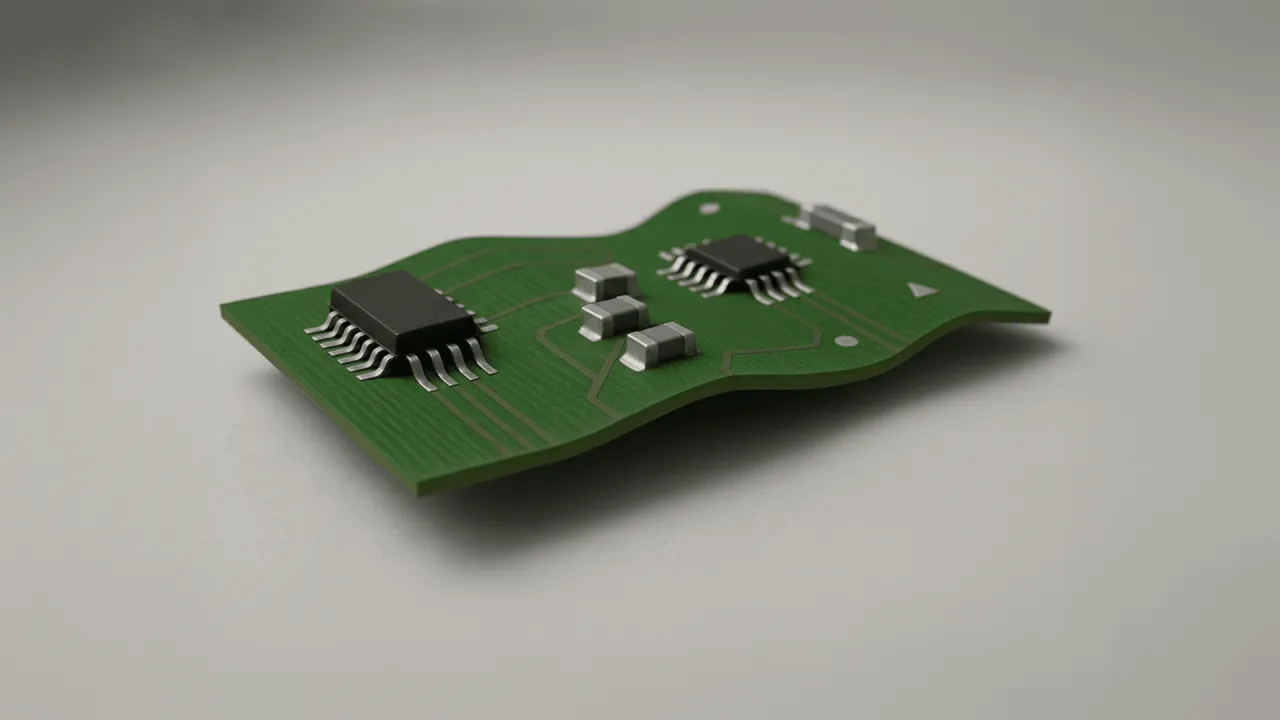
Troubleshooting Common Issues in PTFE PCB Assembly
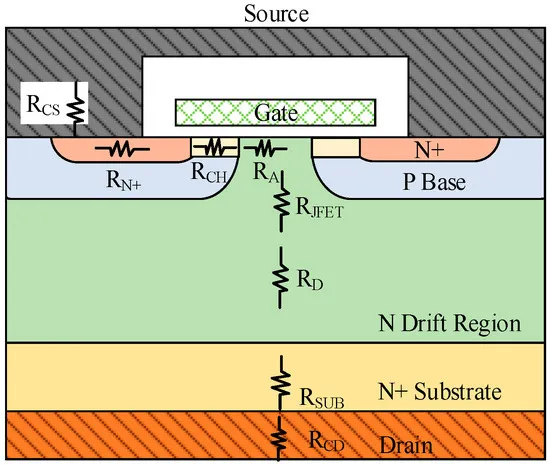
Common MOSFET Failure Mechanisms

RoHS Exemptions Explained: Navigating the Fine Print for Electronic Design