2-Layer vs 4-Layer FR4 PCB: Cost, Performance, and Design Differences
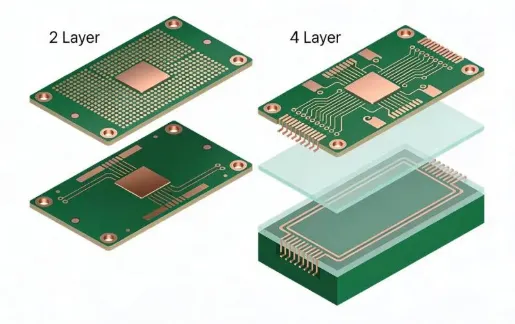
2 layer vs 4 layer FR4 PCB from the fab floor: layer structure, routing space, signal integrity, cost, and when factories recommend upgrading to 4-layer.
Printed circuit boards (PCBs) form the backbone of modern electronics, enabling everything from smartphones to industrial machinery. In our PCB Knowledge category, we delve into the essential principles, techniques, and innovations that drive this field forward. Whether you are an engineer refining your designs or a hobbyist embarking on your first project, this collection offers valuable resources to enhance your understanding and skills. The scope of PCB Knowledge spans foundational concepts such as circuit layout and component selection, extending to advanced topics like high-speed signal integrity and thermal management. We provide detailed guides that walk through design software usage, manufacturing processes, and quality assurance methods. Tutorials offer hands-on instructions for prototyping and assembly, while insights from industry experts share real-world case studies and emerging trends. Best practices emphasize reliability, cost efficiency, and compliance with standards like IPC, ensuring your projects meet professional benchmarks. The practical value lies in its direct applicability to everyday challenges. For instance, articles on troubleshooting common PCB failures can save time and resources in product development cycles. Discussions on materials science reveal how choices in substrates and coatings impact performance in harsh environments, such as automotive or aerospace applications. By addressing these elements, PCB Knowledge equips you with tools to innovate and optimize electronic systems that power renewable energy solutions, medical devices, and consumer gadgets. As you read through the articles here, you will gain a comprehensive perspective that connects theoretical knowledge with tangible outcomes. This category serves as a hub for ongoing learning, where each piece builds on the others to foster expertise in PCB technology. Stay informed on the latest advancements, from flexible PCBs to sustainable manufacturing, and apply these insights to your work for superior results.
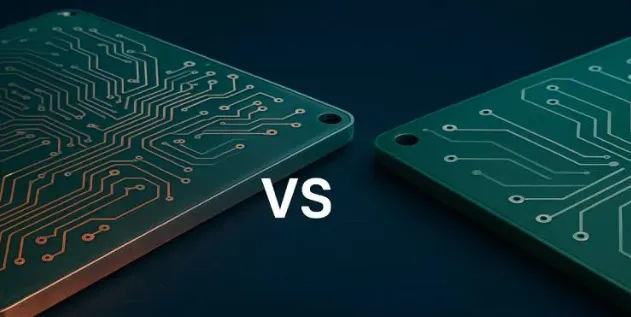
2 layer vs 4 layer FR4 PCB from the fab floor: layer structure, routing space, signal integrity, cost, and when factories recommend upgrading to 4-layer.
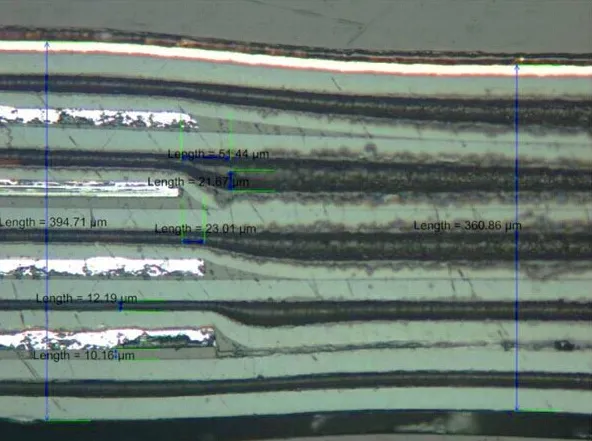
FR4 vs HDI PCB from the fab floor: when a drilled FR4 multilayer is enough, when microvias cut layer count, and how density, yield, and sequential lamination set cost.
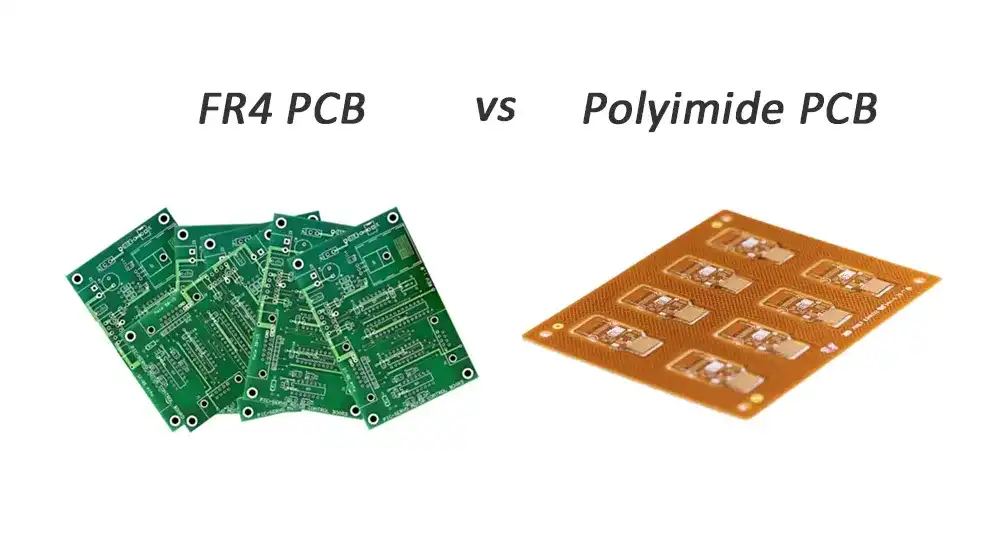
FR4 vs flexible PCB from the fab floor: when a rigid FR4 board is enough, when an FPC saves volume, and how bend radius, thickness, cost, and yield pick the stack.
FR4 vs metal core PCB from the fab floor: when FR4 plus vias is enough, when MCPCB drops junction temp, and how dielectric Rθ plus system cost pick the stack.
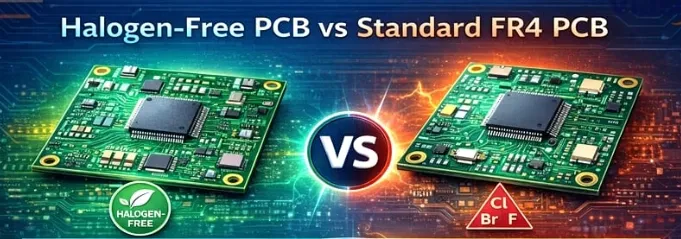
FR4 vs halogen free PCB from the fab floor: when standard FR4 is enough, when halogen-free FR4 is required, and how cost, Td, and IEC 61249-2-21 change the spec.
Smart watch PCB antenna design focuses on antenna placement, impedance matching, Bluetooth antenna design, and Wi-Fi antenna design. Engineering best practices ensure reliable connectivity, efficiency, and performance in compact wearables for electrical engineers.
Automotive PCB advanced design techniques such as controlled impedance, embedded passives, back drilling, via stitching, and thermal plane design help electric engineers achieve optimal signal integrity, thermal management, and reliability in vehicle electronics for ADAS and power systems.
8-layer PCB embedded passives integrate resistors and capacitors for performance gains. Reduced parasitics, improved signal integrity, and space efficiency benefit high-density designs for electric engineers. Covers principles, best practices, and FAQs.
Electric engineers guide to power management ICs for AR glasses. Covers voltage regulators, DC-DC converters, battery chargers, power monitoring, efficiency, selection criteria, PCB integration, best practices, and troubleshooting for reliable battery performance in wearables. (187 characters)
Guide covers navigation PCB sensor integration for accelerometers, gyroscopes, magnetometers. Details layout best practices, decoupling, shielding, power management, sensor fusion, assembly per IPC-6012E and J-STD-020E, plus testing for reliable IMU performance in vehicles and drones. (197 characters)
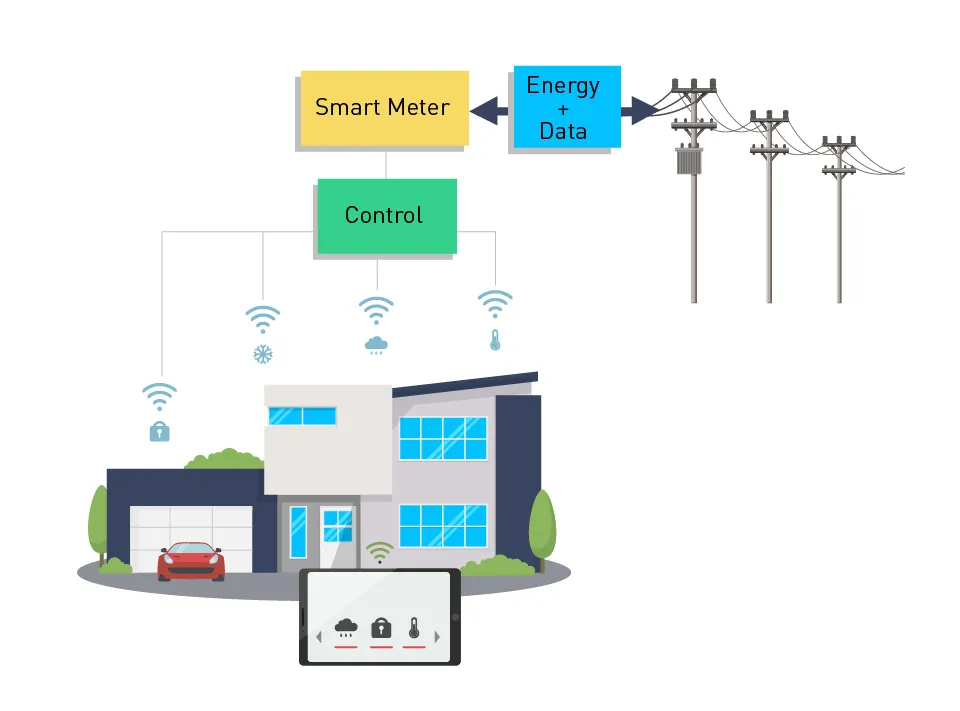
Covering PCB integration of smart grid sensors with focus on layout for accuracy, sensor placement, data acquisition design, and signal conditioning. Practical engineering steps ensure precise real-time monitoring of voltage, current, and faults in power grids for reliable performance.
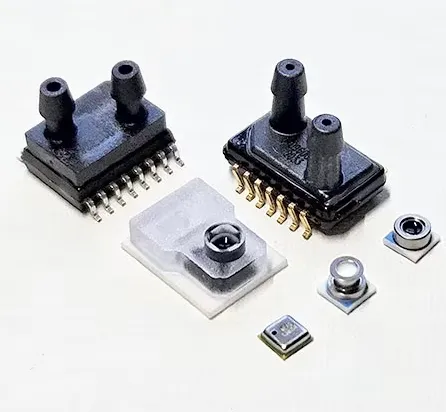
Electric engineers guide to choosing industrial sensors including temperature sensors, pressure sensors, humidity sensors, accelerometers, and gas sensors for PCB integration. Covers selection criteria, best practices, troubleshooting, and standards for reliable performance in harsh industrial environments.