


PCB Application
Printed circuit boards (PCBs) form the backbone of modern electronics, enabling the seamless integration of components in devices ranging from smartphones to industrial machinery. In the PCB Application category, we delve into the diverse ways these essential components are deployed across industries, offering a comprehensive resource for engineers, designers, and enthusiasts seeking to understand and implement effective solutions. This category explores the practical implementation of PCBs in real-world scenarios, from consumer electronics and automotive systems to medical devices and renewable energy technologies. Readers will find detailed discussions on how PCB designs influence performance, reliability, and efficiency in applications such as IoT devices, where compact layouts support wireless connectivity, or in aerospace engineering, where robust PCBs withstand extreme conditions. By examining these examples, professionals can gain insights into optimizing board layouts for specific environments, reducing failure rates, and enhancing overall system functionality. Our collection includes in-depth guides that walk through application-specific design considerations, step-by-step tutorials on prototyping for emerging technologies like electric vehicles, and expert insights into best practices for signal integrity and thermal management. Whether you are troubleshooting common issues in high-frequency applications or exploring innovative uses in wearable tech, the articles here provide actionable knowledge grounded in current industry standards. As you navigate through these resources, you will uncover strategies to adapt PCB applications to evolving demands, ensuring your projects remain at the forefront of technological advancement. With a focus on technical relevance, this category bridges theoretical concepts with hands-on implementation, empowering you to apply proven techniques in your own work. Delving into multiple pieces within PCB Application equips you with a broader perspective, fostering innovation and problem-solving in electronics design.
Latest Blogs
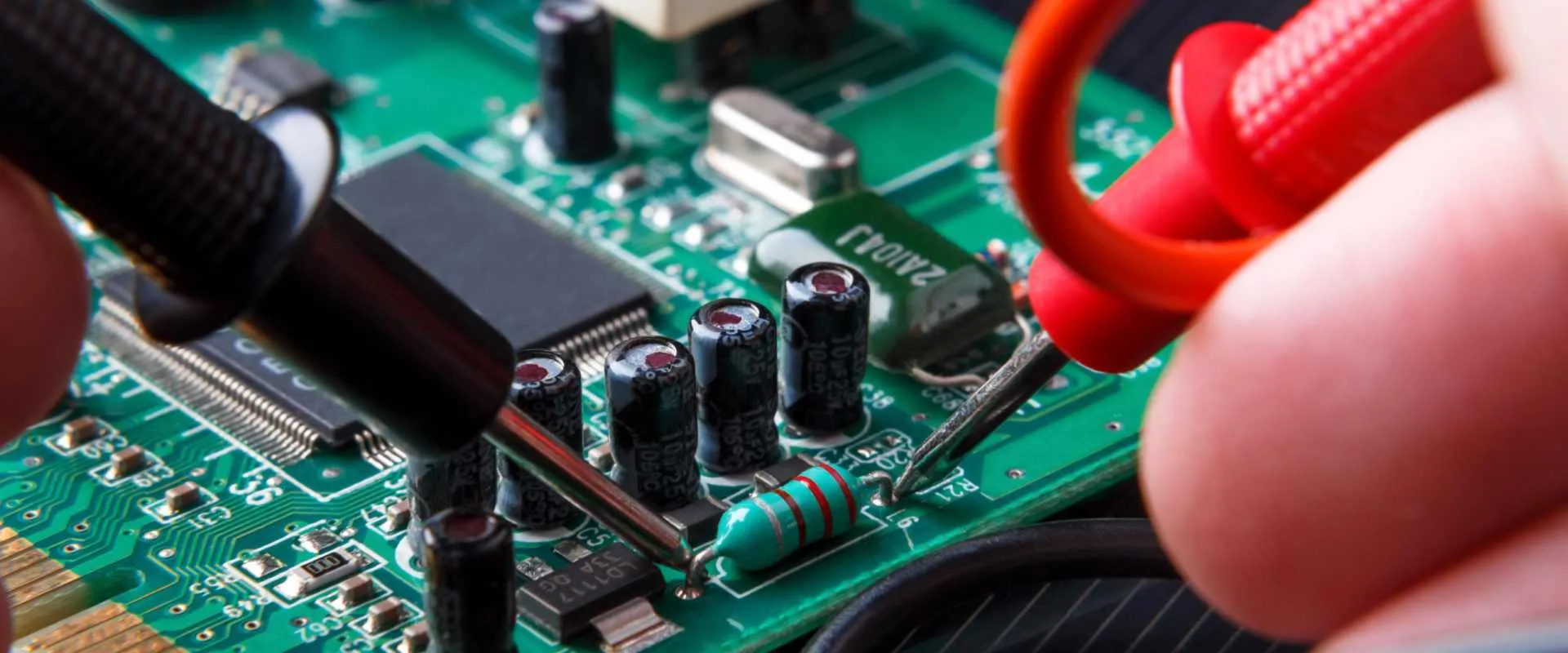
Troubleshooting Tips: Diagnosing Common Issues in Avionics System PCBs
Troubleshoot avionics PCB problems with practical tips on solder joint cracks, delamination, via defects, and vibration issues. Covers testing avionics PCB methods, failure analysis techniques, repair strategies, and prevention for reliable avionics systems. Ideal for electric engineers.
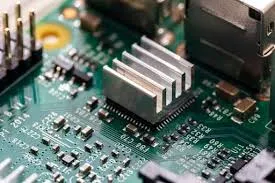
Thermal Vias and Heat Sinks: Keeping Avionics System PCBs Cool Under Pressure
Thermal vias conduct heat vertically in avionics PCBs while heat sinks dissipate it via convection. Practical details on avionics PCB thermal vias arrays, avionics PCB heat sink design, transfer principles, best practices, challenges, troubleshooting, and standards for reliable thermal management for avionics PCBs.

Miniaturization Matters: Designing Compact Avionics System PCBs for Weight Reduction
Compact avionics PCB design reduces aircraft weight using high-density interconnect HDI PCBs, fine-pitch components, and precise stackups. Electric engineers get best practices for reliable small form factor avionics PCBs that handle vibration and thermal stress in avionics systems.
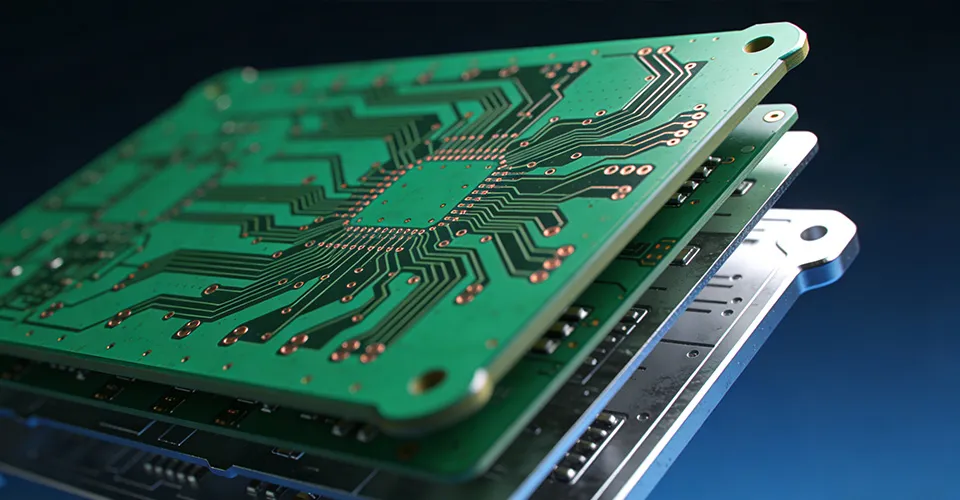
Thermal Management on a Budget: CEM-3 PCBs for LED Lighting
CEM-3 PCBs deliver solid CEM-3 PCB thermal conductivity and heat dissipation for LED lighting on a tight budget. Get practical tips on thermal management CEM-3 techniques, LED PCB material choices, and LED lighting PCB design for hobbyists building reliable strips and panels.

PCB Manufacturing Capacity: A Critical Factor for Medical Device Reliability
PCB manufacturing capacity directly impacts reliable medical devices volume and manufacturing quality. High-capacity facilities maintain strict process controls for quality medical devices, scaling production to prevent defects and ensure reliability in critical medical applications.
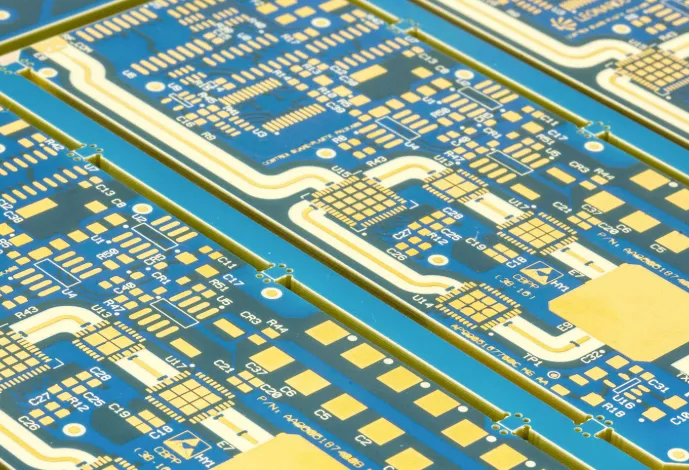
Beyond FR-4: Exploring Advanced Low Dk PCB Laminates for RF Applications
Low Dk PCB RF applications require laminates with low dielectric constant and dissipation factor to minimize losses at high frequencies. This article covers material types, technical principles, microwave PCB design best practices, manufacturing solutions, and IPC standards for reliable high-frequency PCB materials.
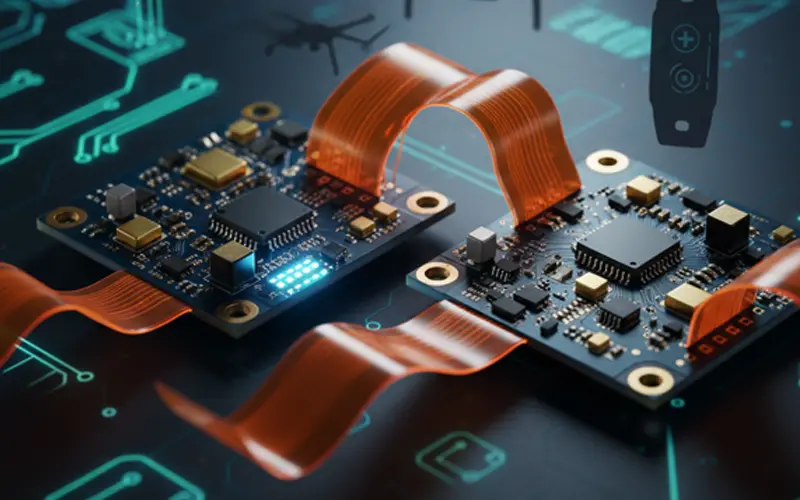
Rigid-Flex PCB Applications: The Ultimate Guide for Modern Design
Explore the top rigid-flex PCB applications in aerospace, medical, and consumer electronics. Learn how these boards enhance reliability and optimize space in modern designs.
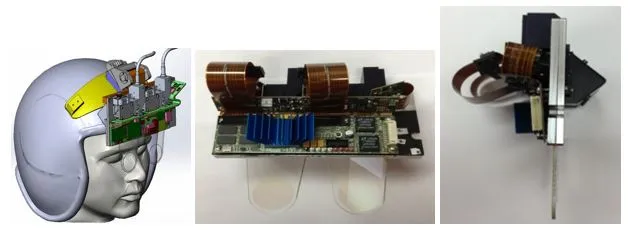
Flexible PCB Applications: Uses in Modern Electronics
Explore flexible PCB applications across wearables, healthcare, automotive, aerospace, consumer electronics, and industrial devices, with practical design and manufacturing considerations.
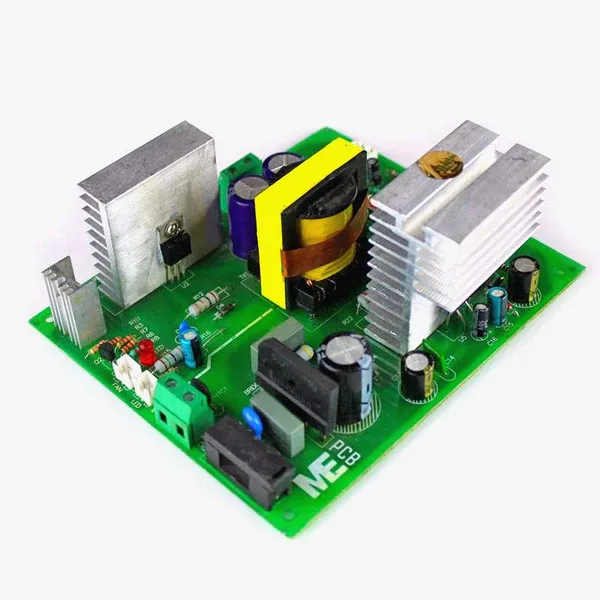
Inside a Battery Charger PCB: Essential Components for Beginners
Explore charger components in a battery charger PCB, including resistors, capacitors, diodes, transistors, and ICs, and learn about the key parts of a charger for safe, efficient charging.
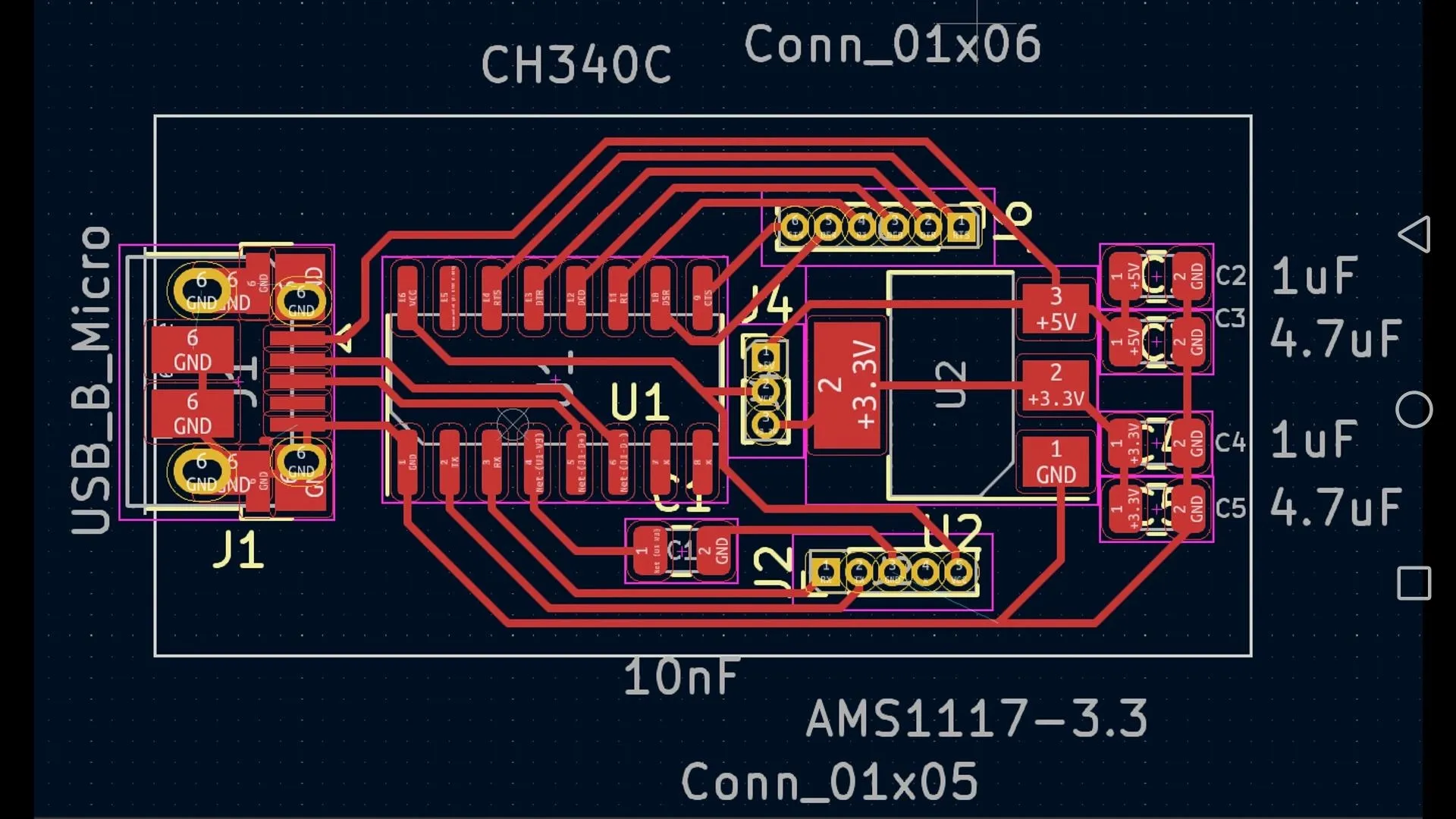
Designing Robust USB Interfaces: A Guide to Reliable PCB Layout
Learn USB PCB design guidelines and reliable layout practices for PCB USB interfaces, covering usb impedance requirements, differential routing, connectors, and signal integrity.
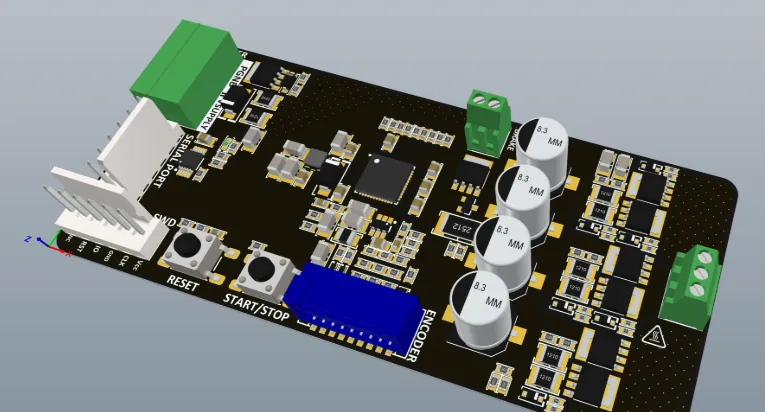
Designing a Custom Electric Motor Driver PCB: A Comprehensive Guide
Learn how to design a motor driver PCB, from motor specifications and component selection to circuit layout, thermal management, prototyping, and production testing.
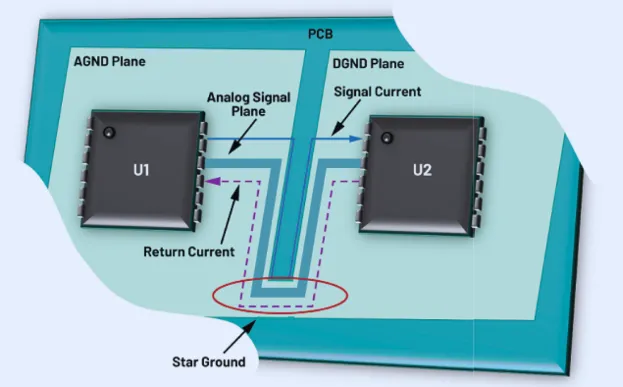
Mastering PCB Signal Routing for Crystal-Clear Audio Amplifiers
Learn essential PCB signal routing techniques for audio amplifiers, including impedance matching, trace width, and crosstalk reduction, to achieve pristine sound quality.


