 03:18
03:18
Assembly Defects
Assembly defects in printed circuit board (PCB) manufacturing represent a critical challenge that can compromise the functionality, reliability, and longevity of electronic devices. These issues arise during the assembly process, where components are soldered onto the board, and can stem from factors such as improper soldering techniques, material incompatibilities, or environmental contaminants. For engineers, technicians, and hobbyists searching for information on assembly defects, this tag serves as a comprehensive resource to identify, diagnose, and mitigate these problems effectively. Understanding these defects is essential for maintaining high production yields and ensuring end-user satisfaction in industries ranging from consumer electronics to aerospace. Common assembly defects include solder bridges, tombstoning, cold joints, and component misalignment, each with distinct causes and visual indicators. For instance, solder bridges occur when excess solder connects adjacent pads, potentially causing short circuits, while tombstoning results from uneven heating that lifts one end of a component. By recognizing these patterns early, professionals can implement targeted inspections using tools like automated optical inspection (AOI) systems or X-ray imaging to catch issues before they escalate. Practical best practices involve optimizing reflow profiles, selecting compatible solder pastes, and adhering to IPC standards for assembly processes, which can significantly reduce defect rates and associated rework costs. This tag aggregates in-depth articles that delve into real-world case studies, troubleshooting guides, and preventive strategies tailored to various assembly methods, including surface-mount technology (SMT) and through-hole assembly. Readers facing specific challenges, such as defects in high-density boards or automated production lines, will find valuable insights to refine their workflows. Exploring these resources can help streamline manufacturing operations and enhance overall PCB quality, providing the knowledge needed to address assembly defects proactively.
Video Guide


Technical Articles
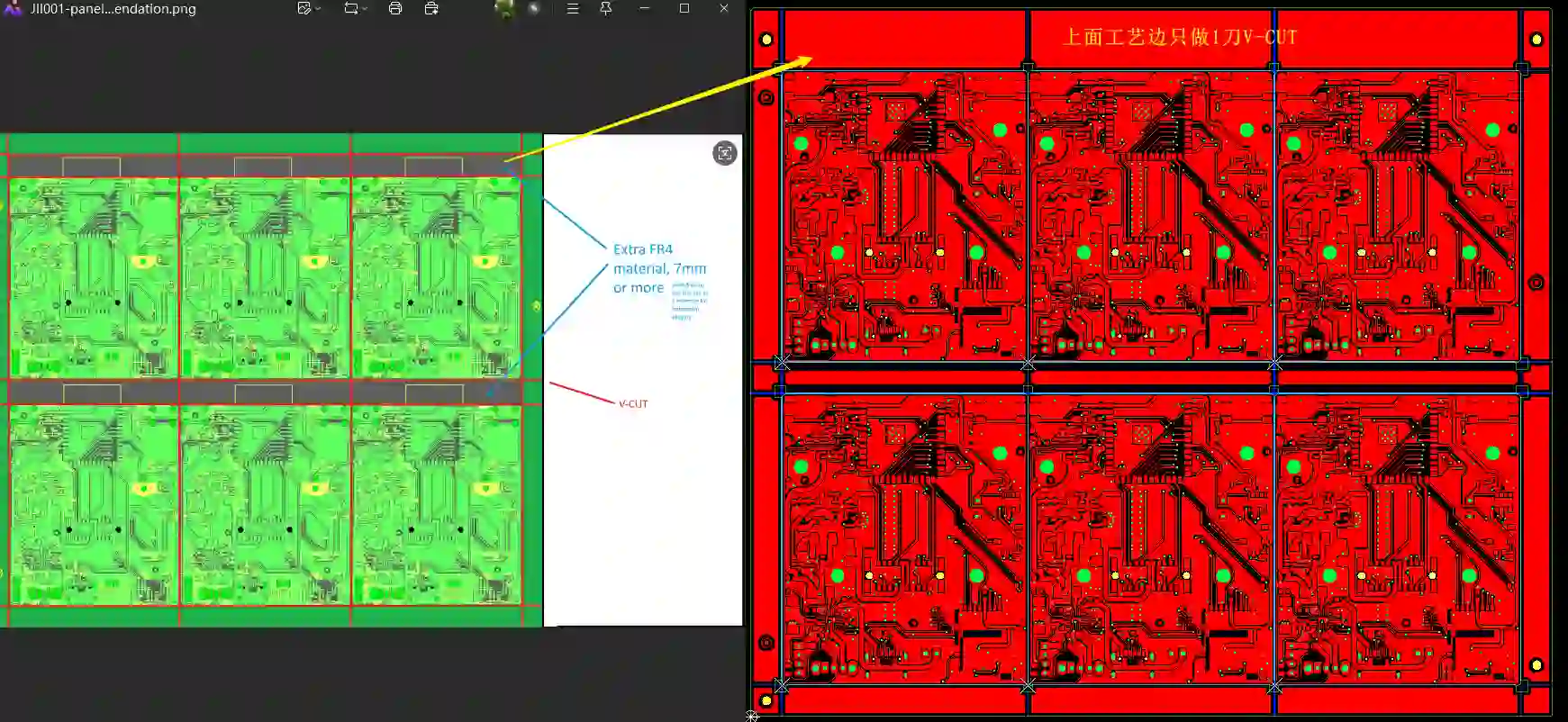
How to Solve 2-Layer PCB CAM Issues Before Manufacturing

PCB Reflow Soldering and Component Orientation: Minimizing Defects
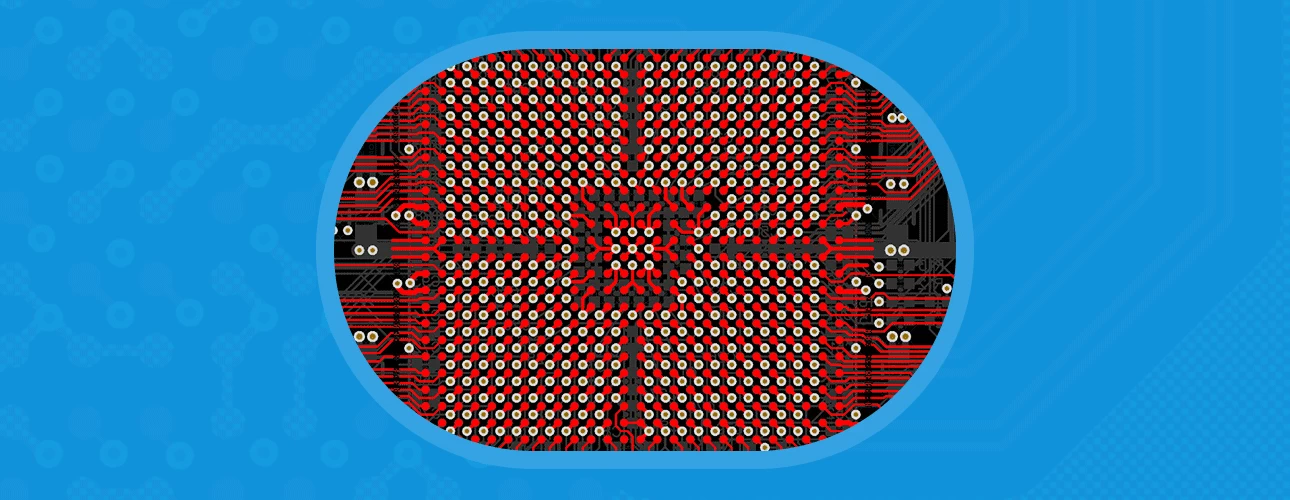
HDI BGA Fanout Design Mistakes That Cause Assembly Issues
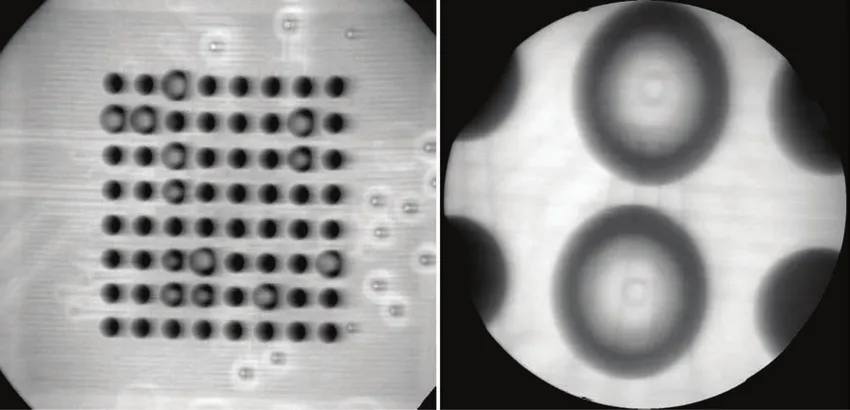
Common PCB Soldering Defects: Causes, Impacts, and Prevention for Reliable Assemblies
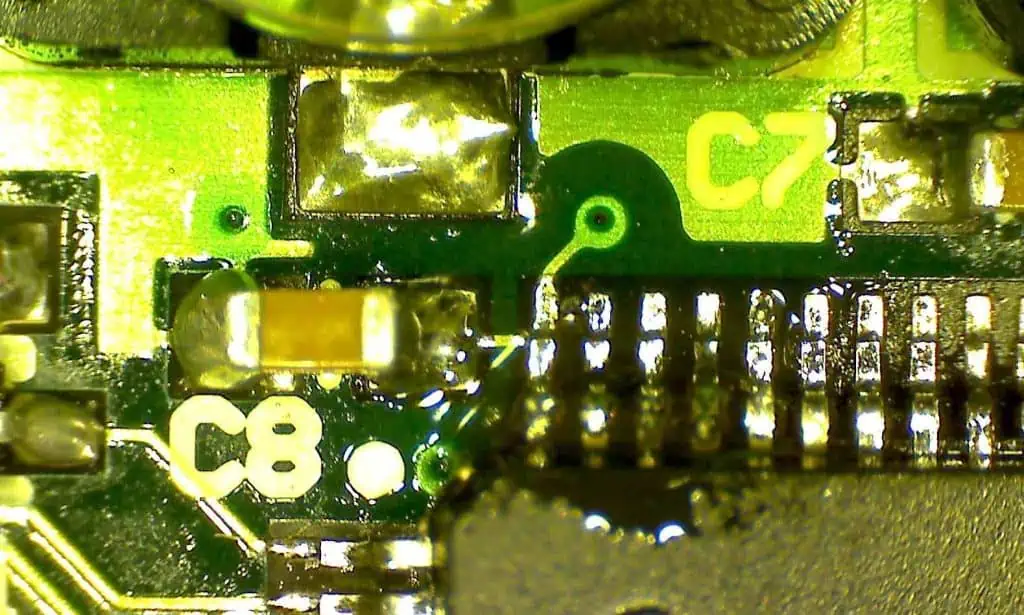
Common SMT PCB Assembly Defects
Understanding PCB Assembly Errors
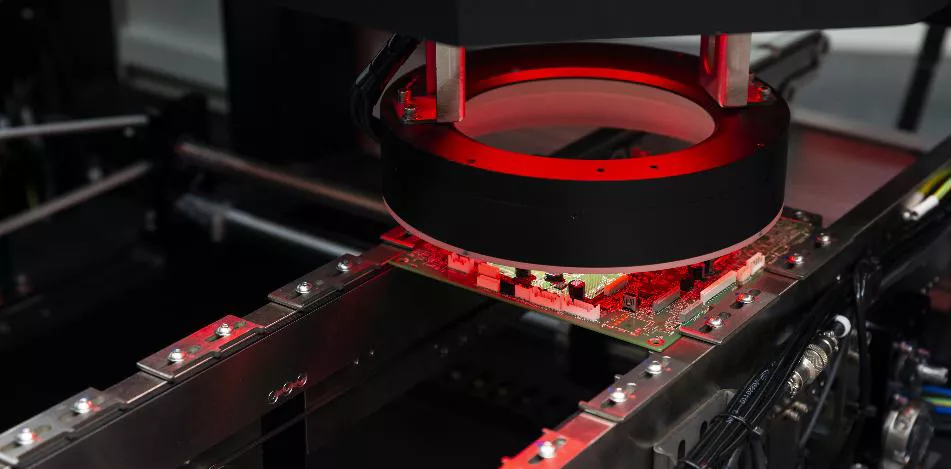
How AOI Equipment Can Reduce Defects and Improve Quality in PCB Manufacturing
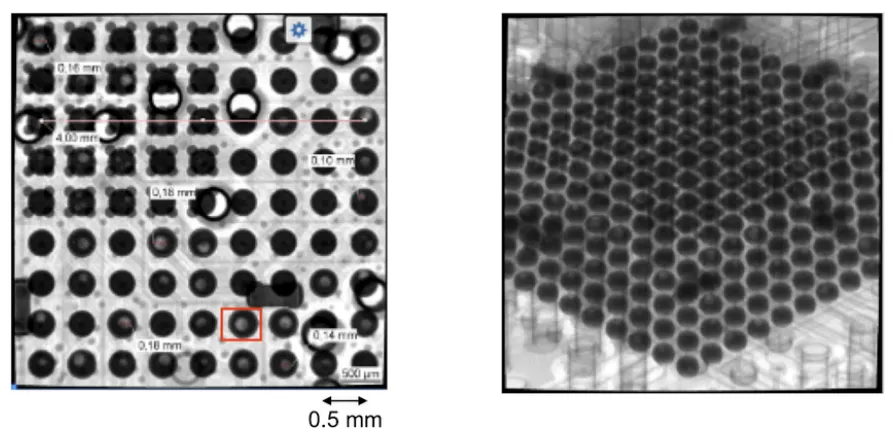
Troubleshooting PCB Assembly with X Ray: A Practical Guide for Engineers
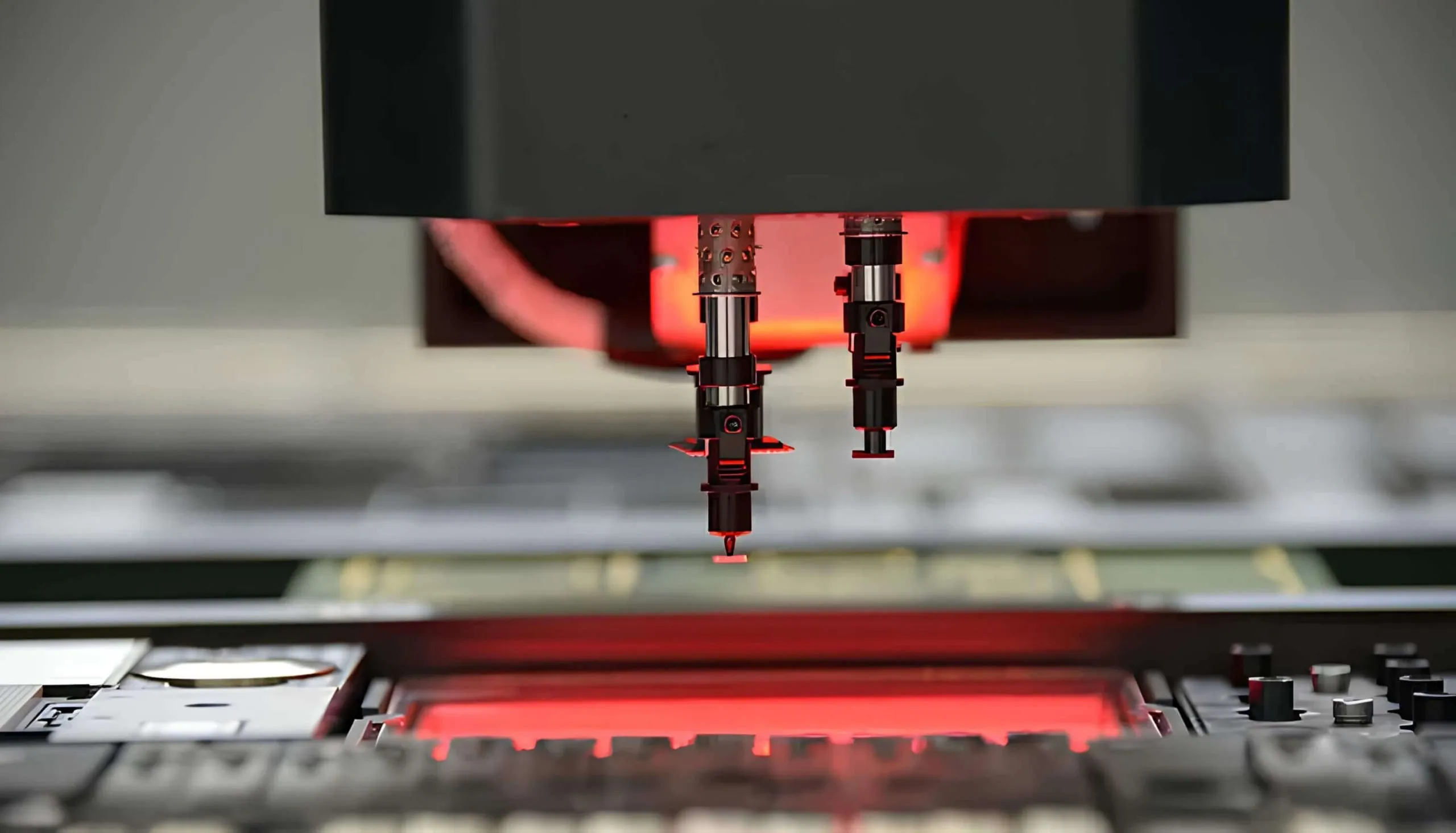
Common Mistakes in the SMT Pick and Place Process
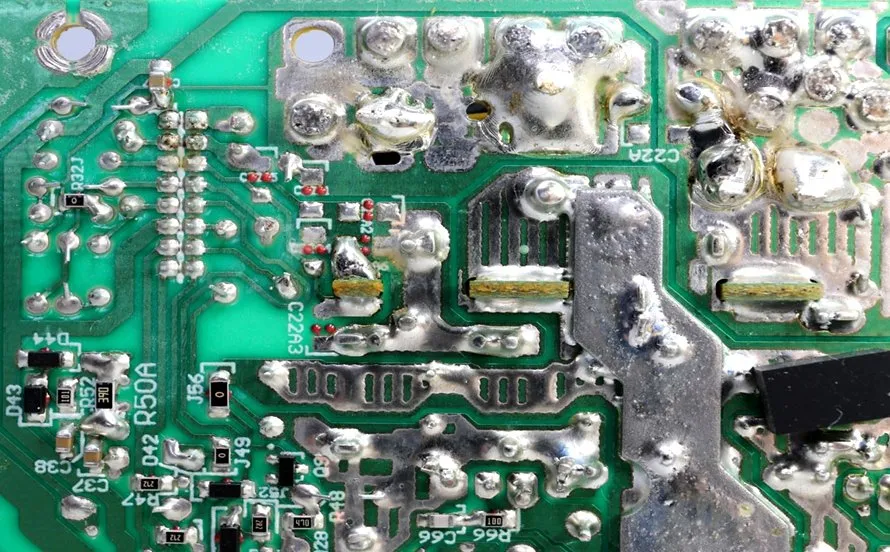
Troubleshooting Guide: Common PCB Component Failures and Their Root Causes
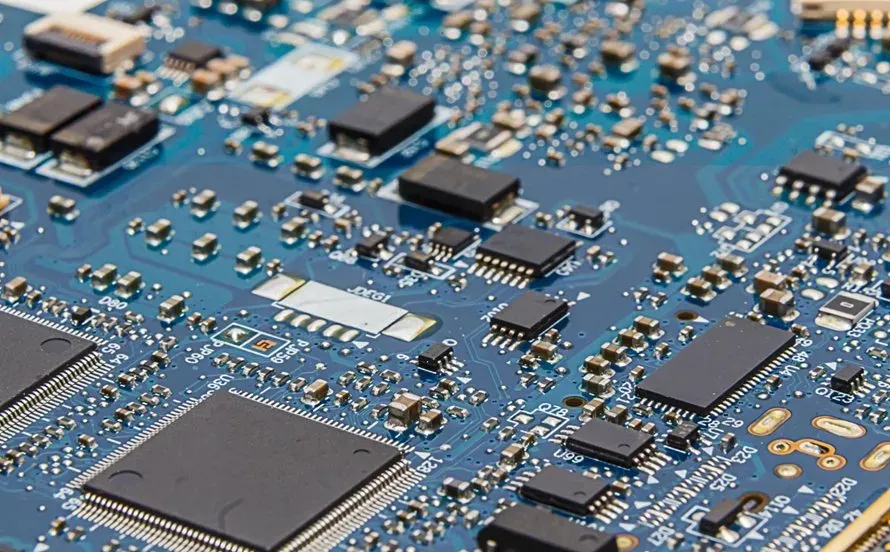
Troubleshooting SMT Assembly Defects: A Comprehensive Guide for Engineers
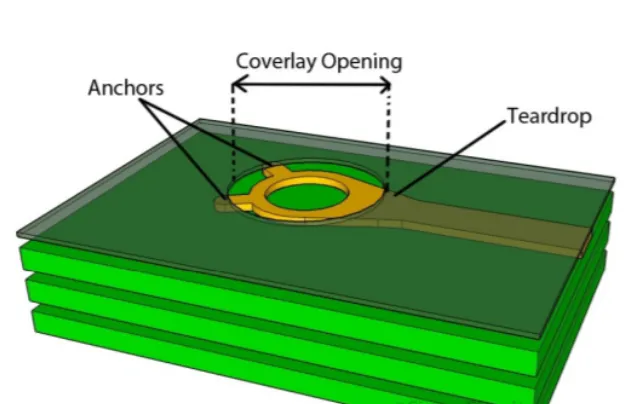
How to Design FPC Adhesive Tape Areas for Reliable Assembly?
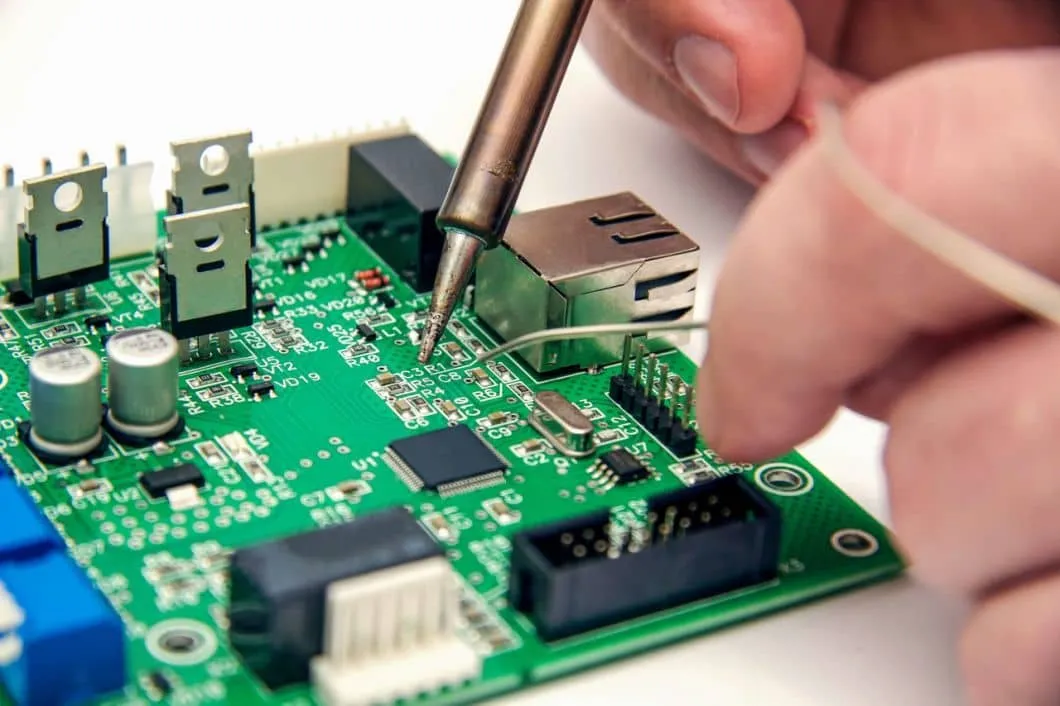
FR 4 PCB Soldering Techniques: Achieving Reliable Connections