 00:51
00:51
EMI Shielding
EMI shielding plays a critical role in modern electronics design, protecting sensitive components from electromagnetic interference that can disrupt performance or cause failures. In the context of PCB manufacturing and electronic systems, EMI shielding involves techniques and materials that block or attenuate unwanted electromagnetic radiation, ensuring devices operate reliably in environments filled with signals from wireless networks, power lines, and other sources. This tag, EMI Shielding, gathers articles that delve into the fundamentals of shielding strategies, from basic principles to advanced implementations, helping engineers and hobbyists address common challenges in signal integrity and compliance with standards like FCC or CE regulations. For those searching for EMI shielding solutions, understanding its practical applications is essential. In high-speed PCBs, for instance, shielding can prevent crosstalk between traces or protect against external noise in automotive electronics, medical devices, and telecommunications equipment. Best practices include selecting appropriate shielding materials such as conductive foams, metal enclosures, or copper foil tapes, and integrating them during the design phase to minimize costs and rework. Articles under this tag often highlight actionable insights, like calculating shielding effectiveness using formulas for attenuation or incorporating ground planes and vias to create effective barriers against interference. By exploring the resources here, readers can gain step-by-step guidance on testing EMI levels with tools like spectrum analyzers and implementing fixes such as ferrite beads or gasket seals. Whether you are troubleshooting interference in a prototype or optimizing a production run, these discussions provide the knowledge needed to enhance electromagnetic compatibility and achieve robust, interference-free designs.
Video Guide
-
00:51
Technical Articles
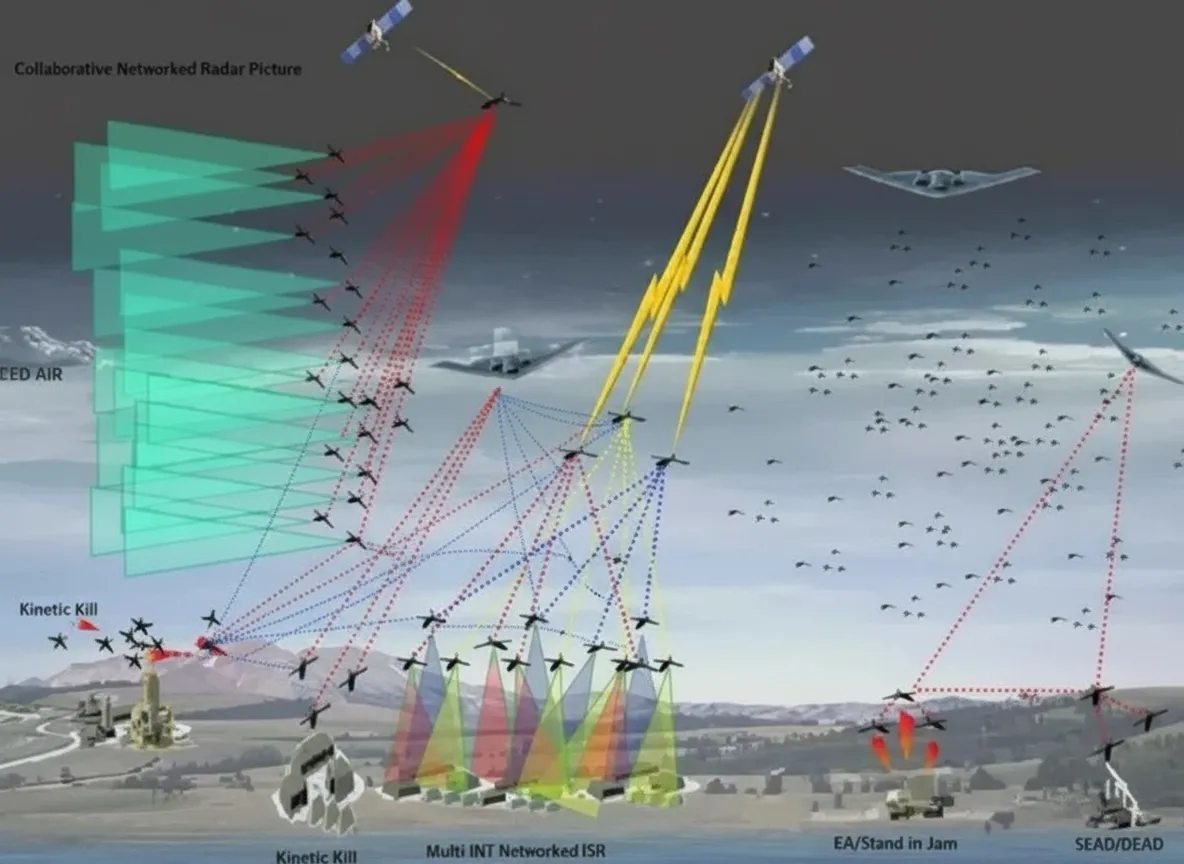
Drone Area and Airspace Denial Systems

DARPA DRACO Nuclear Rocket Systems: Propulsion Technology and Aerospace Electronics Challenges

Do DJI Drones Require a Pilot License? Regulations, Compliance, and Electronics Implications

C919 Airliner: Development Challenges, Technical Route, and Avionics Electronics Insights

Challenges in Manned–Unmanned Air Combat Coordination

Loyal Wingman Systems for Combat Drones
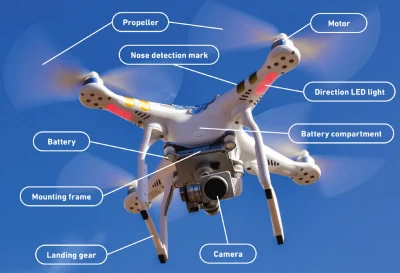
Key Functions and Core Components of Drones: Aerospace Electronics and PCB Insights
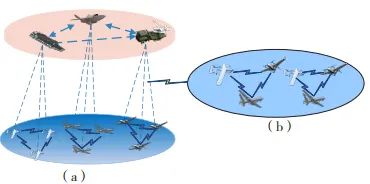
Security Challenges in Drone Swarm Communication Networks

Core Concepts and Methods of Counter-UAS Technology
EMC Design Considerations for Wearable Smart Bands
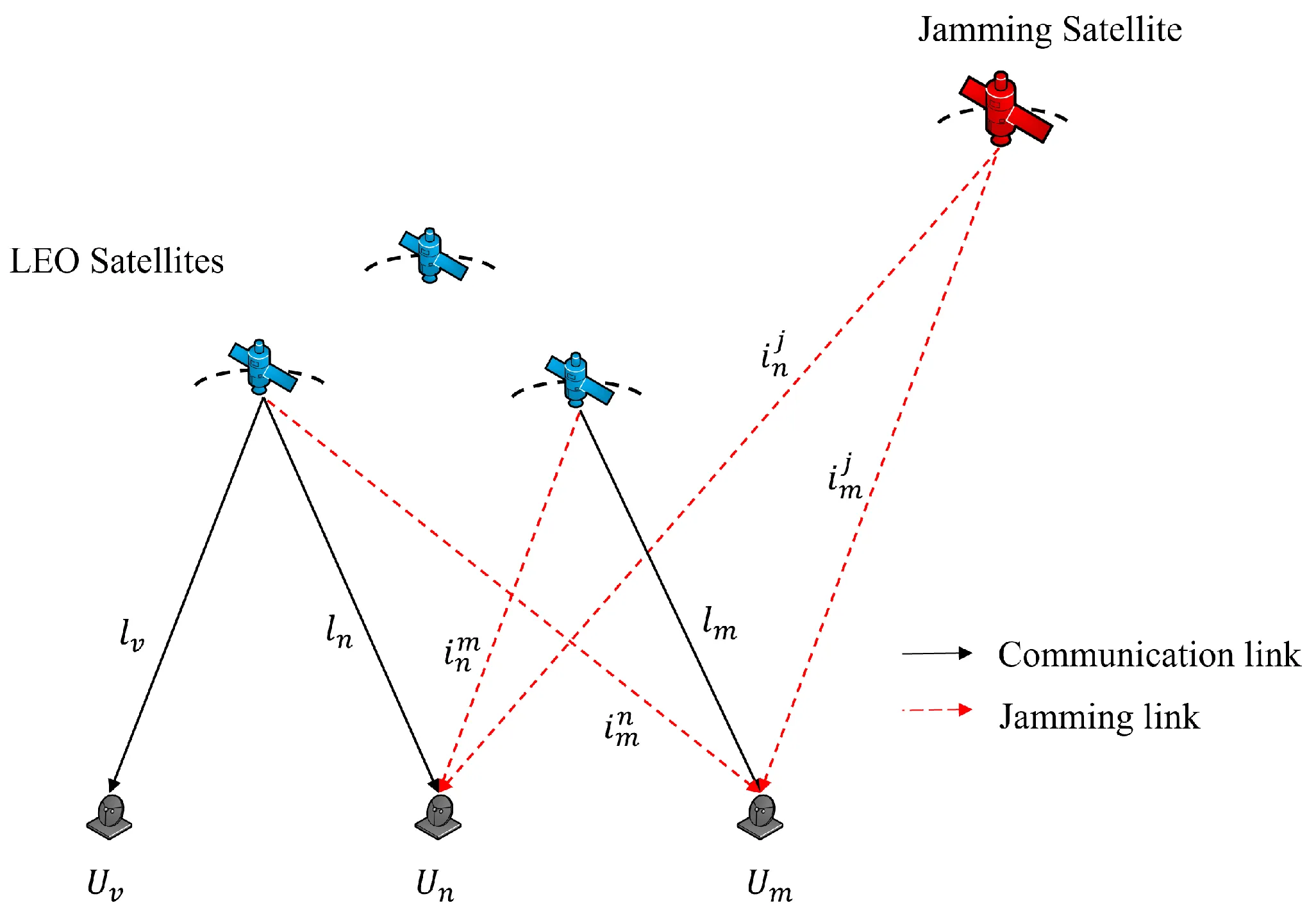
Jamming Effects on Random-Communication Multi-Agent Systems
Overview of PLC Ethernet Open Communication
High-Voltage Wiring Design for New-Energy Vehicles
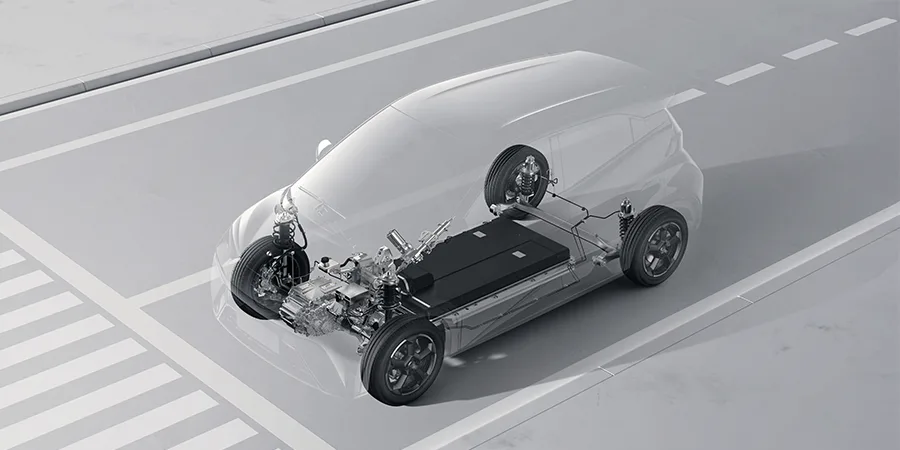
BYD Integrated High-Voltage Powertrain Explained
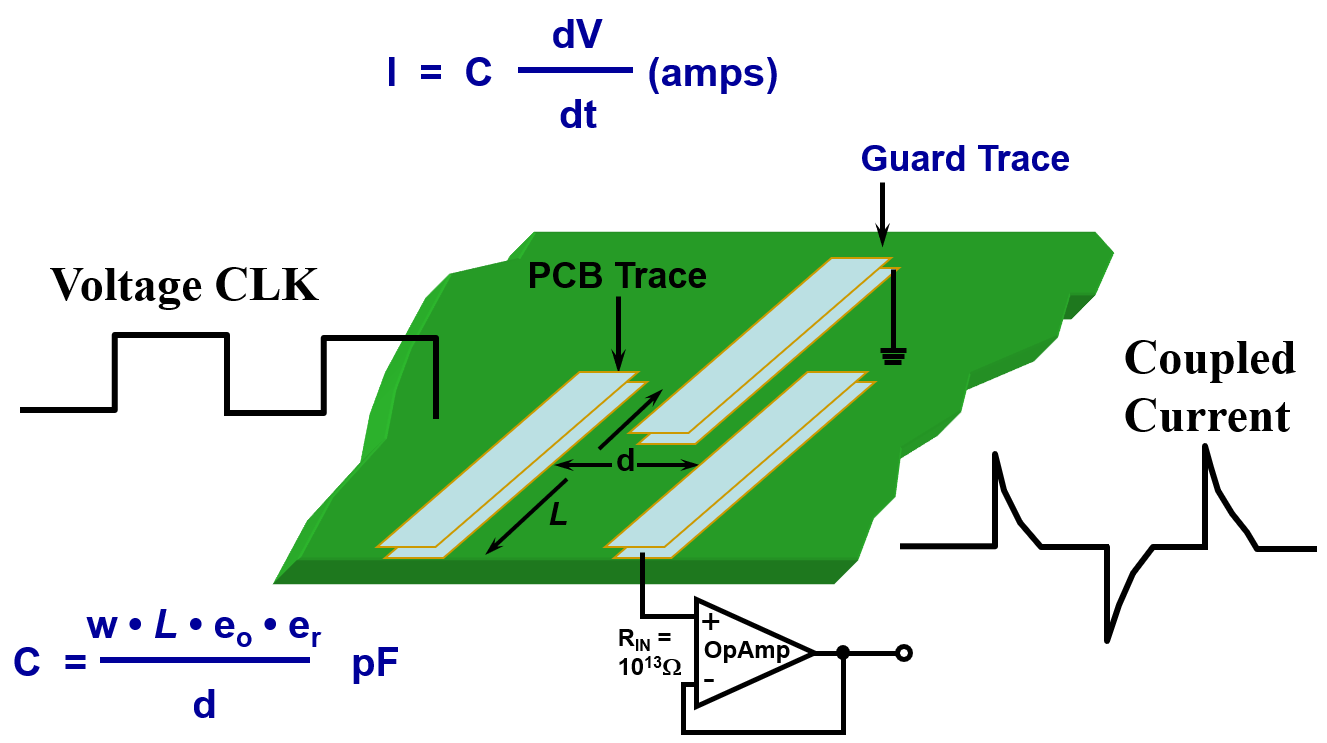
Reducing EMI in PCB Prototyping: Shielding Techniques and Grounding Strategies
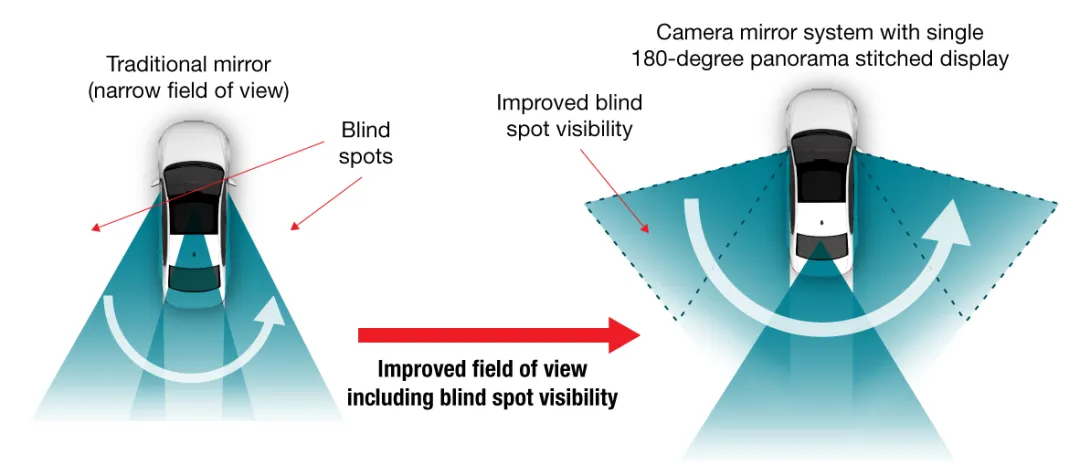
Digital Cockpit Systems: High-Performance PCB Design for Automotive SoC Integration, Multi-Display, and In-Cabin Sensing
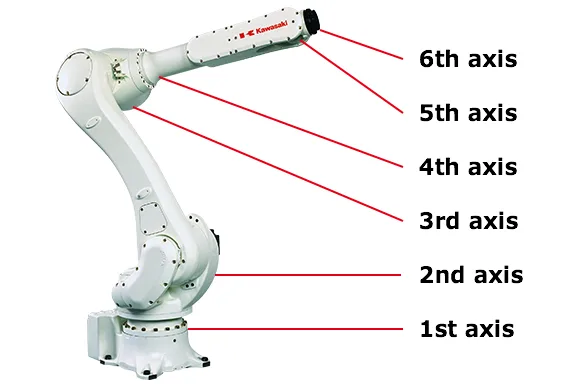
PCB Design and Manufacturing for Industrial Robots: Core Principles, Components, and System Integration
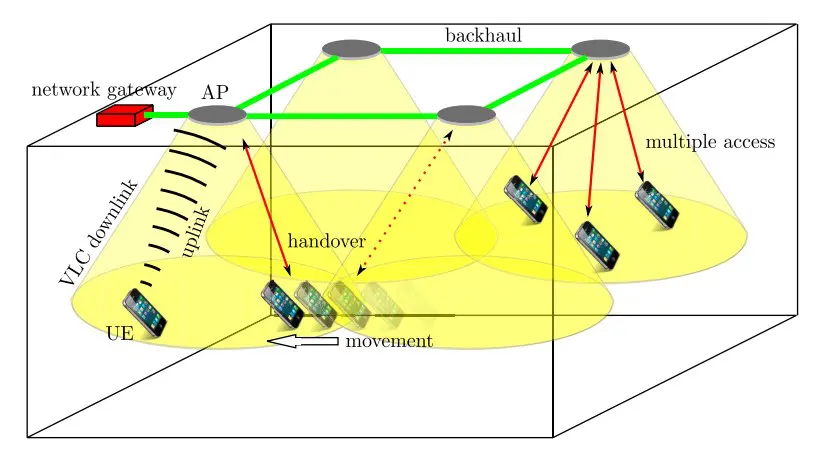
LiFi Visible Light Communication Explained

Understanding Common Cybersecurity Terms: Implications for PCB Design and Manufacturing