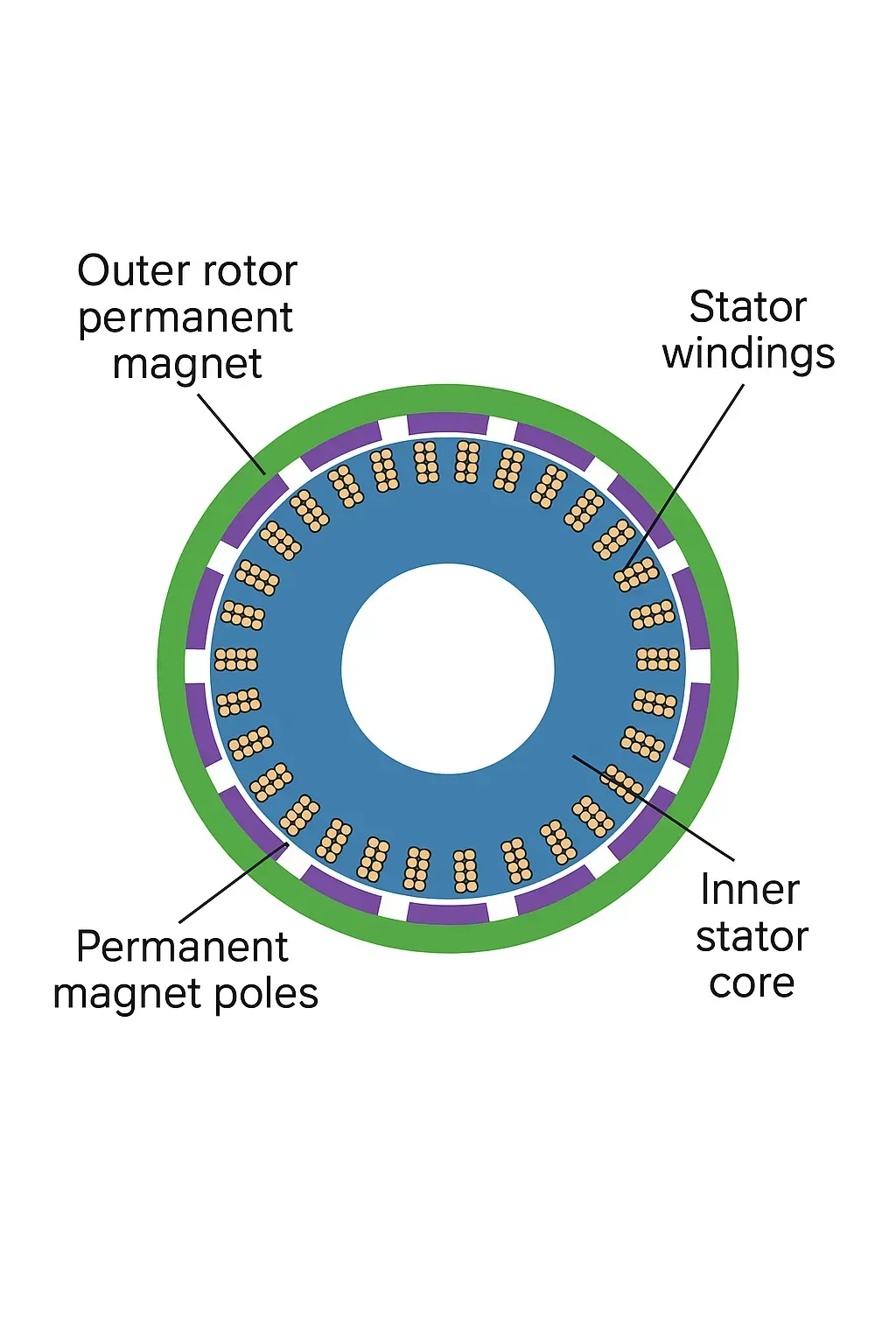
 00:46
00:46
Heat Dissipation
Heat dissipation plays a critical role in the design and performance of printed circuit boards (PCBs) and electronic systems. As electronic components operate, they generate heat that can lead to reduced efficiency, component failure, or even complete system breakdown if not managed properly. This tag focuses on strategies and techniques for effective thermal management, helping engineers and hobbyists address common challenges in high-power applications such as power supplies, LED lighting, and computing devices. By understanding heat dissipation principles, you can optimize your designs to enhance reliability and extend the lifespan of your electronics. Key aspects covered under this tag include the selection of materials with superior thermal conductivity, such as copper-clad laminates or advanced substrates, and the implementation of passive cooling methods like heat sinks and thermal pads. For instance, incorporating thermal vias in multilayer PCBs allows heat to transfer efficiently from hot spots to cooler areas, preventing hotspots that could degrade solder joints or semiconductor performance. Practical best practices also involve simulation tools for predicting thermal behavior during the design phase, ensuring that airflow, component placement, and enclosure design all contribute to optimal heat flow. These approaches are essential for meeting industry standards and avoiding costly redesigns in prototypes or production runs. Whether you are troubleshooting overheating issues in an existing circuit or planning a new project with demanding thermal requirements, the articles linked here offer detailed guidance on real-world solutions. Delve into case studies on automotive electronics or consumer gadgets to see how effective heat dissipation techniques have been applied successfully, providing you with the knowledge to improve your own work.
Video Guide
-
00:46
Technical Articles
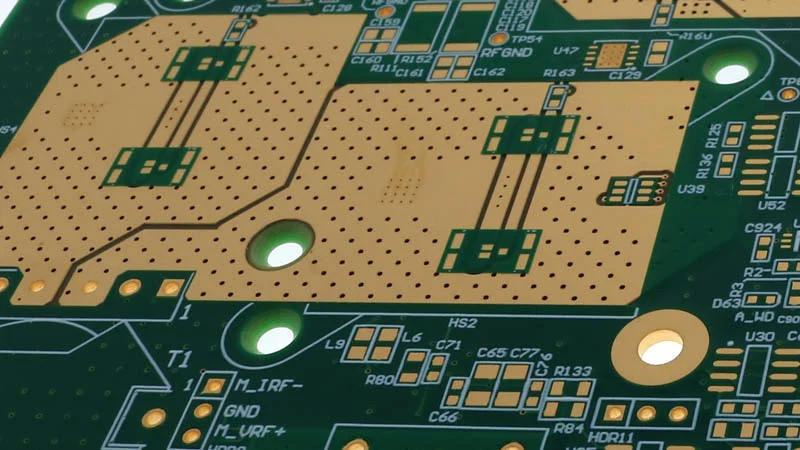
Thermal Management in PCBs: How Copper Pour Layout Enhances Heat Dissipation
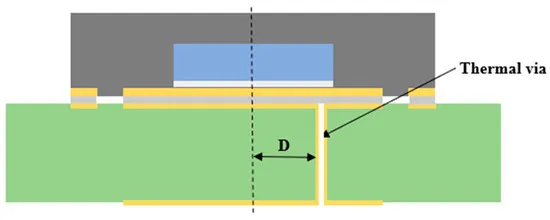
Thick Copper PCBs: The Secret to Efficient Heat Dissipation in LED Lighting
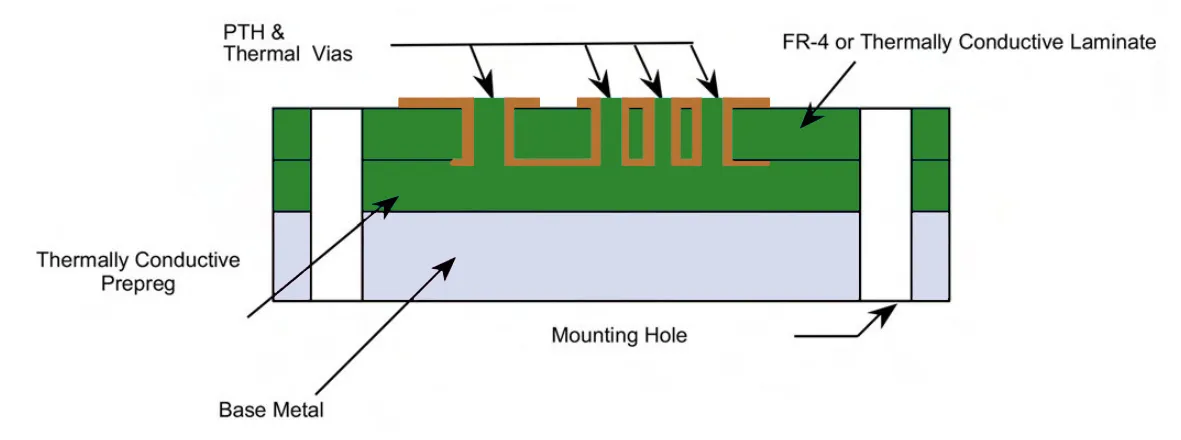
Aluminum PCB Thermal Vias: Design Rules and Best Practices
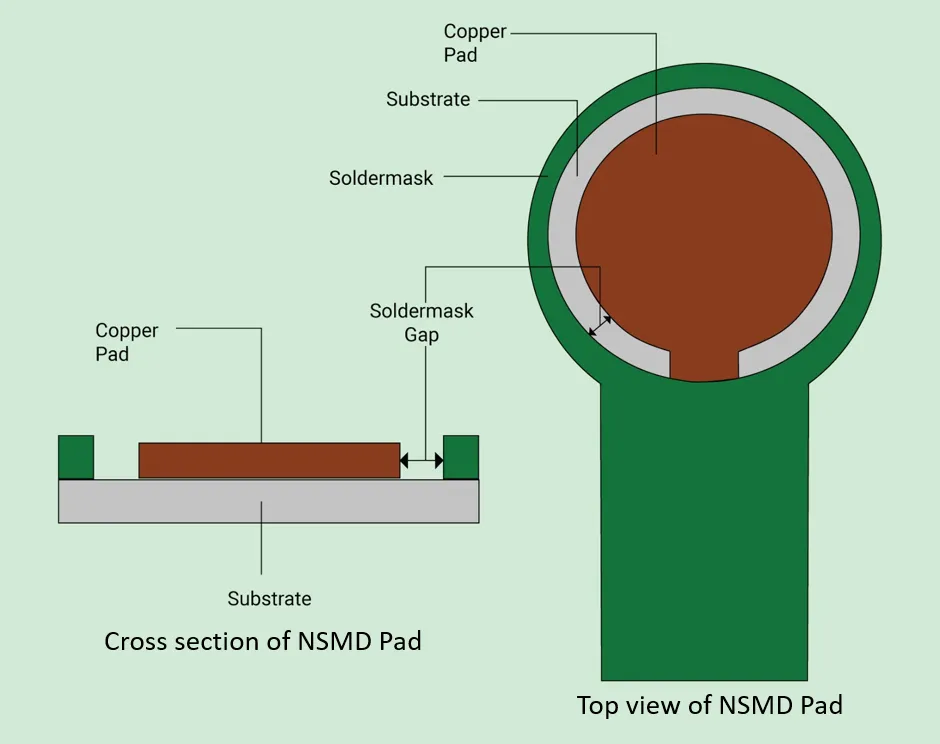
The Impact of Pad to Pad Spacing on PCB Thermal Performance: A Deep Dive
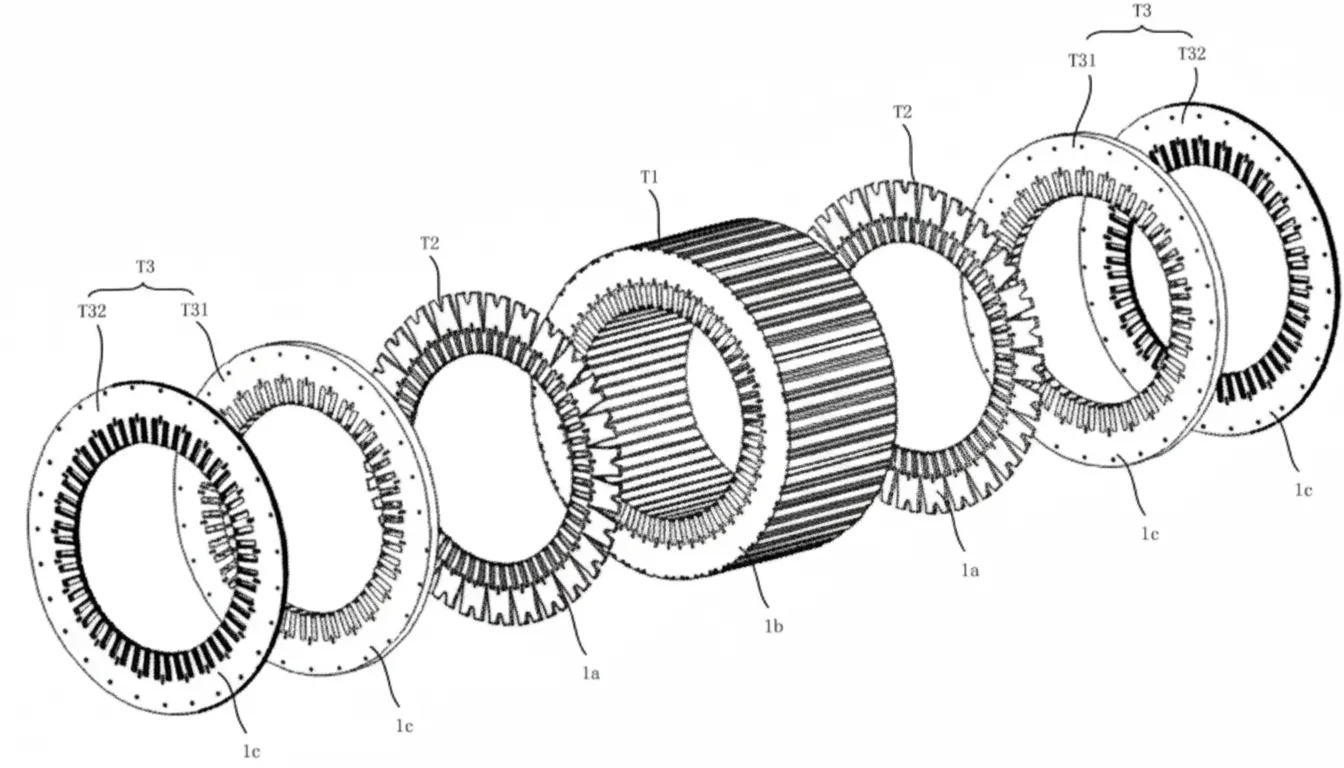
Oil-cooled Motor Cooling Designs
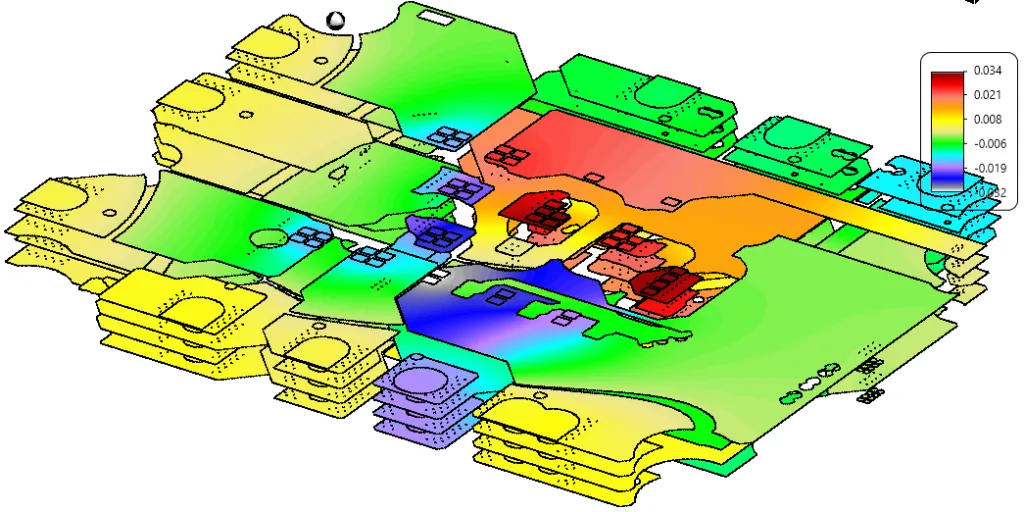
Thermal PCB design
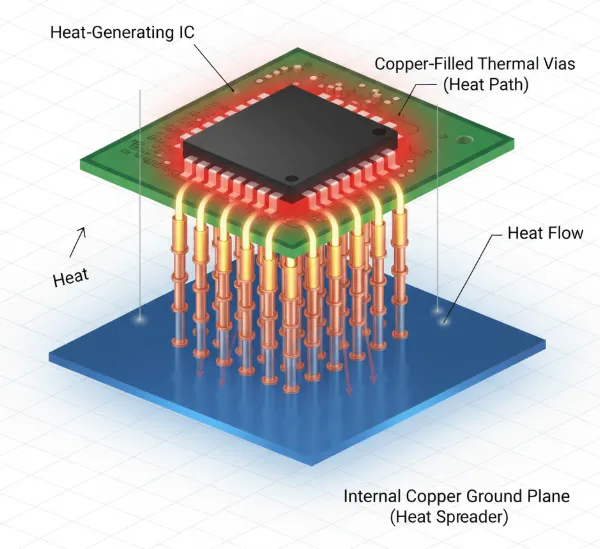
Enhancing PCB Reliability: A Guide to Thermal Vias for Heat Dissipation
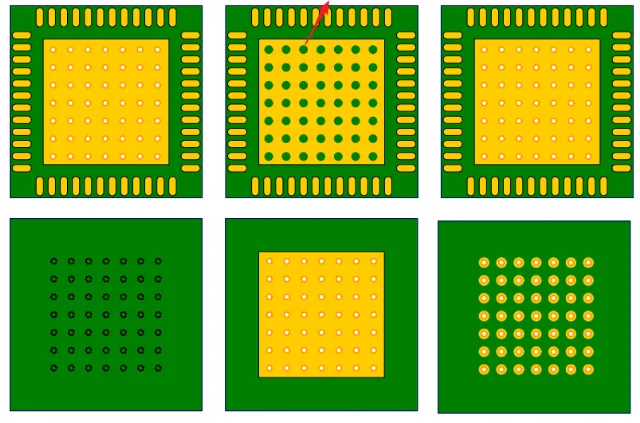
Mastering Thermal Vias: Essential Heat Management for High-Power PCBs
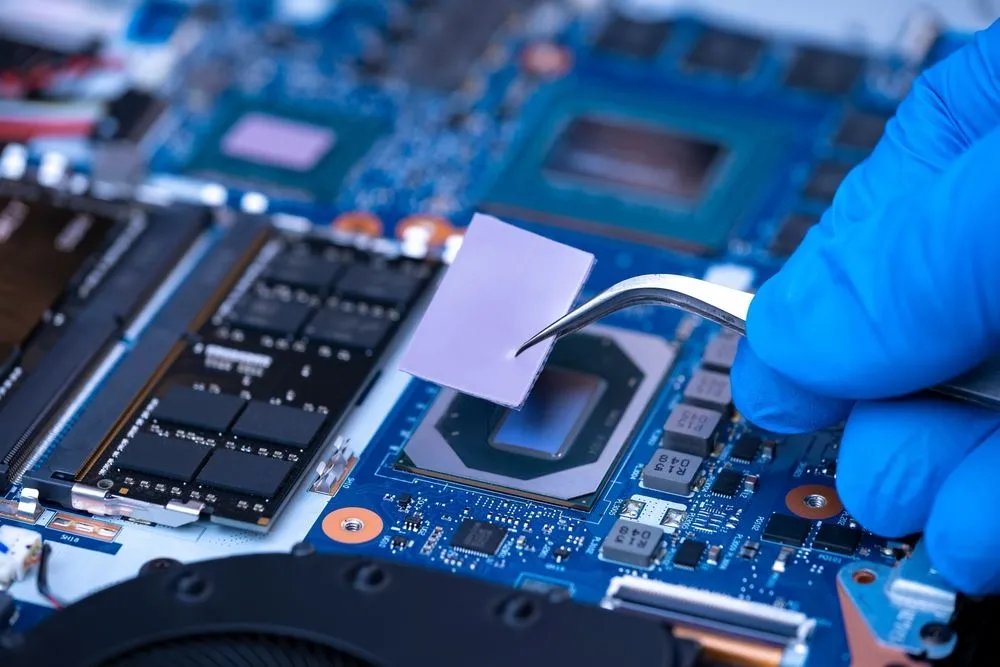
Thermal Pad Design for Power Supplies: Enhancing Efficiency and Reliability
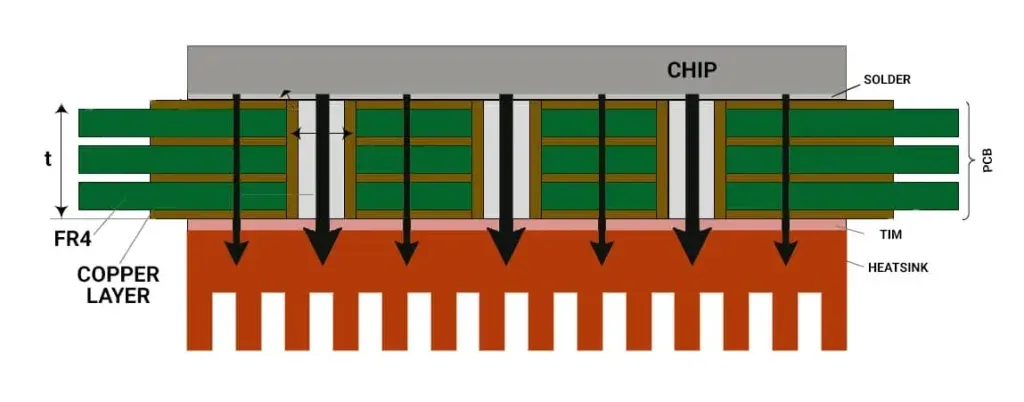
Inner Layer Copper Thickness: A Key to Effective PCB Heat Dissipation
Solder Mask Color and Thermal Performance: An In-Depth Analysis
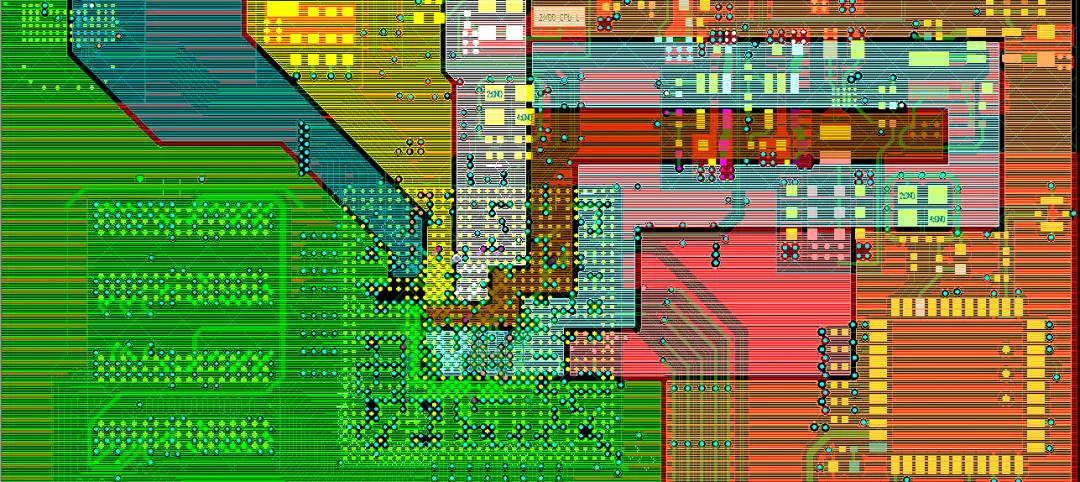
Three Key Areas of Power Integrity Design
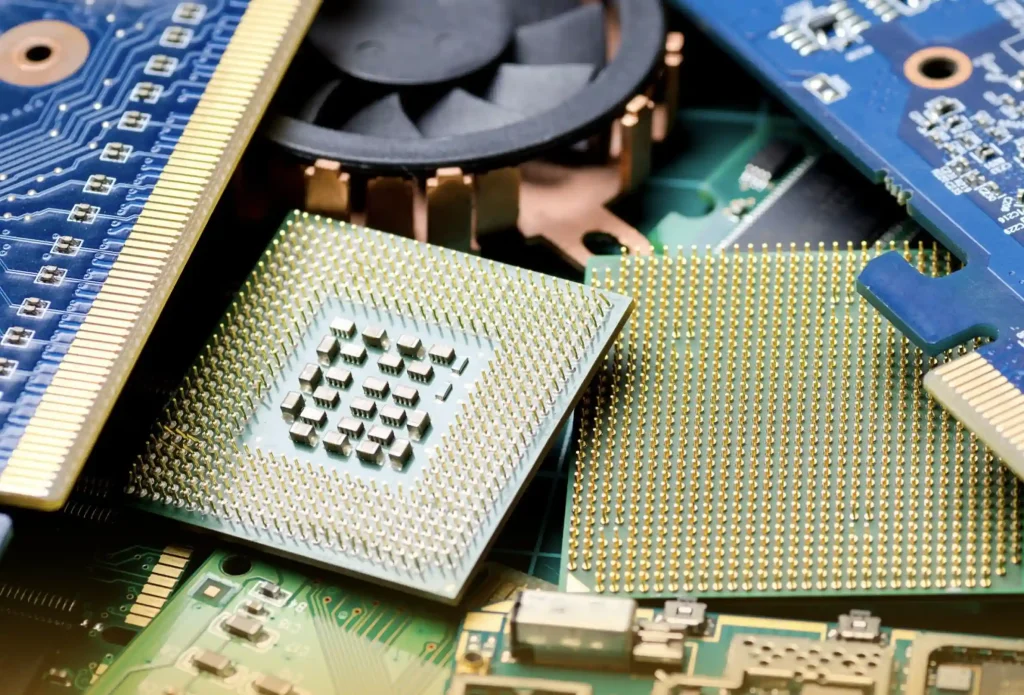
Rogers PCB: Optimizing PCB Design for Better Heat Dissipation in Modern Electronics
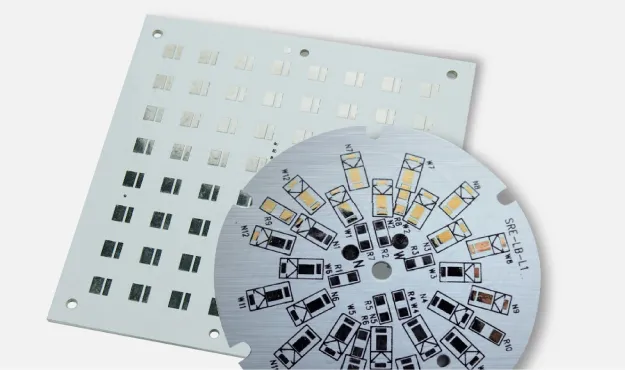
How to Choose the Right Thickness for Your Metal Core PCB
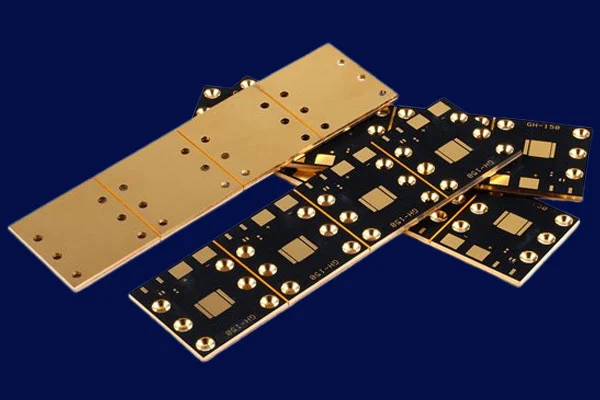
Metal Core PCBs: Enhancing Heat Dissipation with Double Sided Designs
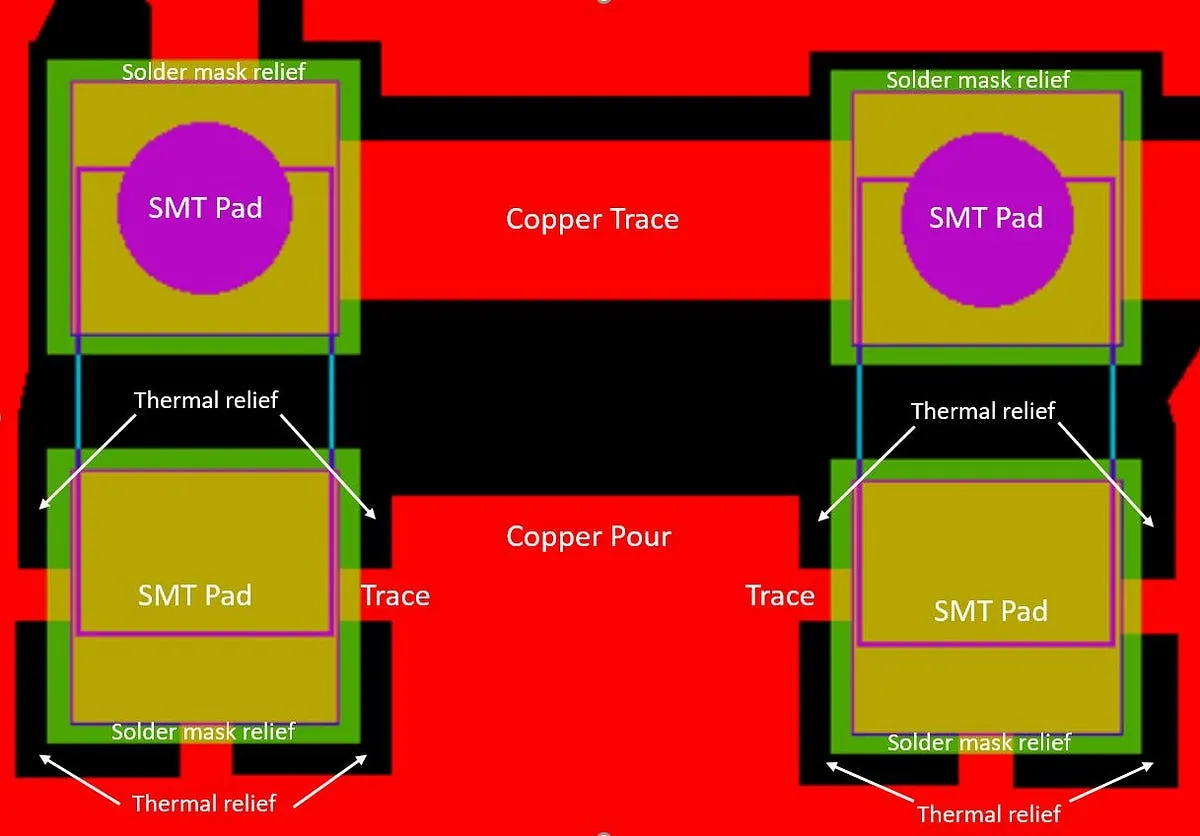
Thermal Reliefs in PCB Footprints: Ensuring Reliable Soldering and Heat Dissipation
The Role of Thermal Management in Solar Inverter PCB Design: Ensuring Longevity and Reliability
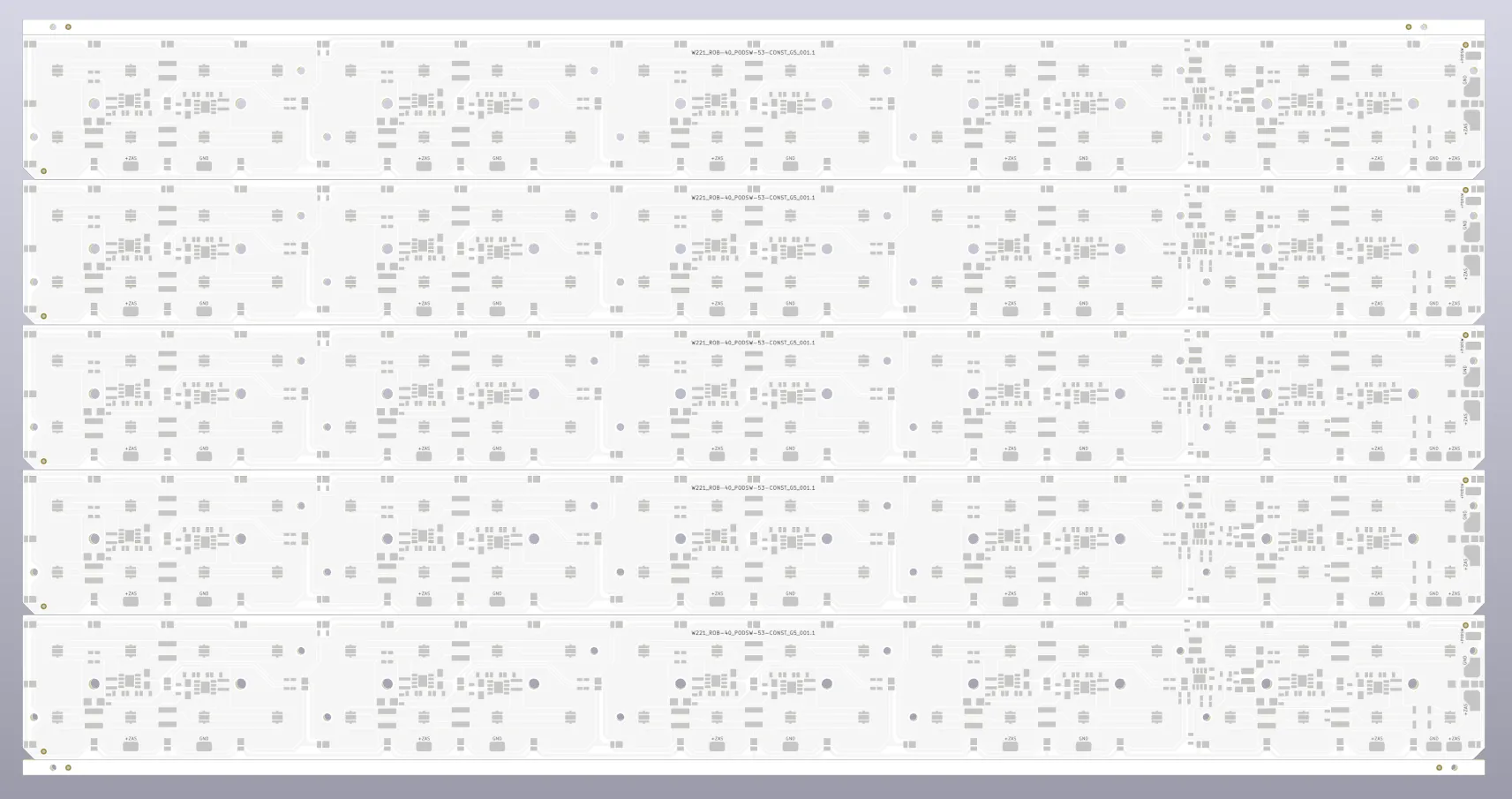
Common Manufacturing Issues in HASL and OSP Aluminum PCB Design
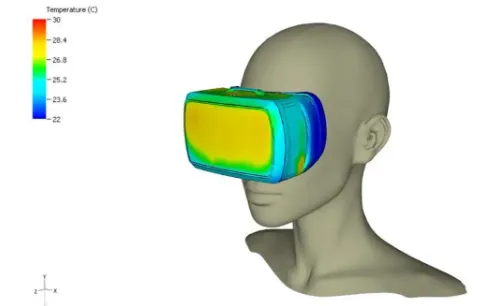
VR Headset PCB Design: Optimizing for Thermal Management