IPC Standards
IPC Standards represent a cornerstone of the electronics industry, providing globally recognized guidelines for the design, manufacture, assembly, and inspection of printed circuit boards (PCBs) and related assemblies. Developed by the Association Connecting Electronics Industries (IPC), these standards ensure consistency, reliability, and quality across diverse applications, from consumer electronics to aerospace and medical devices. For engineers, designers, and manufacturers searching for information on IPC Standards, this tag serves as a comprehensive resource to understand their implementation and impact on product development cycles. At the heart of IPC Standards are practical frameworks that address real-world challenges in PCB fabrication and assembly. For instance, standards like IPC-A-610 outline acceptability criteria for electronic assemblies, helping teams identify defects and maintain high-quality outputs. Similarly, IPC-7351 provides land pattern guidelines for surface-mount components, enabling precise design practices that reduce errors and improve solder joint reliability. By adhering to these standards, professionals can mitigate risks such as thermal failures or signal integrity issues, ultimately leading to more robust and compliant products. This is particularly valuable for those involved in prototyping or scaling production, where compliance can streamline certification processes and enhance market competitiveness. Professionals often turn to IPC Standards for best practices in areas like material selection, soldering techniques, and rework procedures. Articles under this tag delve into actionable insights, such as how to apply IPC-6012 for rigid PCB qualification or integrate IPC-7711/7721 for repair and modification. Whether you are troubleshooting assembly issues or seeking updates on evolving standards like those for high-density interconnects, the content here offers in-depth analysis and case studies. Browsing these related articles can provide the knowledge needed to implement effective strategies in your projects, fostering innovation while upholding industry benchmarks.
Technical Articles
IPC Class 2 Assembly: Ensuring Reliability in Consumer Electronics
Spacing Secrets: Mastering Trace Width for High Voltage PCBs
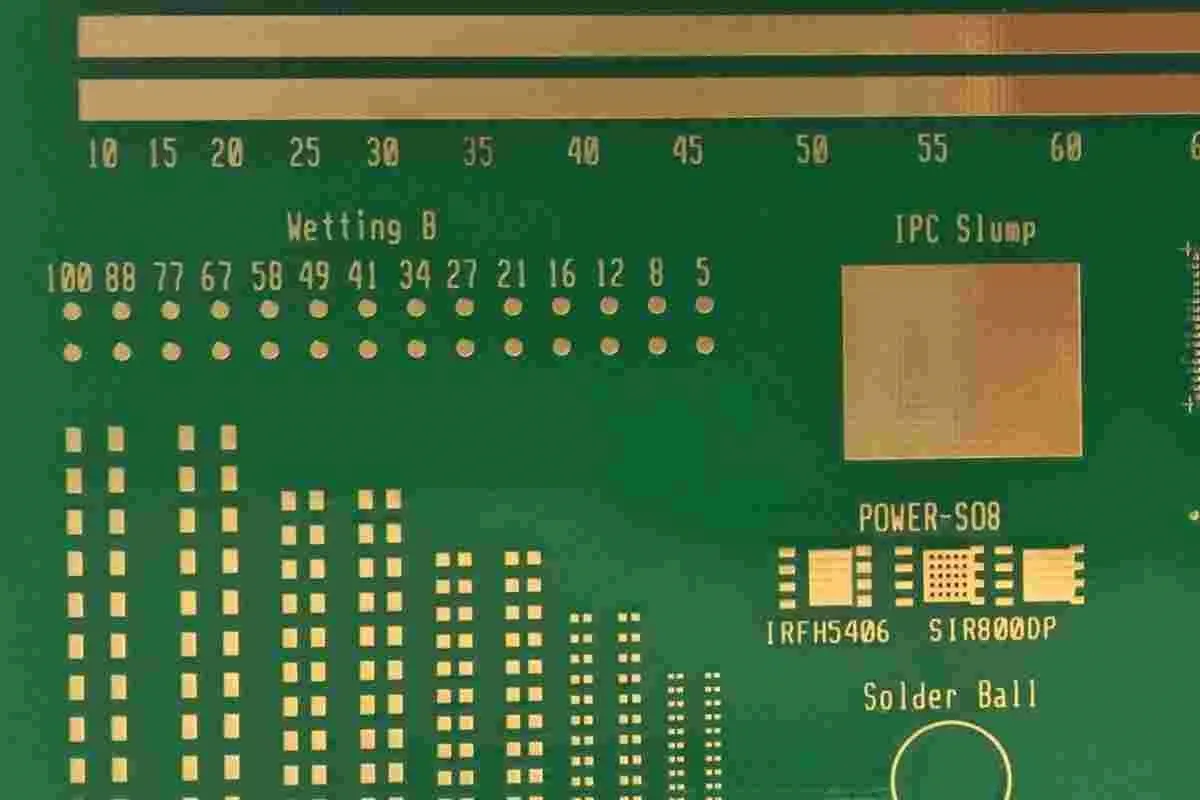
ENIG IPC 4552: Ensuring Quality in PCB Surface Finishes
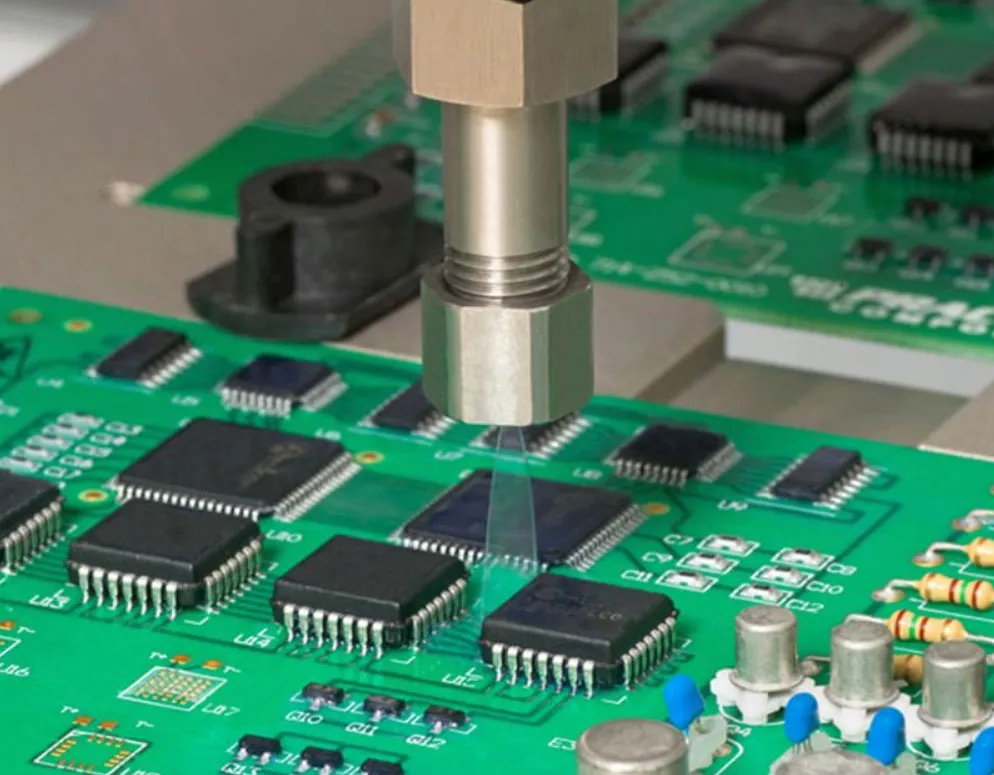
How Conformal Coating Boosts Creepage Distance in PCB Design
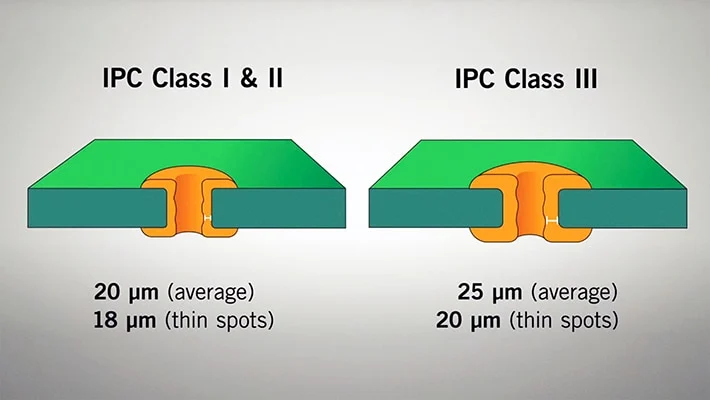
How IPC Standards Impact Quick Turn PCB Quality
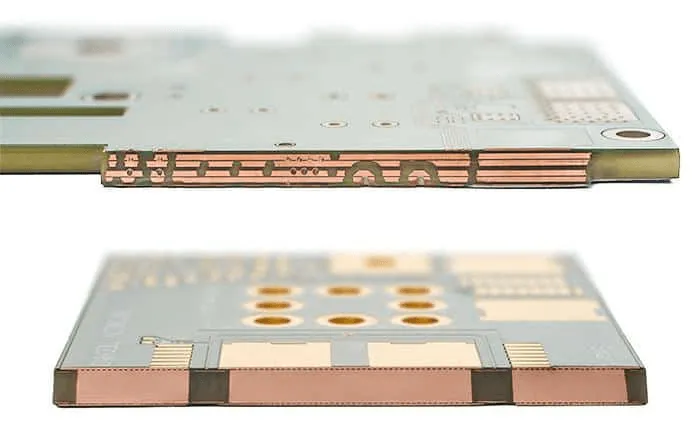
IPC Standards for PCB Copper Weight: Ensuring Quality and Reliability
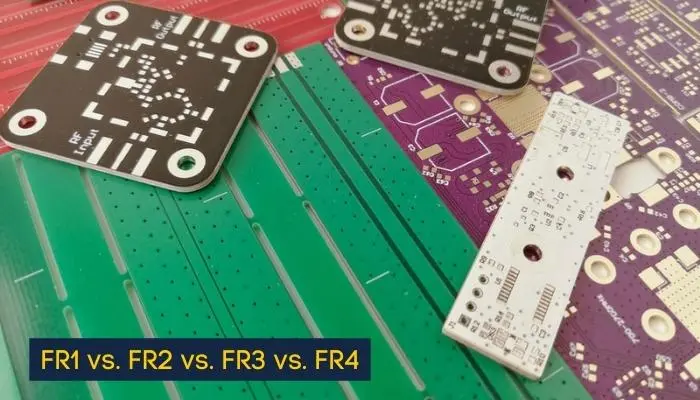
FR1 vs FR2 vs FR3 vs FR4: How to Choose the Right PCB Material
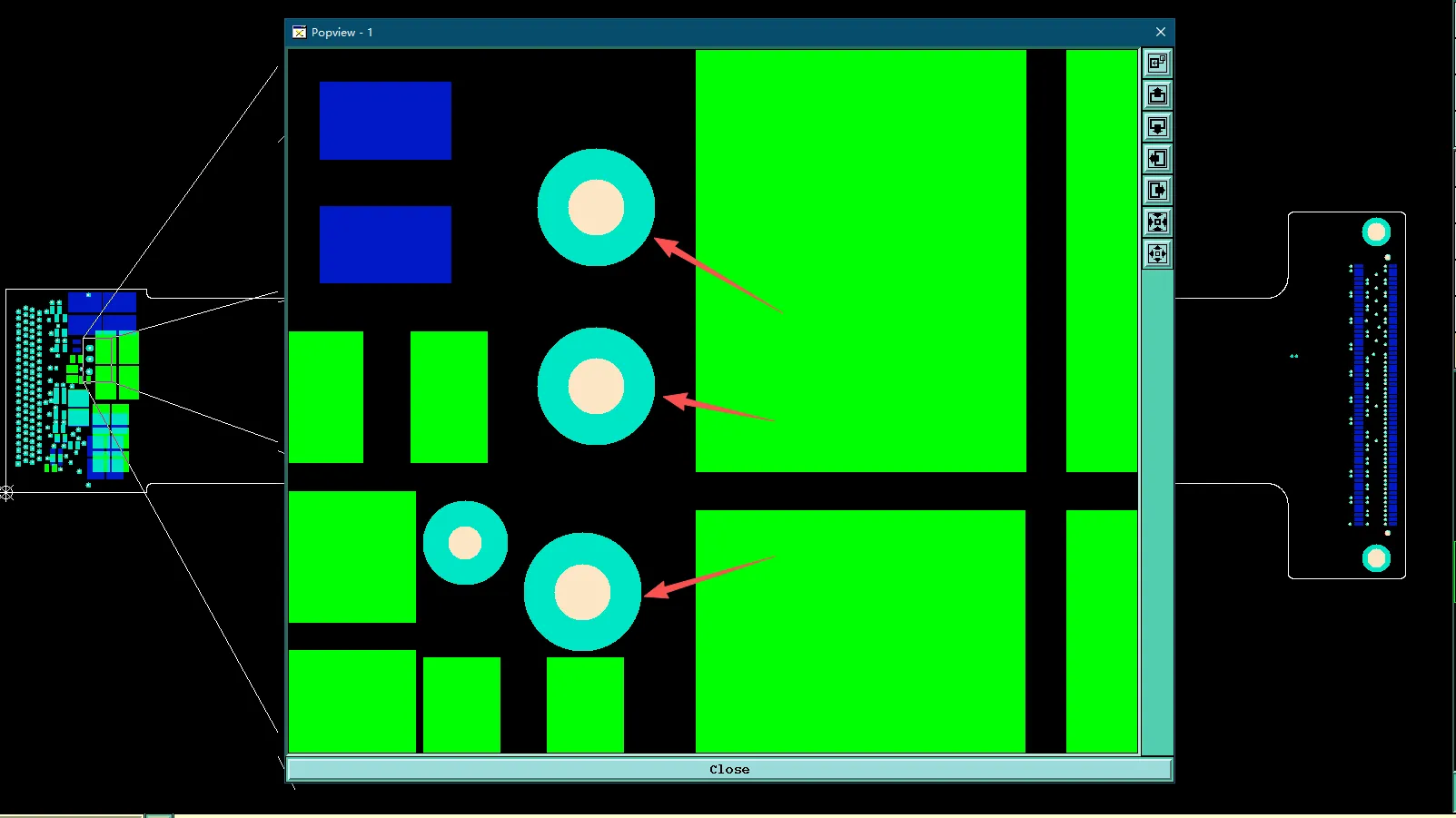
How CAM Review Fixed Stackup, Via Tenting & Outgassing Conflicts on a 7-Layer Rigid-Flex PCB
Quality Control in FPC Manufacturing: Key Inspection Points

Flexible PCB for Aerospace: Benefits, Design, and Applications
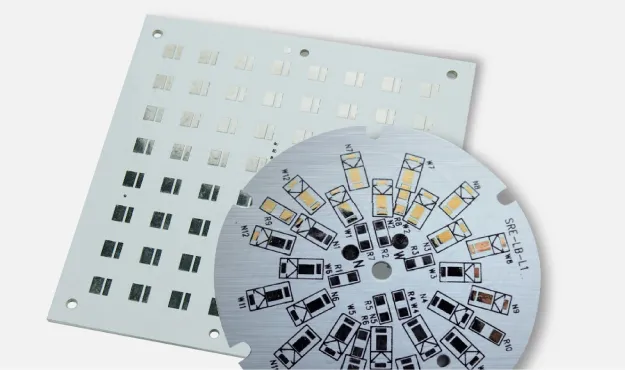
How to Choose the Right Thickness for Your Metal Core PCB

The Role of PCBs in Railway Control Centers: Ensuring Seamless Operations

Designing for Life: Key PCB Considerations in Insulin Pumps
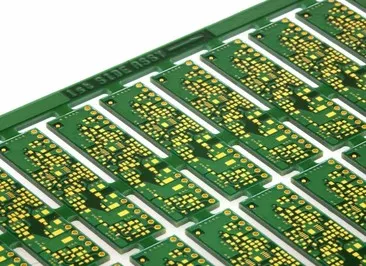
Standard PCB Dimensions vs. Custom: Weighing the Pros and Cons for Your Project

The Shocking Truth About FR-1 PCB Temperature Limits: Avoiding Thermal Runaway
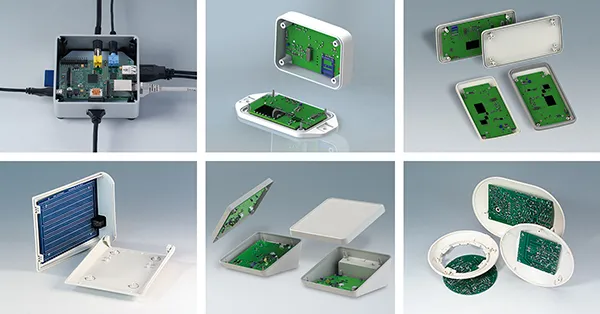
Maximizing Space: A Guide to Selecting the Right Standard PCB Dimensions for Your Enclosure