IPC Standards
IPC Standards represent a cornerstone of the electronics industry, providing globally recognized guidelines for the design, manufacture, assembly, and inspection of printed circuit boards (PCBs) and related assemblies. Developed by the Association Connecting Electronics Industries (IPC), these standards ensure consistency, reliability, and quality across diverse applications, from consumer electronics to aerospace and medical devices. For engineers, designers, and manufacturers searching for information on IPC Standards, this tag serves as a comprehensive resource to understand their implementation and impact on product development cycles. At the heart of IPC Standards are practical frameworks that address real-world challenges in PCB fabrication and assembly. For instance, standards like IPC-A-610 outline acceptability criteria for electronic assemblies, helping teams identify defects and maintain high-quality outputs. Similarly, IPC-7351 provides land pattern guidelines for surface-mount components, enabling precise design practices that reduce errors and improve solder joint reliability. By adhering to these standards, professionals can mitigate risks such as thermal failures or signal integrity issues, ultimately leading to more robust and compliant products. This is particularly valuable for those involved in prototyping or scaling production, where compliance can streamline certification processes and enhance market competitiveness. Professionals often turn to IPC Standards for best practices in areas like material selection, soldering techniques, and rework procedures. Articles under this tag delve into actionable insights, such as how to apply IPC-6012 for rigid PCB qualification or integrate IPC-7711/7721 for repair and modification. Whether you are troubleshooting assembly issues or seeking updates on evolving standards like those for high-density interconnects, the content here offers in-depth analysis and case studies. Browsing these related articles can provide the knowledge needed to implement effective strategies in your projects, fostering innovation while upholding industry benchmarks.
Technical Articles

Clock Generators 101: A Beginner's Guide to Timing Circuits
Avoid Costly Rework: Design for Testing (DFT) Strategies for IPC Compliant PCBs
IPC TM 650 Compliance for PCB Design: Best Practices for Testability
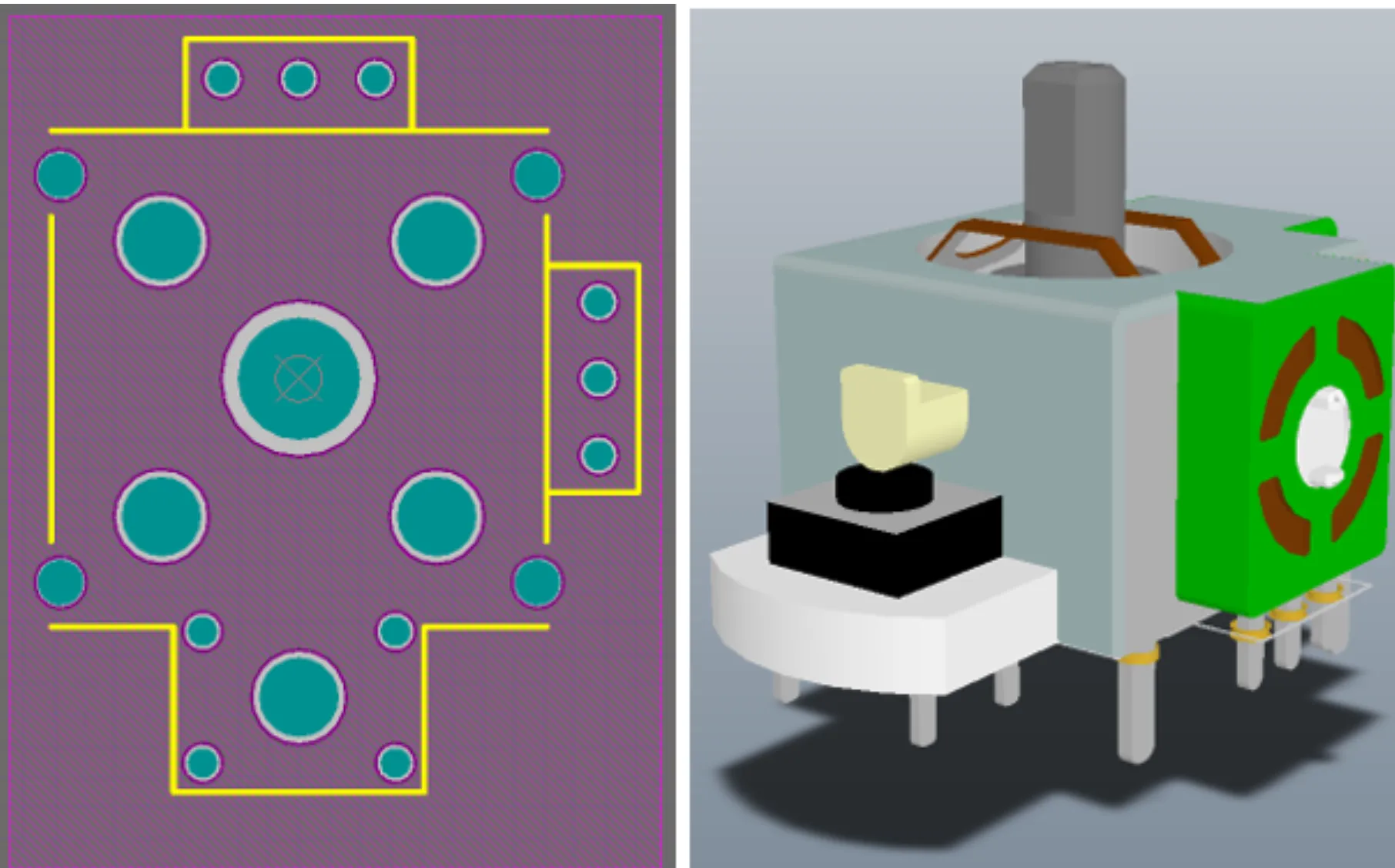
Creating Custom Component Footprints: When and How to Break the Rules
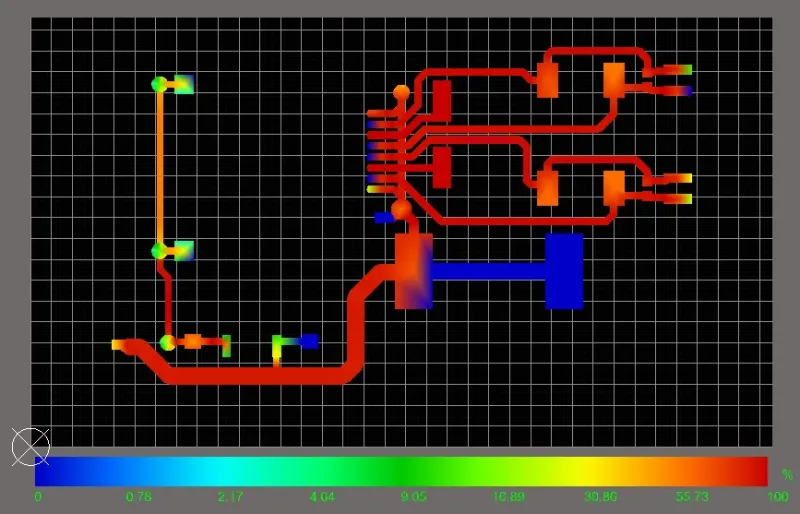
Layer Thickness Matters: Optimizing Your PCB for Current Capacity and Thermal Management
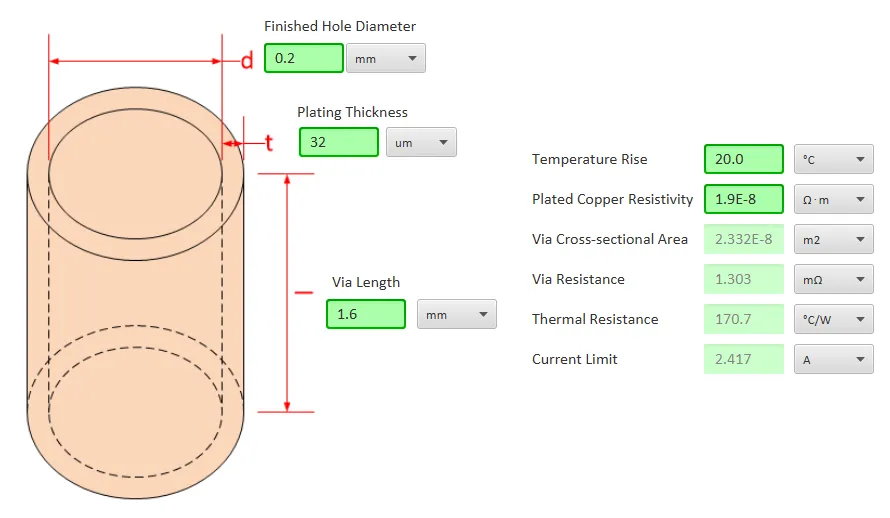
The Impact of PCB Aspect Ratio on Signal Integrity: A Deep Dive for High-Speed Designs
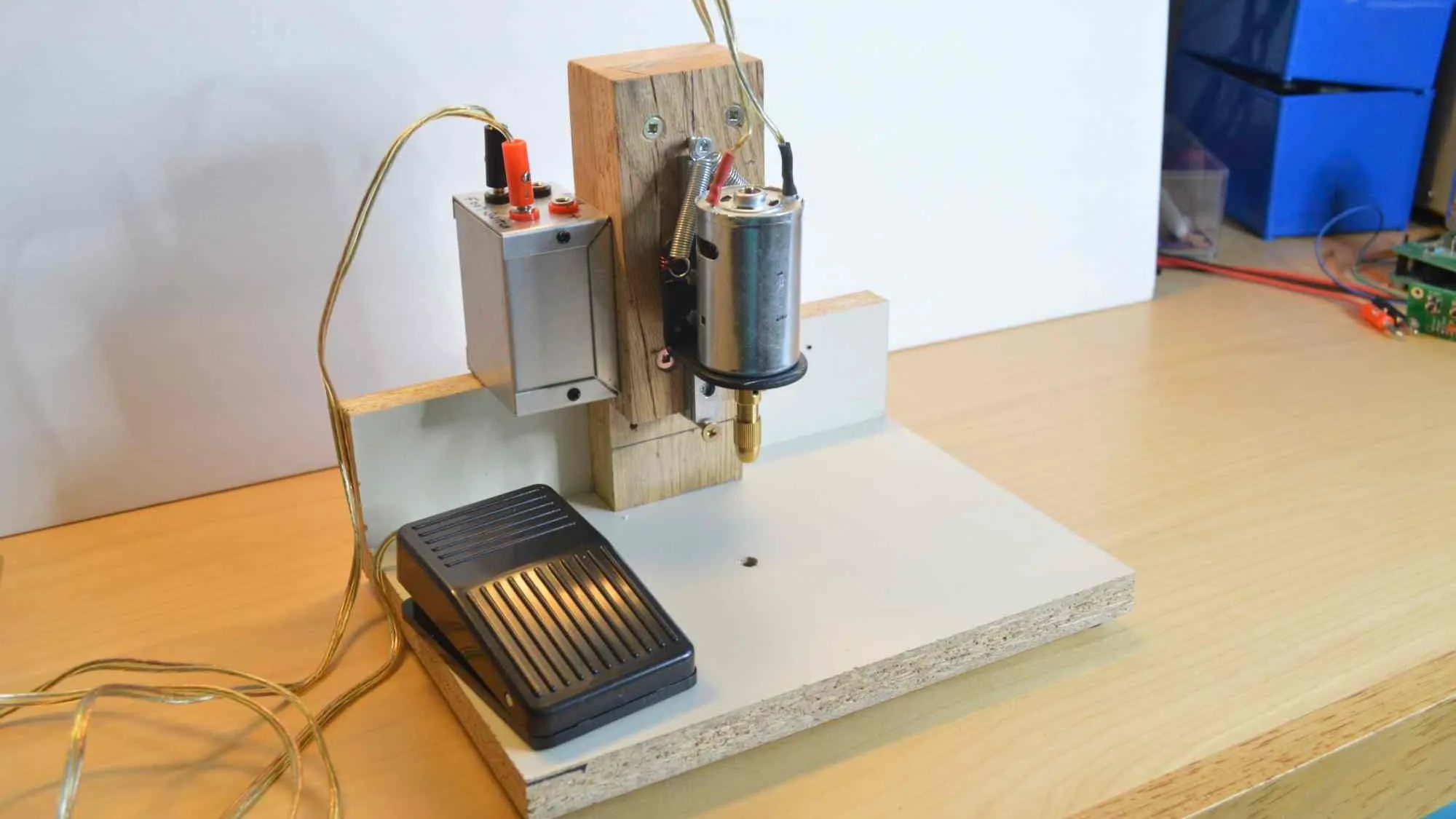
Choosing the Right Drill Bit for Your DIY PCB Projects

PCB Outline Essentials: Defining Board Shape, Size, and Boundaries
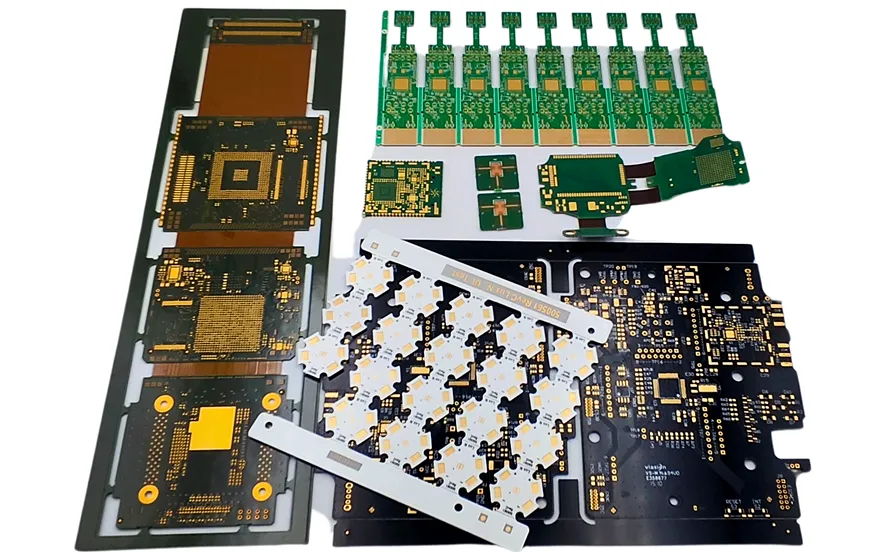
From Prototype to Production: Mastering PCB Manufacturability Checks
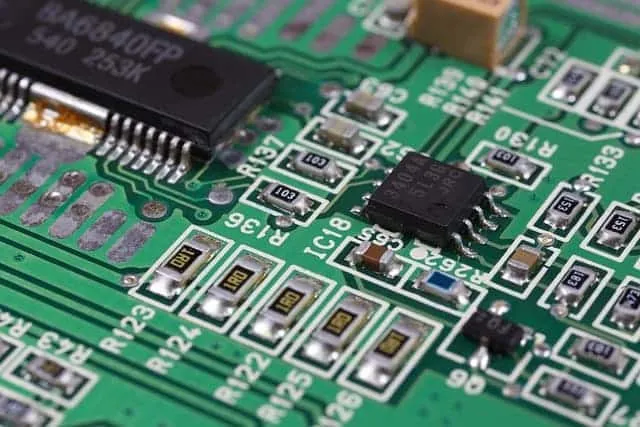
SMD Jumpers: Space Saving Solutions for High Density PCB Designs
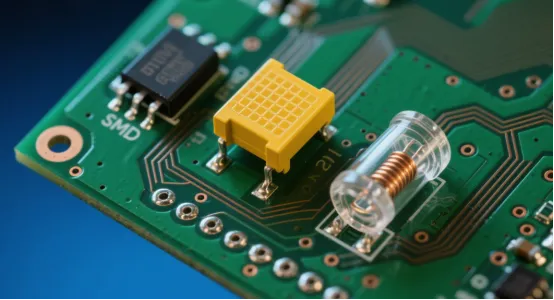
SMD Fuses: Compact Circuit Protection for High Density PCBs
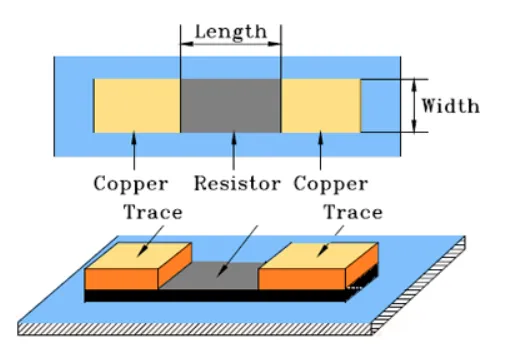
Tolerance Tightrope: Achieving Precision with Buried Resistors in Critical Applications
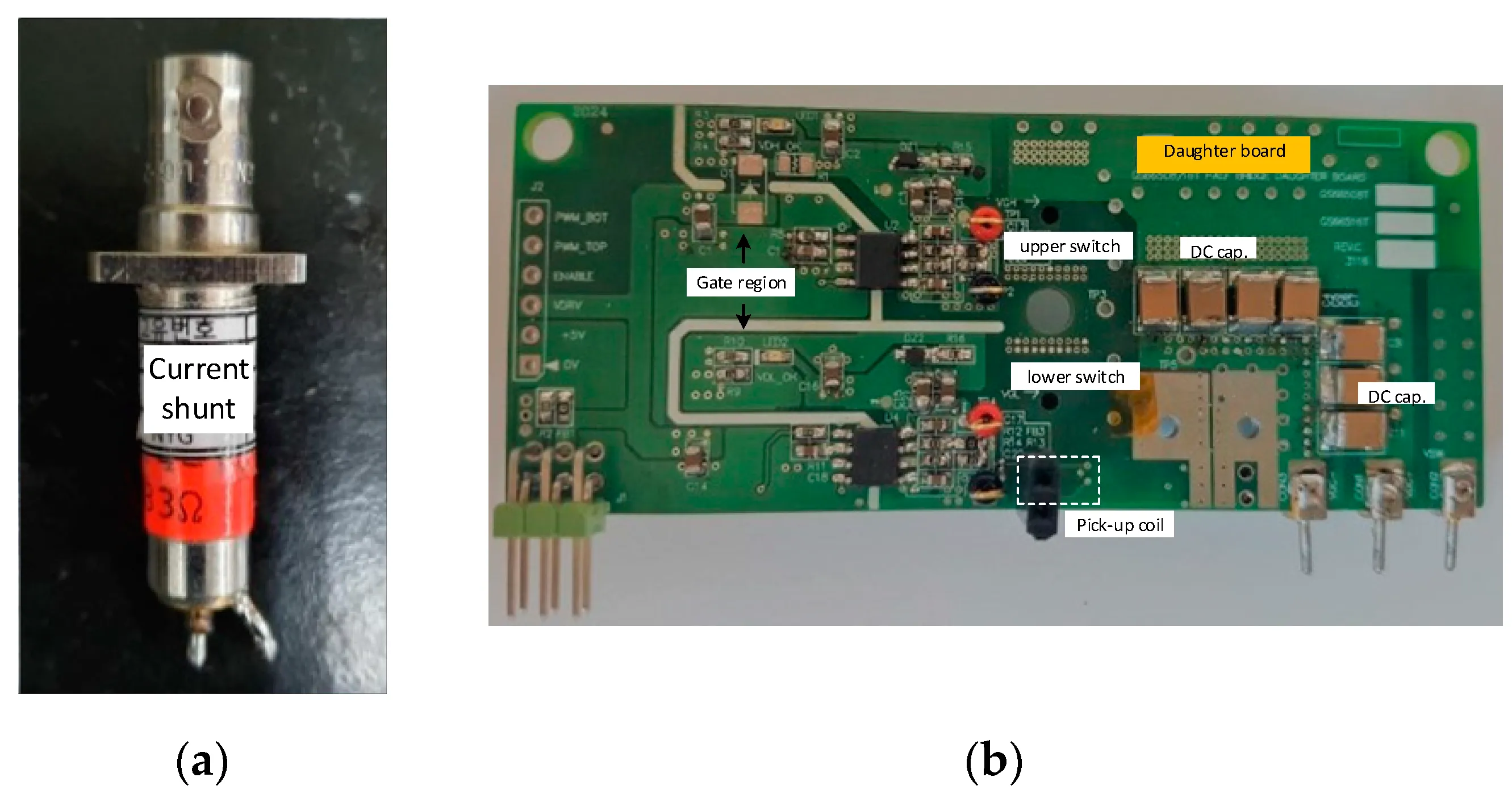
Isolated Current Sensors: Design Considerations for High Voltage PCB Applications
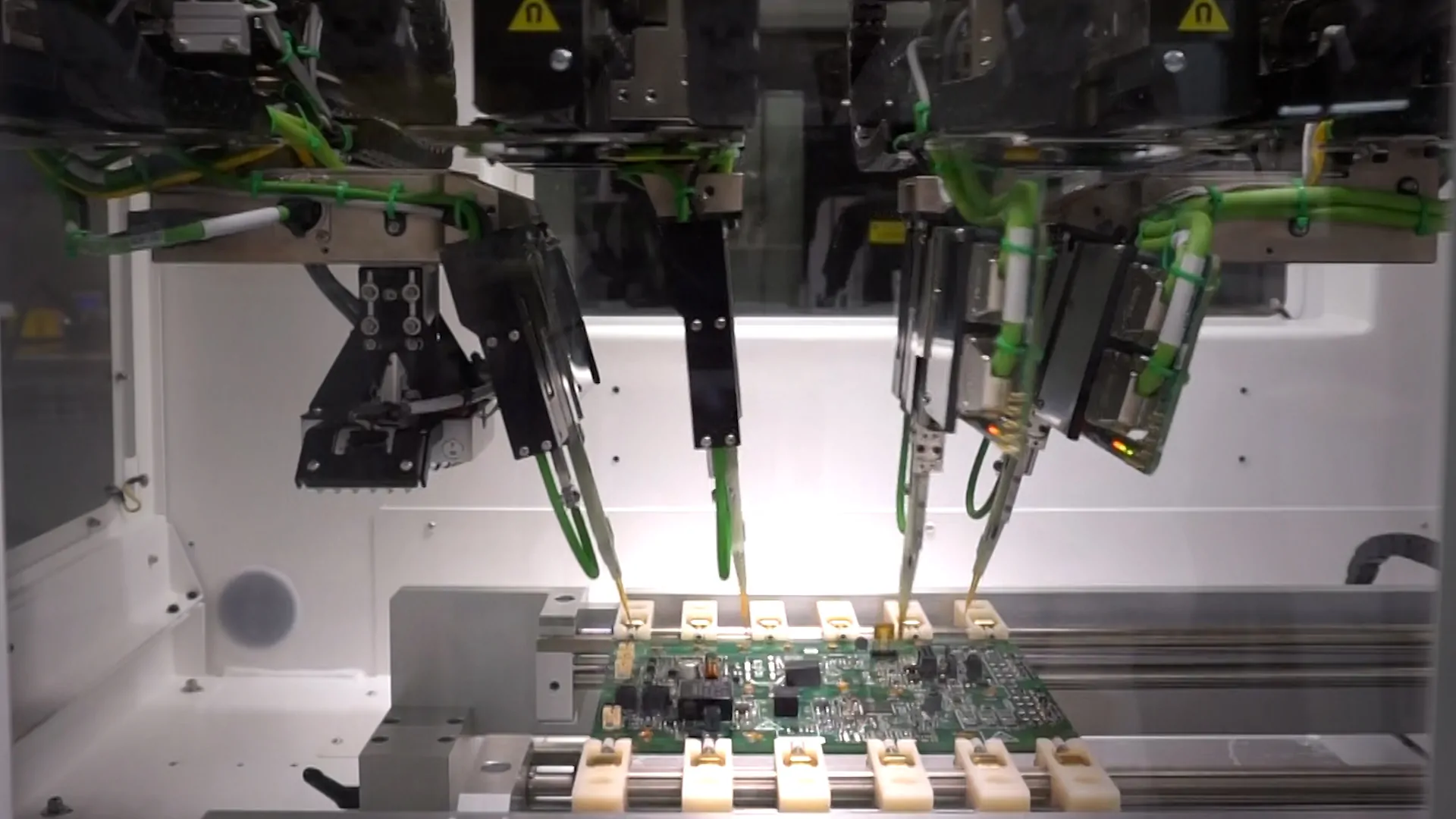
Boosting PCB Reliability: How Flying Probe Testing Minimizes Manufacturing Defects
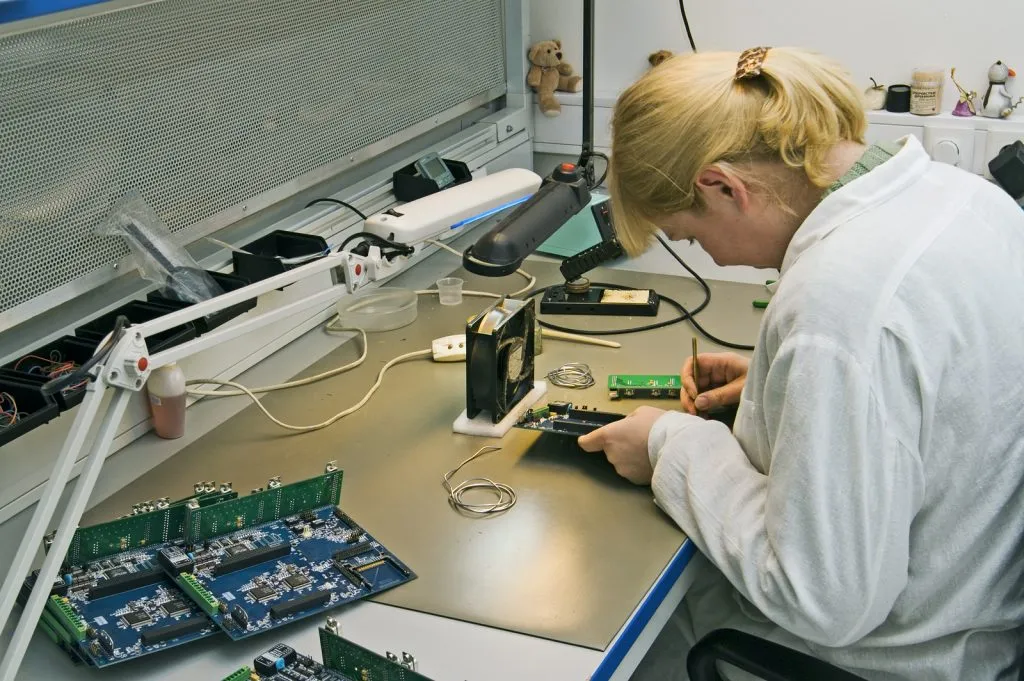
Beyond the Bare Board: Why IPC Certification Matters in PCB Manufacturing
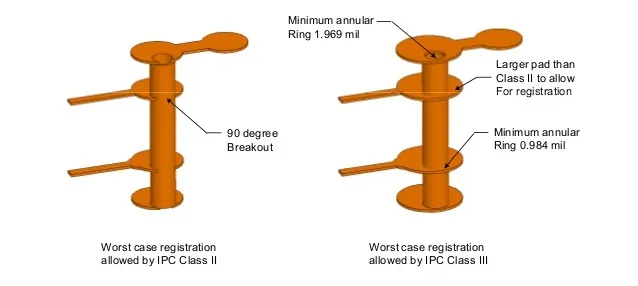
Is Your PCB Ready for Takeoff? IPC Class 3 vs. MIL Spec for Critical Applications
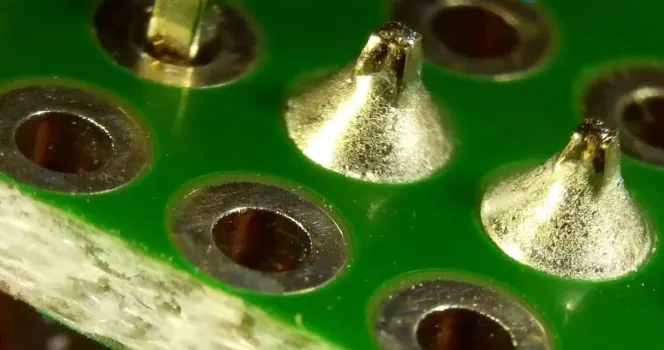
The Ultimate Guide to Solder Joint Inspection: Techniques, Tools, and Best Practices
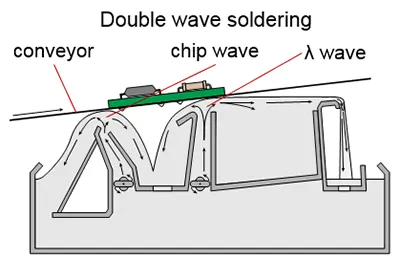
Understanding the Double Wave in PCB Wave Soldering: Benefits and Applications