 00:46
00:46
PCB Rework
PCB rework encompasses a range of techniques used to repair, modify, or enhance printed circuit boards after initial assembly. This process is essential in electronics manufacturing and repair, addressing issues such as component failures, design flaws, or upgrades without discarding the entire board. Professionals in fields like consumer electronics, automotive systems, and aerospace rely on PCB rework to maintain functionality, reduce waste, and extend the lifecycle of devices. By mastering these methods, engineers and technicians can achieve precise interventions that restore performance and comply with industry standards. Common practices in PCB rework include desoldering and resoldering components, trace repairs, and conformal coating adjustments. For instance, using tools like hot air stations or soldering irons allows for the careful removal of faulty parts, while advanced techniques such as BGA reballing ensure reliable connections in high-density boards. Best practices emphasize temperature control to prevent thermal damage, thorough cleaning to avoid contamination, and post-rework testing to verify integrity. These steps not only minimize downtime in production lines but also support prototyping efforts where iterative changes are frequent. Understanding PCB rework can significantly improve troubleshooting skills and cost efficiency. Whether dealing with surface-mount technology or through-hole components, applying these techniques correctly helps avoid common pitfalls like lifted pads or solder bridges. Readers interested in specific applications, from consumer gadget repairs to industrial automation, will find valuable guidance in the articles linked under this tag, offering step-by-step tutorials and case studies to refine their approach.
Video Guide
-
00:46
-
 00:46
00:46
SOP Rework for Correcting Wrong Chip Orientation on PCBs
-
 00:52
00:52
Hot Air Gun Settings for Safe PCB Rework
-
 00:37
00:37
Safe QFP Chip Removal from PCB with Hot Air Rework
-
 00:38
00:38
Fix Blocked Through-Hole on PCB After Soldering: Reliable Clearing Methods
-
 00:39
00:39
IC Desoldering & Removal: Professional Techniques for Safe PCB Rework
-
 00:48
00:48
PCB Plastic Connector Removal: Safe Rework Techniques Without Melting
-
 00:48
00:48
Through-Hole Components Replacement: Professional Techniques for Reliable PCB Repairs
Technical Articles
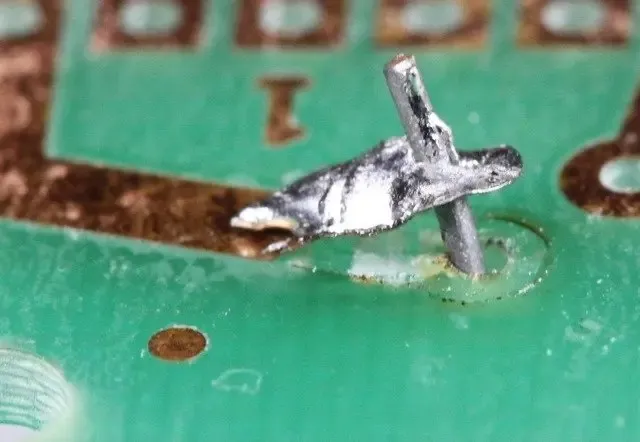
Lifted Pads: Diagnosing PCB Damage and Implementing Effective Repair Strategies
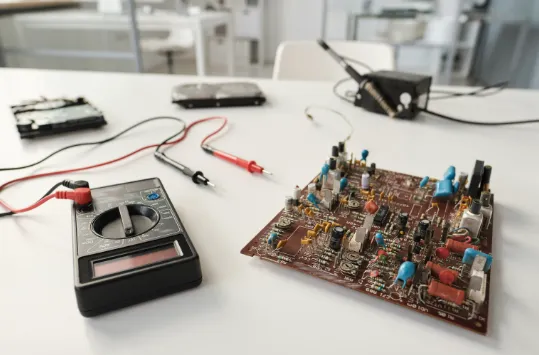
Troubleshooting PCB Tools: A Practical Guide for Diagnosing and Repairing Boards
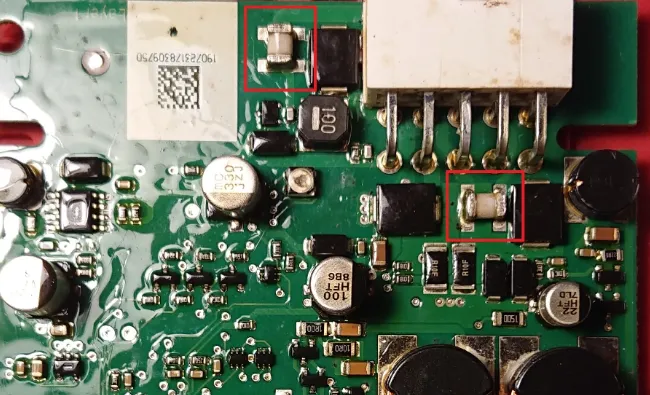
Troubleshooting Blown Fuses on PCBs: A Step by Step Guide
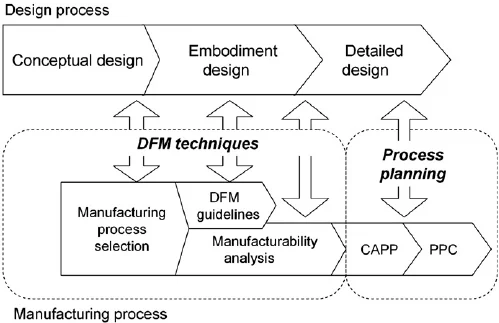
Avoiding PCB Rework: Mastering the DFM Review Process

DFM for Signal Integrity: How Early Collaboration with Manufacturers Prevents Costly Reworks

Security Analysis of Query and SMS Bombing
Construction Equipment PCB Reverse Engineering: Benefits and Approaches
Troubleshooting Common Issues in DIY 8 Layer PCBs
PCB Rework and the Internet of Things (IoT): Addressing Unique Challenges
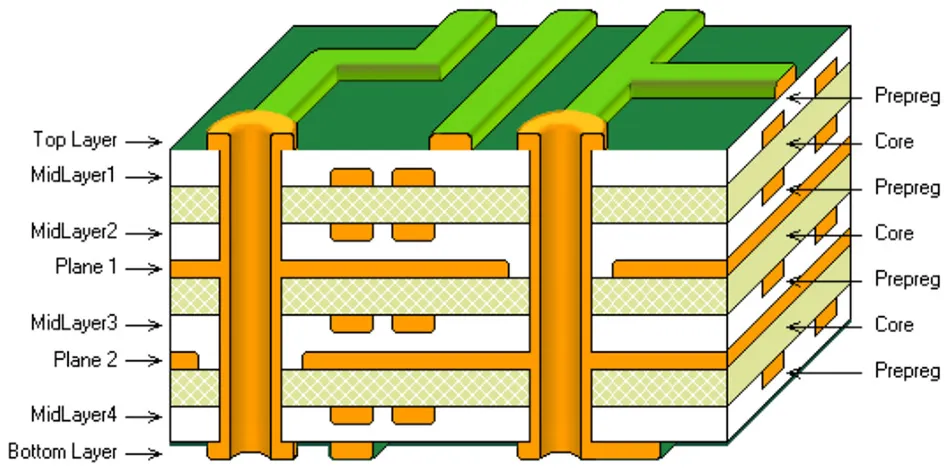
Multilayer PCB Repair: Challenges and Solutions for Complex Circuit Boards
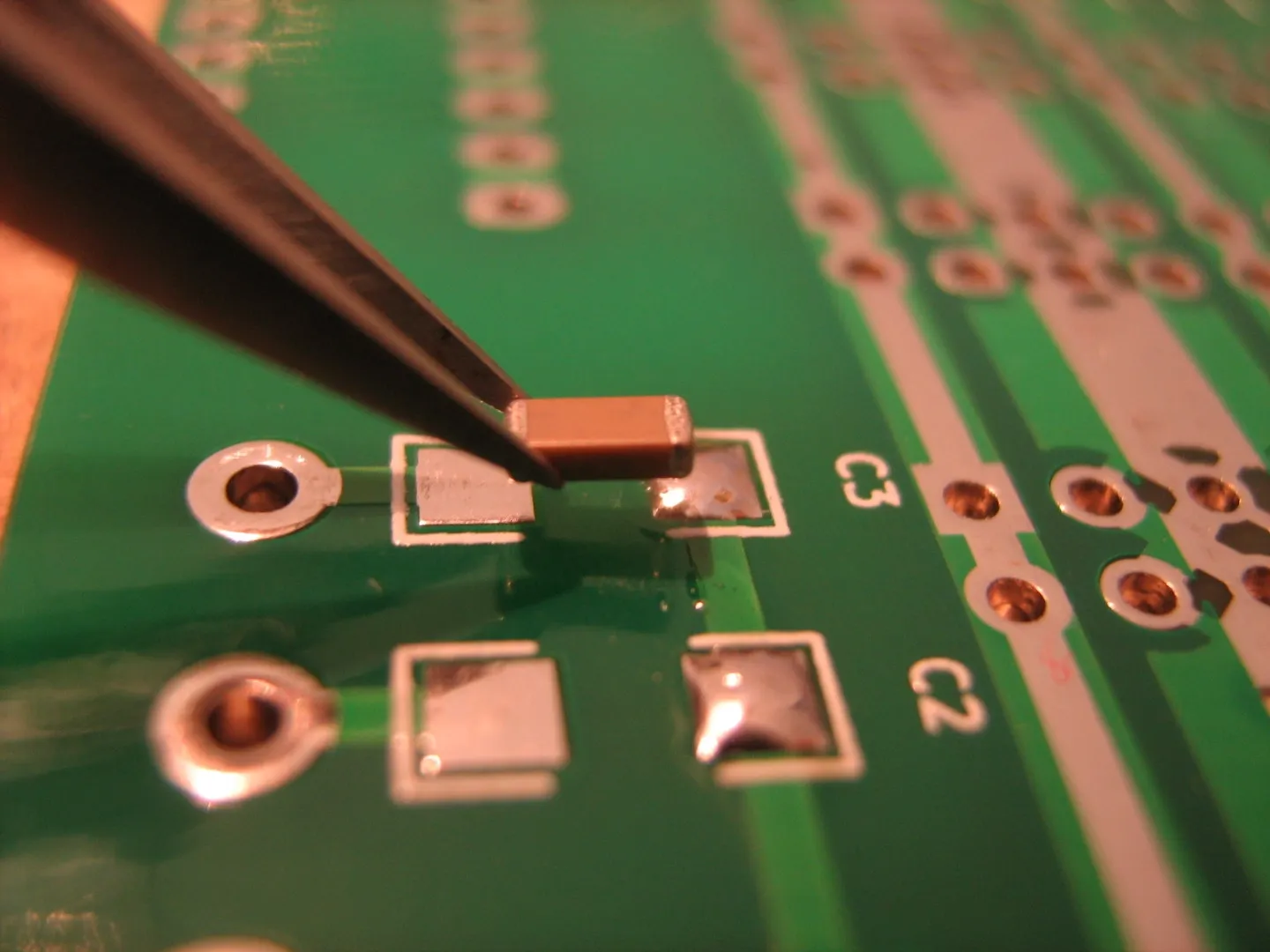
SMD Component Replacement: A Step by Step Rework Tutorial
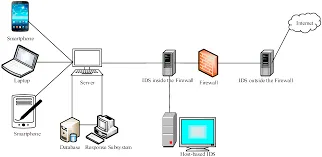
Server Intrusion: Symptoms, Investigation, and Response
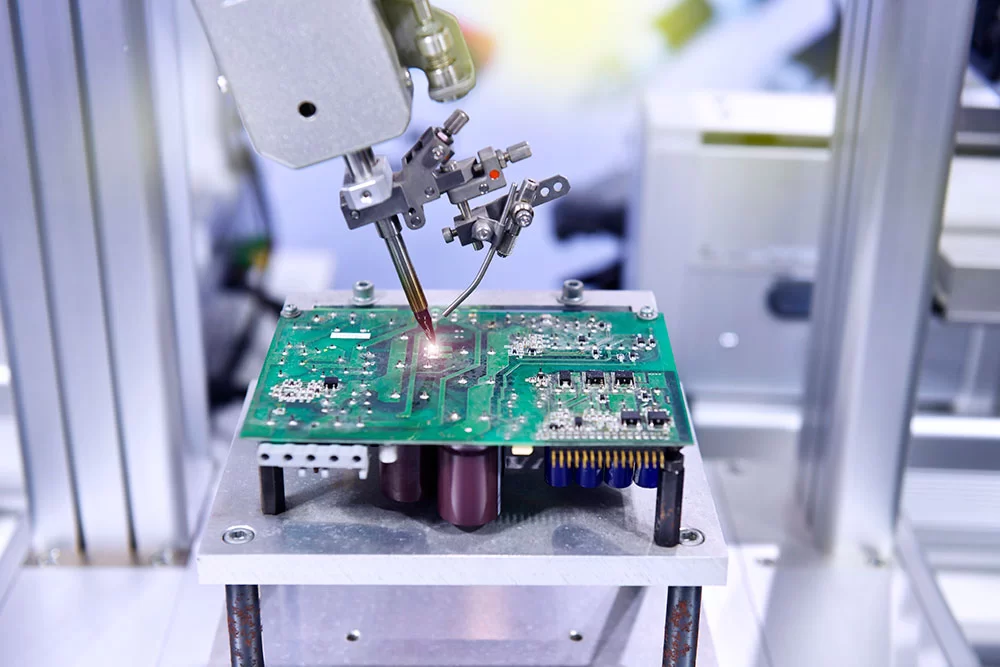
The Ultimate Guide to PCB Rework Stations: Choosing the Right Equipment for Repair
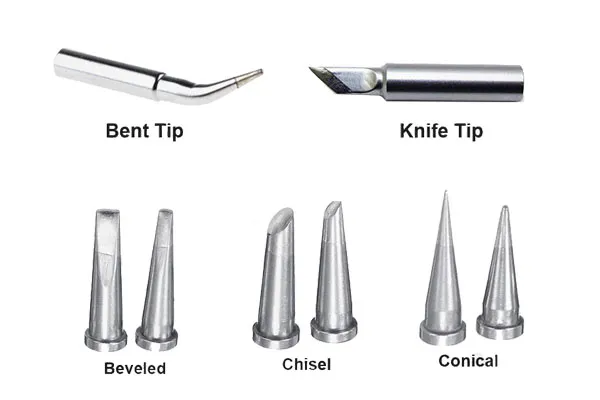
The Ultimate Guide to Choosing the Right Manual Soldering Station for SMD Rework
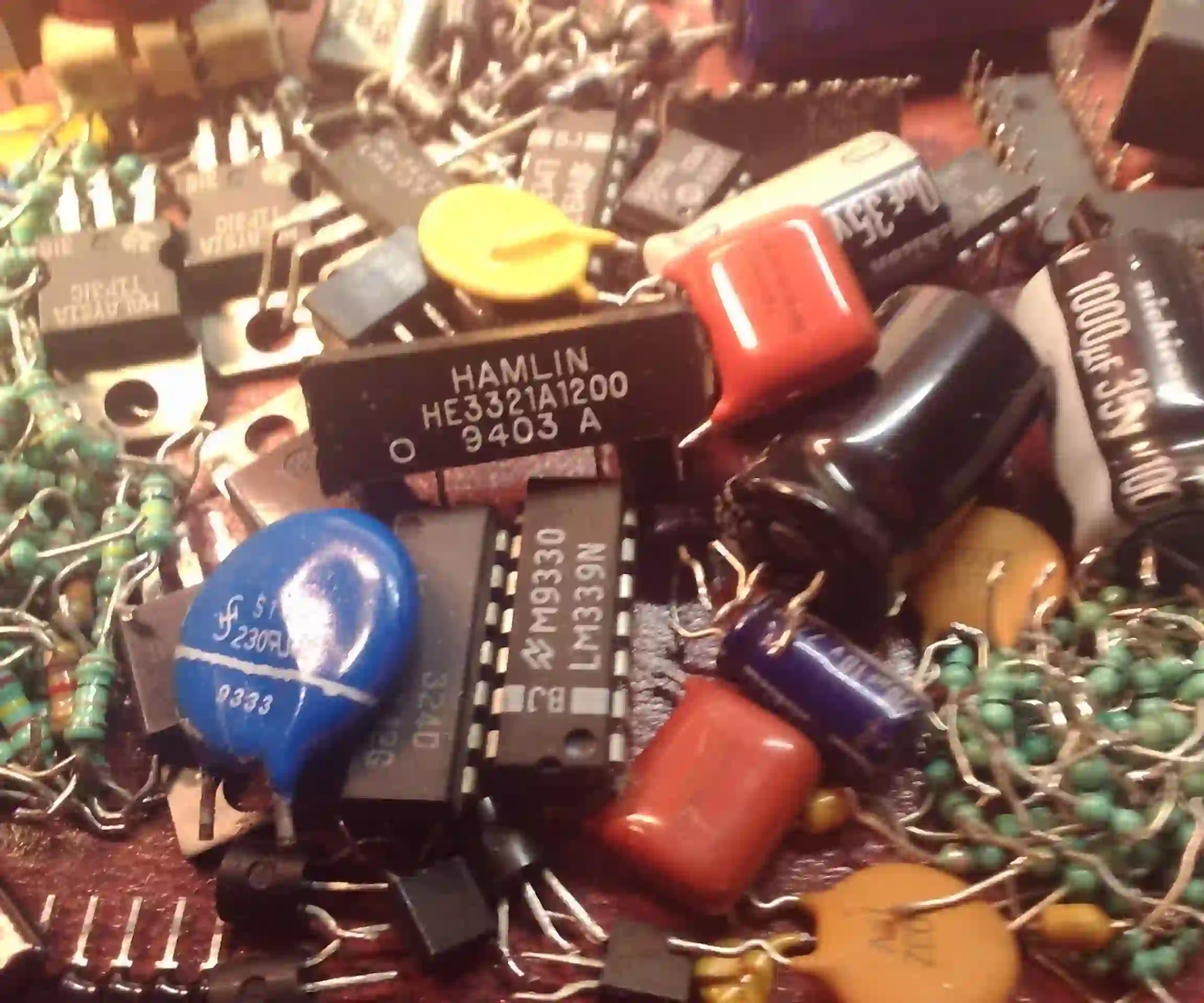
Salvaging SMT Components: A Guide to Reclaiming Parts from Old Electronics
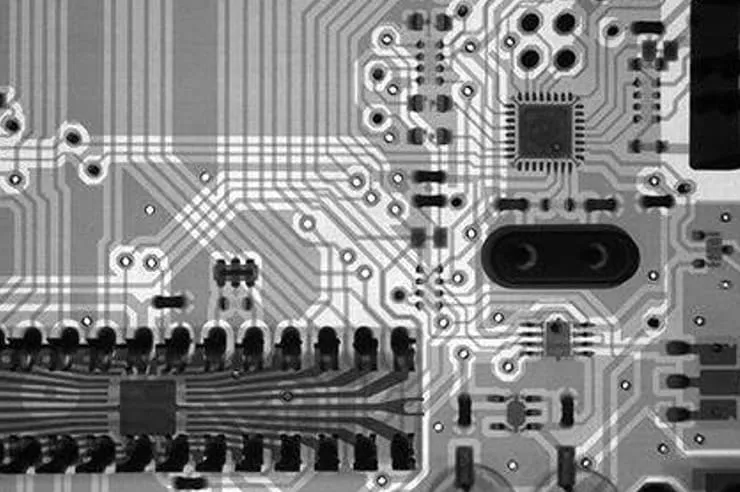
X Ray Inspection For Prototype PCB Rework
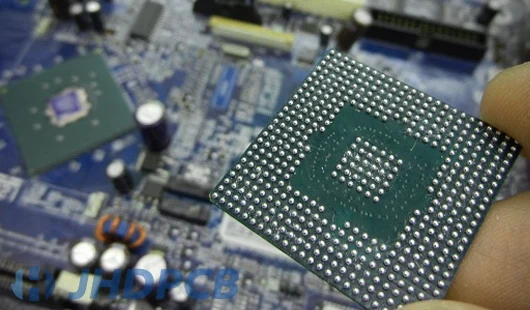
BGA Reballing: Prototype PCB Rework process
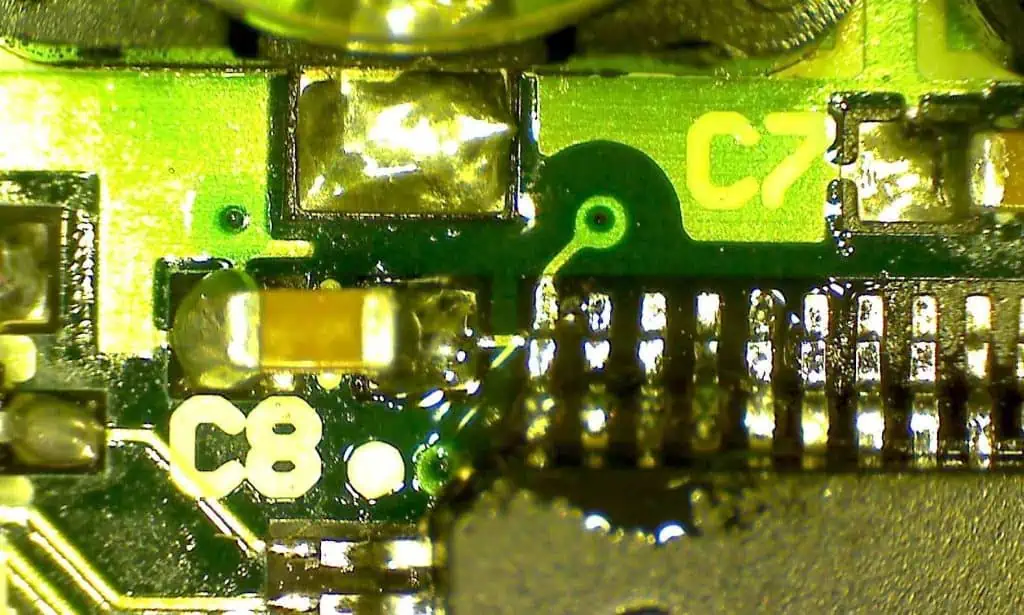
Step by Step: Manual PCB Cleaning After Rework for Optimal Results
PCB Cleaning Equipment for Rework: A Buyer's Guide