 00:58
00:58
RF PCB Design
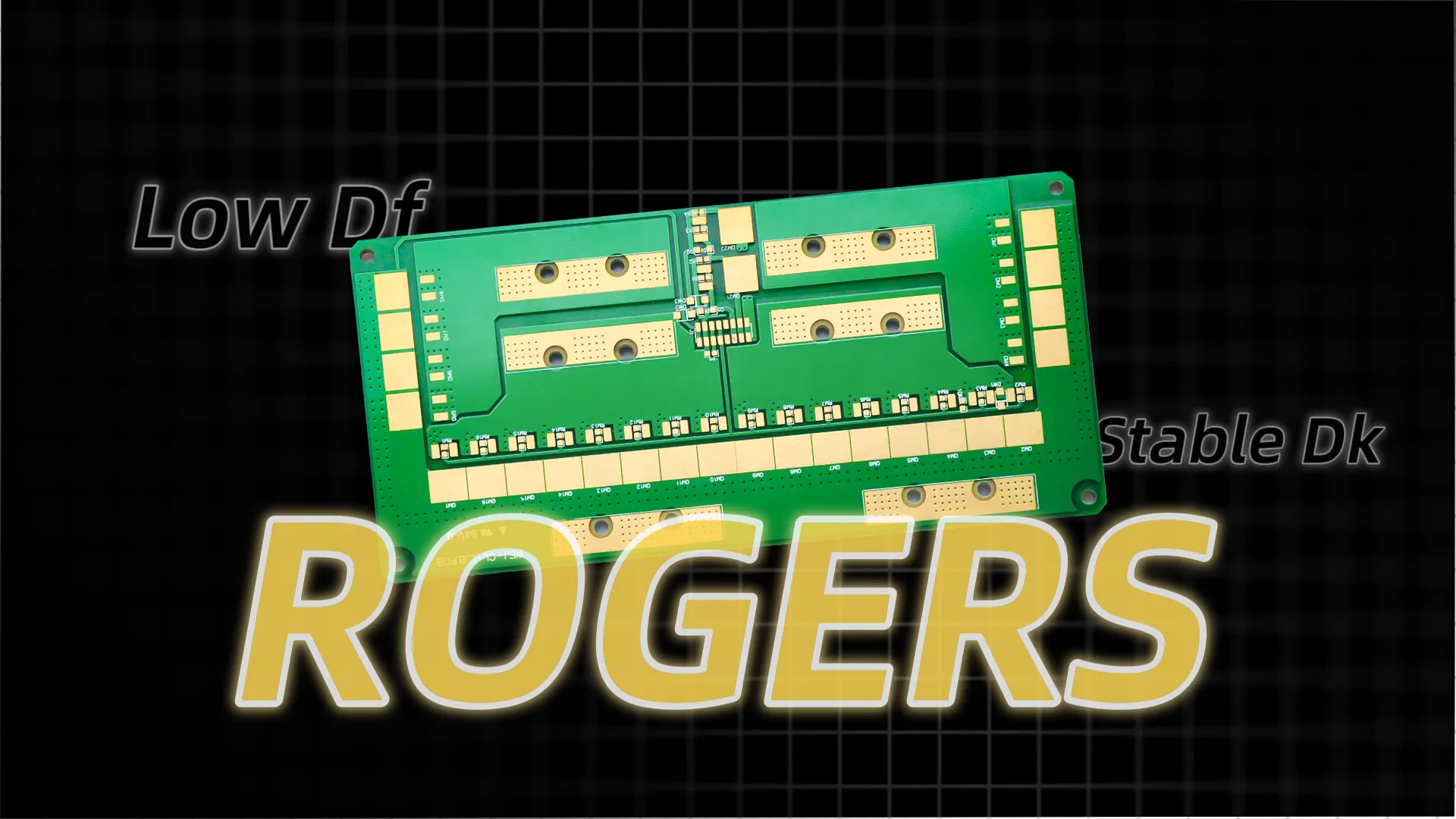
RF PCB design plays a critical role in the development of high-frequency electronic systems, where signal integrity and performance are paramount. This tag encompasses a range of topics focused on the specialized techniques required to create printed circuit boards that handle radio frequency signals effectively. From selecting appropriate substrate materials with low dielectric constants to implementing precise impedance matching and controlled trace geometries, these designs minimize losses, reduce electromagnetic interference, and ensure reliable operation in applications such as wireless communications, radar systems, and satellite technology. Engineers and designers searching for RF PCB design resources often seek solutions to common challenges like signal crosstalk, thermal management, and compliance with industry standards, making this a vital area for innovation in modern electronics. Practical applications of RF PCB design extend to optimizing layouts for minimal noise and maximum efficiency. Best practices include using microstrip or stripline configurations for transmission lines, incorporating ground planes to shield sensitive components, and employing simulation software like HFSS or ADS to predict performance before prototyping. These approaches help mitigate issues such as parasitic capacitance and inductance, which can degrade signal quality at gigahertz frequencies. For those working on projects involving IoT devices, 5G networks, or RF amplifiers, understanding these principles can lead to more compact, cost-effective designs that meet stringent regulatory requirements. Our articles under this tag offer detailed insights into these topics, providing step-by-step guidance on tools, testing methods, and real-world case studies. Whether you are troubleshooting a high-speed PCB or exploring advanced multilayer designs, the content here equips you with the knowledge to tackle complex RF challenges and refine your engineering skills.
Video Guide
-
00:58
Technical Articles

Full-domain Holographic Situational Awareness for Guidance

Evolution and Core Technologies of Advanced Fighter Design

How Drone Communication Differs from Traditional Systems: RF, Modulation, and PCB Insights

F-35 Multisensor Fusion and Avionics Overview
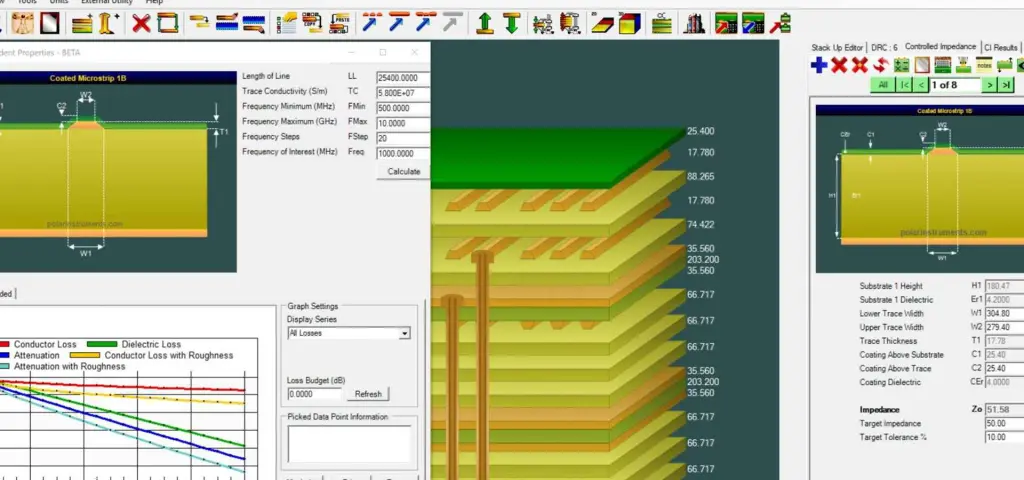
How to Design 5G PCB Layout Guidelines?
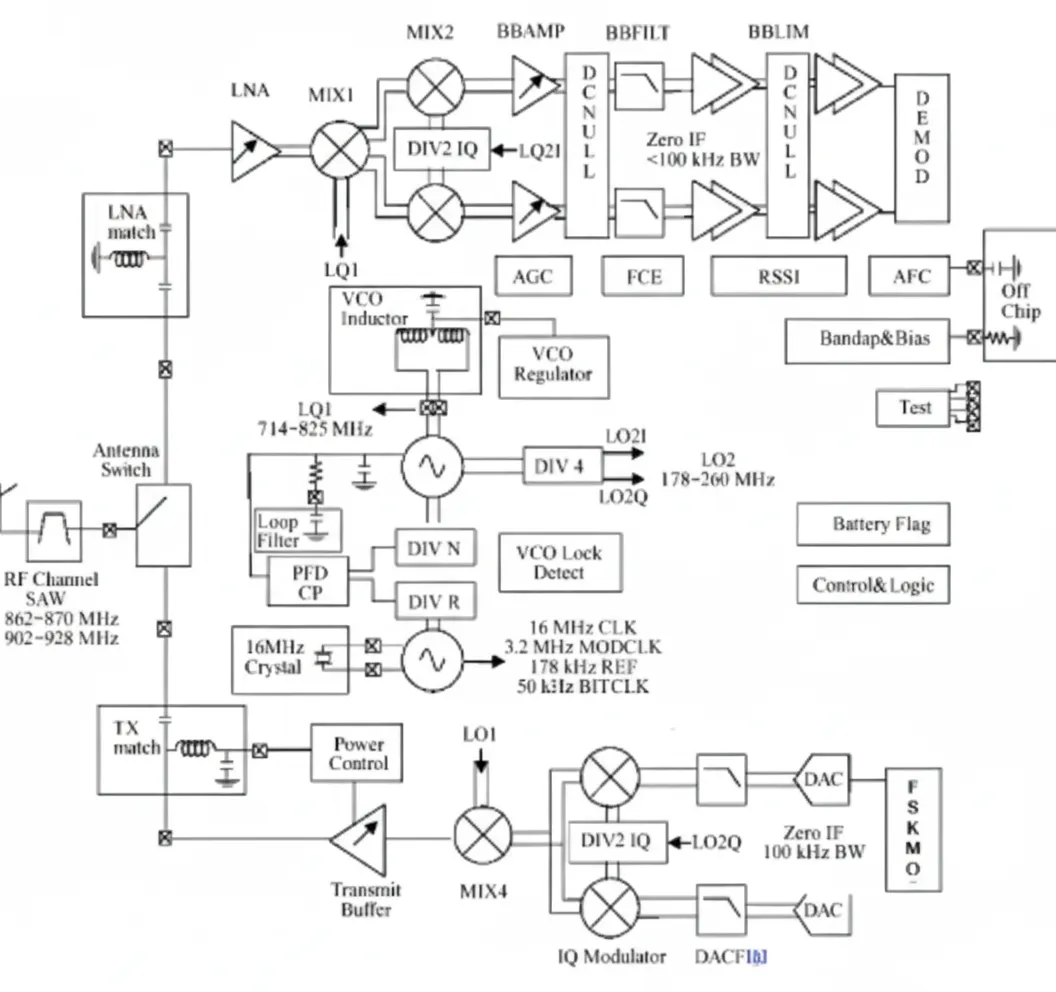
PCB Design for Wearable and Implantable Medical Systems: Wireless and Power Optimization
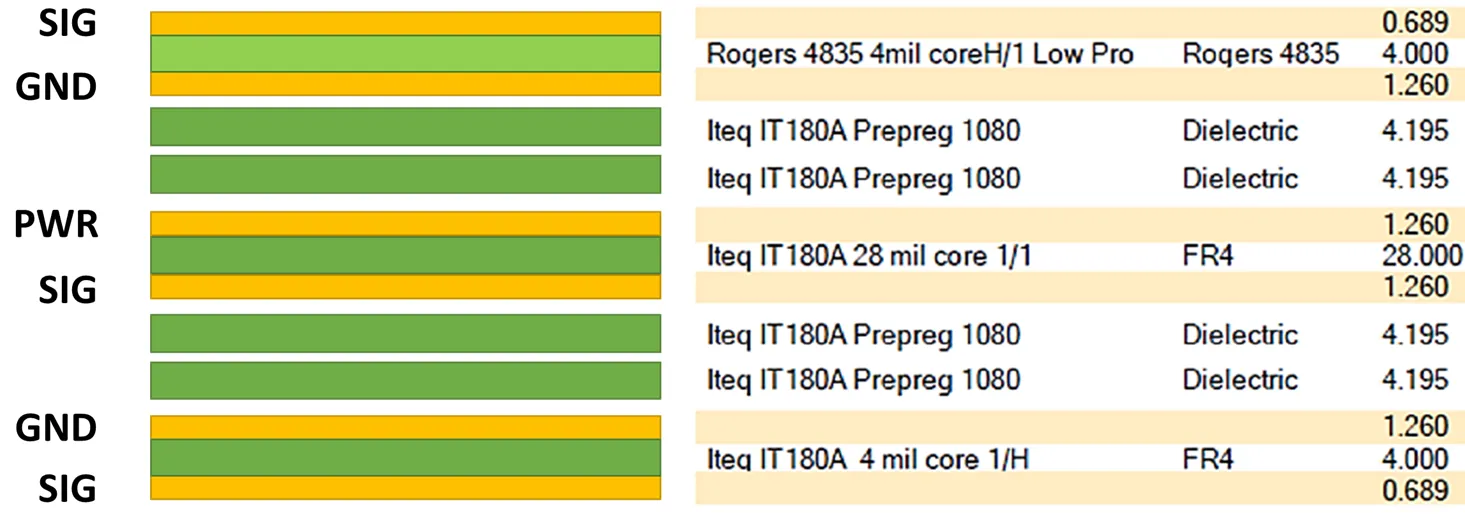
Exploring PCB Materials for Optimal Copper Thickness in RF Applications
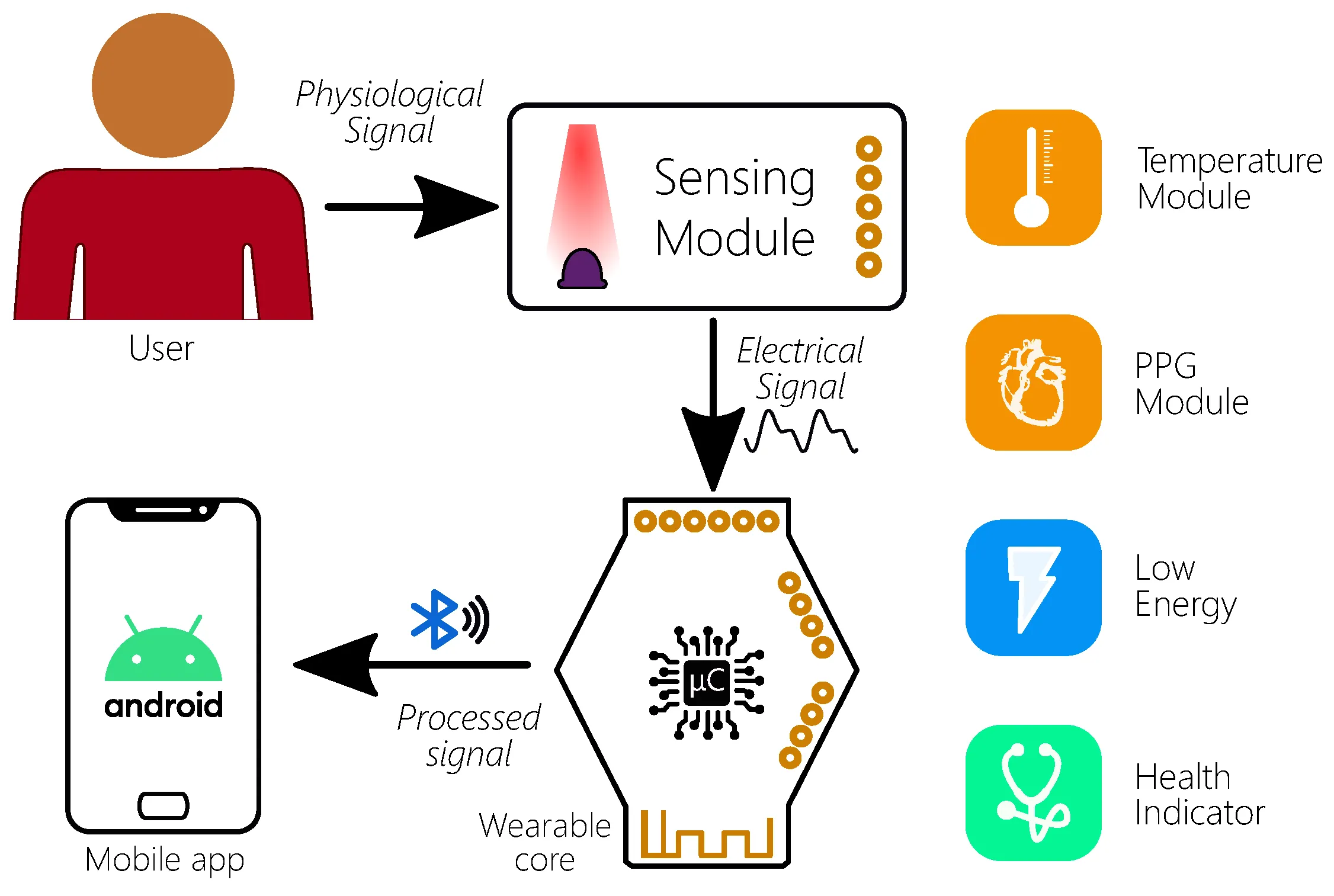
WiFi Module Circuit Design for Wearable Medical Devices

How 5G Will Transform Drone Capabilities: Aerospace Electronics and PCB Perspectives

Evolution of Drone Flight Control Algorithms
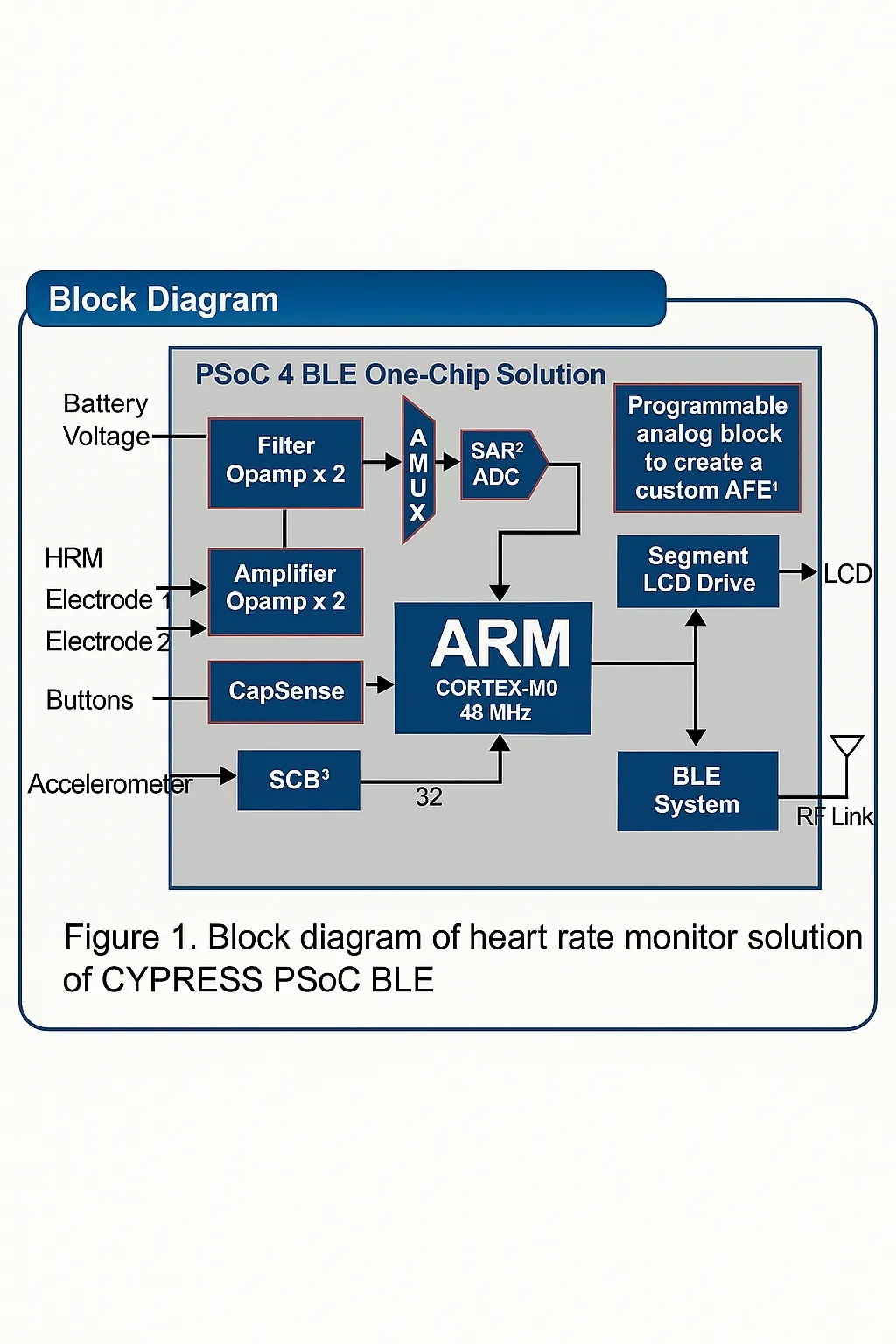
Single-Chip Heart Rate Monitor Solution Overview

GSM-Based Remote Medical Emergency Alert System
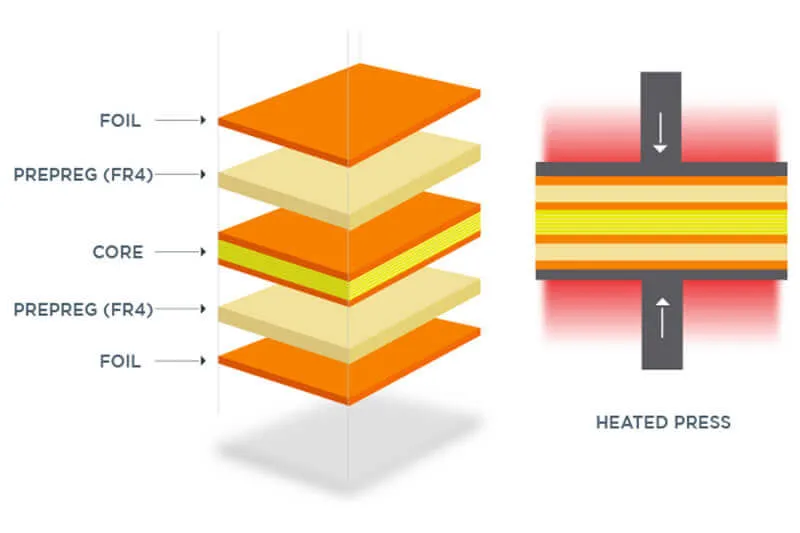
The Role of Fillers in RF Laminate PCB Materials: Enhancing Performance
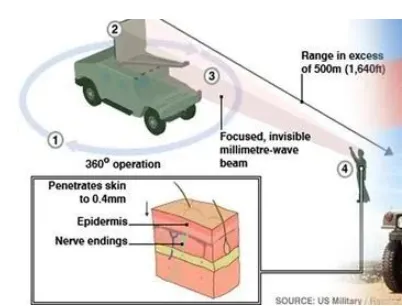
Microwave Weapons: Principles and Applications

Drone Area and Airspace Denial Systems

Cooperative Guidance for Shipborne Surface-to-Air Missile Systems

Do DJI Drones Require a Pilot License? Regulations, Compliance, and Electronics Implications

5G Applications for Unmanned Aerial Vehicles: Connectivity, Use Cases, and PCB Challenges

Evolution of GPS Satellites for M-code Signals