Rugged PCB Design
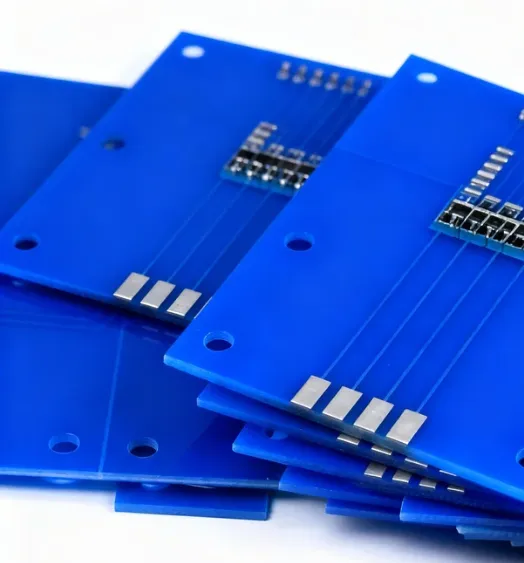
Rugged PCB design plays a critical role in ensuring the reliability and longevity of electronic systems exposed to challenging environments. This tag encompasses a range of topics focused on engineering printed circuit boards (PCBs) that can endure extreme conditions, such as high vibrations, temperature fluctuations, moisture, dust, and mechanical stress. Professionals in industries like aerospace, automotive, military, and industrial automation often seek out these designs to prevent failures that could lead to costly downtime or safety risks. At its core, rugged PCB design involves selecting robust materials, such as high-temperature laminates or flexible substrates, to maintain structural integrity. Best practices include implementing thermal management techniques, like heat sinks and vias for efficient dissipation, and applying conformal coatings to protect against corrosion and electrical shorts. Designers also prioritize layout strategies that minimize signal interference in noisy environments, incorporating features like reinforced mounting holes and edge plating for enhanced durability. These approaches not only extend the operational life of the PCB but also comply with stringent standards, such as IPC-6012 for qualification and performance. For those tackling real-world projects, understanding these principles can lead to more resilient prototypes and production runs. Articles under this tag delve into practical applications, from designing PCBs for off-road vehicles to creating boards for remote sensors in harsh climates. Readers can find detailed guides on simulation tools for stress testing, component selection for shock resistance, and case studies illustrating successful implementations. By exploring these resources, engineers gain the knowledge to optimize their designs for demanding scenarios, ultimately improving product performance and reliability.
Technical Articles
Ensuring Reliability: Vibration Analysis for Electronic PCB Components

The Role of PCB Sensors in Mine Safety & Efficiency

The Benefits of Using Sustainable PCB Laminates in Military and Aerospace Applications
Advanced PCB Manufacturing Techniques for Military Communication Systems
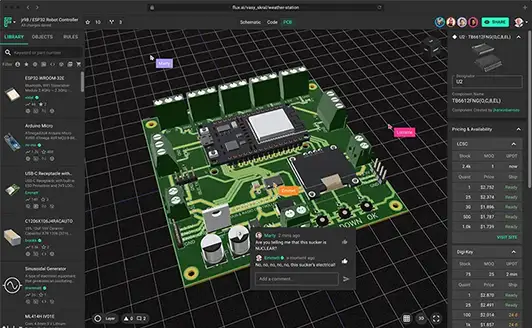
AI Accelerator PCBs in Edge Computing: Design Considerations for Harsh Environments
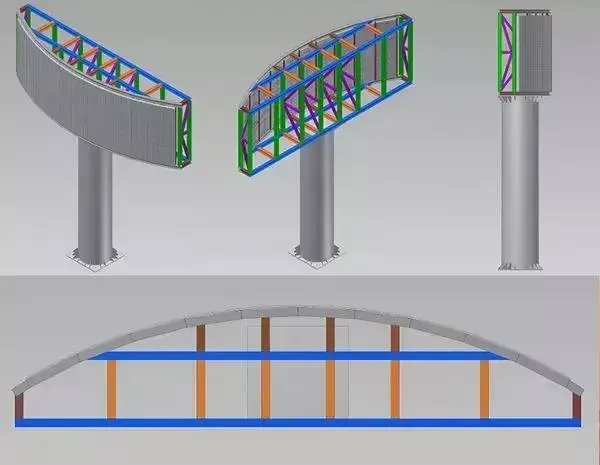
LED Display Installation Methods for Different Applications

Designing for Reliability: Best Practices for ECU PCBs in Harsh Environments
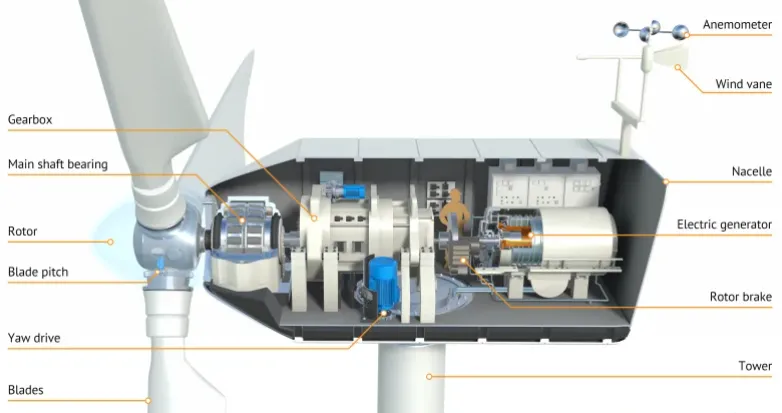
The Ultimate Guide to Wind Turbine Control PCB Design for Harsh Environments
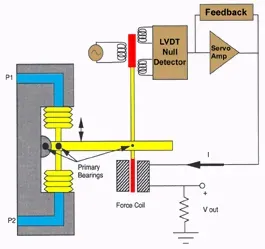
How Servo Sensors Work
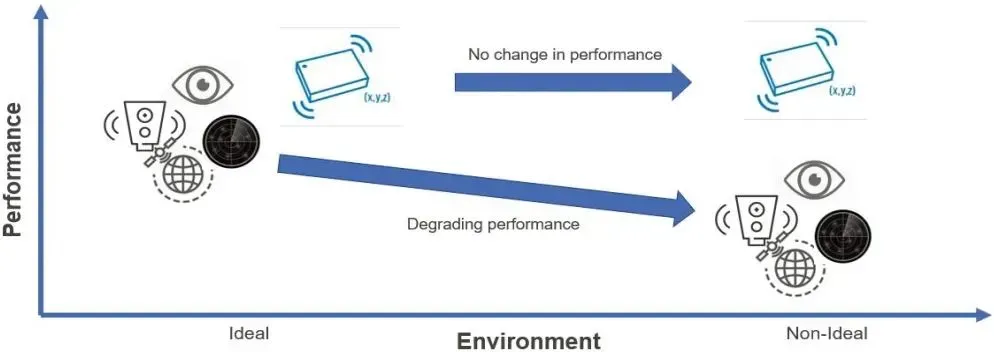
What Is an IMU Sensor and Its Role in Autonomous Vehicles

Four Ways to Improve IMU Performance
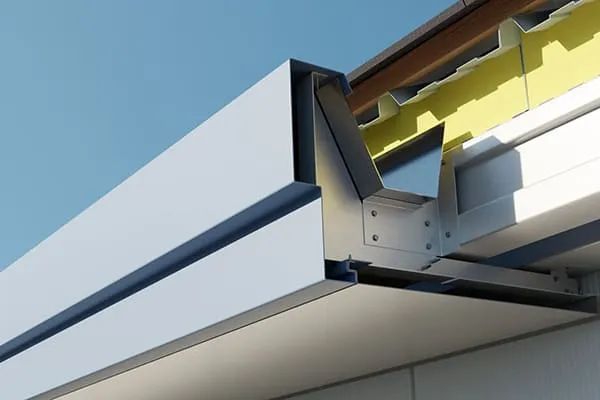
Best Sheet Metal Materials for Outdoor Applications: Aluminum, Stainless Steel & More
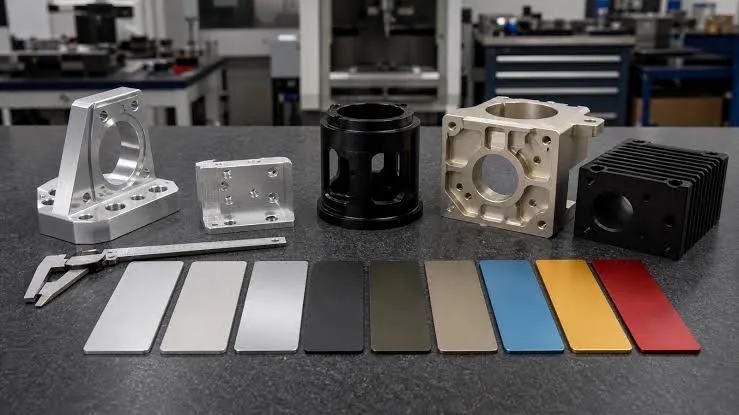
Type II vs Type III Anodizing: What's the Difference?
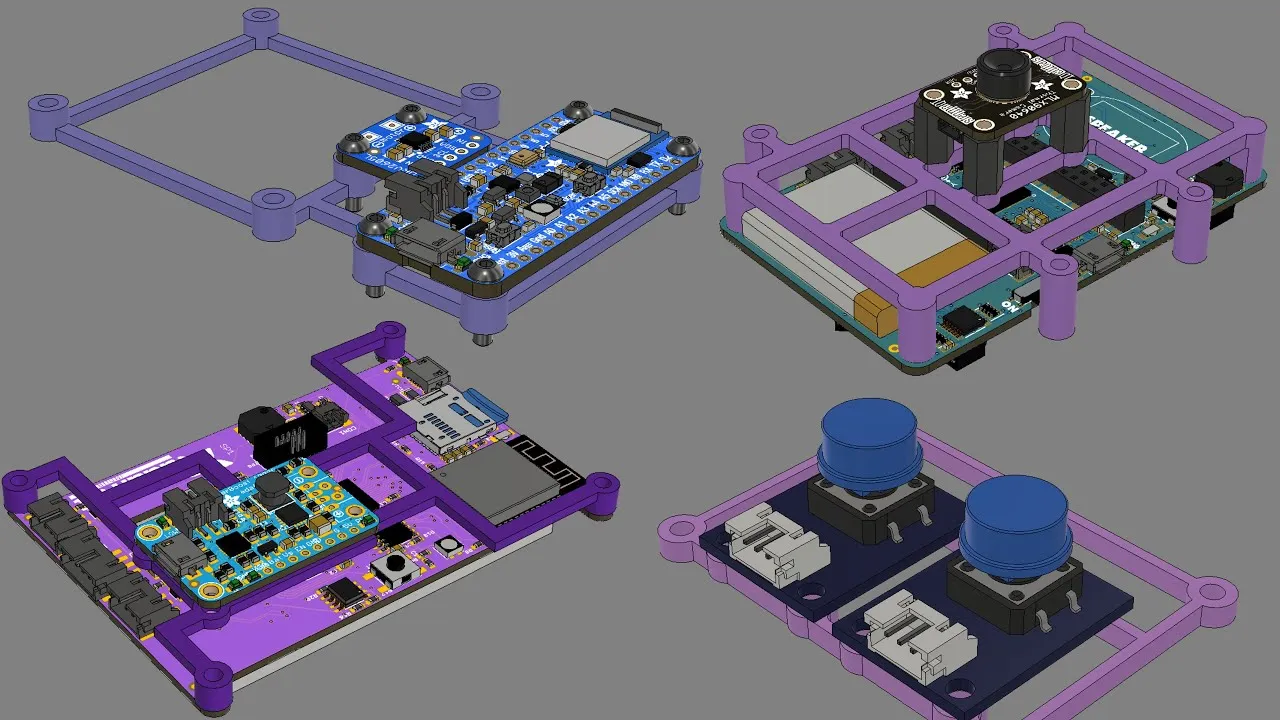
PCB Mounting Bracket Design Mistakes in Sheet Metal Fabrication
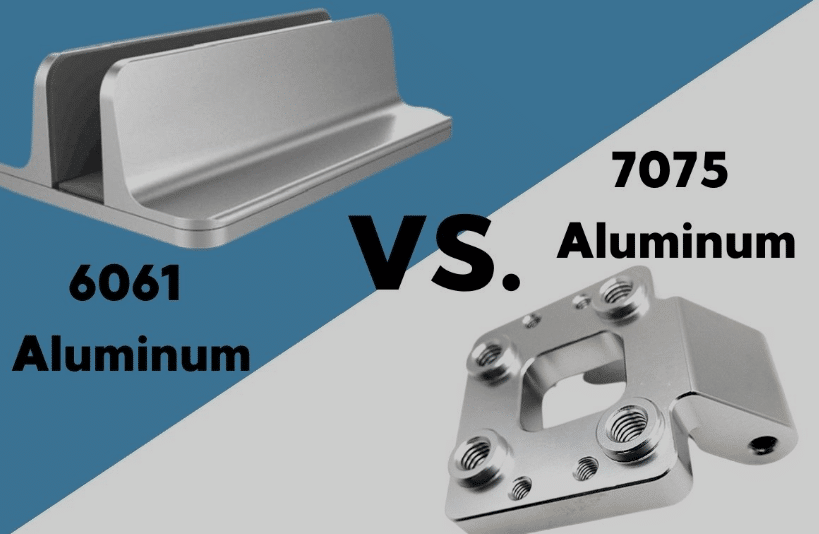
Aluminum 6061 vs 7075 CNC Enclosure for Electronics

Underground Robotics Challenges: Engineering Electronics for Extreme Environments
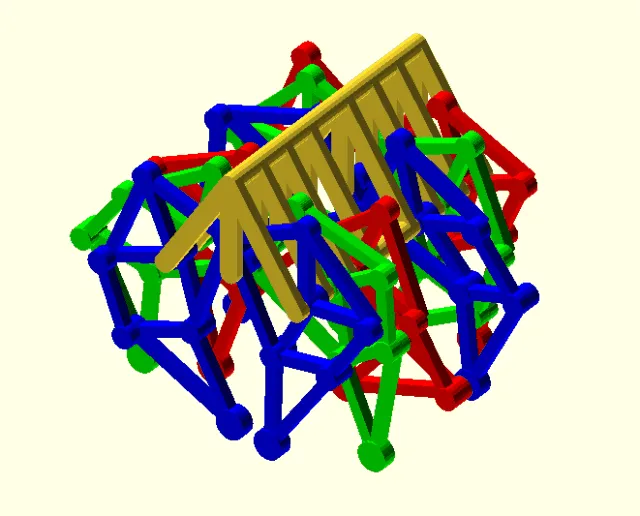
Mechanical Principles Behind Robot Control

What Is "Automotive Grade" and Its Drawbacks