




 00:50
SMT Assembly
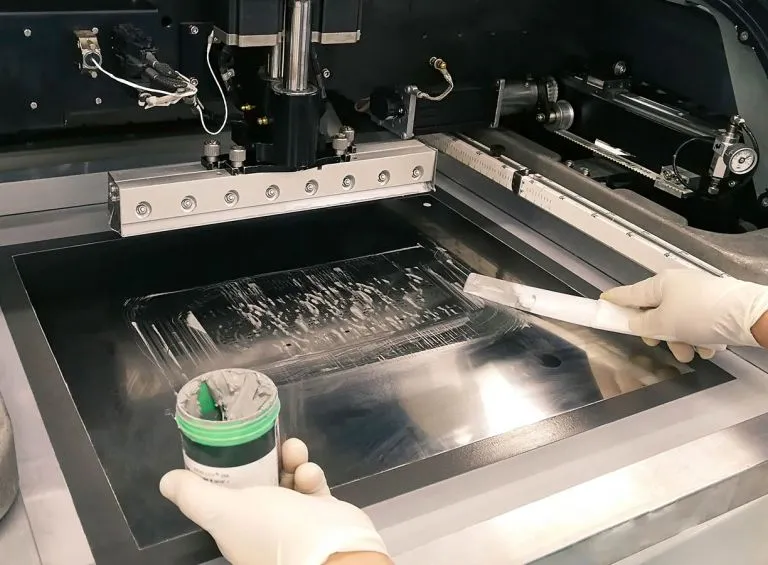
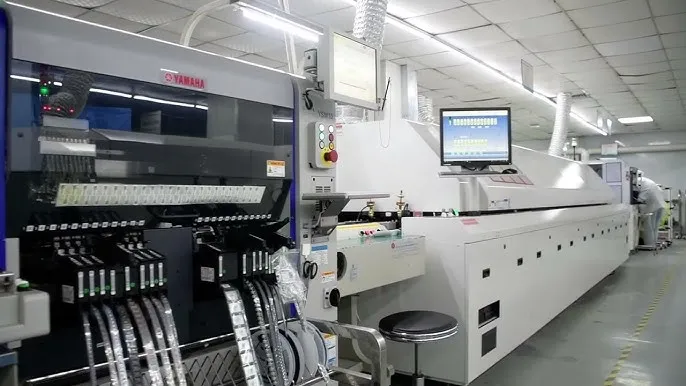
Surface Mount Technology (SMT) Assembly represents a cornerstone of modern electronics manufacturing, enabling the efficient production of compact, high-performance circuit boards. This process involves mounting electronic components directly onto the surface of printed circuit boards (PCBs), eliminating the need for drilled holes and allowing for denser component placement. For engineers, hobbyists, and manufacturers searching for insights on SMT Assembly, this tag curates a collection of articles that delve into its fundamentals, from component selection to reflow soldering techniques. Understanding SMT Assembly is essential for achieving reliable, cost-effective designs in industries such as consumer electronics, automotive systems, and telecommunications, where space constraints and high-speed performance are critical. One of the key advantages of SMT Assembly lies in its automation potential, which streamlines production lines and reduces labor costs. Practical applications include creating miniature devices like smartphones and wearables, where precise placement of tiny components ensures functionality and durability. Best practices emphasized here include optimizing stencil design for solder paste application, selecting appropriate flux types to prevent defects like tombstoning or bridging, and implementing rigorous inspection methods such as automated optical inspection (AOI) to maintain quality control. By following these guidelines, users can minimize common pitfalls, improve yield rates, and enhance the overall reliability of their assemblies. For those tackling specific challenges, such as transitioning from through-hole to SMT methods or scaling up production, the articles under this tag offer detailed case studies and step-by-step tutorials. Readers can find guidance on equipment selection, like pick-and-place machines and reflow ovens, tailored to various project scales. Whether you are prototyping a new gadget or refining an existing manufacturing process, exploring these resources provides the technical depth needed to implement SMT Assembly effectively in your work.
Video Guide
-
00:50
-
 00:54
PCB Fiducial Mark: SMT Alignment & DFM Rules
-
 00:56
PCB Tombstoning: Causes and Prevention in SMT Assembly
-
 00:56
PCB Edge Rails: Why Extra Edges Are Essential for Reliable SMT Handling
-
 00:55
PCB Diode Operation: Understanding PN Junctions and Polarity
-
 04:29
Why PCBA Manufacturing Needs So Many Inspections
-
 07:47
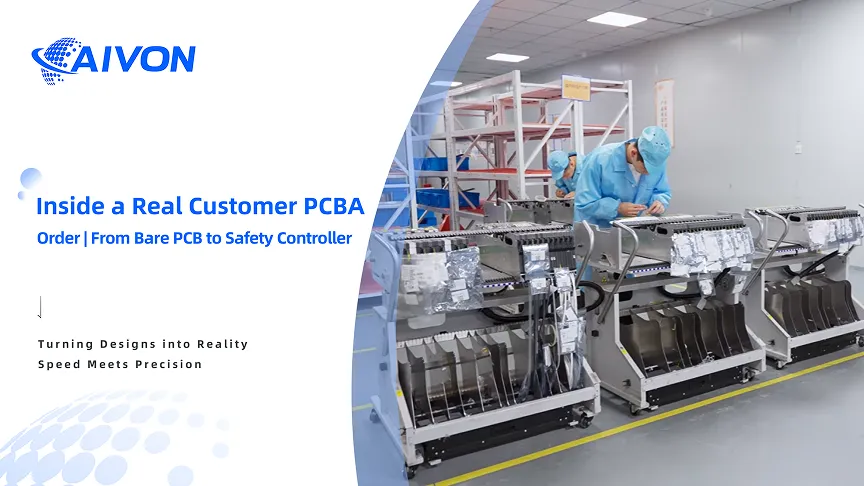
Real PCBA Order: Bare PCB to Industrial Robot Safety Controller Assembly
-
 00:59
PCB Thermal Relief Pad: Essential DFM Principles for Reliable Soldering
Technical Articles
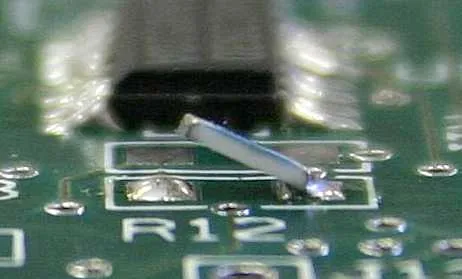
SMT Testing in SMT PCB Assembly Process
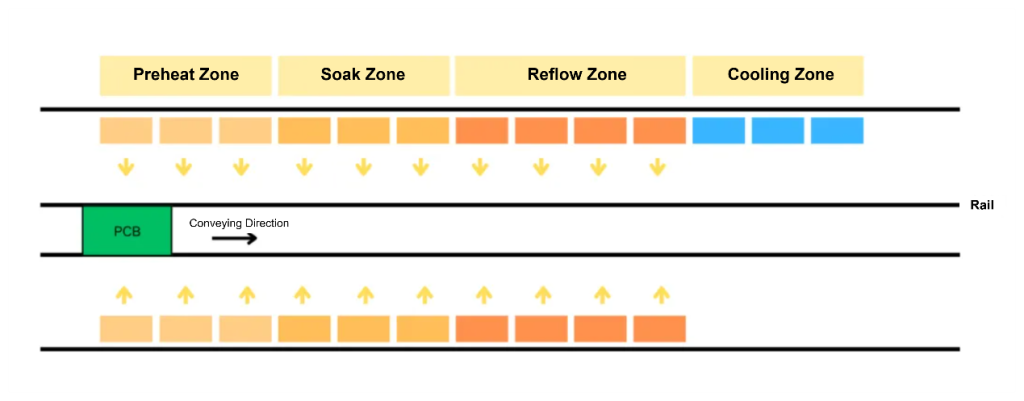
Simple guide to optimizing your PCB design for SMT assembly
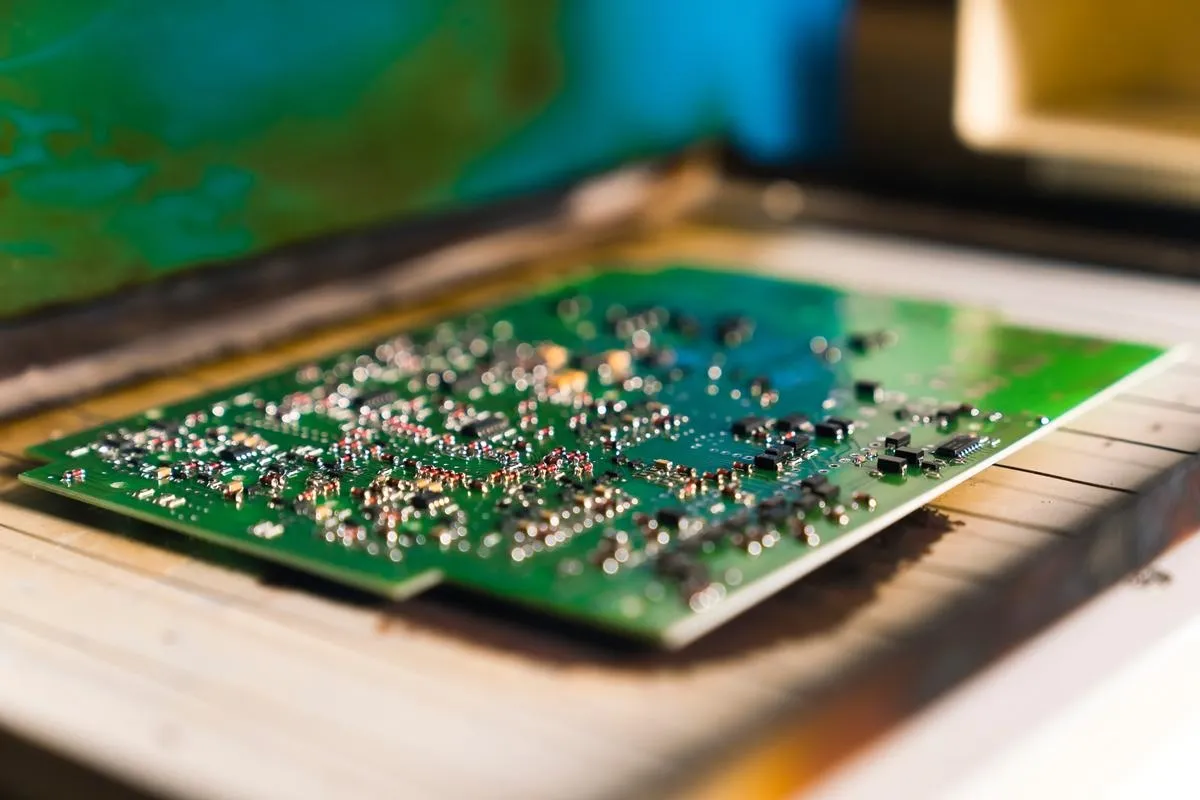
PCB Soldering Processes and Common Defects Explained
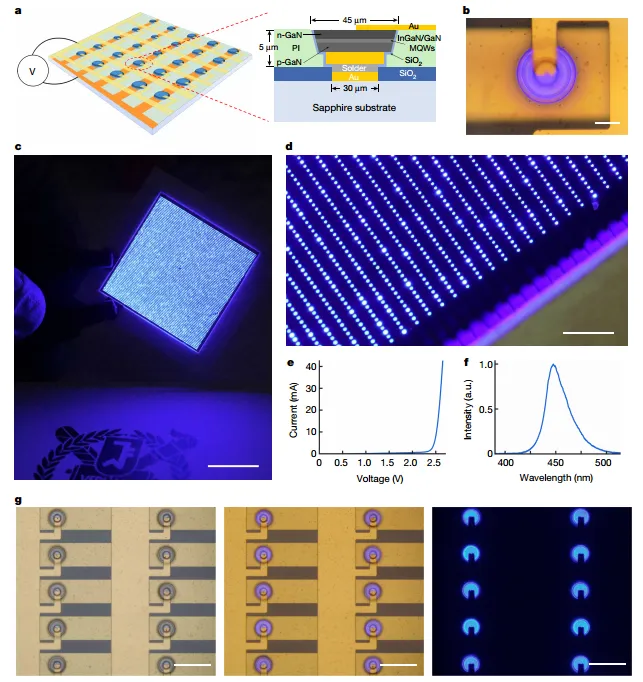
High-Yield MicroLED Lighting Panel via Fluid Self-Assembly
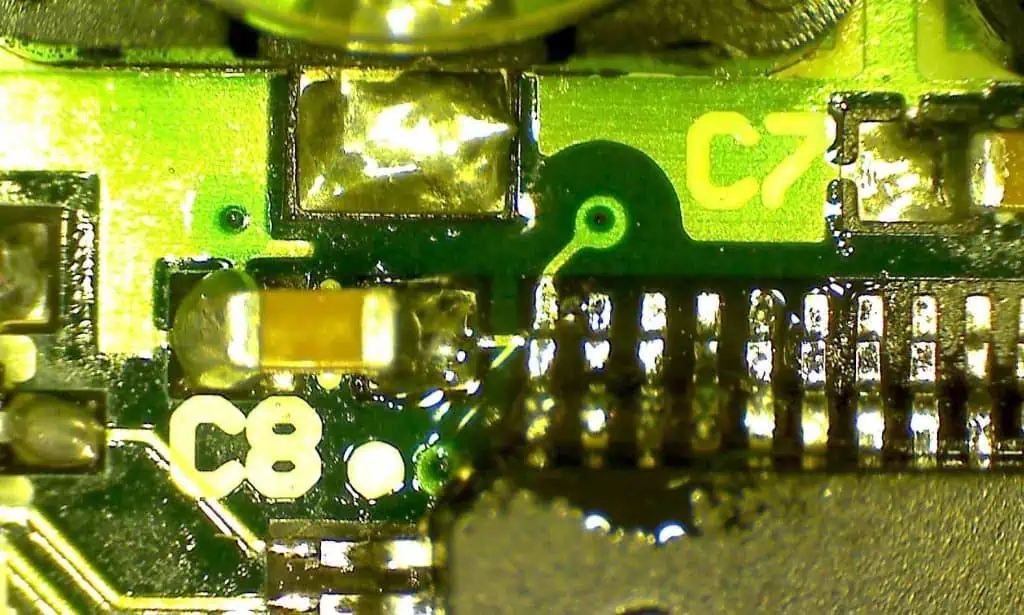
Common SMT PCB Assembly Defects

A Step by Step Guide on High Frequency PCB Assembly
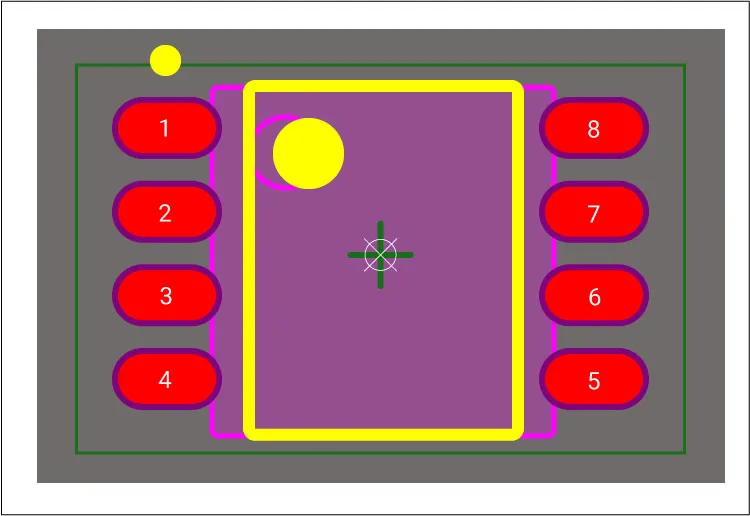
Component Footprints for SMT Assembly: Optimizing for Pick and Place Machines
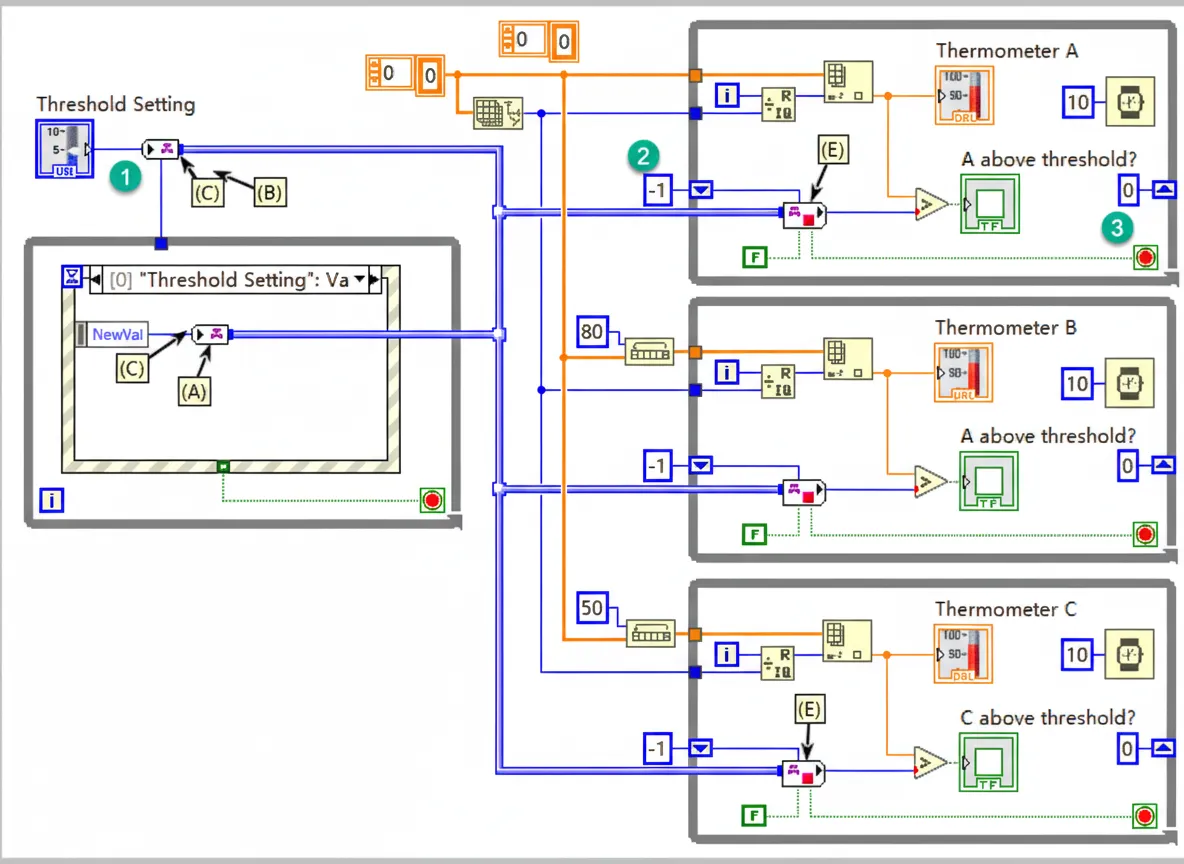
LabVIEW Channel Wire Usage and Caveats
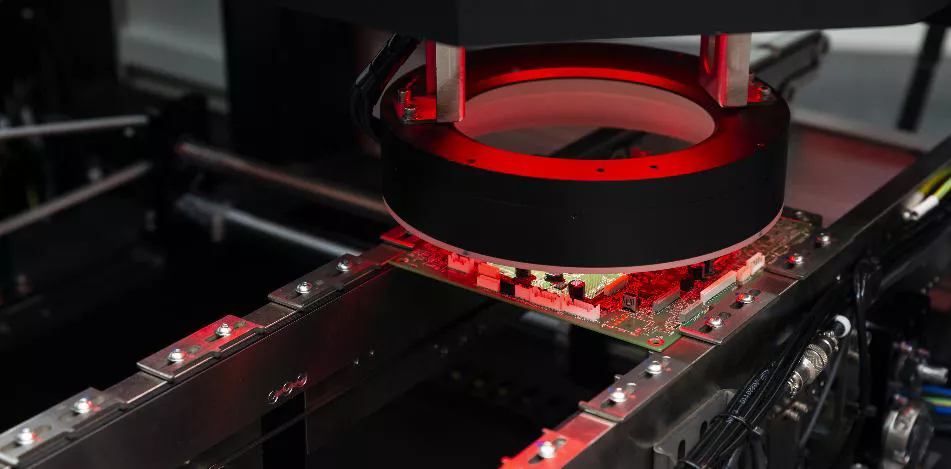
How AOI Equipment Can Reduce Defects and Improve Quality in PCB Manufacturing
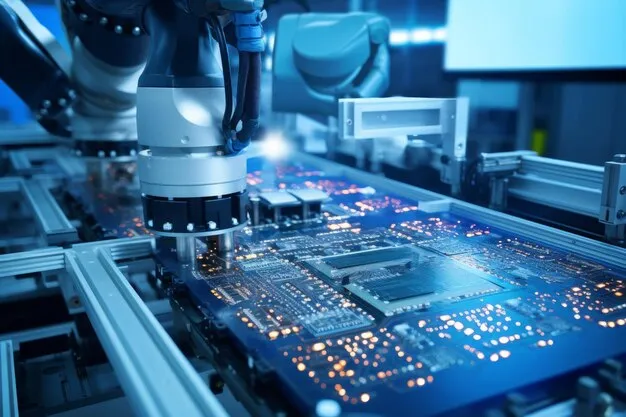
Beyond Pick and Place: Advanced Robotics in Automated PCB Assembly
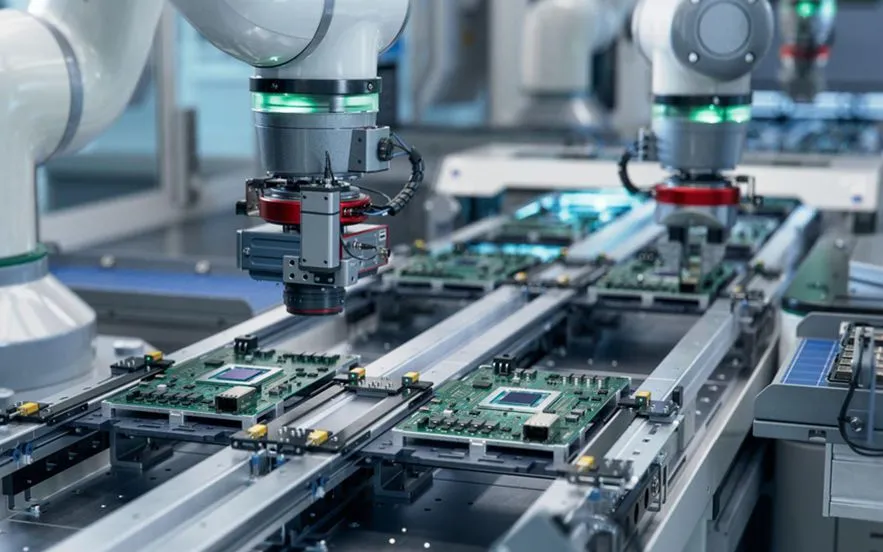
Troubleshooting Automated Assembly Lines: Diagnosing and Fixing Common PCB Issues
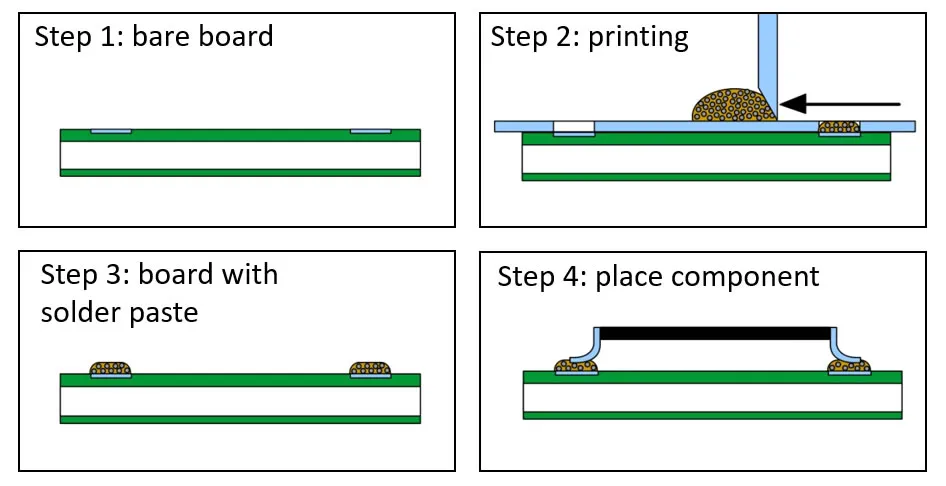
From Prototype to Production: Choosing the Right Stencil Printer for Your PCB Assembly Needs
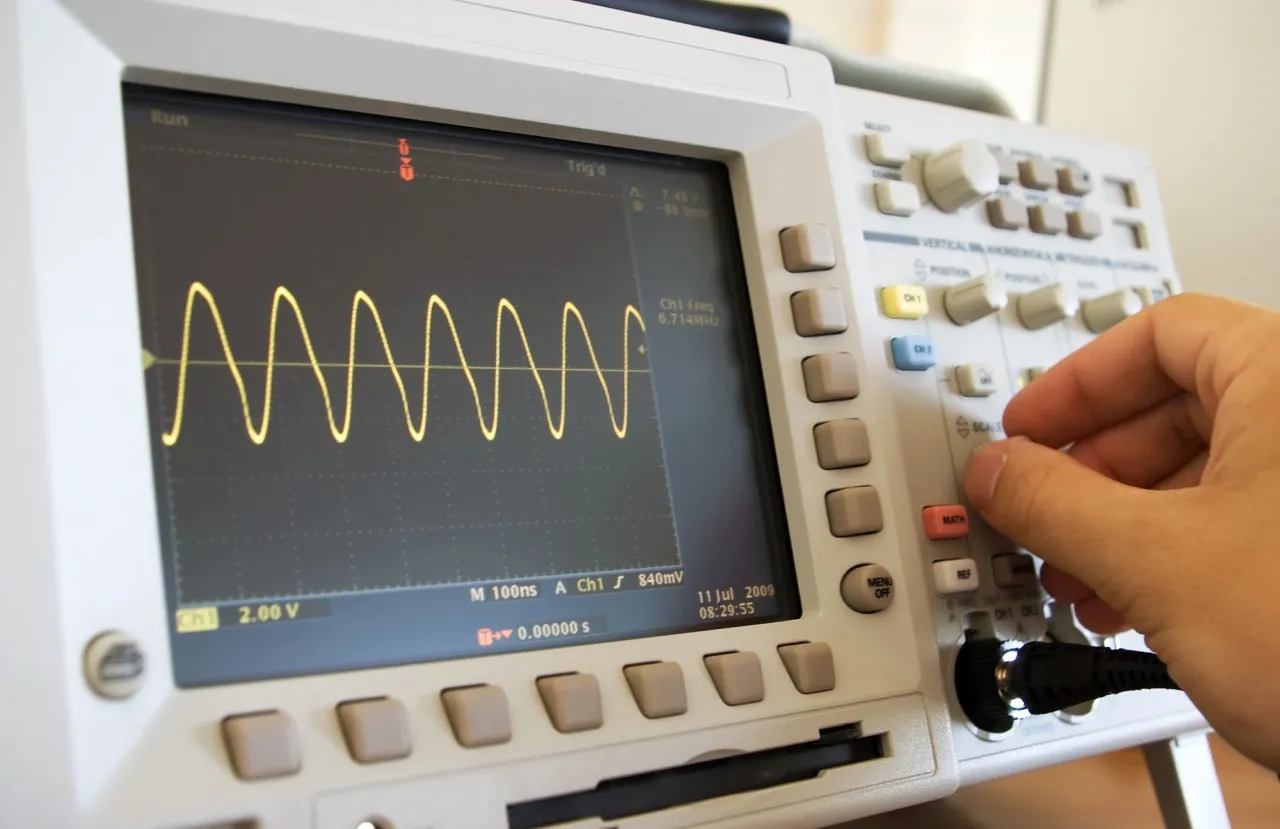
How Digital Oscilloscopes Work and Their Main Uses
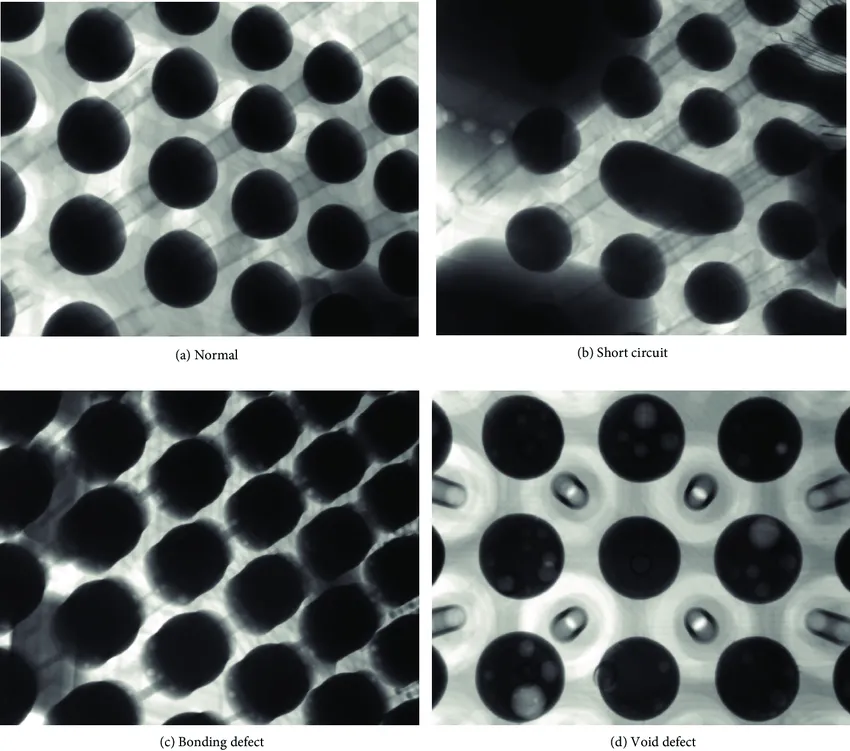
HDI PCB X-Ray Inspection for Assemblies: SMT Defect Detection and Quality Control

White-Plus-Black Technique: Attack and Defense Analysis

Counting Vehicles with EEPROM Data Flash
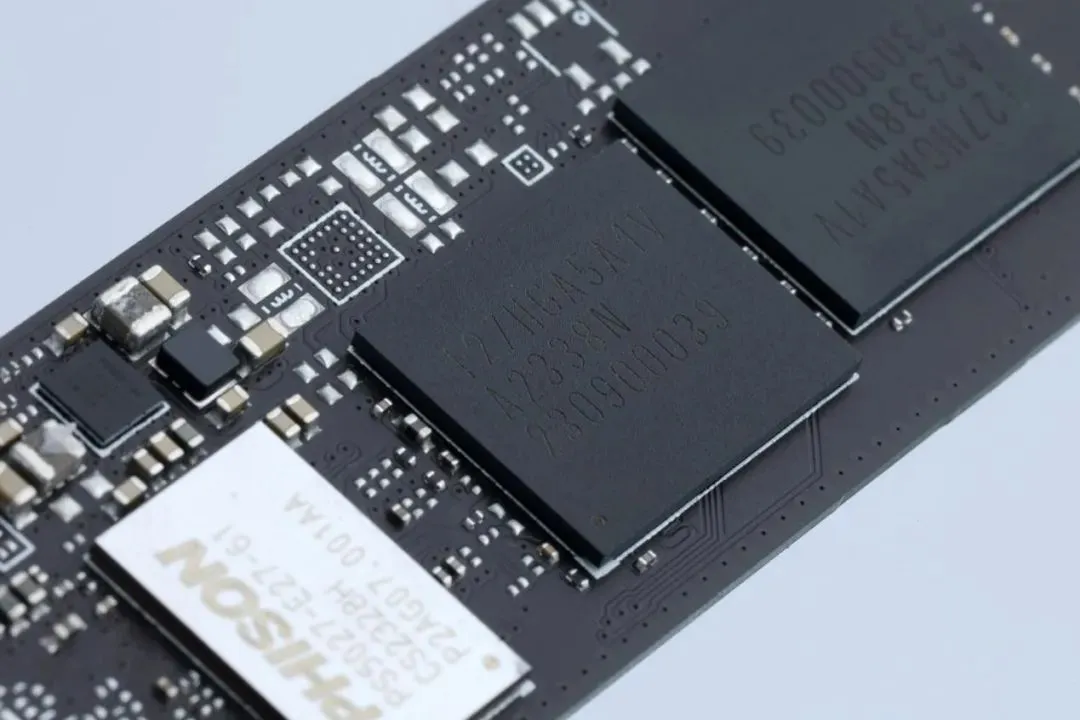
GALAX Star Yao 7000 Plus SSD Review
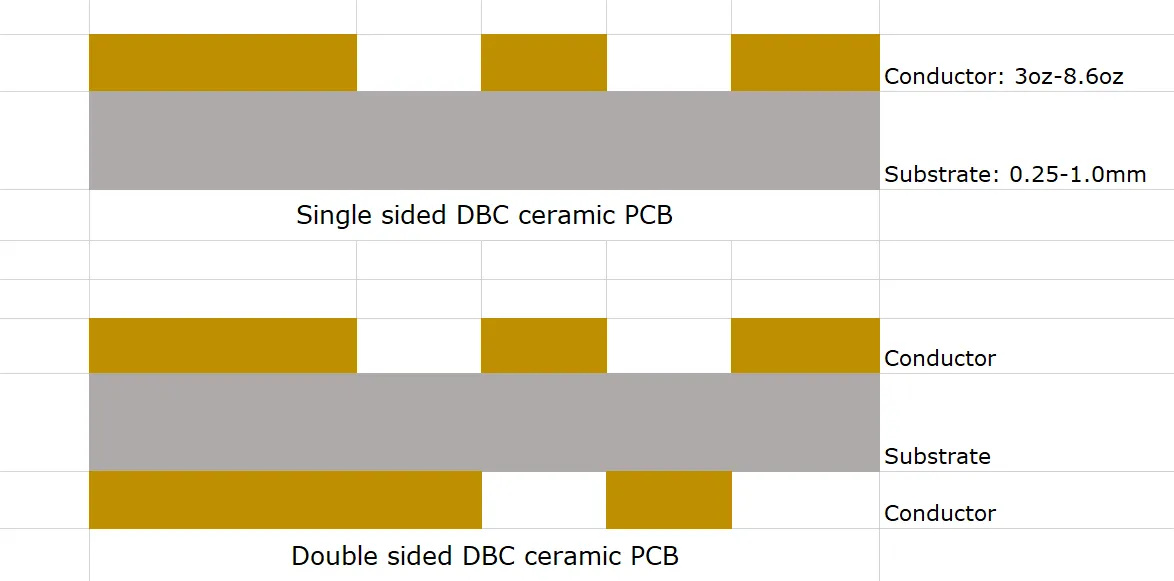
Ceramic PCB Assembly: Best Practices for Soldering and Component Placement
The Role of Design for Manufacturing (DFM) in Successful SMT Assembly