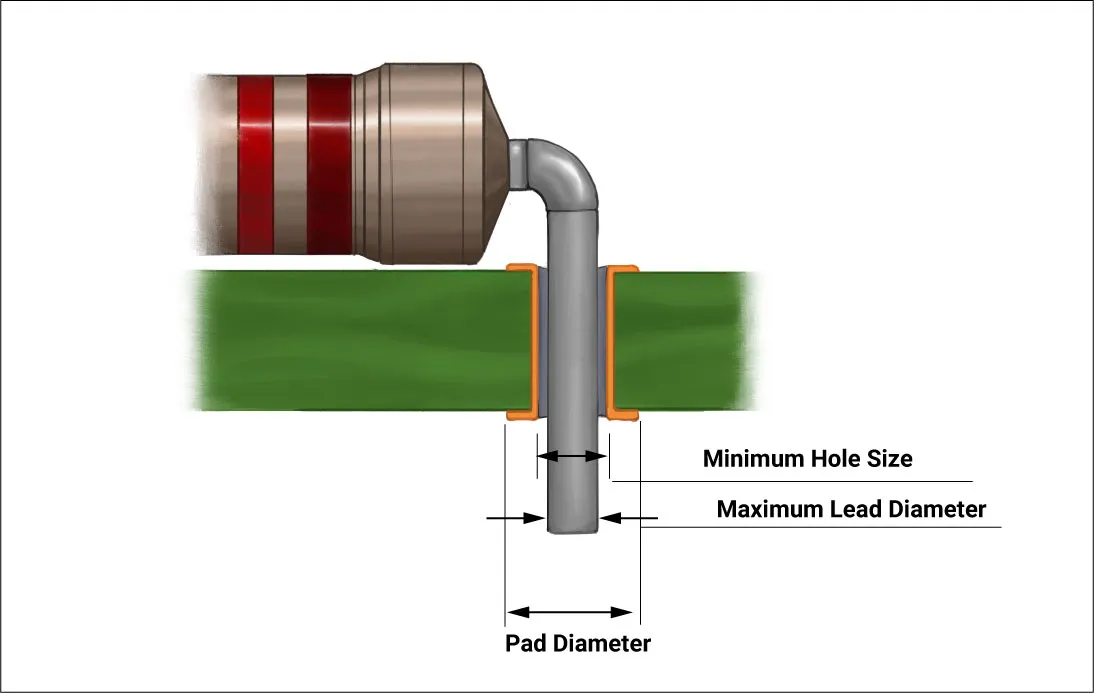
Solder Joint Quality
Solder joint quality is a critical aspect of printed circuit board (PCB) design and assembly, directly influencing the reliability, performance, and longevity of electronic devices. When searching for information on solder joint quality, users often seek guidance on ensuring robust connections that withstand thermal cycling, mechanical stress, and environmental factors. This tag gathers comprehensive resources that delve into the fundamentals of soldering techniques, common defects, and evaluation methods, helping engineers, technicians, and hobbyists optimize their processes to prevent failures like cracks, voids, or cold joints. Understanding solder joint quality begins with recognizing key indicators of excellence, such as uniform fillet formation, proper wetting, and absence of bridging. Practical applications include automated optical inspection (AOI) and X-ray analysis for detecting hidden issues in high-density assemblies. Best practices emphasize selecting appropriate solder alloys, controlling reflow profiles, and adhering to standards like IPC-A-610 for acceptability criteria. By focusing on these elements, you can enhance product durability, reduce rework costs, and improve overall manufacturing efficiency. For those troubleshooting intermittent failures or aiming to refine assembly lines, the articles under this tag offer actionable insights into root cause analysis and preventive measures. Whether you are dealing with surface-mount technology (SMT) or through-hole components, maintaining high solder joint quality ensures compliance with industry regulations and boosts end-user satisfaction. Explore the curated content to deepen your knowledge and apply proven strategies in your next project.
Technical Articles
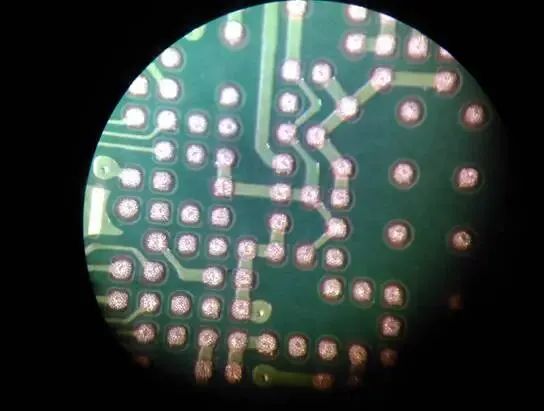
Stencil Aperture Validation for a 0.4 mm Pitch CPU BGA

SMT BGA Failure Analysis by Dye Stain: Procedure, Criteria, and Practical Cases

Common Process Challenges in SMT Reflow Soldering
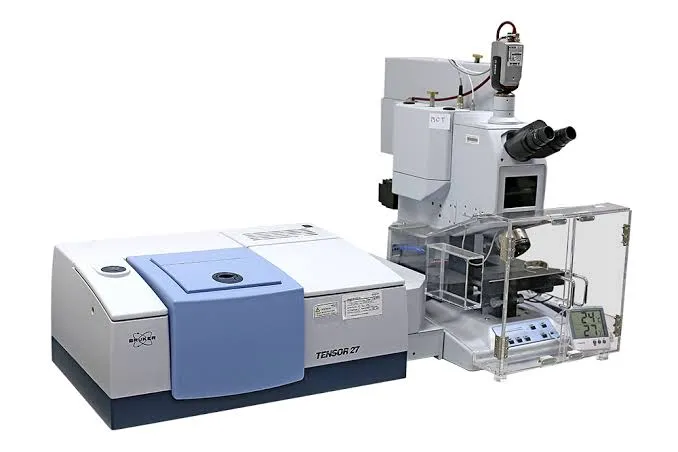
What Is FT-IR Spectroscopy and How Is It Applied in SMT Process Analysis?
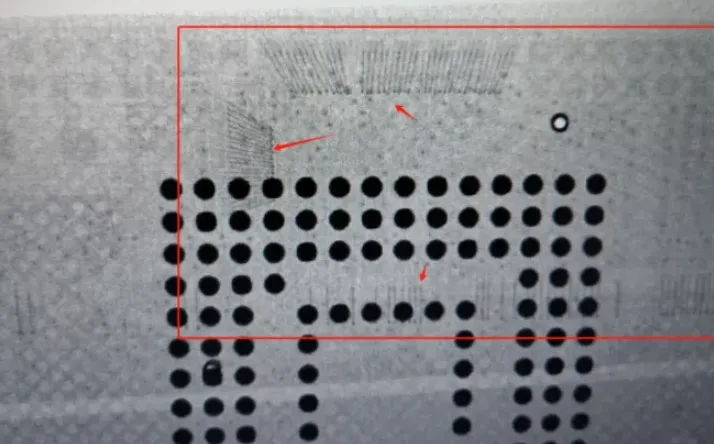
X-Ray Inspection of eMMC BGA: Solder Ball Assessment and an Unexpected Finding
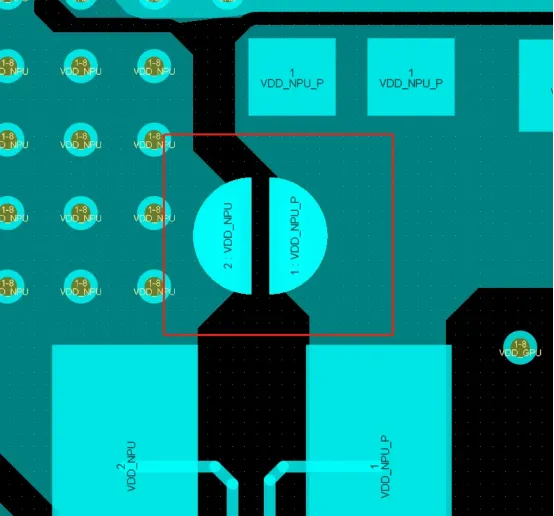
PCB Jumpers: Types, Functions, and Correct Use
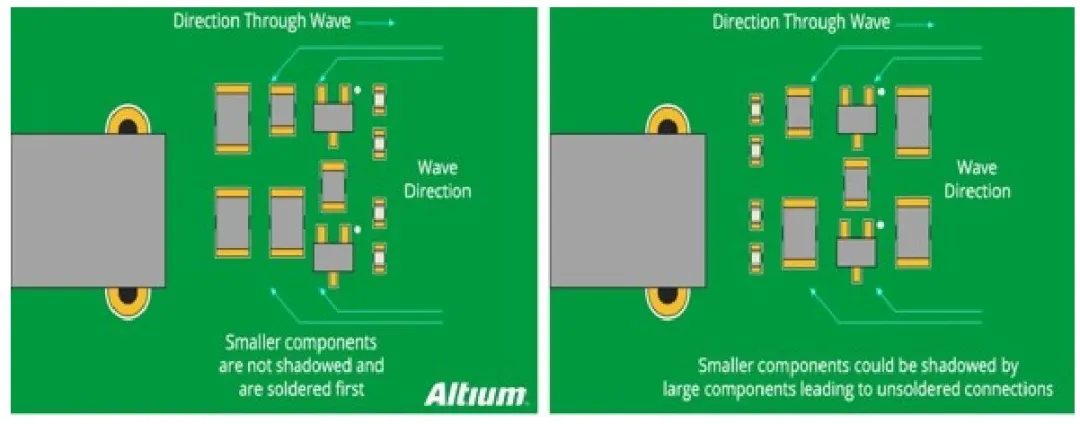
Six Practical PCB Design Techniques That Avoid Common Manufacturing Problems

Can a 0 Ω Resistor Really Be Used as a Jumper? A Trap Many Engineers Have Hit
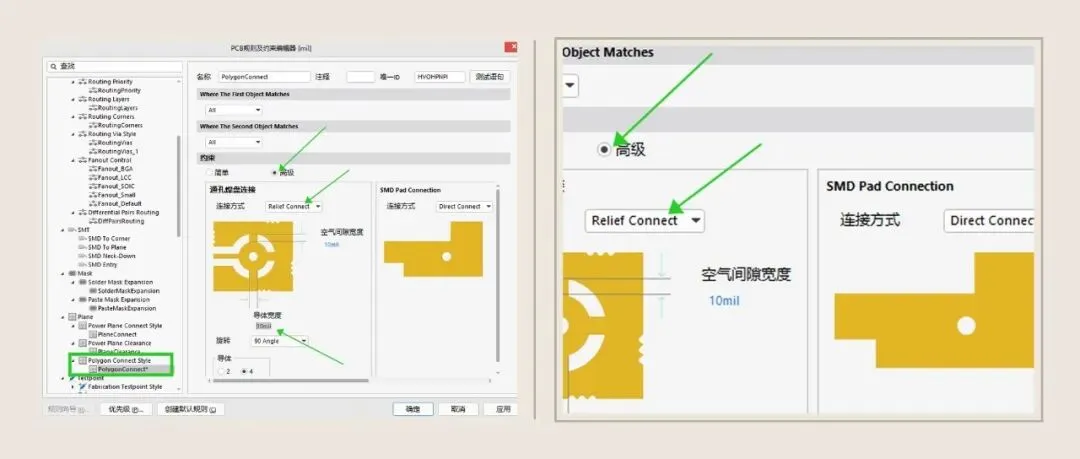
Why Does a Pad Tied Straight to a Copper Pour Become More Prone to Poor Soldering?

Interpreting IPC-7801: Process Control Standard for SMT Reflow Soldering

Reflow Technologies for Reducing Solder Voids

Compatible Pad Design and Soldering Reliability Validation for FCQFN and WLCSP Packages
How to Hand Solder Tiny PCB Components (Like 0402 SMDs)
SMD Fuses: Compact Circuit Protection for High Density PCBs
DFT for Beginners: A Hobbyist's Guide to Simple Circuit Testing
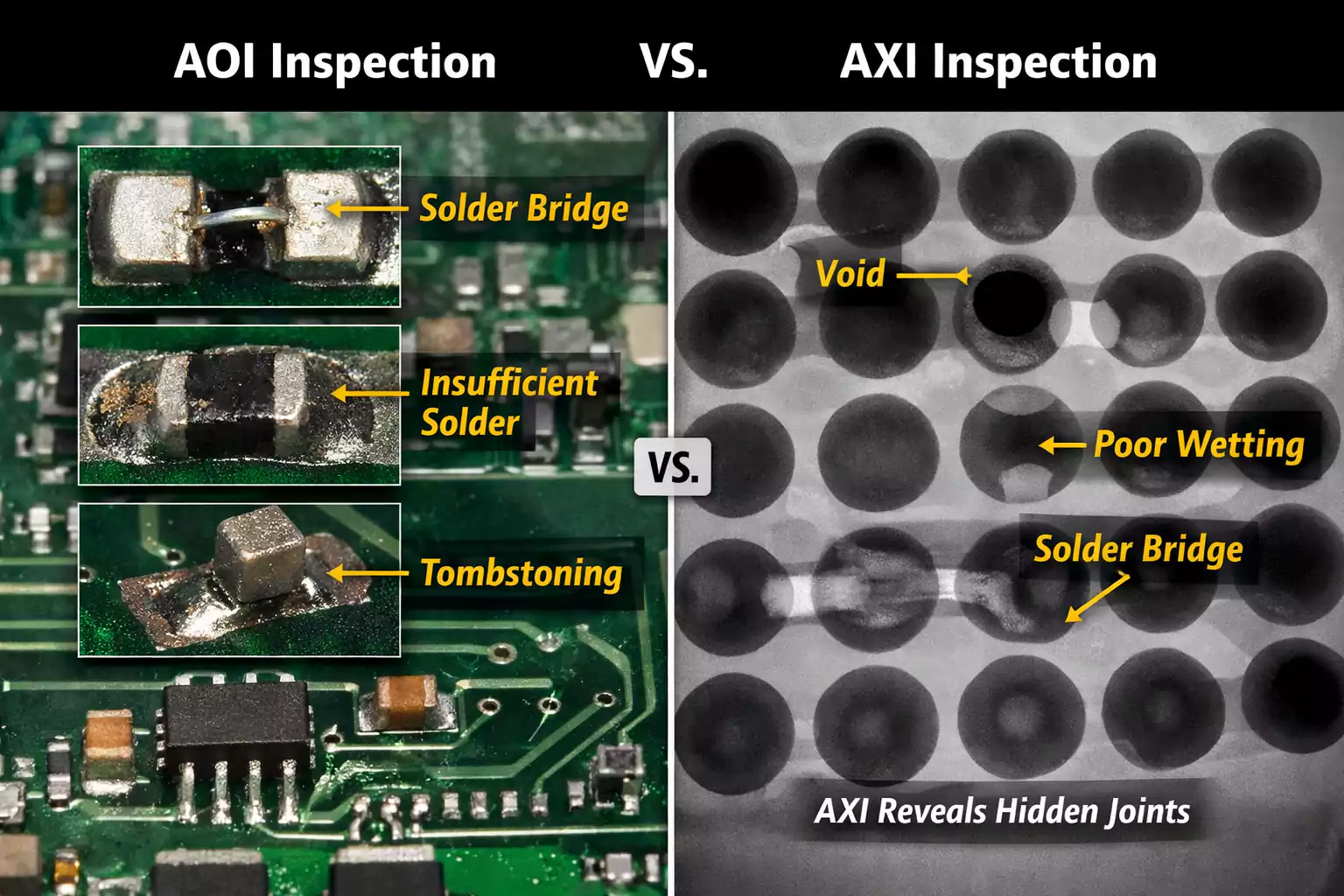
AOI vs. X Ray: Choosing the Right Solder Joint Inspection Method for Your PCB
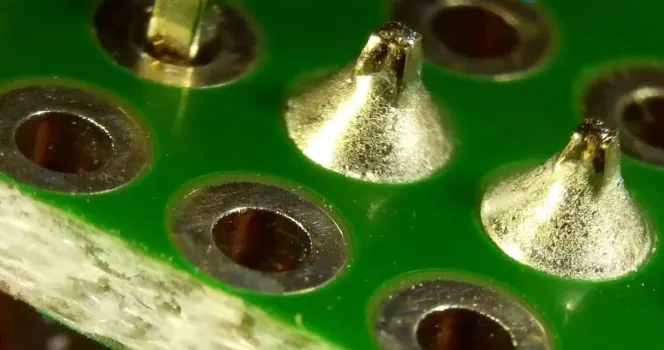
The Ultimate Guide to Solder Joint Inspection: Techniques, Tools, and Best Practices

PCB Wave Soldering for Hobbyists: A Beginner's Guide to Through-Hole Assembly