


PCB Manufacturing
Printed Circuit Boards (PCBs) form the backbone of modern electronics, serving as the essential platform where components connect to create functional devices. In the PCB Manufacturing category, readers gain access to a comprehensive collection of resources designed to demystify the intricate processes involved in producing these critical elements. From initial design considerations to final assembly and testing, this category covers every stage, providing valuable insights for engineers, hobbyists, and industry professionals alike. Understanding PCB manufacturing is crucial for anyone involved in electronics development. This field encompasses a wide range of topics, including material selection, such as FR-4 substrates and advanced laminates, as well as fabrication techniques like etching, drilling, and soldering. Articles here delve into best practices for optimizing layouts to minimize signal interference, ensuring reliability in high-stakes applications. Tutorials guide users through prototyping methods, while in-depth analyses explore emerging trends like flexible PCBs and additive manufacturing, which are revolutionizing industries from consumer gadgets to aerospace systems. The practical value of mastering PCB manufacturing extends to real-world scenarios, where efficient production can reduce costs, enhance performance, and accelerate time-to-market. For instance, insights on multilayer board construction help in designing compact devices for IoT applications, and discussions on quality control standards prevent common pitfalls in mass production. By engaging with the diverse guides and expert perspectives in this category, readers can build a solid foundation in PCB technologies, apply proven strategies to their projects, and stay ahead in an ever-evolving field. Whether troubleshooting assembly issues or exploring sustainable manufacturing practices, the knowledge shared here empowers informed decision-making and innovation in electronics.
Latest Blogs
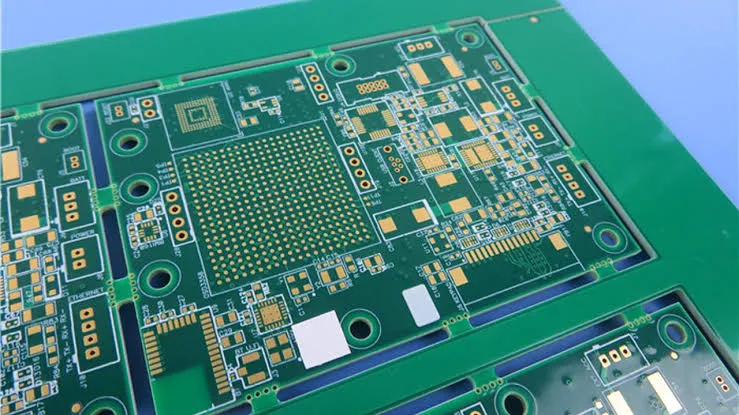
FR4 PCB Surface Finish Defects: Causes and Prevention
FR4 PCB surface finish defects in HASL, ENIG and OSP are controlled on the production line by locked bath chemistry, XRF thickness windows and pre-treatment etch rates. See how factories catch non-uniform coating, oxidation and nickel-gold issues before they reach assembly.
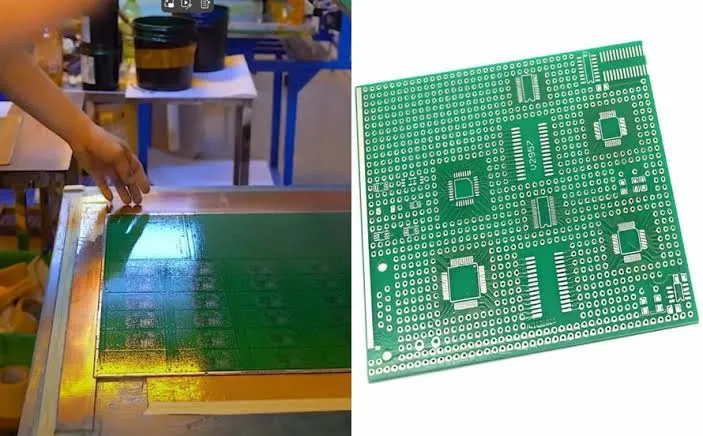
FR4 PCB Solder Mask Adhesion: Common Problems and Process Controls
Factory methods for FR4 PCB solder mask adhesion control. How micro-etch, open-time limits and cure profiles prevent solder mask peeling PCB on real production lines.
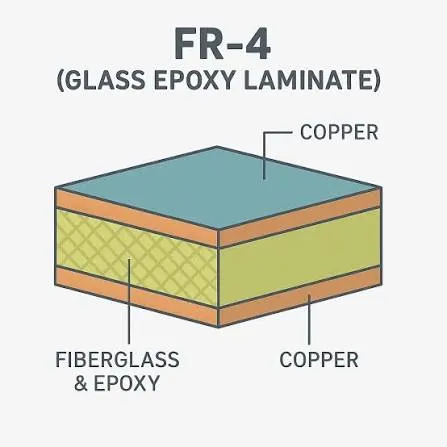
FR4 PCB Inner Layer Oxide Treatment: Purpose and Process Control
How factories run FR4 PCB oxide treatment on inner layers to secure copper-to-prepreg bonding. Real process windows, over/under treatment risks, and production control methods used on the line.
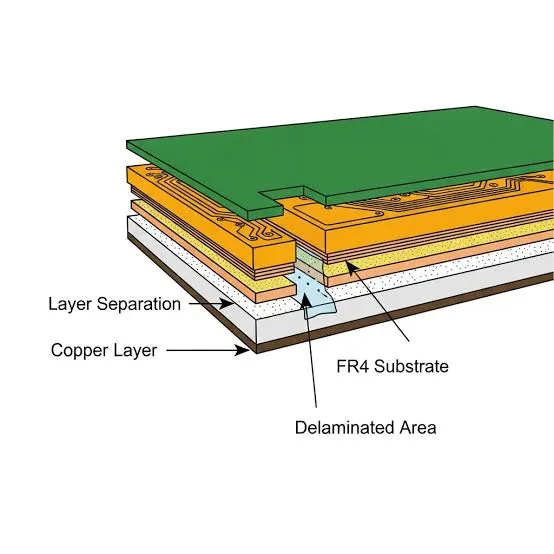
FR4 PCB Delamination: Causes, Detection, and Prevention
FR4 PCB delamination causes from moisture, press deviation and resin flow. See how factories detect, control and prevent layer separation in real production.
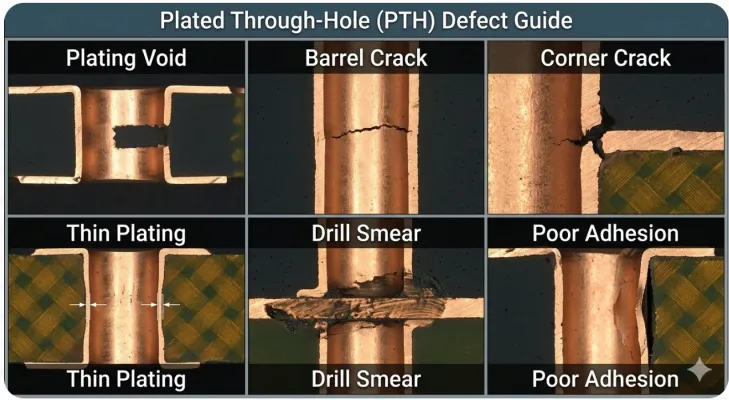
How to Prevent Barrel Cracking in FR4 Multilayer PCBs
Factory controls that stop FR4 PCB barrel cracking: 25 µm minimum copper thickness, high-Tg material, plating process limits and CTE stress management. What CAM flags and how production actually reduces crack risk.

FR4 PCB Plated Through-Hole Reliability: Common Risks and Controls
Factory view on FR4 PCB plated through hole reliability. How we control PTH wall copper, thermal-cycle cracks, and plating process limits to keep boards from failing after reflow.
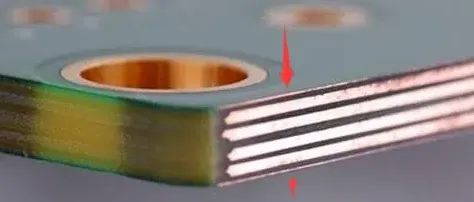
How Copper Thickness Affects FR4 PCB Plating Quality
Factory view on FR4 PCB copper thickness plating: how base copper drives hole-wall coverage, current density limits, and the CAM/process controls used to keep finished plating thickness consistent.
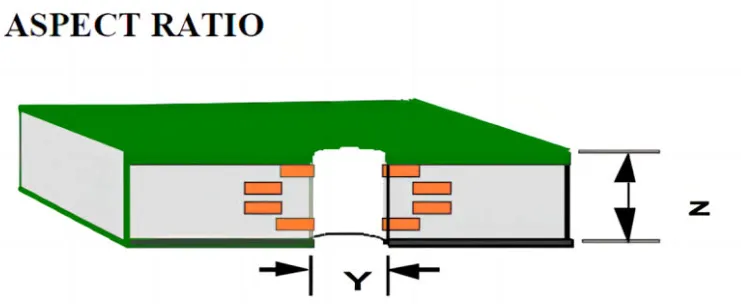
FR4 PCB Hole Aspect Ratio: Why It Matters for Plating Reliability
Factory view on FR4 PCB hole aspect ratio: how CAM calculates it, why plating fails above 8:1, real production risks, and the process adjustments we actually use.
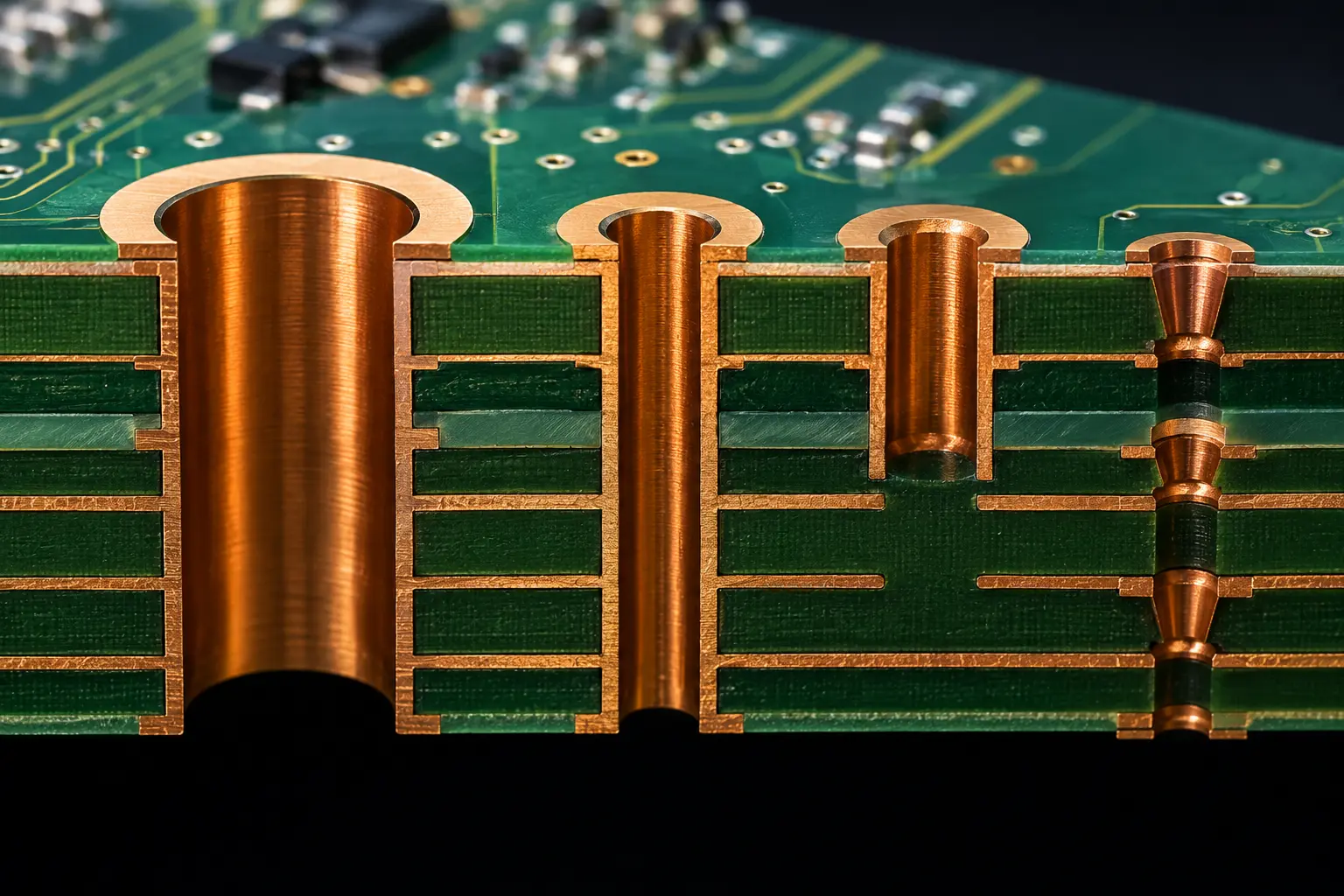
FR4 PCB Minimum Hole Size: Manufacturing Limits
Factory limits on FR4 PCB minimum hole size depend on board thickness and aspect ratio. See how CAM sets drill size, plating controls, and when tighter holes are allowed.
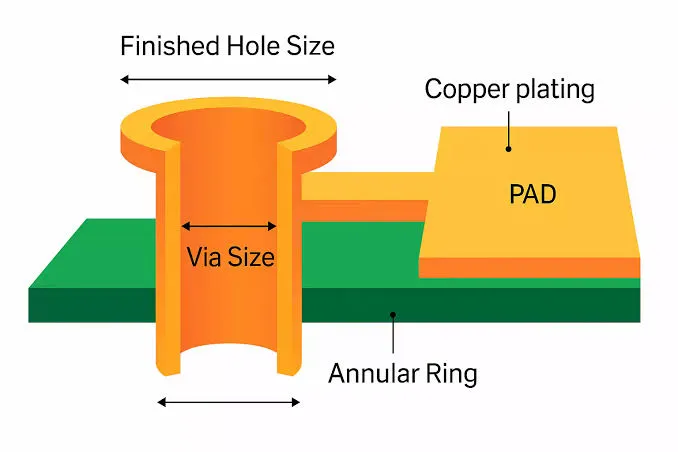
FR4 PCB Drilling: Hole Size and Process Control
How factories control hole size in FR4 PCB drilling. CAM compensation, bit wear, resin smear and real production tolerances explained by process engineers.
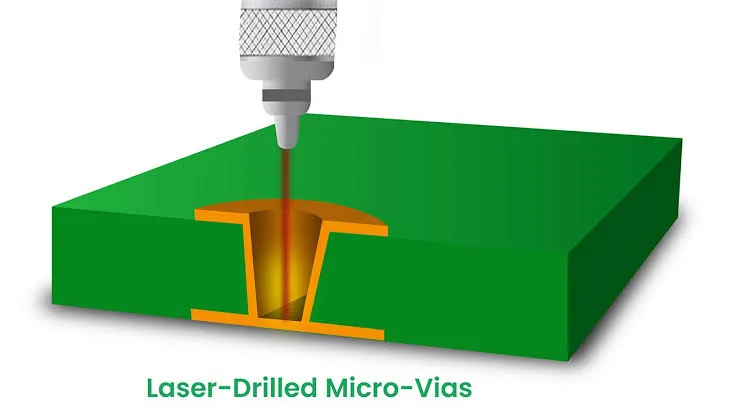
HDI Laser Drilling Defects: Common Problems and Causes
HDI laser drilling defects such as aperture shift, residual dielectric, carbonization and positional offset are controlled in production by locking laser energy, focus and registration to the actual stack-up. This page explains the real process limits, what fails when they are ignored, and the CAM and line adjustments factories use to keep yield stable.
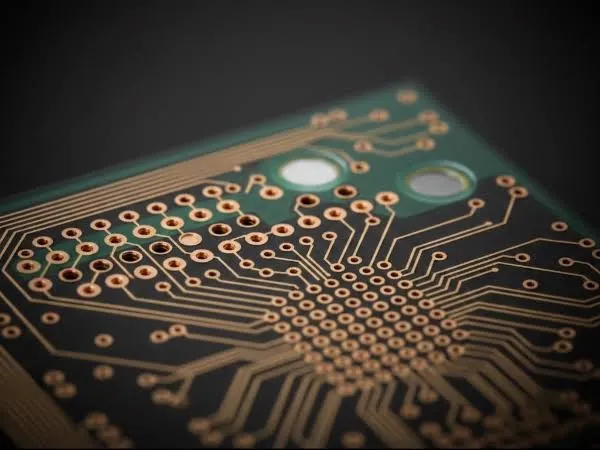
HDI PCB Design Changes After CAM Review: What Usually Goes Wrong?
From the factory floor: the most common HDI CAM review changes, why sequential lamination forces them, and how we cut repeated ECNs before the job hits laser drill.


