 00:55
00:55
Design Guidelines
Design guidelines form the backbone of successful PCB and electronics projects, offering essential principles to ensure reliability, performance, and manufacturability. Whether you are an engineer optimizing circuit layouts for high-speed signals or a hobbyist aiming to minimize electromagnetic interference, adhering to proven design guidelines can prevent costly errors and streamline the development process. This tag brings together a collection of articles that delve into critical aspects such as component placement strategies, trace routing techniques, thermal management, and compliance with industry standards like IPC-2221. By following these guidelines, you can achieve designs that are not only functional but also scalable for production, reducing prototyping iterations and enhancing overall product quality. For those searching for practical advice on PCB design, the resources under the Design Guidelines tag provide actionable insights tailored to real-world applications. Explore best practices for multilayer board configurations to improve signal integrity, or learn how to incorporate design for manufacturability (DFM) rules to avoid assembly issues. These guidelines are particularly valuable for addressing common challenges, such as power distribution network optimization or grounding schemes that mitigate noise in sensitive analog circuits. Professionals in fields like automotive electronics or IoT devices will find targeted recommendations that align with regulatory requirements and emerging technologies. Diving deeper into the articles linked here allows you to apply these concepts directly to your projects. From beginner-friendly overviews to advanced discussions on simulation tools for validating designs, the content equips you with the knowledge to make informed decisions. As electronics continue to evolve, staying updated with these guidelines ensures your work remains efficient and innovative, fostering better outcomes in both prototype and production stages.
Video Guide
-
00:55
Technical Articles
Press-Fit PCB Hole Design Standards and Process Best Practices

Wave Soldering in Through-Hole Assembly: Practical DOE Case Studies for Yield Improvement
Mechanical Mounting with Non-Plated Through-Holes: Best Practices for PCBs
Depanelization Techniques: Stamp Holes vs. V-Scoring for PCBs
PCB CAM Review: Fix V-Cut & Via Spacing to Avoid Delays

6 Practical Tips for Choosing an LED Display

High Output Ripple in Buck DC-DC Regulator: Circuit Analysis
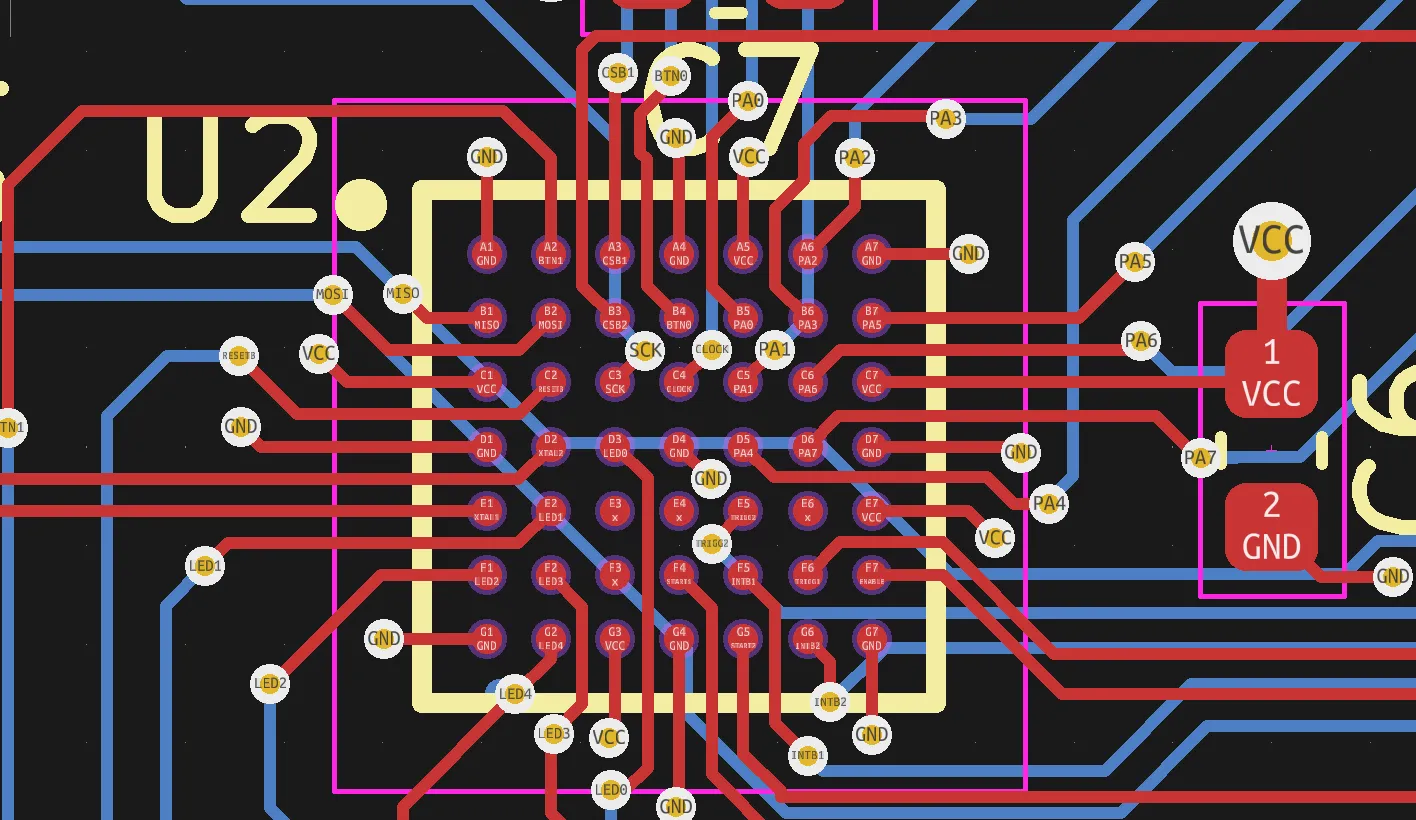
PCB Component Placement: Optimizing for Manufacturing and Assembly
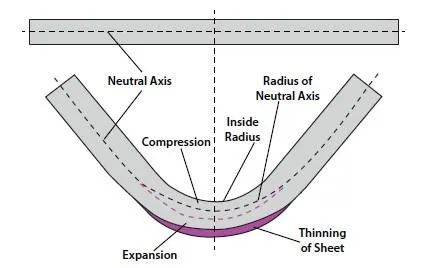
K-Factor vs Bend Allowance in Sheet Metal: What's the Difference?
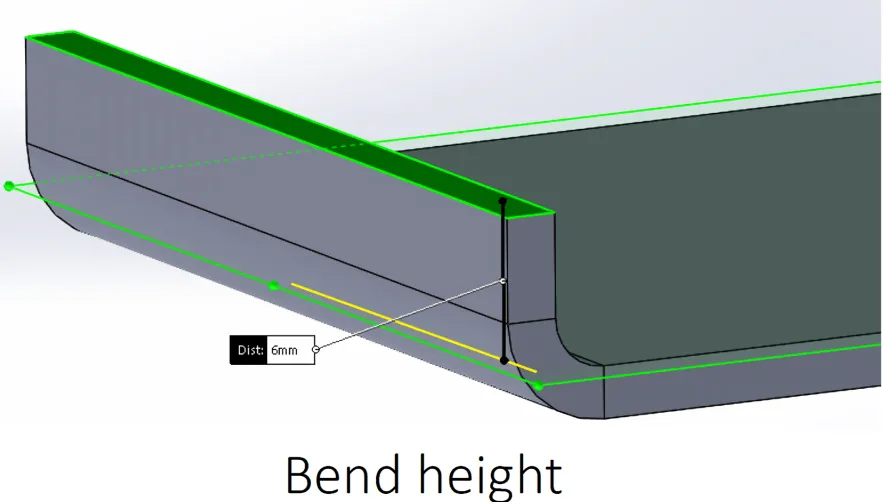
Sheet Metal Flange Design Guidelines: Height, Length and Bend Considerations
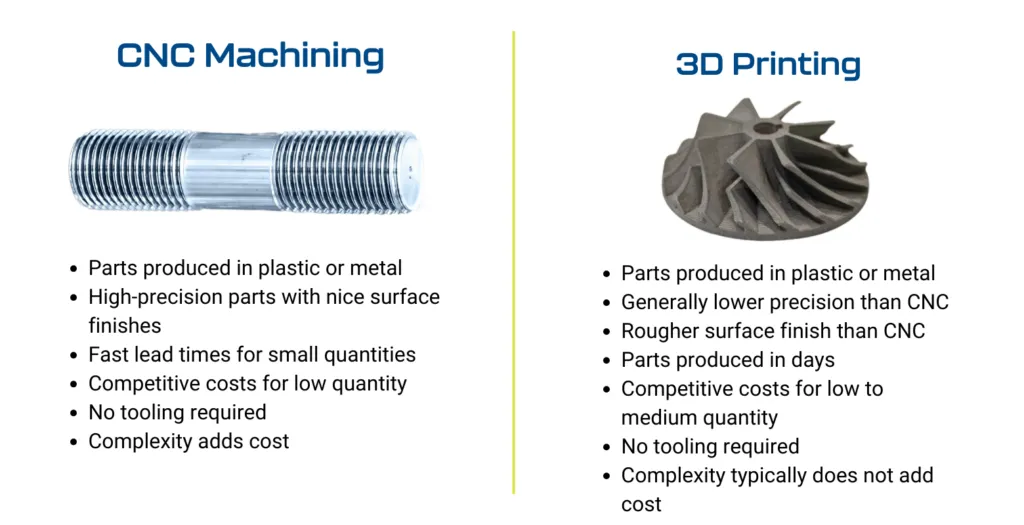
CNC Machining vs 3D Printing Design Rules: What Engineers Should Know
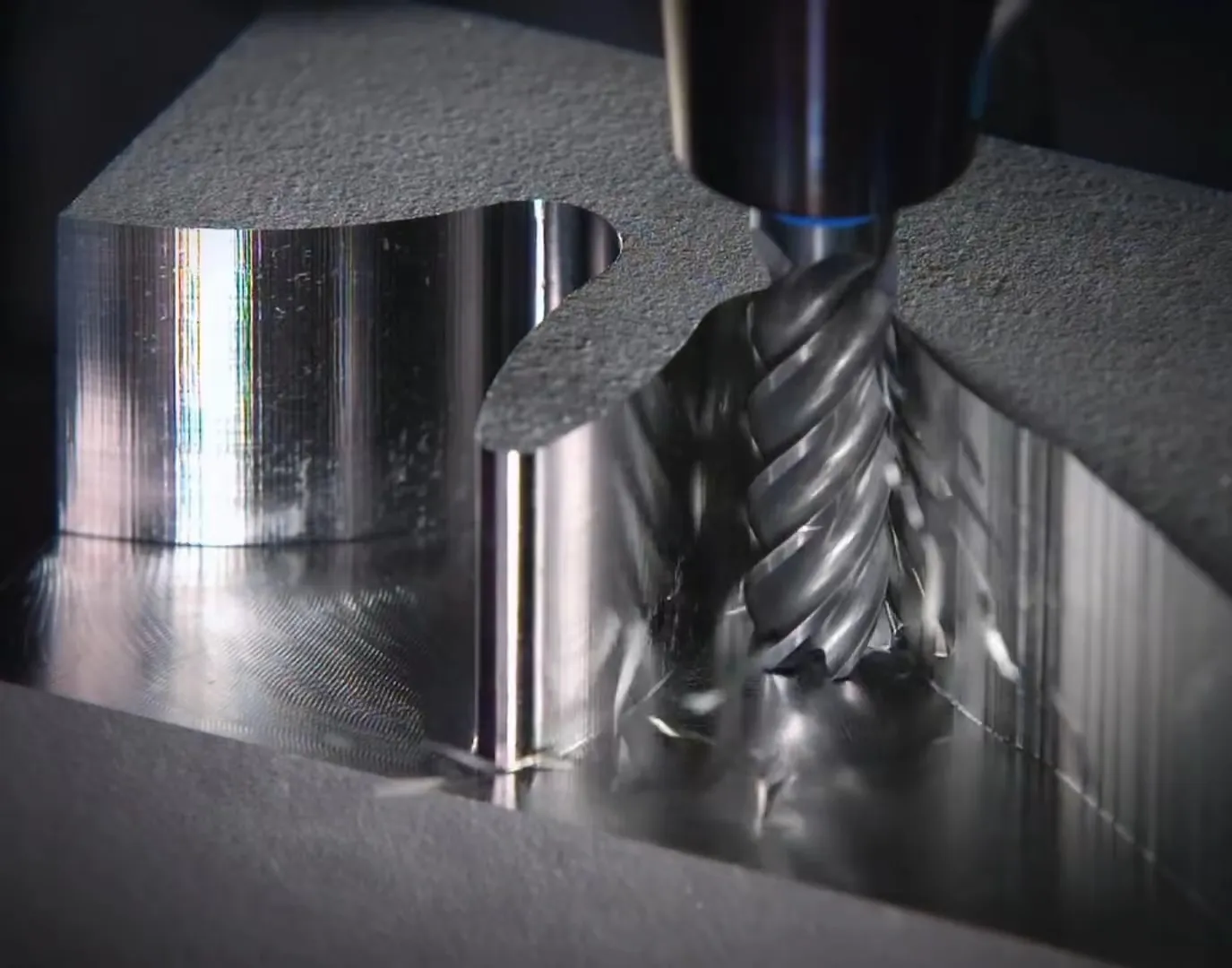
Internal Corner Radius Design Guidelines for CNC Parts

CNC Machining Wall Thickness Guidelines: How Thin Can You Machine?
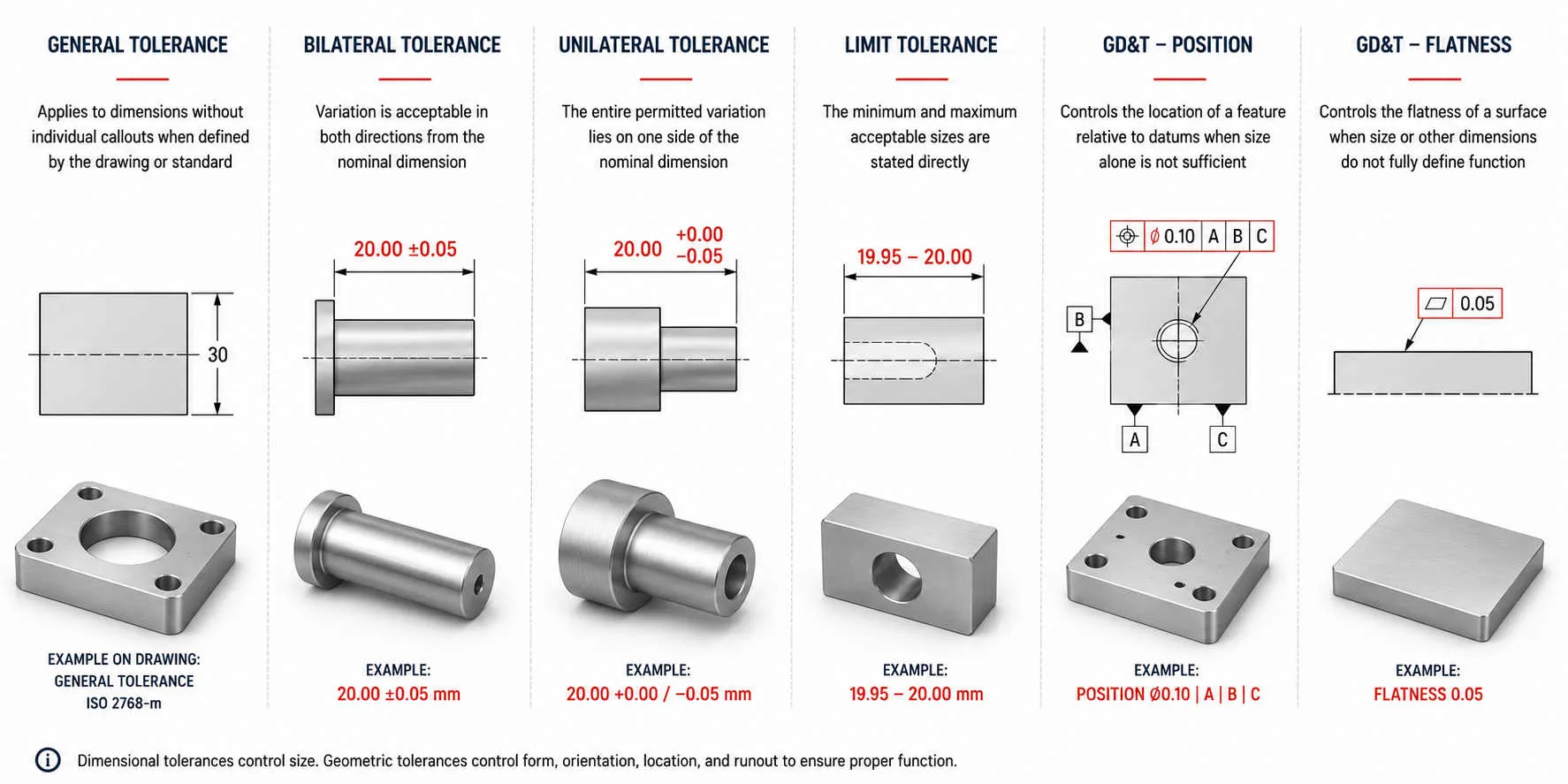
Hole Design Guidelines for CNC Machining
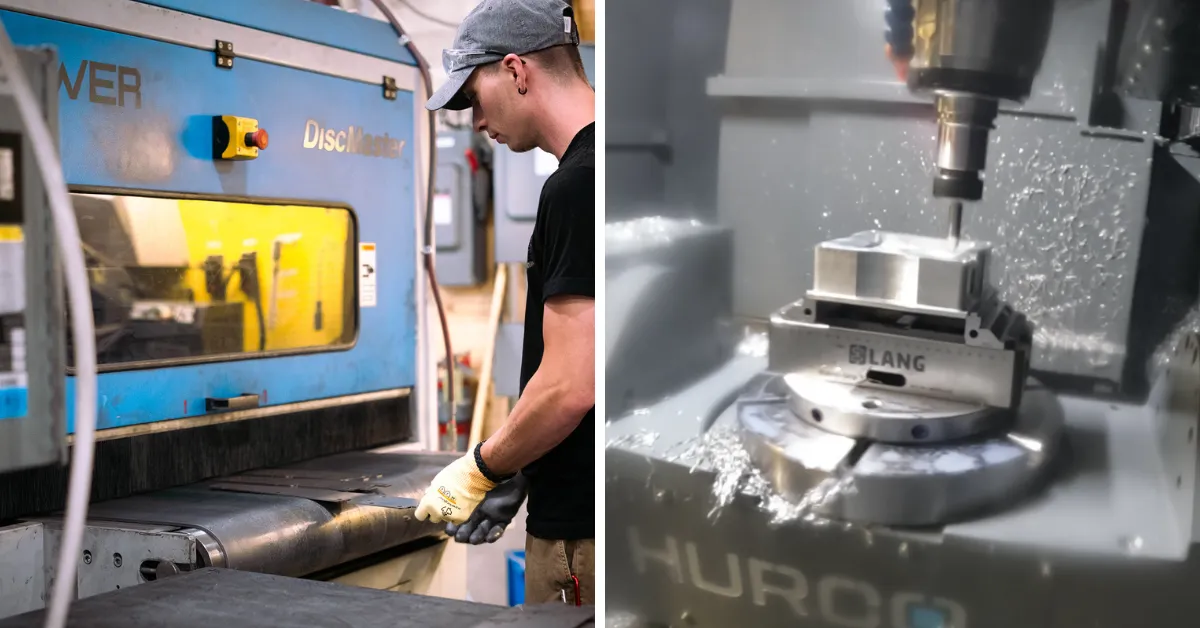
CNC Machining vs Sheet Metal Fabrication: Which Manufacturing Method Should You Choose?

Design Rules for Through Hole Assembly: Optimizing PCB Layout for Reliability and Manufacturability
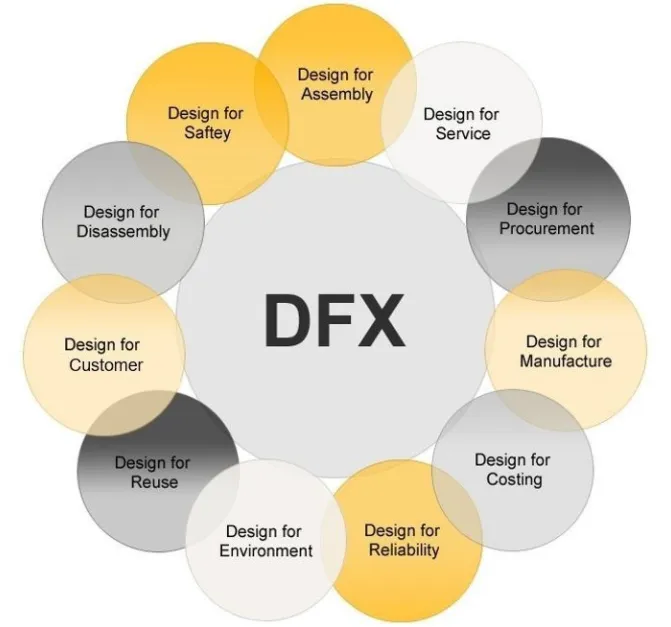
Design for Excellence (DFX) in Prototype Assembly: A Holistic Approach
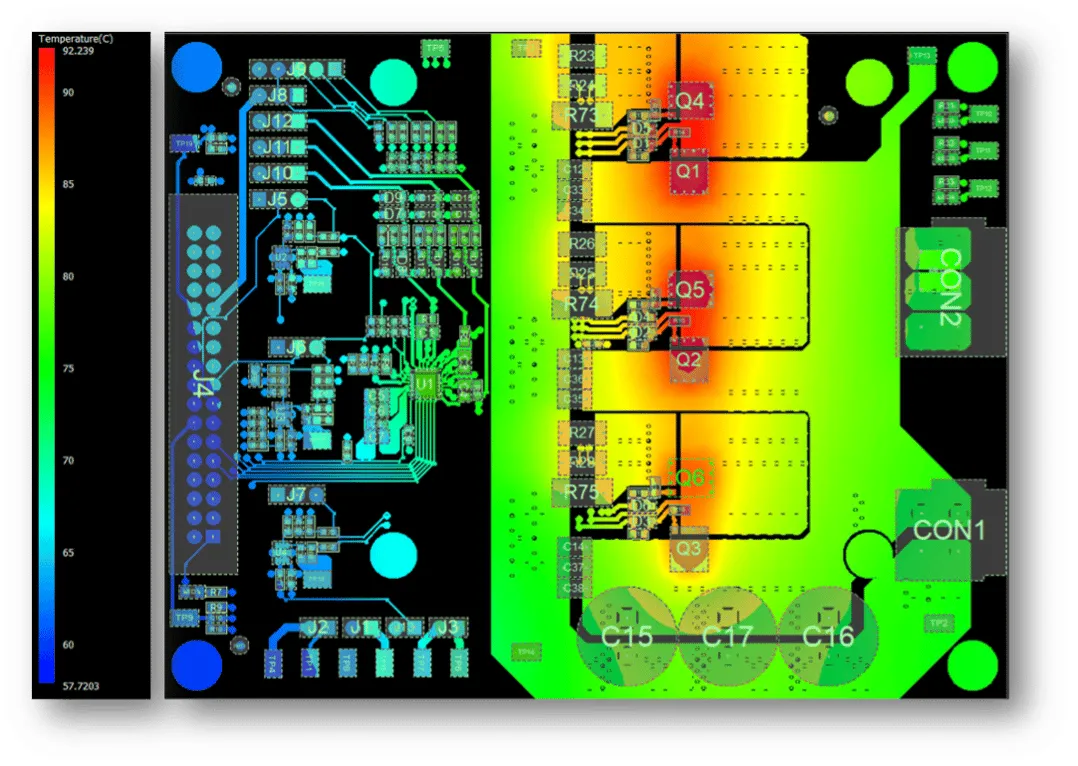
What Are The Best Thermal PCB Design Practices?
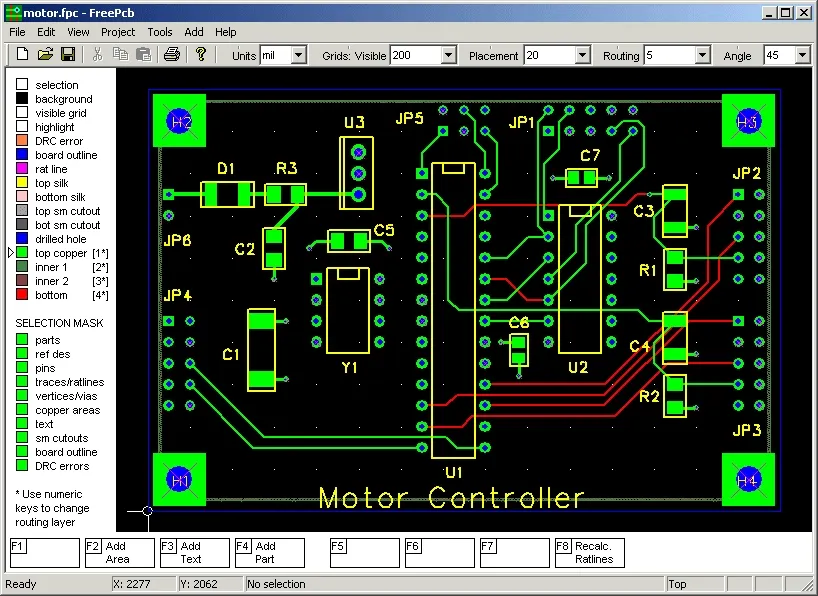
PCB Board Design for Beginners