 04:31
04:31
Flexible Polyimide PCBs
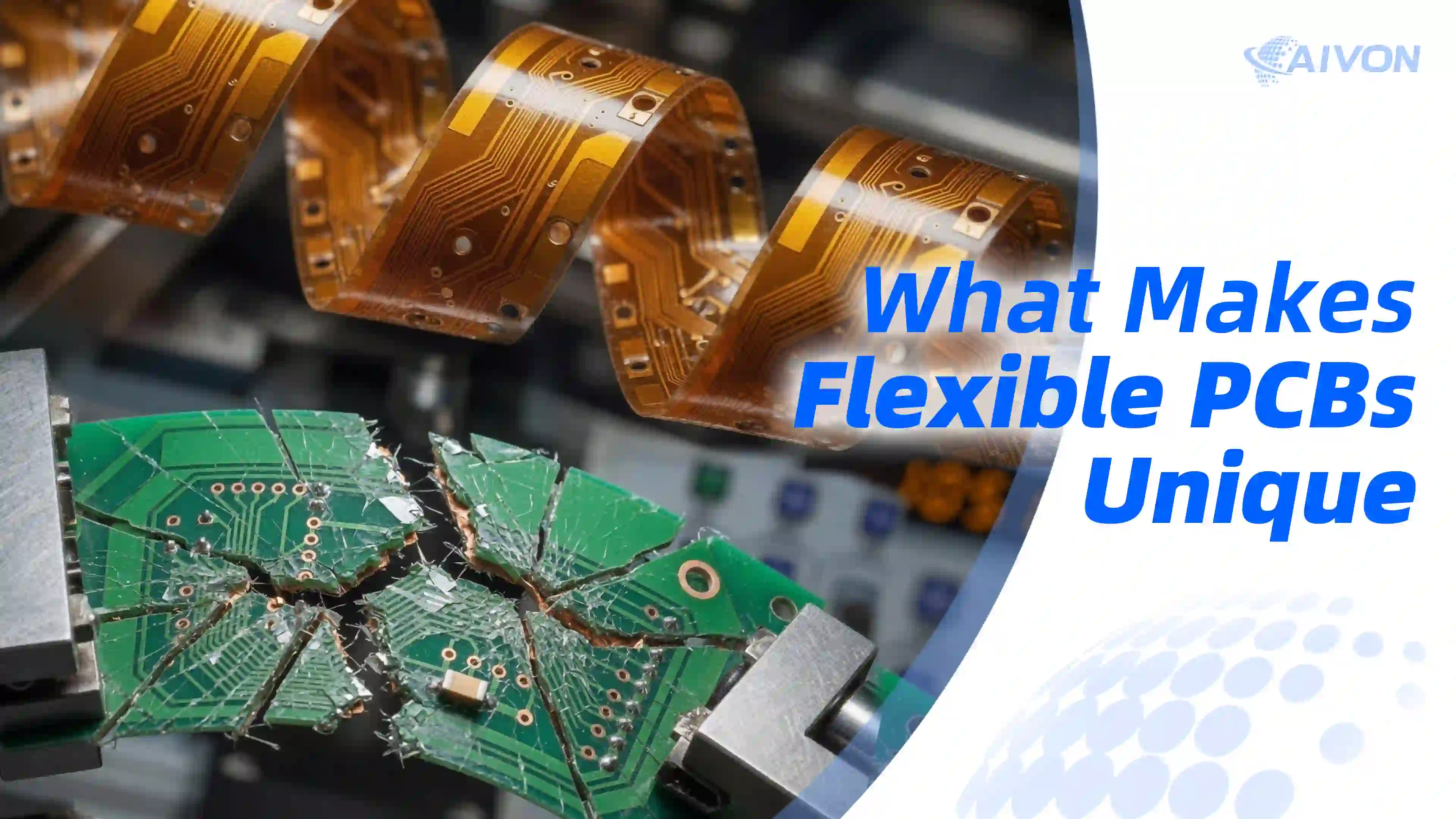
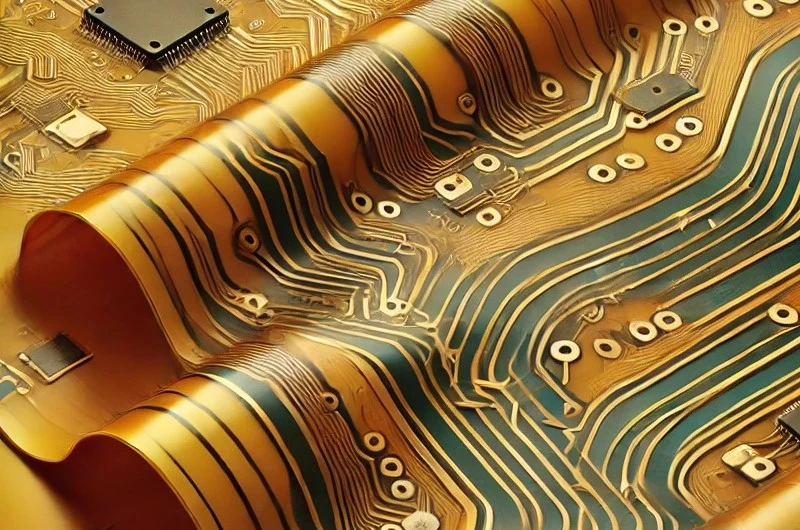
Flexible Polyimide PCBs represent a cornerstone of modern electronics design, offering unparalleled durability and adaptability in demanding environments. These circuit boards utilize polyimide as the primary substrate material, a high-performance polymer renowned for its exceptional thermal stability, chemical resistance, and mechanical flexibility. Unlike rigid PCBs, flexible polyimide variants can bend, fold, and conform to irregular shapes without compromising electrical integrity, making them ideal for compact, space-constrained applications. Engineers and designers often turn to this technology when developing products that require repeated flexing or exposure to extreme temperatures, such as in aerospace components, automotive sensors, or wearable devices. For those searching for Flexible Polyimide PCBs, this tag serves as a comprehensive resource, aggregating in-depth articles that delve into their fabrication processes, material properties, and integration strategies. Understanding the nuances of polyimide selection—such as choosing between Kapton or other variants—can significantly impact reliability and cost-effectiveness. Practical insights include optimizing trace layouts to minimize stress points during flexing, ensuring proper adhesion of copper layers, and incorporating protective coatings to enhance environmental resistance. Best practices also emphasize rigorous testing protocols, like thermal cycling and bend radius evaluations, to prevent failures in real-world use. By exploring the content under this tag, readers can gain actionable knowledge on troubleshooting common issues, such as delamination or signal interference, and discover innovative applications in emerging fields like flexible displays and medical implants. This collection of articles equips professionals with the tools to innovate and refine their designs, fostering advancements in flexible electronics technology.
Video Guide
Technical Articles
Flexible PCB Material: Types, Properties & Selection Guide
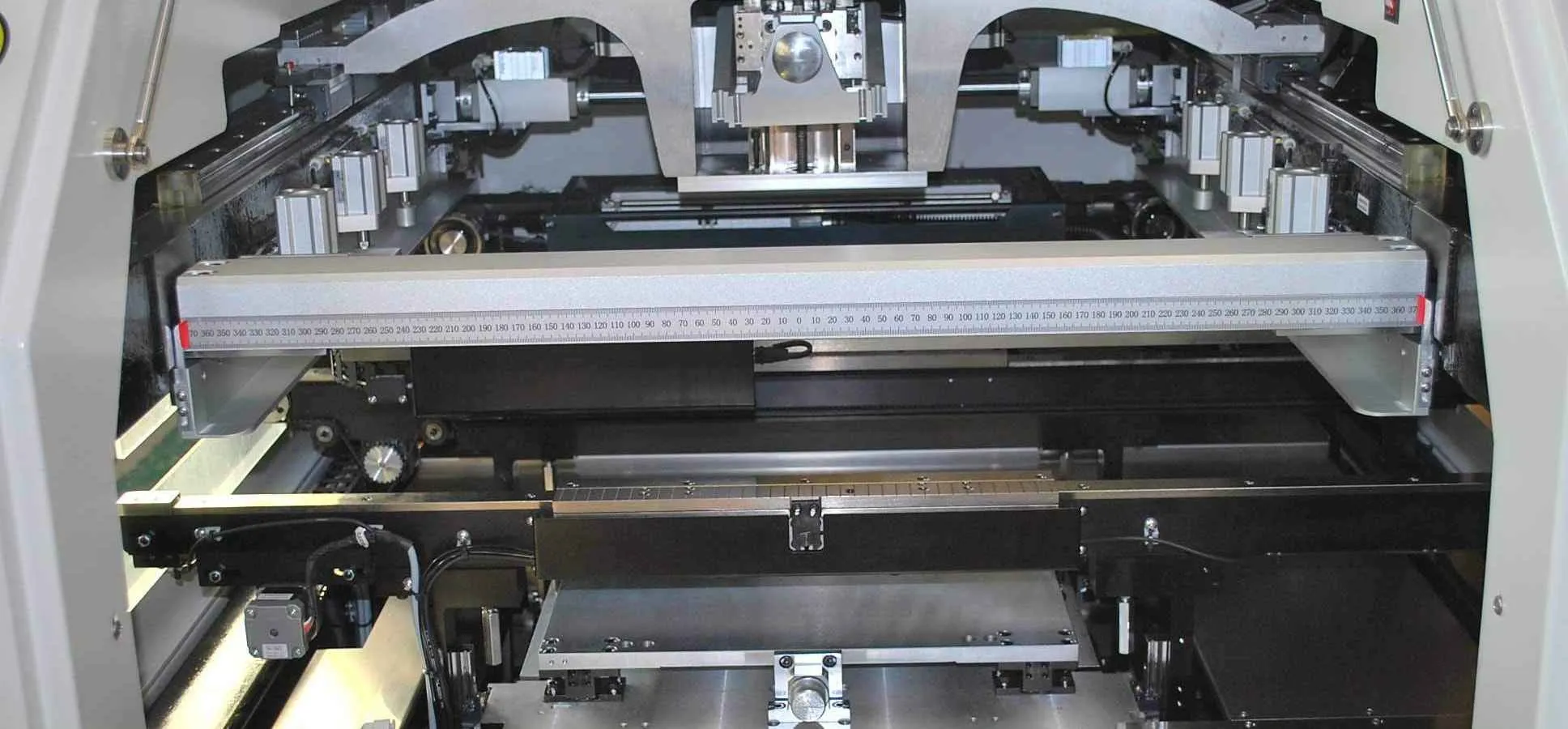
Solder Paste Printing for Flexible PCBs: Challenges and Solutions
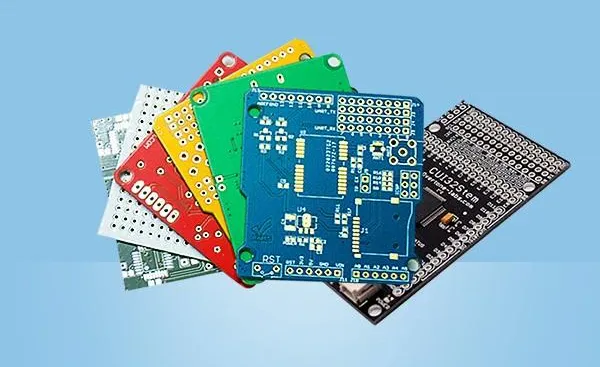
How to Choose the Right Solder Mask for Your Specific PCB Assembly Needs
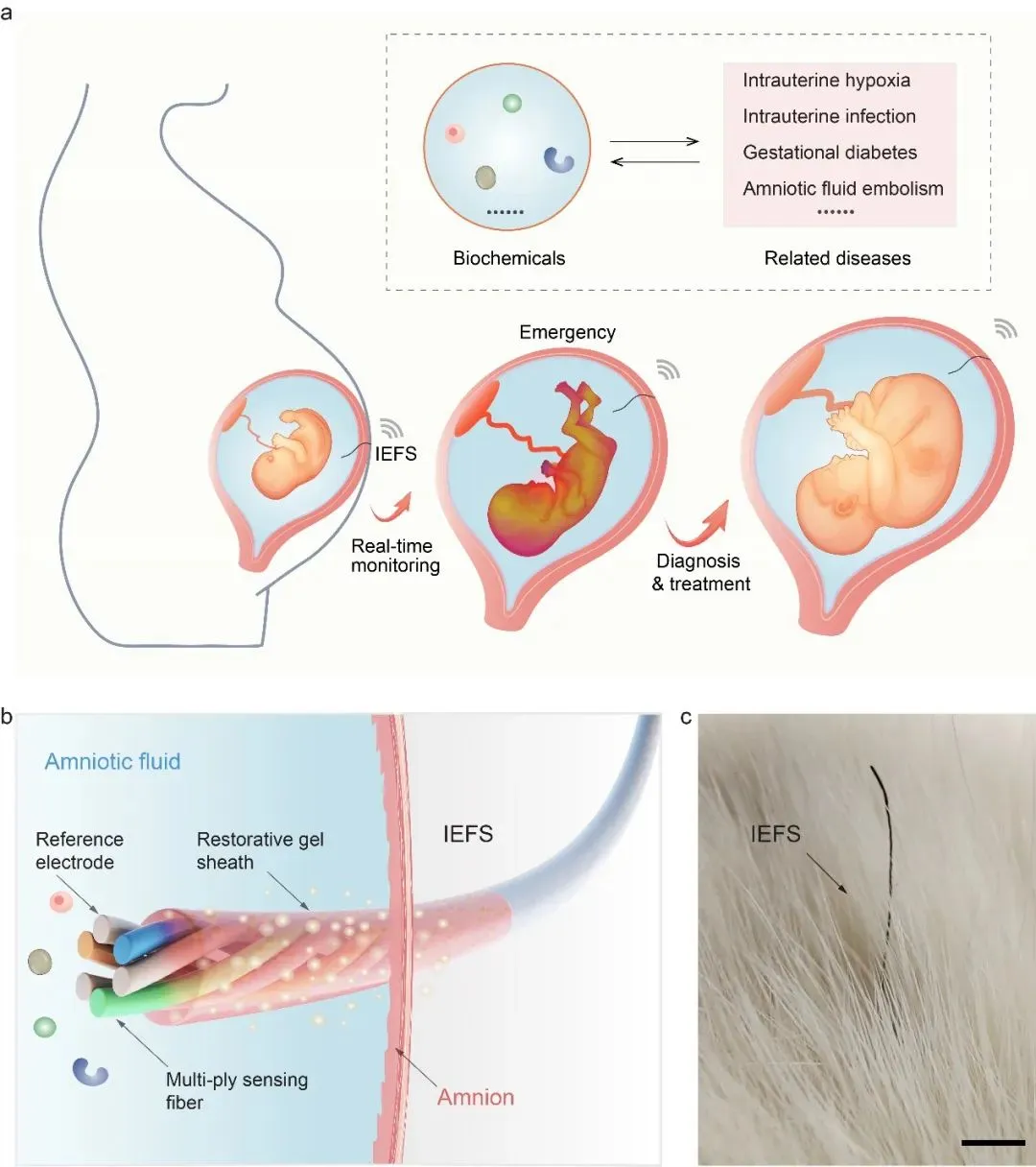
Fiber Sensor for Real-Time Amniotic Fluid Monitoring

Flexible PCB for Medical Wearable Devices: Design & Applications
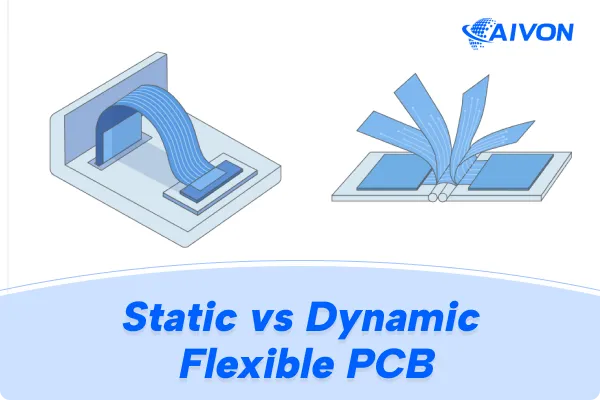
Static vs Dynamic FPC: Design Rules, Bend Radius, and Material Selection
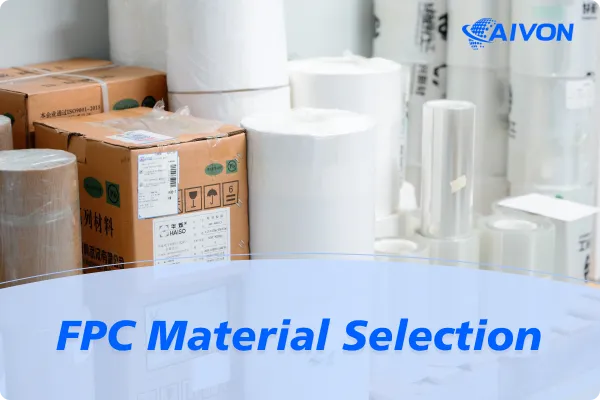
Flexible PCB Material Selection Guide: PI vs PET vs Adhesiveless Base Materials
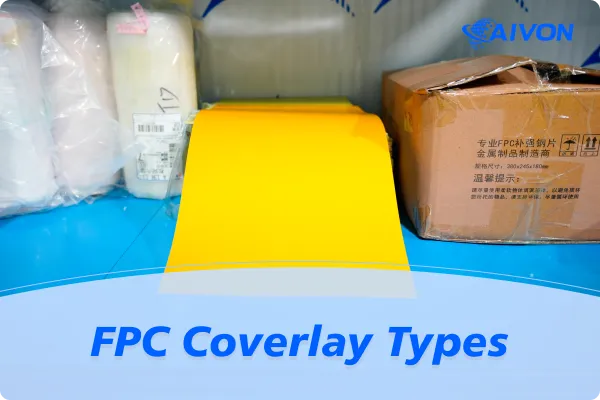
FPC Coverlay: Types, Materials, Application and Processing
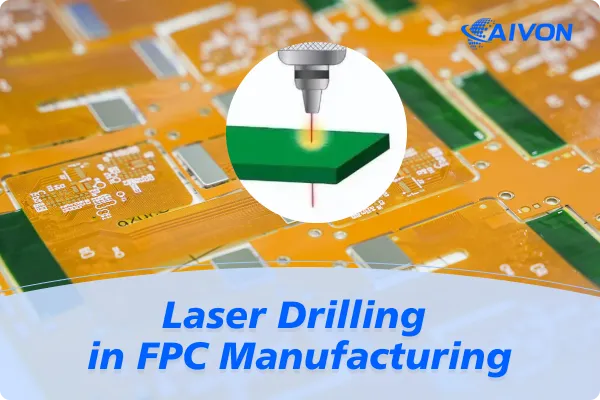
High Precision Flexible PCB Laser Manufacturing: Drilling, Cutting & Process Control
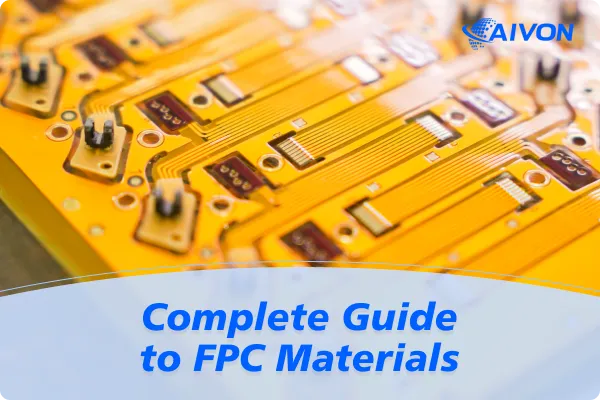
Complete Guide to FPC Materials and Flexible PCB Manufacturing
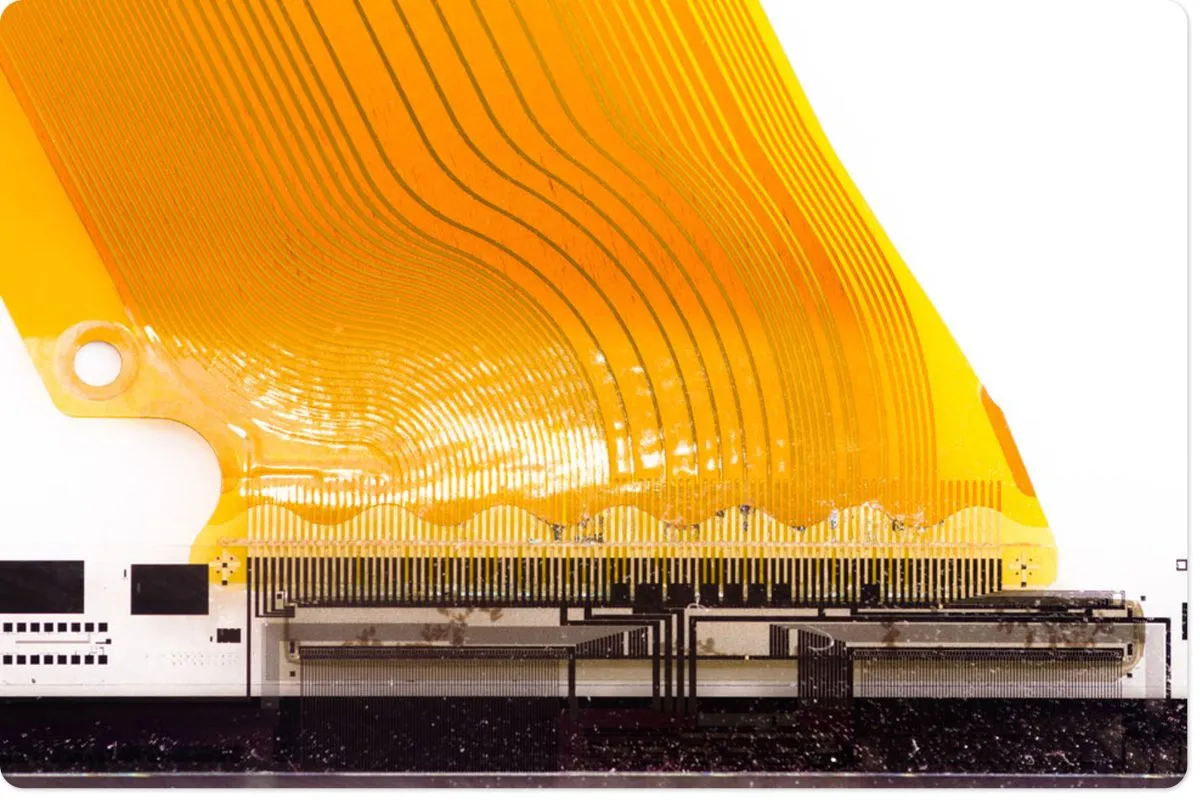
Understanding the Properties That Make Polyimide PCBs Unique
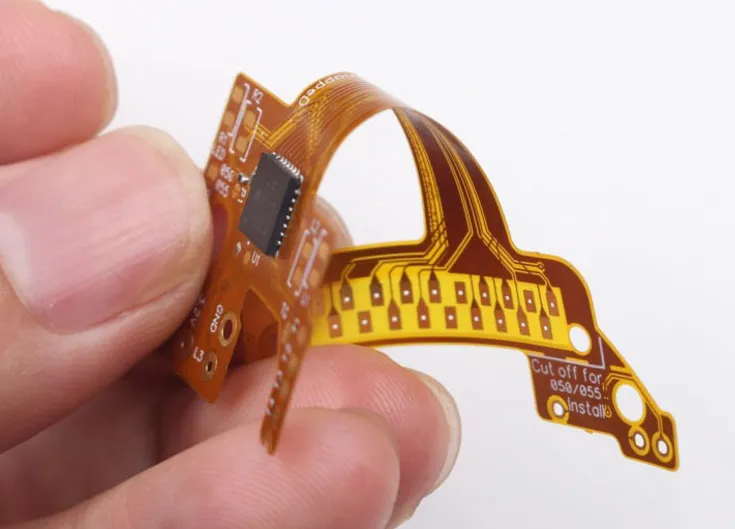
DIY Flexible PCBs: A Hobbyist's Guide to Creating Bendable Circuits at Home
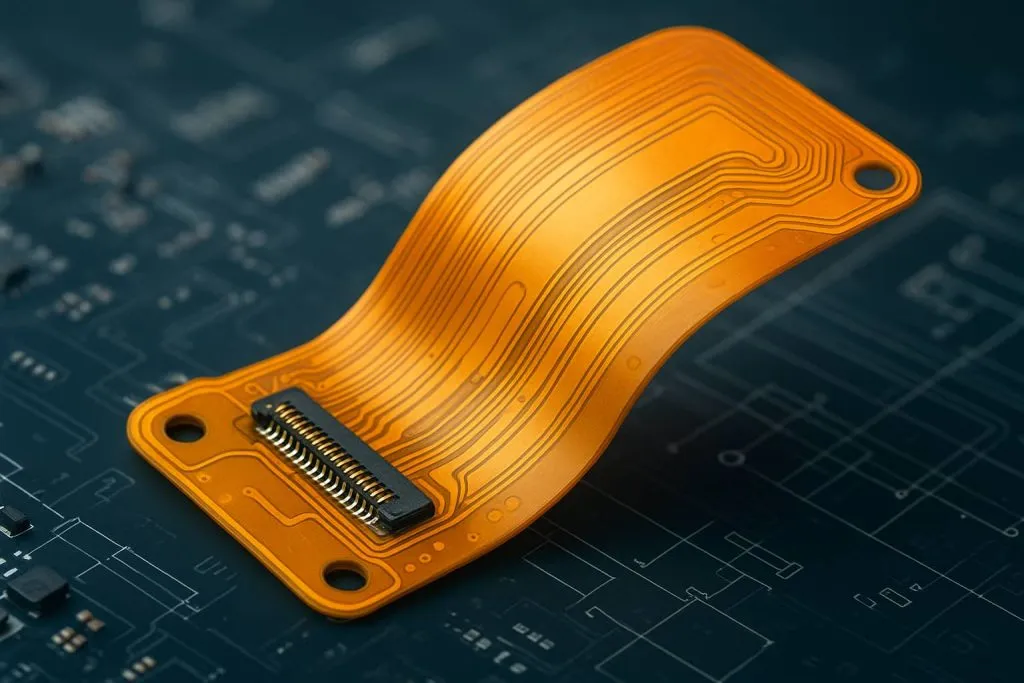
Choosing the Right Materials for Your Flex-to-Install PCB: A Comparative Analysis

Electronic Tattoos: Flexible Electronics and PCB Technologies for Next-Gen Wearables
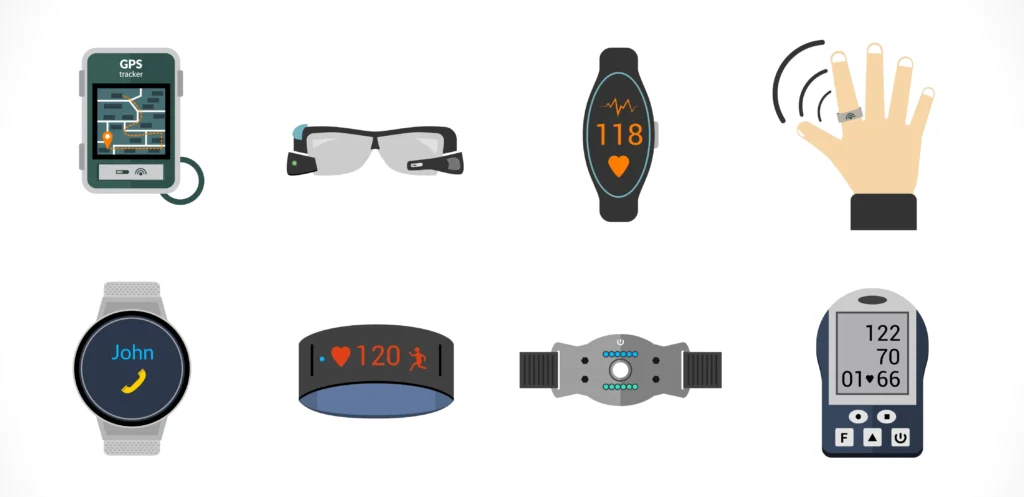
HDI PCB for Wearable Devices: Advanced Design for Sensors, Wireless, Displays, and More
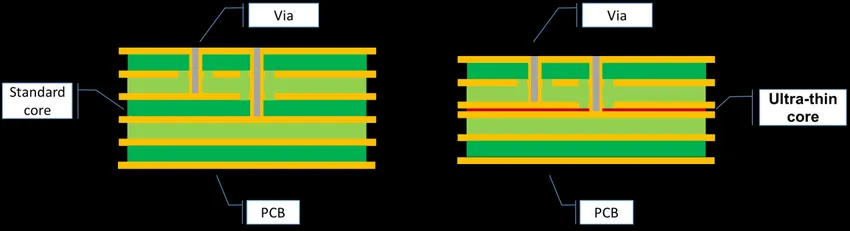
Signal Integrity in Ultra-Thin PCBs: A Practical Guide for High-Speed Designs