 04:31
04:31
Flexible Polyimide PCBs
Flexible Polyimide PCBs represent a cornerstone of modern electronics design, offering unparalleled durability and adaptability in demanding environments. These circuit boards utilize polyimide as the primary substrate material, a high-performance polymer renowned for its exceptional thermal stability, chemical resistance, and mechanical flexibility. Unlike rigid PCBs, flexible polyimide variants can bend, fold, and conform to irregular shapes without compromising electrical integrity, making them ideal for compact, space-constrained applications. Engineers and designers often turn to this technology when developing products that require repeated flexing or exposure to extreme temperatures, such as in aerospace components, automotive sensors, or wearable devices. For those searching for Flexible Polyimide PCBs, this tag serves as a comprehensive resource, aggregating in-depth articles that delve into their fabrication processes, material properties, and integration strategies. Understanding the nuances of polyimide selection—such as choosing between Kapton or other variants—can significantly impact reliability and cost-effectiveness. Practical insights include optimizing trace layouts to minimize stress points during flexing, ensuring proper adhesion of copper layers, and incorporating protective coatings to enhance environmental resistance. Best practices also emphasize rigorous testing protocols, like thermal cycling and bend radius evaluations, to prevent failures in real-world use. By exploring the content under this tag, readers can gain actionable knowledge on troubleshooting common issues, such as delamination or signal interference, and discover innovative applications in emerging fields like flexible displays and medical implants. This collection of articles equips professionals with the tools to innovate and refine their designs, fostering advancements in flexible electronics technology.
Video Guide
Technical Articles
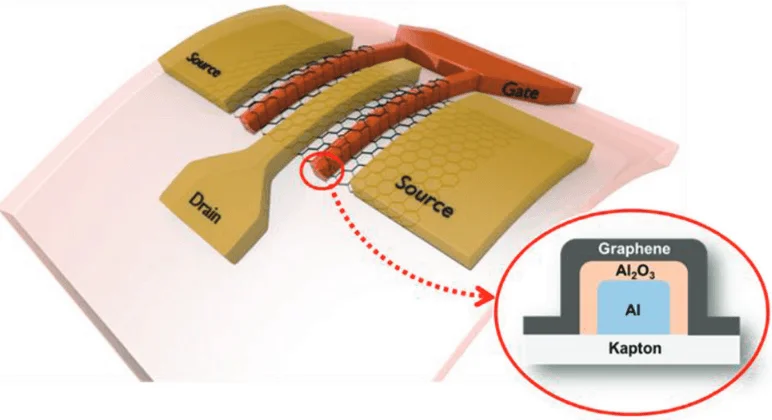
Graphene in Flexible Sensors: Applications, Properties, and PCB Integration Challenges
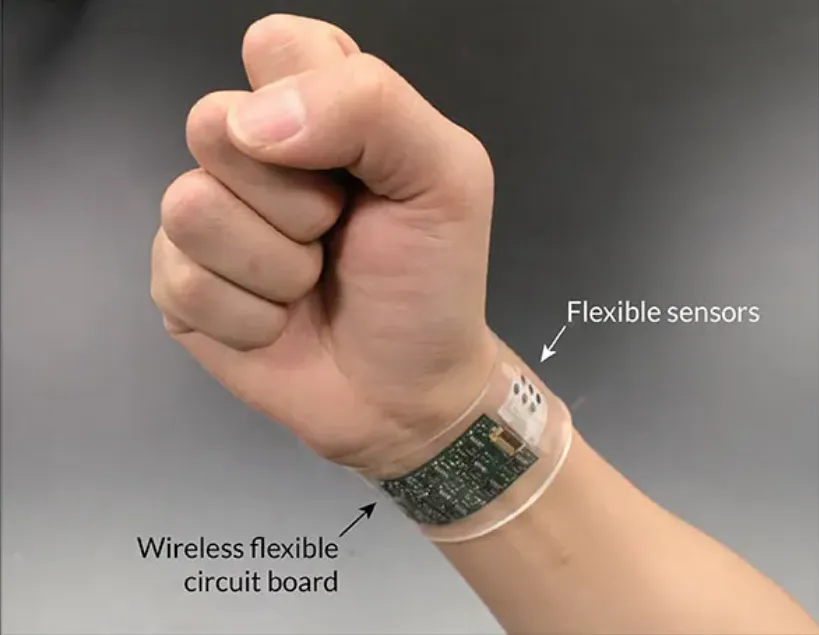
Small Batch PCB Manufacturing: Fueling Innovation in Wearable Technology
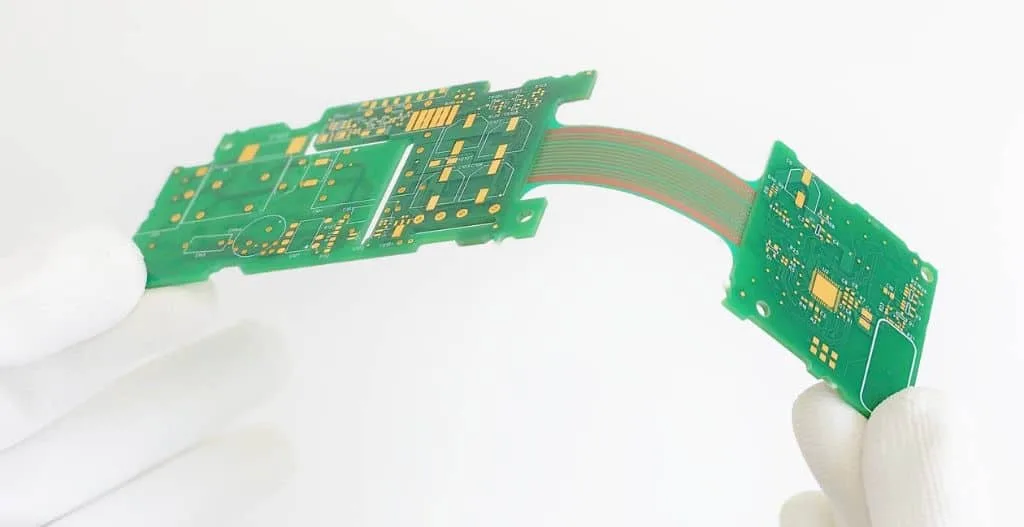
Mastering Semi Flex PCB Manufacturing: A Step by Step Guide for Professionals
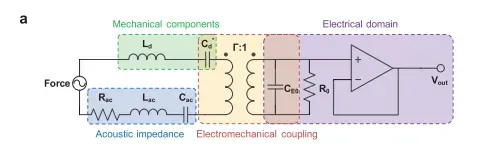
Skin-Attachable Acoustic Sensor Design
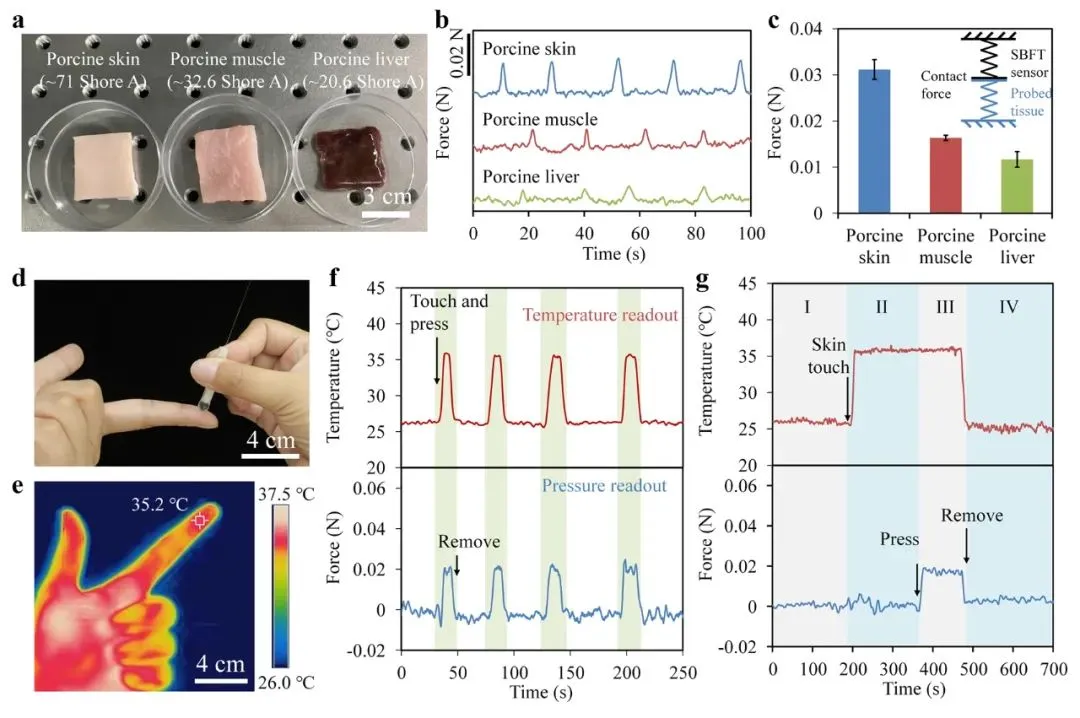
Flexible Bionic Fiber-Optic Tactile Sensor Mimicking Skin
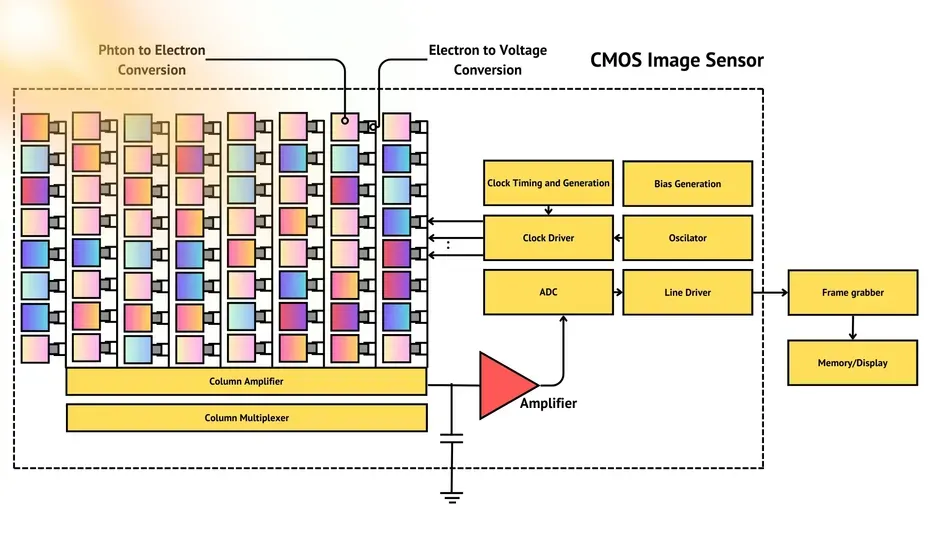
Quantum Dot Image Sensors versus CMOS: Operating Principles, Advantages, and Electronic System Integration
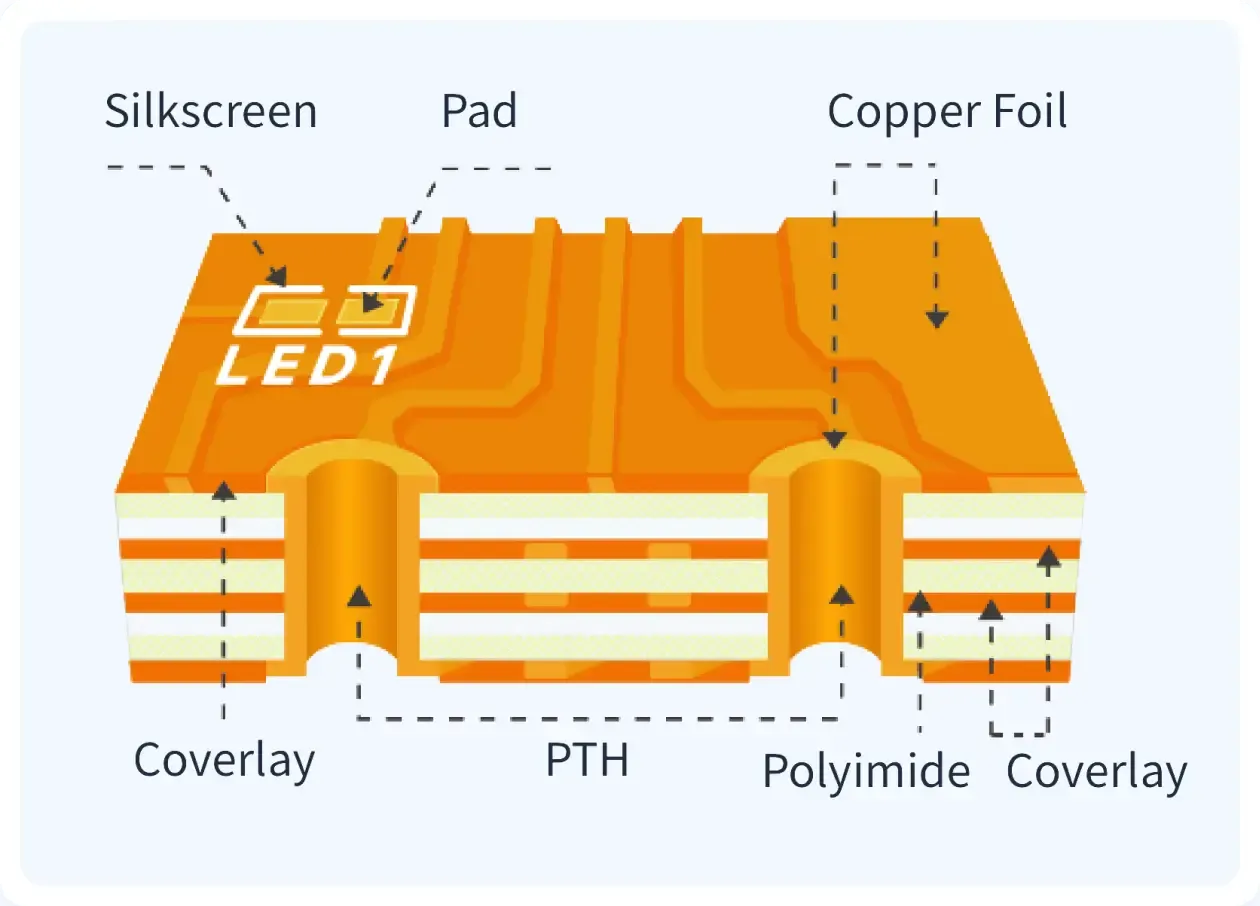
Bending the Rules: Flexible Polyimide PCBs for Innovative Wearable Designs
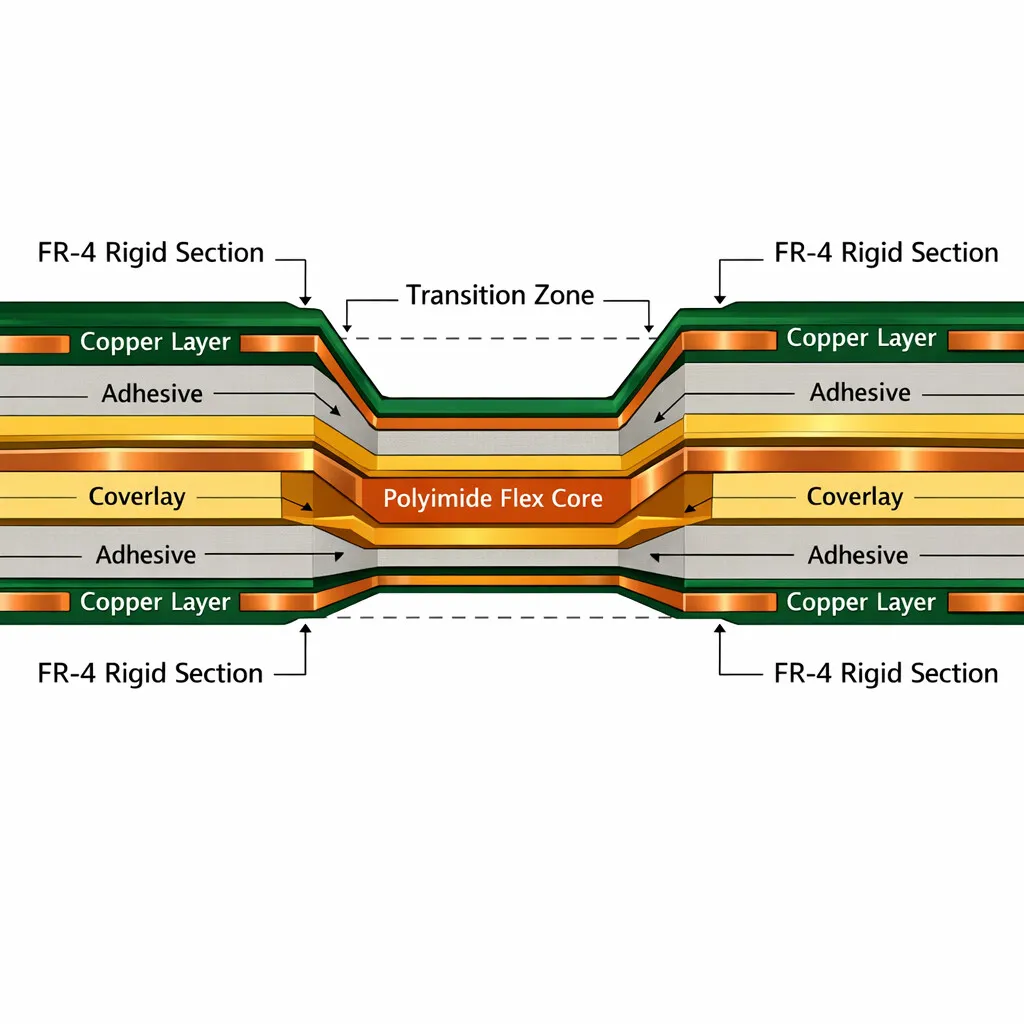
Polyimide PCB Manufacturing: The Ultimate Guide for High Reliability Electronics
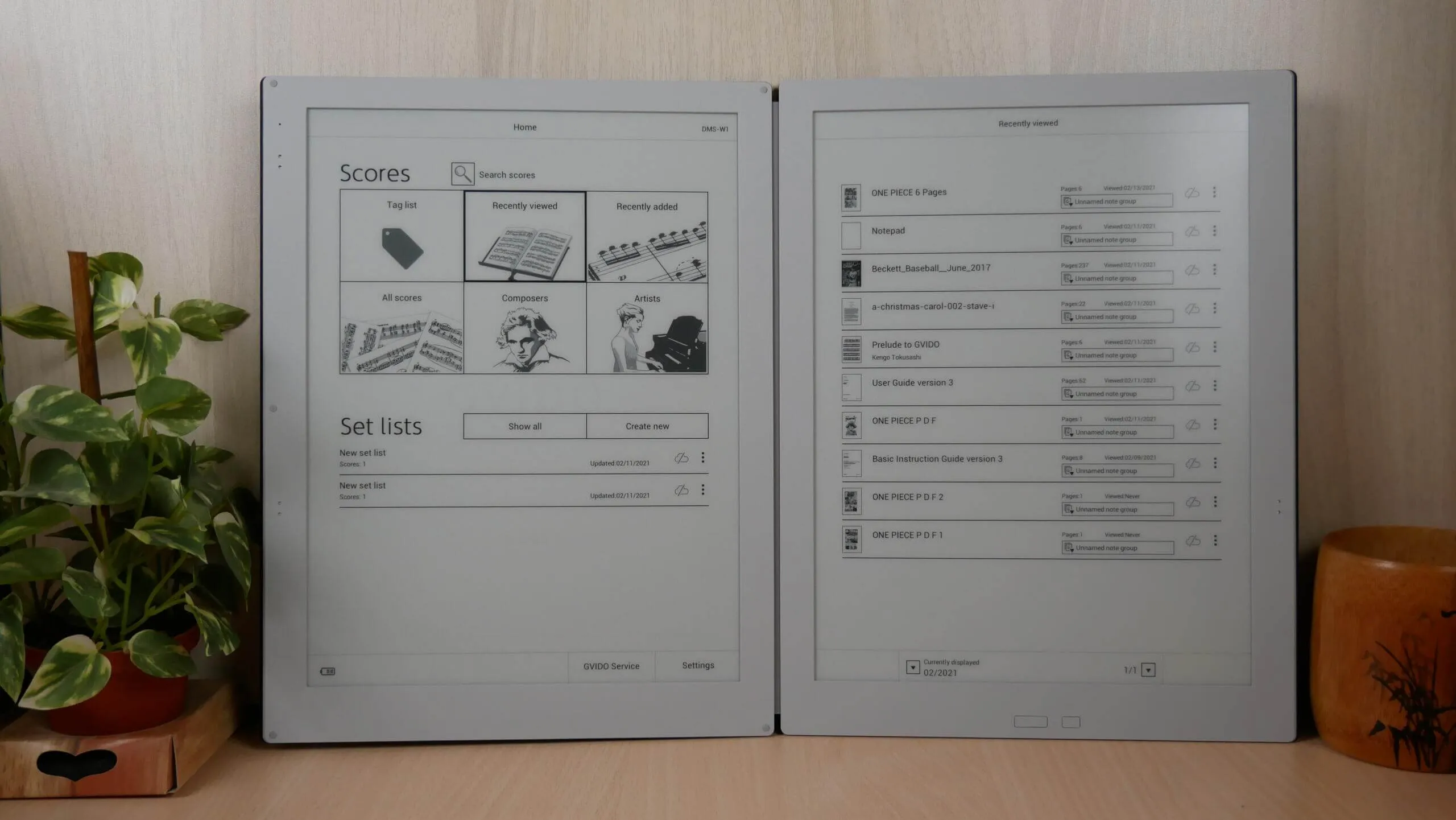
E-Ink Displays: Principles, Advantages, Drawbacks, and Electronics Manufacturing Insights
How to Resolve DFM Issues in 0.2mm Ultra-Thin Flexible PCBs
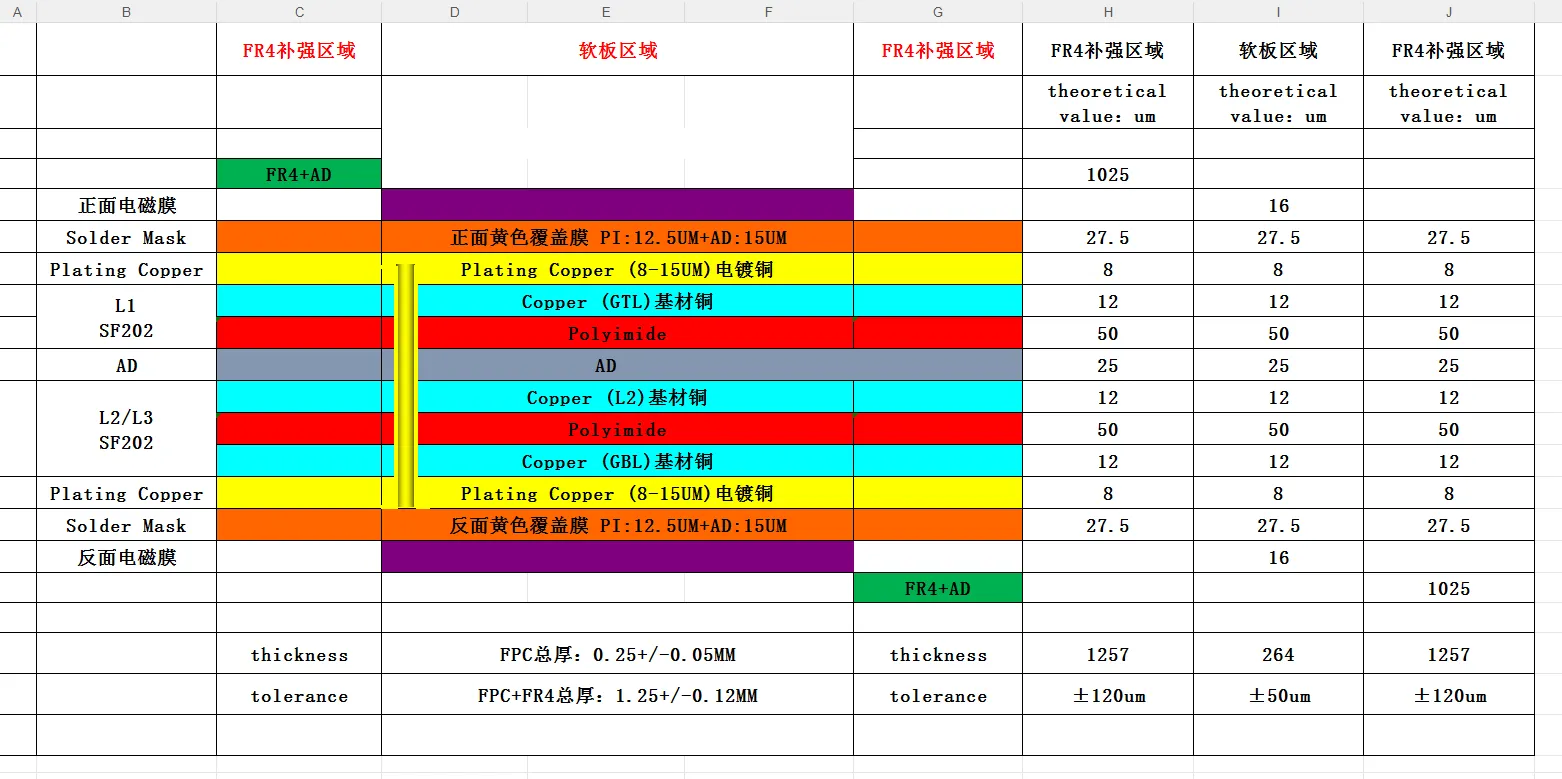
DFM Review Prevented Stiffener and Hole Risks in Thin Flex PCB
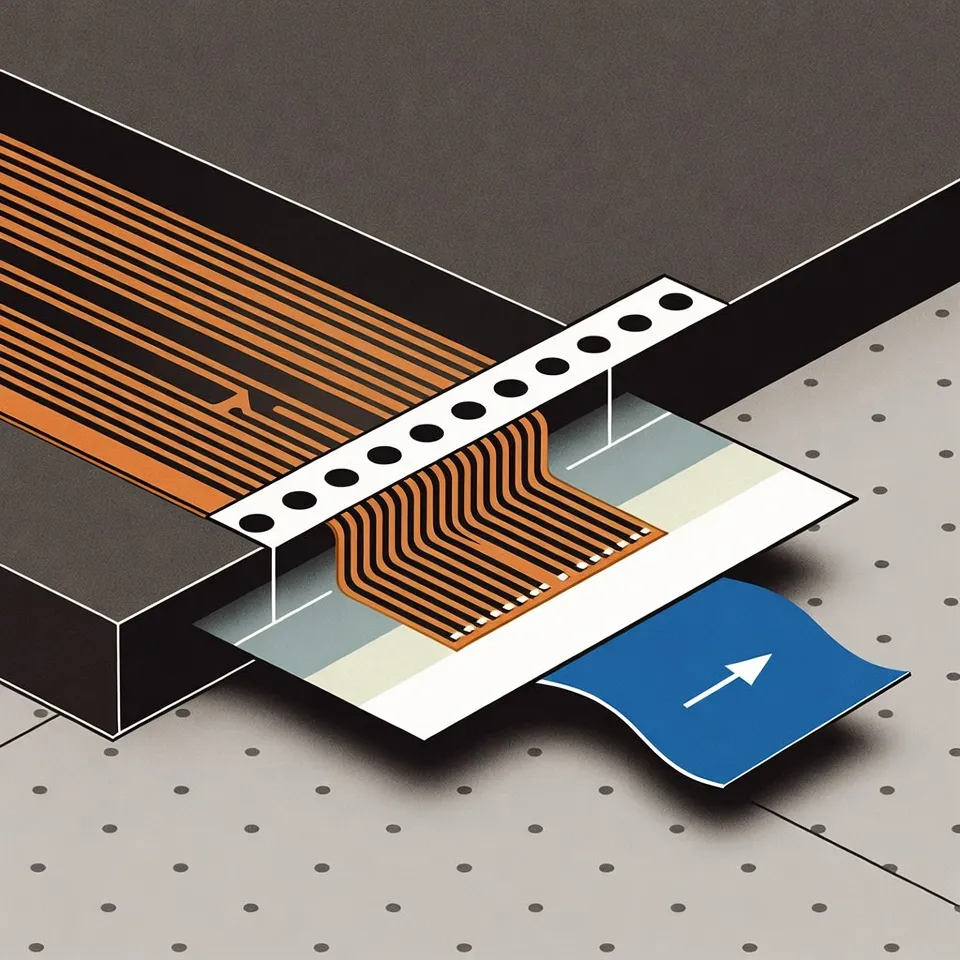
Best Way to Design Glue Paper Pull-out on FPC Panels
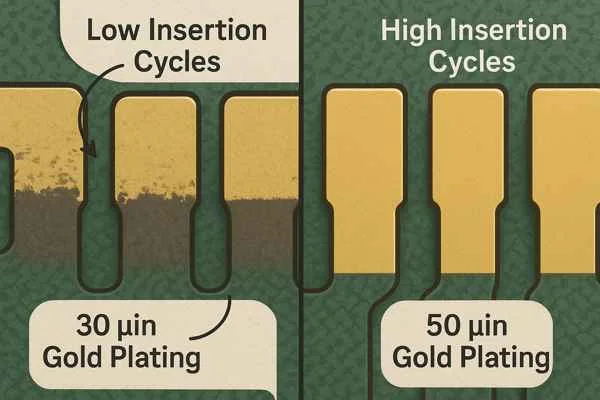
What Total Thickness Should You Control for FPC Insertion Finger Area?
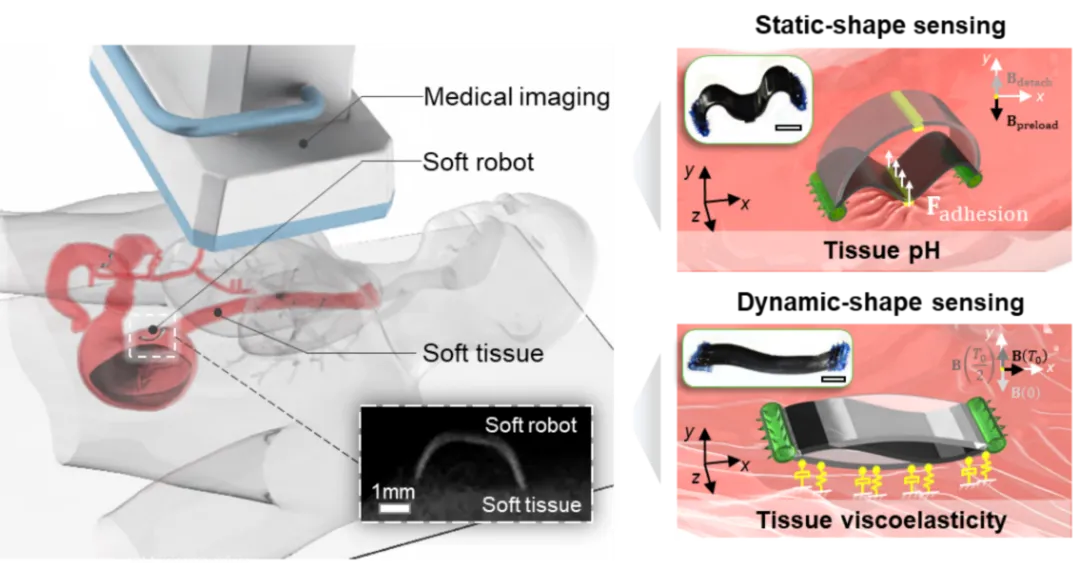
Magnetically Driven Mini Soft Robots: Tissue Sensing and Miniature Electronics Challenges
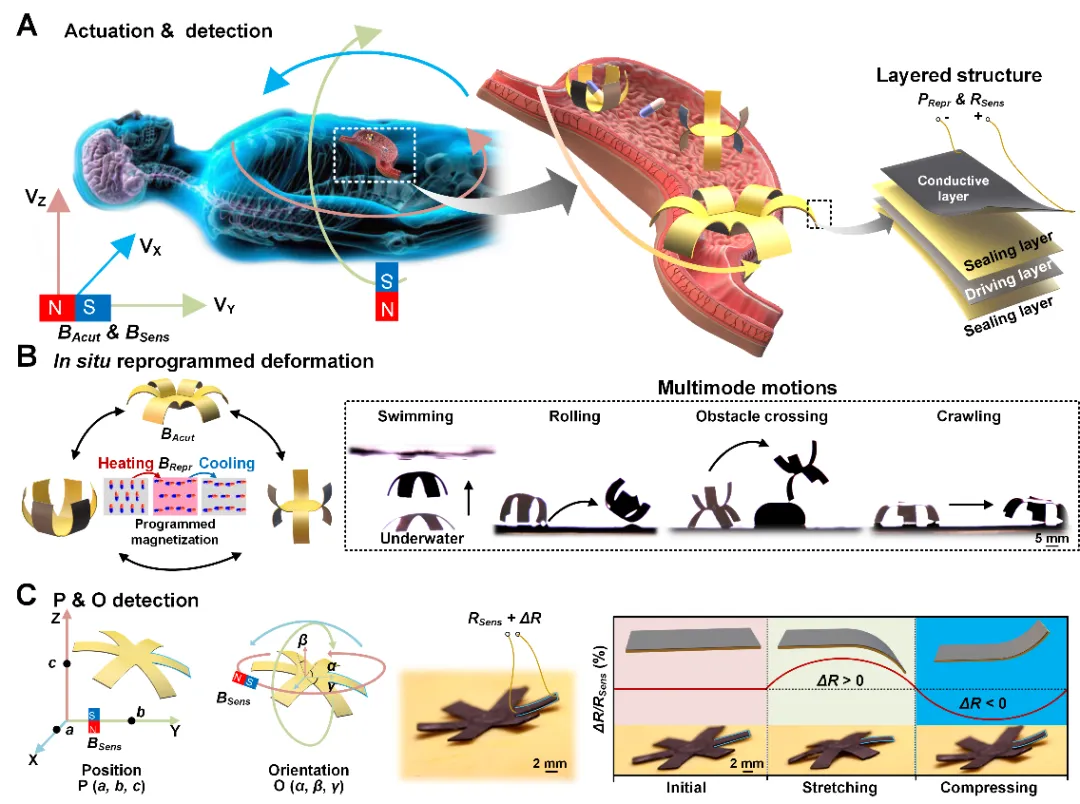
Magnetically Controlled Robots: Design, Fabrication, and Flexible Electronics Integration
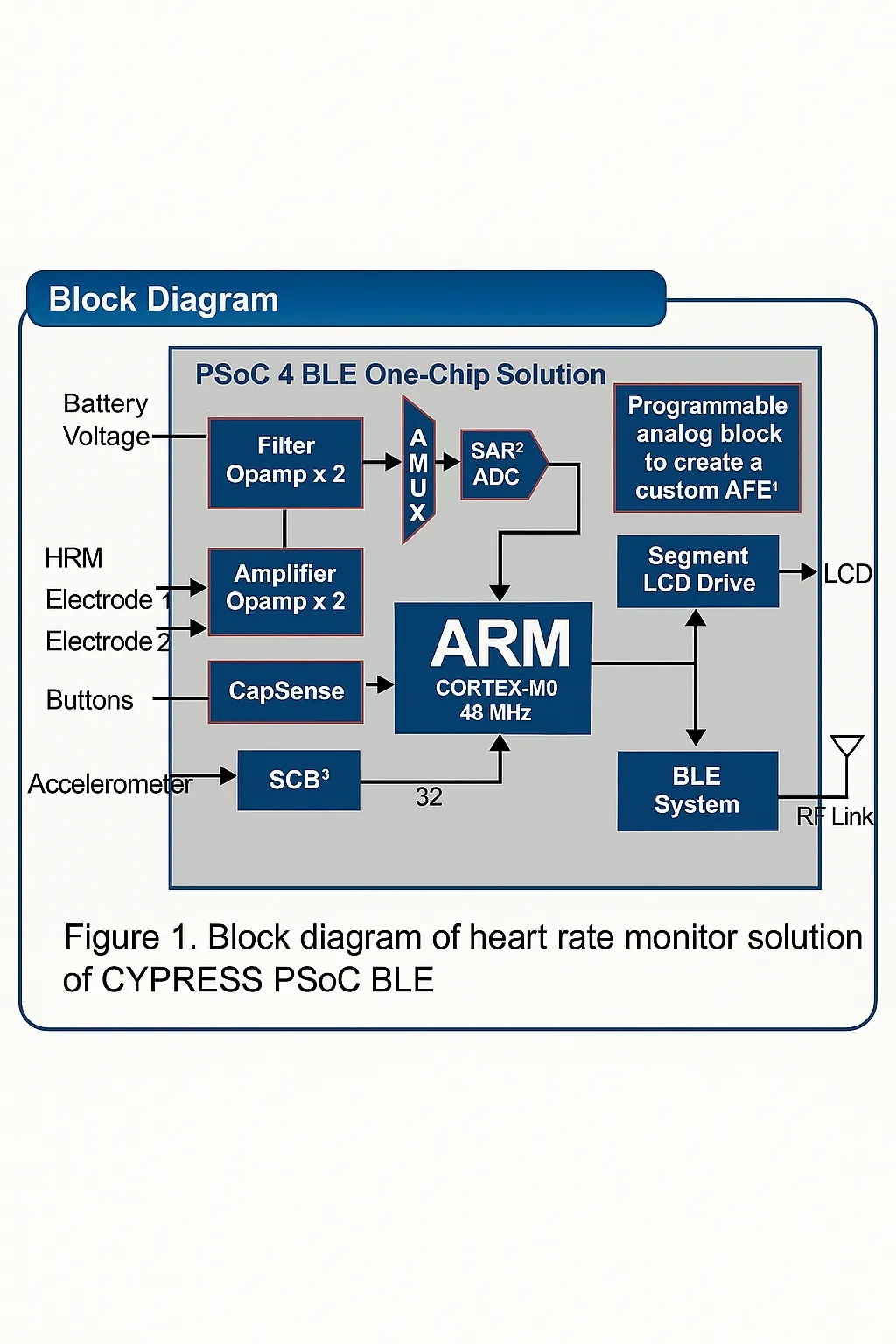
Single-Chip Heart Rate Monitor Solution Overview

Three Core Technologies for Portable Power
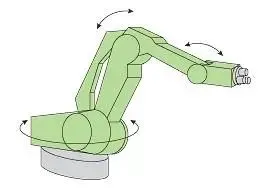
Movement Modes for Robot Cables
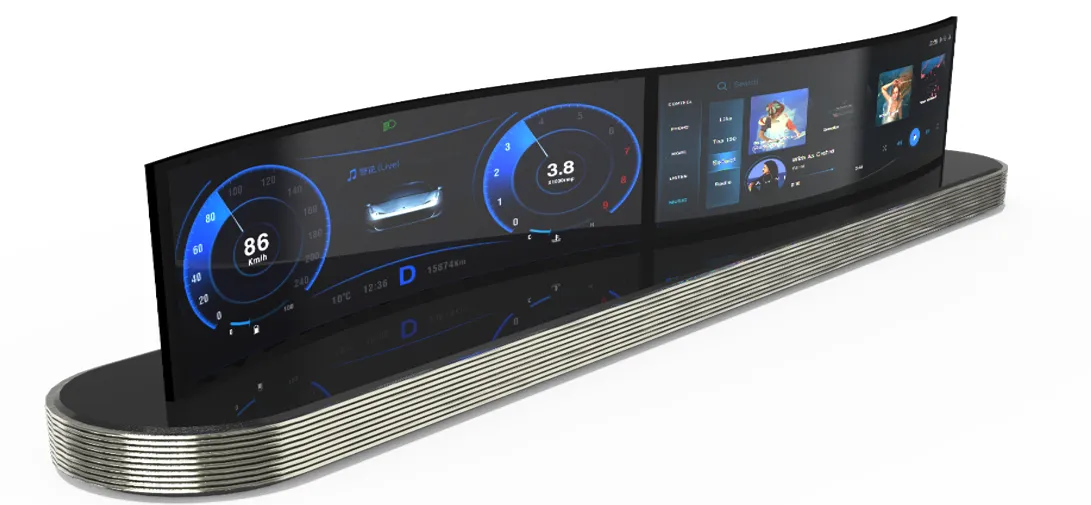
Flexible OLEDs for Automotive Applications: Design Considerations and Reliability Challenges