PCB Thermal Design
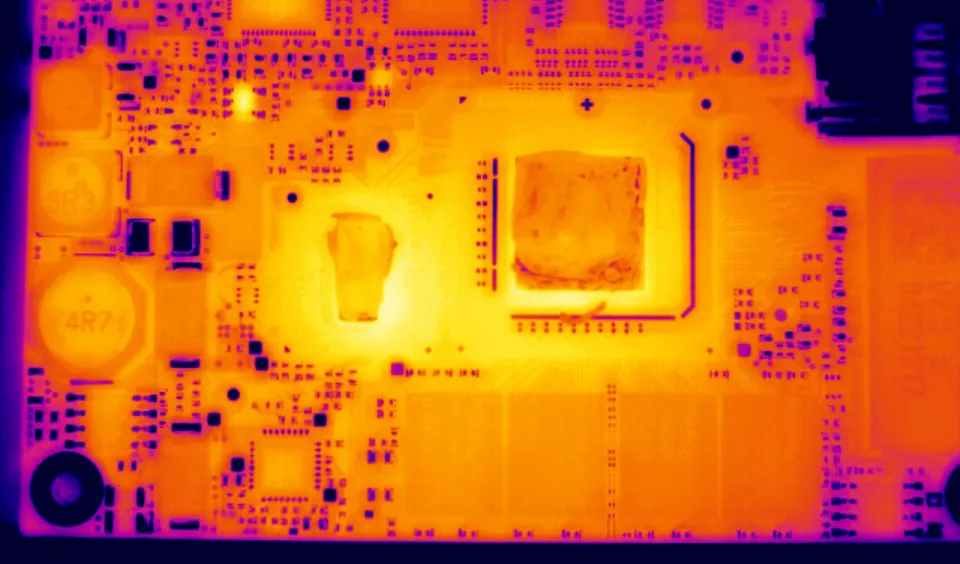
Effective thermal management is a critical aspect of printed circuit board (PCB) design, ensuring that electronic components operate within safe temperature ranges to prevent failures, extend lifespan, and maintain performance. In the realm of PCB Thermal Design, engineers and designers focus on strategies to dissipate heat generated by high-power components, such as processors, power amplifiers, and LEDs. This involves selecting appropriate materials with high thermal conductivity, optimizing board layout for airflow, and incorporating features like thermal vias, heat sinks, and copper pours to enhance heat transfer. For those searching for PCB Thermal Design resources, this tag serves as a comprehensive hub for practical guidance tailored to real-world challenges. Whether you are troubleshooting overheating issues in consumer electronics, automotive systems, or industrial equipment, the content here delves into best practices that can be directly applied to your projects. Key topics include thermal simulation techniques using software tools like ANSYS or Altium, guidelines for multilayer board configurations to minimize thermal resistance, and case studies demonstrating how effective design choices have resolved common problems such as hot spots and thermal runaway. Understanding these principles not only helps in complying with industry standards like IPC-2152 for current-carrying capacity but also empowers you to innovate in designs that demand higher efficiency and reliability. By exploring the articles grouped under this tag, you can gain actionable insights into advanced methods, such as integrating phase-change materials or active cooling solutions, and learn from expert analyses of thermal modeling errors to avoid. This collection equips you with the knowledge to refine your PCB designs, ultimately leading to more robust and efficient electronic products.
Technical Articles
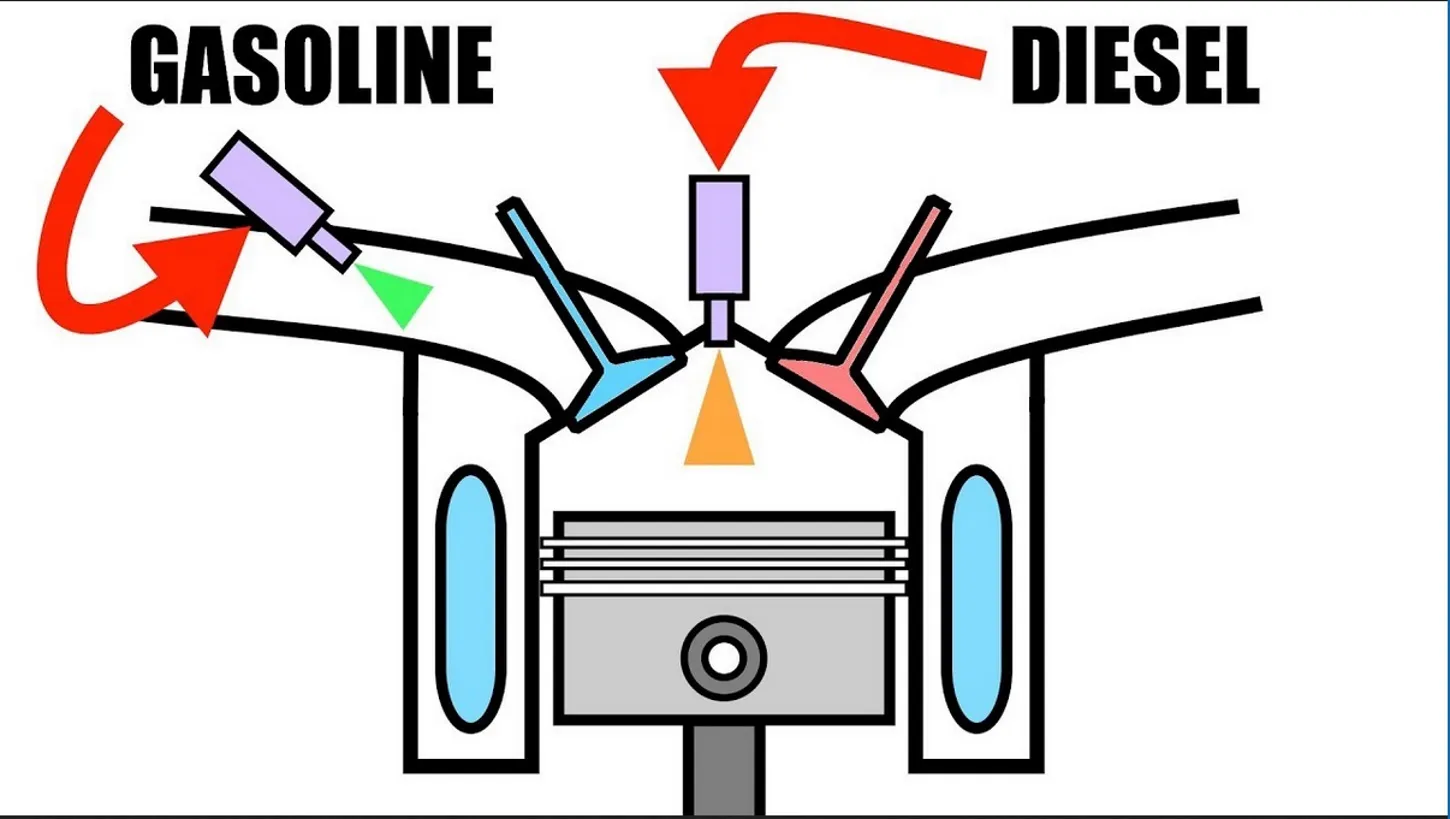
Optimizing Automotive Powertrain Performance Through Advanced PCB Thermal Management
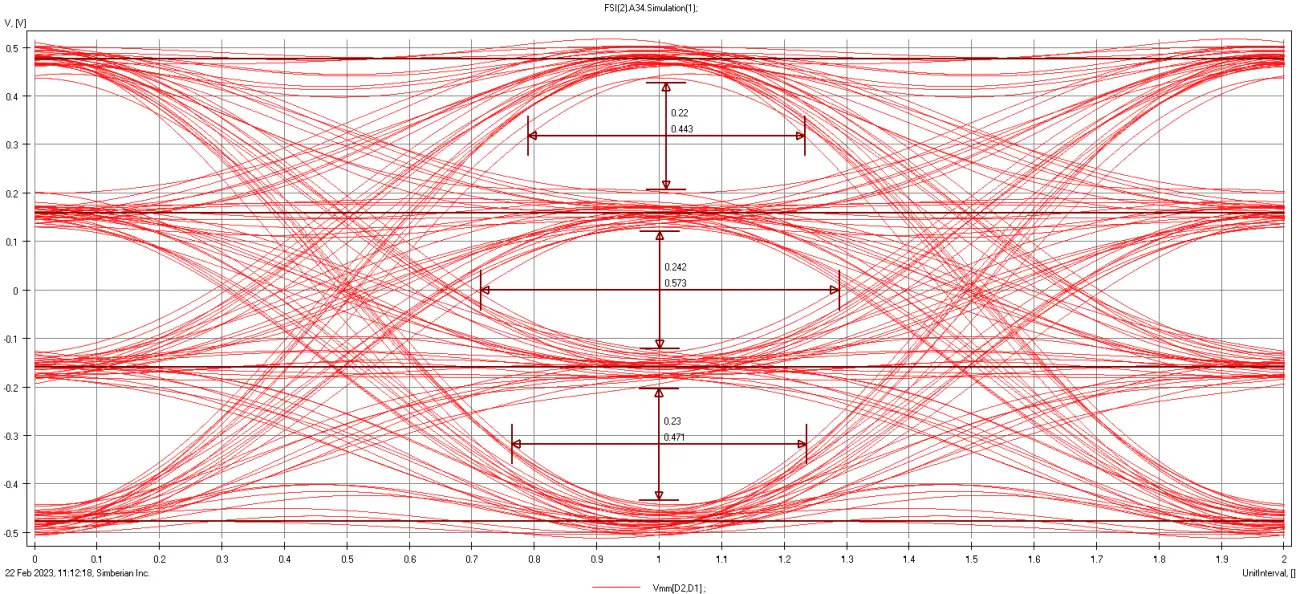
The Signal Integrity Gamble: How PCB Size Affects High-Speed Performance
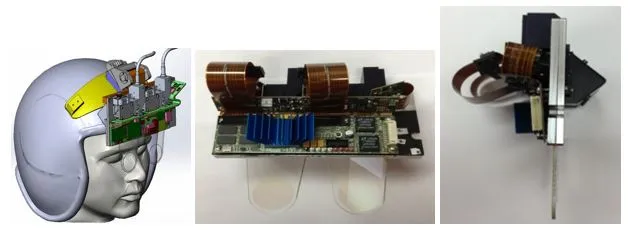
Flexible PCB Applications: Uses in Modern Electronics
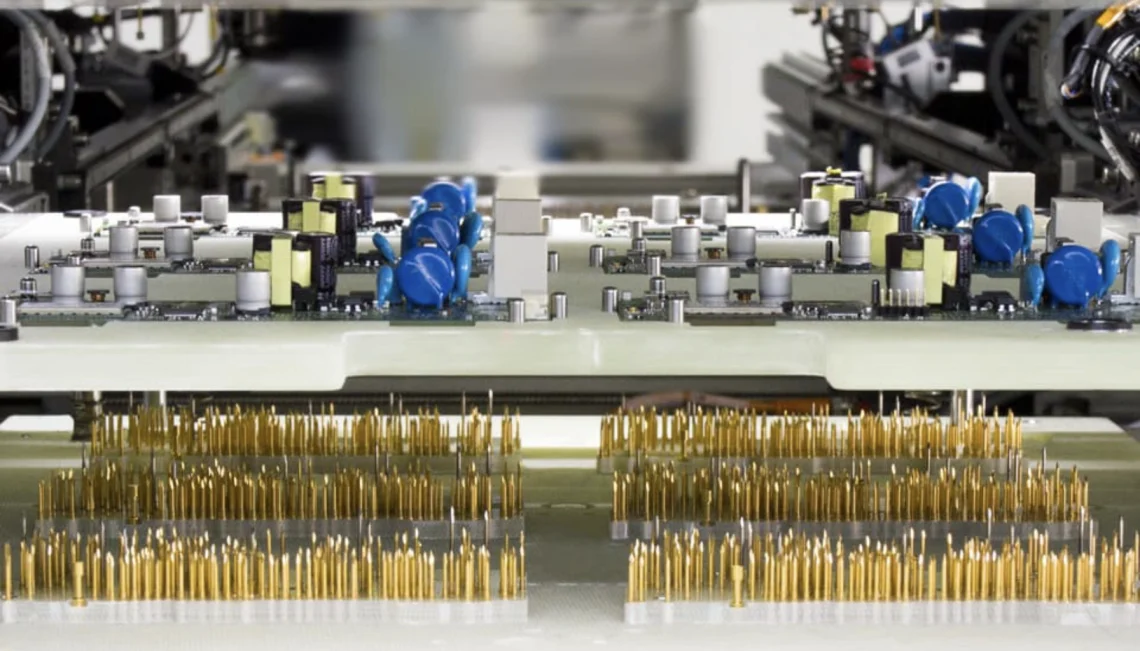
Cutting Costs with DFT: Optimizing Test Strategies for Electronic Products

Resistor Selection, Color Coding, and PCB Layout Guidelines for Reliable Electronics
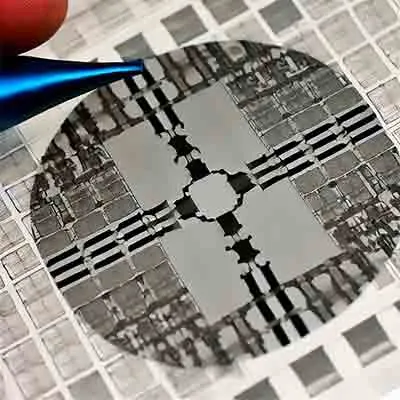
LPCVD Low-Stress Silicon Nitride Films: Process, Applications & MEMS Manufacturing
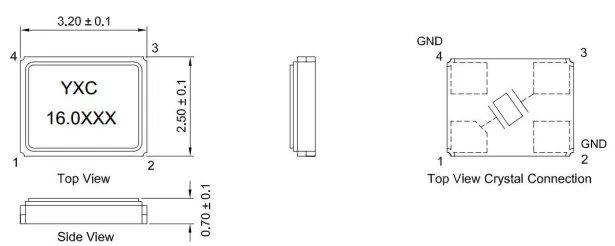
SMD Crystal Oscillators: A Comprehensive Guide to Surface Mount Technology
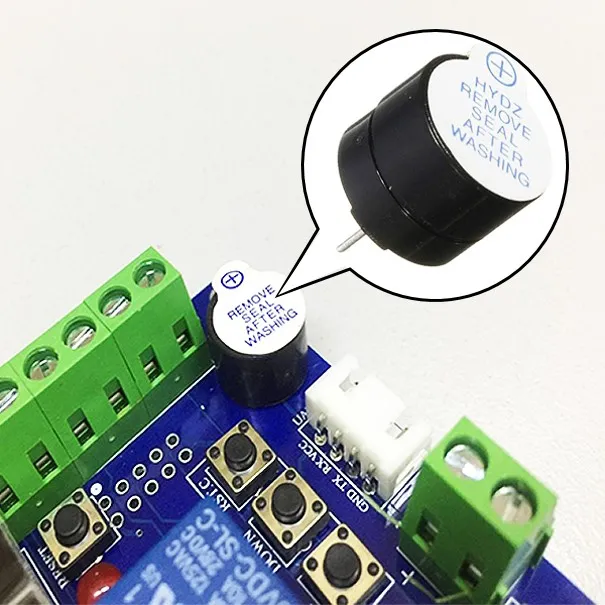
Extend Buzzer Life: Essential Tips for Engineers on Minimizing Failures
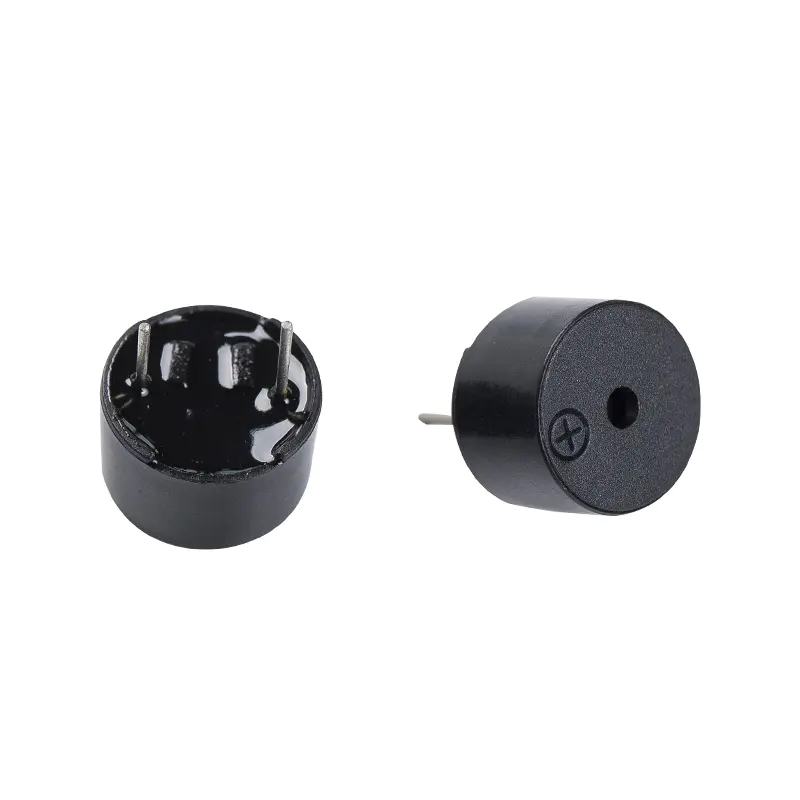
The Engineer's Guide to Piezo vs. Magnetic Buzzers: Choosing the Optimal Technology
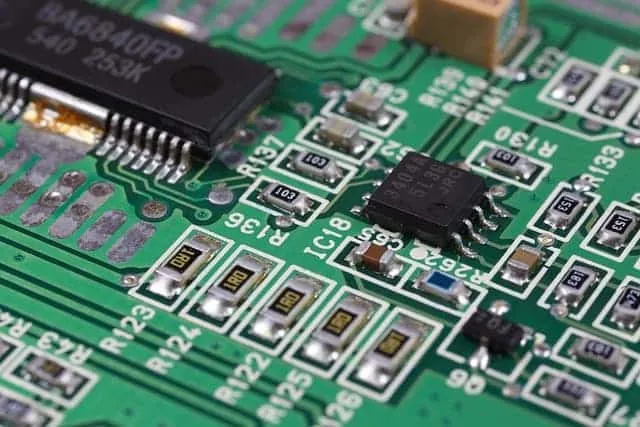
SMD Jumpers: Space Saving Solutions for High Density PCB Designs
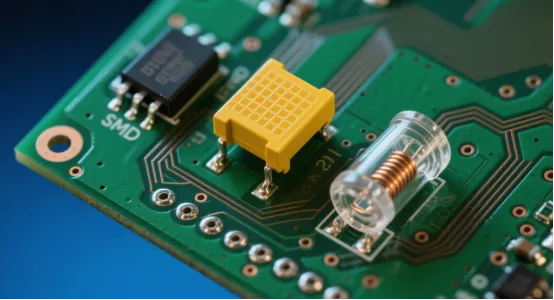
SMD Fuses: Compact Circuit Protection for High Density PCBs
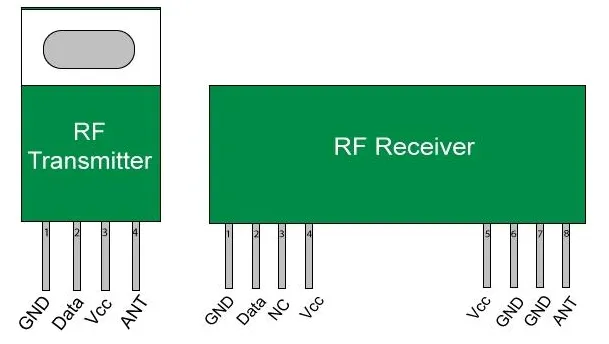
RF Receiver Circuit Structure and Operation
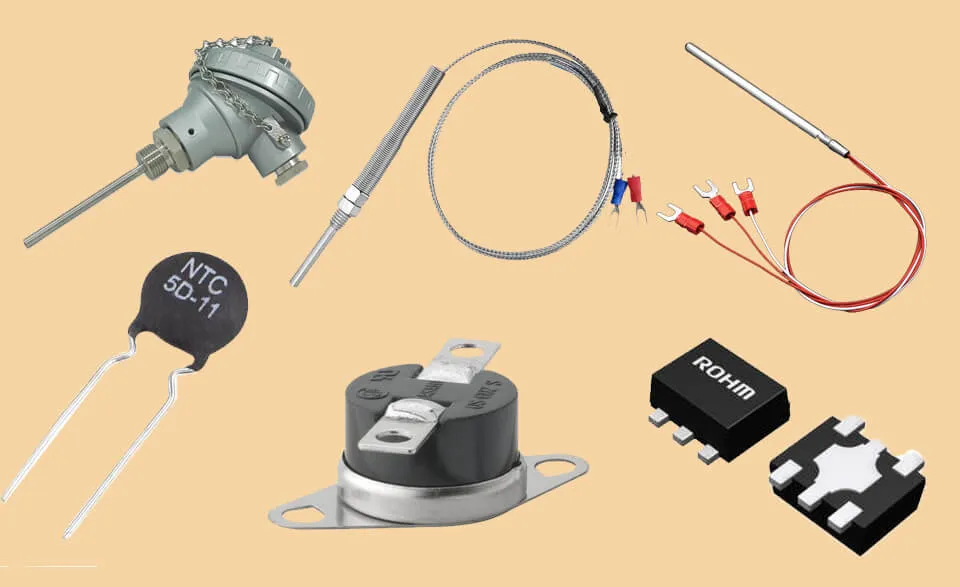
Temperature Sensor Selection for Electronic Systems: Technical Comparison and PCB Integration
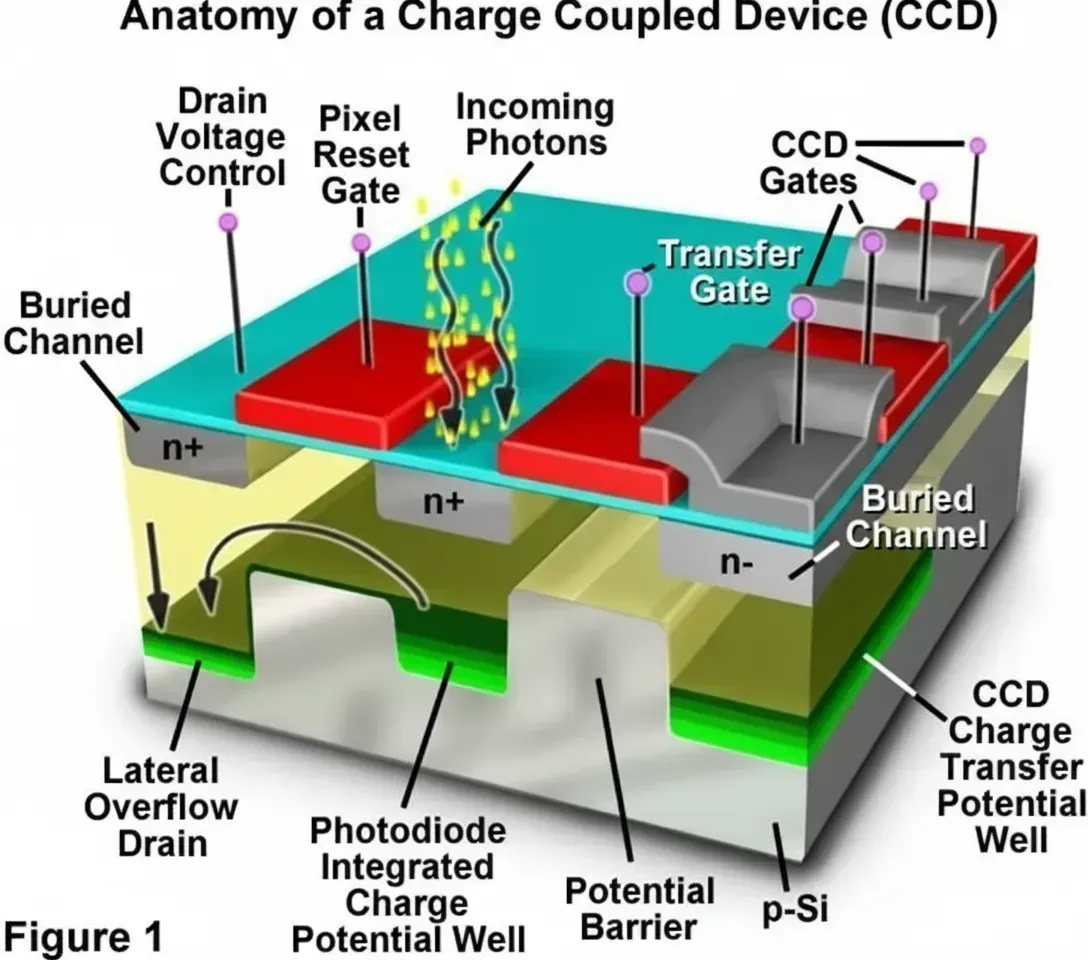
Understanding CIS Camera Chips and CMOS Image Sensors: Technology and PCB Integration
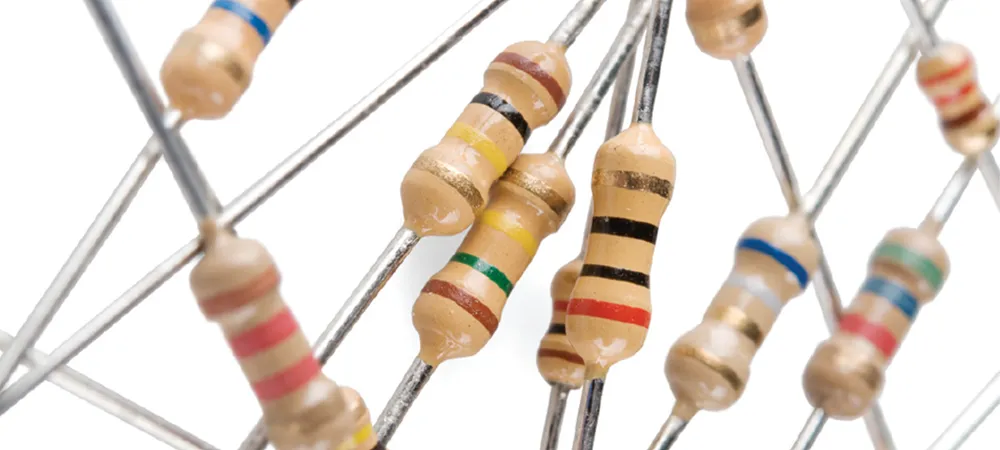
Common Resistor Types and Characteristics
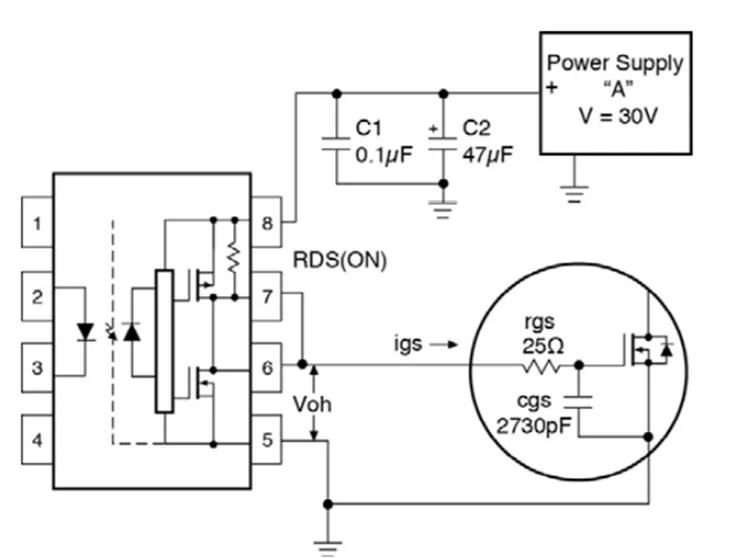
Common MOSFET Driver Circuit Topologies
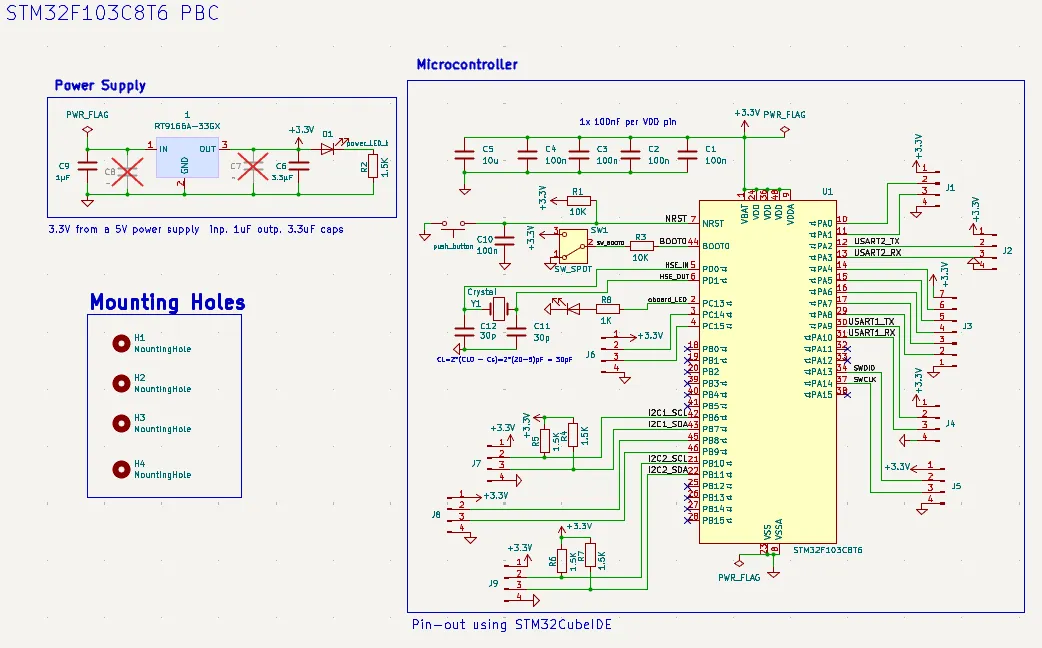
Step by Step Guide to Designing a Power Supply PCB in KiCad

Designing Robotics Control PCBs for ROS (Robot Operating System) Integration