PCB Thermal Performance
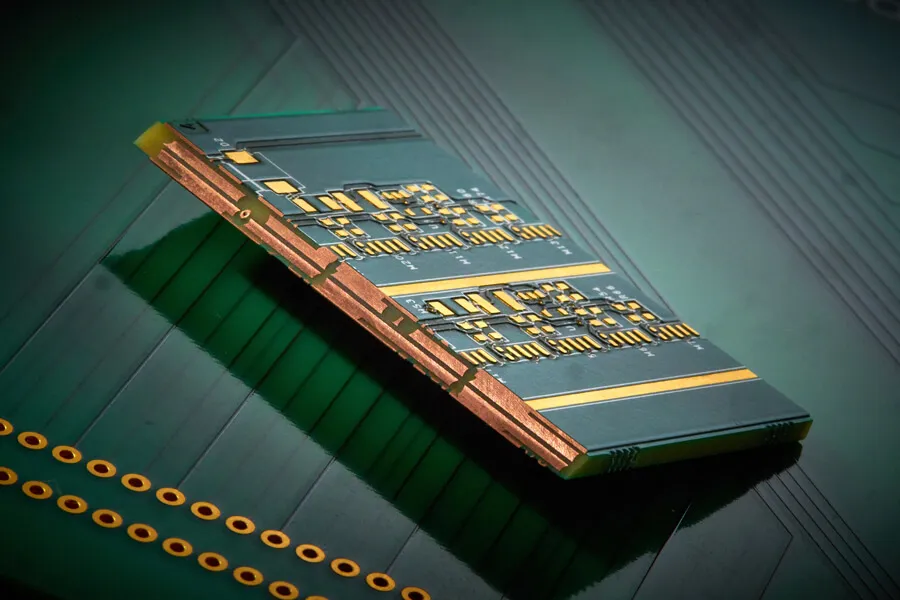
Understanding PCB thermal performance is crucial for designing reliable and efficient electronic systems, as heat management directly impacts component longevity, operational stability, and overall device reliability. When searching for information on PCB Thermal Performance, users often seek solutions to common challenges like excessive heat buildup in high-power circuits, which can lead to failures in applications ranging from consumer electronics to automotive and aerospace systems. This tag encompasses a range of topics, including thermal design principles, material selection for heat dissipation, and strategies to mitigate hotspots through effective layout techniques. Engineers and designers can benefit from practical insights such as incorporating thermal vias and copper pours to enhance heat spreading, or selecting substrates with high thermal conductivity like metal-core PCBs for demanding environments. Best practices also involve using simulation software to predict thermal behavior early in the design phase, allowing for optimizations that prevent costly revisions. For instance, integrating heat sinks or active cooling methods can significantly improve performance in power-intensive designs, while adhering to standards like IPC-2152 ensures compliance and safety. The articles under this tag provide in-depth explorations of these concepts, offering case studies and step-by-step guides that apply to real-world scenarios. Whether you are troubleshooting thermal issues in an existing board or planning a new project, these resources equip you with the knowledge to achieve optimal thermal efficiency and extend the lifespan of your electronic assemblies.
Technical Articles
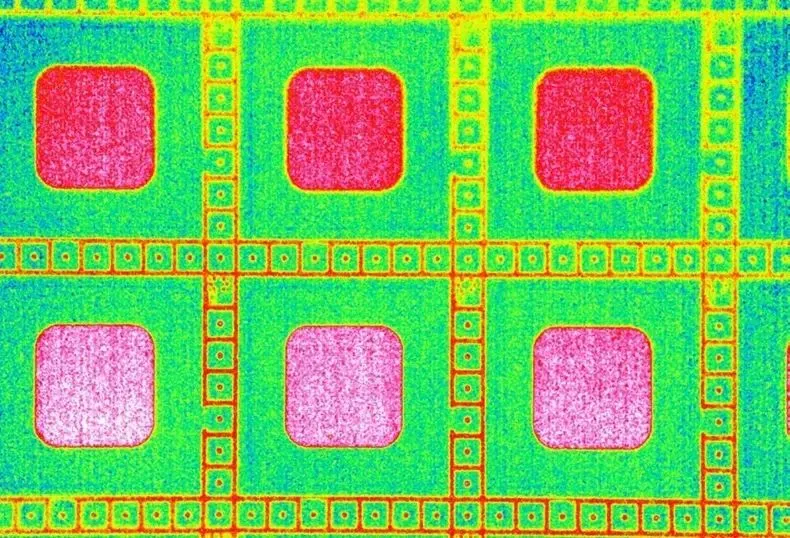
Using Infrared Thermography for Fast, Non-Contact PCB Fault Isolation and Micro-Scale Thermal Analysis
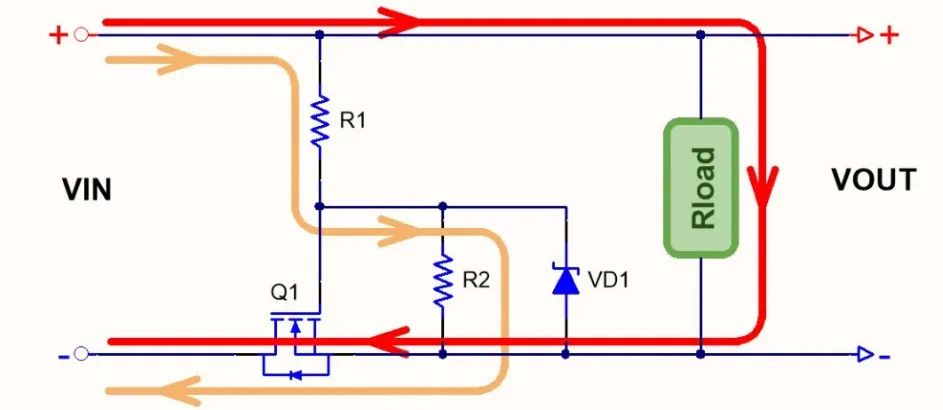
Designing Reverse-Polarity Protection with MOSFETs
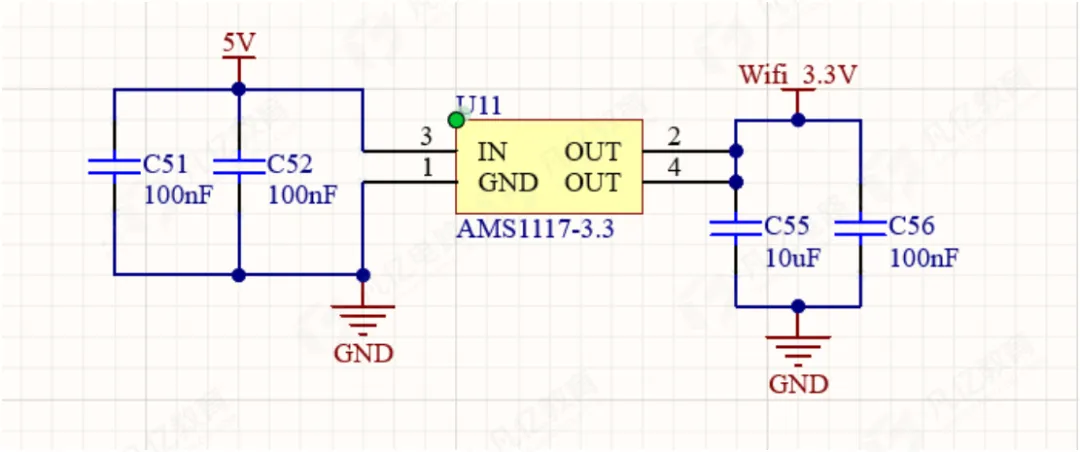
PCB Design Essentials for LDO Power Supplies
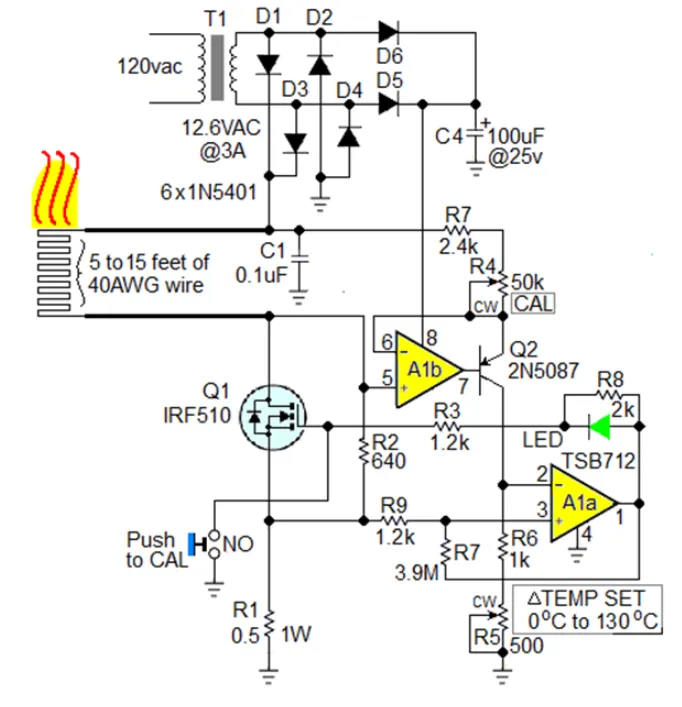
A Small Change Raises Copper-Wire Thermostat Efficiency to 94%
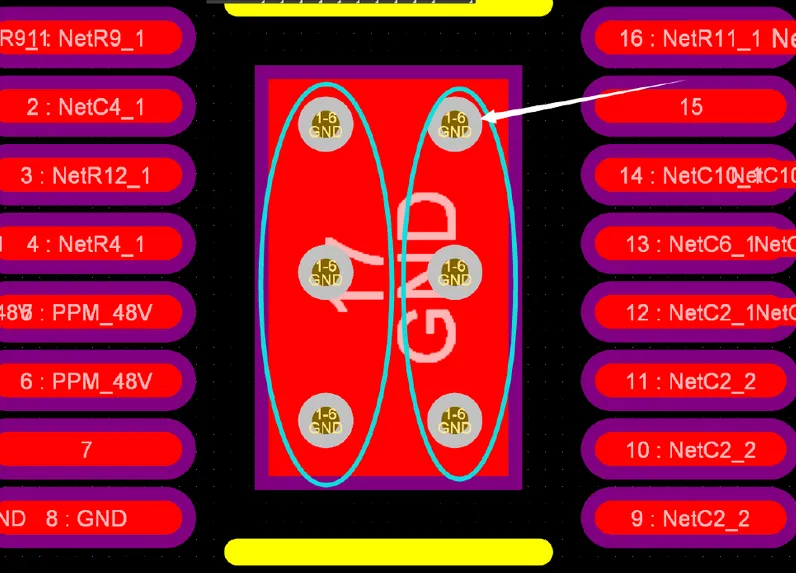
Why More Thermal Vias Do Not Always Mean a Lower PCB Temperature

PCB Material and Thermal Design Requirements for Reliable Assembly

How to Evaluate Alternative Materials During PCB Laminate Shortages
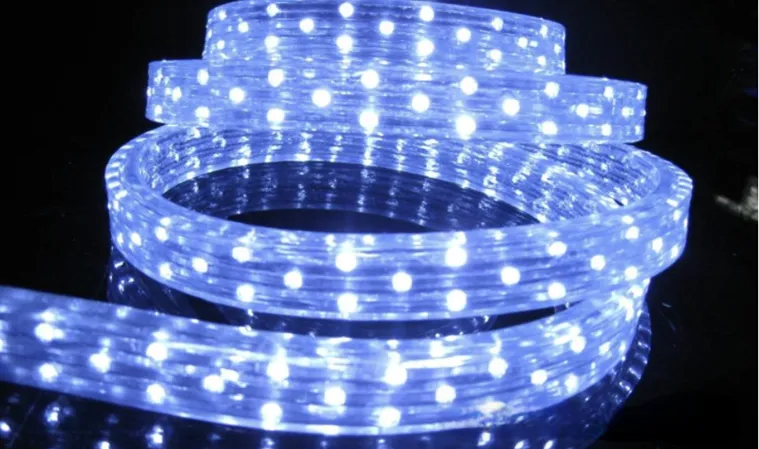
Why LEDs Emit Light but Ordinary Diodes Do Not
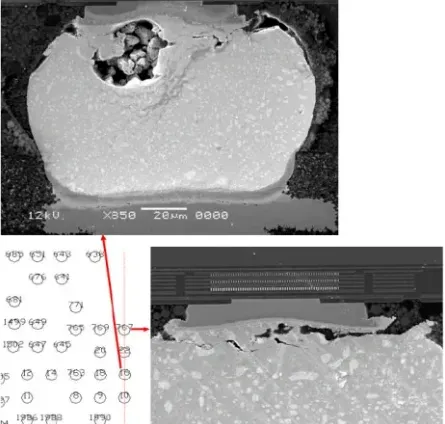
Temperature Is a Major Threat to Reliability

Four-Corner Testing: A Rigorous Method for Hardware Reliability Verification

Copper Core PCB Design Guidelines: Stackup, Dielectric Layers, and Thermal Paths

AI PCB Thermal Design: Predicting Hotspots and Optimizing Heat Dissipation

Ki-PIDA: Direct Power Integrity Simulation in KiCad

PCB Thermal Design: Junction Temperature and Power Dissipation

PCB Solutions for High-Performance LED Displays: Precision Driver Circuit Design, Advanced Thermal Management, and Superior Reliability
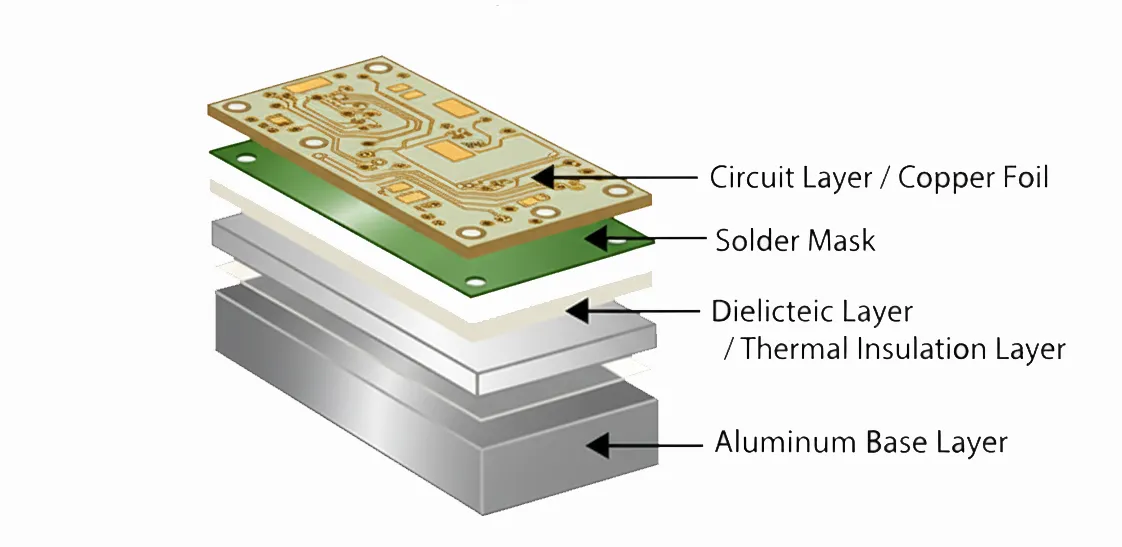
Aluminum PCBs: An Essential Solution for High-Performance Electronics

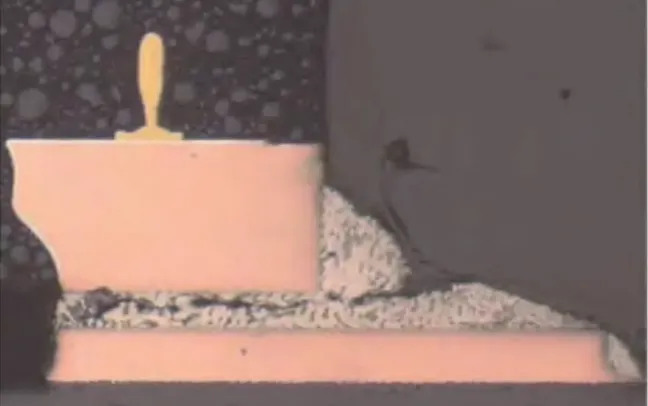
Types of PCB Embedded Copper Blocks and Their Manufacturing Process
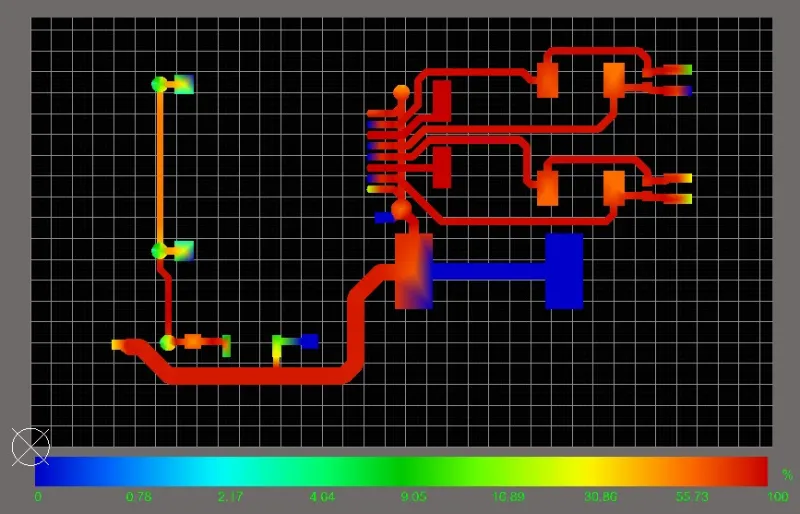
Layer Thickness Matters: Optimizing Your PCB for Current Capacity and Thermal Management