PCB Thermal Performance
Understanding PCB thermal performance is crucial for designing reliable and efficient electronic systems, as heat management directly impacts component longevity, operational stability, and overall device reliability. When searching for information on PCB Thermal Performance, users often seek solutions to common challenges like excessive heat buildup in high-power circuits, which can lead to failures in applications ranging from consumer electronics to automotive and aerospace systems. This tag encompasses a range of topics, including thermal design principles, material selection for heat dissipation, and strategies to mitigate hotspots through effective layout techniques. Engineers and designers can benefit from practical insights such as incorporating thermal vias and copper pours to enhance heat spreading, or selecting substrates with high thermal conductivity like metal-core PCBs for demanding environments. Best practices also involve using simulation software to predict thermal behavior early in the design phase, allowing for optimizations that prevent costly revisions. For instance, integrating heat sinks or active cooling methods can significantly improve performance in power-intensive designs, while adhering to standards like IPC-2152 ensures compliance and safety. The articles under this tag provide in-depth explorations of these concepts, offering case studies and step-by-step guides that apply to real-world scenarios. Whether you are troubleshooting thermal issues in an existing board or planning a new project, these resources equip you with the knowledge to achieve optimal thermal efficiency and extend the lifespan of your electronic assemblies.
Technical Articles
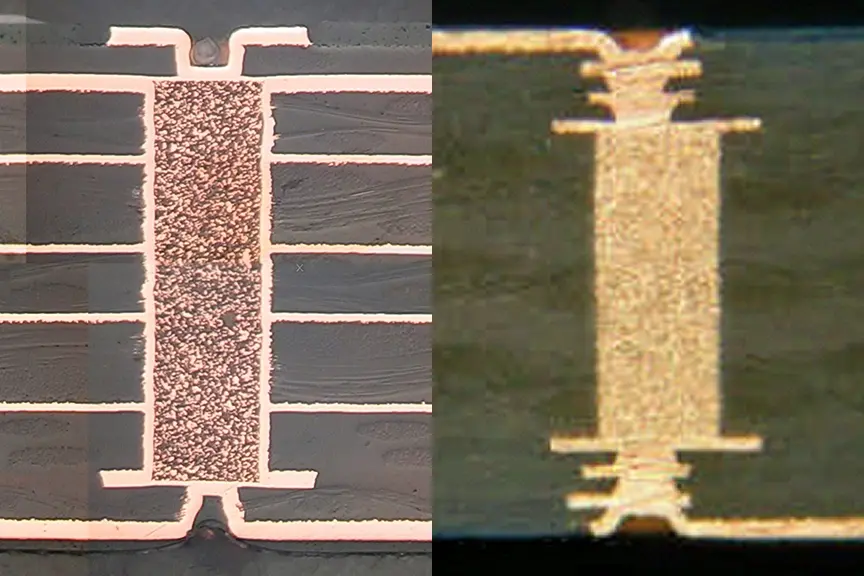
Thermal Via Filling: Choosing the Right Material for Optimal Heat Transfer
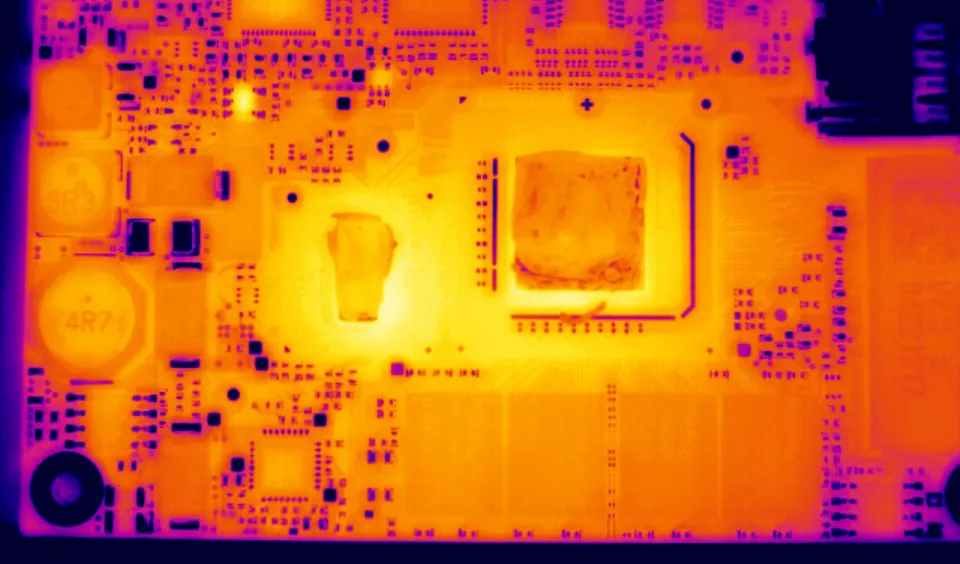
Thermal Runaway: Managing Heat Dissipation in Maximum Sized PCBs
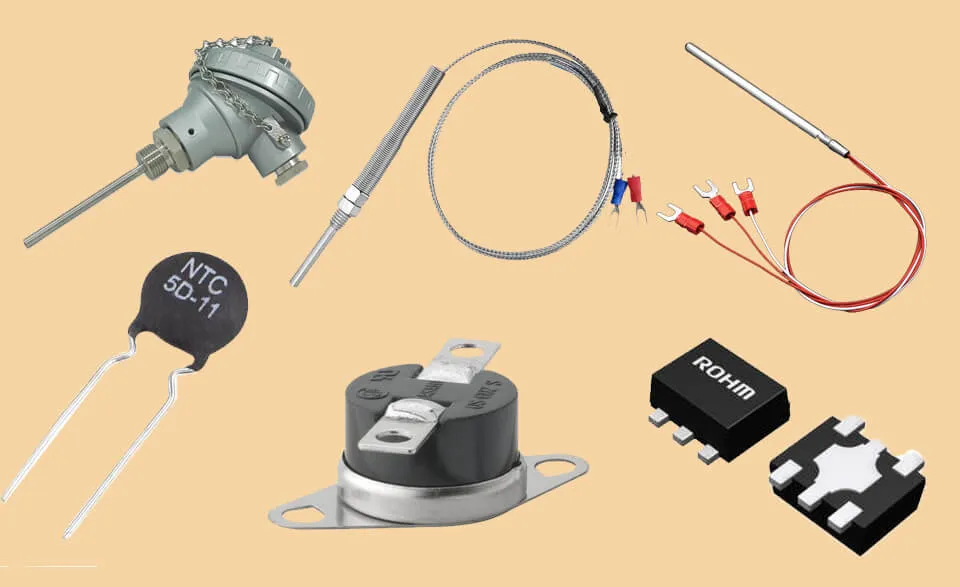
Temperature Sensor Selection for Electronic Systems: Technical Comparison and PCB Integration
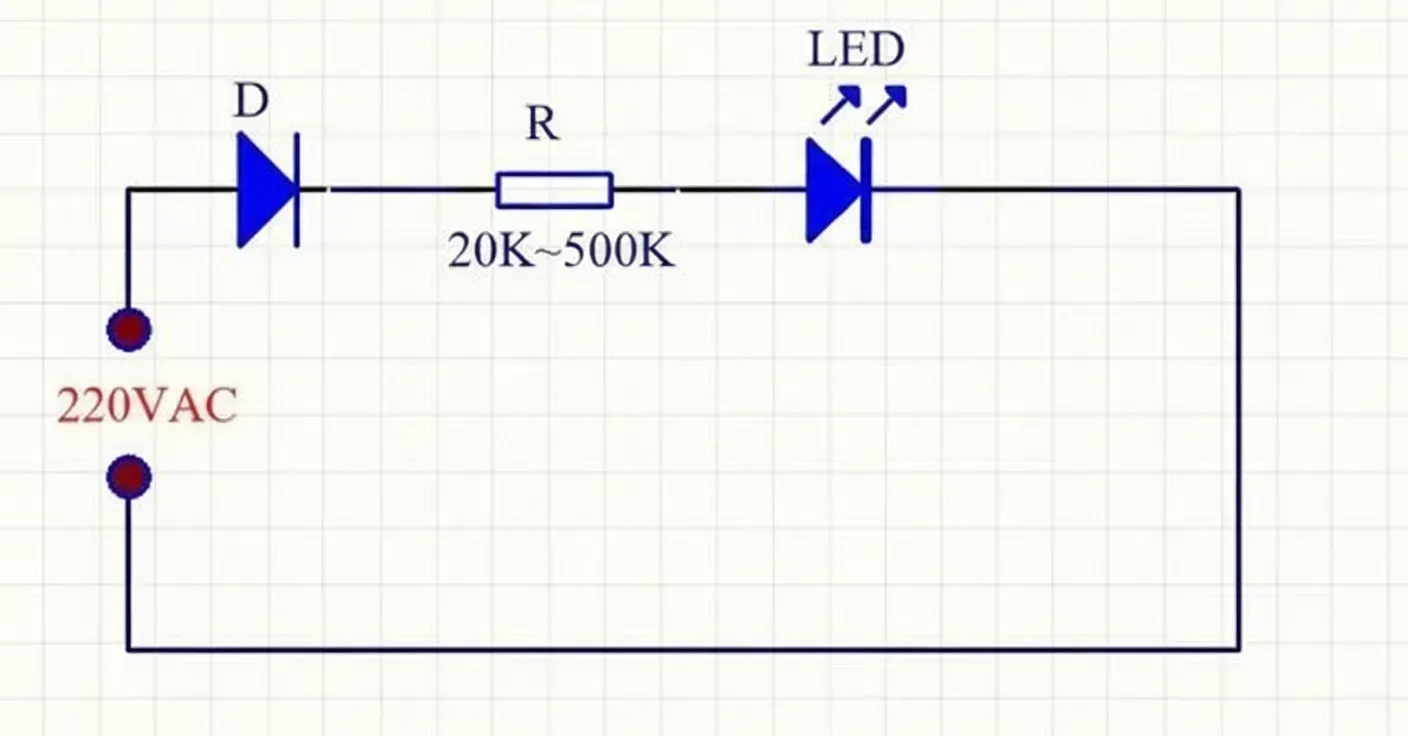
Series and Parallel LED Circuits on 220 V AC

Beyond FR-4: Exploring High-Performance Renewable Substrates for PCBs
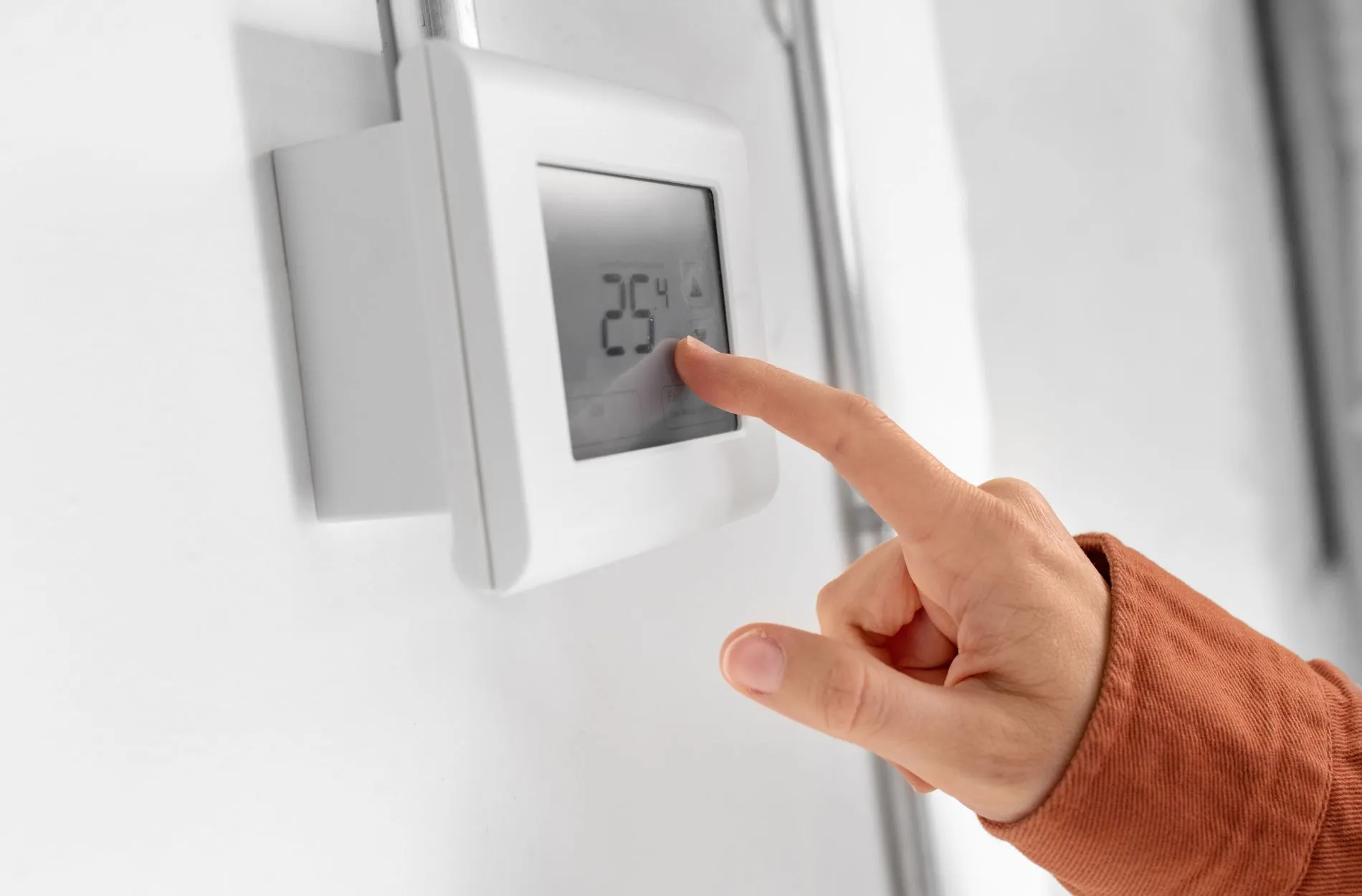
Why Temperature Sensors Give Inaccurate Readings
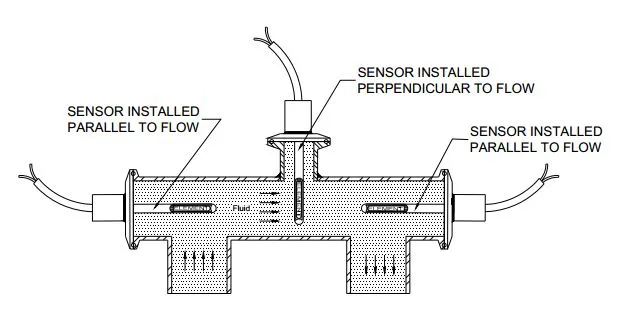
RTD Sensor Operation, Installation, and Precautions

What Is Dynamic Range and How to Improve It
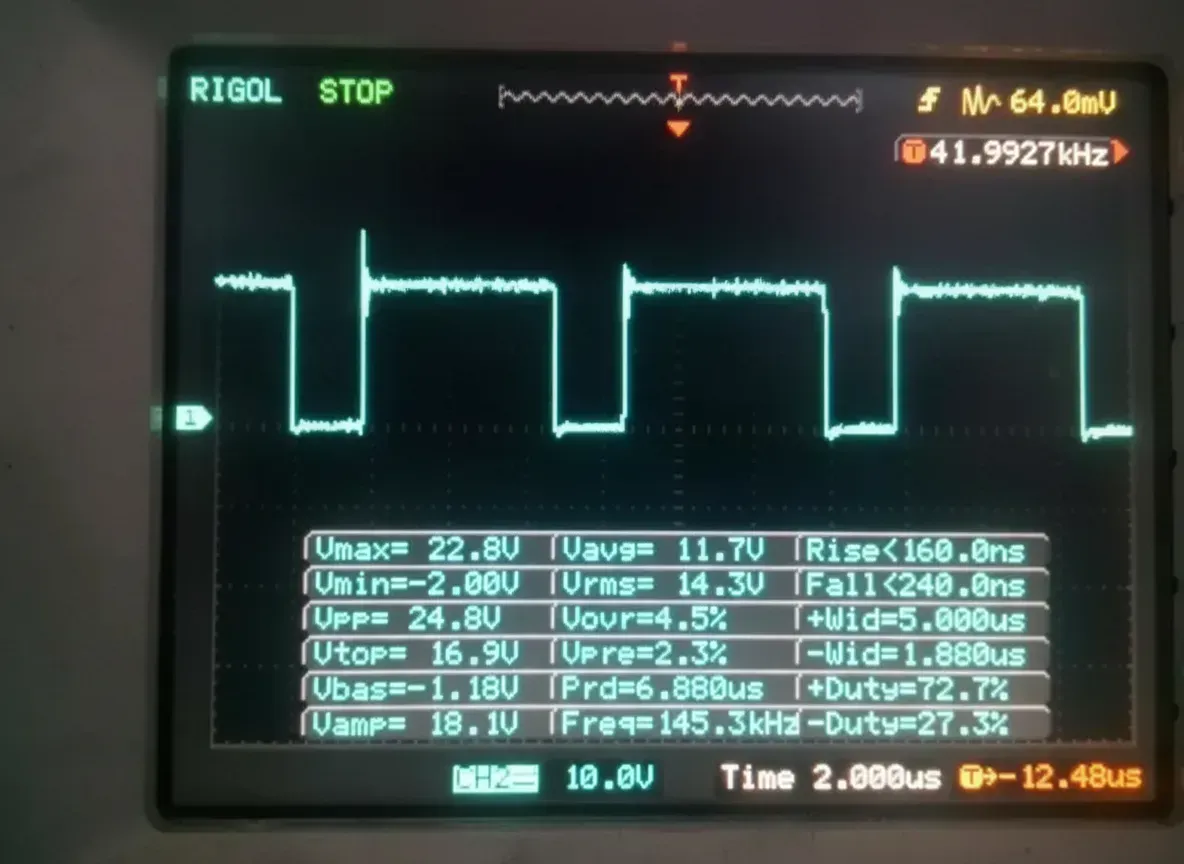
MOSFET Smoking Within Ten Seconds Under Load
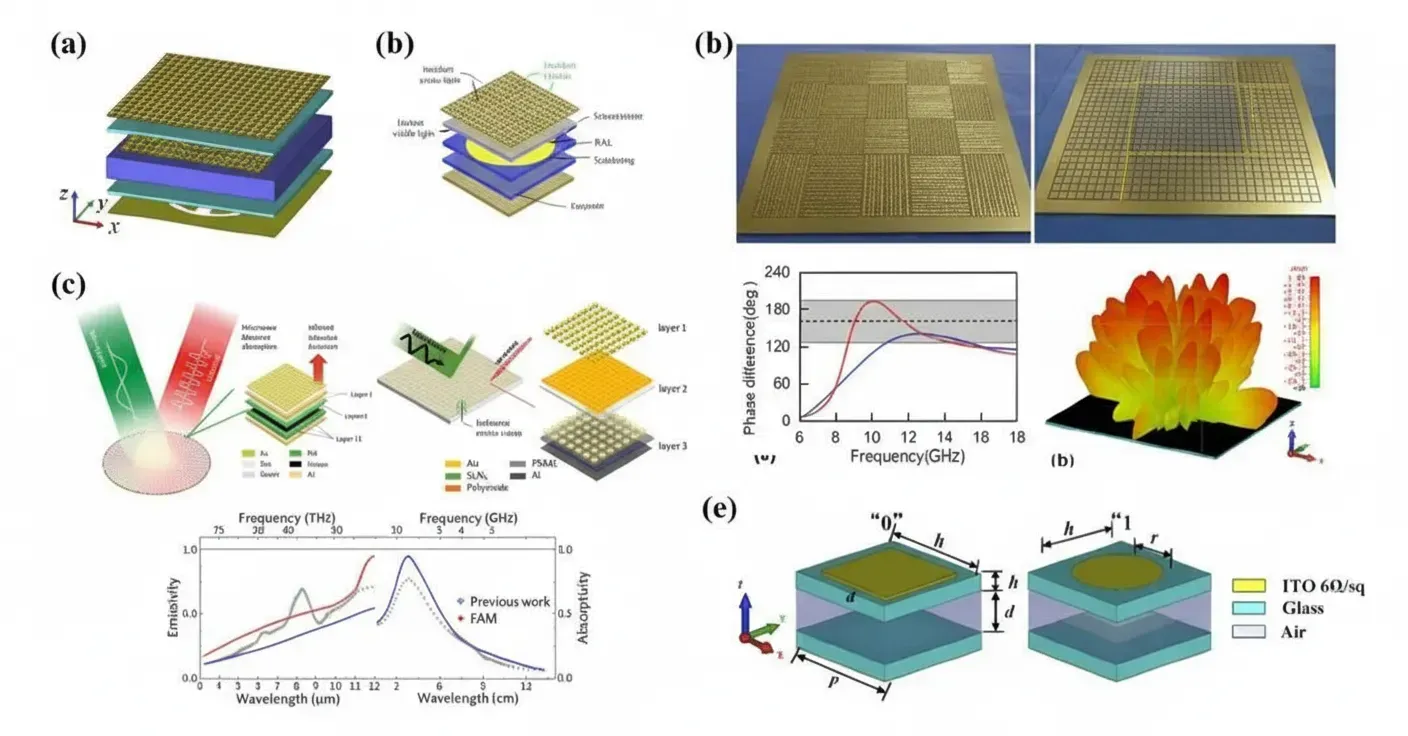
Micro- and Nano-Photonic Structures for Multiband Camouflage
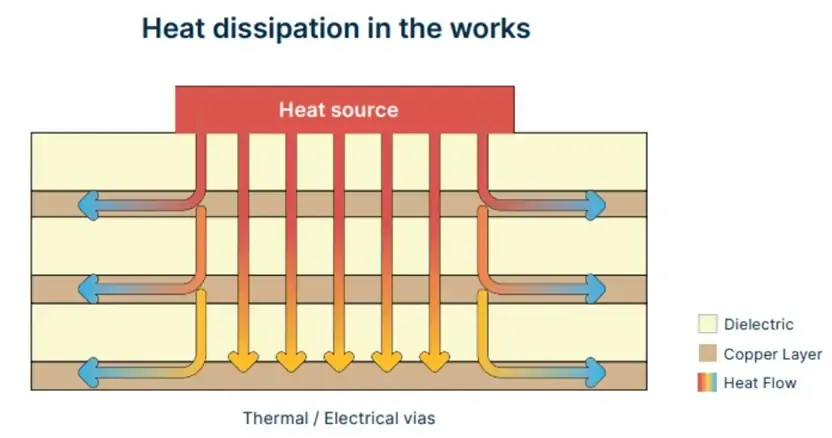
Understanding Thermal Resistance in PCBs: A Key Metric for Effective Cooling
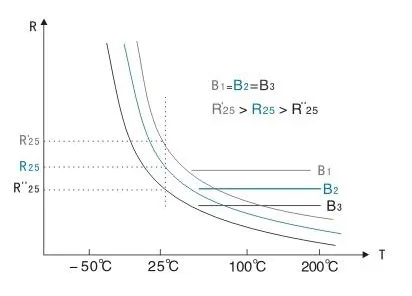
NTC Thermistor Applications, Characteristics & PCB Design Considerations
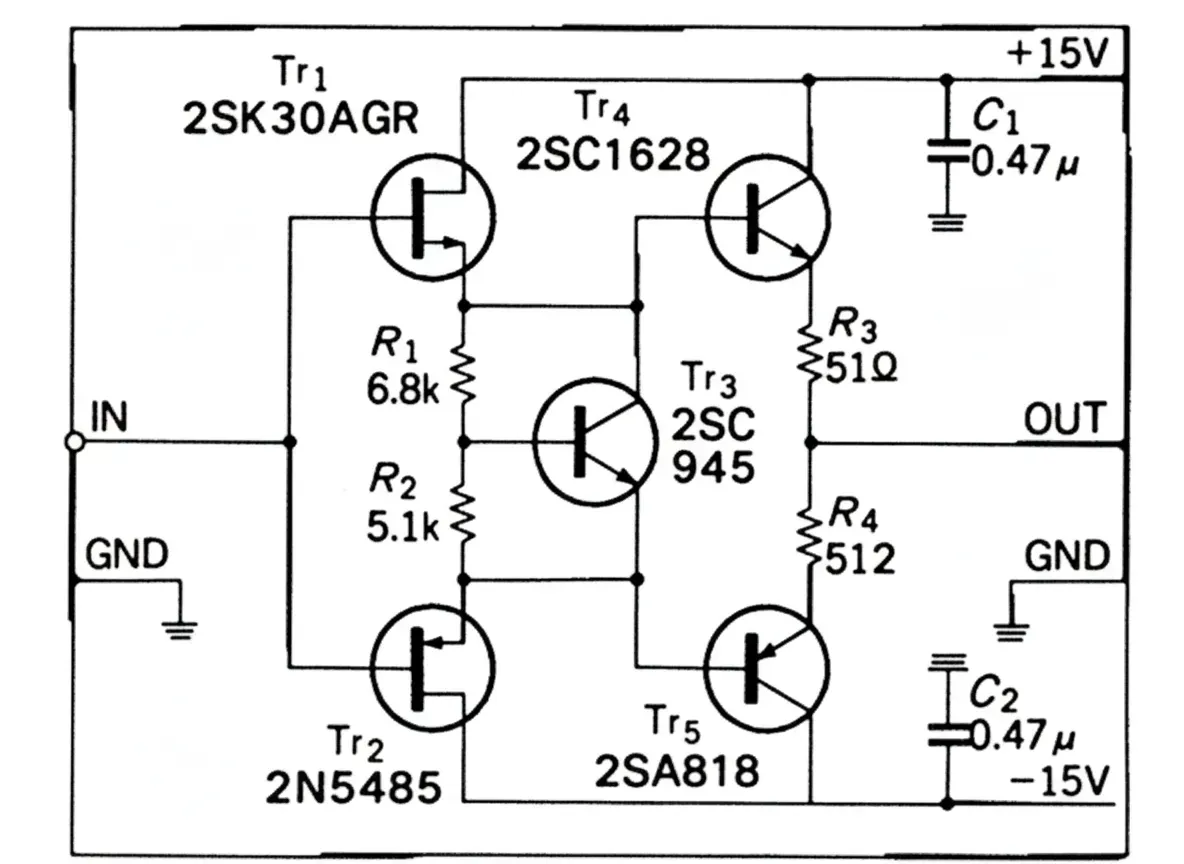
Push-Pull Buffer Amplifier Using Complementary FETs
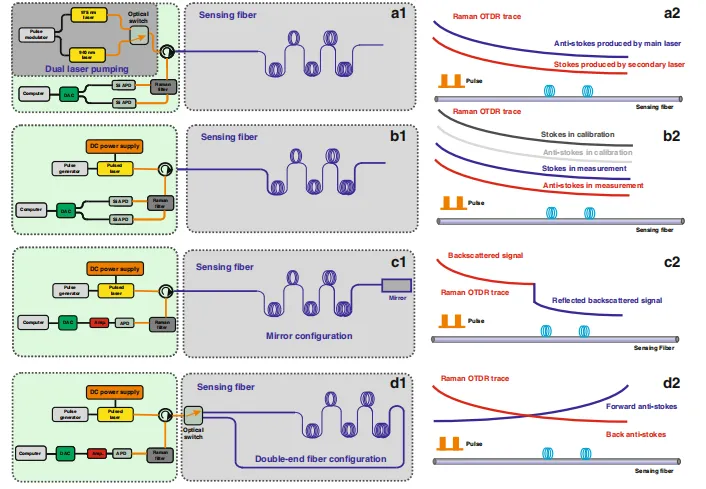
Raman Distributed Fiber Temperature Sensing with Centimeter Resolution
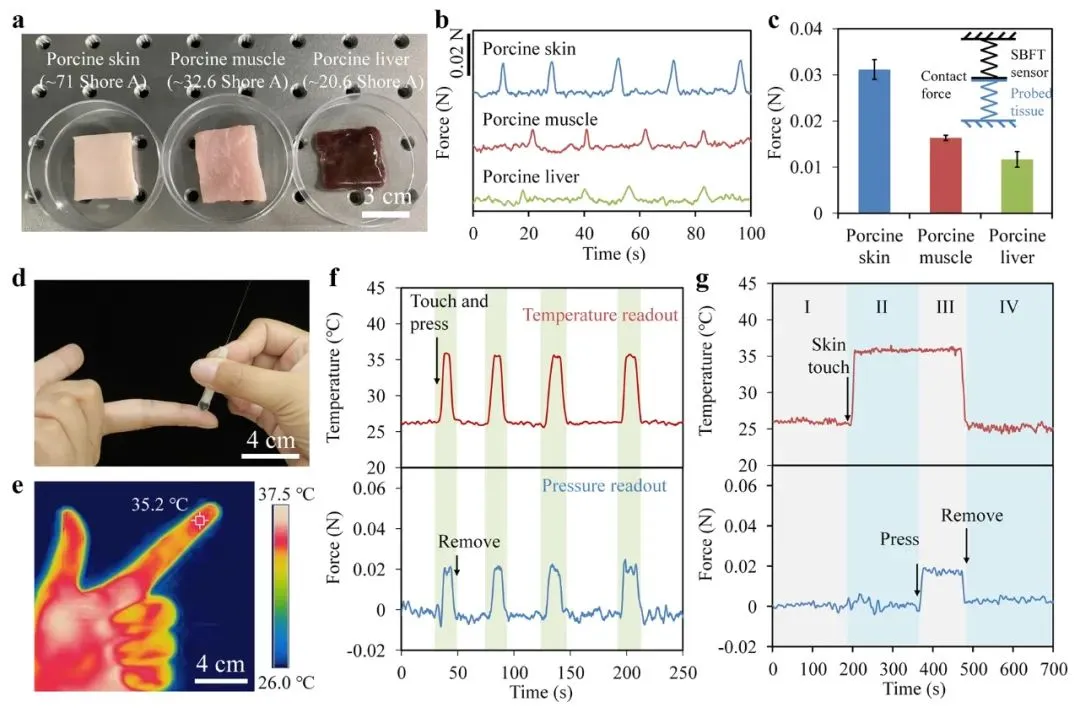
Flexible Bionic Fiber-Optic Tactile Sensor Mimicking Skin
Is Thermal Imaging Becoming Mainstream?
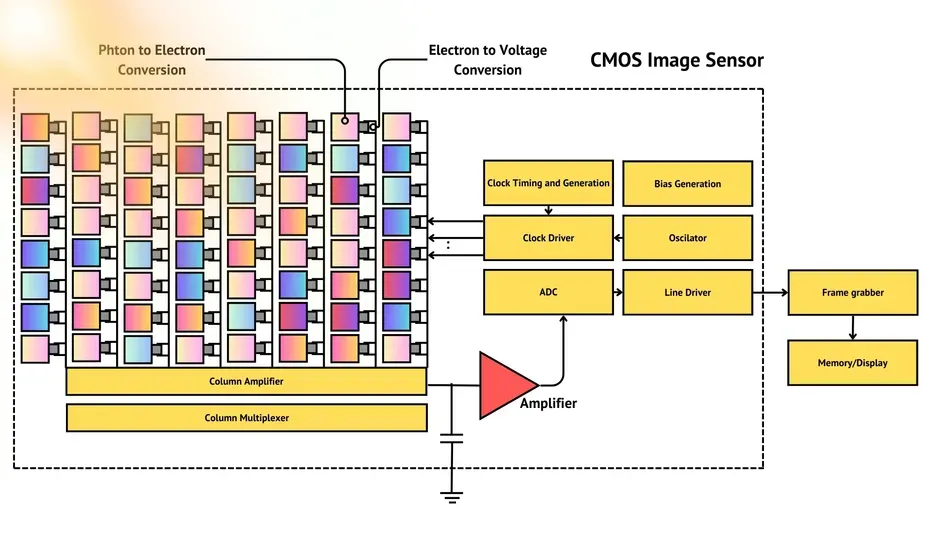
Quantum Dot Image Sensors versus CMOS: Operating Principles, Advantages, and Electronic System Integration
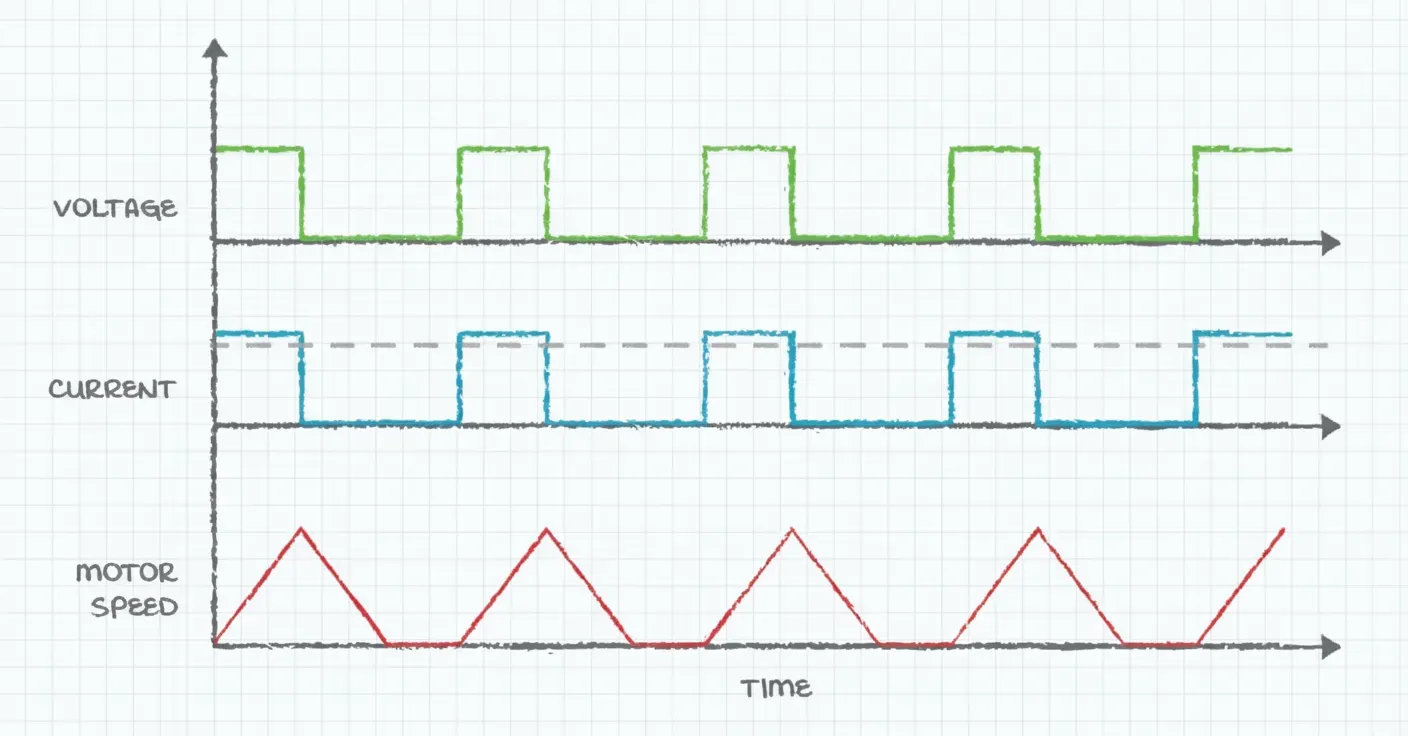
Overcurrent Protection Mechanisms for Power Supplies