


PCB Design
Printed Circuit Board (PCB) design forms the backbone of modern electronics, enabling the creation of compact, efficient, and reliable devices that power everything from smartphones to industrial machinery. In this category, readers gain access to a comprehensive collection of resources dedicated to mastering PCB design principles and techniques. Whether you are a seasoned engineer refining complex layouts or a newcomer learning the fundamentals, these articles provide the knowledge needed to tackle real-world challenges in electronics development. The scope of PCB design covered here extends from initial schematic capture to final board fabrication and testing. Articles delve into essential topics such as layer stacking, signal integrity, thermal management, and component placement strategies. Guides and tutorials offer step-by-step instructions for using popular software tools like Altium Designer and KiCad, while insights explore emerging trends like flexible PCBs and high-speed designs. Best practices emphasize error reduction, cost optimization, and compliance with industry standards, ensuring designs are not only functional but also manufacturable at scale. Real-world applications highlight the category's practical value, demonstrating how effective PCB design contributes to innovations in automotive systems, medical equipment, renewable energy solutions, and consumer gadgets. By addressing common pitfalls and sharing expert tips, these pieces equip professionals to enhance product performance and reliability. Readers benefit from building a deeper understanding through interconnected articles that cover foundational concepts alongside advanced methodologies, fostering continuous improvement in electronics projects. For those involved in prototyping or production, the technical relevance of this content lies in its focus on efficiency and innovation. Detailed discussions on impedance control, EMI shielding, and design for manufacturability prepare you to meet the demands of today's fast-paced tech landscape. Engaging with multiple articles in this category allows for a progressive learning path, where foundational knowledge supports exploration of specialized topics, ultimately leading to more robust and innovative PCB designs.
Featured Blog
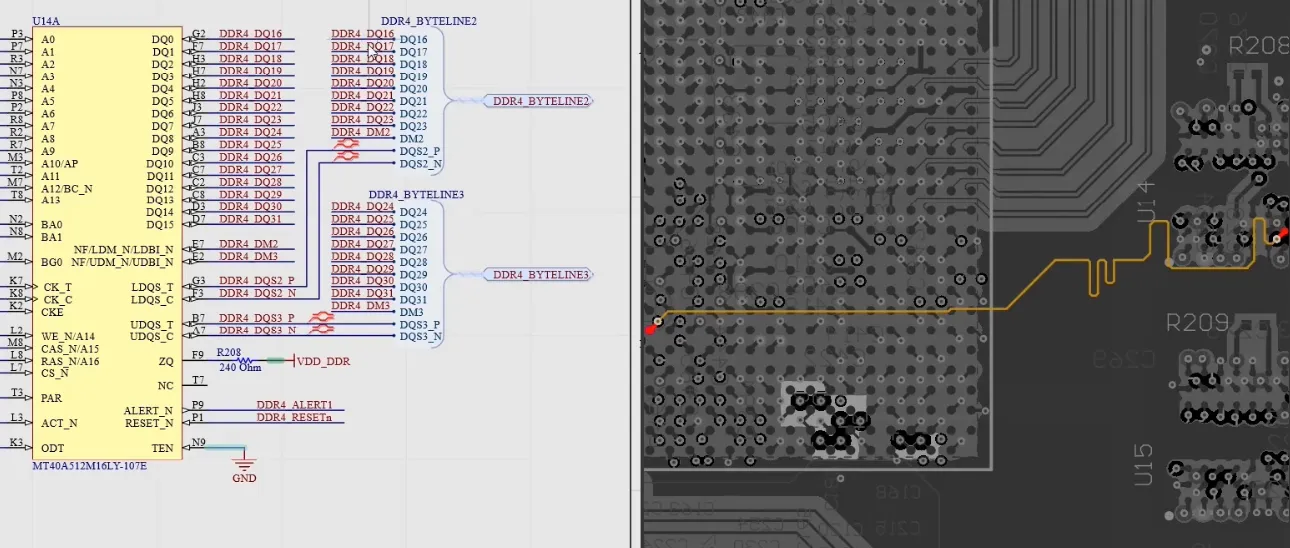
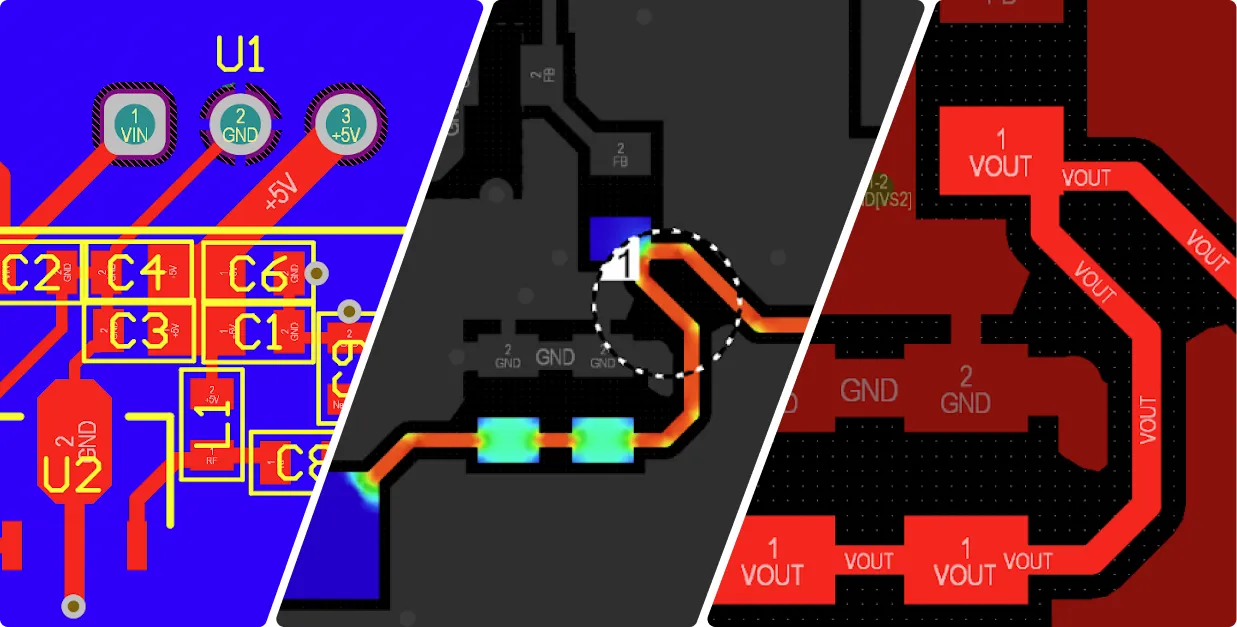
PCB Design Review for Beginners: A Step by Step Guide
Learn how to perform a PCB design review with a practical checklist covering schematics, layout, DRC, manufacturability, and pre-production checks.
Latest Blogs

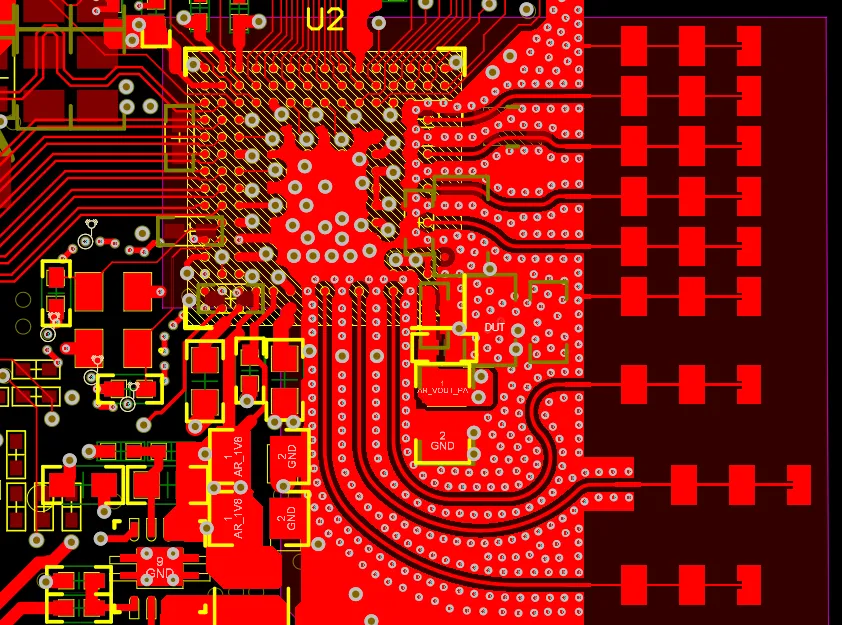
Understanding Radar Principles Through Animated Visuals
Engineering guide to radar operation, scanning, FMCW waveforms, phased-array beamforming, gesture and automotive applications, with RF front-end and PCB design considerations.

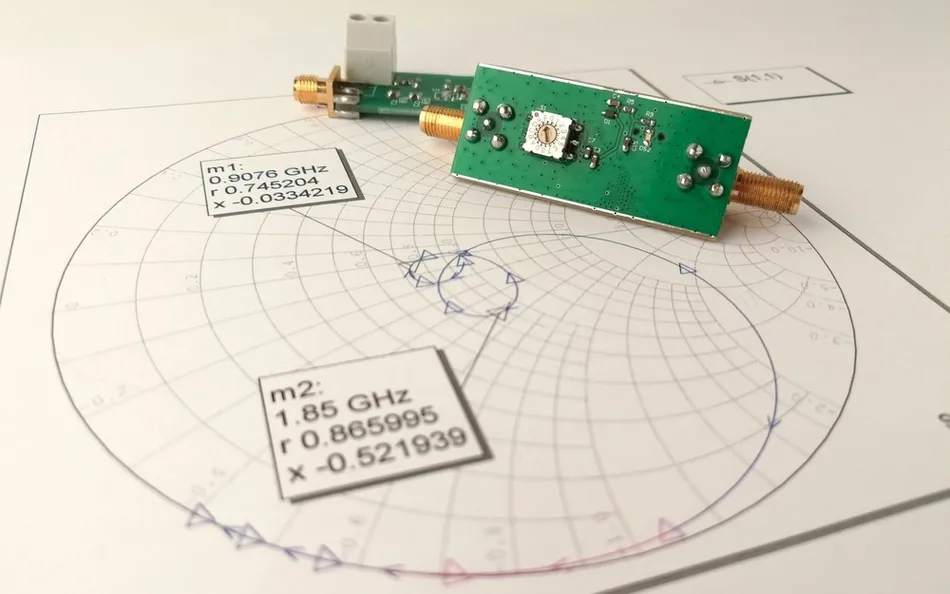
PCB Design for UAV Flight Controllers, ESCs, and RF Links
Engineering guide to UAV PCB design for flight controllers, ESCs, and RF modules, emphasizing blind vias, controlled impedance, copper weight, and via plating thickness.

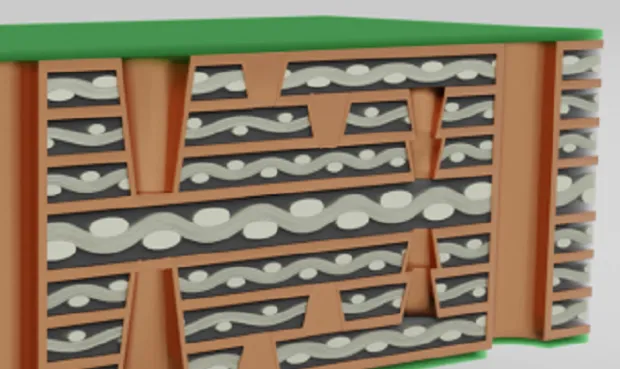
PCB Panelization Design Optimization and Practical Considerations
Learn PCB panelization methods, including V-scoring, mouse bites, and bridge connections, while optimizing process edges, depanelization, cost, and production efficiency.
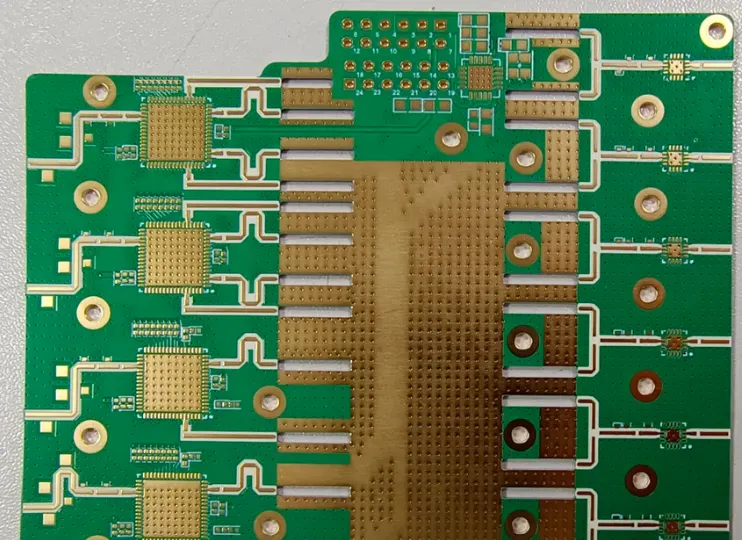
From Signal Frequency to Signal Integrity: What Is the Fundamental Difference Between High-Frequency and High-Speed PCBs?
Compare high-frequency and high-speed PCBs, covering frequency versus timing, Dk/Df materials, PTFE, signal integrity, applications, and design priorities.
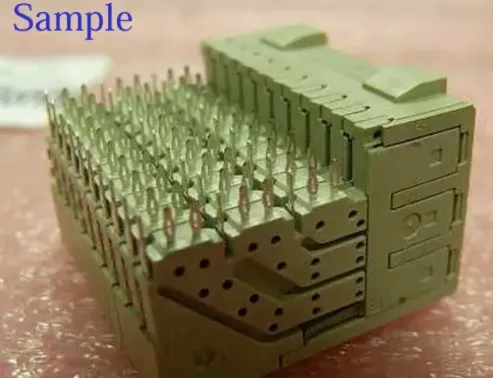
Press-Fit PCB Hole Design Standards and Process Best Practices
Technical guide to press-fit PCB hole design: PTH copper thickness 1 mil minimum, drill size calculation, routing near pin shoulders, keep-out zones per IPC-9797.
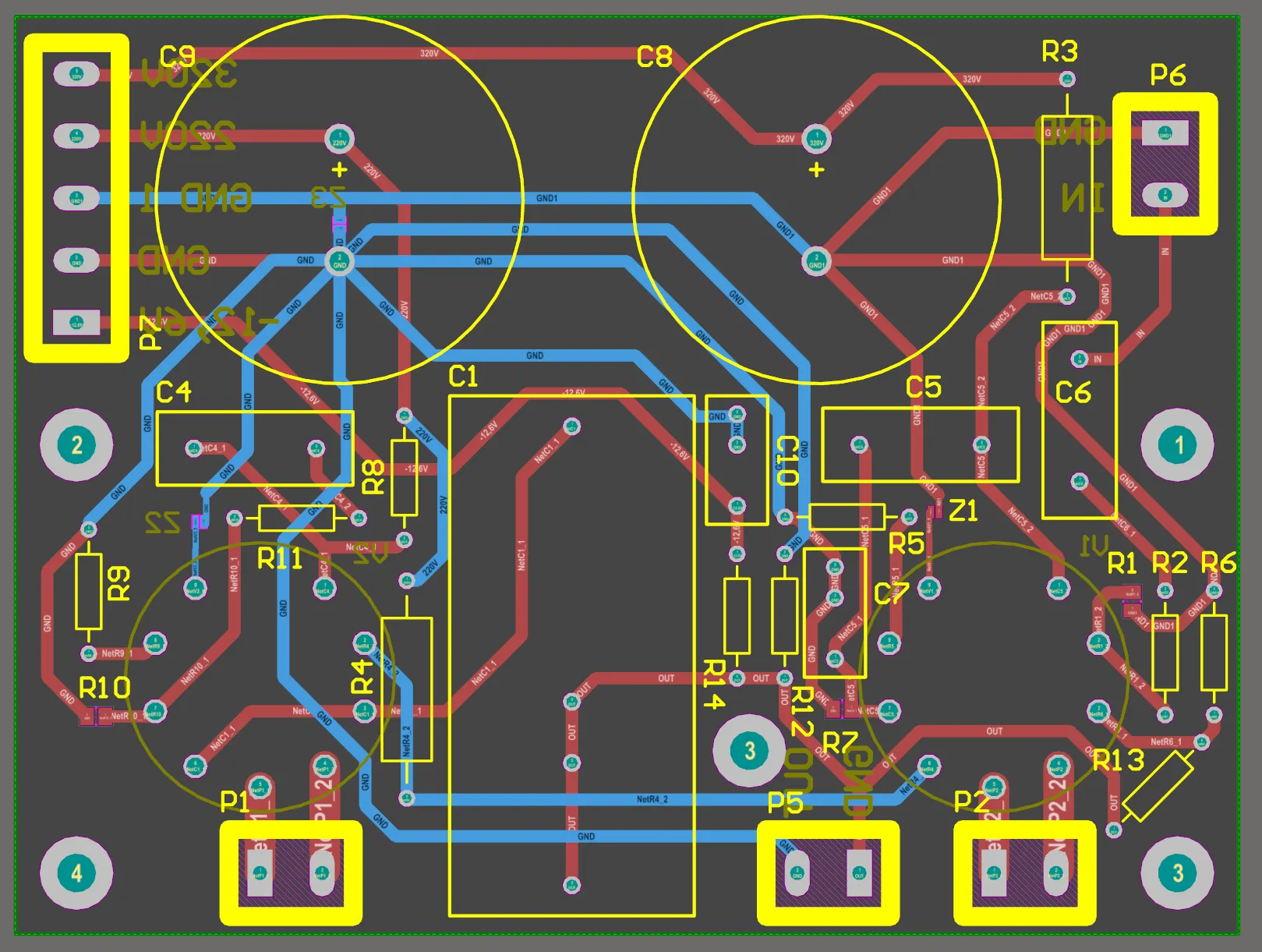
Grounding Fundamentals and Its Critical Role in Electrical and Electronic Systems
Grounding fundamentals for engineers: protective earth vs signal ground, analog/digital separation, return-path design, plus PCB and audio grounding practices.

Should You Use Solid or Hatched Copper Pour on PCBs?
Guide to choosing solid vs hatched copper pour on PCBs: impact on return paths, EMI, power integrity, and manufacturability, with stitching via and thermal design tips.
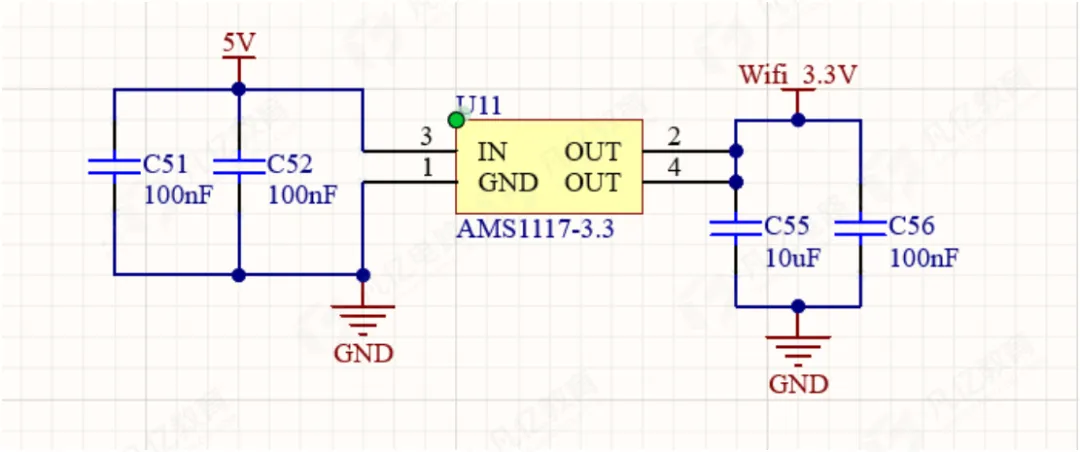
PCB Design Essentials for LDO Power Supplies
LDO regulator PCB layout guide covering placement topologies, input/output capacitor selection, grounding and return paths, via and trace sizing, thermal design, noise and PSRR.
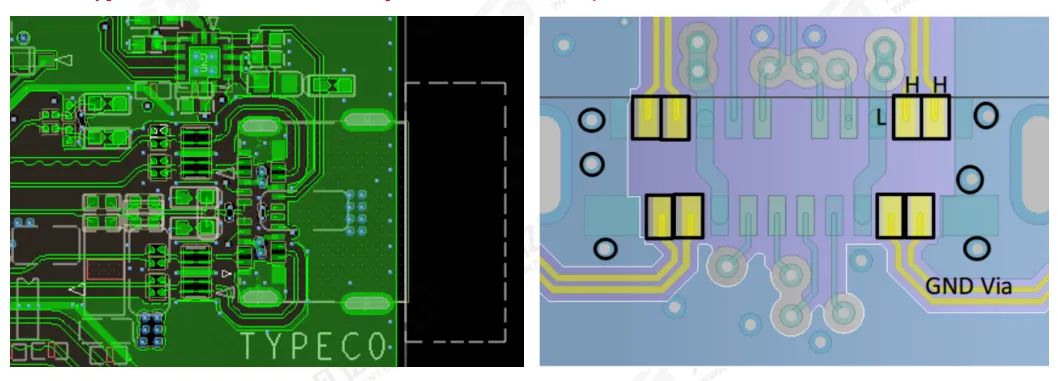
USB PCB Layout: USB-C Routing, Differential Pairs, and EMI Guidelines
Learn USB PCB layout guidelines for USB 2.0, USB 3.x, and USB Type-C. Explore differential pair routing, impedance control, connector placement, ESD protection, and EMI troubleshooting.
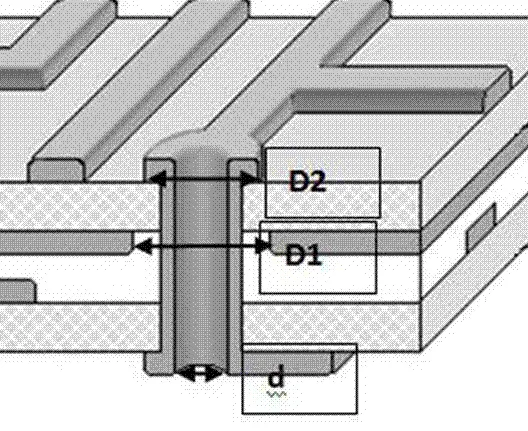
Why High-Speed PCB Traces Should Not Use Too Many Vias
How via parasitic capacitance affects high-speed PCB signal integrity, with practical via sizing (e.g., 10/20/36), drill-to-thickness ratio, and routing guidelines.
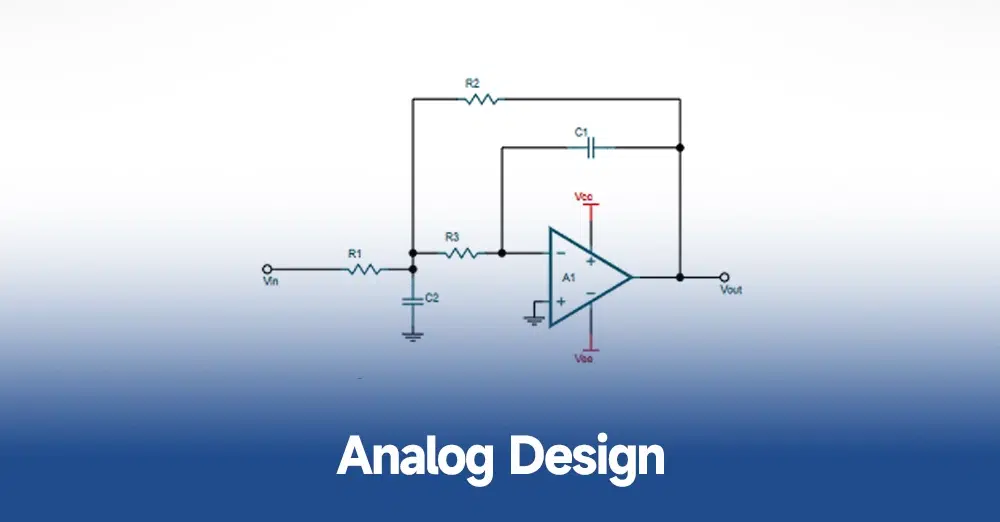
The Nine Stages of Analog Circuit Design
Engineer-focused overview of the nine stages of analog IC design: from first devices to system-level trade-offs, with practical SPICE usage, tape-out lessons, and reliability.
Understanding Ground in Electronic Circuits: Digital Ground vs. Analog Ground
Explains ground as a circuit reference, contrasts digital ground vs analog ground, and outlines return-path control with single-point connections and selective bridging.


