


PCB Design
Printed Circuit Board (PCB) design forms the backbone of modern electronics, enabling the creation of compact, efficient, and reliable devices that power everything from smartphones to industrial machinery. In this category, readers gain access to a comprehensive collection of resources dedicated to mastering PCB design principles and techniques. Whether you are a seasoned engineer refining complex layouts or a newcomer learning the fundamentals, these articles provide the knowledge needed to tackle real-world challenges in electronics development. The scope of PCB design covered here extends from initial schematic capture to final board fabrication and testing. Articles delve into essential topics such as layer stacking, signal integrity, thermal management, and component placement strategies. Guides and tutorials offer step-by-step instructions for using popular software tools like Altium Designer and KiCad, while insights explore emerging trends like flexible PCBs and high-speed designs. Best practices emphasize error reduction, cost optimization, and compliance with industry standards, ensuring designs are not only functional but also manufacturable at scale. Real-world applications highlight the category's practical value, demonstrating how effective PCB design contributes to innovations in automotive systems, medical equipment, renewable energy solutions, and consumer gadgets. By addressing common pitfalls and sharing expert tips, these pieces equip professionals to enhance product performance and reliability. Readers benefit from building a deeper understanding through interconnected articles that cover foundational concepts alongside advanced methodologies, fostering continuous improvement in electronics projects. For those involved in prototyping or production, the technical relevance of this content lies in its focus on efficiency and innovation. Detailed discussions on impedance control, EMI shielding, and design for manufacturability prepare you to meet the demands of today's fast-paced tech landscape. Engaging with multiple articles in this category allows for a progressive learning path, where foundational knowledge supports exploration of specialized topics, ultimately leading to more robust and innovative PCB designs.
Featured Blog
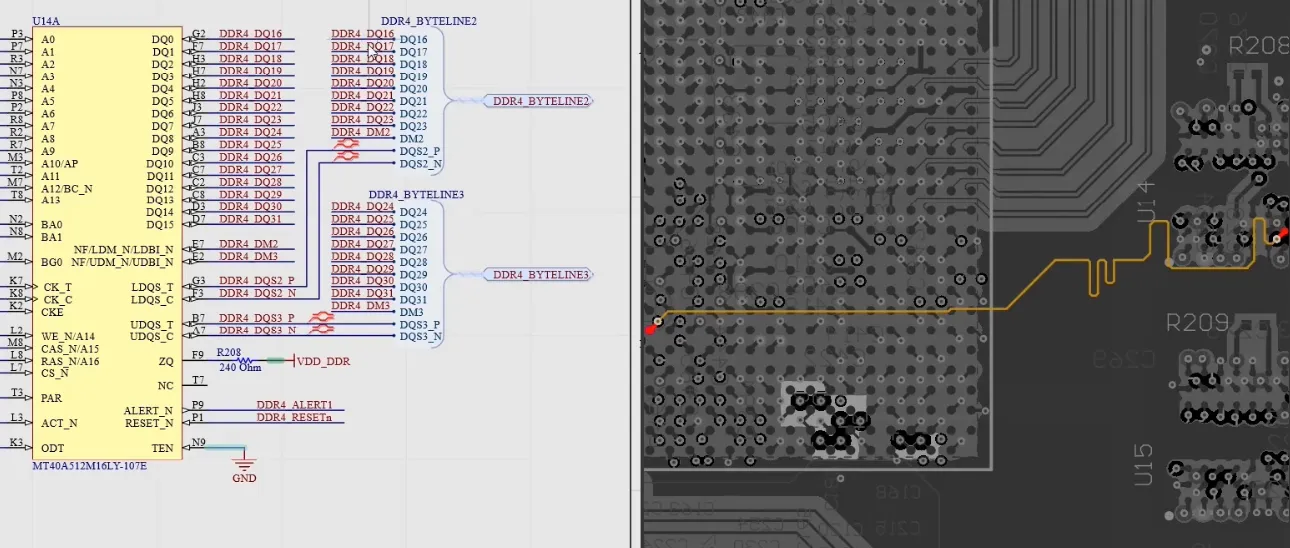
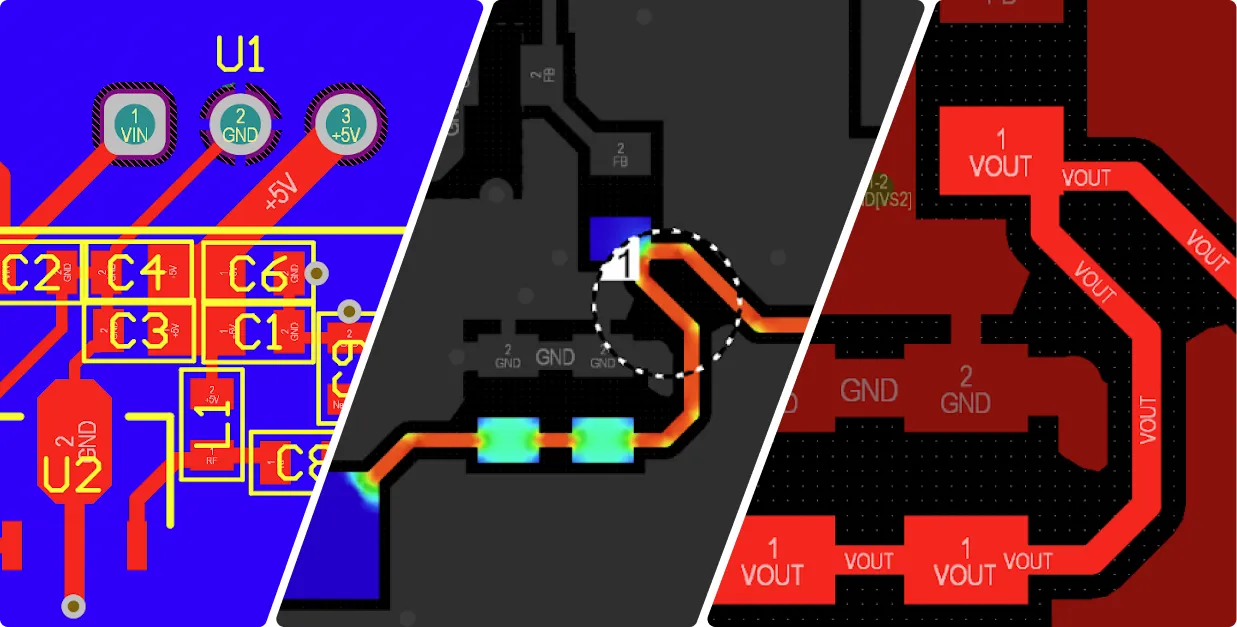
PCB Design Review for Beginners: A Step by Step Guide
Learn how to perform a PCB design review with a practical checklist covering schematics, layout, DRC, manufacturability, and pre-production checks.
Latest Blogs
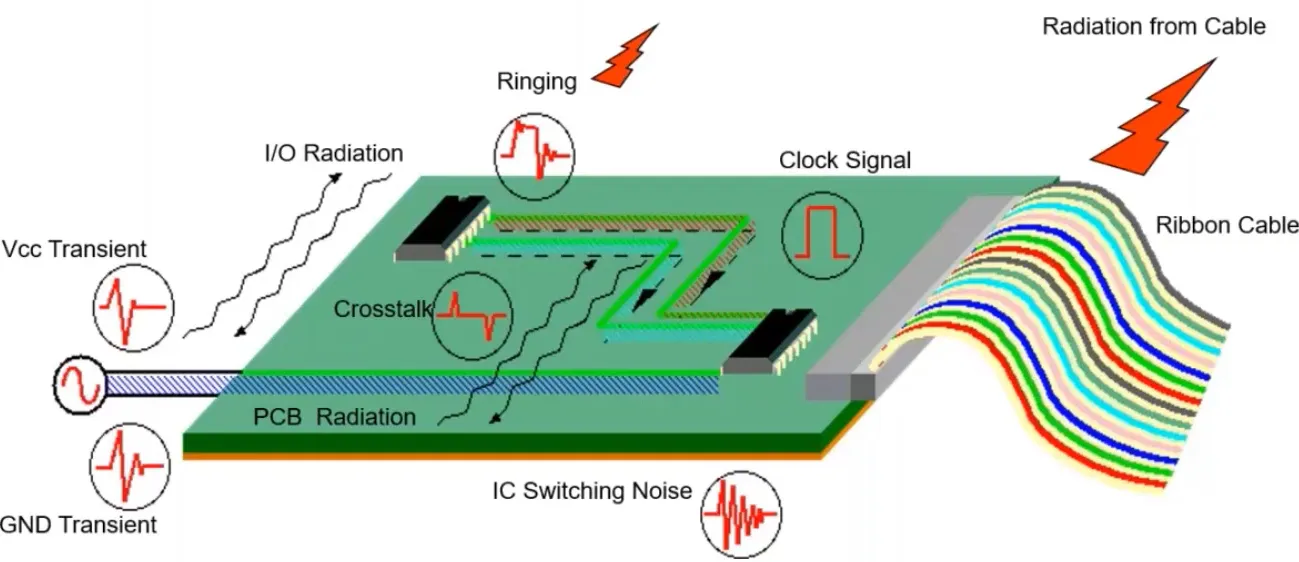
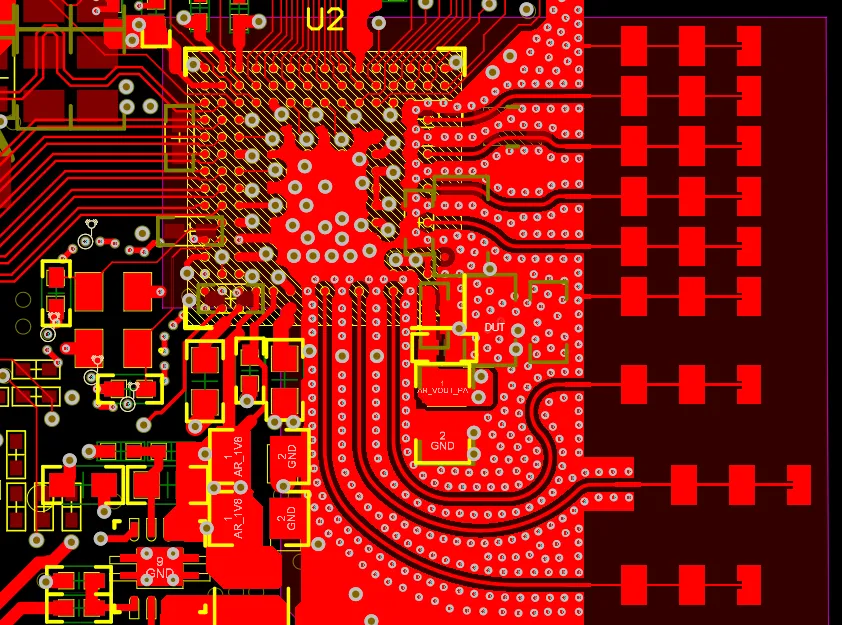
Nine Practical Rules for EMI Control in High-Speed PCB Design
Nine rules for EMI in high-speed PCB design: stackup, return paths, edge-rate control, differential routing, PDN design, and connector/chassis interfaces.
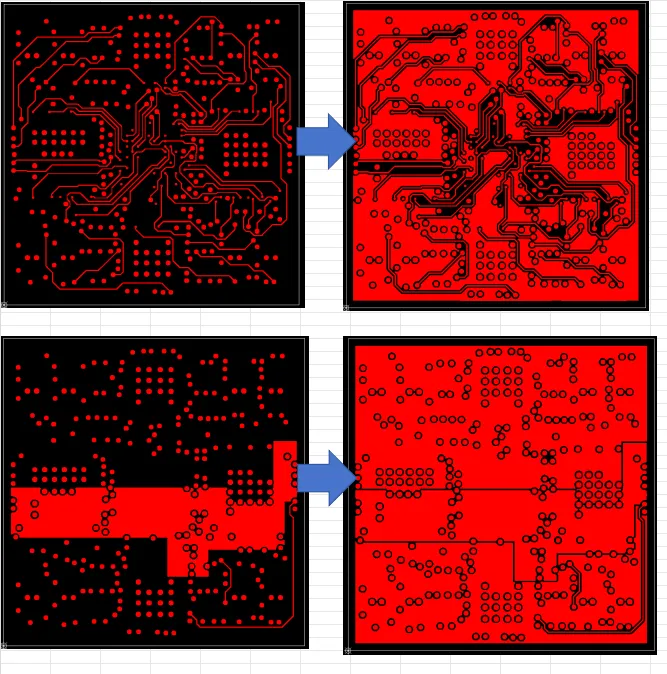
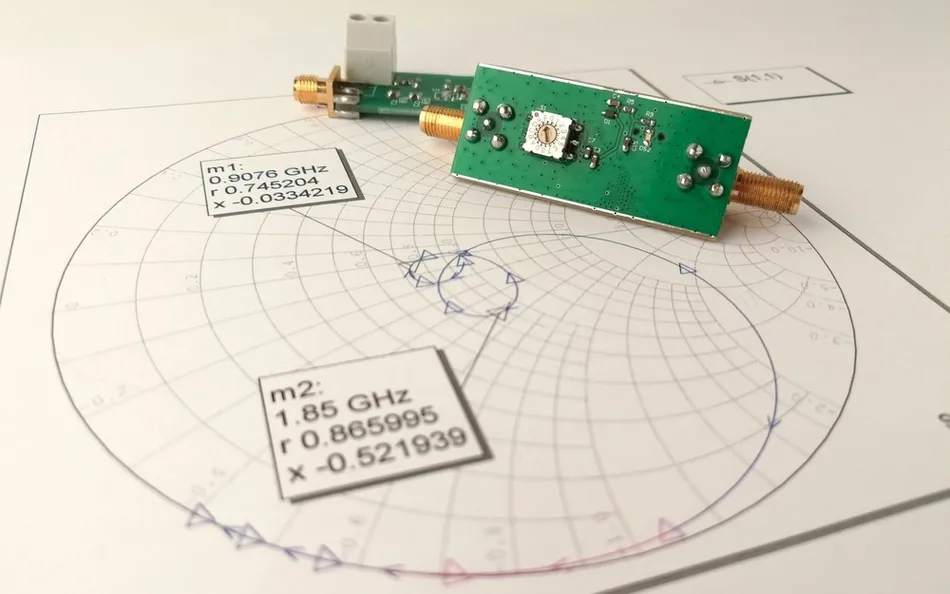
13 Common PCB Design Mistakes—and How to Avoid Them
Thirteen common PCB design mistakes and how to avoid them, focusing on stackup planning, return-path control, signal integrity, routing, and verification.
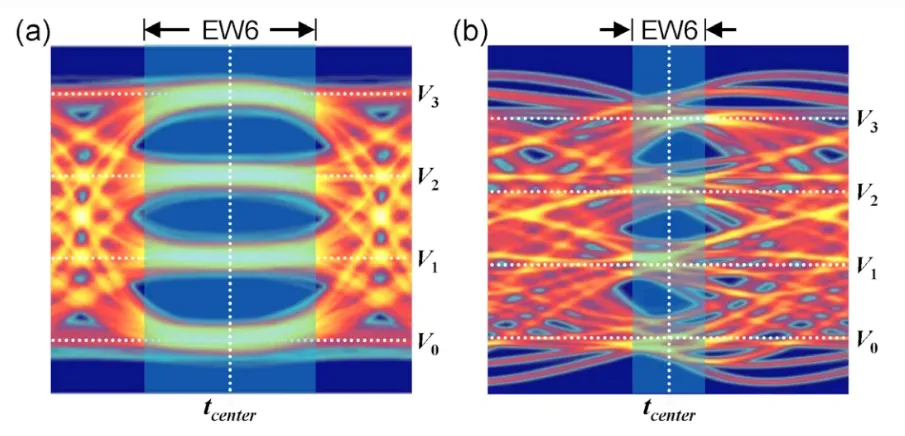
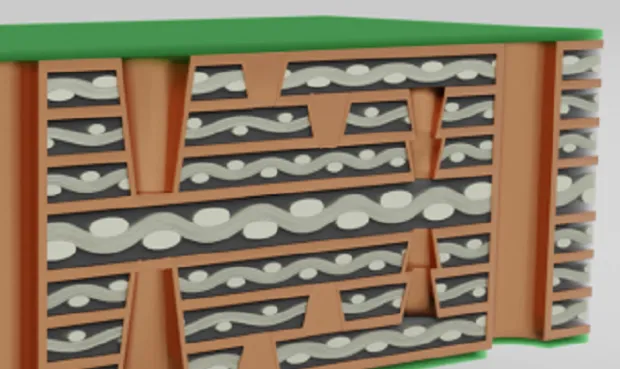
PCIe 7.0 at 128 GT/s: PCB Difficulty Isn’t Just “Shorter Traces”
PCIe 7.0 at 128 GT/s: why loss budgeting, via return paths, wideband S-parameters, and end-to-end channel sign-off are essential for high-speed PCB design.
When Is It Worth Keeping a Power Plane on a Four-Layer PCB?
Guidance for four-layer PCB design: decide whether L3 stays a power plane by evaluating power distribution, reference continuity, impedance, voltage drop, and trial routing.
Maintaining PCB Signal Integrity in Harsh Environments: Challenges and Practical Guidelines
Practical methods to maintain PCB signal integrity in harsh environments: materials, controlled-impedance routing, grounding/decoupling, thermal, and verification/testing.

Cadence Allegro PCB Multi?Trace Routing and Spacing Control
Cadence Allegro multi-trace routing: prepare bus fanout, route nets in parallel, and control trace pitch via spacing modes to balance signal integrity and manufacturability.

Signal Integrity vs. Power Integrity: Which Should Come First?
A practical engineering guide comparing signal integrity and power integrity, covering SI/PI modeling, PDN decoupling, DC IR drop, SSN, via-PDN interactions, and PCB design methods for robust high-speed systems.
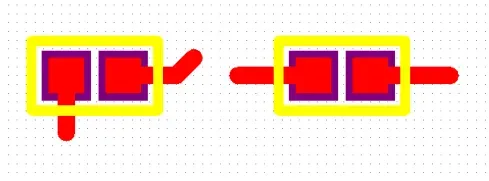
Practical Pad Naming Conventions in PCB Layout Libraries
Practical pad naming convention for PCB libraries: encode geometry in names to standardize SMD, through-hole, and thermal pads, enabling faster reviews and EDA automation.

Using Glass Fiber Mesh to Improve PCB Etching Speed and Uniformity
A practical engineering guide showing how a glass fiber mesh under a PCB improves etchant flow, speeds up etching, and enhances uniformity, with test observations, mechanisms, and safety tips.

Root Causes of Poor Signal Integrity in PCB Designs
An engineering analysis of why signal integrity degrades in digital systems, covering DC voltage drops, power and ground noise, crosstalk, reflections, and edge distortion, with determining factors and practical implications for PCB design.
How Far from the Last DRAM Should the DDR End-Termination Resistor Be?
Practical analysis of DDR3 fly-by termination placement. Simulations at 533 MHz compare 100, 300, 500, and 1000 mil distances, showing why shorter end-termination segments improve eye diagrams and reduce overshoot/undershoot.
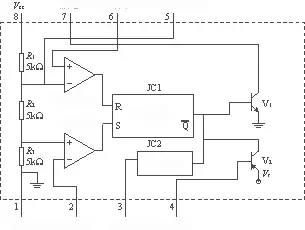
Common Protection Circuits for Power and Electronics: Overcurrent, Overvoltage, Overtemperature, No-Load, and Short-Circuit
Practical protection circuits for motors, inverters, lithium-ion chargers, and SMPS, including PTC-based thermal shutdown, reverse-battery and undervoltage protection, lithium battery protection ICs, and overcurrent methods using sense resistors, comparators, current transformers, and 555-based hiccup control.


