 04:31
04:31
HDI Flexible PCB
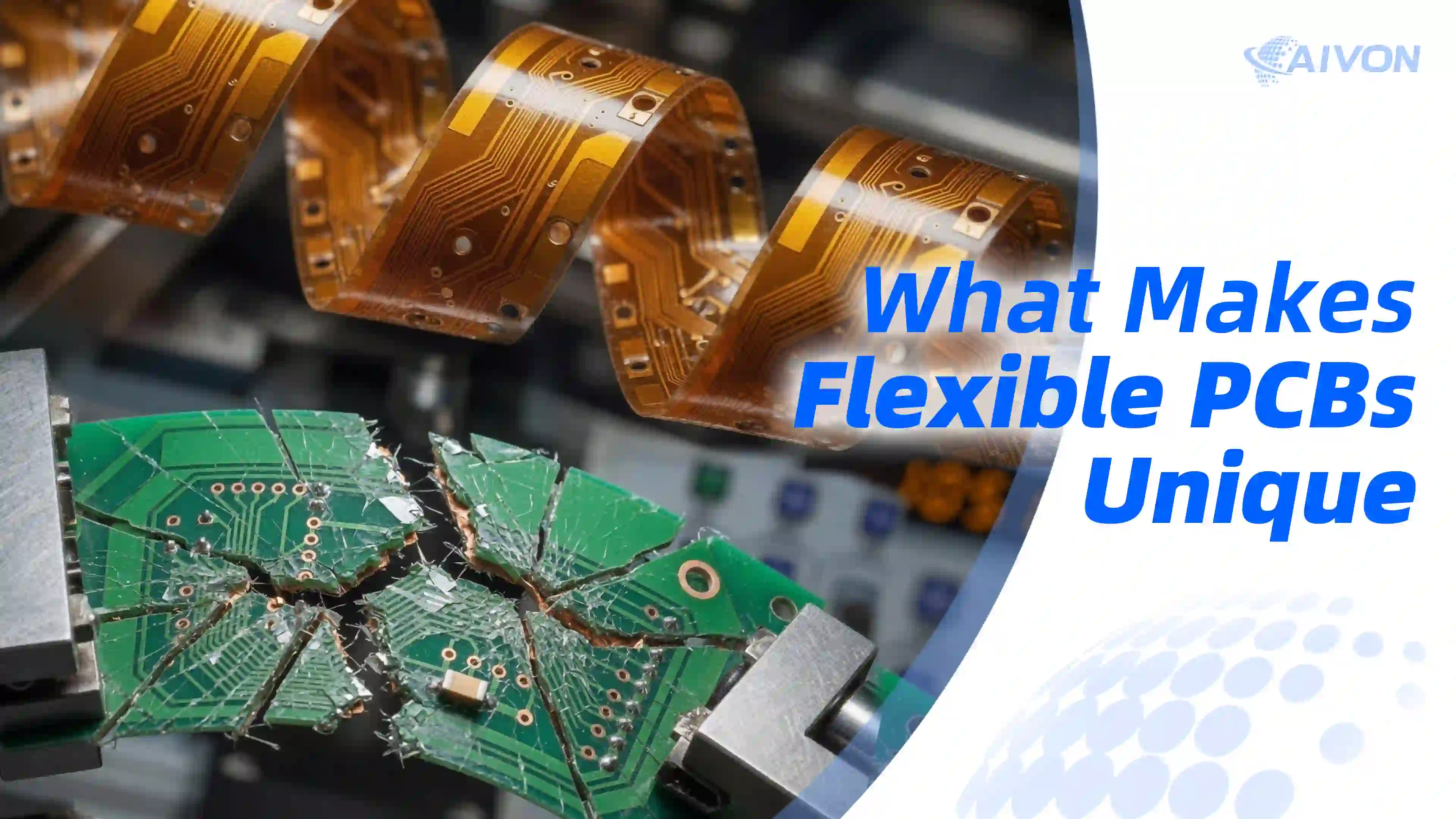
High Density Interconnect (HDI) Flexible PCBs represent a cutting-edge fusion of advanced circuit density and mechanical flexibility, enabling the design of compact, reliable electronics that can bend, fold, or conform to irregular shapes. These boards are essential in modern applications where space constraints and dynamic movement are critical factors, such as in wearable devices, medical implants, automotive sensors, and aerospace systems. By incorporating microvias, fine lines, and multiple layers on flexible substrates like polyimide, HDI Flexible PCBs achieve higher component density without sacrificing durability or signal integrity. For engineers and designers searching for HDI Flexible PCB solutions, this tag serves as a comprehensive resource, offering insights into their construction, advantages over rigid alternatives, and integration into high-performance products. Understanding the practical applications of HDI Flexible PCBs can significantly enhance your project outcomes. These boards excel in environments requiring miniaturization and resilience, such as smartphones, where they support complex routing in limited spaces, or in flexible displays that demand seamless electrical performance under repeated flexing. Key best practices include selecting appropriate materials to withstand thermal and mechanical stress, optimizing via structures for minimal signal loss, and employing advanced manufacturing techniques like laser drilling for precise interconnects. Addressing common challenges, such as managing impedance control or ensuring adhesion between layers, is crucial to avoid failures in production. Articles within this tag delve into these topics, providing detailed case studies and design guidelines that help you implement HDI Flexible PCBs effectively in your prototypes or scaled manufacturing. For those tackling specific design hurdles or seeking to innovate in flexible electronics, the content here equips you with actionable strategies. From evaluating cost-effective fabrication methods to exploring emerging trends like hybrid rigid-flex HDI designs, these resources draw on real-world examples to inform your decisions. Browsing the tagged articles can reveal tailored advice on testing protocols, material selection, and compliance with industry standards, empowering you to push the boundaries of what's possible in compact, flexible circuitry.
Video Guide
Technical Articles

VR Headset PCB Prototyping: Fast and Cost-Effective Methods
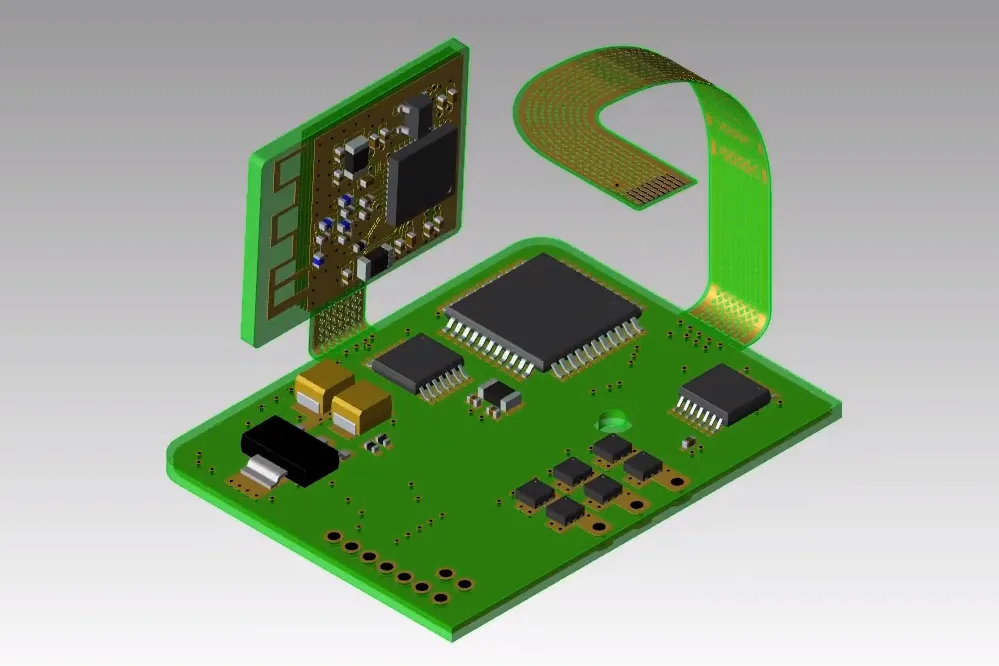
Rigid-Flex PCBs: The Ultimate Solution for Complex Wearable Health Monitors
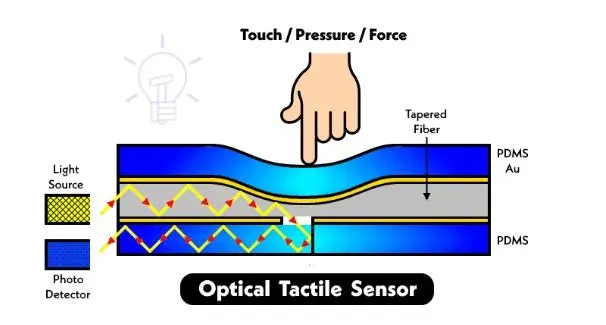
Tactile Sensors: Principles, Types, and Integration in Electronics and Robotics
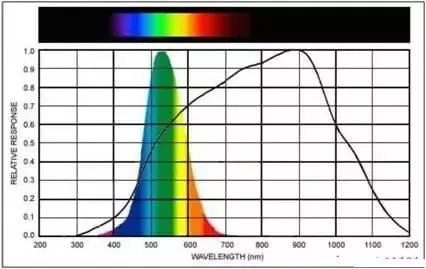
Ambient Light Sensors: Principles, Electrical Specs, and PCB Integration for Electronics Design
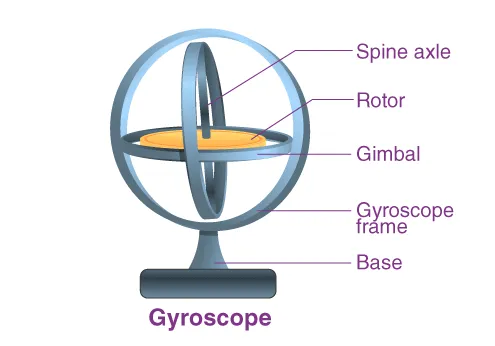
MEMS Gyroscopes: Operating Principles, Electronic Integration, and PCB Manufacturing Requirements
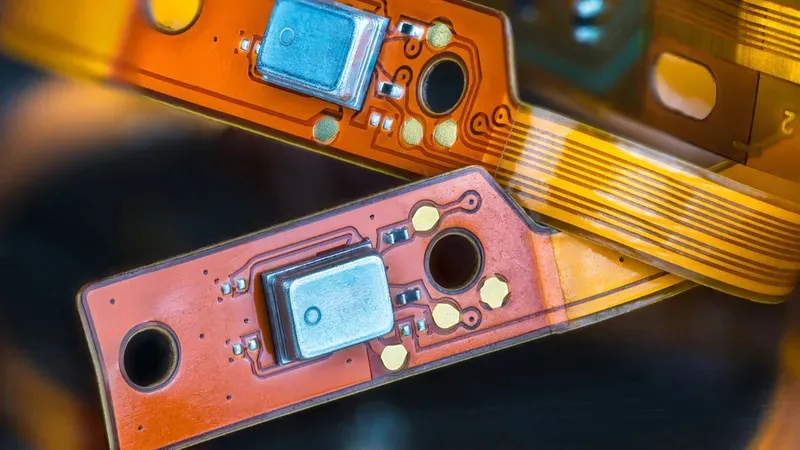
High Density Interconnect (HDI) Flexible PCBs: Maximizing Space and Performance
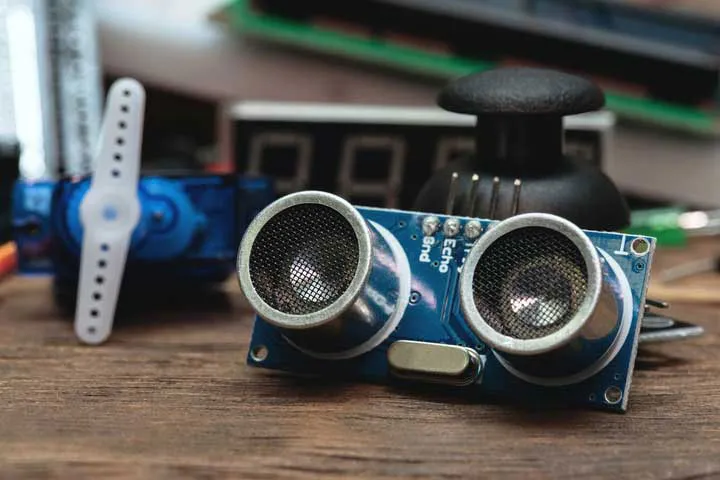
Displacement Sensors: Types, Principles, and PCB Integration in Electronics Systems
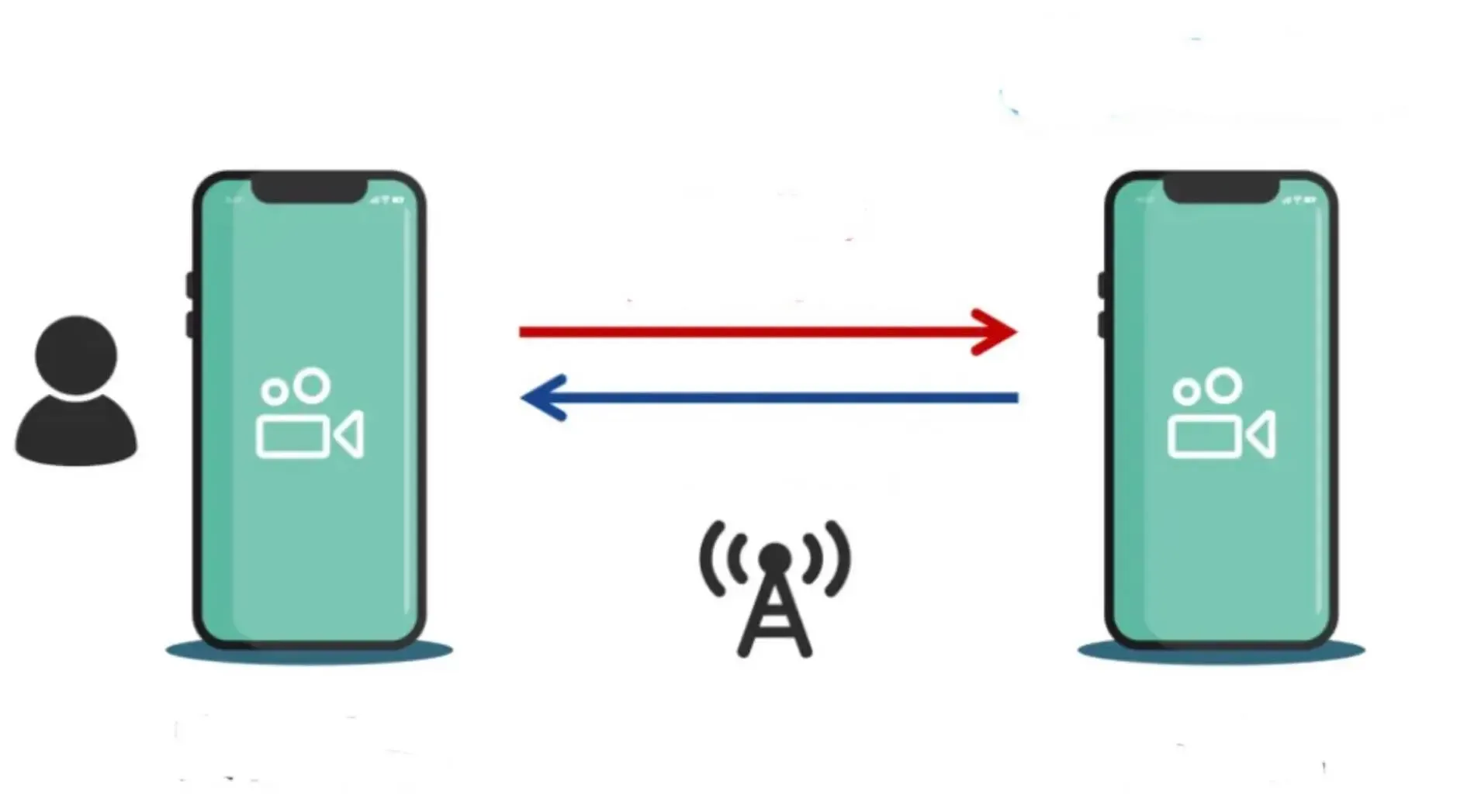
What Is a Cloud Phone? Architecture, Applications, and Electronics Requirements

Pressure Sensors in Robotics: Tactile Sensing, Proprioception, and Flexible PCB Integration
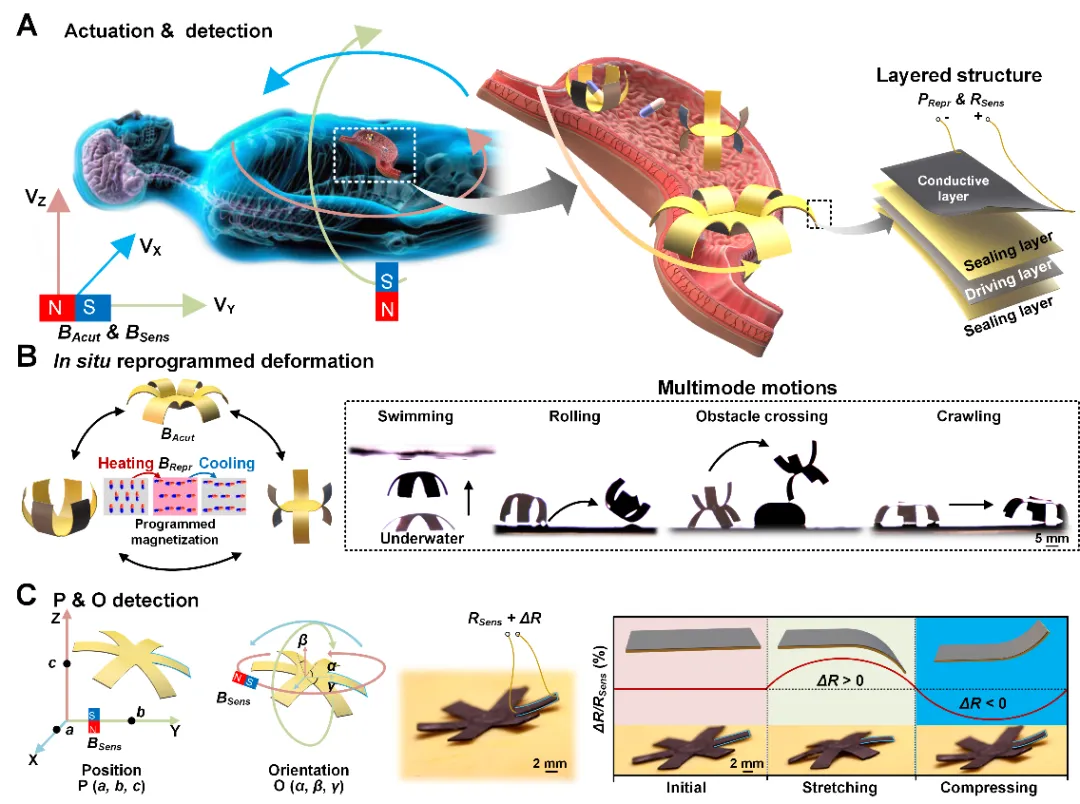
Magnetically Controlled Robots: Design, Fabrication, and Flexible Electronics Integration
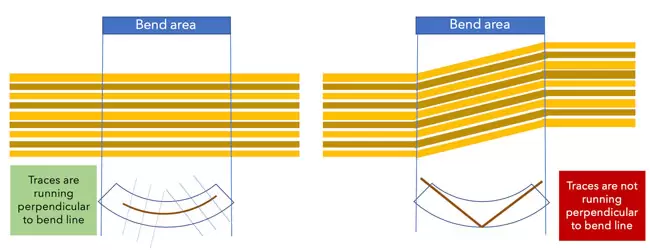
Flexible HDI PCB Design for Flex and Rigid-Flex Applications
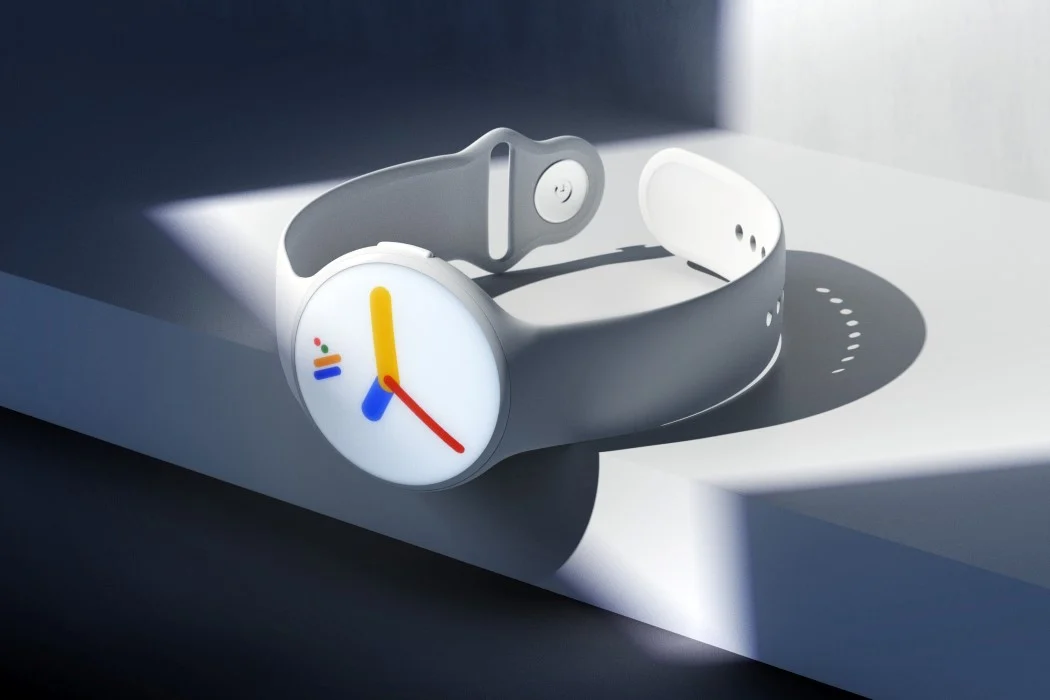
Factors Affecting Smartwatch Styling Design
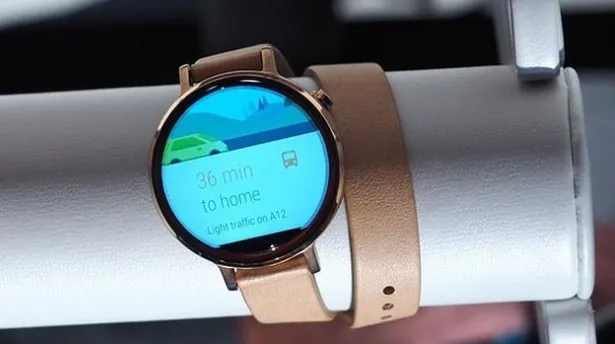
Moto 360 Gen 2: Design and Hardware Updates

Moto 360 Second Gen: Small Updates, Missing Key Features
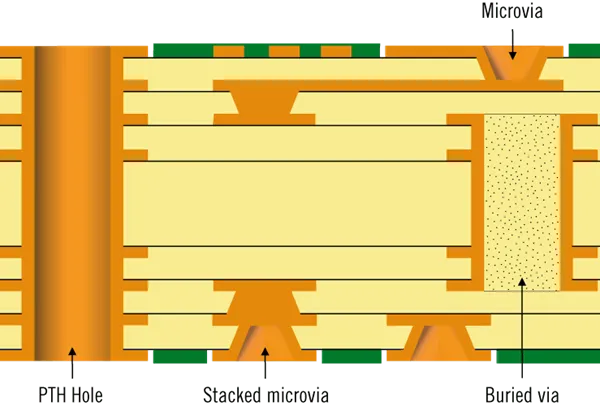
Microvia Design for Flex PCBs: Achieving Flexibility and Reliability in Wearable Devices
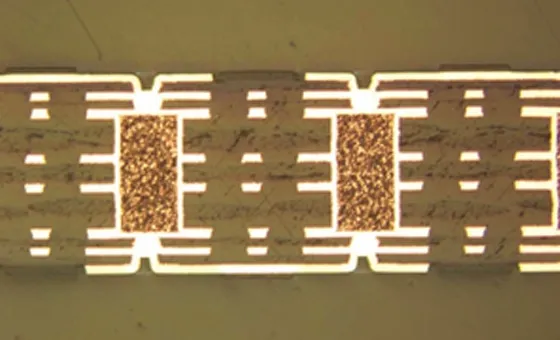
HDI Microvia for Flex PCB
Mobile Camera Structure and Imaging Principles
High Precision Flexible PCB Laser Manufacturing: Drilling, Cutting & Process Control
What Is the Minimum Hole Size for FPC Laser Drilling?