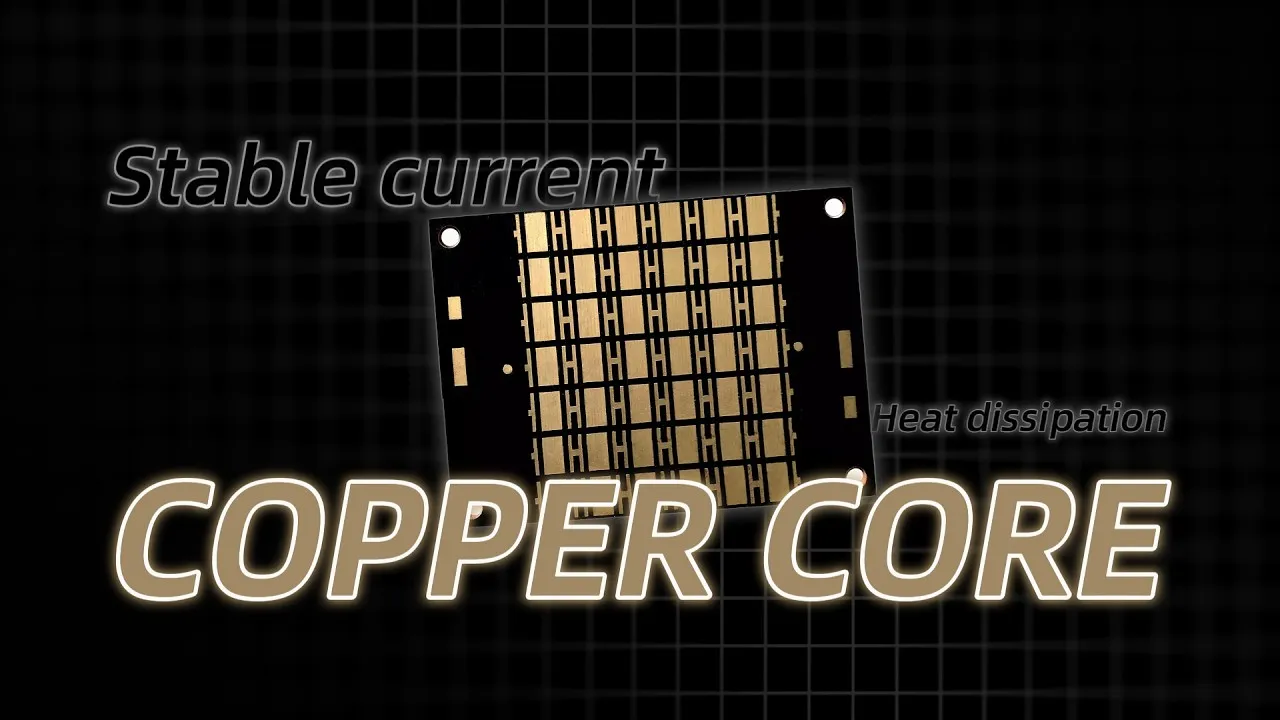
 00:56
00:56
Heavy-Copper PCB
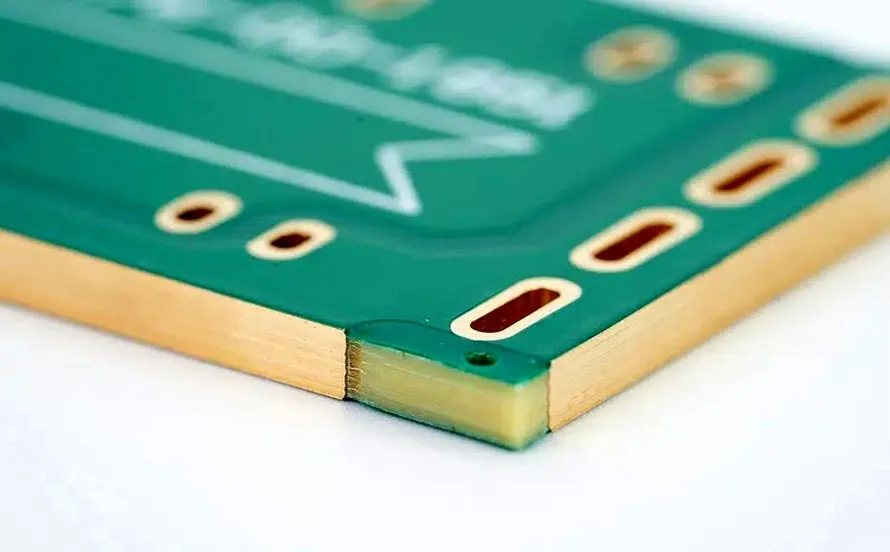
Heavy copper PCBs represent a specialized category of printed circuit boards designed to handle high current loads and improve thermal management in demanding applications. These boards feature copper traces and planes with thicknesses typically exceeding 3 ounces per square foot, often ranging from 4 to 20 ounces or more, which enhances their ability to conduct electricity efficiently while dissipating heat effectively. For engineers and designers searching for heavy copper PCB solutions, this tag compiles essential resources that address key challenges in power electronics, such as reducing voltage drops, minimizing thermal hotspots, and ensuring long-term reliability in harsh environments. Understanding the advantages of heavy copper PCBs is crucial for projects involving high power density, including electric vehicle chargers, renewable energy inverters, industrial motor drives, and aerospace systems. By incorporating thicker copper layers, these boards can support currents up to several hundred amperes without the need for additional heat sinks or complex cooling mechanisms, leading to more compact and cost-effective designs. Practical insights from our articles cover fabrication techniques like copper plating and etching processes, which help avoid common pitfalls such as delamination or uneven thickness. Best practices include selecting appropriate base materials like FR4 or polyimide for thermal stability, and optimizing trace widths to balance current capacity with board real estate. For those integrating heavy copper PCBs into prototypes or production runs, considerations around impedance control and signal integrity become vital, especially in mixed-signal designs. Our collection of articles delves into these topics, offering guidance on simulation tools for thermal modeling and compliance with standards like IPC-2152 for current-carrying capacity. Whether you are troubleshooting thermal issues or scaling up for high-volume manufacturing, the content here provides actionable strategies to enhance performance and reliability. Browsing through related posts can offer deeper dives into case studies and emerging trends in heavy copper technology, helping you refine your approach to complex electronic systems.
Video Guide

Technical Articles

Firewall PCB Manufacturing for High Speed Network Security Hardware
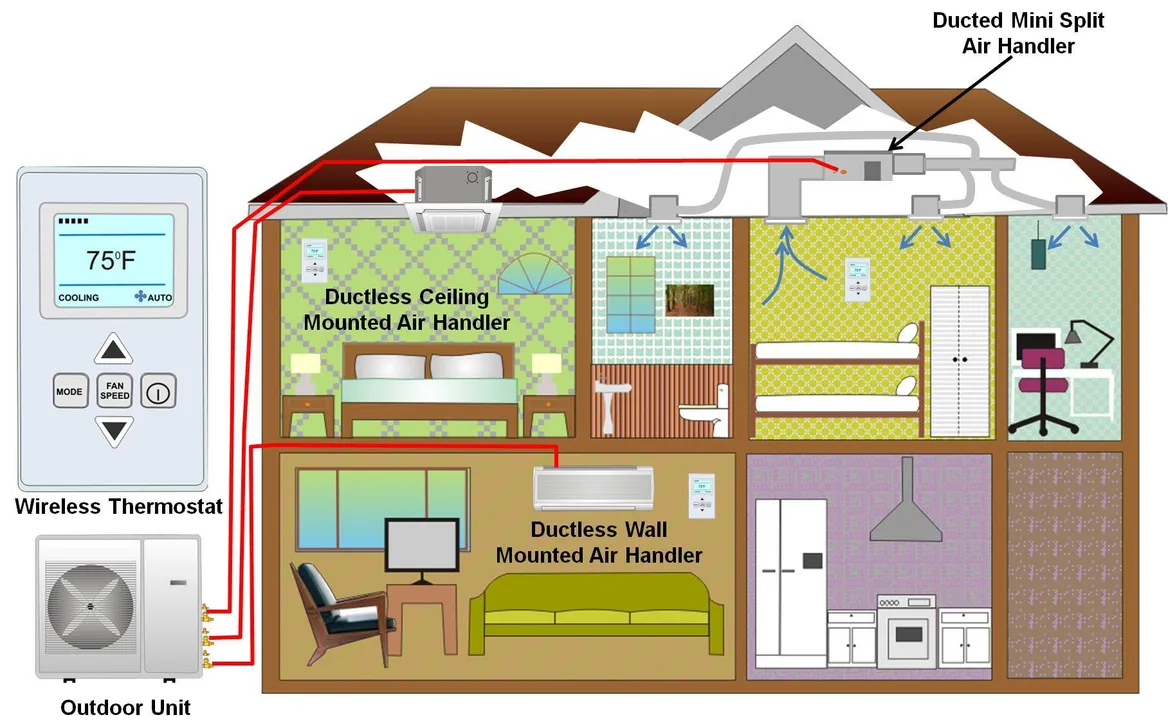
Thermal Management Systems in Electric Vehicles: PCB Design for Heat Pump HVAC, Energy Recovery, and High-Efficiency Control

Relationship Between Engine Displacement and Horsepower
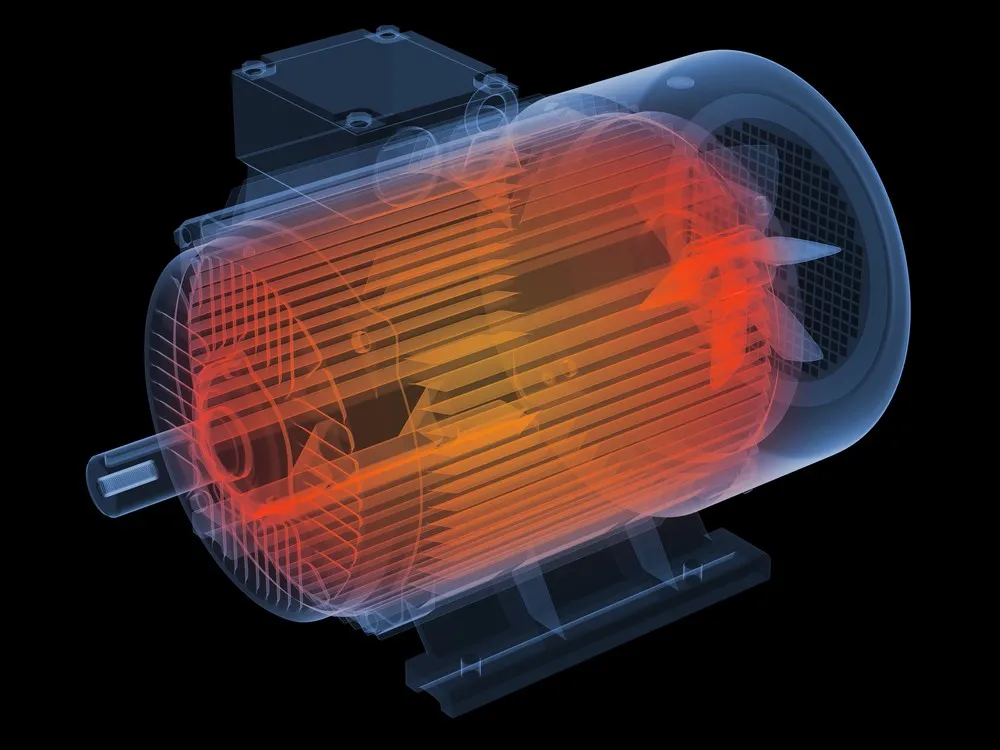
Motor Temperature Limits: Insulation Classes, Temperature Rise, and Overheating Prevention
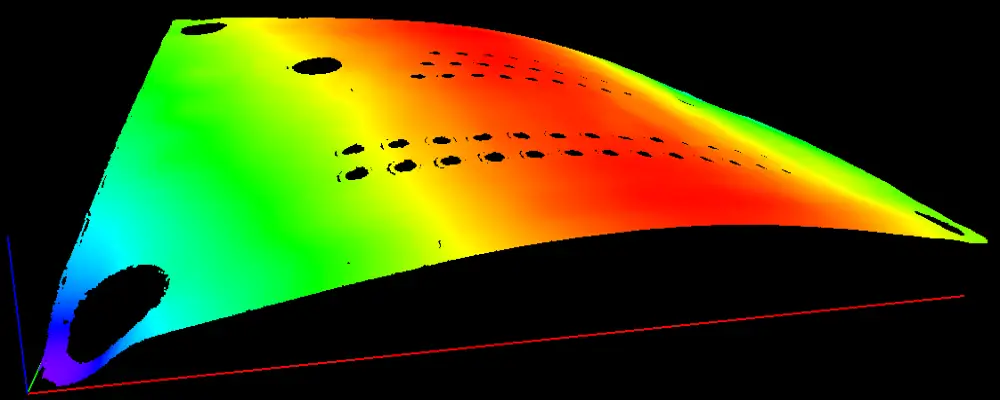
The Impact of Copper Weight on Sequential Lamination in High Power PCBs
Heavy Copper PCBs for Aerospace: Enhancing Reliability in Extreme Environments
Thick Copper PCB Manufacturing for Electric Vehicle (EV) Applications
Thick Copper PCBs: The Secret to Efficient Heat Dissipation in LED Lighting
Engine Waste Heat Power Generation Techniques
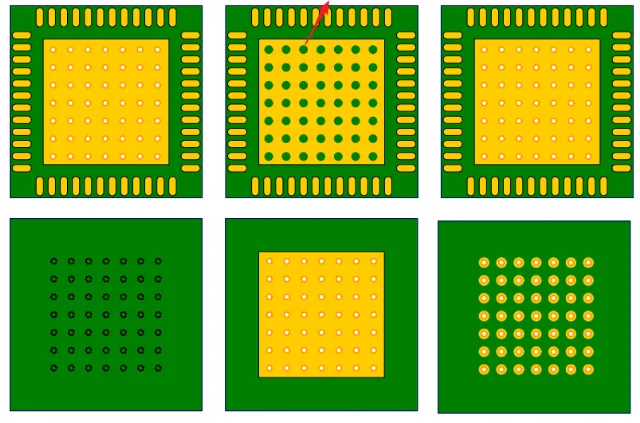
Mastering Thermal Vias: Essential Heat Management for High-Power PCBs
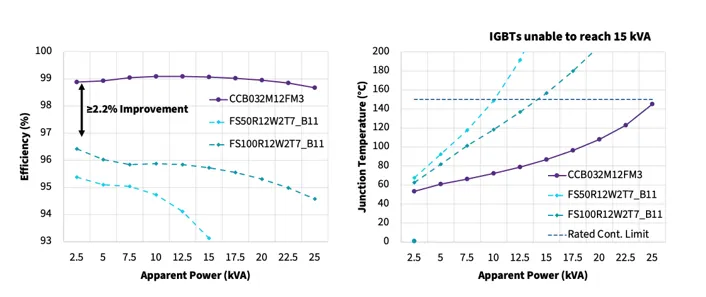
Wolfspeed Power Modules in Three-Phase Motor Drives
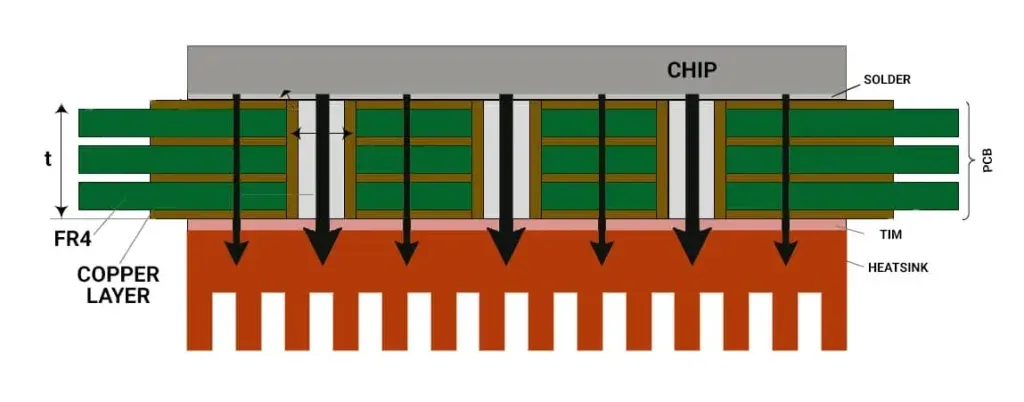
Inner Layer Copper Thickness: A Key to Effective PCB Heat Dissipation
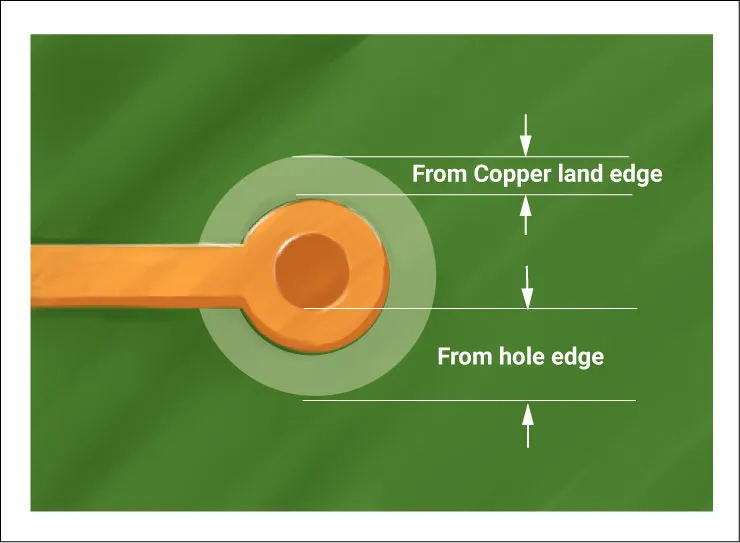
Enhancing Plated Through-Hole Current Capacity in High-Power PCBs
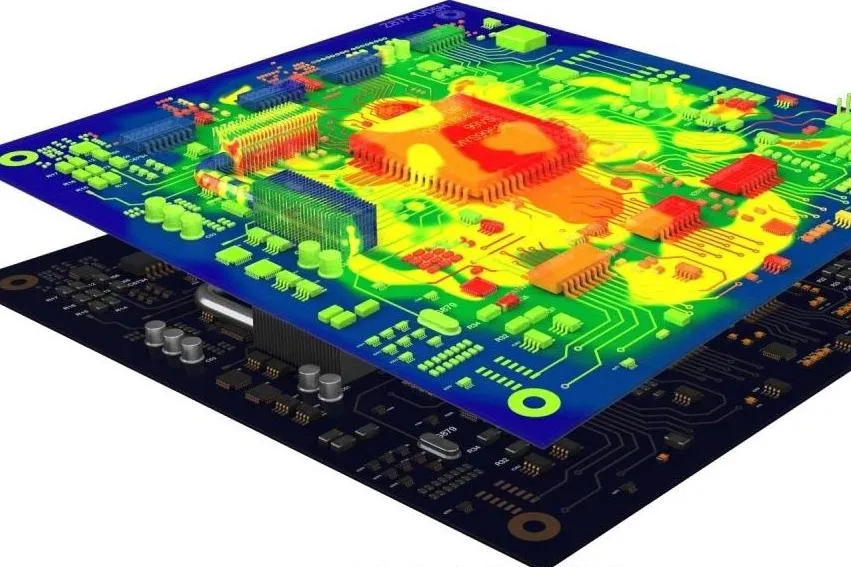
PCB Design for Power Electronics: Managing Heat and Ensuring Reliability
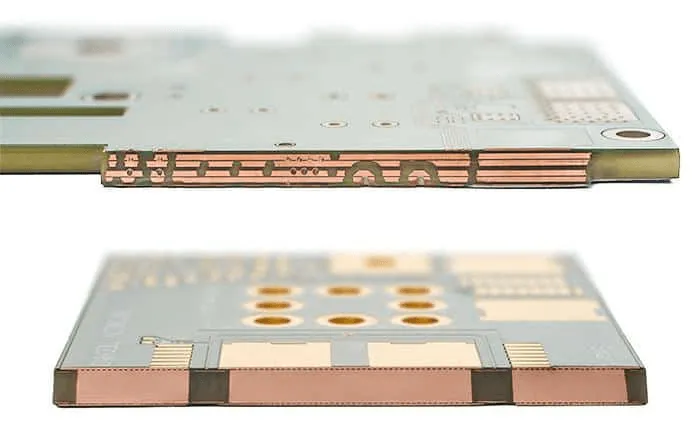
IPC Standards for PCB Copper Weight: Ensuring Quality and Reliability
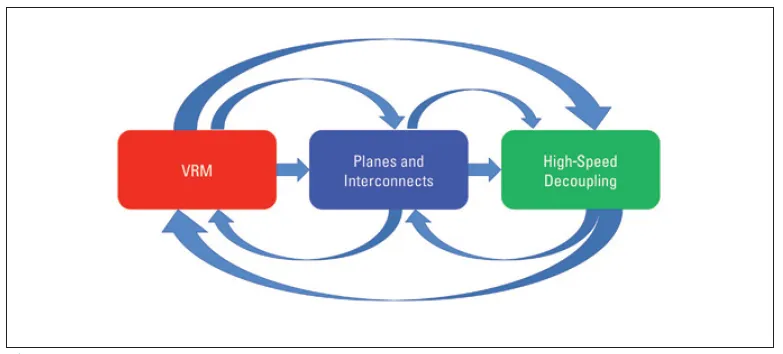
Power Integrity vs Power Electronics in PCB Design: A Comprehensive Guide for Reliable Power Delivery

Heavy Copper PCBs: Powering High-Demand Aircraft Cockpit Displays
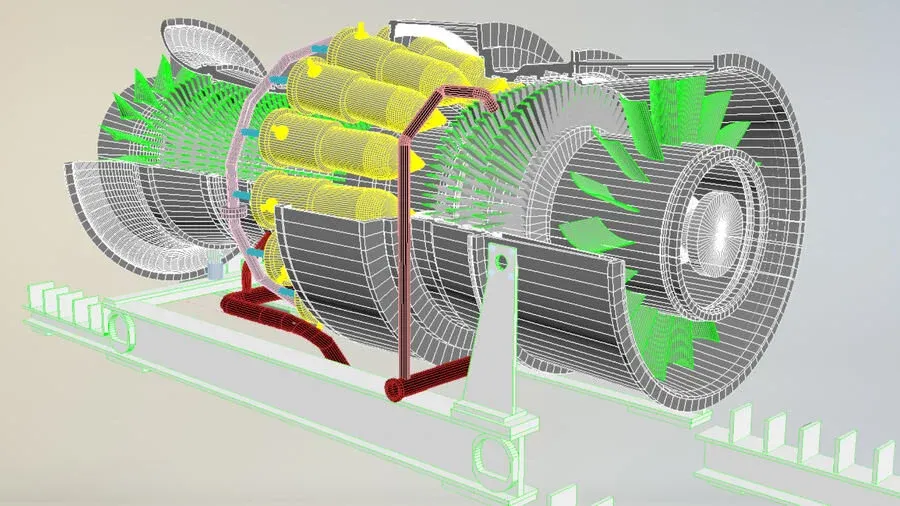
Using Heavy Copper PCBs for High-Power Industrial Sensors
Heavy Copper Handling: Designing PCBs for High-Power Industrial Applications