IPC-6012
The IPC-6012 standard serves as a cornerstone for ensuring the quality and reliability of rigid printed circuit boards (PCBs) in electronics manufacturing. Developed by the IPC, this specification outlines rigorous qualification and performance requirements, covering aspects such as material selection, design tolerances, solderability, and environmental testing. For engineers, designers, and manufacturers searching for IPC-6012 resources, this tag provides essential guidance on achieving compliance, which is critical for producing PCBs that withstand demanding applications in sectors like aerospace, automotive, and telecommunications. Understanding IPC-6012 helps mitigate common issues such as delamination, via failures, or thermal stress, which can lead to costly rework or product failures. Practical applications include implementing Class 1, 2, or 3 requirements based on end-use reliability needs, where Class 3 demands the highest standards for life-supporting systems. Best practices emphasized here involve thorough inspection protocols, like microsectioning and thermal cycling tests, to verify board integrity. By adhering to these guidelines, professionals can enhance product longevity and reduce manufacturing defects, ultimately improving overall system performance. Articles tagged with IPC-6012 offer in-depth explorations of these topics, including step-by-step implementation strategies and real-world case studies. Whether you are troubleshooting a specific compliance challenge or seeking to optimize your PCB fabrication process, the content available under this tag equips you with actionable knowledge to elevate your projects. Delving into these resources can provide the insights needed to navigate certification processes efficiently and integrate advanced techniques into your workflow.
Technical Articles
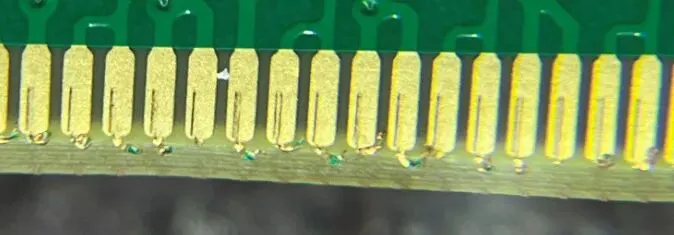
Manufacturing Improvements to Prevent Lifting and Residual Shorts in PCB Gold-Finger Plating Leads
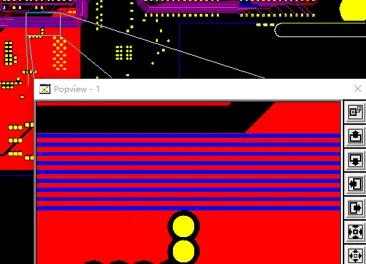
How CAM Review Prevents Impedance Failures in 18-Layer PCBs

Thin PCBs in Medical Devices: Ensuring Reliability in Critical Applications
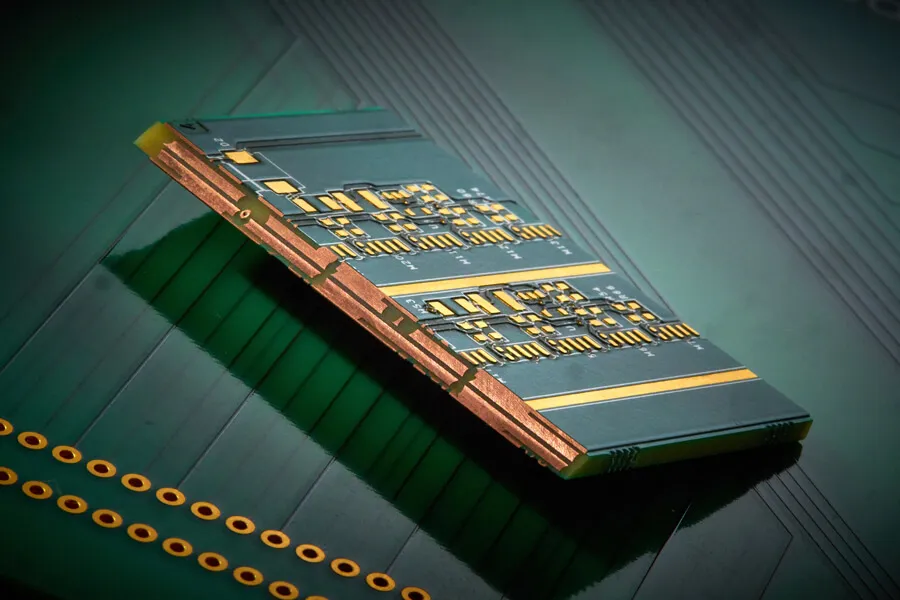
DIY Power Supply? Why a Thick PCB is Your Best Friend

The Benefits of Using Sustainable PCB Laminates in Military and Aerospace Applications
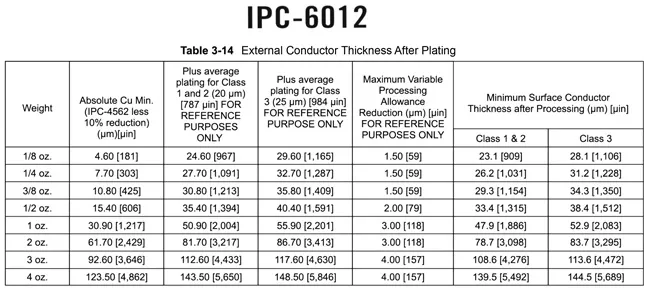
IPC 6012: A Detailed Examination of Hole/Via Plating Thickness Requirements
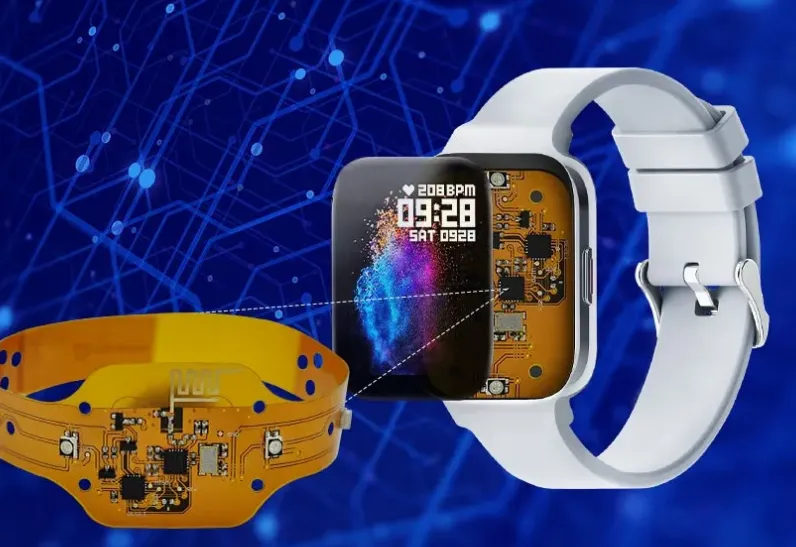
IPC 6012 and Flexible PCBs: Meeting the Demands of Modern Electronics
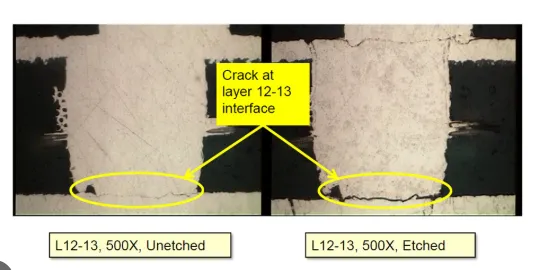
IPC 6012 for HDI PCBs: Addressing Advanced Design Challenges
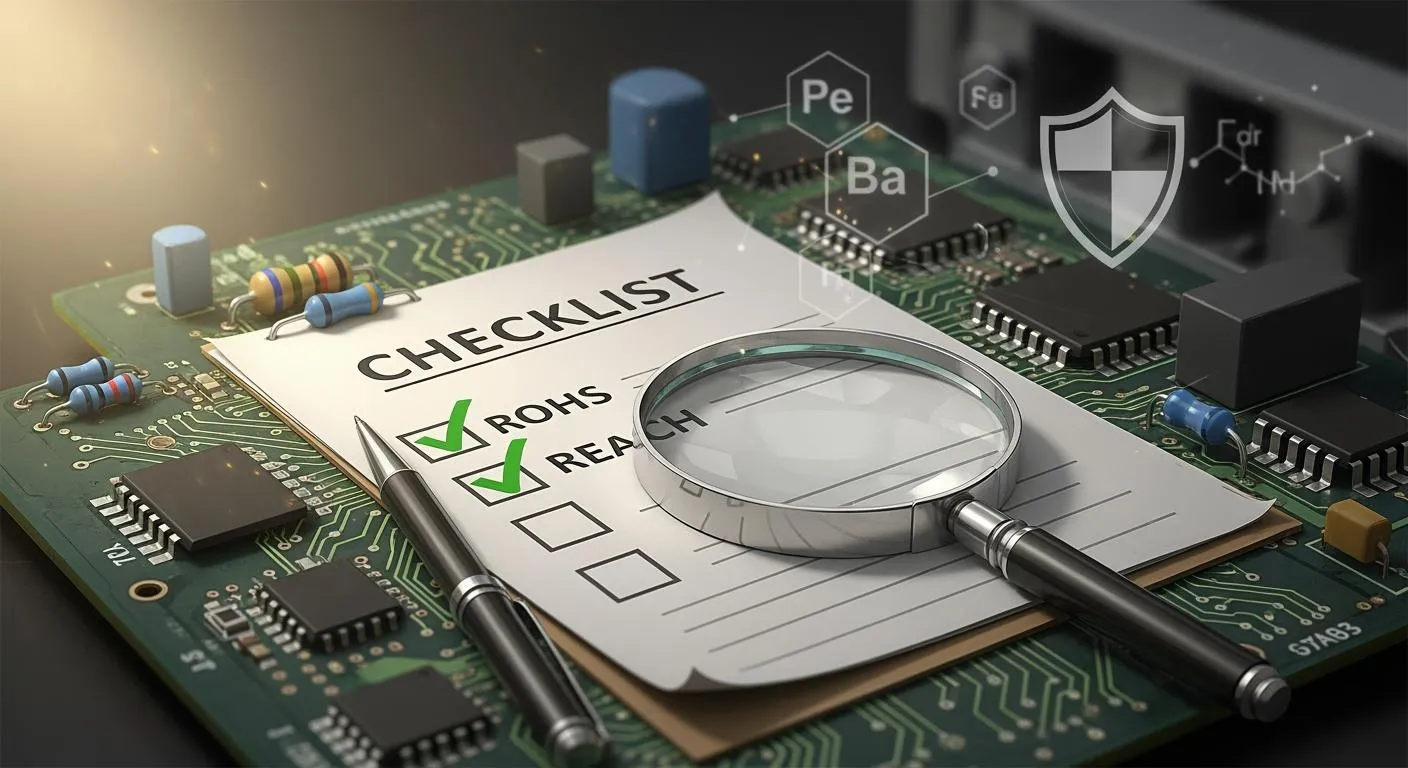
RoHS Exemptions Explained: Navigating the Fine Print for Electronic Design

UL Certification for Medical PCBs: Meeting Stringent Safety Requirements
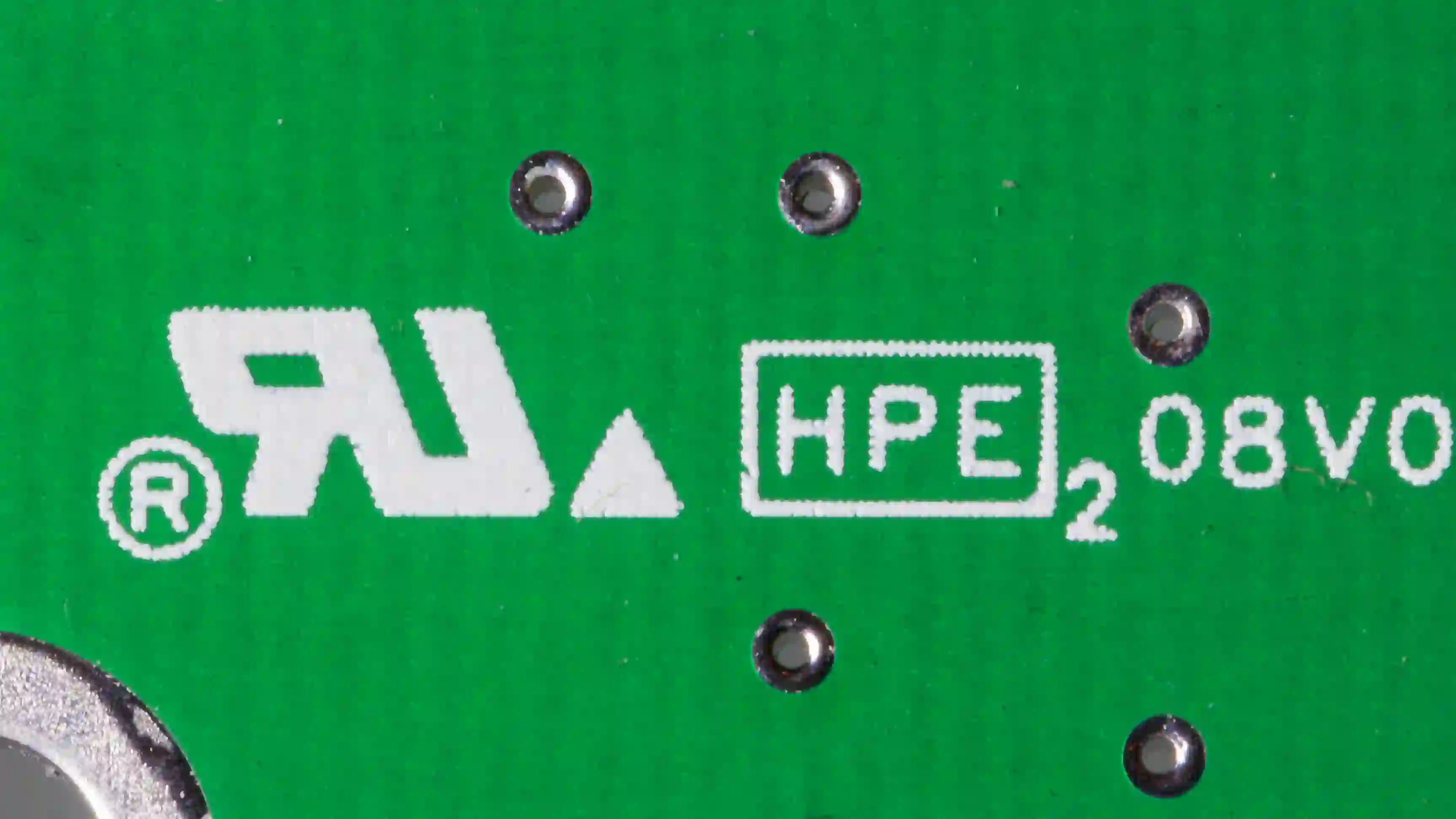
The UL Recognized Component Mark: What It Means for Your PCB
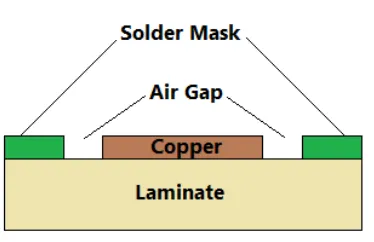
Rigid PCB Solder Mask: Protecting Your Board and Improving Solderability
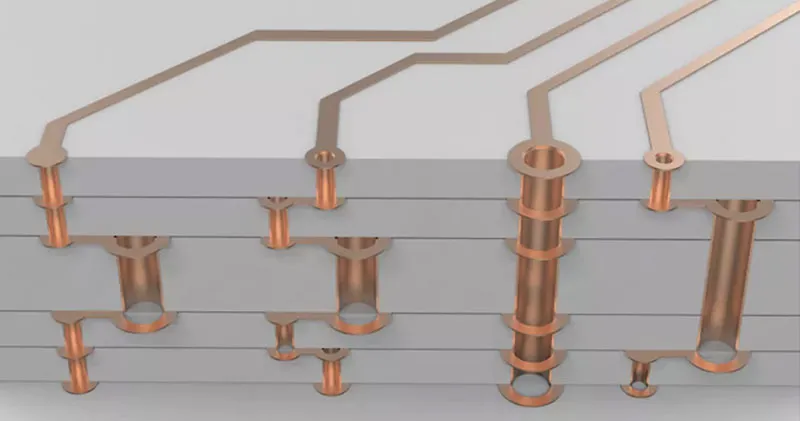
Through Hole Via Reliability: Common Failure Modes and Prevention
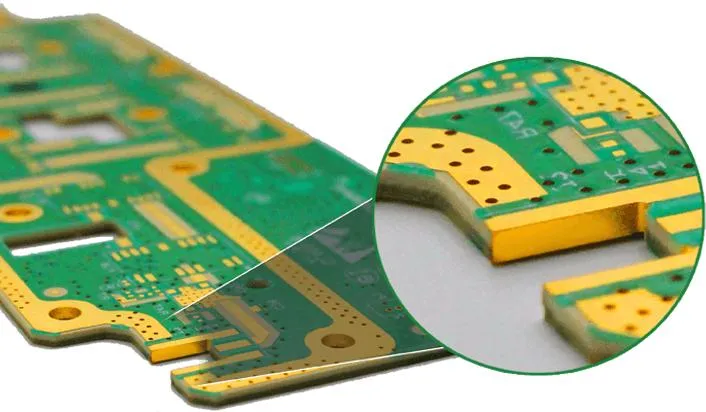
PCB Edge Plating for Enhanced EMC Performance: A Practical Guide
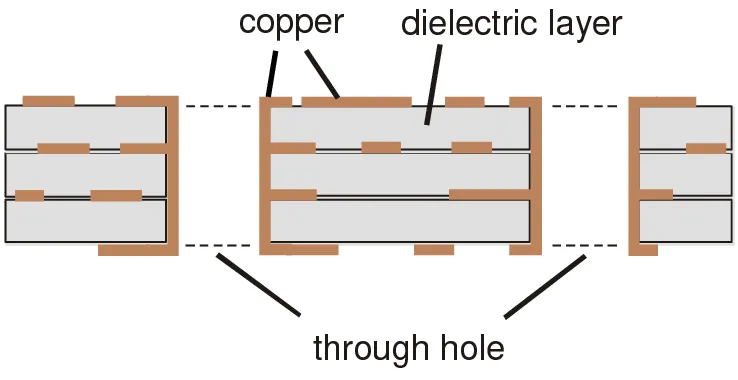
IPC Standards Demystified: Inner Layer Copper Thickness Requirements for Reliable PCBs
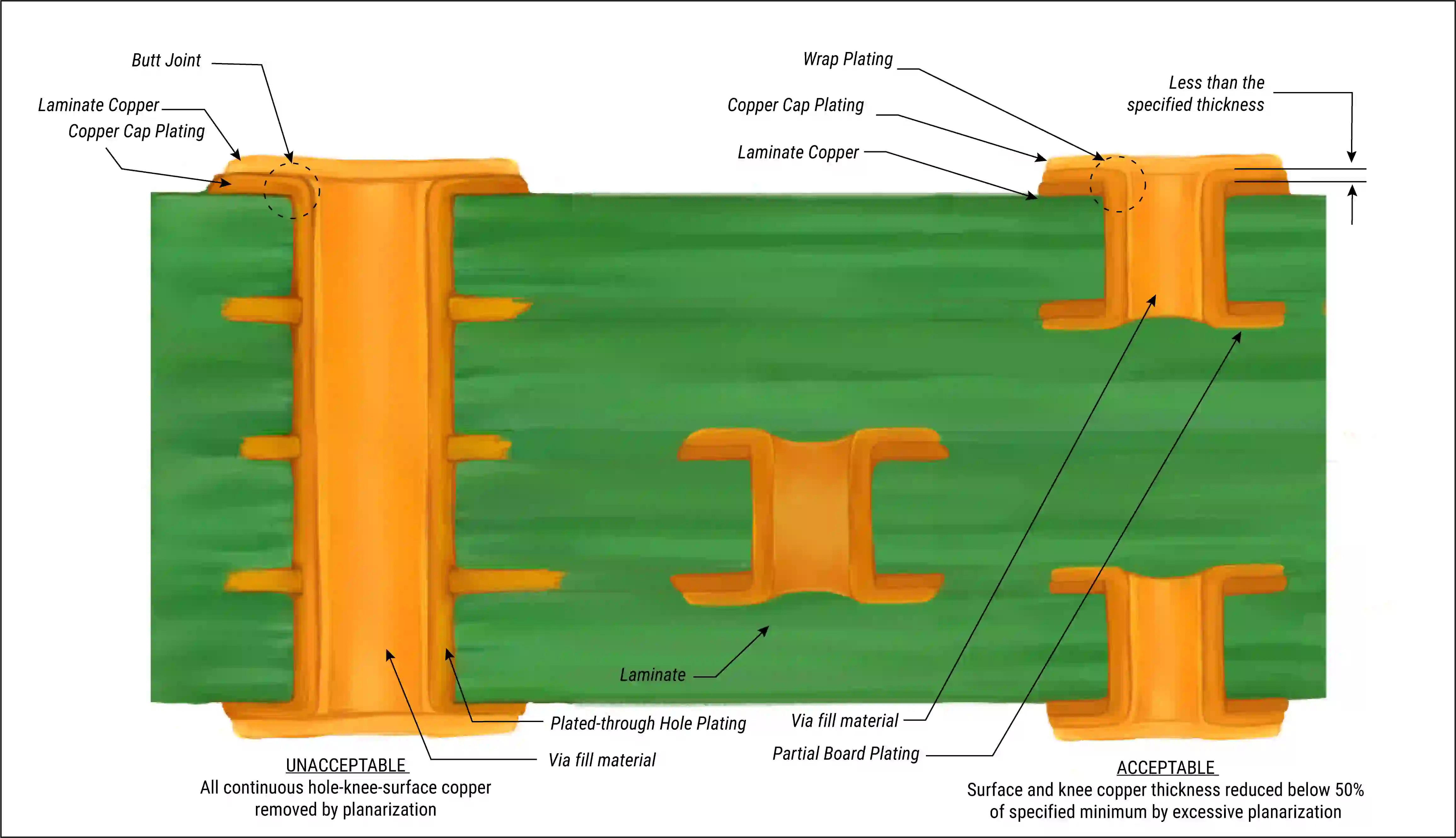
Outer Layer Copper Thickness and Via Design: Best Practices for Reliable PCB Interconnects
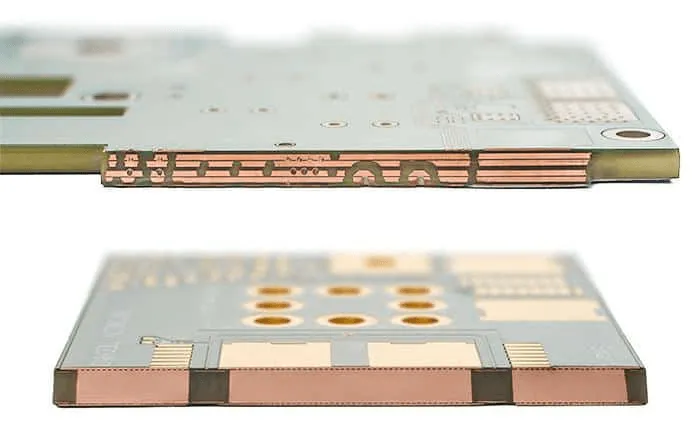
IPC Standards for PCB Copper Weight: Ensuring Quality and Reliability
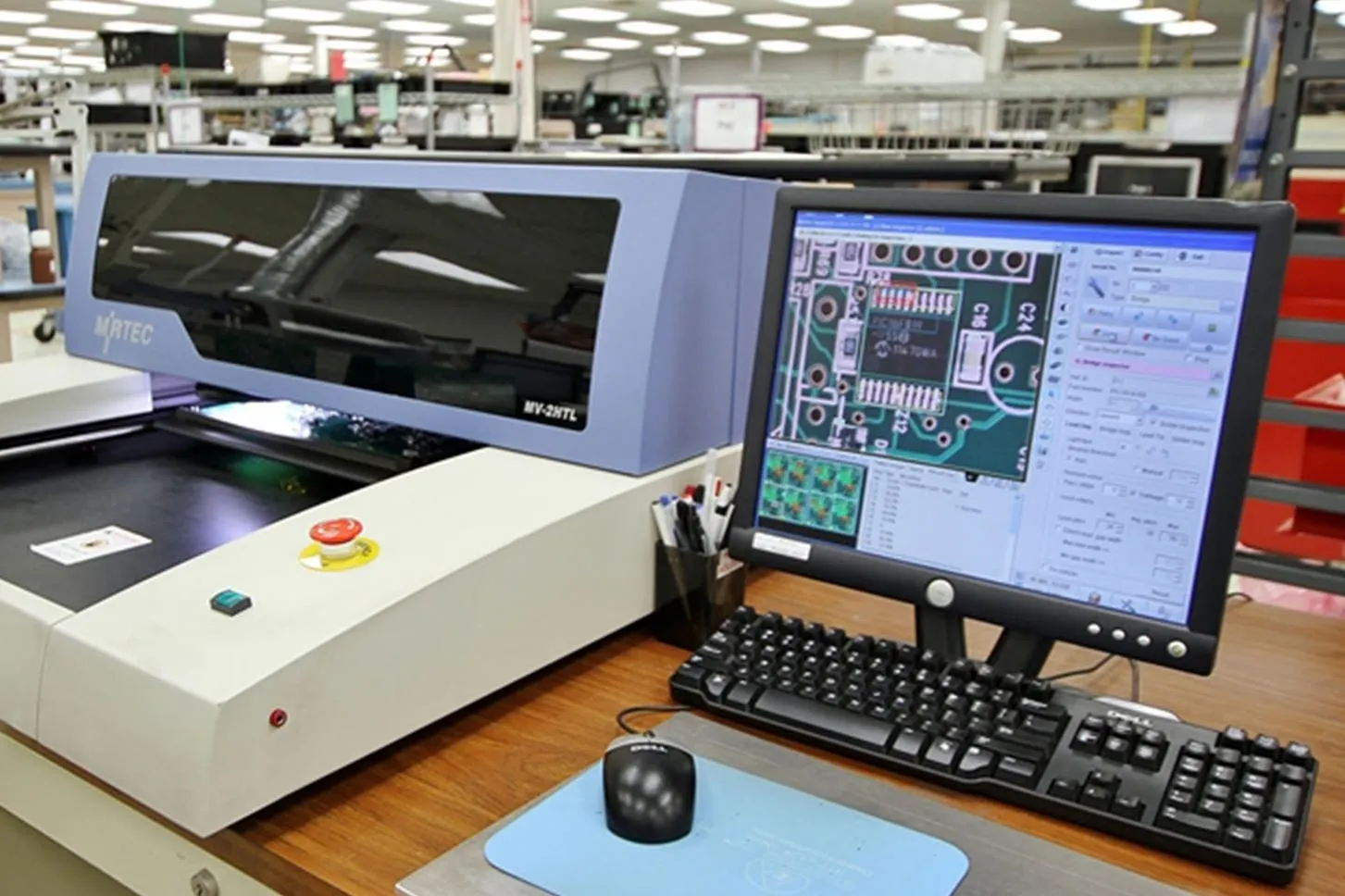
Testing and Inspection Methods for Multi-Layer PCBs: Guaranteeing Performance