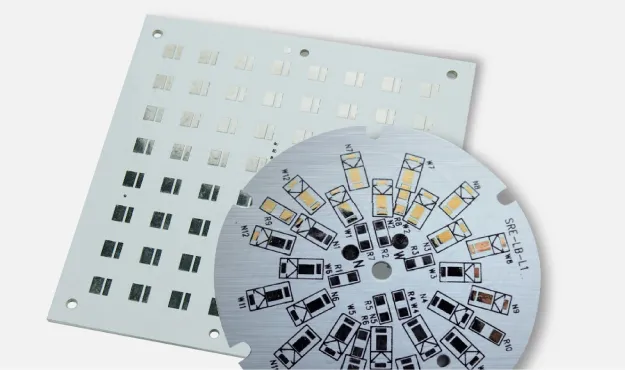
 00:51
00:51
PCB Thickness
PCB thickness is a critical parameter in the design and manufacturing of printed circuit boards, influencing everything from mechanical stability to electrical performance. When engineers and hobbyists search for information on PCB thickness, they often seek guidance on selecting the right dimensions to meet specific project requirements, such as ensuring durability in high-vibration environments or optimizing signal integrity in multilayer boards. This tag page aggregates articles that delve into the nuances of PCB thickness standards, including common options like 0.8mm, 1.6mm, and 2.4mm, and how these choices impact factors such as thermal management, impedance control, and overall board flexibility. Understanding PCB thickness helps in making informed decisions that align with industry best practices. For instance, thinner boards around 0.4mm to 0.8mm are ideal for compact devices like wearables, where space constraints demand lightweight and flexible designs, while thicker variants exceeding 2mm provide enhanced rigidity for industrial applications or high-power circuits that require better heat dissipation. Articles under this tag explore practical applications, such as calculating thickness based on copper weight, dielectric materials, and layer count, along with tips for avoiding common pitfalls like warping during soldering or compatibility issues with enclosures. By considering these elements, designers can achieve reliable performance and cost efficiency in their prototypes and production runs. For those tackling specific challenges, such as adapting thickness for RF designs or automotive electronics, the resources here offer actionable insights drawn from real-world case studies and expert recommendations. Readers interested in deepening their knowledge might find value in browsing related content on PCB materials or fabrication techniques, which often intersect with thickness considerations to enhance overall design outcomes.
Video Guide
-
00:51
Technical Articles
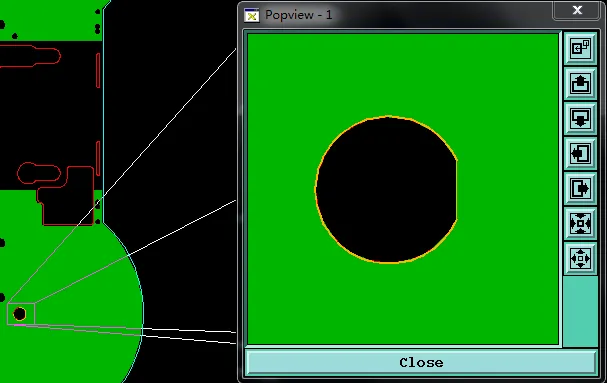
How to Avoid Countersink & Copper Issues in 3mm Thick FR4 PCB Manufacturing
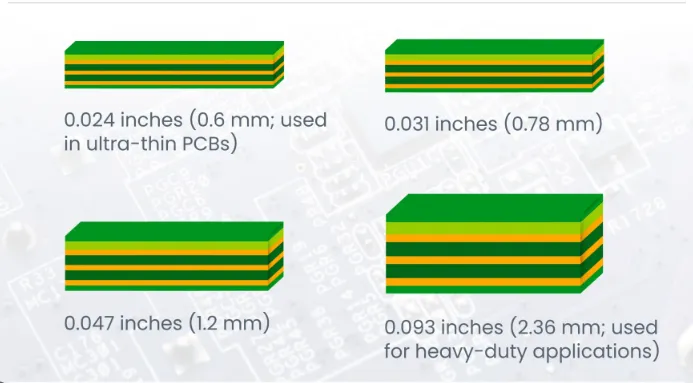
Thick vs. Thin: Decoding PCB Thickness for Your Next Electronic Project
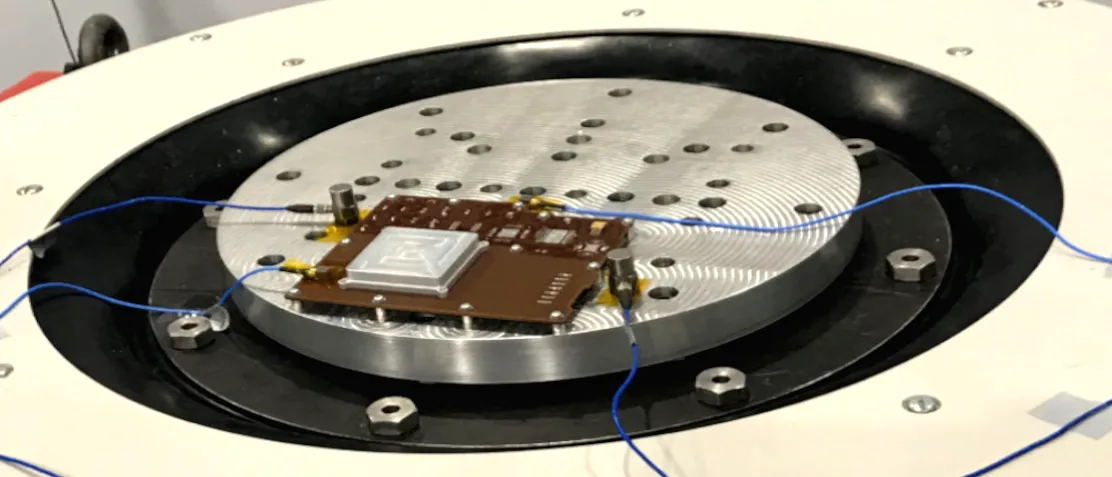
The Impact of Layer Thickness on PCB Mechanical Stability and Reliability
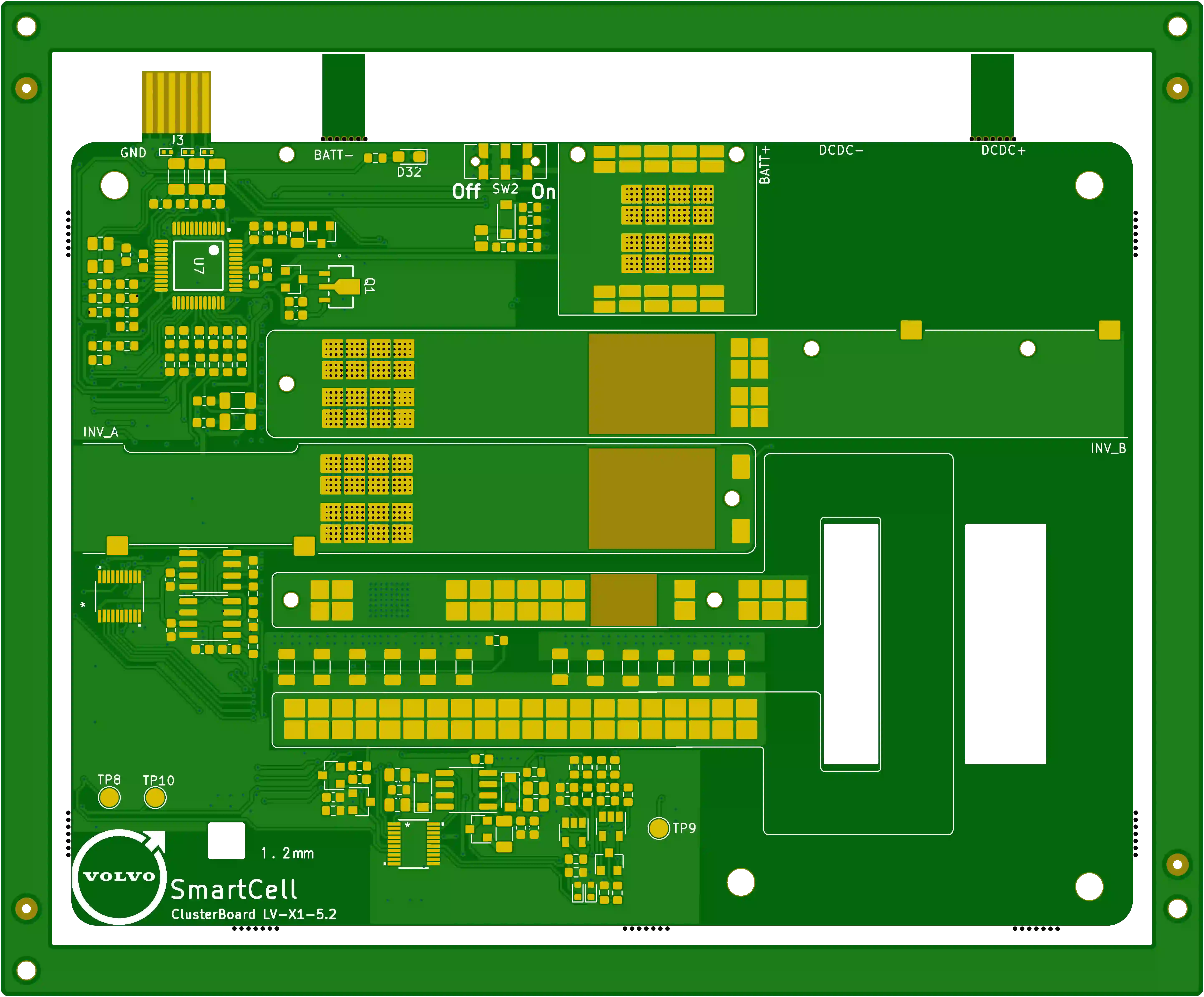
Evaluating 1.2mm Thickness Control and Depth Drill Precision in 4-Layer FR4 Production

How to Properly Specify Back Adhesive Type and Thickness for FPC
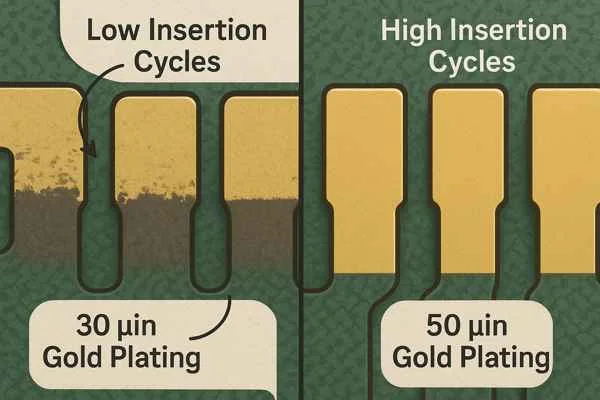
What Total Thickness Should You Control for FPC Insertion Finger Area?

The Role of PCB Thickness in Thermal Management: A Practical Guide
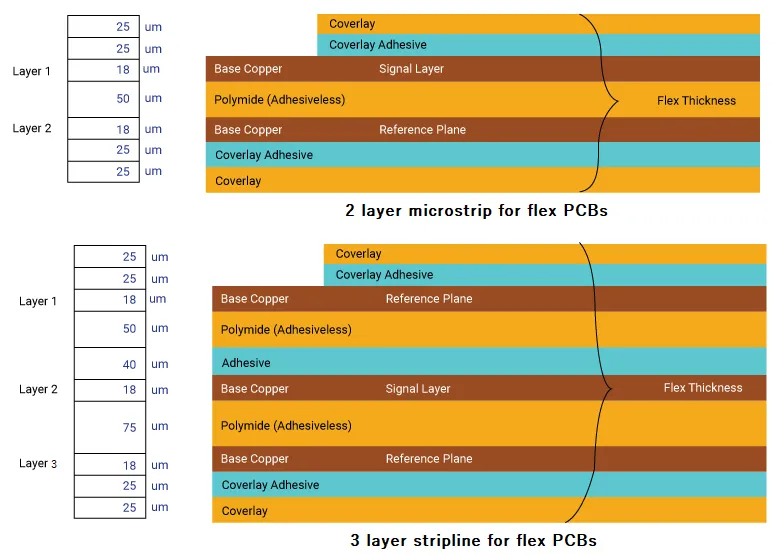
PCB Thickness: Everything You Need to Know
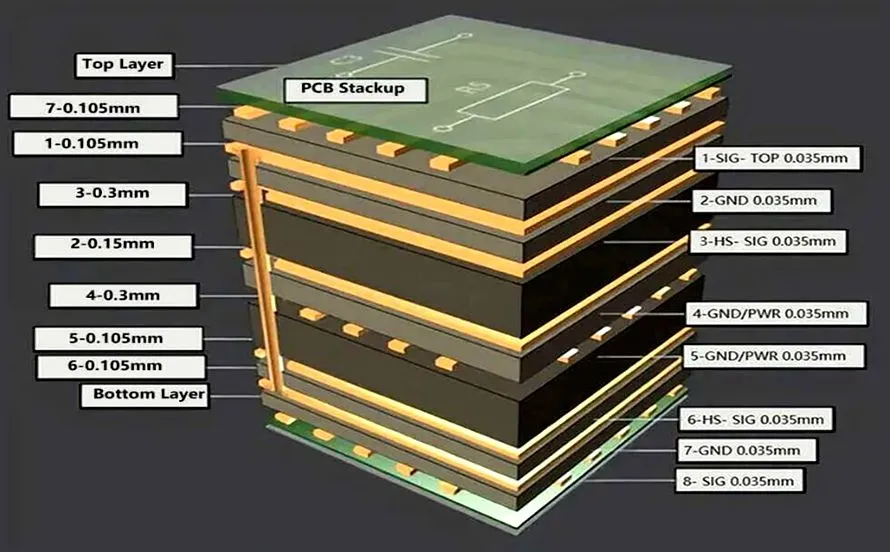
Decoding PCB Thickness: How to Optimize for Performance, Cost, and Reliability
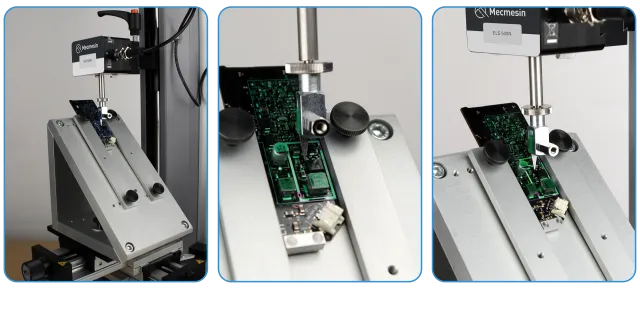
The Impact of MCPCB Thickness on Thermal Performance and Mechanical Stability
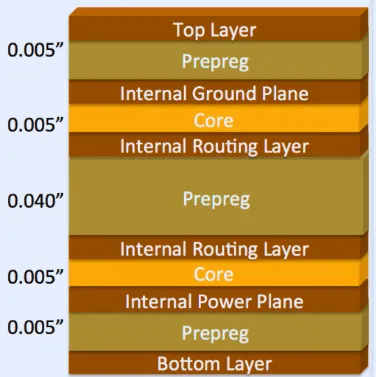
Choosing the Right PCB Layer Thickness: A Comprehensive Guide
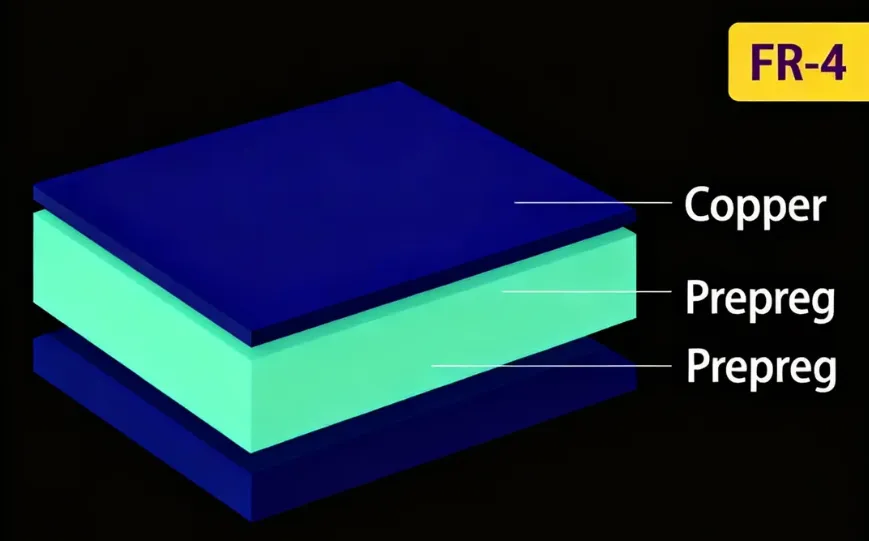
PCB Prepreg Thickness: A Designer's Guide to Stackup, Materials, and Performance
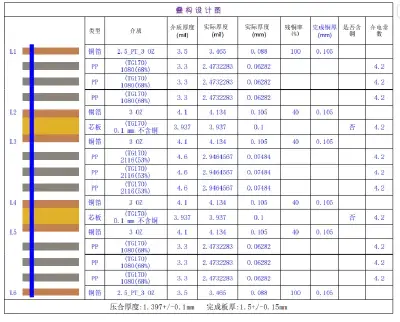
How a 0.1 mm Stackup Mismatch and Material Shortage Halted a 6-Layer 3 oz PCB Order
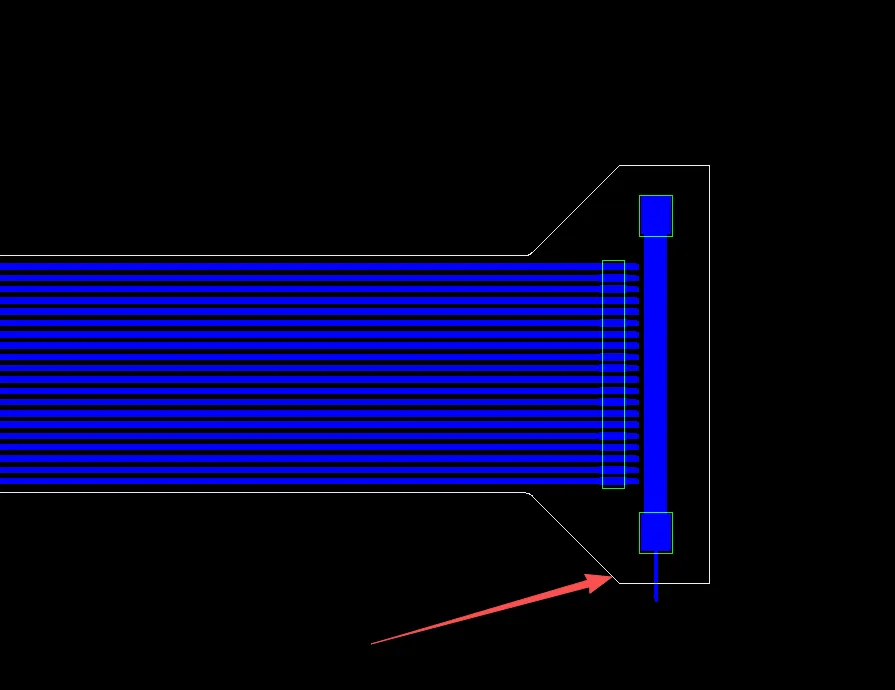
Can 0.1mm PI Stiffener Achieve 0.3mm FPC Total Thickness?