 01:09
01:09
Rigid-Flex PCB
Rigid-Flex PCBs represent a hybrid technology that integrates rigid and flexible circuit boards into a single, cohesive unit, offering unparalleled design flexibility and reliability in modern electronics. This tag encompasses a range of articles dedicated to exploring the intricacies of Rigid-Flex PCB design, manufacturing, and implementation, catering to engineers, designers, and hobbyists seeking to optimize space-constrained applications. By combining the structural stability of rigid sections with the bendability of flexible ones, these boards excel in environments where traditional rigid PCBs fall short, such as in wearable devices, aerospace systems, medical equipment, and automotive electronics. Users searching for Rigid-Flex PCB often aim to address challenges like reducing assembly complexity, enhancing durability against mechanical stress, or minimizing weight without compromising performance. In practical terms, Rigid-Flex PCBs enable innovative solutions by allowing circuits to fold, twist, or conform to irregular shapes, which can significantly cut down on interconnects and potential failure points. Key best practices include careful material selection, such as polyimide for flexible layers to withstand high temperatures, and precise layer stacking to prevent signal integrity issues. Designers should prioritize impedance control and thermal management during the layout phase to ensure long-term reliability. Our collection of articles delves into these aspects, providing actionable guidance on prototyping, testing methodologies, and cost-effective production strategies that align with industry standards like IPC-6013. For those troubleshooting common pitfalls or scaling up from prototypes to mass production, the resources here offer detailed case studies and expert tips. Browsing through the tagged content can help refine your approach, whether you are integrating Rigid-Flex technology into consumer gadgets or high-stakes industrial applications. This curated selection ensures you gain the knowledge needed to leverage these advanced PCBs effectively in your projects.
Video Guide
Technical Articles

Underground Robotics Challenges: Engineering Electronics for Extreme Environments

Pressure Sensors in Robotics: Tactile Sensing, Proprioception, and Flexible PCB Integration
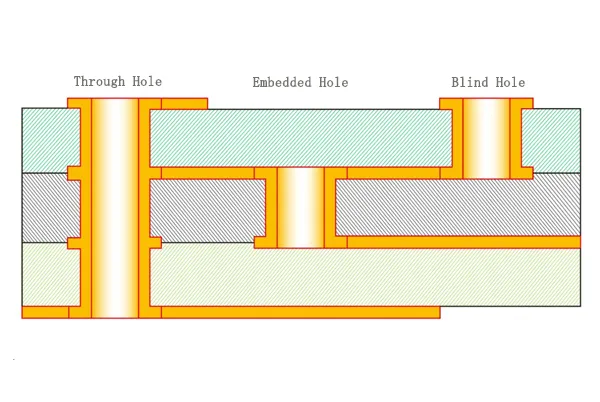
Optimizing Via Design in Rigid Flex PCBs: Enhancing Electrical and Mechanical Performance

Home Robot Architecture: Sensors, Processors, Power Systems, and PCB Design Considerations
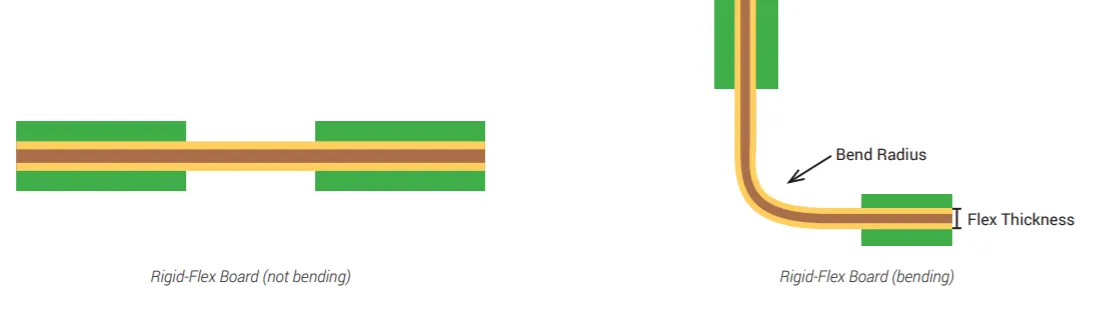
Flex and Rigid Flex Multi Layer PCBs: Design and Manufacturing Considerations
Constraint Management Techniques for Flexible and Rigid Flex PCBs
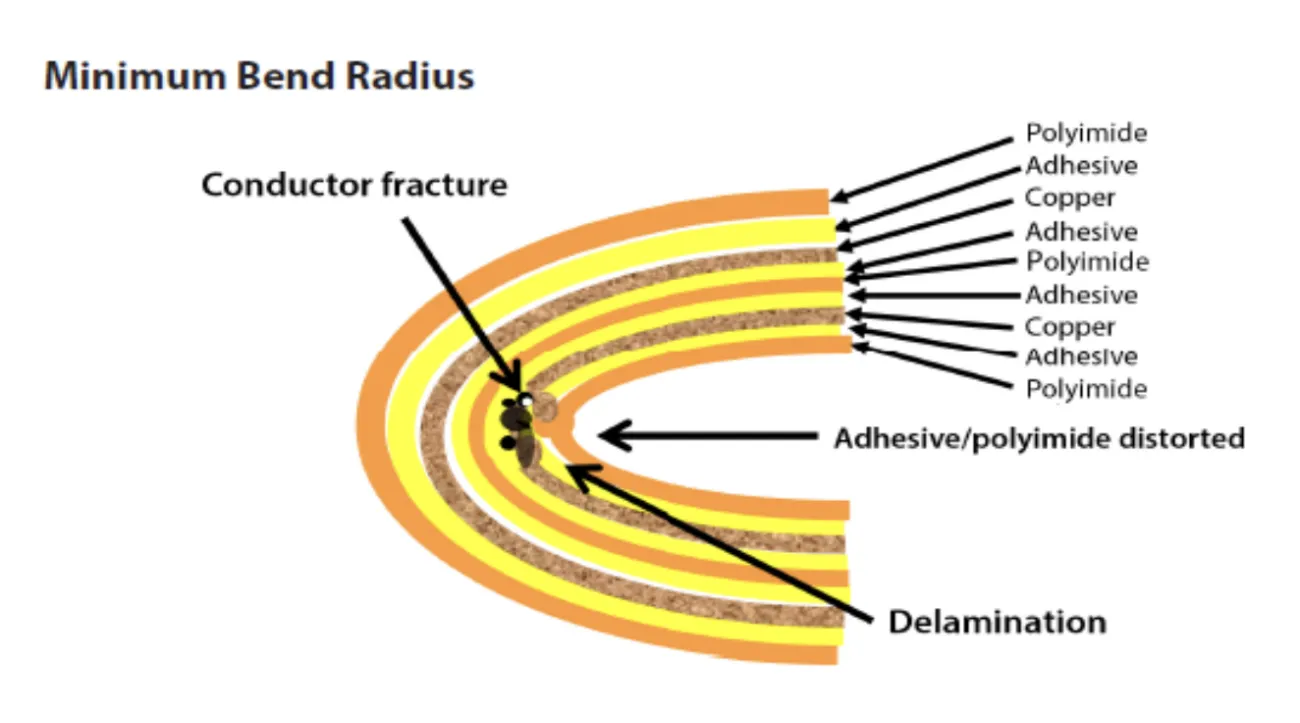
PCB Schematic Design for Flex and Rigid Flex Circuits: Unique Challenges and Solutions
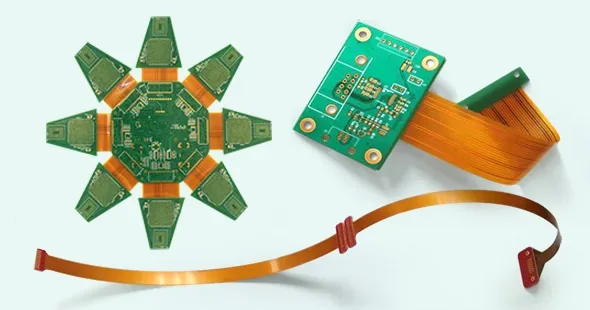
The Benefits of Copper Balancing in Flex and Rigid Flex PCBs
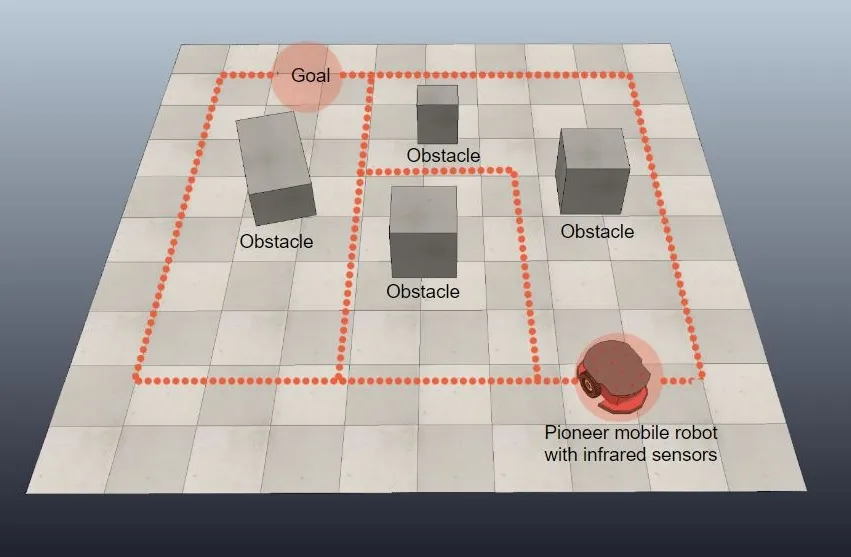
Advanced PCB Design for Robotics: Supporting Path Planning, SLAM, and Coverage Algorithms in Autonomous Systems
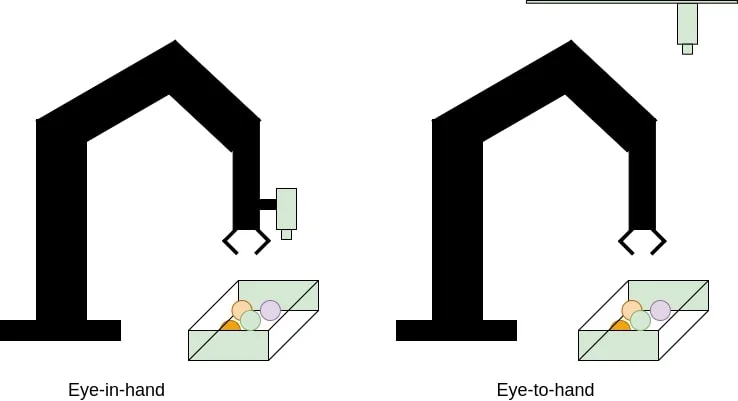
Categories of Robot Visual Servoing Systems: PBVS, IBVS, and Electronics Integration
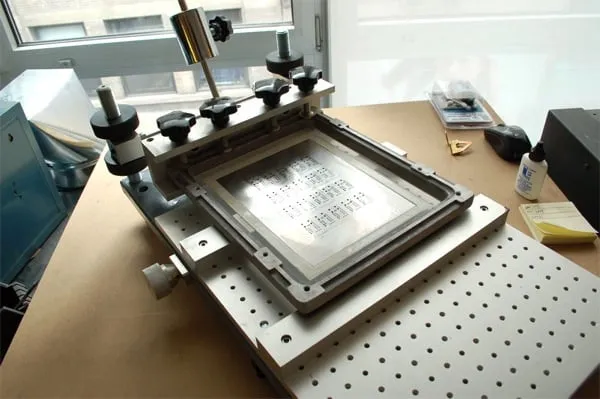
Step Up Stencil Solutions for Flex and Rigid Flex PCBs: Achieving Reliable Solder Joints on Flexible Substrates
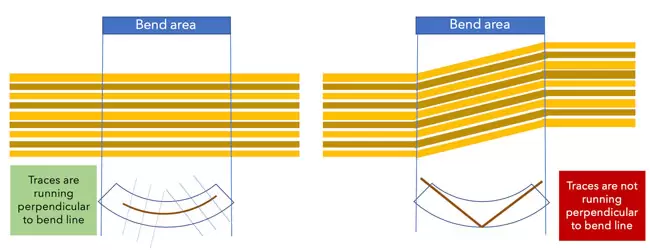
Flexible HDI PCB Design for Flex and Rigid-Flex Applications
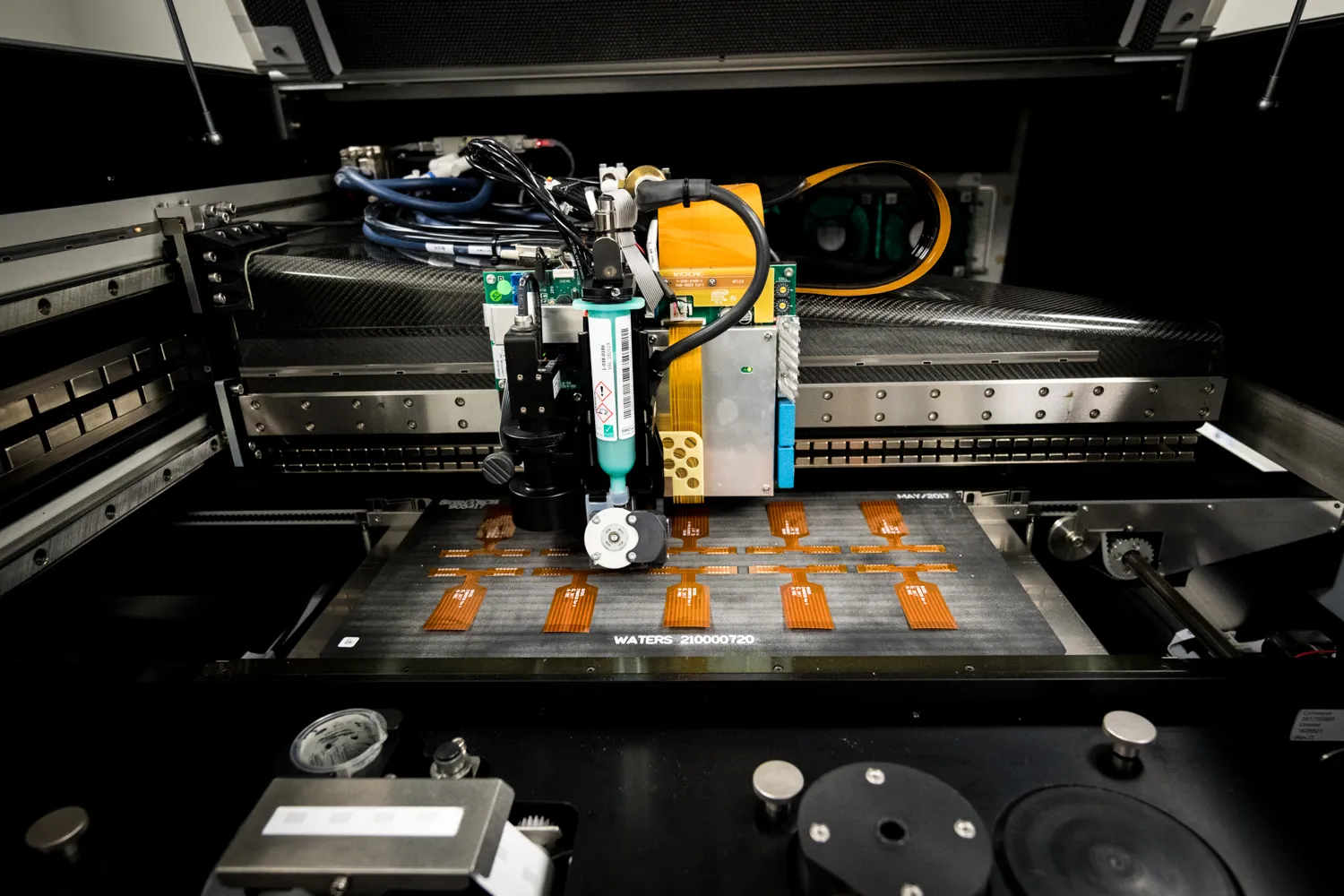
Implementing DFA in Flex and Rigid Flex PCB Design
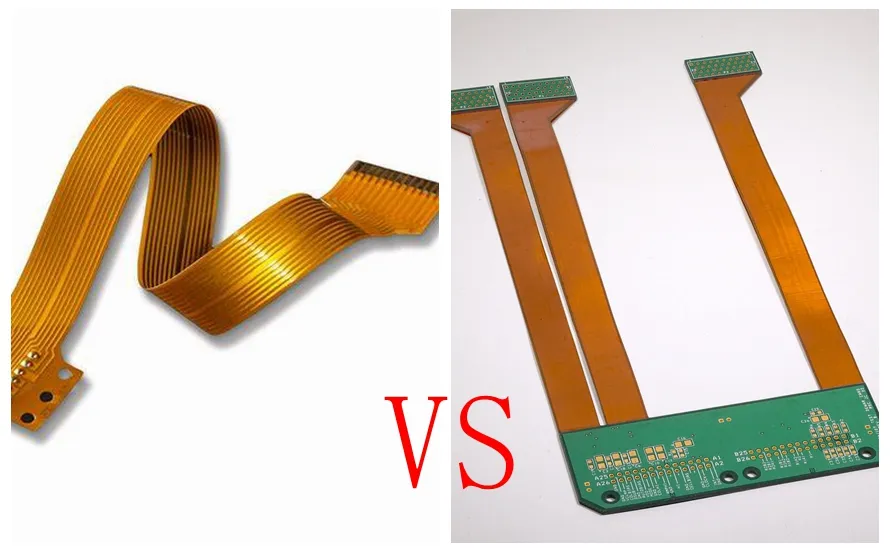
Overcoming Common Flex and Flex Rigid Design Challenges in PCB Design
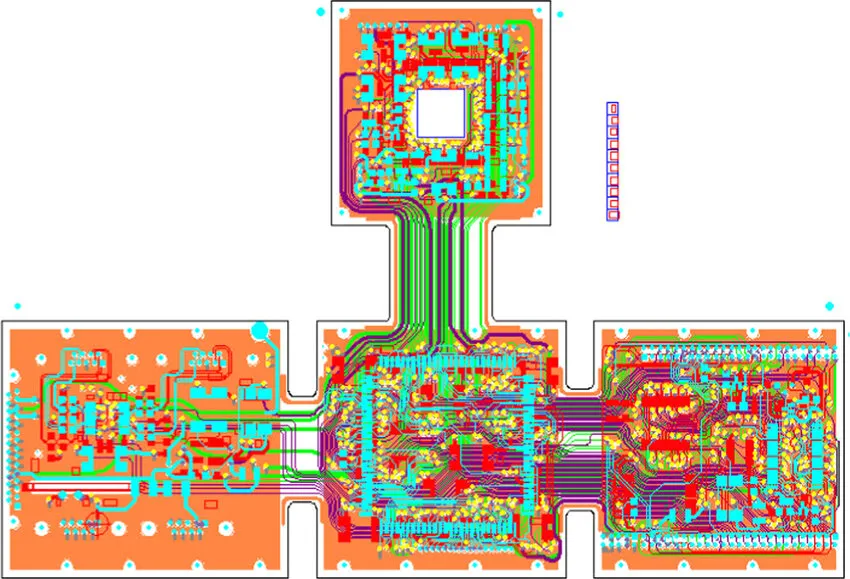
Designing Flex and Rigid-Flex PCBs: A Comprehensive Manufacturing Guide
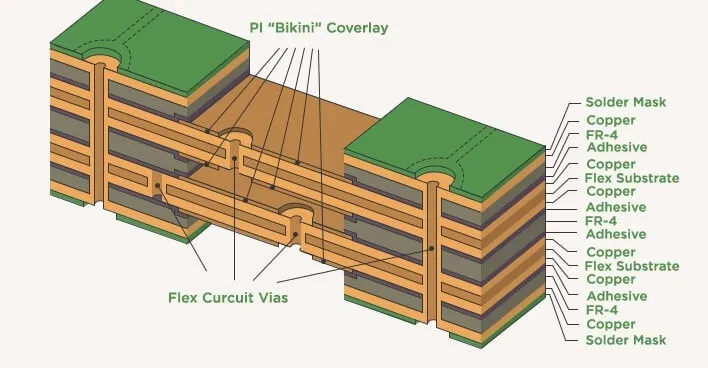
Solving Thermal Management Challenges in High-Density Rigid-Flex PCB Manufacturing
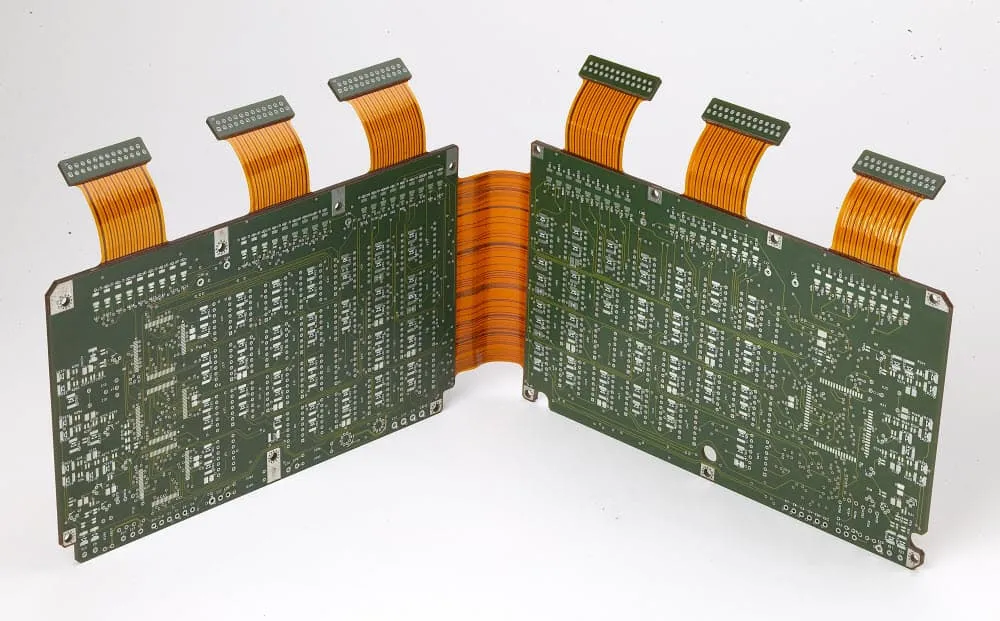
Flexible and Rigid-Flex PCBs: The Complete Engineering Guide

How Drone Communication Differs from Traditional Systems: RF, Modulation, and PCB Insights
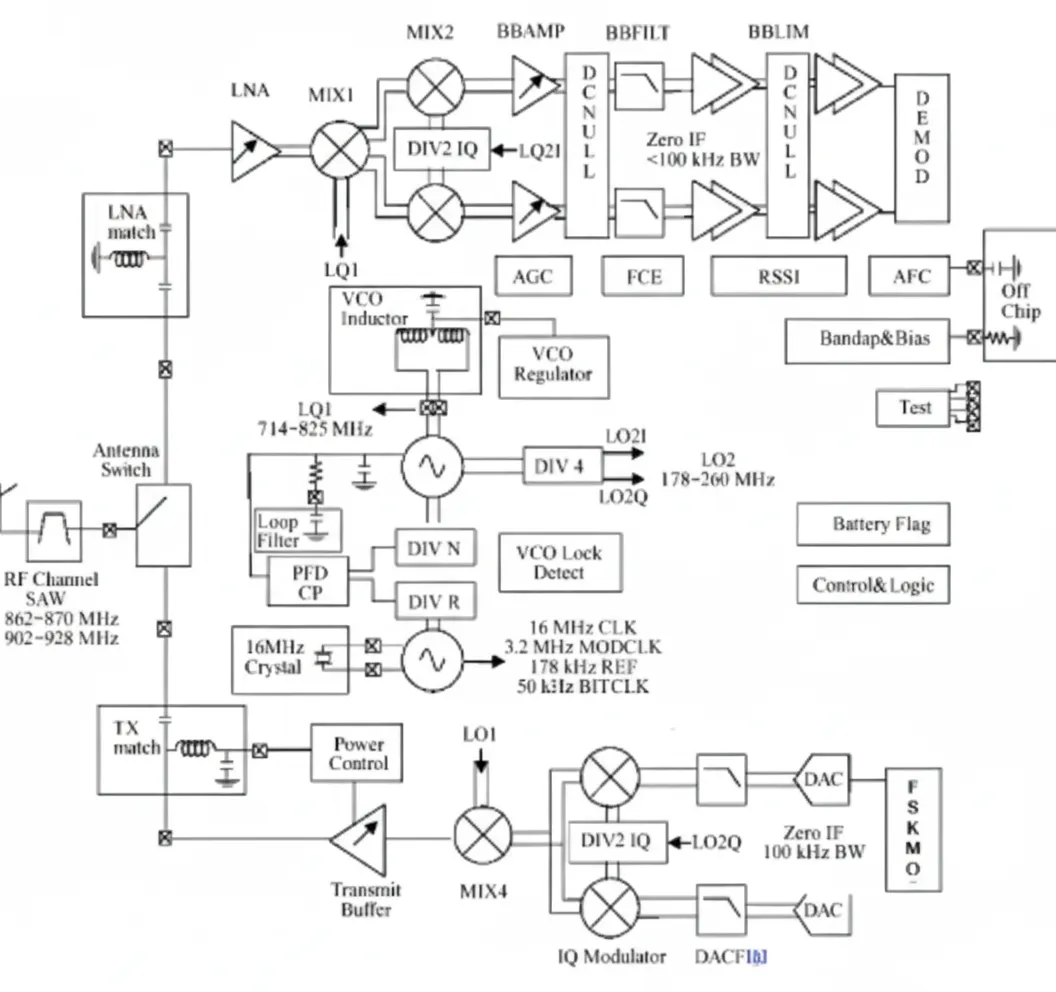
PCB Design for Wearable and Implantable Medical Systems: Wireless and Power Optimization