 00:52
00:52
Rigid PCB
Rigid PCBs form the backbone of modern electronics, serving as the foundational platform for mounting and interconnecting electronic components in a wide array of devices. These boards are constructed from rigid materials like fiberglass-reinforced epoxy, providing structural stability and durability that make them ideal for applications requiring mechanical strength and reliability. Unlike flexible alternatives, rigid PCBs maintain their shape under stress, ensuring consistent performance in environments ranging from consumer gadgets to industrial machinery. For engineers and hobbyists searching for information on rigid PCBs, this tag aggregates essential resources that delve into their design principles, material selections, and fabrication processes, helping you understand how to optimize them for specific projects. One key advantage of rigid PCBs lies in their cost-effectiveness and ease of assembly, which supports high-volume production without compromising quality. Practical applications include everything from smartphones and computers to automotive systems and medical equipment, where signal integrity and thermal management are critical. Best practices for working with rigid PCBs emphasize proper layer stacking to minimize electromagnetic interference, selecting appropriate trace widths for current handling, and incorporating vias for efficient heat dissipation. By following these guidelines, you can avoid common pitfalls like warping during soldering or signal degradation in high-frequency circuits, ultimately leading to more robust and efficient designs. This collection of articles offers in-depth explorations of rigid PCB topics, from beginner tutorials on prototyping to advanced discussions on multilayer configurations and compliance with industry standards such as IPC. Whether you are troubleshooting a manufacturing issue or seeking inspiration for your next innovation, the insights here provide actionable strategies to enhance your electronics projects. Dive into the related content to gain a comprehensive view of how rigid PCBs drive technological advancements.
Video Guide
-
00:52
Technical Articles
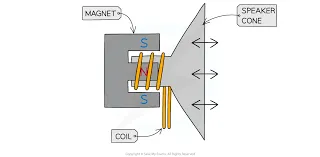
Do Moving-Coil Loudspeakers Use Electromagnetic Induction?
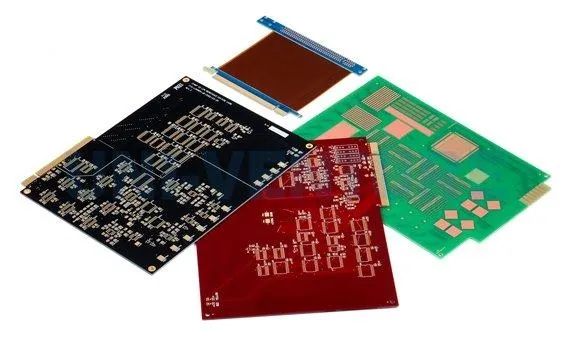
What are the Key Differences of FR1 vs. FR2 vs. FR3 vs. FR4?
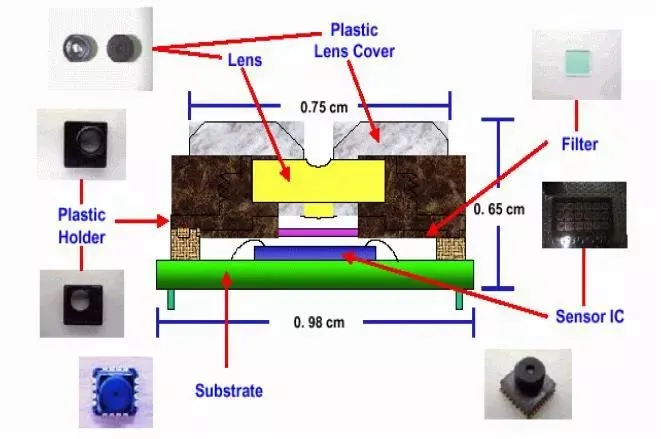
Mobile Camera Structure and Imaging Principles
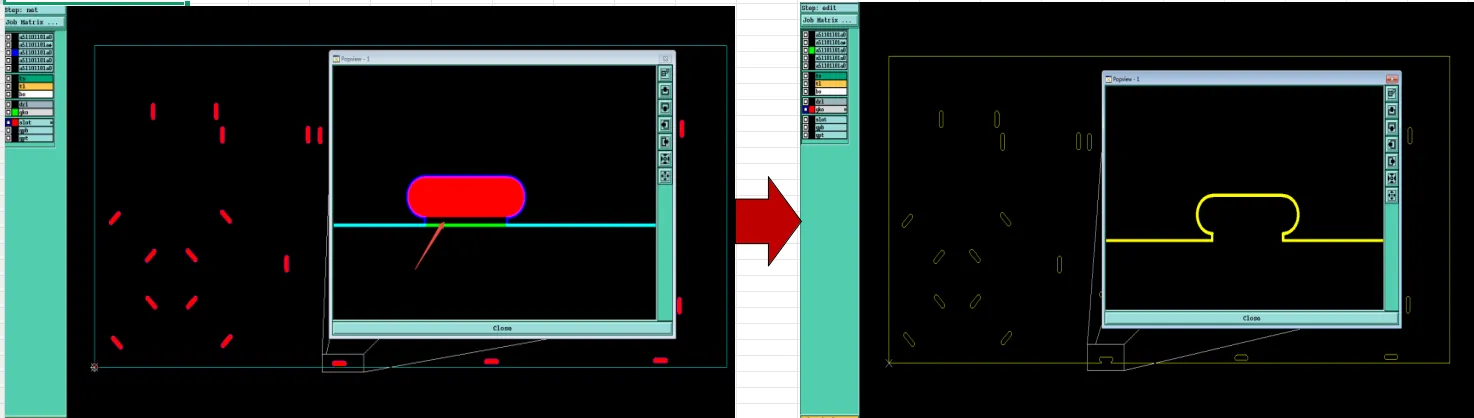
1-Layer PCB DFM Guide: Handling Empty Layers & Slot Clearance
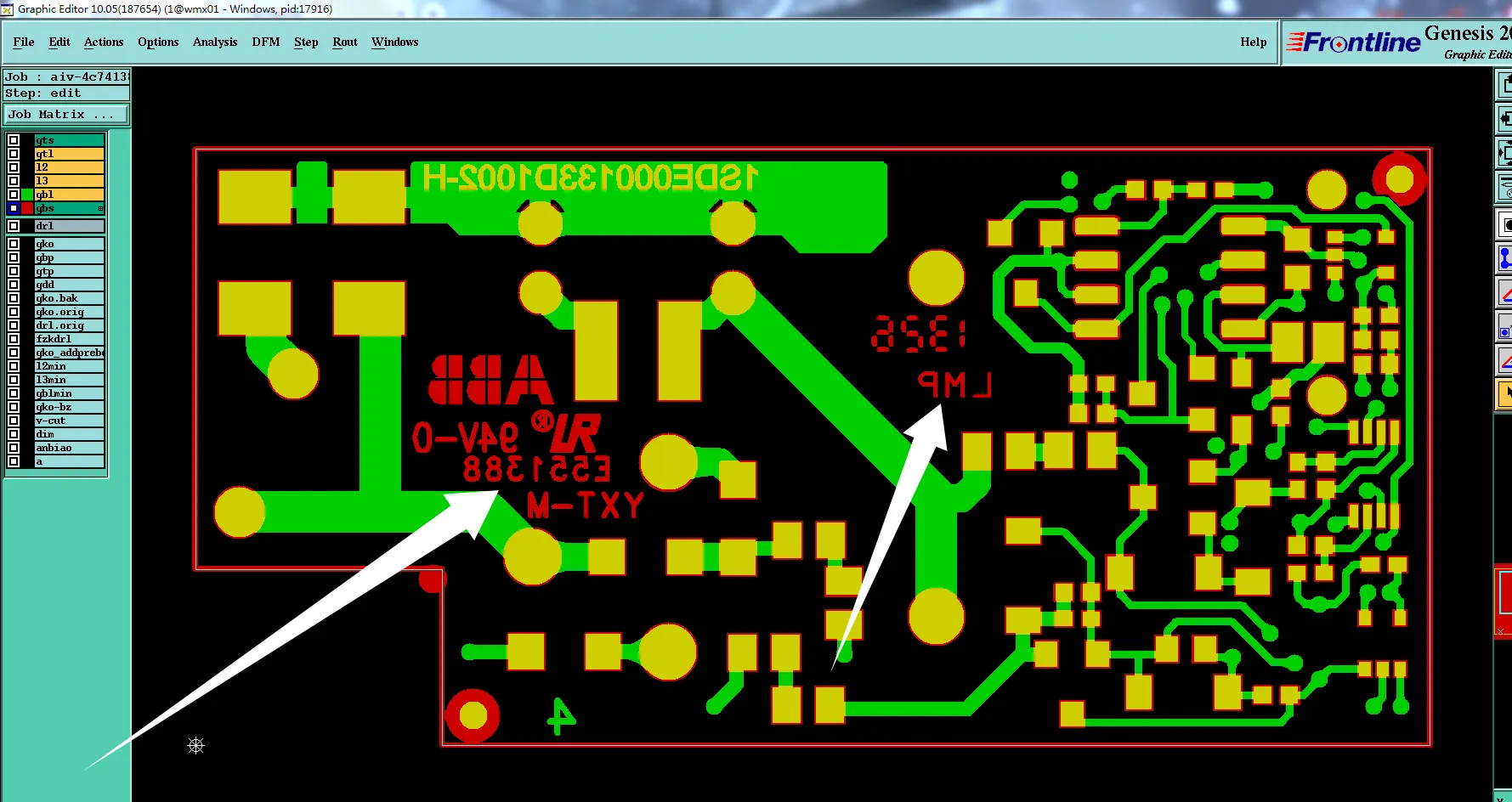
How We Resolved Serial ID Marking on 4-Layer ENIG PCB
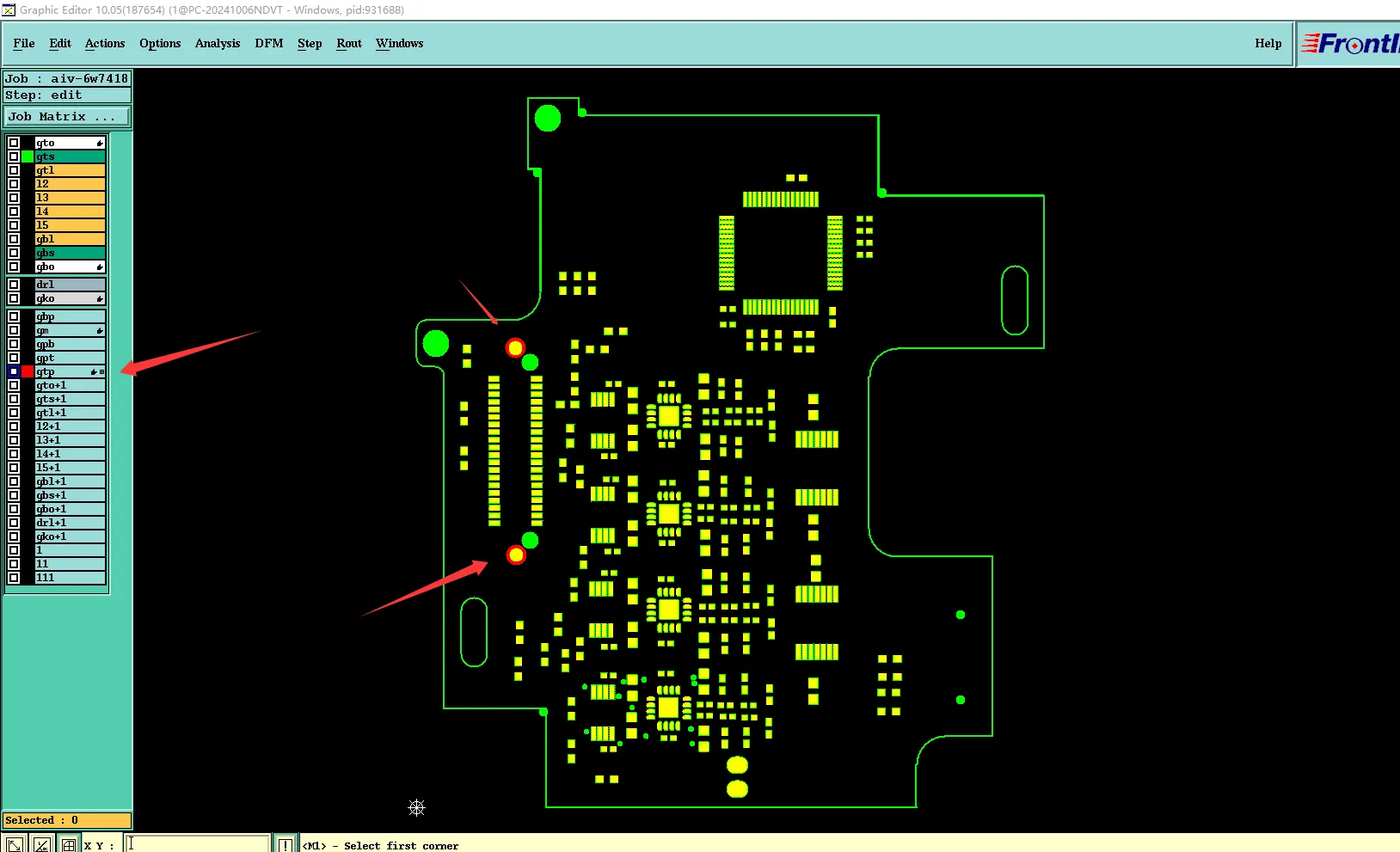
How DFM Handled Undersized Silkscreen on Dense 6L PCB
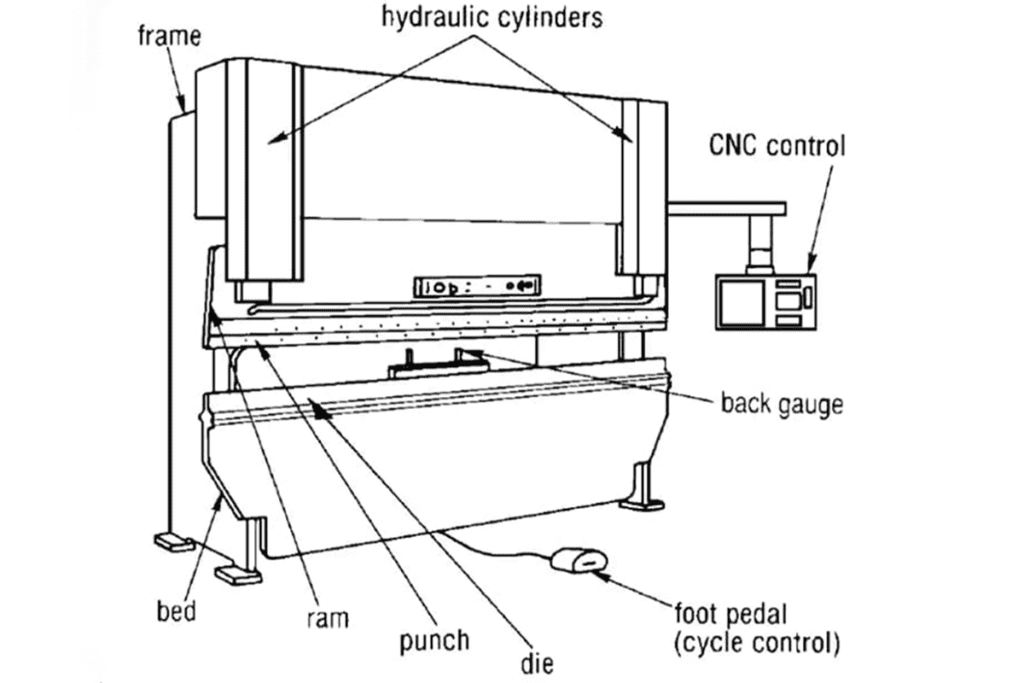
How Sheet Metal Bending Accuracy Is Controlled: Factors and Best Practices
From Rigid to Flexible: Converting Your PCB Designs to Semi Flex
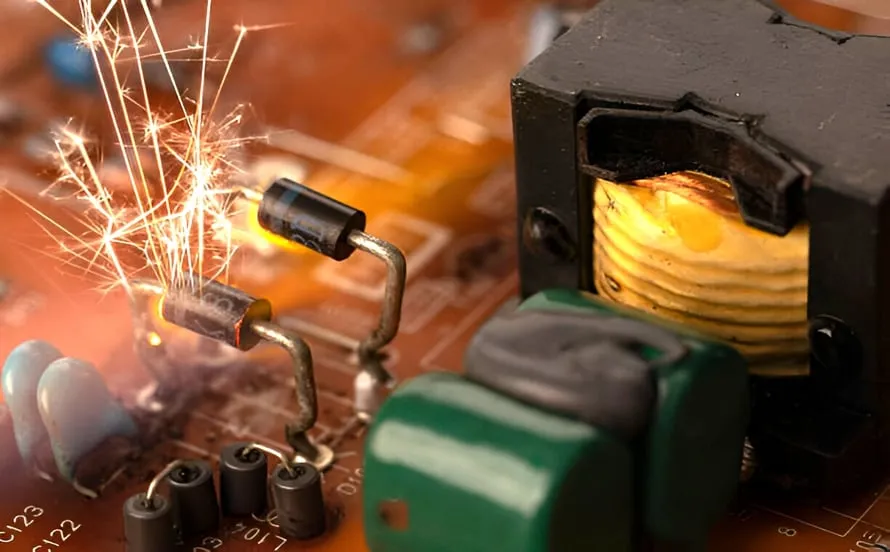
Rigid PCB Failure Analysis: Identifying Root Causes and Preventing Future Issues
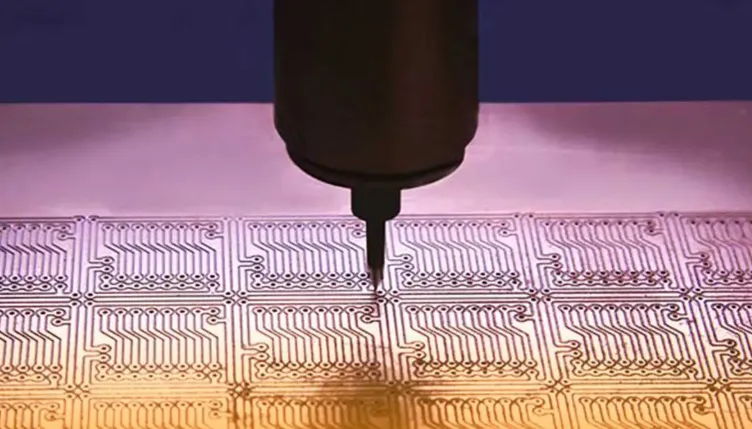
Understanding Rigid PCB Drill Sizes: Best Practices for Via and Hole Design
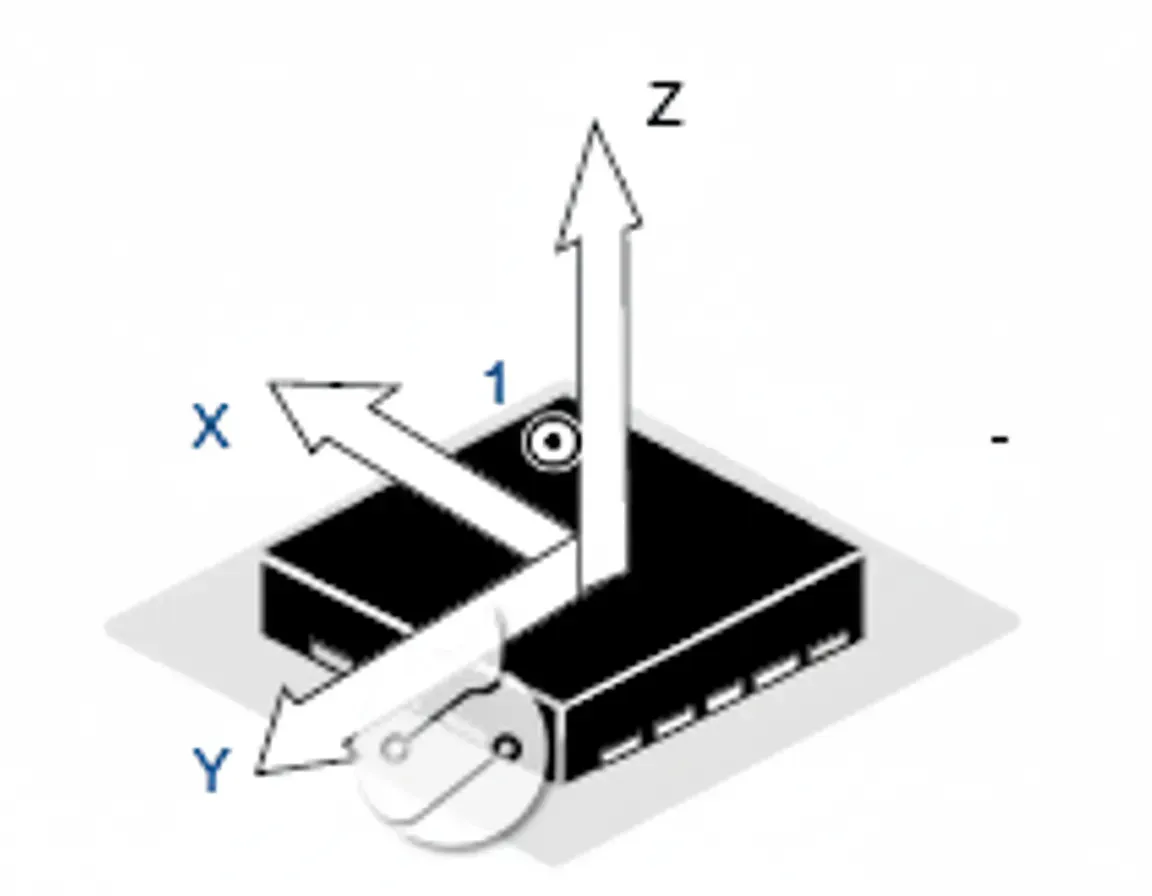
Accelerometer Principles and Applications
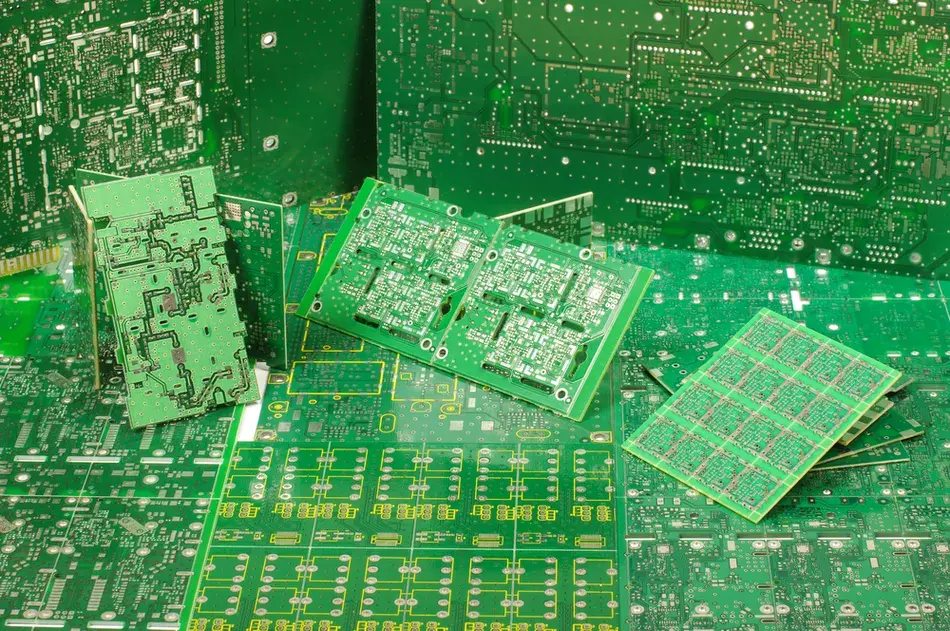
Single-Sided PCB: The Backbone of Simple Remote Controls
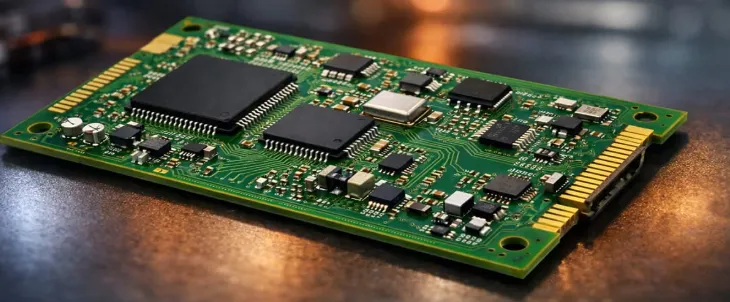
Rigid PCB Industry Trends: What's New in Materials, Technology, and Applications?
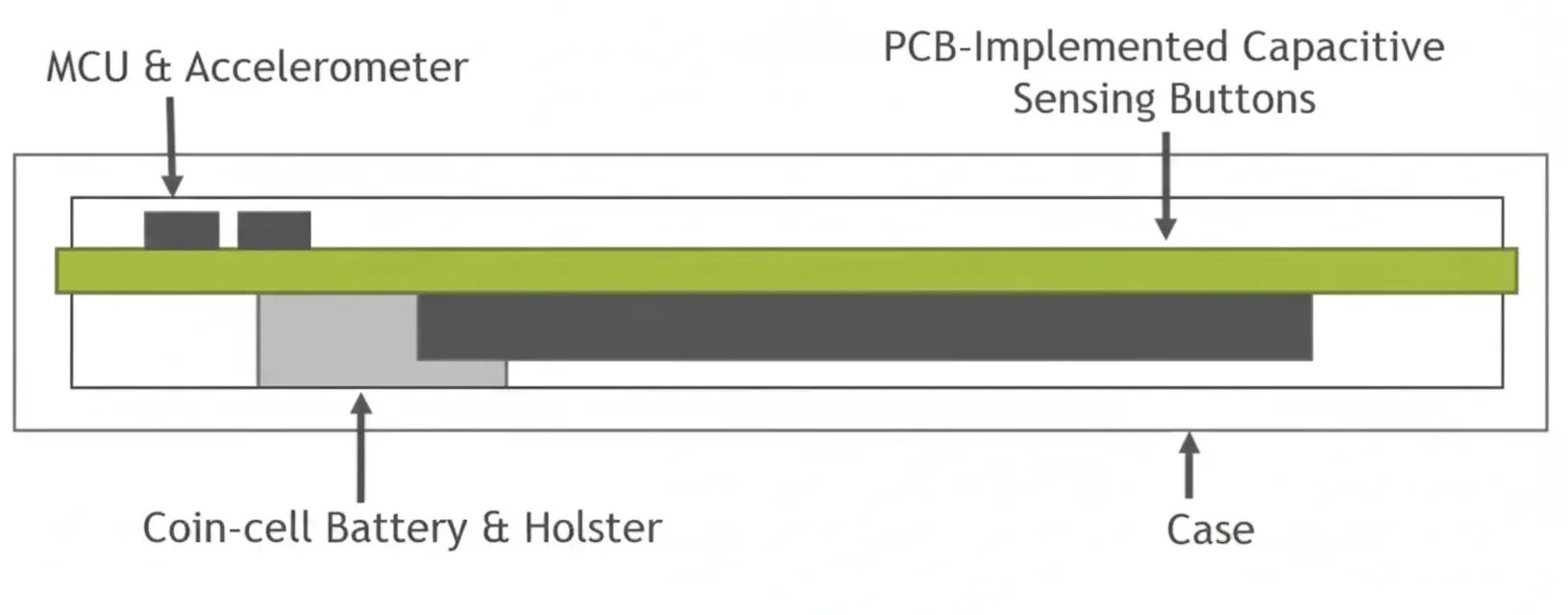
How chip-scale MCUs meet wearable size constraints

What are Smart Parking System Adoption, Availability and Usage Trends?

Smart Irrigation: PCB Based Soil Moisture Sensors for Water Conservation
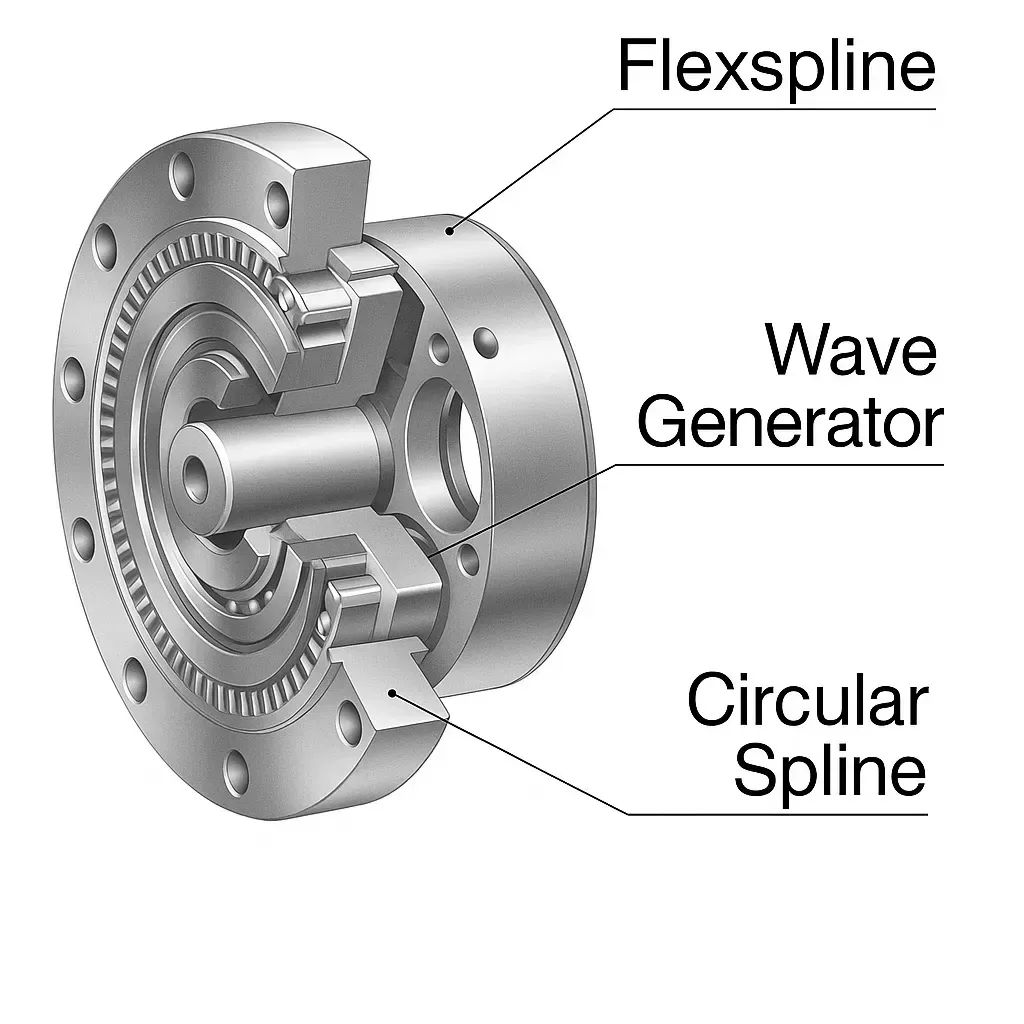
RV vs Harmonic Reducers: Principles and Trade-offs
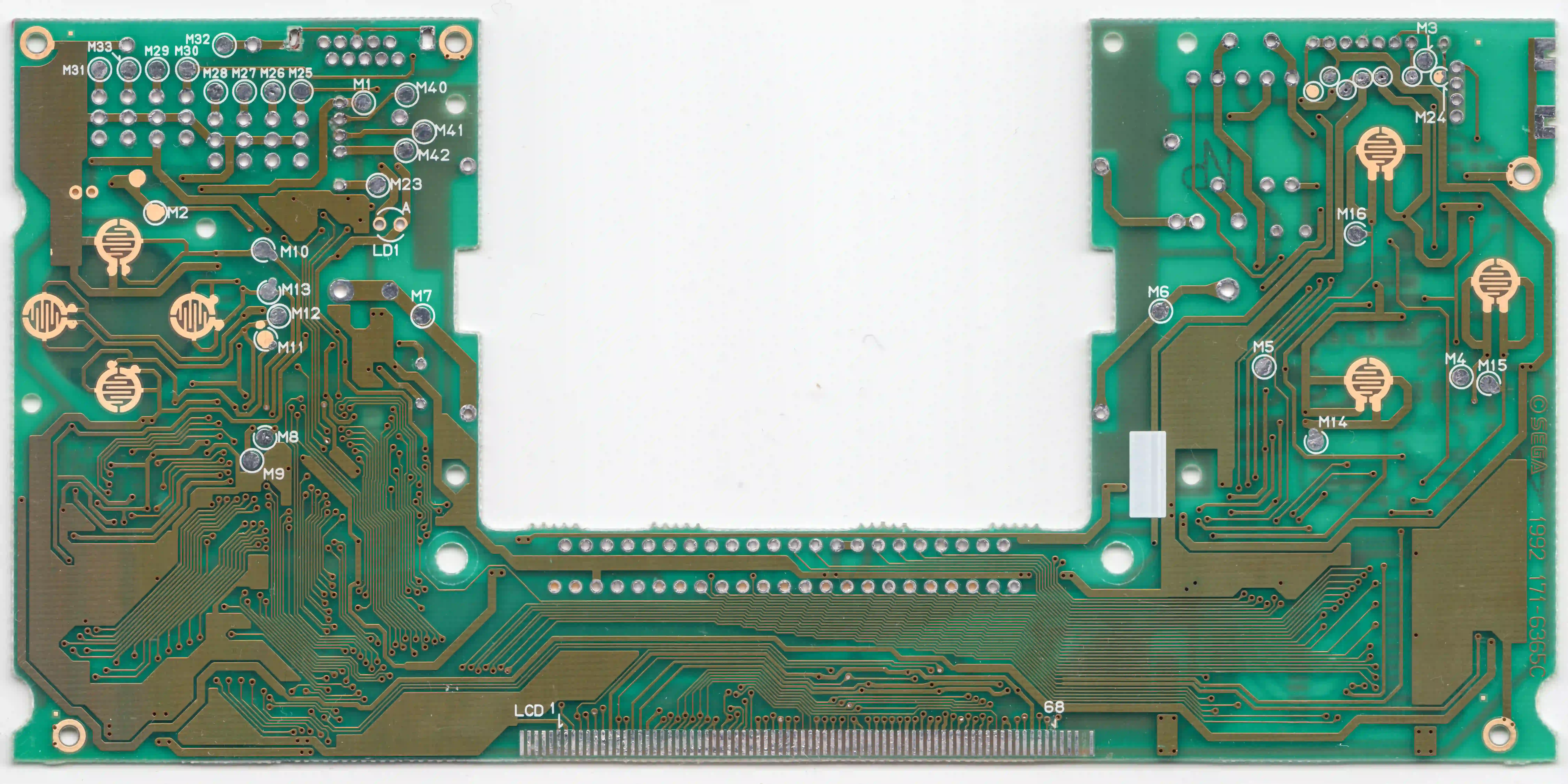
Game Gear PCB: Technical Aspects
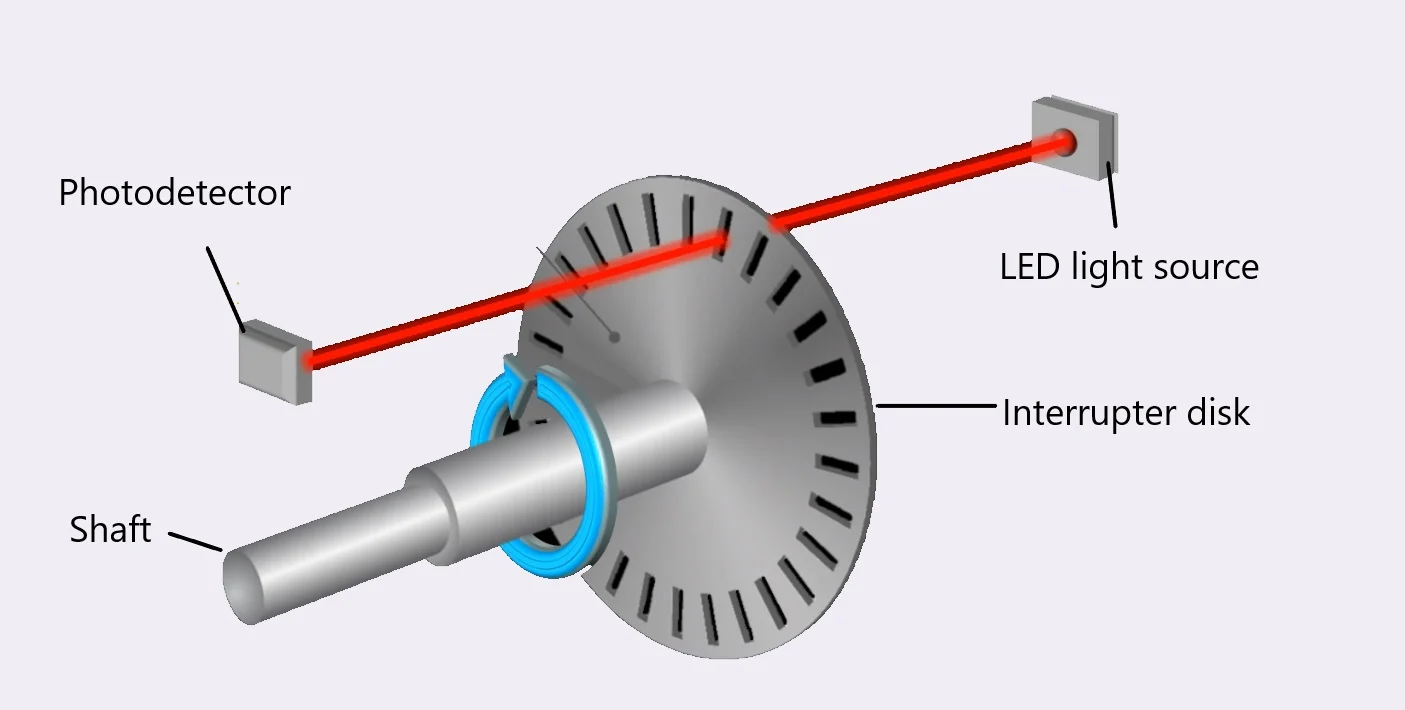
Encoder Principles and Diagrams