 00:54
00:54
SMT Process
Surface Mount Technology (SMT) has revolutionized electronics manufacturing by enabling the efficient assembly of compact, high-performance circuit boards. The SMT Process involves a series of precise steps, from solder paste application and component placement to reflow soldering and inspection, all designed to mount components directly onto the surface of printed circuit boards (PCBs) without the need for through-hole leads. This method is essential for producing modern devices like smartphones, automotive electronics, and medical equipment, where space constraints and reliability are critical. For engineers, designers, and manufacturers searching for insights on the SMT Process, this tag serves as a comprehensive resource hub, offering detailed guidance on optimizing production lines, troubleshooting common issues, and implementing best practices to enhance yield and reduce defects. Understanding the SMT Process begins with mastering key techniques such as stencil printing for accurate solder deposition and pick-and-place automation for high-speed component handling. Practical applications include designing PCBs for SMT compatibility, selecting appropriate soldering profiles to prevent thermal damage, and integrating quality control measures like automated optical inspection (AOI) to catch errors early. By focusing on these elements, users can achieve faster assembly times, lower costs, and improved product durability. For instance, adopting lead-free soldering practices not only complies with environmental regulations but also ensures long-term reliability in harsh operating conditions. This tag compiles articles that provide actionable strategies, such as calibrating reflow ovens for optimal temperature curves or addressing challenges like tombstoning and bridging in dense board layouts. Professionals seeking to refine their expertise will benefit from the in-depth discussions available here, covering everything from emerging SMT innovations to case studies on real-world implementations. Whether you are scaling up production or prototyping a new design, the resources under this tag equip you with the knowledge to streamline your SMT operations effectively.
Video Guide
-
00:54
Technical Articles
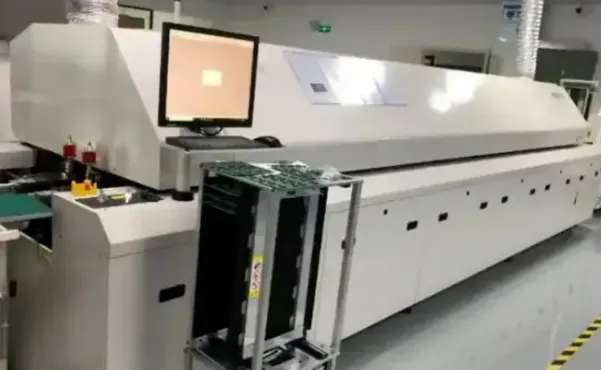
IPC-7801: Process Control for SMT Reflow Soldering
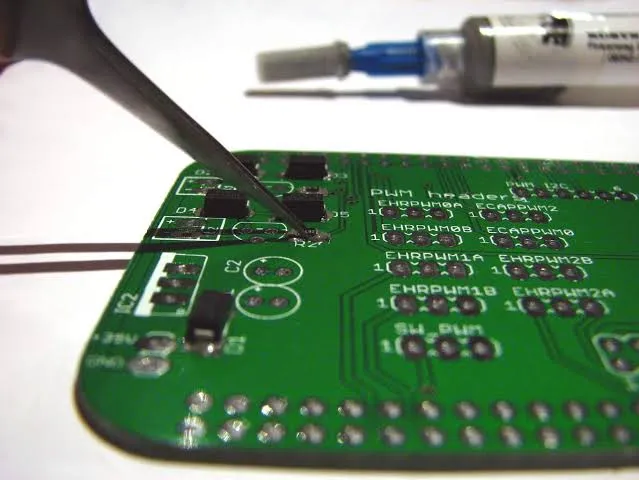
Understanding SMT Soldering Fundamentals: Surface Wetting and Solderability
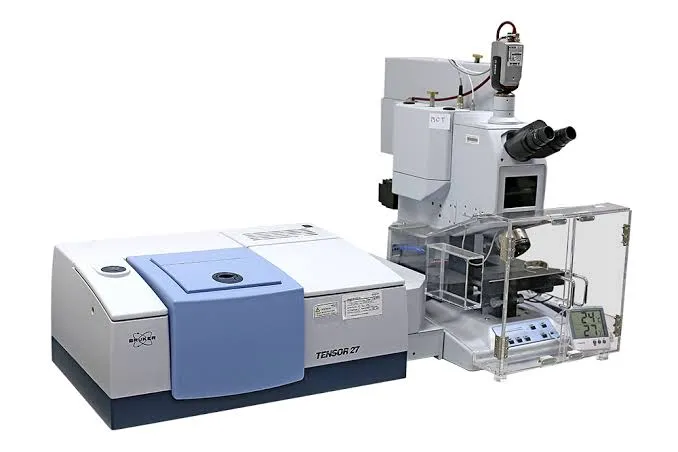
What Is FT-IR Spectroscopy and How Is It Applied in SMT Process Analysis?
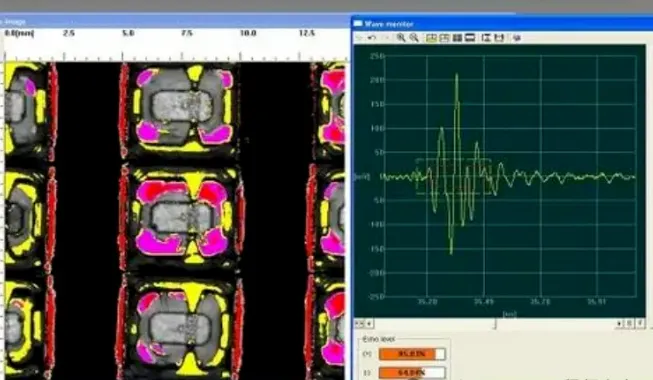
What Is C-SAM and How Does It Support SMT Process Analysis?

What Are Adhesive Layers in KiCad PCB? A Practical Guide to Red Glue in SMT
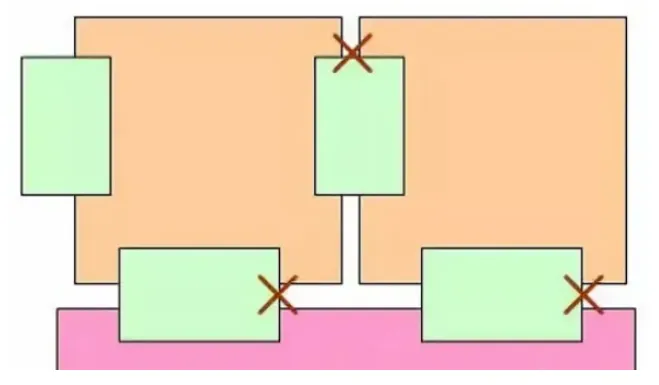
PCB Panelization Design: The Ultimate Guide to Cost Optimization and High-Throughput SMT
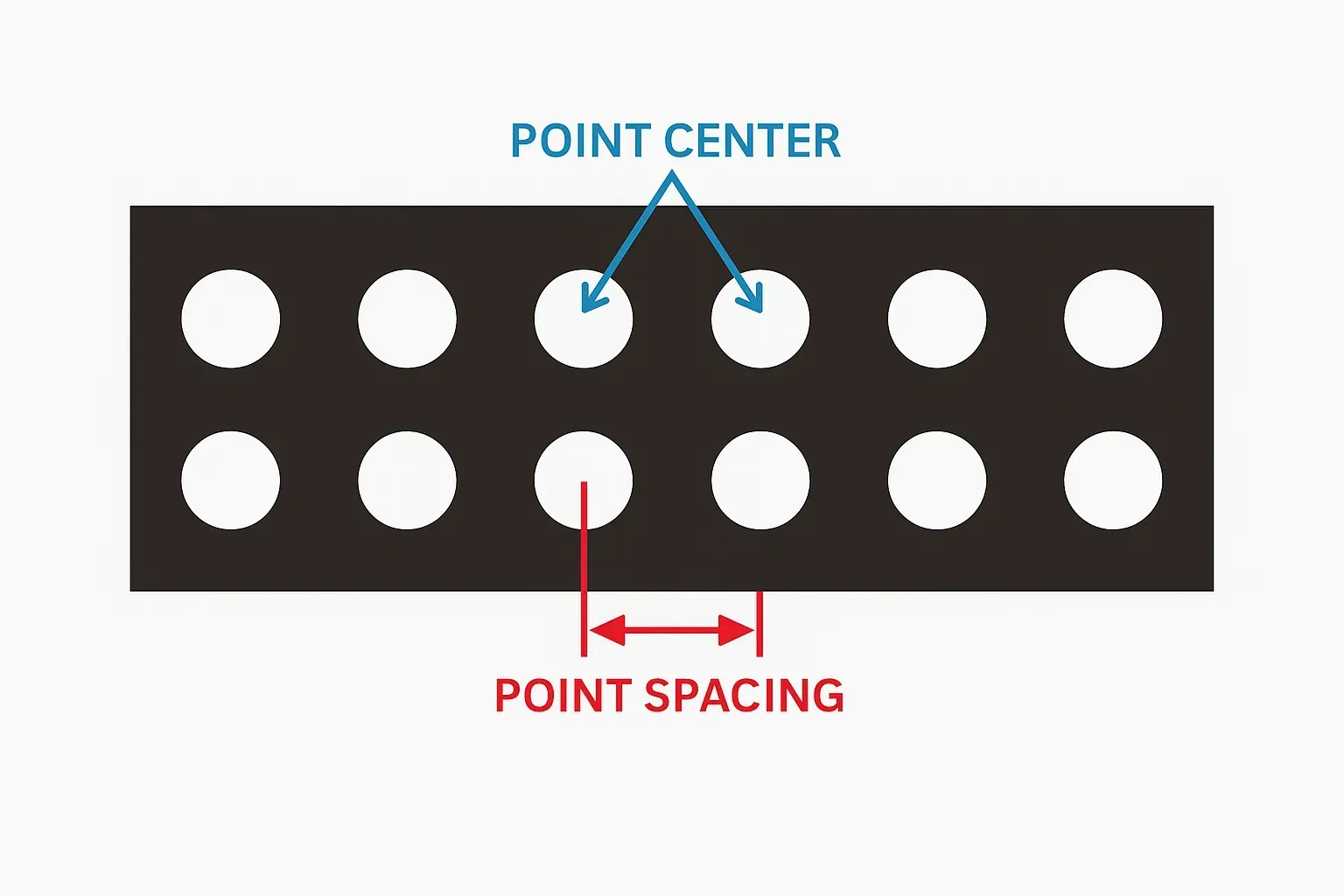
55 Technical Terms for LED Displays
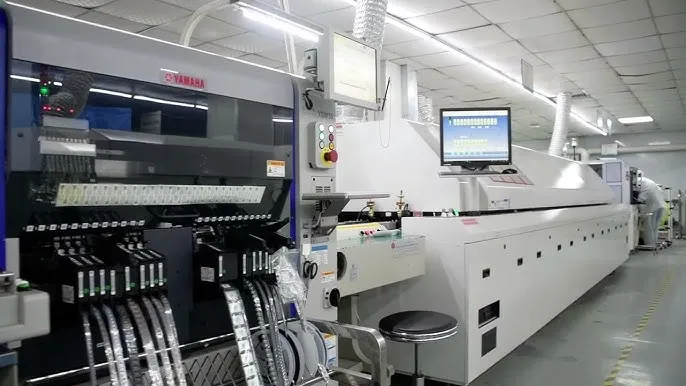
High Volume SMT Assembly: Best Practices for Reliable PCB Manufacturing
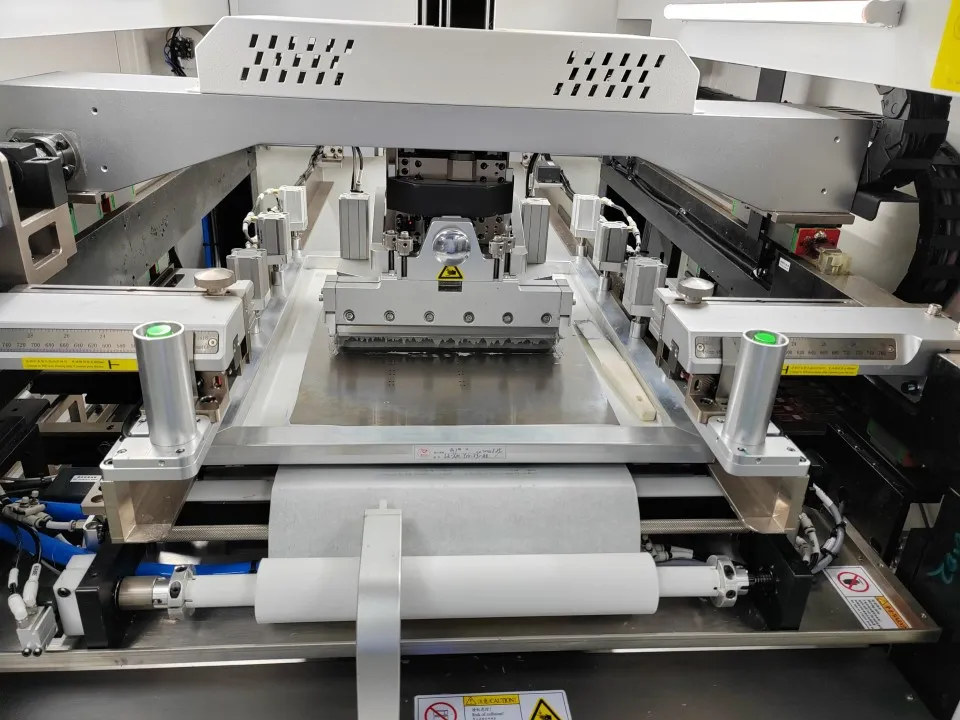
Mobile Phone PCB Assembly Process: SMT and Reflow Soldering Explained
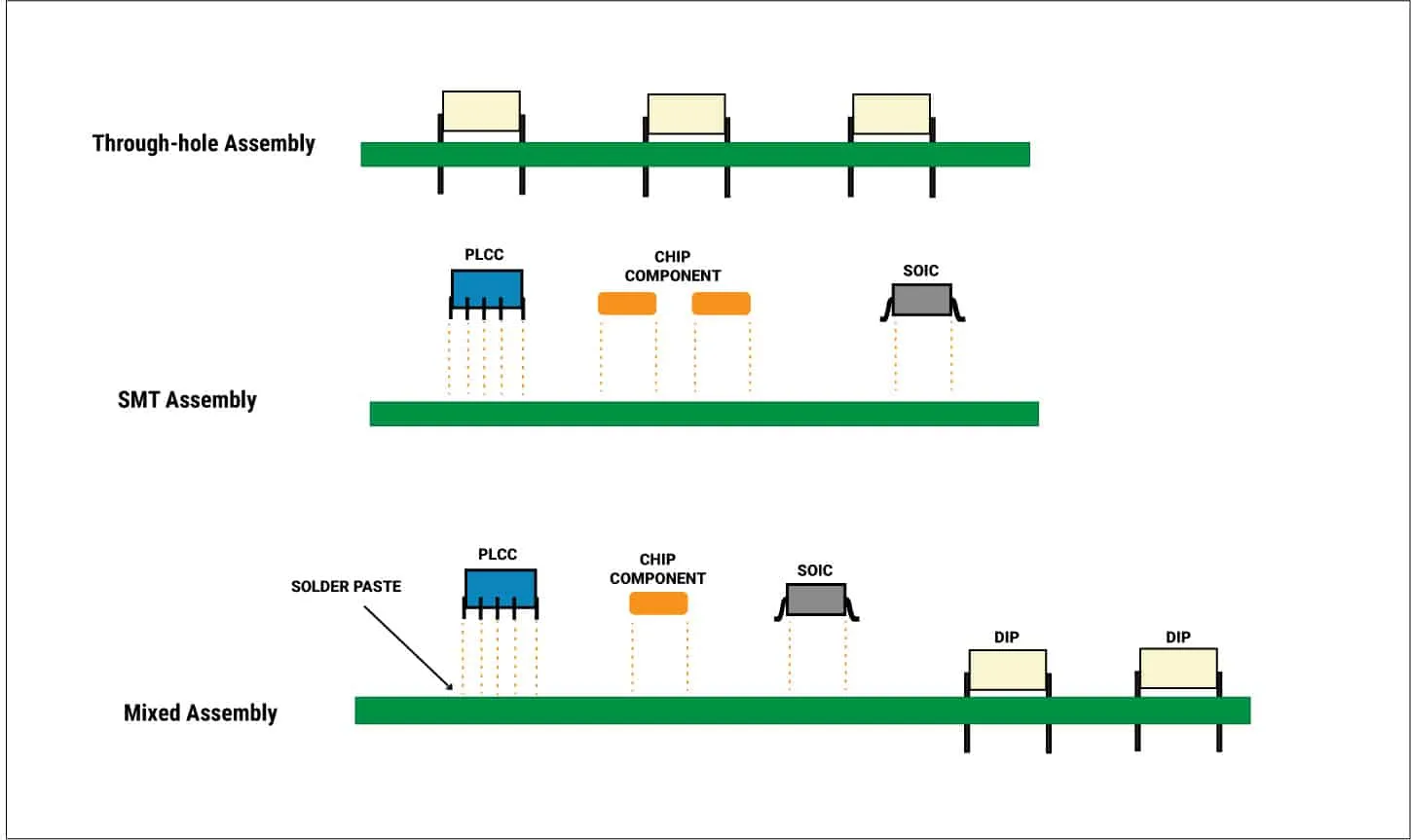
Step Stencils: The Secret to Handling Mixed Component Heights on Your PCB
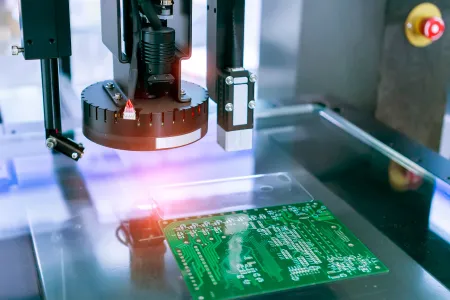
AOI Programming for Dummies: A Step by Step Guide to PCB Inspection
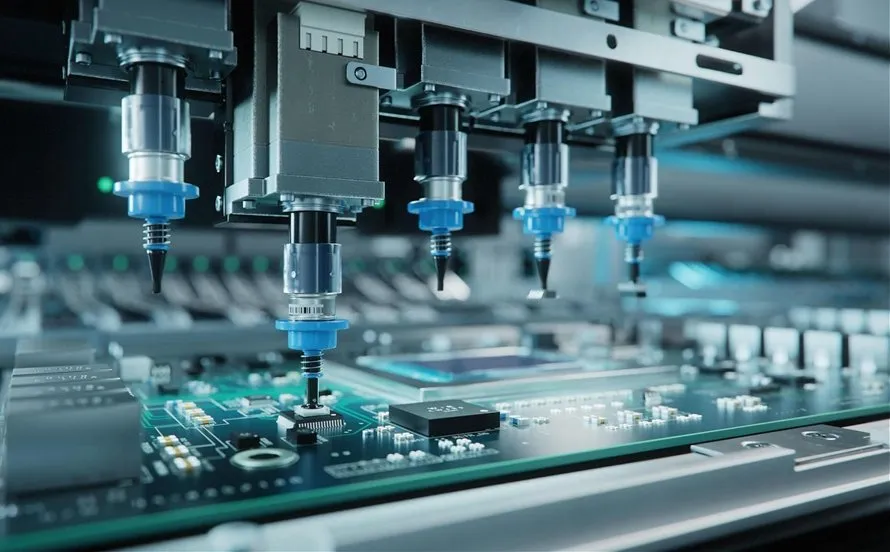
Mastering PCB Assembly: A Comprehensive Guide to Surface Mount Technology
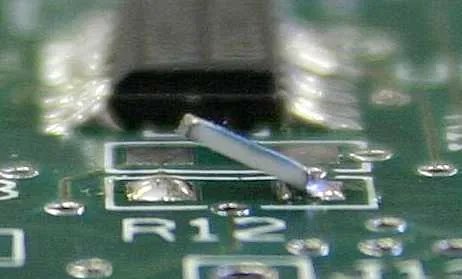
SMT Testing in SMT PCB Assembly Process
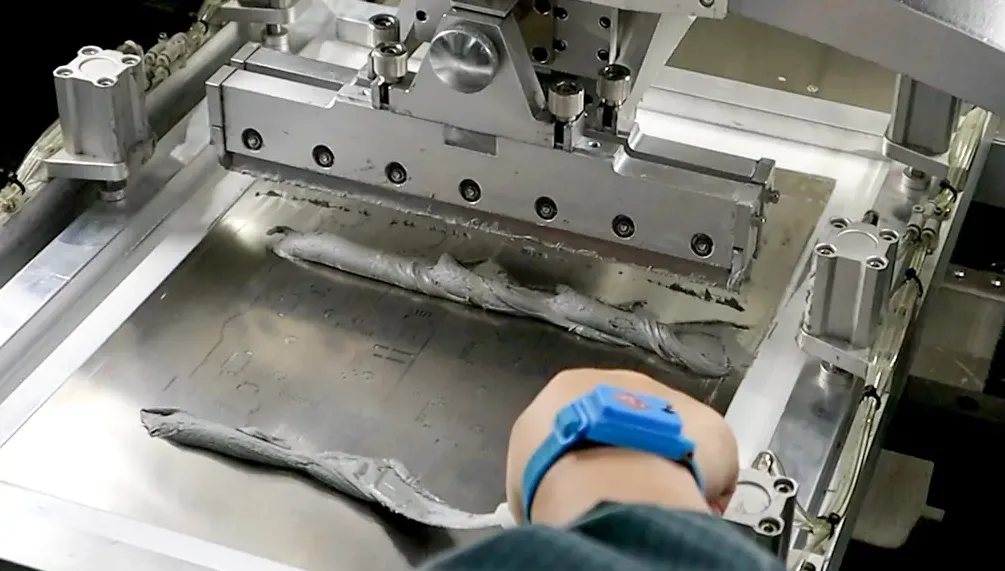
Prevent SMT Soldering Defects: Tips
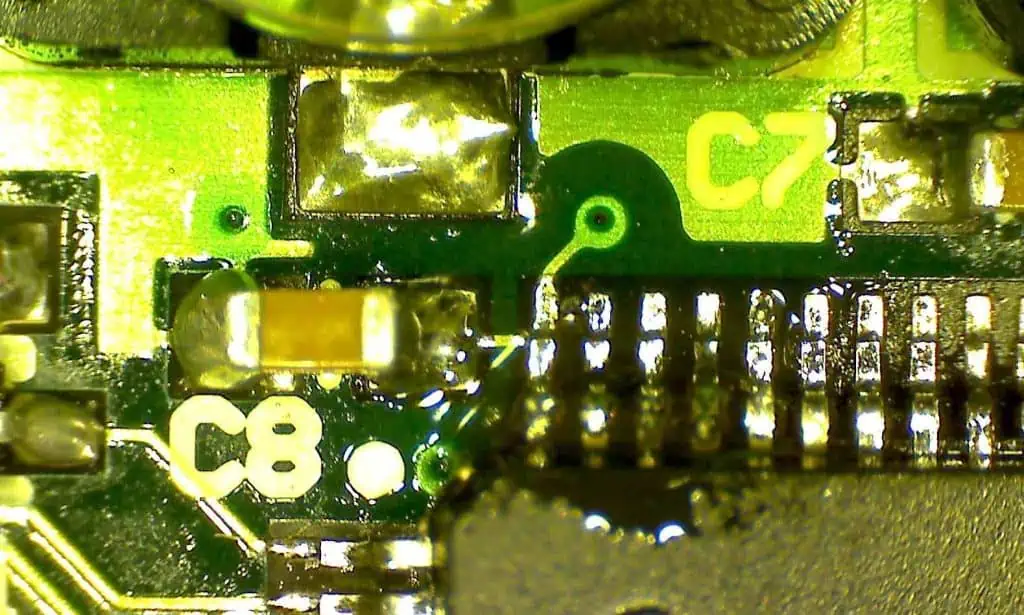
Common SMT PCB Assembly Defects
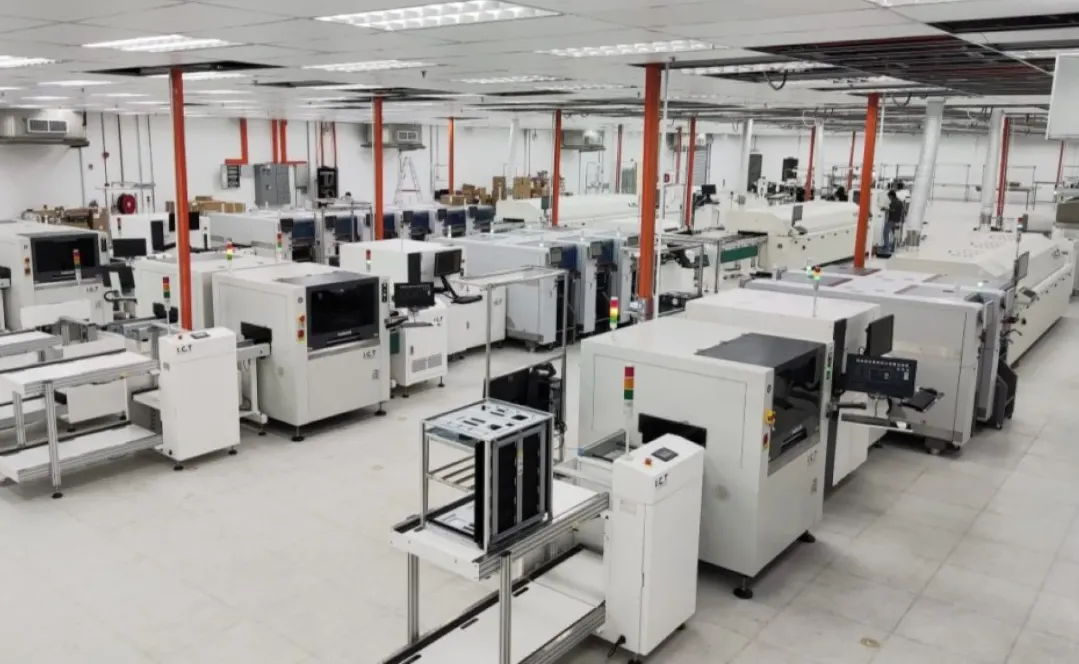
Boosting PCB Production: Integrating Depaneling Machines into SMT Lines
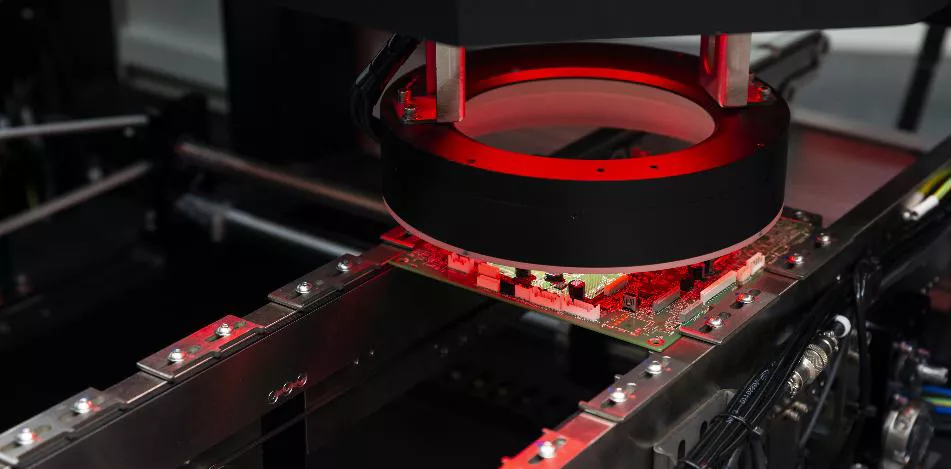
How AOI Equipment Can Reduce Defects and Improve Quality in PCB Manufacturing
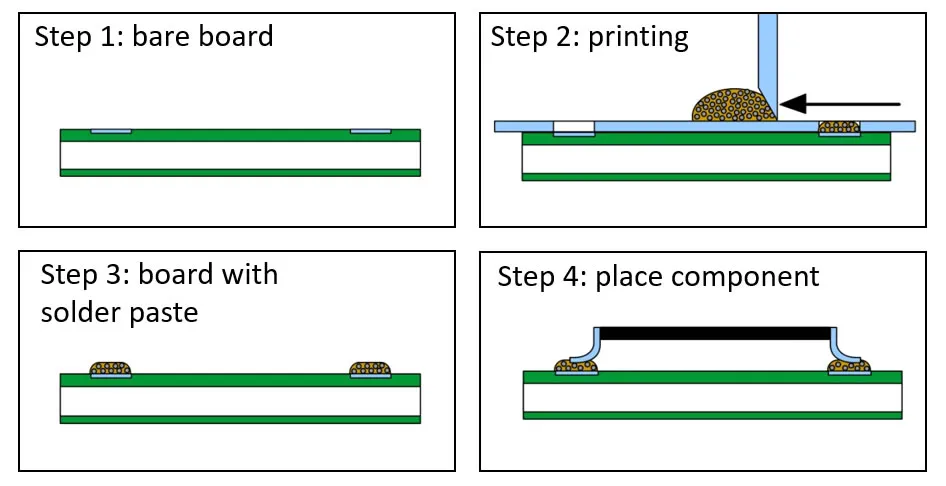
From Prototype to Production: Choosing the Right Stencil Printer for Your PCB Assembly Needs
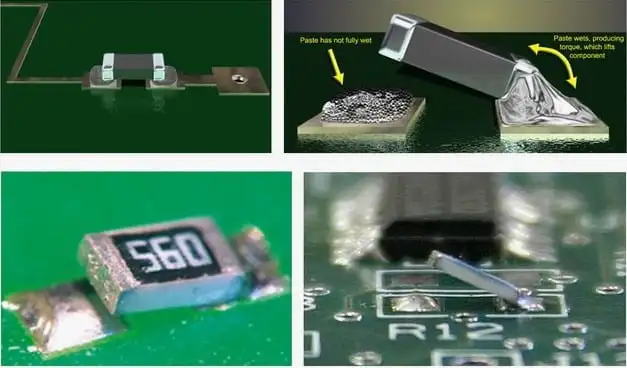
Troubleshooting Common Reflow Oven Problems: A Practical Guide for Electronics Manufacturers