







PCB Knowledge
Printed circuit boards (PCBs) form the backbone of modern electronics, enabling everything from smartphones to industrial machinery. In our PCB Knowledge category, we delve into the essential principles, techniques, and innovations that drive this field forward. Whether you are an engineer refining your designs or a hobbyist embarking on your first project, this collection offers valuable resources to enhance your understanding and skills. The scope of PCB Knowledge spans foundational concepts such as circuit layout and component selection, extending to advanced topics like high-speed signal integrity and thermal management. We provide detailed guides that walk through design software usage, manufacturing processes, and quality assurance methods. Tutorials offer hands-on instructions for prototyping and assembly, while insights from industry experts share real-world case studies and emerging trends. Best practices emphasize reliability, cost efficiency, and compliance with standards like IPC, ensuring your projects meet professional benchmarks. The practical value lies in its direct applicability to everyday challenges. For instance, articles on troubleshooting common PCB failures can save time and resources in product development cycles. Discussions on materials science reveal how choices in substrates and coatings impact performance in harsh environments, such as automotive or aerospace applications. By addressing these elements, PCB Knowledge equips you with tools to innovate and optimize electronic systems that power renewable energy solutions, medical devices, and consumer gadgets. As you read through the articles here, you will gain a comprehensive perspective that connects theoretical knowledge with tangible outcomes. This category serves as a hub for ongoing learning, where each piece builds on the others to foster expertise in PCB technology. Stay informed on the latest advancements, from flexible PCBs to sustainable manufacturing, and apply these insights to your work for superior results.
Latest Blogs
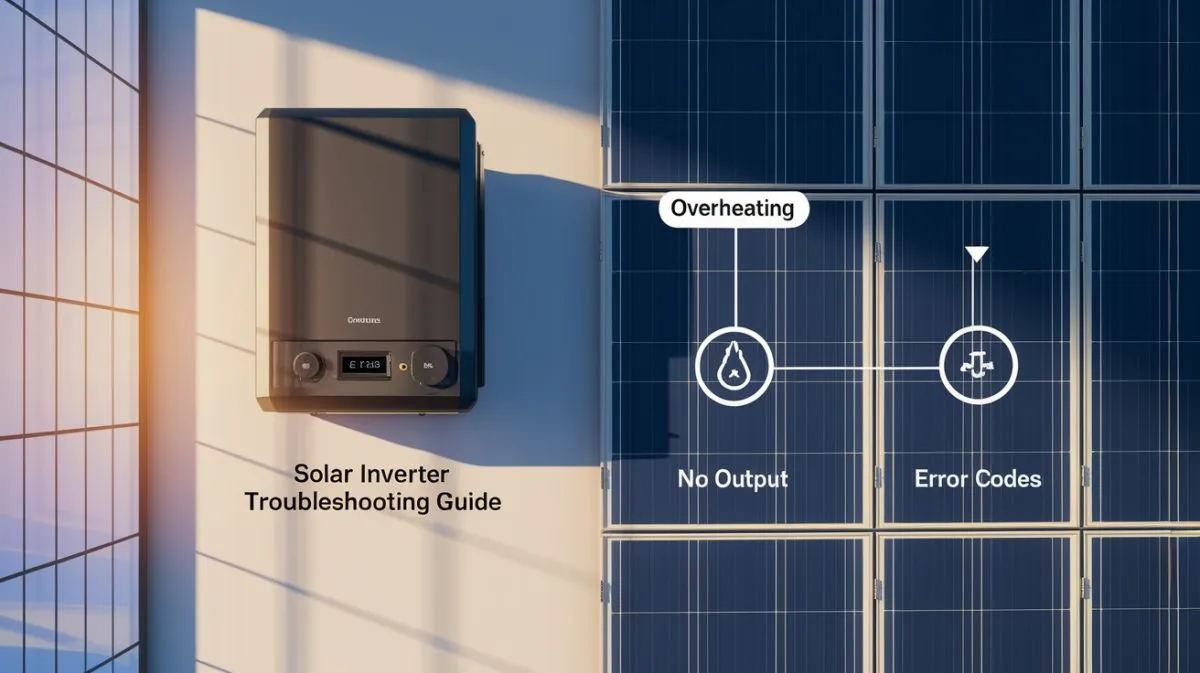
Troubleshooting Common Issues in Solar Inverter PCBs: A Practical Approach
Follow practical steps for solar inverter PCB troubleshooting, including visual checks, multimeter testing for continuity and shorts, and repair methods. Diagnose common faults like overheating and capacitor failures to restore inverter performance and prevent downtime for electric engineers.
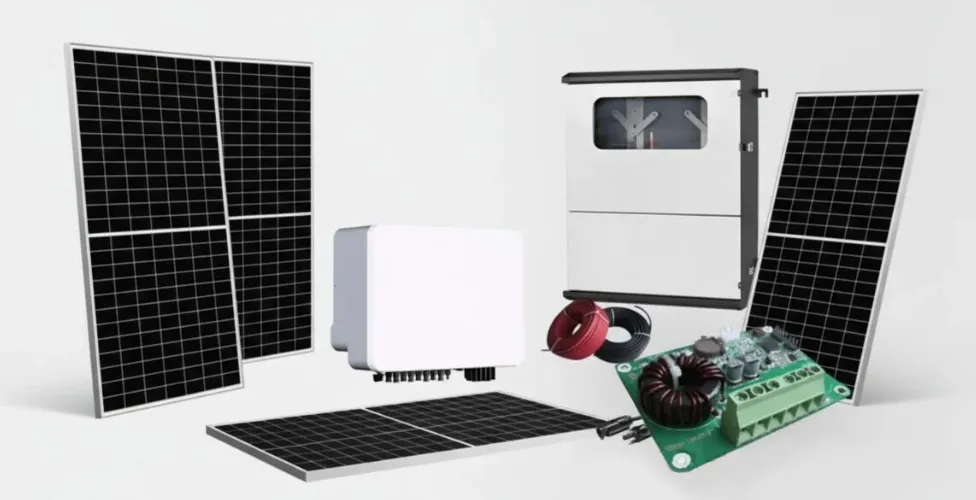
Designing a High Performance Solar Inverter PCB: Key Considerations and Best Practices
Solar inverter PCB design demands focus on thermal management, high-current traces, EMI control, and voltage isolation for reliable power electronics. This article covers material choices, stackup strategies, trace sizing, safety practices, and troubleshooting to build high-performance boards that last in photovoltaic systems.

The Art of Vending Machine PCB Layout: Optimizing for Signal Integrity and EMC
Vending machine PCB layout demands focus on signal integrity and EMC to handle noise from motors and controls. This guide covers stackups, routing rules, filtering, shielding, and troubleshooting steps to reduce noise in vending machine PCBs and build reliable boards that meet standards.

Designing ATM PCBs for Extreme Temperatures
Design reliable ATM PCBs for extreme temperatures using high-temperature PCB materials, low-temperature PCB materials, thermal vias, component selection, and key design considerations. This article details technical principles, solutions, and assembly tips for harsh environments to prevent failures and ensure performance.

The Impact of IoT on Hotel Room Control PCBs: Trends and Challenges
IoT hotel PCBs power smart room controls with connected devices, but face data security, power management, and reliability hurdles. Key trends include multi-protocol wireless and HDI miniaturization. Electric engineers get best practices, troubleshooting, and IPC standards for effective Internet of Things designs in hotels.

Greenhouse Automation: Optimizing Climate Control with Sensor PCBs
Electric engineers rely on greenhouse climate control PCBs to integrate temperature humidity light CO2 sensors and ventilation for precise automation. This article covers layouts signal integrity moisture protection standards and troubleshooting for reliable performance in humid environments boosting plant growth efficiency.

Precision Planting: How Agricultural Sensor PCBs Maximize Crop Yields
Agricultural PCB design for precision planting integrates sensor PCB layout guidelines and component selection for soil monitoring to enable real-time nutrient analysis and variable rate seeding. Electric engineers gain practical insights on reliable boards that withstand field conditions and boost crop yields through data-driven farming.

Power Integrity Analysis for Spacecraft Electronics PCBs: Ensuring Stable Power Delivery
Power integrity analysis for space PCBs ensures reliable power delivery in spacecraft electronics facing radiation and vibration. Cover PDN design for space electronics, decoupling capacitor placement, voltage drop analysis, and ground bounce mitigation for mission-critical stability.
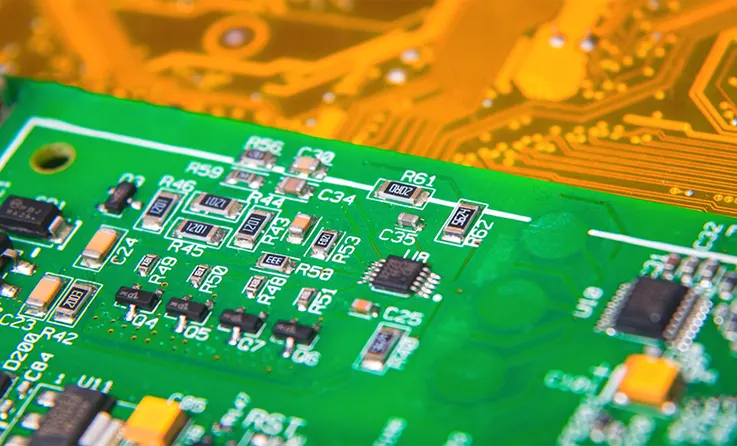
Silk Screen Color Matching: Achieving Precision in PCB Manufacturing
Achieve precise PCB silkscreen color matching to ensure clear legends and reliable PCBs. Covers PMS color matching silkscreen, color calibration methods, printing principles, best practices, troubleshooting issues, and IPC standards for consistent silkscreen color accuracy in production.

Advanced PCB Layout Techniques for High Frequency Marine Navigation Systems
High-frequency PCB layout techniques ensure reliable marine navigation systems handle radar, GPS, and comms in harsh seas. Cover impedance control PCBs, signal integrity in marine PCBs, microstrip antenna design, and ways to minimize signal loss for better performance and safety.

Flexible Future: Using Flex PCBs in VR Headset Design
VR headset flex PCBs for lightweight VR headset design: bendable circuits reduce weight and conform to curves. Advantages include vibration resistance and assembly ease. Best practices and IPC standards ensure durability.

Massive Selection for Hearing Aids Printed Circuit Board, Impedance control
Impedance control ensures signal integrity on Hearing Aids Printed Circuit Boards, minimizing interference and supporting file transfer rates in compact designs. This article details technical principles, manufacturing challenges, best practices, and troubleshooting for electronic engineers building reliable hearing aids.


