







PCB Knowledge
Printed circuit boards (PCBs) form the backbone of modern electronics, enabling everything from smartphones to industrial machinery. In our PCB Knowledge category, we delve into the essential principles, techniques, and innovations that drive this field forward. Whether you are an engineer refining your designs or a hobbyist embarking on your first project, this collection offers valuable resources to enhance your understanding and skills. The scope of PCB Knowledge spans foundational concepts such as circuit layout and component selection, extending to advanced topics like high-speed signal integrity and thermal management. We provide detailed guides that walk through design software usage, manufacturing processes, and quality assurance methods. Tutorials offer hands-on instructions for prototyping and assembly, while insights from industry experts share real-world case studies and emerging trends. Best practices emphasize reliability, cost efficiency, and compliance with standards like IPC, ensuring your projects meet professional benchmarks. The practical value lies in its direct applicability to everyday challenges. For instance, articles on troubleshooting common PCB failures can save time and resources in product development cycles. Discussions on materials science reveal how choices in substrates and coatings impact performance in harsh environments, such as automotive or aerospace applications. By addressing these elements, PCB Knowledge equips you with tools to innovate and optimize electronic systems that power renewable energy solutions, medical devices, and consumer gadgets. As you read through the articles here, you will gain a comprehensive perspective that connects theoretical knowledge with tangible outcomes. This category serves as a hub for ongoing learning, where each piece builds on the others to foster expertise in PCB technology. Stay informed on the latest advancements, from flexible PCBs to sustainable manufacturing, and apply these insights to your work for superior results.
Latest Blogs

Gaming Console PCBs: Technological Innovations and Future Market Outlook
Gaming console PCBs rely on HDI technology, high-speed signaling, and thermal management for peak performance in consumer electronics gaming consoles. Best practices in design and manufacturing ensure reliability. Insights cover future trends and rising equipment gaming market demand for PCBs.

Security Considerations for Remote Access Control PCBs: Preventing Hacking
Protect remote access control PCBs with hardware defenses like secure elements, tamper meshes, and shielded traces. Learn access control hacking prevention strategies, embedded system security principles, and standards compliance to block network intrusions and physical attacks. Essential for electric engineers designing reliable systems.

VR Headset PCB Assembly: Best Practices for SMT and Through Hole
VR headset PCB assembly best practices for SMT and through-hole techniques help electronic engineers minimize defects like tombstoning, bridging, and warpage. Key steps include precise stencil printing, reflow profiling per JEDEC standards, selective soldering, and post-process inspections for reliable VR devices.
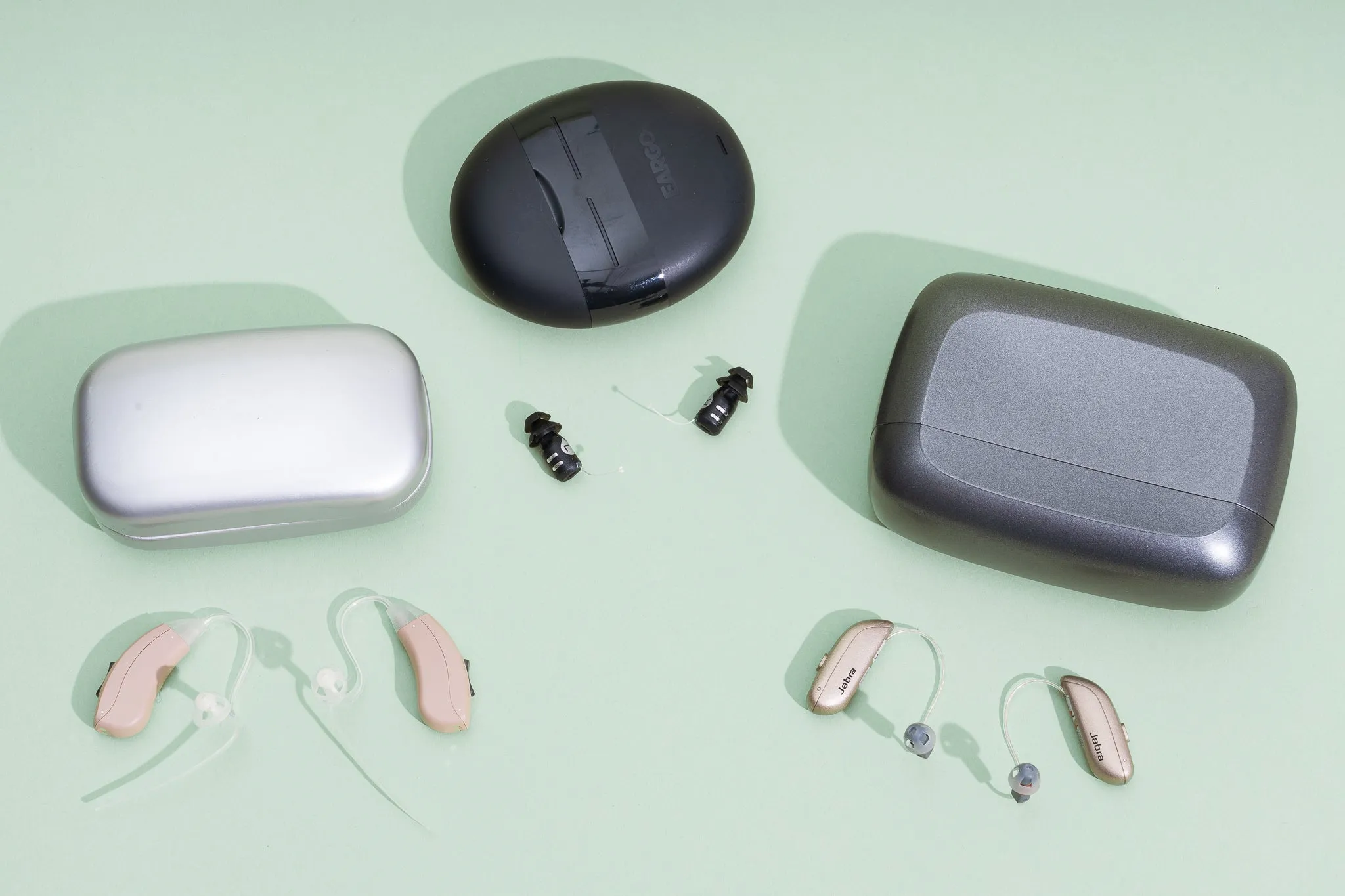
China Customized Immersion Tin Hearing Aids Multilayer Rigid flex PCB with Impedance control
China PCB factories craft customized immersion tin hearing aids multilayer rigid flex PCBs with impedance control for reliable medical devices. These boards deliver compact designs, precise signal integrity, superior solderability, and flex endurance through factory best practices and IPC standards.
Game Gear PCB: Technical Aspects
This technical guide covers Game Gear PCB details including audio PCBs, power PCB operations, and capacitor roles for electronic hobbyists. Learn repair steps, troubleshooting tips, failure causes, and best practices to fix sound issues, power faults, and restore vintage units reliably.

The Ultimate Guide to Spacecraft Electronics PCB Design Software
This guide covers the best PCB design software for space applications, including features for radiation resistance, thermal management, and vibration analysis. Compare tools, review standards compliance, and apply best practices for spacecraft electronics PCB design used by electrical engineers.

The Impact of PCB Materials on the Reliability of Marine Navigation Electronics
Marine PCB material selection ensures reliable navigation electronics withstand saltwater, humidity, and heat. Compare FR4 vs polyimide, high CTI options, thermal management materials, and saltwater resistant laminates. Best practices and standards guide engineers for durable performance in harsh seas.

Designing for Life: Key PCB Considerations in Insulin Pumps
Insulin pump PCB design rules address medical PCB design constraints and high-reliability needs for life-critical applications. This guide details IEC 60601 PCB compliance, material choices, layout strategies, thermal management, EMI shielding, and testing to build safe, compact devices that deliver precise insulin dosing.
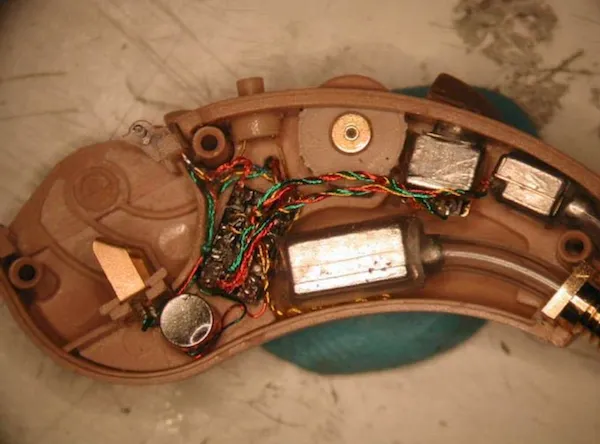
Power Management IC(PMIC) for Hearing Aids
Power Management IC for hearing aids delivers efficient charging via step-down charge pump circuits, overcharge and discharge protections, and flexible parameter settings. Engineers find PCB layout tips, assembly standards, troubleshooting steps, and principles for compact, reliable designs in this detailed overview.
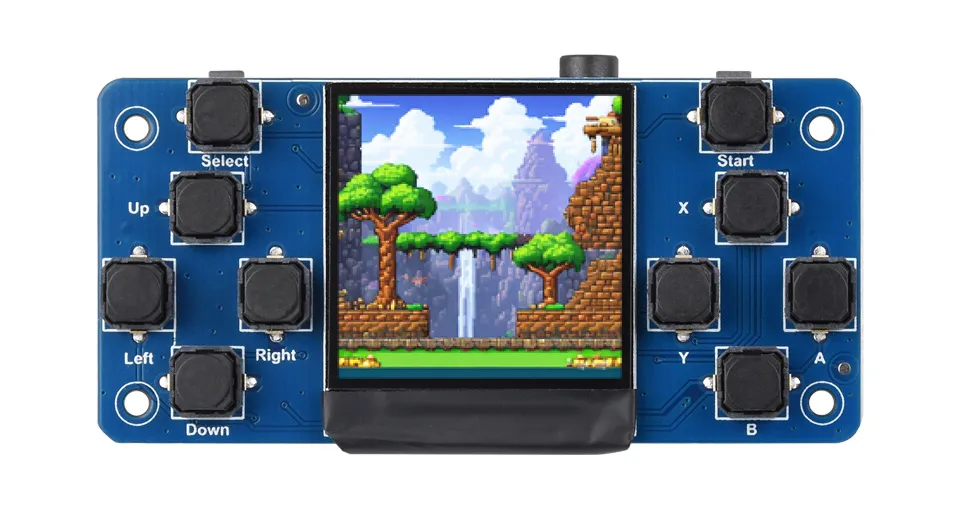
Gaming Console PCBs: The world of Precision Gaming
Precision Gaming PCBs deliver reliable performance in gaming consoles, arcade systems, and handheld accessories. Electric engineers gain insights on impedance control, thermal management, power integrity, design best practices, fabrication tolerances, and troubleshooting warpage or EMI issues. Aligned with IPC-6012E, IPC-A-600K, and J-STD-020E for quality and standards compliance.

Optimizing Power Distribution in Marine Navigation PCBs: A Comprehensive Guide
Secure marine PCB power integrity in navigation systems with techniques for voltage drop calculations, grounding methods, power plane designs, and EMI reduction. This guide provides engineers practical steps to minimize failures from vibration, corrosion, and noise for reliable performance at sea. (178 characters)
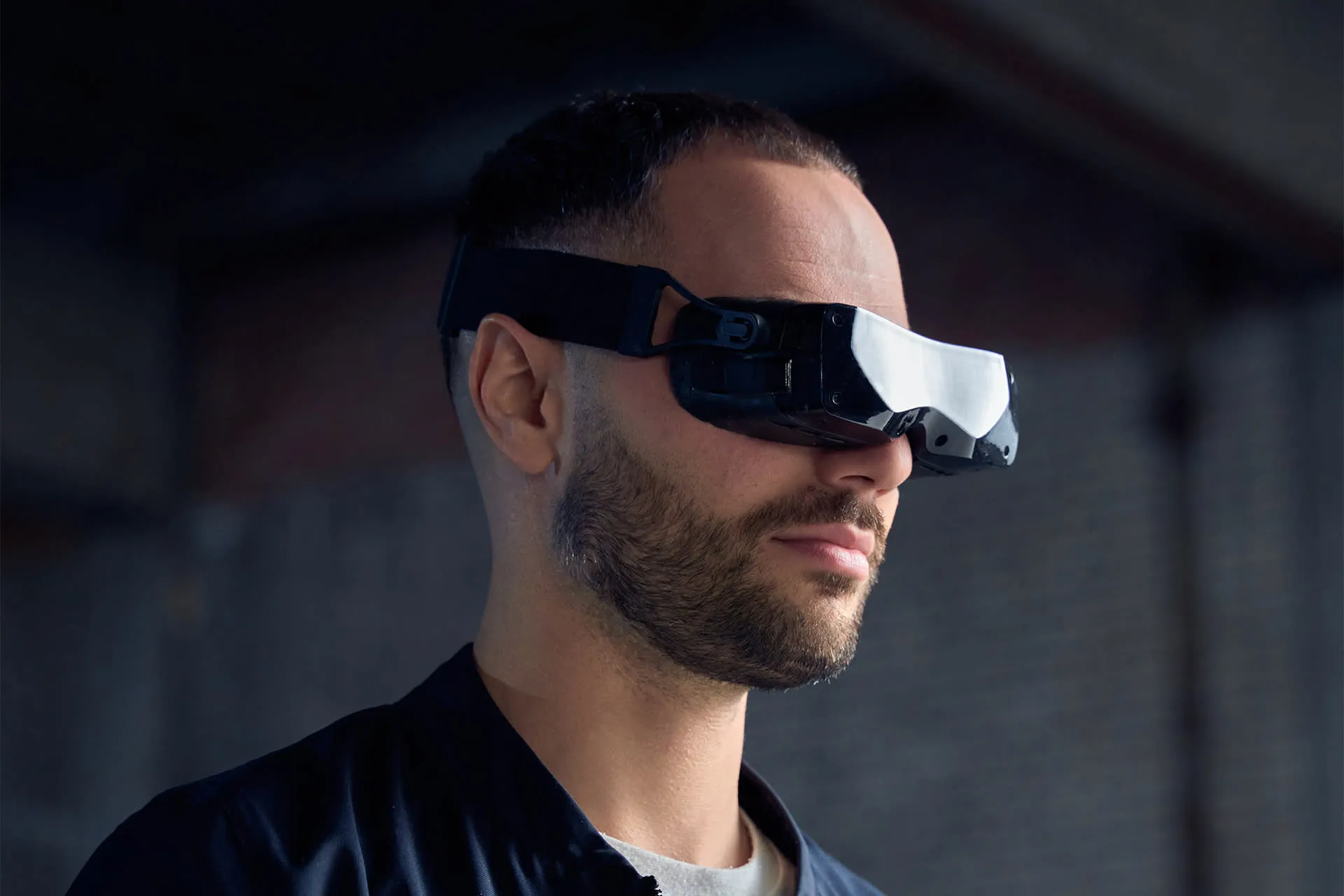
Compact VR: Miniaturization Techniques for Headset PCBs
VR headset PCB miniaturization techniques cover HDI PCBs, microvias in VR PCBs, and component placement for VR headsets. Create small PCB designs for VR with high density, signal integrity, thermal control, and reliability to fit slim headsets while meeting standards.


