


PCB Manufacturing
Printed Circuit Boards (PCBs) form the backbone of modern electronics, serving as the essential platform where components connect to create functional devices. In the PCB Manufacturing category, readers gain access to a comprehensive collection of resources designed to demystify the intricate processes involved in producing these critical elements. From initial design considerations to final assembly and testing, this category covers every stage, providing valuable insights for engineers, hobbyists, and industry professionals alike. Understanding PCB manufacturing is crucial for anyone involved in electronics development. This field encompasses a wide range of topics, including material selection, such as FR-4 substrates and advanced laminates, as well as fabrication techniques like etching, drilling, and soldering. Articles here delve into best practices for optimizing layouts to minimize signal interference, ensuring reliability in high-stakes applications. Tutorials guide users through prototyping methods, while in-depth analyses explore emerging trends like flexible PCBs and additive manufacturing, which are revolutionizing industries from consumer gadgets to aerospace systems. The practical value of mastering PCB manufacturing extends to real-world scenarios, where efficient production can reduce costs, enhance performance, and accelerate time-to-market. For instance, insights on multilayer board construction help in designing compact devices for IoT applications, and discussions on quality control standards prevent common pitfalls in mass production. By engaging with the diverse guides and expert perspectives in this category, readers can build a solid foundation in PCB technologies, apply proven strategies to their projects, and stay ahead in an ever-evolving field. Whether troubleshooting assembly issues or exploring sustainable manufacturing practices, the knowledge shared here empowers informed decision-making and innovation in electronics.
Latest Blogs
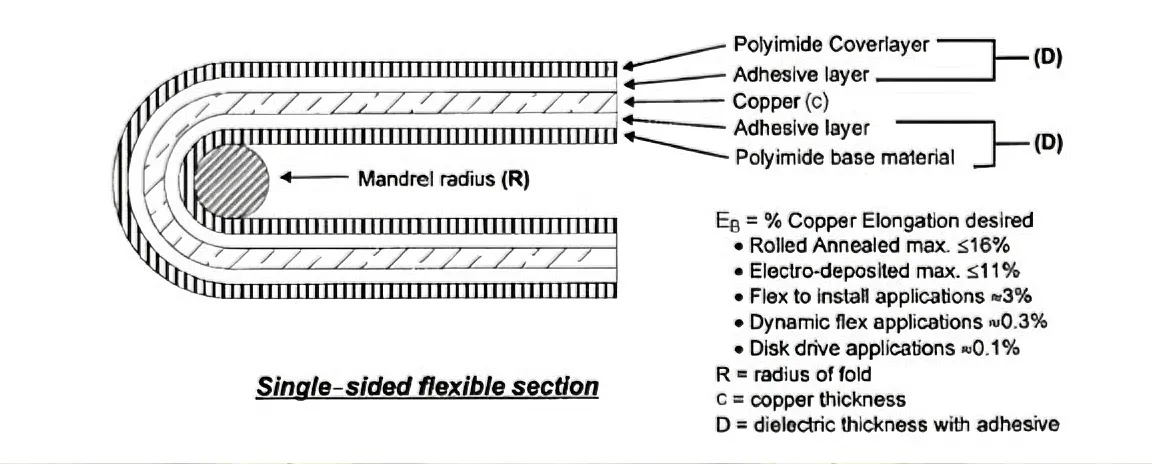
Soldering on Flexible PCBs: Techniques for Hobbyists
Practical soldering techniques for flexible PCBs help hobbyists build reliable circuits. Covers tools, preparation, hand and SMD soldering methods, troubleshooting delamination or cracks, and circuit repair tips for hobby electronics projects.
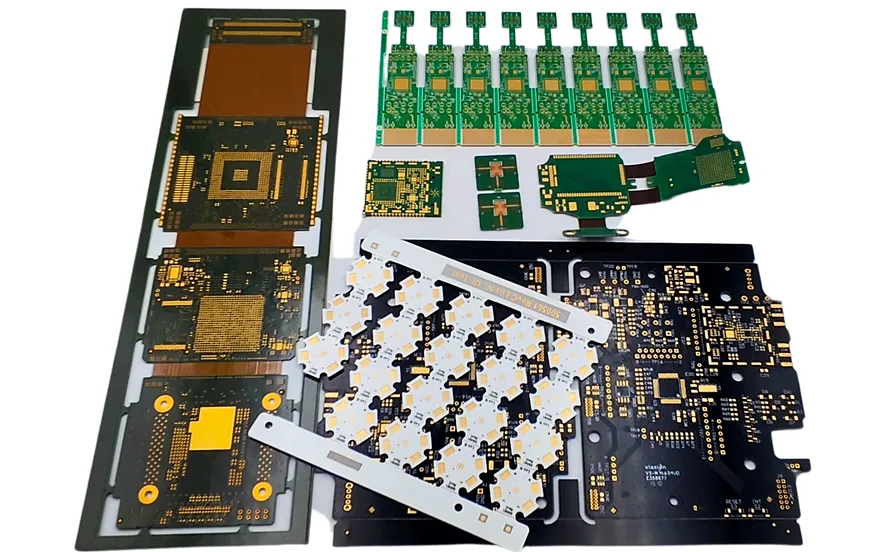
From Prototype to Production: Mastering PCB Manufacturability Checks
Scale PCB prototypes to production using DFM best practices and manufacturability checks. This guide details technical principles, common pitfalls, standards like IPC, and PCB manufacturer communication tips for electrical engineers to boost yields and reliability.
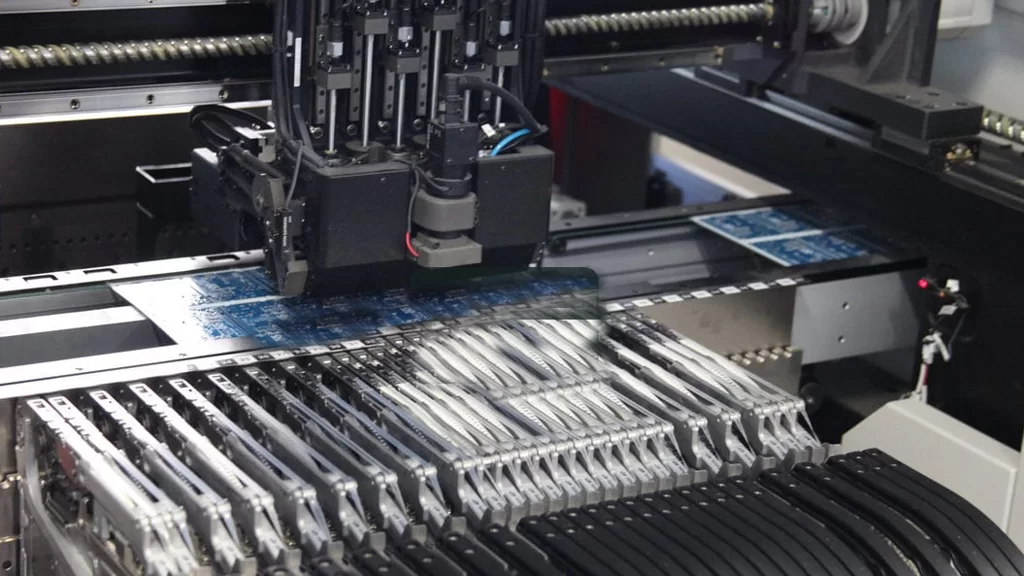
The Ultimate Guide to Design for Assembly (DFA) in Electronics Manufacturing
Comprehensive guide to Design for Assembly (DFA) for electronics covers benefits in manufacturing like lower defects and faster cycles, DFA implementation guide with steps, DFA best practices electronics, and DFA examples from PCB assembly. Helps engineers optimize layouts for reliable production.
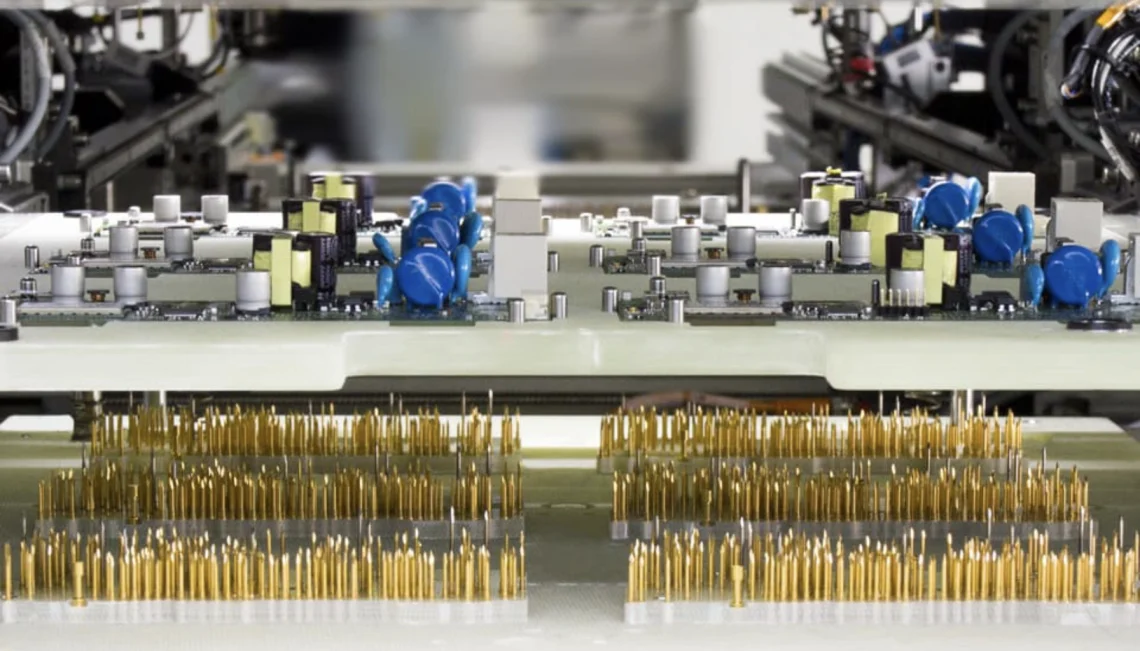
Cutting Costs with DFT: Optimizing Test Strategies for Electronic Products
Cut testing costs for electronic products using DFT optimization strategies. Electric engineers gain insights on DFT cost reduction, ROI metrics, budgeting tips, best practices, and case studies for efficient PCB test strategies and higher yields.
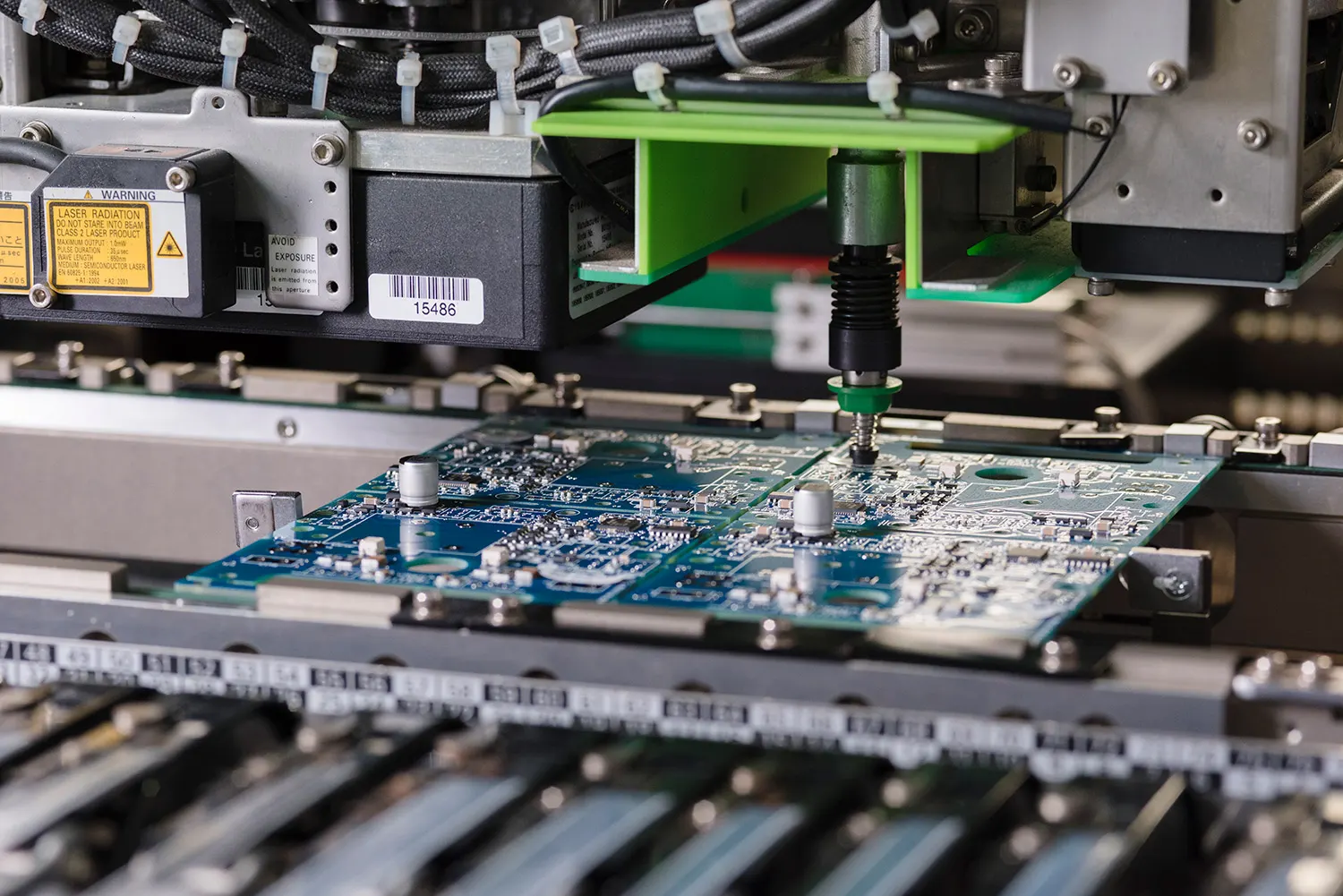
Design for Assembly Checklist: 10 Steps to Streamline Your PCB Assembly Process
Streamline PCB assembly using this 10-step DFA checklist PCB guide. Covers DFA steps for SMT and THT including footprints, fiducials, spacings, BOM optimization, and panelization. Electric engineers reduce defects, cut rework, and boost yields with practical tips.
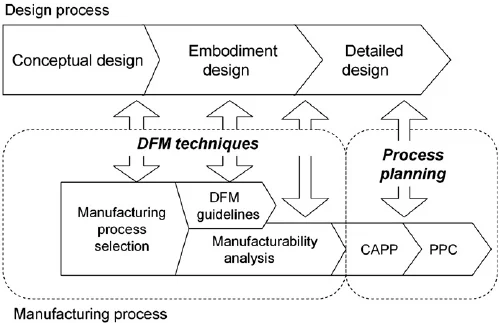
Avoiding PCB Rework: Mastering the DFM Review Process
Master the DFM review process to reduce PCB rework and prevent design errors. Apply best practices for stackup symmetry, trace routing, annular rings, vias, and panelization to improve PCB manufacturability. Factory insights and standards ensure higher yields for electrical engineers building reliable boards. (178 characters)
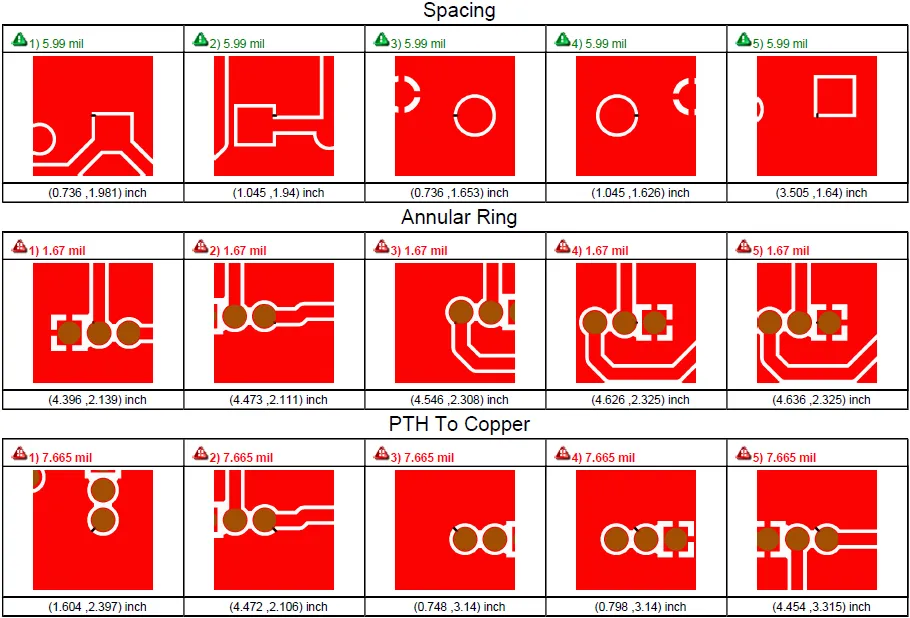
Unlocking Cost Savings: A Deep Dive into PCB DFM Review
PCB DFM review strategies target cost reduction by fixing design issues in stackups, vias, drills, and panelization early. Electrical engineers gain practical best practices to improve yields, minimize waste, and perform effective PCB fabrication cost analysis for lower production expenses. (193 characters)
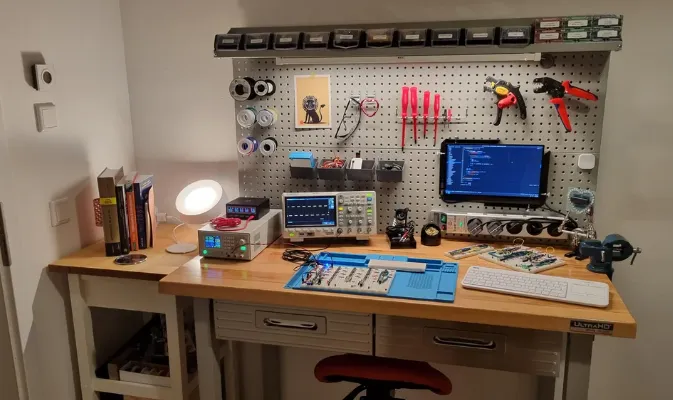
DFT for Beginners: A Hobbyist's Guide to Simple Circuit Testing
This guide teaches DFT basics for hobbyist testing with simple circuit tests. Cover continuity testing, basic component testing, and best practices to verify boards, spot faults, and assemble reliable electronics using everyday tools and standards.
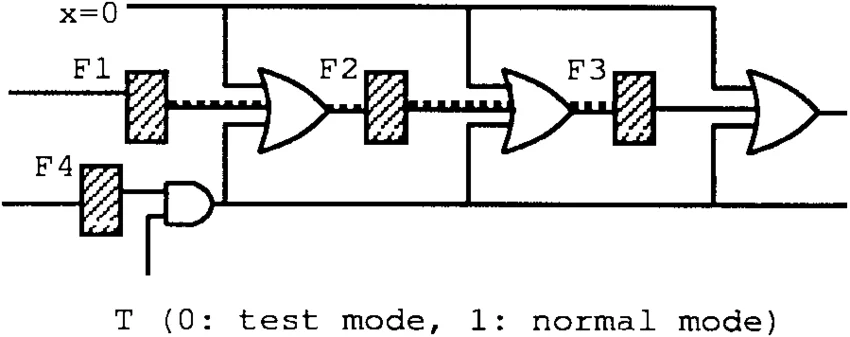
DFT in High Speed PCBs: Addressing Signal Integrity and Testability
High speed PCB DFT enables precise signal integrity testing in high-speed boards through impedance control, TDR testing, and test features. Electric engineers benefit from best practices on test point placement, troubleshooting challenges, standards like IPC guidelines, and FAQs for high frequency reliability.

DFM Review for High Speed PCBs: Signal Integrity and Manufacturing Success
High-speed PCB DFM review safeguards signal integrity and manufacturing outcomes. Covers PCB layout for high speed, DFM for controlled impedance, stackup design, via strategies, challenges, and fixes for high frequency PCB manufacturing. Actionable insights for engineers.
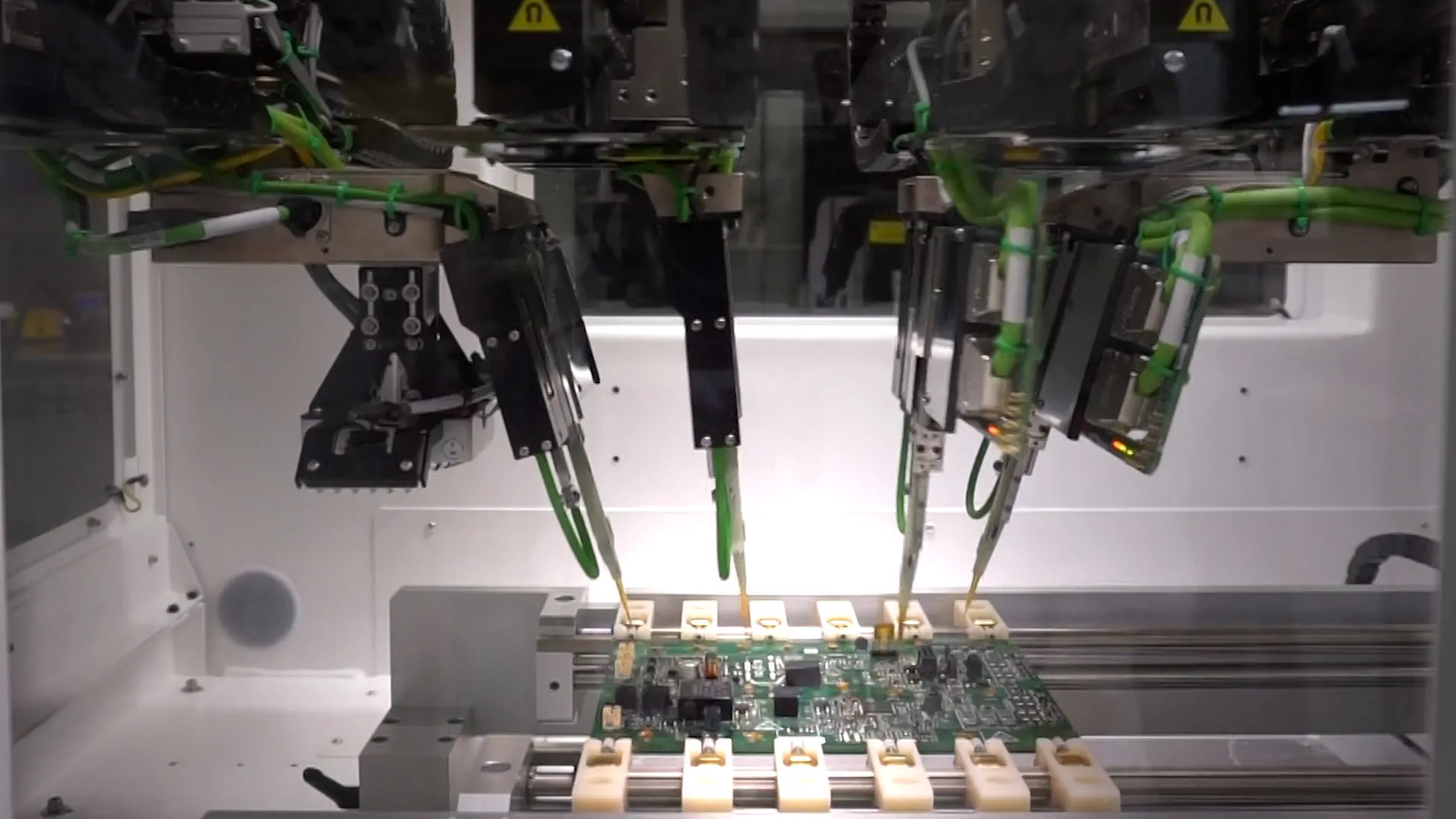
Flying Probe Testing for High Mix, Low Volume PCB Assembly: A Perfect Match?
Flying probe testing offers fixtureless electrical checks ideal for high mix low volume PCB assembly and small batch production. It cuts setup costs, handles design changes fast, and detects faults reliably. This guide details principles, strategies, comparisons, troubleshooting tips, and FAQs for electric engineers.
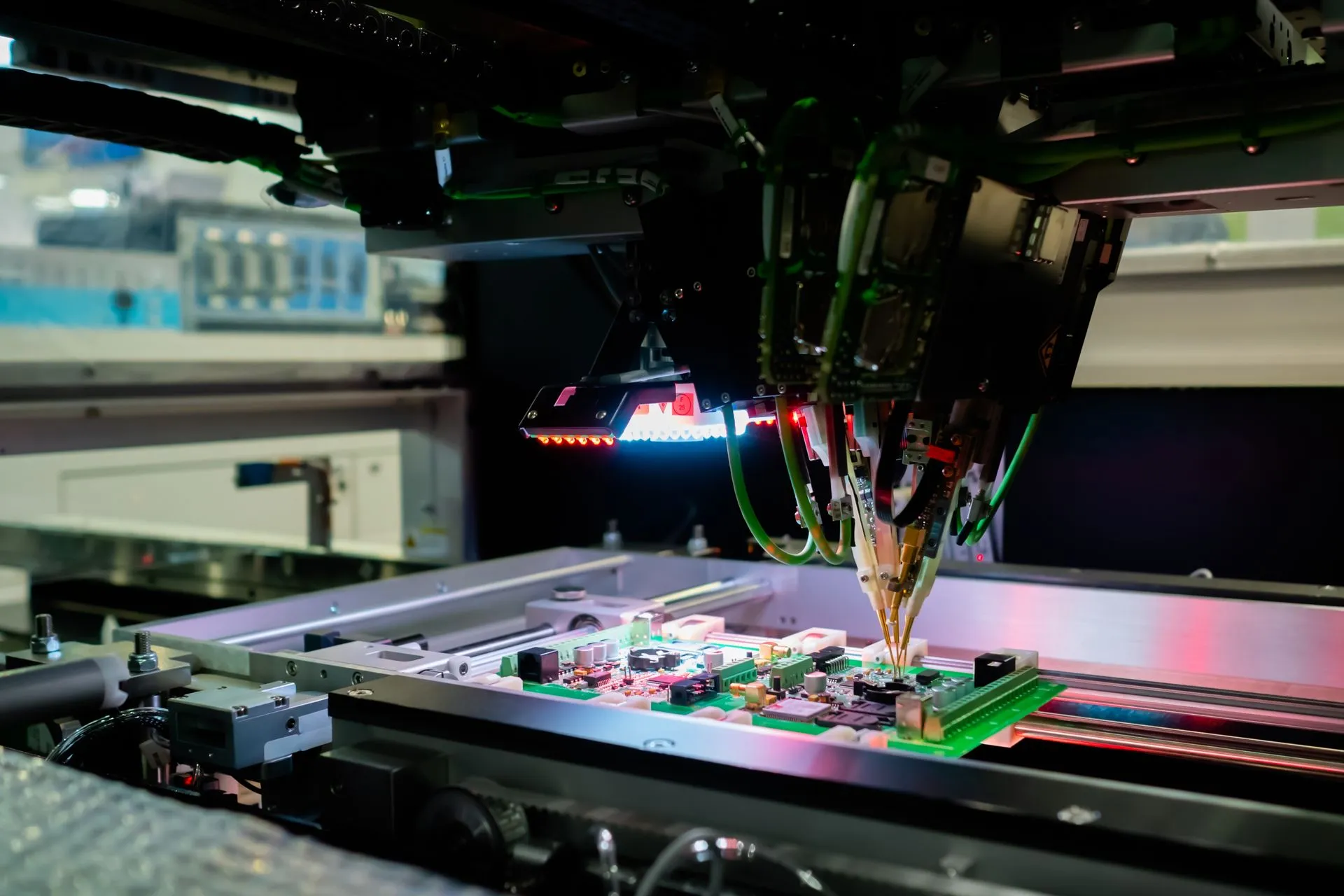
The ROI of Flying Probe Testing: Justifying the Investment in PCB Quality
Calculate the ROI of flying probe testing for PCB quality. Flying probe testing cost analysis details upfront costs, ongoing expenses, yield gains, and comparisons to fixture methods. Justify PCB test spend with cost-benefit insights and best practices for electrical engineers managing prototypes and low-volume runs.


