


PCB Manufacturing
Printed Circuit Boards (PCBs) form the backbone of modern electronics, serving as the essential platform where components connect to create functional devices. In the PCB Manufacturing category, readers gain access to a comprehensive collection of resources designed to demystify the intricate processes involved in producing these critical elements. From initial design considerations to final assembly and testing, this category covers every stage, providing valuable insights for engineers, hobbyists, and industry professionals alike. Understanding PCB manufacturing is crucial for anyone involved in electronics development. This field encompasses a wide range of topics, including material selection, such as FR-4 substrates and advanced laminates, as well as fabrication techniques like etching, drilling, and soldering. Articles here delve into best practices for optimizing layouts to minimize signal interference, ensuring reliability in high-stakes applications. Tutorials guide users through prototyping methods, while in-depth analyses explore emerging trends like flexible PCBs and additive manufacturing, which are revolutionizing industries from consumer gadgets to aerospace systems. The practical value of mastering PCB manufacturing extends to real-world scenarios, where efficient production can reduce costs, enhance performance, and accelerate time-to-market. For instance, insights on multilayer board construction help in designing compact devices for IoT applications, and discussions on quality control standards prevent common pitfalls in mass production. By engaging with the diverse guides and expert perspectives in this category, readers can build a solid foundation in PCB technologies, apply proven strategies to their projects, and stay ahead in an ever-evolving field. Whether troubleshooting assembly issues or exploring sustainable manufacturing practices, the knowledge shared here empowers informed decision-making and innovation in electronics.
Latest Blogs
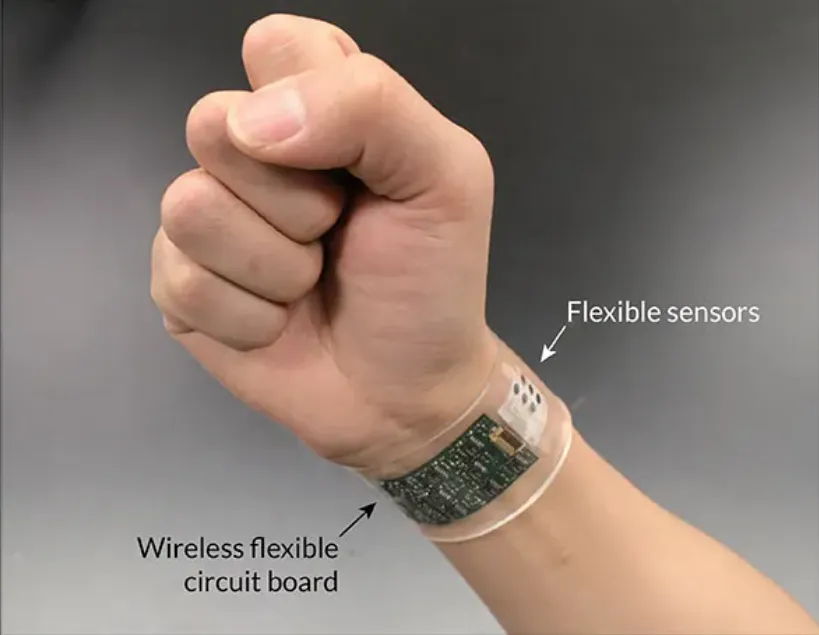
Small Batch PCB Manufacturing: Fueling Innovation in Wearable Technology
Small batch PCB manufacturing enables flexible PCB manufacturing and wearable PCB design for compact devices. It covers miniaturized PCB assembly, conformal coating PCB techniques, and PCBs for biometric sensors with best practices and standards for electric engineers seeking reliable prototypes.

Quality Without the Quantity: Ensuring Reliability in Small Batch PCB Manufacturing
Small batch PCB manufacturing requires strict pcb quality control to match high volume reliability. This guide details pcb testing methods, ipc standards pcb, pcb inspection checklist, and pcb reliability testing strategies for engineers to achieve consistent, defect free boards in low volume production.
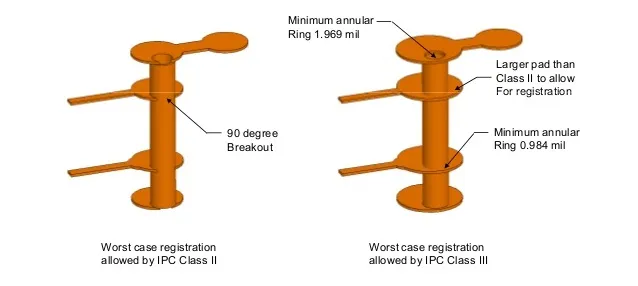
Is Your PCB Ready for Takeoff? IPC Class 3 vs. MIL Spec for Critical Applications
Compare MIL Spec PCB and IPC 6013 Class 3 standards for aerospace and critical applications. Learn exact design rules, manufacturing tolerances, testing protocols, and qualification requirements to select the right high-reliability specification and avoid costly failures in flight-critical systems.
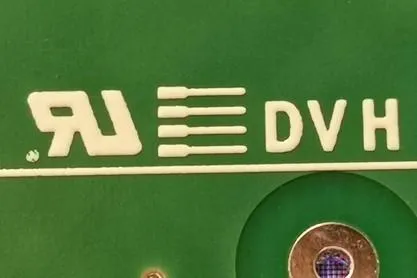
UL Certification for Medical PCBs: Meeting Stringent Safety Requirements
UL certified medical PCBs comply with medical PCB safety standards through tests for dielectric strength, flammability, creepage, and mechanical stability. This article outlines certification requirements, manufacturing best practices, IPC-6012F and IEC 60601-1 integration, troubleshooting, and FAQs for electric engineers seeking UL compliance for medical devices.
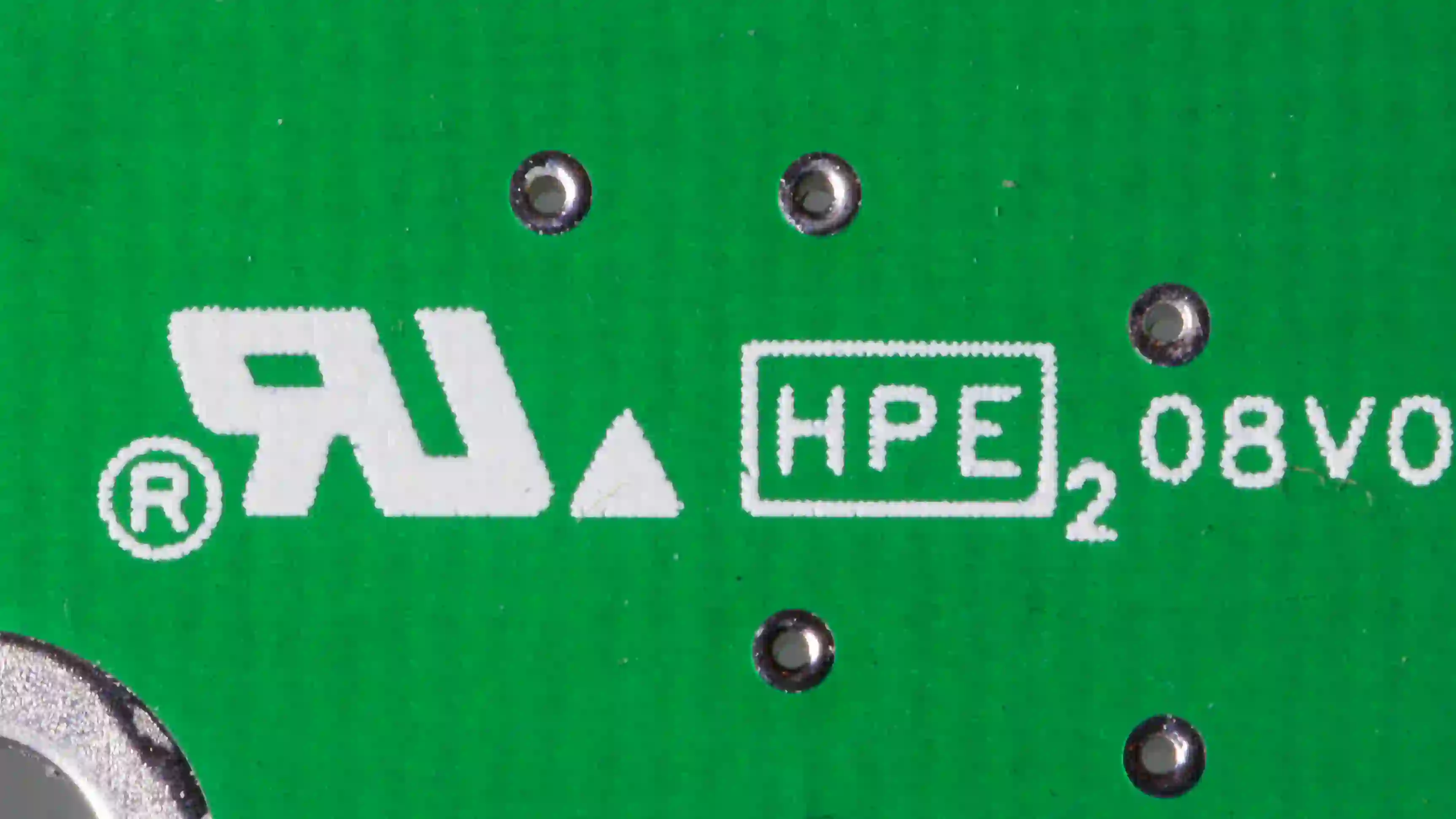
The UL Recognized Component Mark: What It Means for Your PCB
Discover what the UL Recognized Component Mark means for your PCBs. Learn the differences from UL Listing, safety benefits, UL 796 testing, and how it accelerates end-product certification for engineers in electronics, industrial, and medical applications.
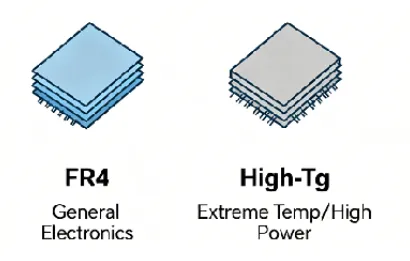
FR 4 vs. High Tg: Choosing the Right Material for UL Certified PCBs
Compare FR4 and high Tg substrates for UL certified PCBs, focusing on thermal stability, flammability ratings, and reliability factors. Essential insights on FR4 UL rating, high Tg material UL certification, and PCB material selection for UL compliance help electric engineers choose wisely for manufacturing success.
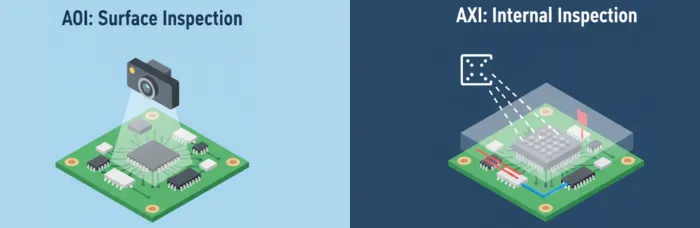
Visual Inspection Vs. Automated X Ray: Choosing the Right PCB Inspection Method
Compare PCB inspection methods like visual AOI and automated X-ray AXI for defect detection. AOI handles surface issues such as misplacement and bridges, while AXI reveals hidden voids in solder joints and vias. Find best practices to select the right approach for reliable PCB quality control.
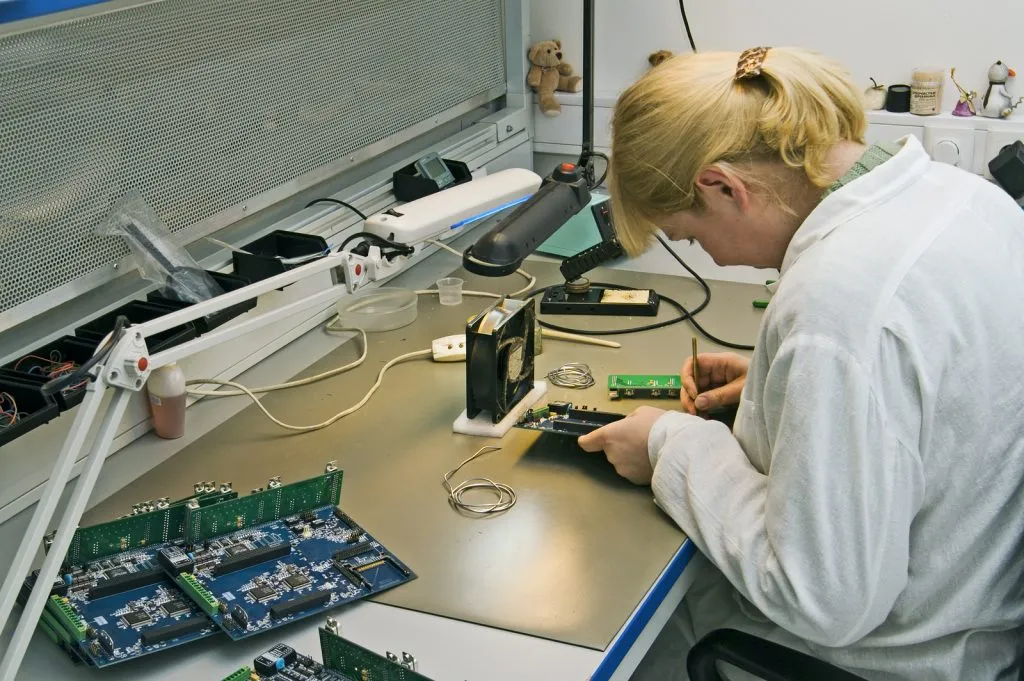
Beyond the Bare Board: Why IPC Certification Matters in PCB Manufacturing
IPC certification ensures reliable PCB manufacturing through trained experts applying standards like IPC-A-600 and IPC-6012. Benefits include fewer defects, consistent quality, and better performance for electric engineers. Learn how certified processes reduce risks and support high-volume production needs.
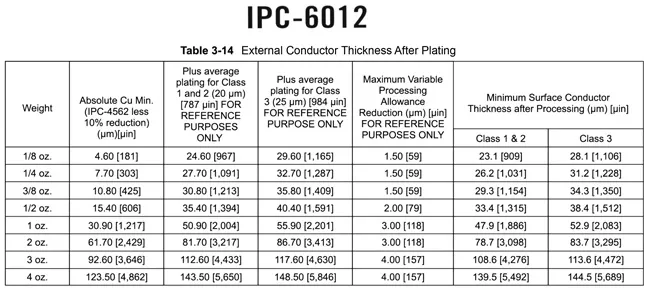
IPC 6012: A Detailed Examination of Hole/Via Plating Thickness Requirements
Discover IPC-6012 hole and via plating thickness requirements for Class 2 and Class 3 PCBs. Learn minimum averages (20–25 μm), inspection methods, and best practices to prevent barrel cracks and ensure high-reliability manufacturing.
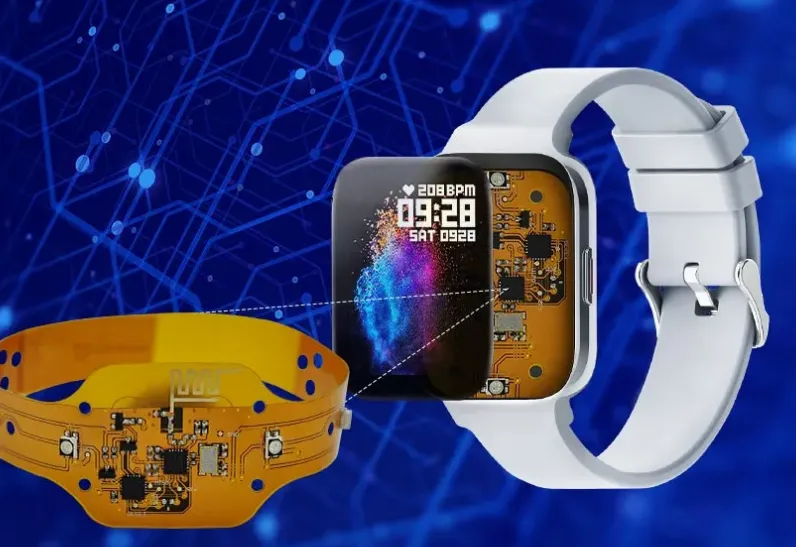
IPC 6012 and Flexible PCBs: Meeting the Demands of Modern Electronics
IPC 6012 standards shape flexible PCB design and manufacturing to handle modern electronics demands. Covering materials, bend radius rules, production processes, quality control, and troubleshooting for electric engineers building reliable flex circuits in wearables and automotive systems.
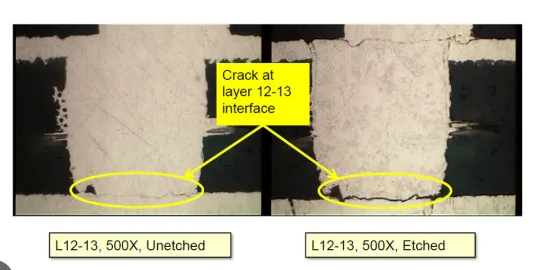
IPC 6012 for HDI PCBs: Addressing Advanced Design Challenges
Master IPC-6012 for HDI PCBs with this complete guide. Learn Class 3 requirements for microvias, warpage limits, copper wrap, thermal shock testing, and troubleshooting plating defects. Essential reading for reliable high-density interconnect designs in aerospace, telecom, and medical applications.
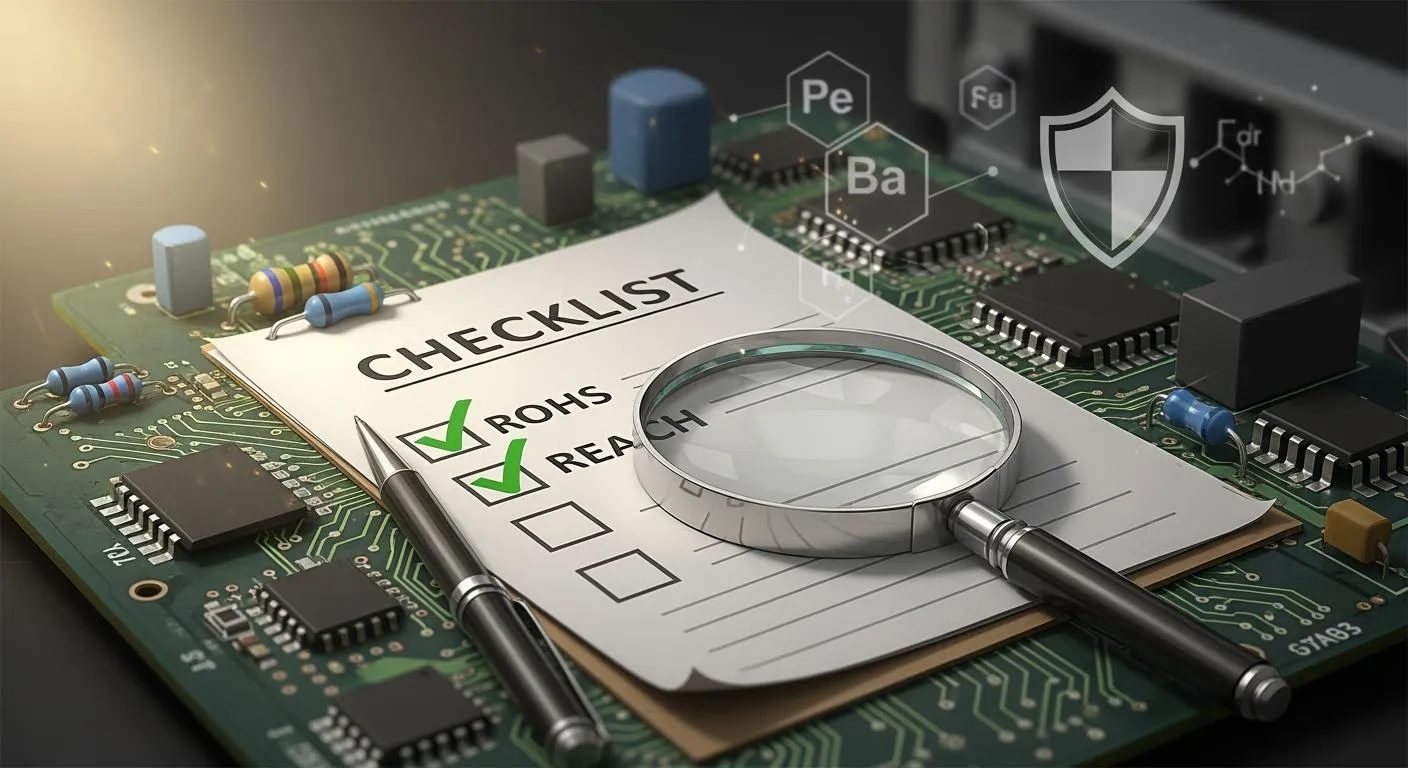
RoHS Exemptions Explained: Navigating the Fine Print for Electronic Design
Review the RoHS exemptions list with details on lead exemptions, 2026 and 2027 expiry dates, and application processes. Electric engineers get clear guidance for compliant PCB designs, solder choices, and regulatory navigation in electronic manufacturing.


