


PCB Manufacturing
Printed Circuit Boards (PCBs) form the backbone of modern electronics, serving as the essential platform where components connect to create functional devices. In the PCB Manufacturing category, readers gain access to a comprehensive collection of resources designed to demystify the intricate processes involved in producing these critical elements. From initial design considerations to final assembly and testing, this category covers every stage, providing valuable insights for engineers, hobbyists, and industry professionals alike. Understanding PCB manufacturing is crucial for anyone involved in electronics development. This field encompasses a wide range of topics, including material selection, such as FR-4 substrates and advanced laminates, as well as fabrication techniques like etching, drilling, and soldering. Articles here delve into best practices for optimizing layouts to minimize signal interference, ensuring reliability in high-stakes applications. Tutorials guide users through prototyping methods, while in-depth analyses explore emerging trends like flexible PCBs and additive manufacturing, which are revolutionizing industries from consumer gadgets to aerospace systems. The practical value of mastering PCB manufacturing extends to real-world scenarios, where efficient production can reduce costs, enhance performance, and accelerate time-to-market. For instance, insights on multilayer board construction help in designing compact devices for IoT applications, and discussions on quality control standards prevent common pitfalls in mass production. By engaging with the diverse guides and expert perspectives in this category, readers can build a solid foundation in PCB technologies, apply proven strategies to their projects, and stay ahead in an ever-evolving field. Whether troubleshooting assembly issues or exploring sustainable manufacturing practices, the knowledge shared here empowers informed decision-making and innovation in electronics.
Latest Blogs
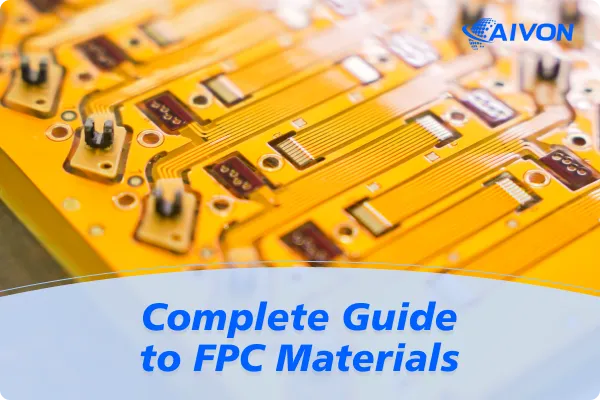
Complete Guide to FPC Materials and Flexible PCB Manufacturing
Learn how FPC materials impact flexible PCB manufacturing performance. This guide covers base materials, copper types, coverlay, stiffeners, manufacturing steps, and key factors for reliable flexible PCB production.
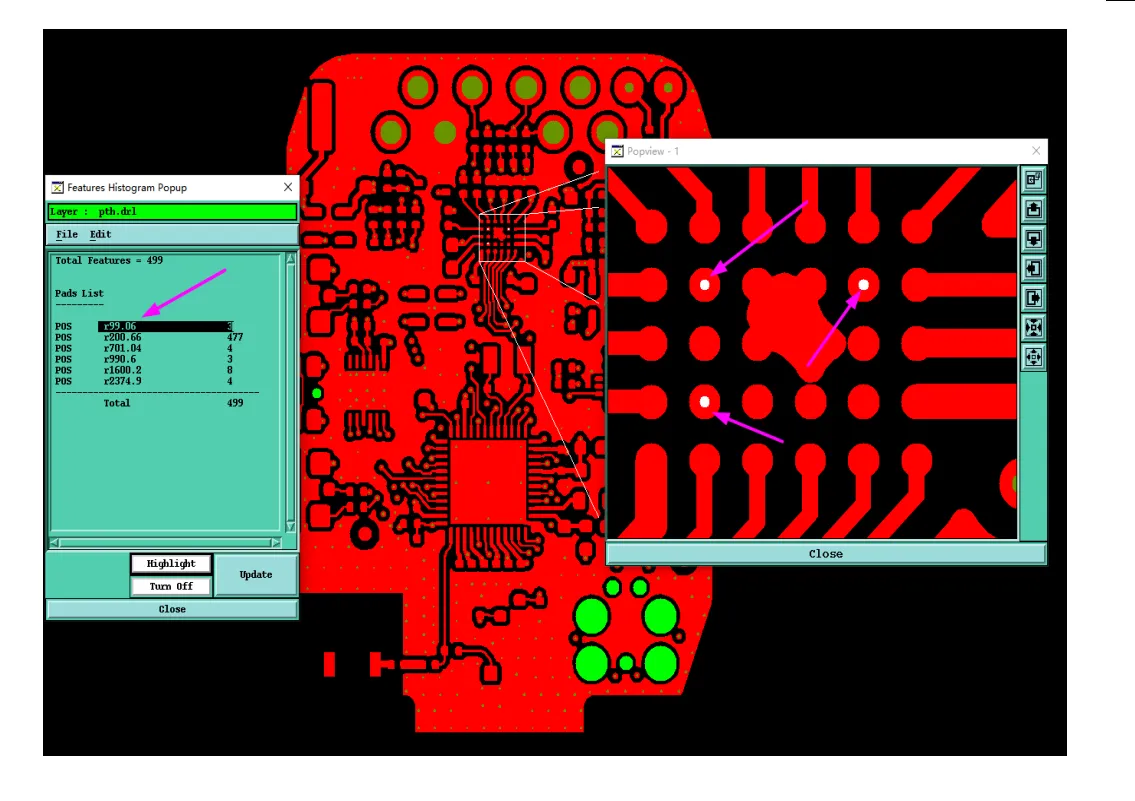
How DFM Review Prevents HDI PCB Manufacturing Problems
Discover how HDI DFM review catches issues early through detailed CAM checks, registration analysis, and copper balancing. Learn the factory EQ confirmation process, common problems identified, and how thorough HDI DFM review prevents registration failures, warpage, and yield loss in high-density PCB production. Real manufacturing insights for better design decisions.
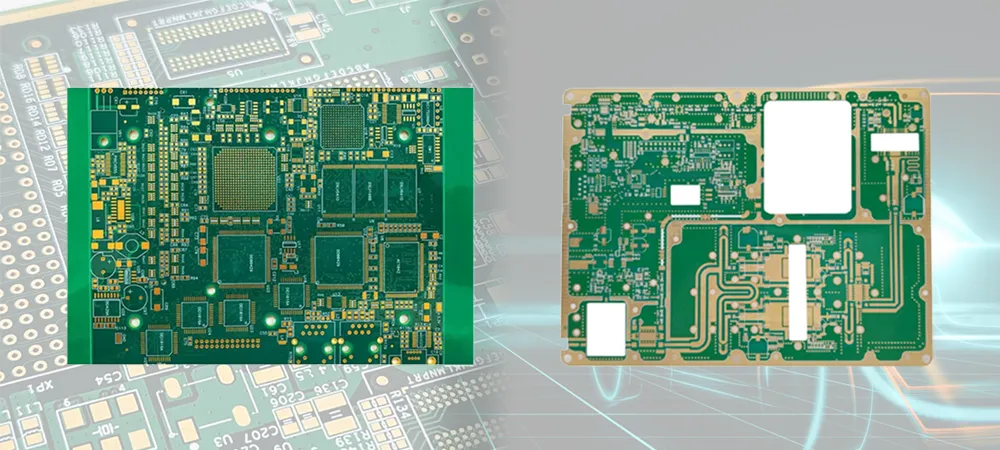
Standard HDI vs Automotive HDI: Manufacturing Differences
Standard HDI vs automotive HDI manufacturing comparison: materials, reliability, testing, and process requirements. Discover cost differences, yield impacts, and factory recommendations to select the right HDI option for your production volume, environment, and reliability needs.
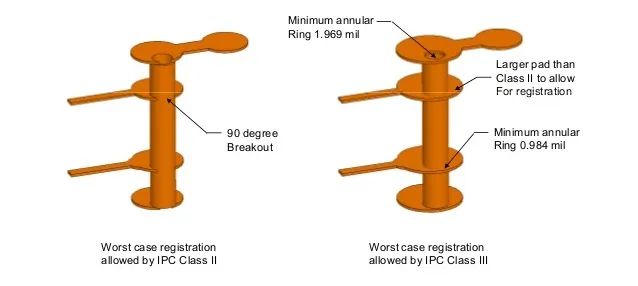
HDI PCB Standards: IPC Class 2 vs Class 3 for HDI Manufacturing
Understand HDI PCB standards and the differences between IPC Class 2 vs Class 3 for HDI manufacturing. Compare reliability requirements, inspection, tolerances, cost, microvia quality, and IPC 6012 Class 2 considerations for production PCBs.
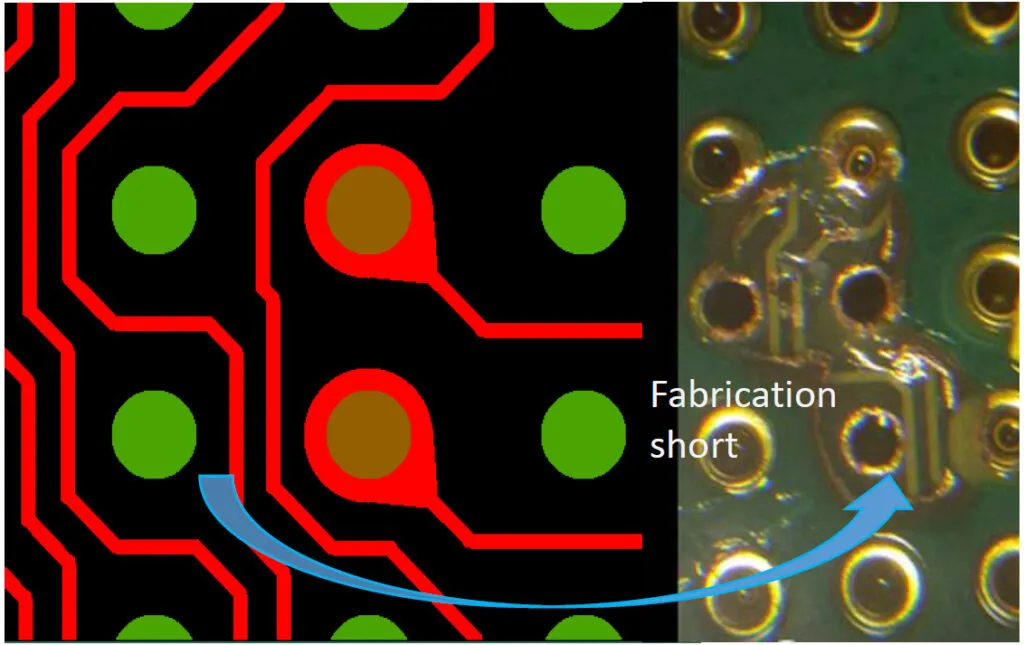
Removing Non-functional Pads in HDI PCB Manufacturing: Why It Matters
In HDI PCB production, removing non functional pads PCB reduces etching risks and improves yield. Learn how factories handle independent pads during CAM and panelization for cleaner etching and higher reliability.
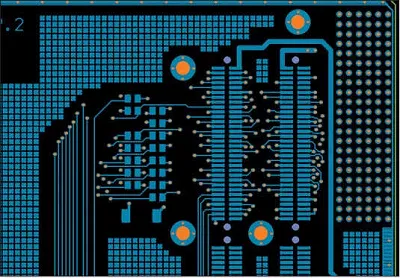
Why HDI PCB Manufacturers Add Dummy Copper
Learn why HDI PCB manufacturers add dummy copper to achieve uniform plating thickness and control board warpage. This article explains real factory CAM strategies for copper balancing, auxiliary copper placement, and how dummy copper HDI PCB designs prevent defects, improve yield, and maintain tight tolerances during sequential lamination and etching processes.
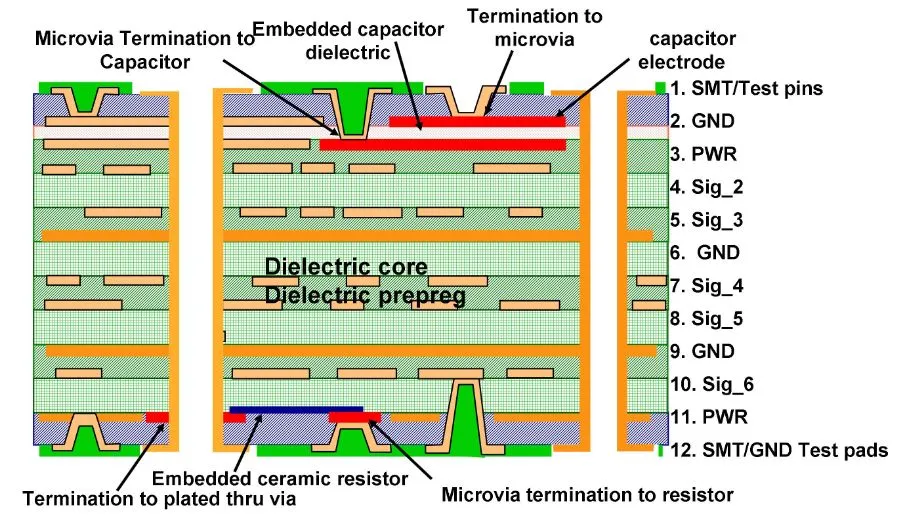
How PCB Manufacturers Improve Solder Mask Yield in HDI Production
Discover how PCB manufacturers enhance HDI solder mask process yield through precise solder mask exposure settings, accurate window opening compensation, and strict bridge width control. Learn real factory CAM adjustments, registration handling, and production strategies that reduce defects and boost first-pass yields on high-density interconnect boards.
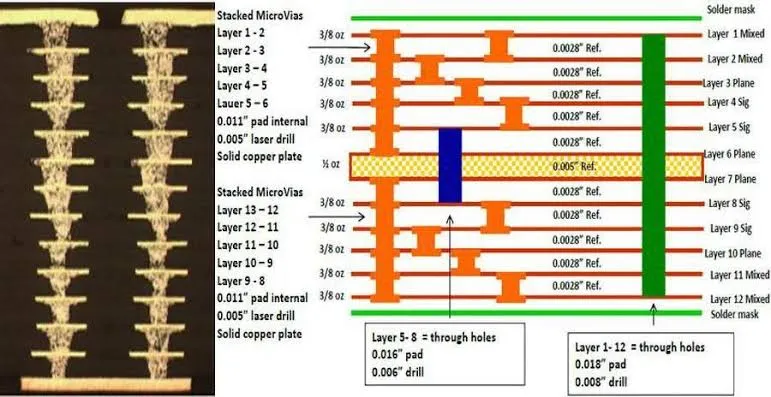
Why Your HDI Stackup Cannot Always Follow the Original Design
Understand why PCB factories perform HDI stackup modification during production. Learn how material inventory, lamination capabilities, board thickness control, and reliability requirements force adjustments to designer stackups while maintaining performance and yield.
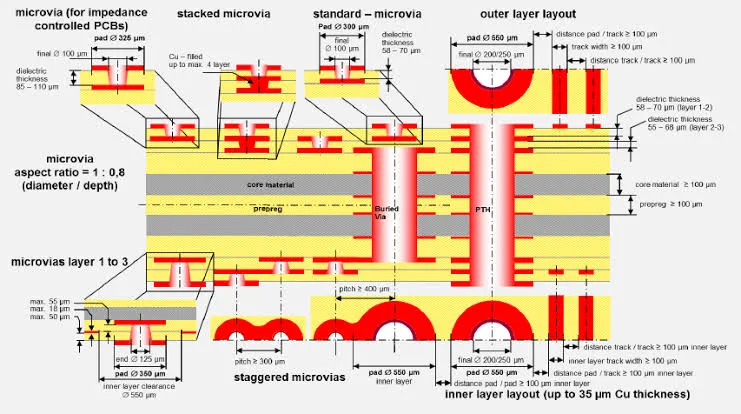
Shengyi vs Kingboard Materials for HDI PCB Manufacturing
HDI PCB material comparison between Shengyi and Kingboard: detailed analysis of Tg, Dk, features, inventory, and lead times. Factory insights help engineers choose the right CCL supplier for cost, reliability, and performance in high-density interconnect manufacturing.
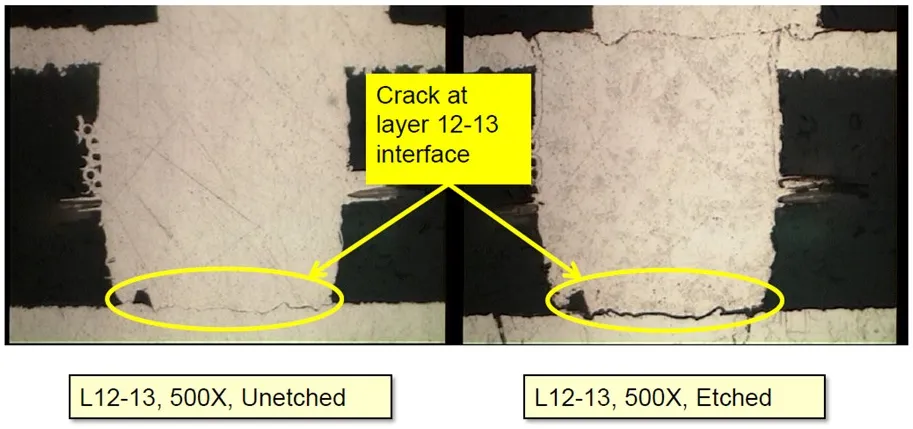
Why HDI Microvias Fail During Production: Common HDI Defects and Causes
Learn why HDI microvias fail during production, including laser drilling, plating, registration, and thermal cracking issues. Explore common HDI defects, defect inspection methods, PCB failure analysis, and quality control strategies.
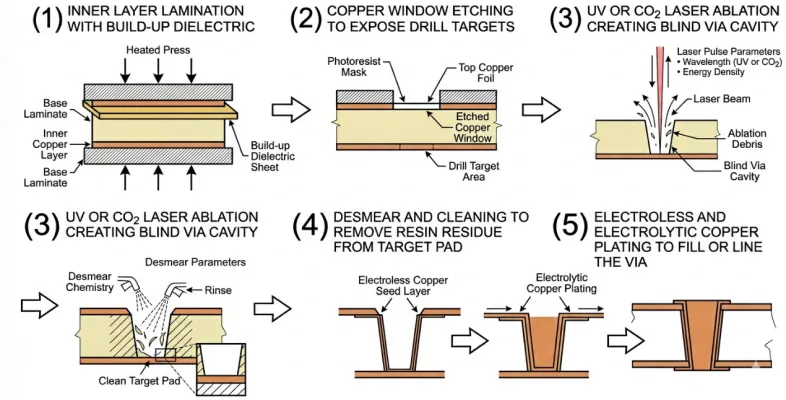
HDI Laser Drilling Mistakes That Affect Manufacturing Yield
Explore common HDI laser drilling problems that reduce manufacturing yield, including via aperture design, depth control, blind via placement, and exceeding laser capabilities. Learn practical design guidelines to improve microvia reliability, plating quality, and overall HDI production success.
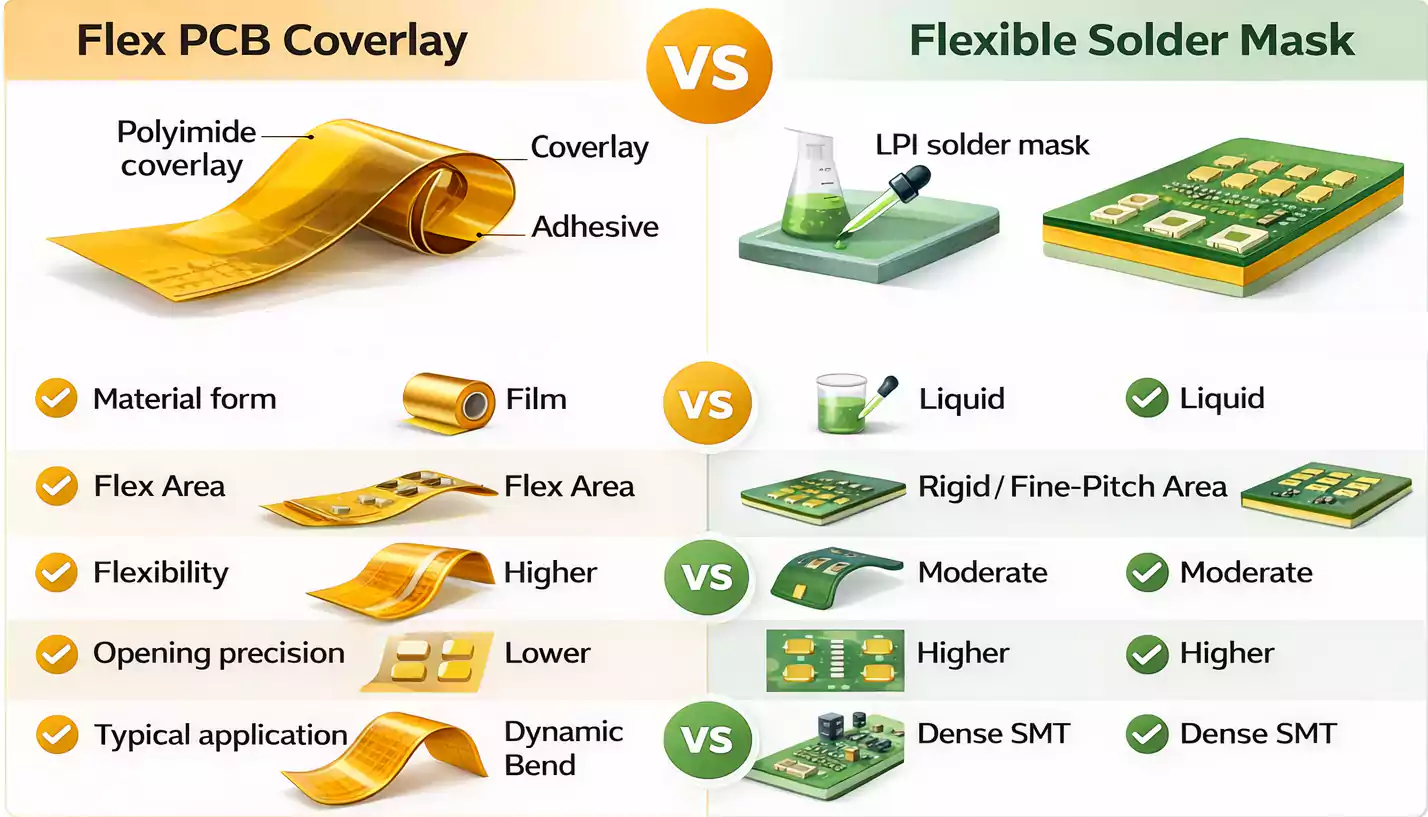
Coverlay Opening vs Solder Mask Opening: What's the Difference?
FPC coverlay vs solder mask opening: clear explanation of the essential differences, suitable applications, and common design mistakes in flexible PCB manufacturing. Learn when to use coverlay openings for flex areas versus solder mask on rigid sections to improve reliability, yield, and avoid production issues.


