


PCB Manufacturing
Printed Circuit Boards (PCBs) form the backbone of modern electronics, serving as the essential platform where components connect to create functional devices. In the PCB Manufacturing category, readers gain access to a comprehensive collection of resources designed to demystify the intricate processes involved in producing these critical elements. From initial design considerations to final assembly and testing, this category covers every stage, providing valuable insights for engineers, hobbyists, and industry professionals alike. Understanding PCB manufacturing is crucial for anyone involved in electronics development. This field encompasses a wide range of topics, including material selection, such as FR-4 substrates and advanced laminates, as well as fabrication techniques like etching, drilling, and soldering. Articles here delve into best practices for optimizing layouts to minimize signal interference, ensuring reliability in high-stakes applications. Tutorials guide users through prototyping methods, while in-depth analyses explore emerging trends like flexible PCBs and additive manufacturing, which are revolutionizing industries from consumer gadgets to aerospace systems. The practical value of mastering PCB manufacturing extends to real-world scenarios, where efficient production can reduce costs, enhance performance, and accelerate time-to-market. For instance, insights on multilayer board construction help in designing compact devices for IoT applications, and discussions on quality control standards prevent common pitfalls in mass production. By engaging with the diverse guides and expert perspectives in this category, readers can build a solid foundation in PCB technologies, apply proven strategies to their projects, and stay ahead in an ever-evolving field. Whether troubleshooting assembly issues or exploring sustainable manufacturing practices, the knowledge shared here empowers informed decision-making and innovation in electronics.
Latest Blogs
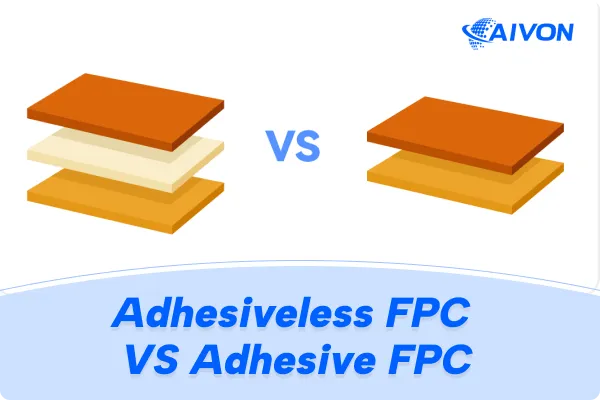
Adhesiveless vs Adhesive FPC: Which One Should You Choose?
Compare adhesiveless FPC (no-adhesive flexible PCB) and traditional adhesive FPC on structure, bend life, thickness, thermal performance, cost, and reliability. Learn a practical selection framework so you can specify the right construction for your design.
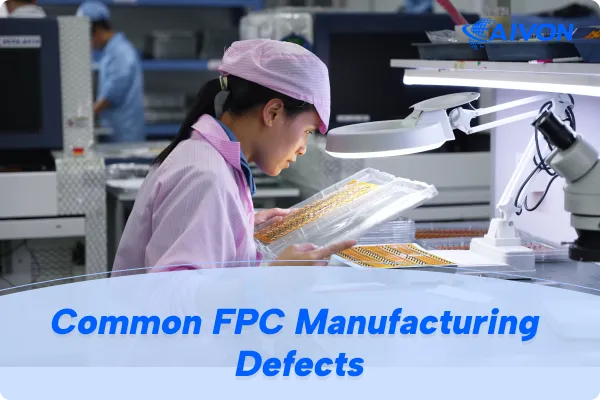
Common FPC Manufacturing Defects and How to Prevent Them
Learn the 10 most common FPC manufacturing defects, their root causes, and proven prevention methods. Practical flexible PCB failure analysis guide for engineers to improve yield and reliability.
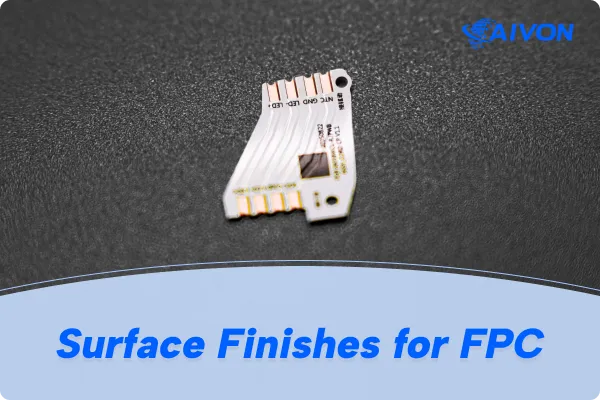
FPC Surface Finish: Types, Selection, and Design Considerations
Choose the right FPC surface finish for flexible PCBs. Compare ENIG, OSP, hard gold, and immersion silver on solderability, bend reliability, cost, and real manufacturing limits.
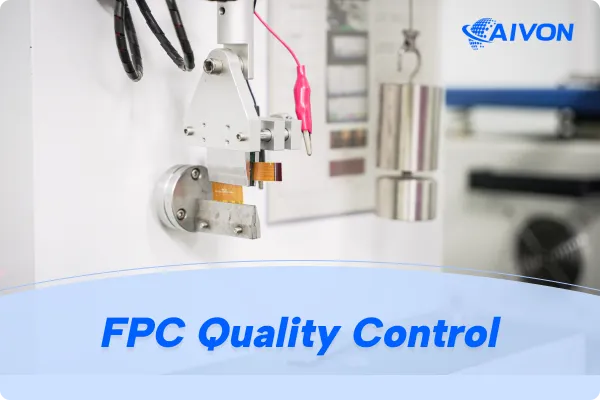
Quality Control in FPC Manufacturing: Key Inspection Points
Master FPC quality control with practical Flexible PCB inspection method such as AOI, X-ray, bend testing, dimensional checks, and IPC-6013 guidance to prevent field failures and build effective supplier QC plans.
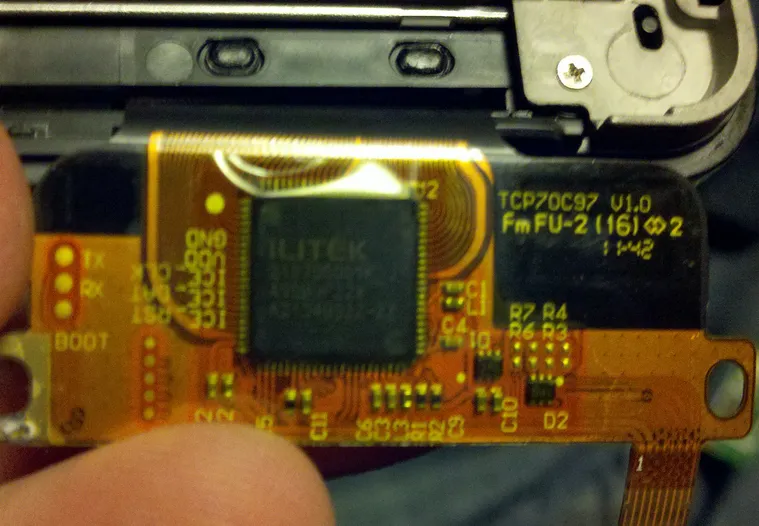
Can Flexible PCB Be Used in Moisture or Humid Environments?
From factory reality: flexible PCB moisture resistance needs full coverlay coverage, ENIG finish and low ionic contamination for reliable FPC humidity reliability. See oxidation risks, ion migration paths and design methods that keep boards working in humid environments.
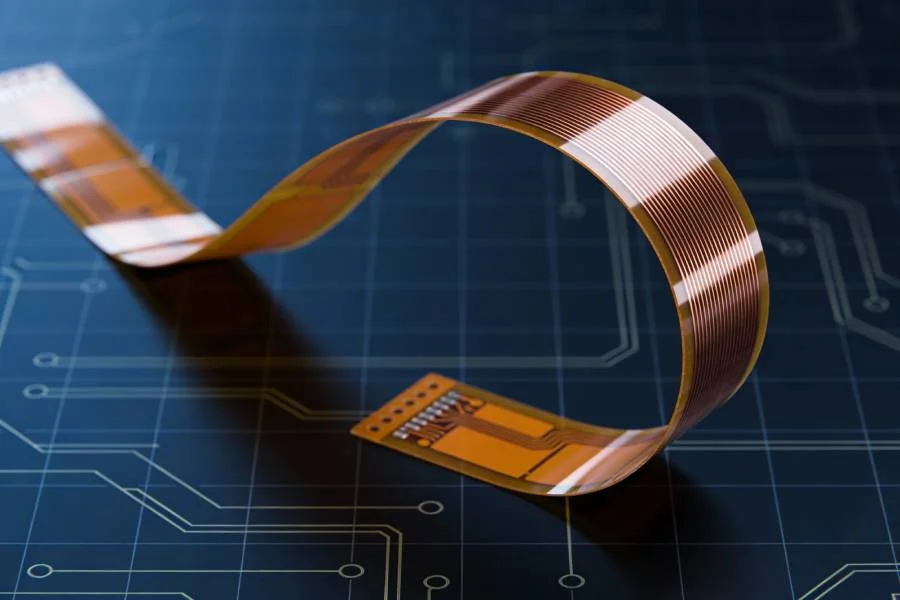
How Should FPC Be Designed for High Temperature Applications?
From factory reality: high temperature FPC requires adhesive-less PI or high-Tg adhesives plus ENIG/ENEPIG to deliver reliable flexible PCB thermal resistance. See material limits, surface finish rules and DFM controls for automotive and industrial designs.
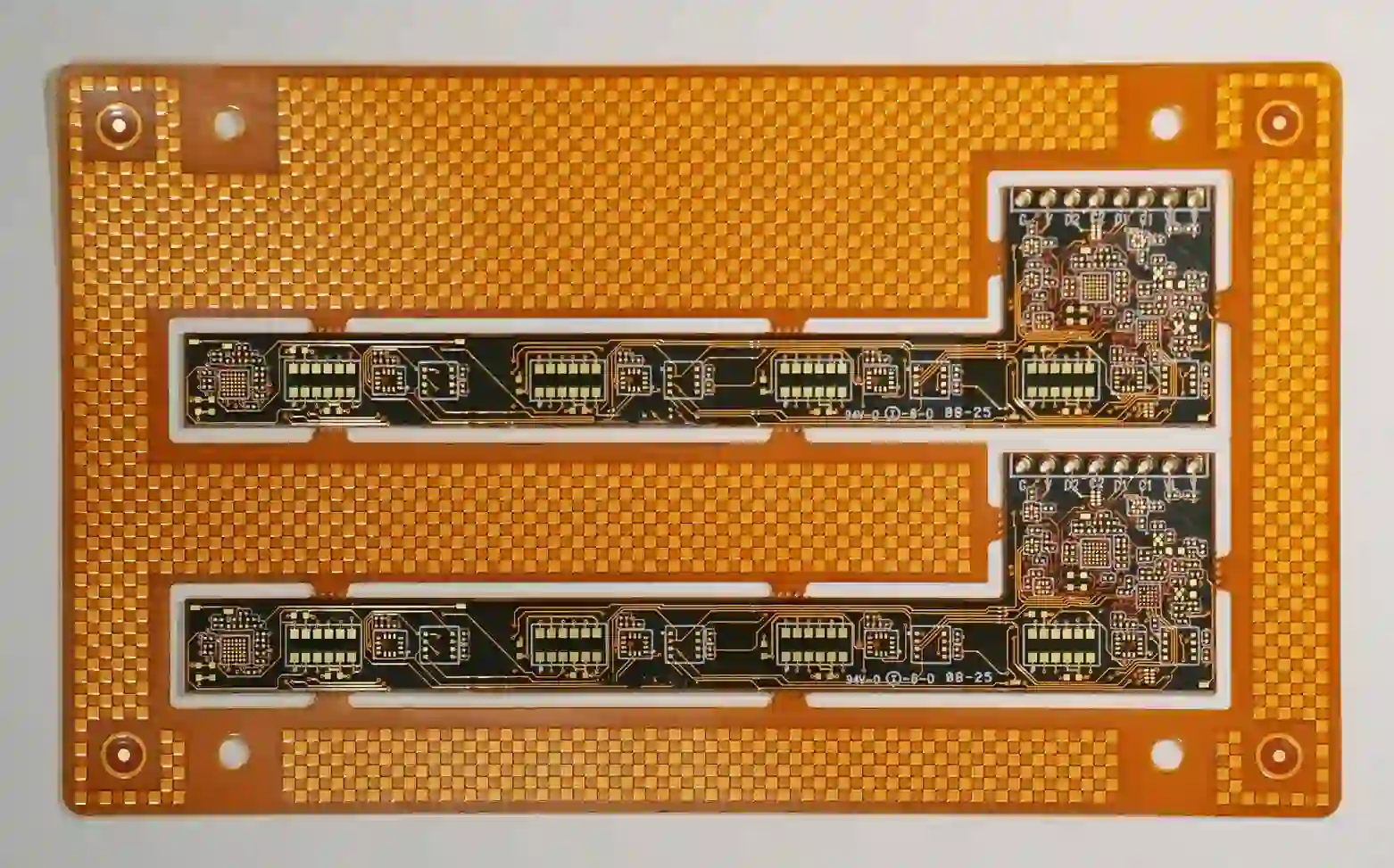
Why Do FPC Boards Shrink After Lamination?
From factory reality: FPC dimensional change after lamination comes from PI-copper CTE mismatch and residual stress on cool-down. See how copper distribution drives flexible PCB shrinkage and how CAM pre-compensation (0.05–0.25%) keeps panels in tolerance.
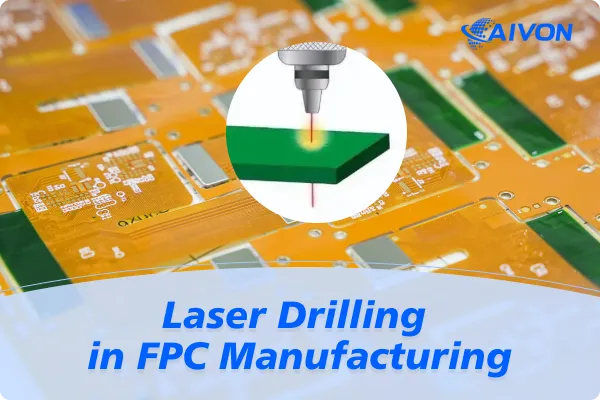
High Precision Flexible PCB Laser Manufacturing: Drilling, Cutting & Process Control
Explore high precision flexible PCB laser manufacturing, including laser drilling, laser cutting, lamination considerations, and process control for reliable FPC production. Compare UV vs CO₂, control aperture and registration, optimize process windows, clean residues, and select the right approach for high-density flex designs.
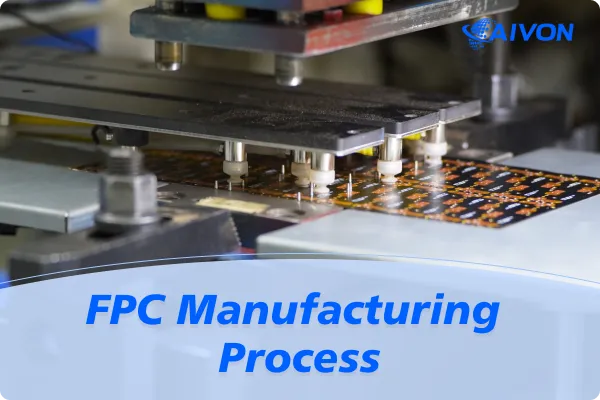
FPC Manufacturing Process Flow: Step-by-Step
Explore the FPC manufacturing process step by step, from material preparation and drilling to coverlay, plating, testing, and final inspection, with practical FPC manufacturing insights from AIVON.
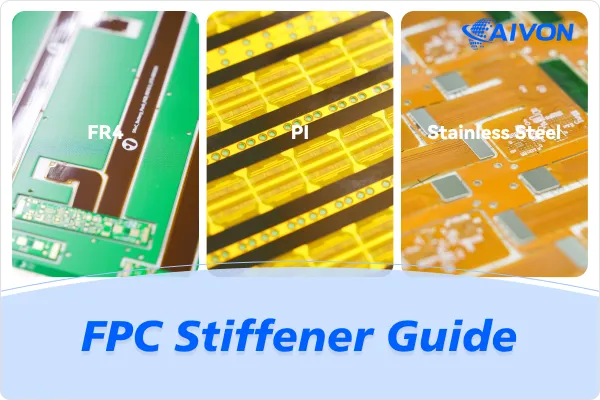
FPC Stiffener Guide: FR4, PI, Stainless Steel Comparison
Learn how to choose an FPC stiffener for flex PCB designs. Compare FR4, PI, and stainless steel stiffeners, with guidance on thickness, bonding, placement, and reliability.
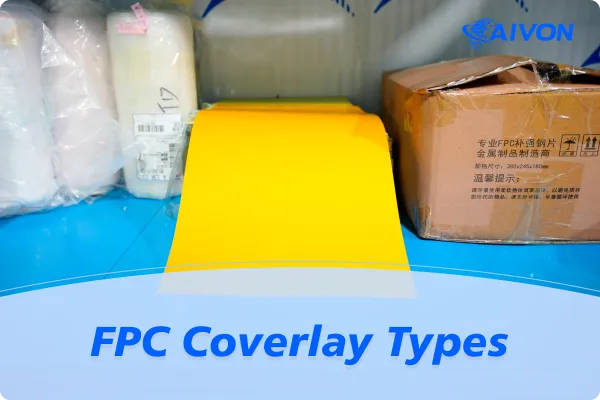
FPC Coverlay: Types, Materials, Application and Processing
Learn FPC coverlay selection, acrylic vs epoxy polyimide differences, lamination methods, window opening, defects prevention, and how to choose the right coverlay for flexible circuits.
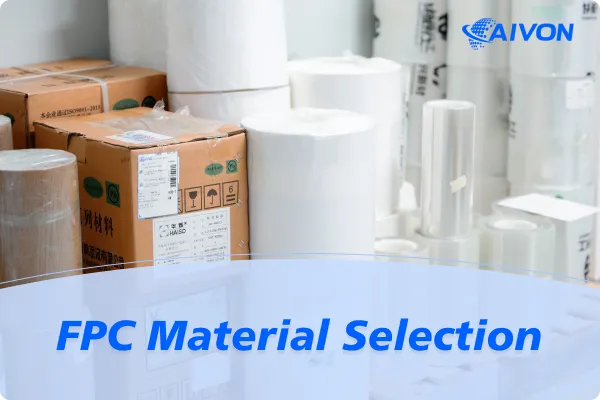
Flexible PCB Material Selection Guide: PI vs PET vs Adhesiveless Base Materials
Learn what FPC material is and how flexible PCB substrates such as PI, PET, PEN, and adhesiveless materials are used across electronics and different industries.


