 00:52
00:52
Flex PCB Materials
Flex PCB materials form the backbone of flexible printed circuit boards, enabling innovative designs in electronics where rigidity is a limitation. These materials are engineered to withstand bending, twisting, and folding without compromising electrical performance, making them essential for applications in wearables, medical devices, automotive systems, and aerospace technology. For engineers and designers searching for information on Flex PCB Materials, this tag aggregates in-depth resources that explore the core components, such as polyimide substrates, copper foils, and adhesive layers, along with their properties like thermal stability, dielectric strength, and flexibility. Understanding the selection of Flex PCB Materials is crucial for optimizing performance and reliability. Polyimide films, for instance, offer excellent heat resistance up to 400°C, ideal for high-temperature environments, while polyester alternatives provide cost-effective options for less demanding uses. Practical insights include evaluating material thickness to balance flexibility and durability, ensuring compatibility with soldering processes, and incorporating coverlays for protection against environmental factors like moisture and abrasion. Best practices emphasize testing for bend radius limitations to prevent cracking and selecting halogen-free options for compliance with RoHS standards, which can enhance product longevity and reduce failure rates in dynamic applications. By delving into the articles linked under this tag, readers can gain actionable guidance on material sourcing, fabrication techniques, and integration strategies that align with specific project needs. This collection serves as a valuable reference for troubleshooting common issues, such as delamination or signal integrity loss, empowering professionals to make informed decisions in flexible electronics development.
Video Guide
Technical Articles

Rigid-Flex PCB Applications in Medical: Enabling Miniaturized and Flexible Innovations
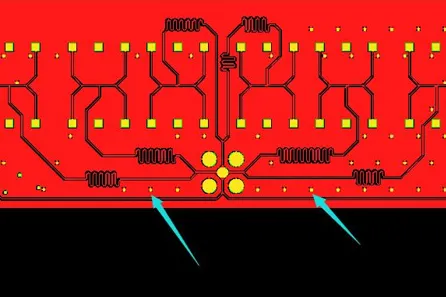
How to Fix CAM Issues in 4-Layer Rigid-Flex PCB Designs
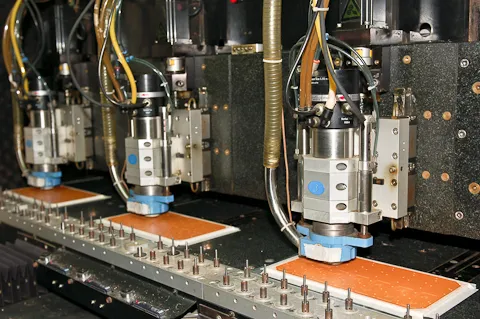
Thin PCBs: Revolutionizing Flexible Electronics – What You Need to Know
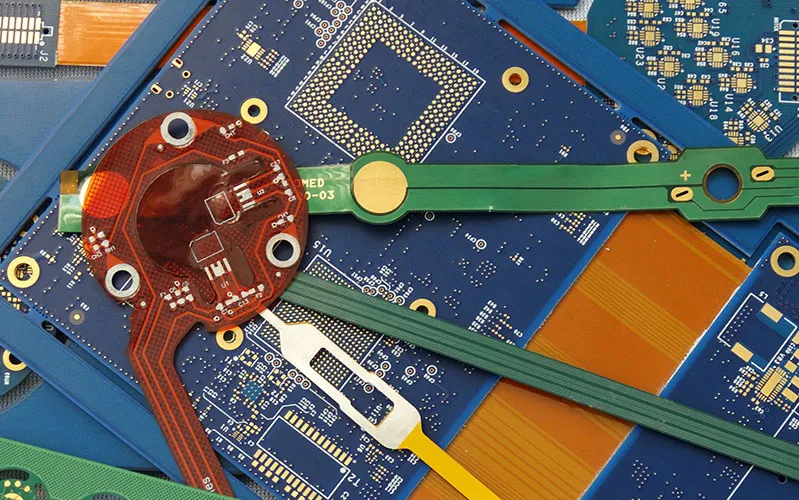
The Ultimate Guide to Rigid-Flex PCB Manufacturing: Mastering Complexity and Reliability at Scale
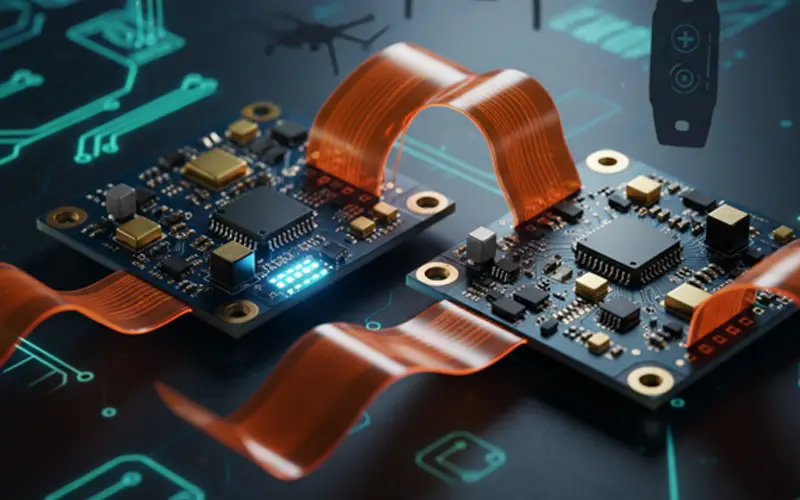
Rigid-Flex PCB Applications: The Ultimate Guide for Modern Design
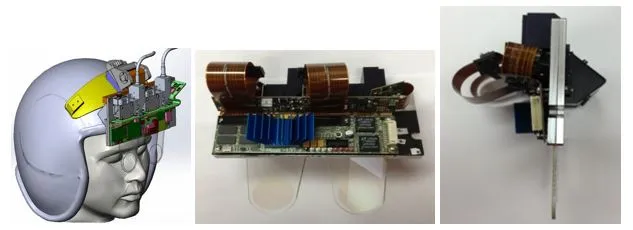
Flexible PCB Applications: Uses in Modern Electronics
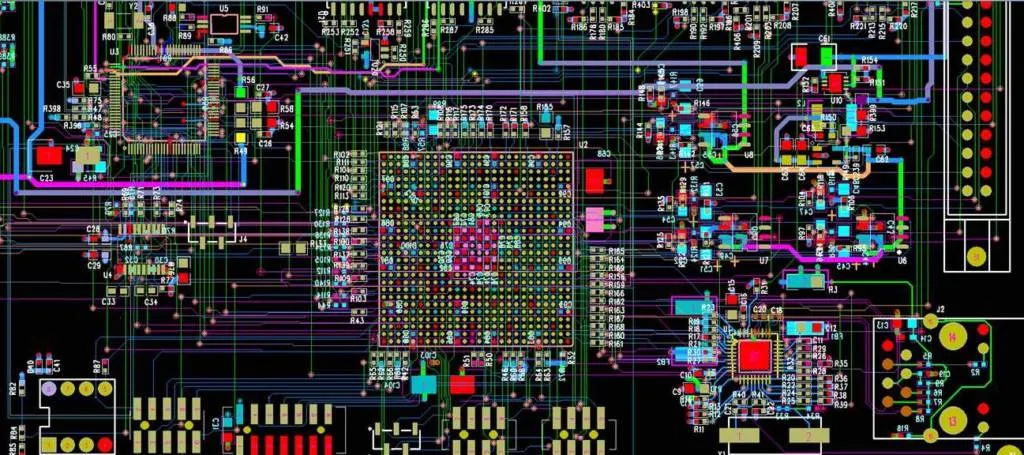
Comprehensive Guide to Flexible PCB Design and Reliability
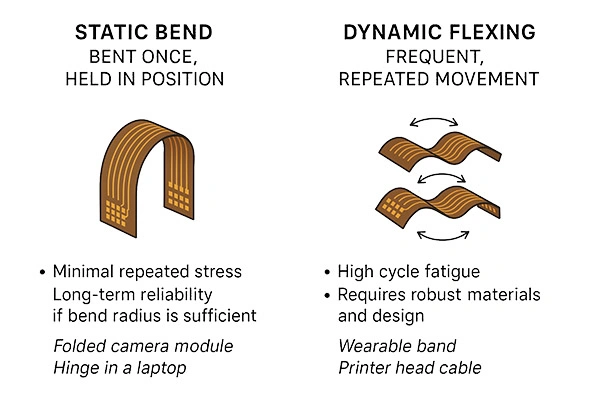
Dynamic vs. Static Bending: Designing Flexible PCBs for Longevity
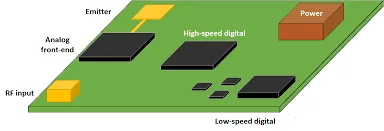
PCB RF Antenna Design and Layout: Engineering Principles, Isolation Techniques, and Manufacturing Integration
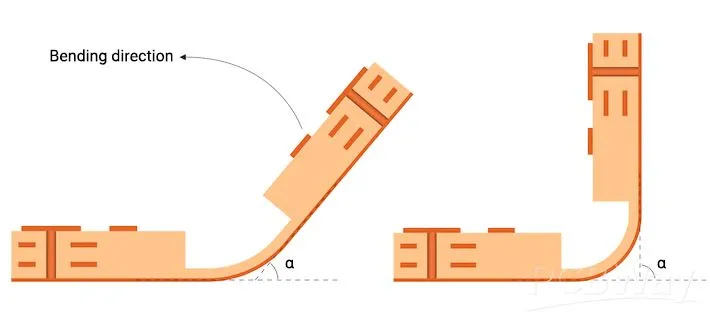
The Ultimate Guide to Semi Flex PCB Materials: FR4 and Beyond
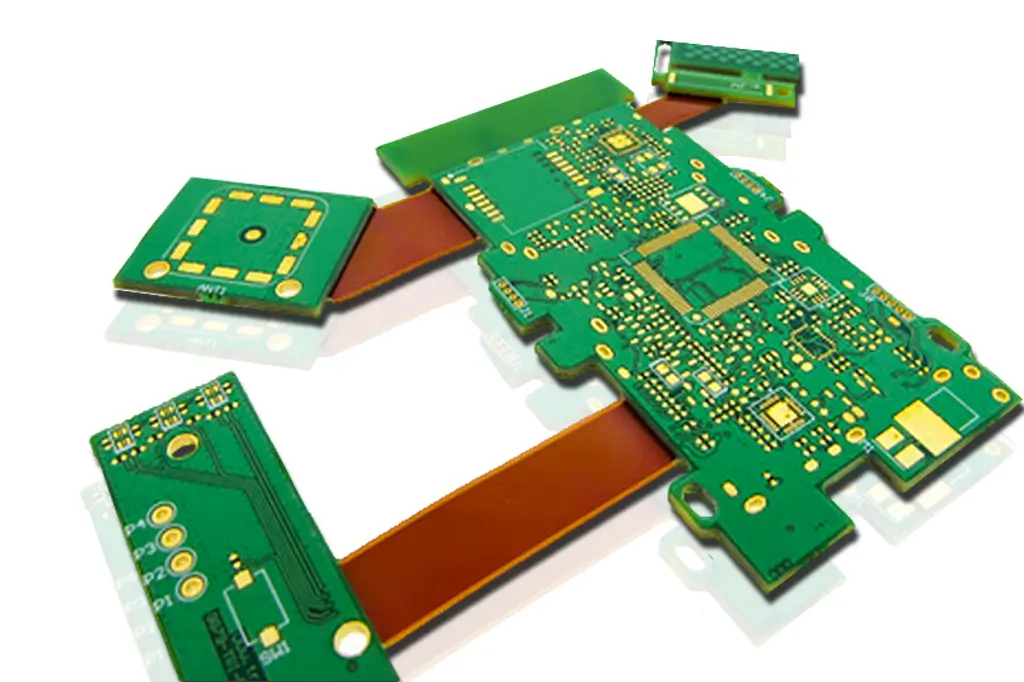
The Role of 1 oz Copper in Flexible PCBs: Benefits and Challenges
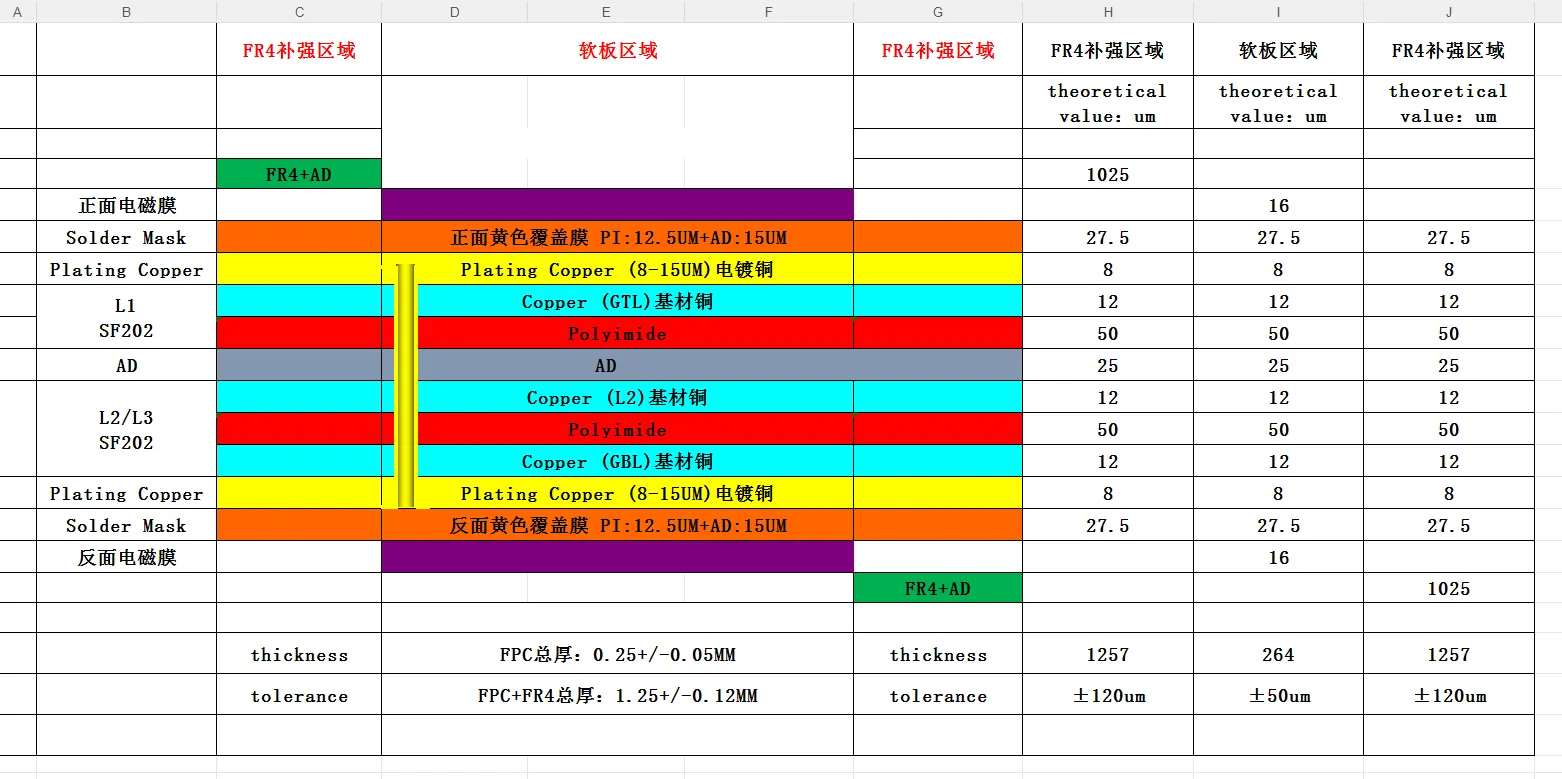
FPC Stiffener Design Rules: Avoiding Common DFM Roadblocks
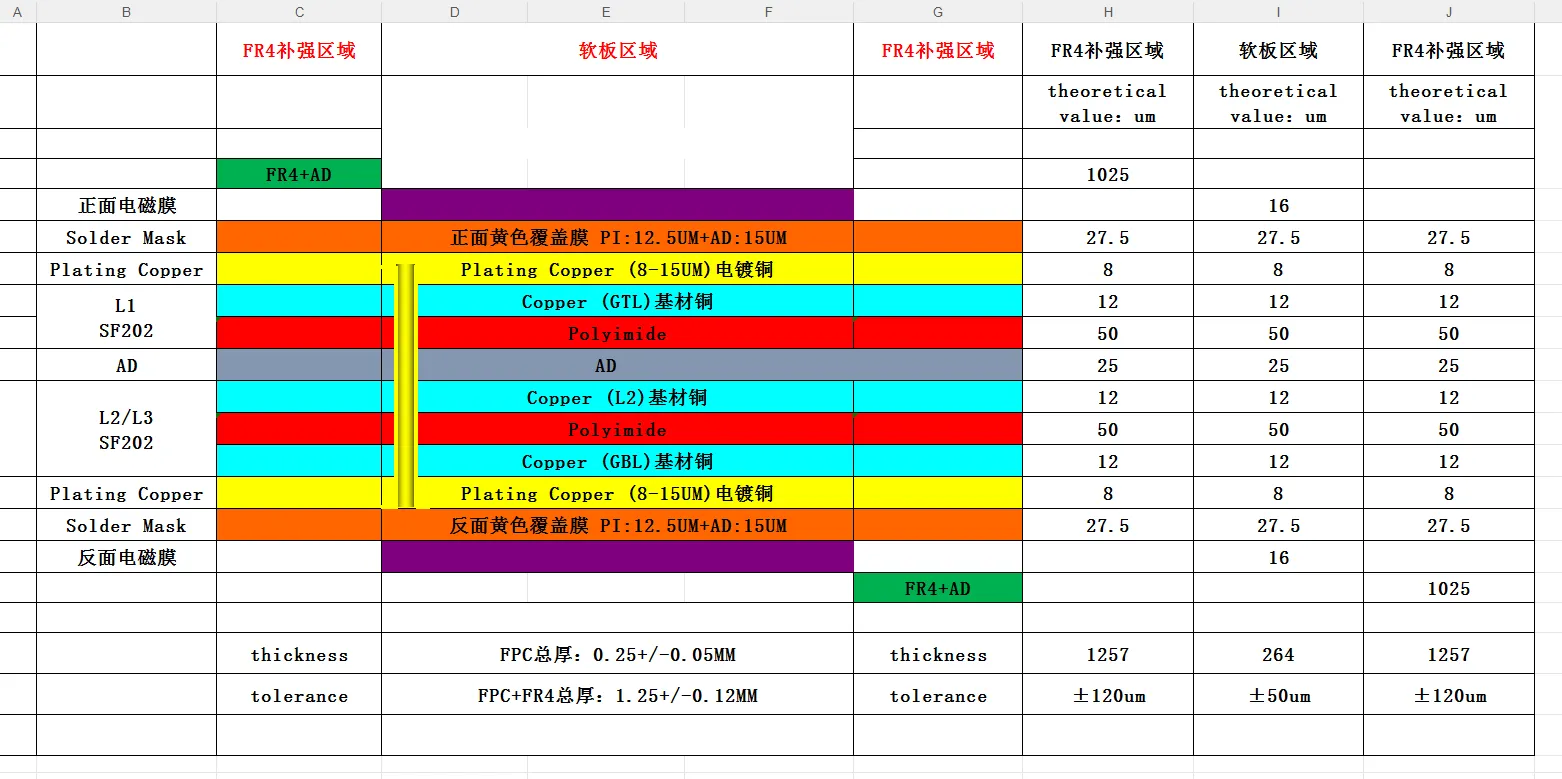
DFM Review Prevented Stiffener and Hole Risks in Thin Flex PCB
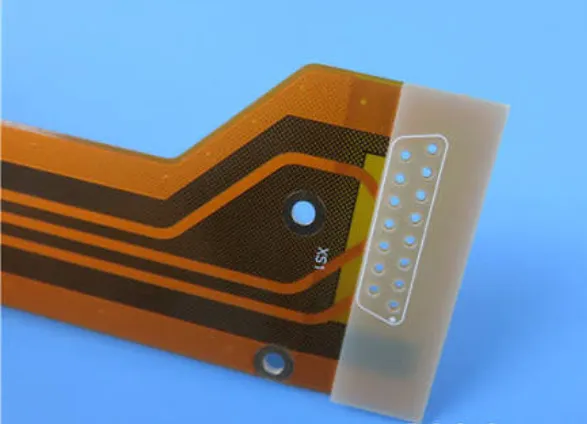
PI Stiffener vs FR4 Stiffener – Which One Should You Use?
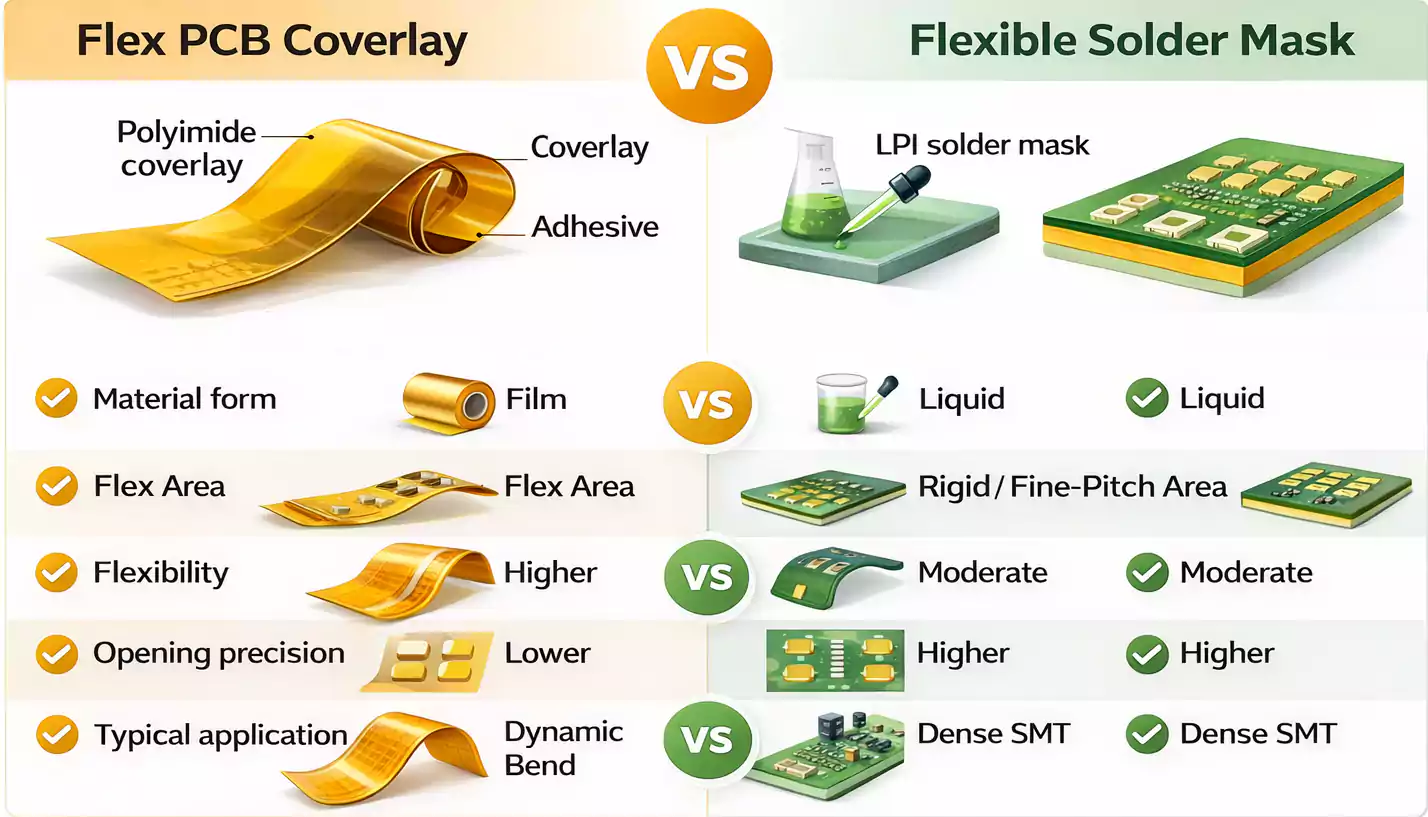
Coverlay Opening vs Solder Mask Opening: What's the Difference?
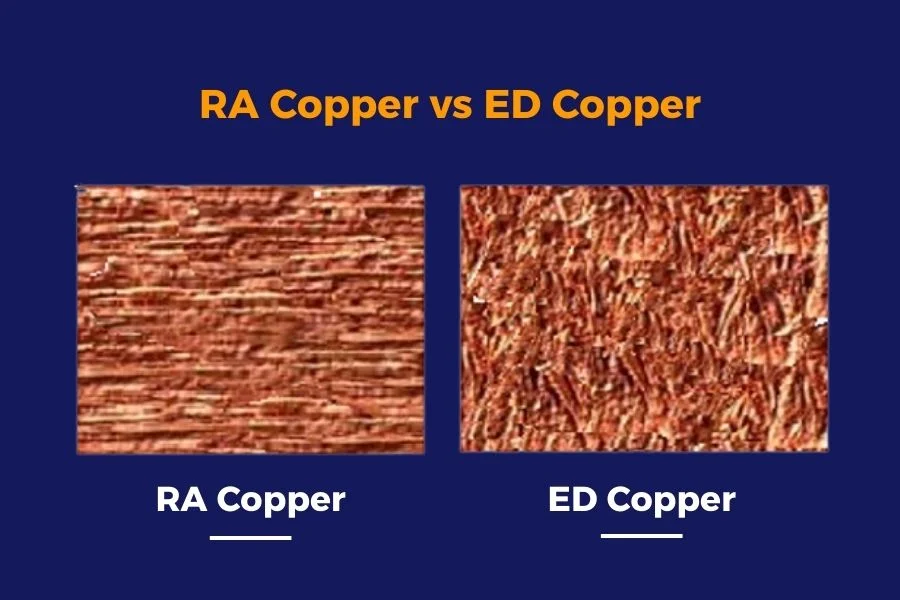
RA Copper vs ED Copper for Flexible PCB
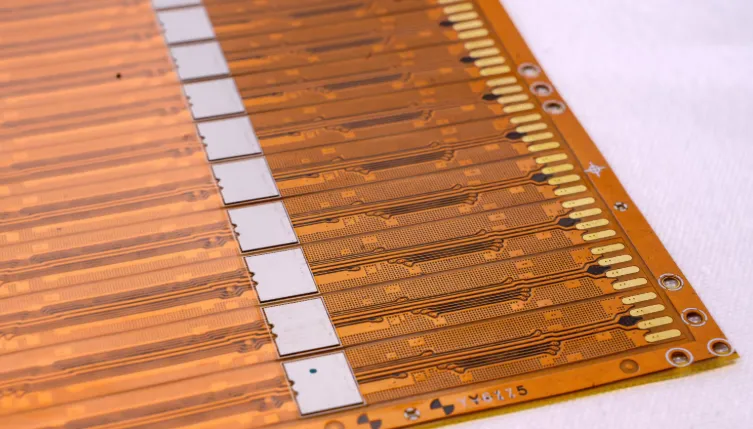
FR4 Stiffener Inner Shrink Rule for FPC Boards

How Do FPC Factories Compensate Coverlay Openings in Practice?
How to Properly Specify Back Adhesive Type and Thickness for FPC