




 00:59
Thermal Management
Thermal management is a critical aspect of PCB design and electronics engineering, focusing on the strategies and techniques used to control heat generation and dissipation in electronic systems. Effective thermal management ensures that components operate within safe temperature ranges, preventing issues like reduced performance, premature failure, or complete system breakdowns. For engineers, hobbyists, and professionals searching for insights on this topic, understanding thermal management can lead to more reliable and efficient designs, whether you're working on high-power circuits, densely packed boards, or applications in harsh environments. At its core, thermal management involves analyzing heat sources such as processors, power transistors, and LEDs, then implementing solutions like heat sinks, thermal vias, fans, or advanced materials such as thermally conductive substrates. Best practices include conducting thermal simulations early in the design phase to predict hotspots and optimize layouts. For instance, incorporating copper pours or multi-layer PCBs can enhance heat spreading, while selecting components with appropriate thermal ratings minimizes risks. In practical applications, these techniques are essential for industries like automotive electronics, where vibration and extreme temperatures demand robust cooling, or consumer devices requiring compact, fanless designs. Professionals often turn to thermal management resources to address common challenges, such as balancing cost with performance or integrating passive versus active cooling methods. By applying these principles, you can extend device lifespan and improve energy efficiency. The articles grouped under this tag delve into specific case studies, design tutorials, and emerging trends, offering detailed guidance to help you implement effective strategies in your projects.
Video Guide
-
00:59
Technical Articles
Multilayer PCBs in Automotive Electronics: Meeting the Demands of Modern Vehicles
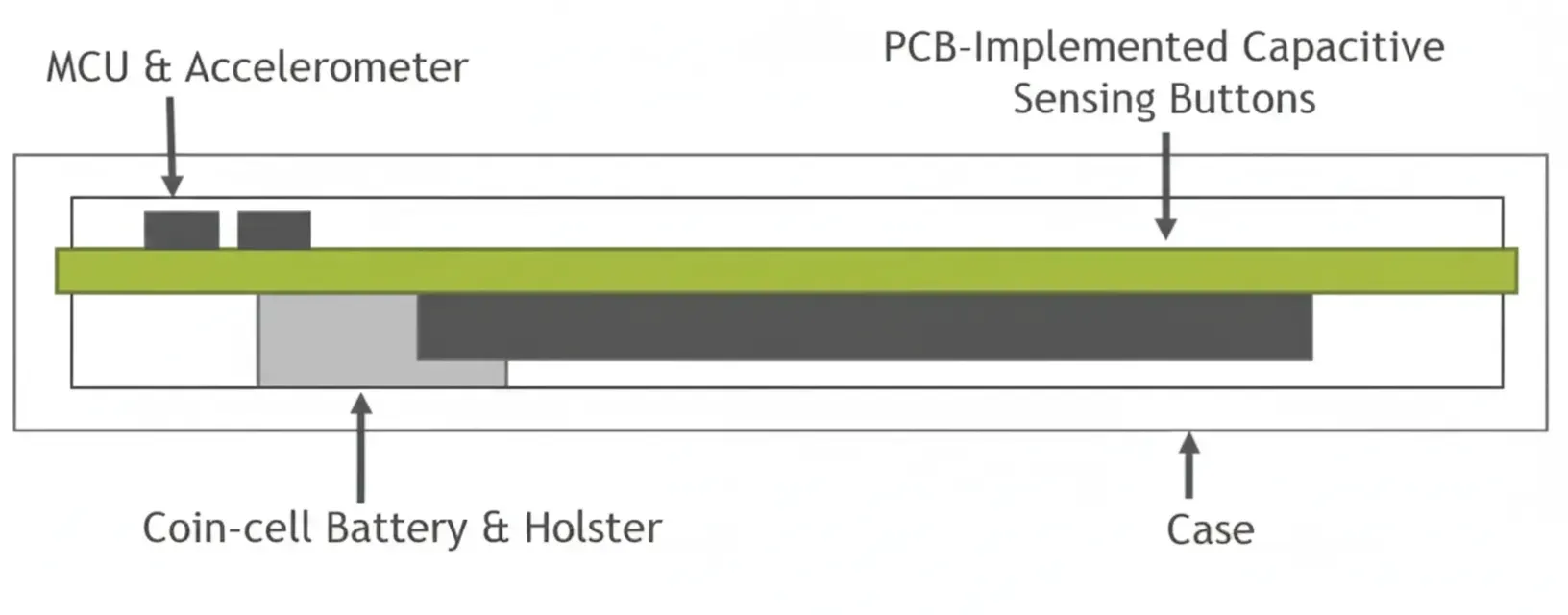
How chip-scale MCUs meet wearable size constraints

Mobile Signal Bar Issues and Fixes

What are Smart Parking System Adoption, Availability and Usage Trends?

The Impact of IoT on Hotel Room Control PCBs: Trends and Challenges

Designing ATM PCBs for Extreme Temperatures
Heavy Copper PCB Applications: Powering High-Performance Electronics
Heavy Copper PCB Design: Principles, Rules, and Best Practices
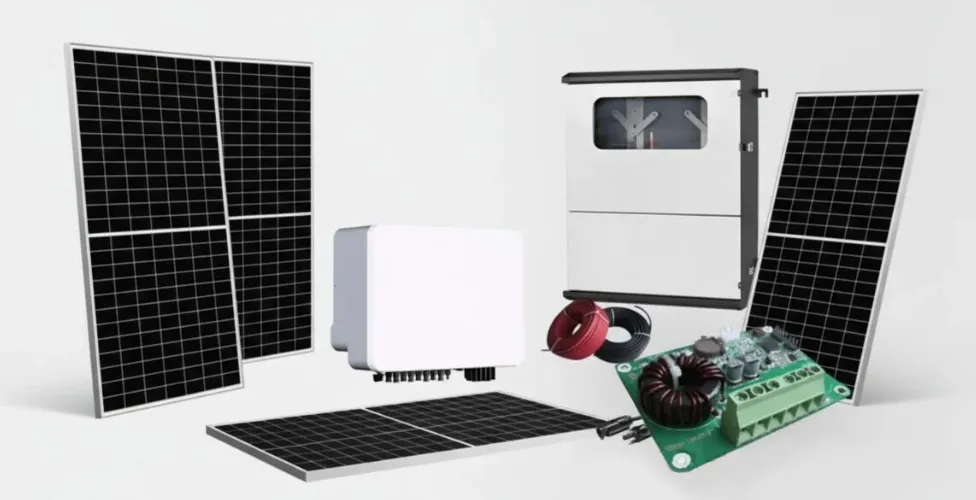
Designing a High Performance Solar Inverter PCB: Key Considerations and Best Practices
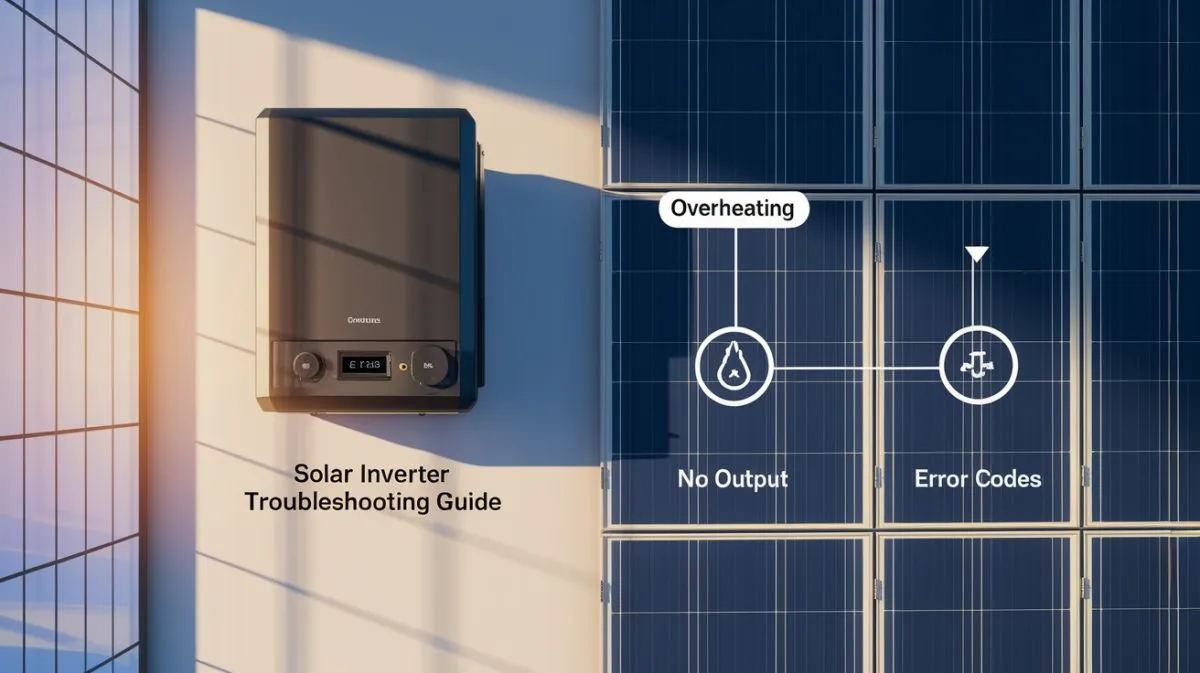
Troubleshooting Common Issues in Solar Inverter PCBs: A Practical Approach
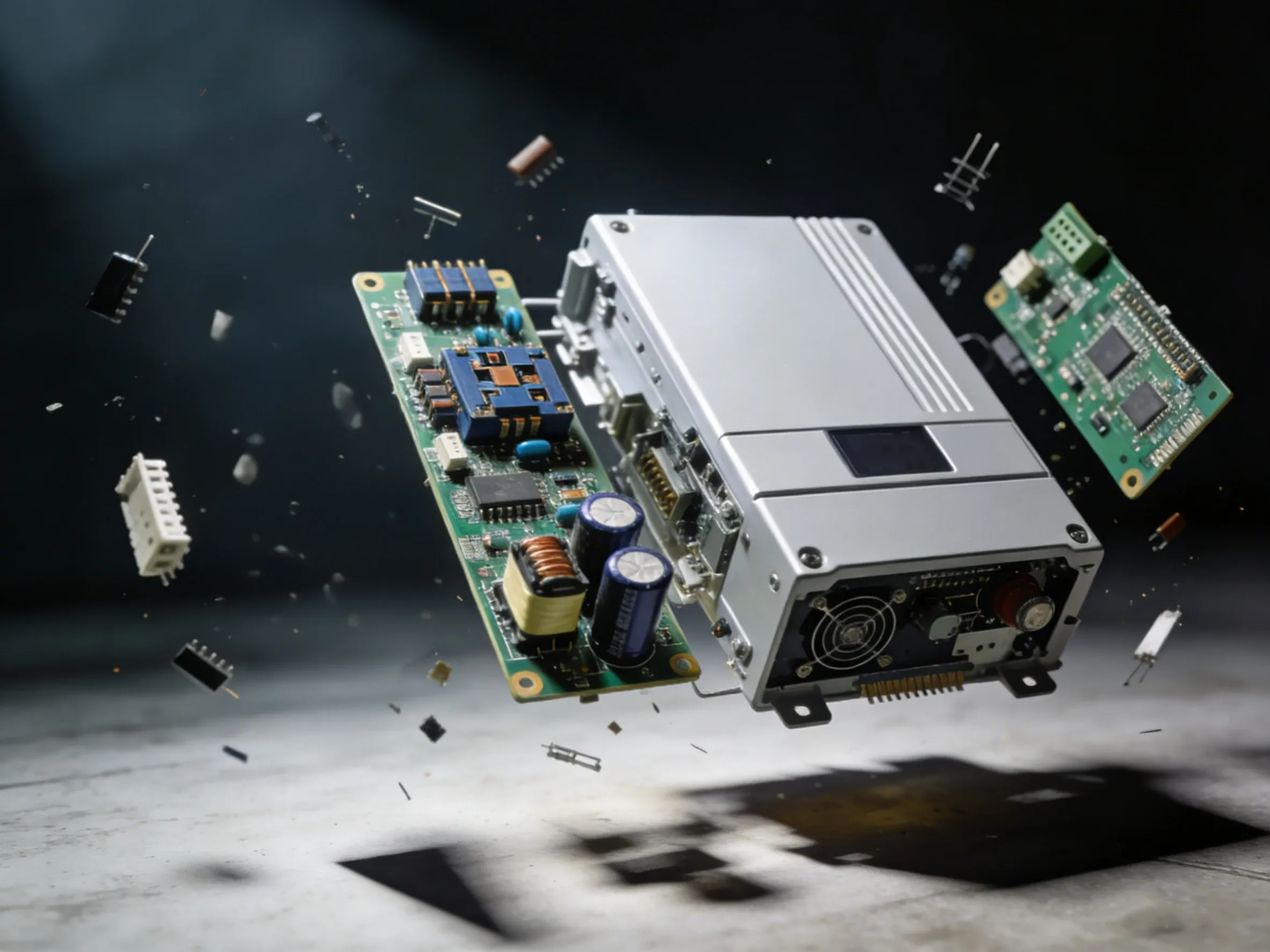
The Role of Thermal Management in Solar Inverter PCB Design: Ensuring Longevity and Reliability
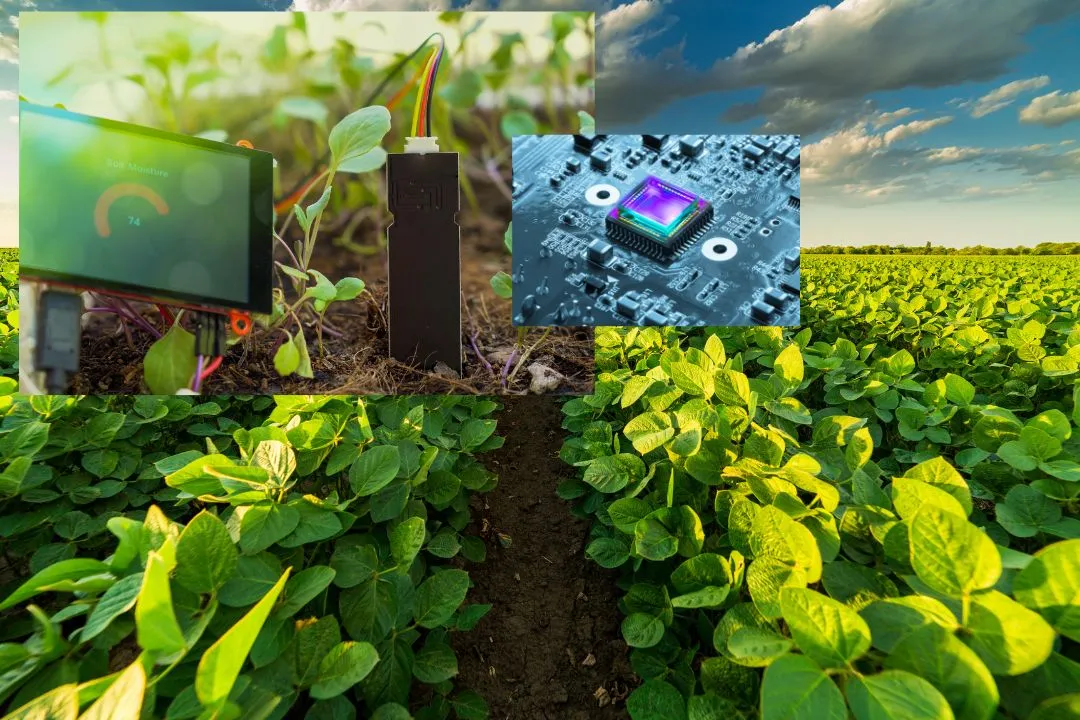
Smart Irrigation: PCB Based Soil Moisture Sensors for Water Conservation

Precision Planting: How Agricultural Sensor PCBs Maximize Crop Yields
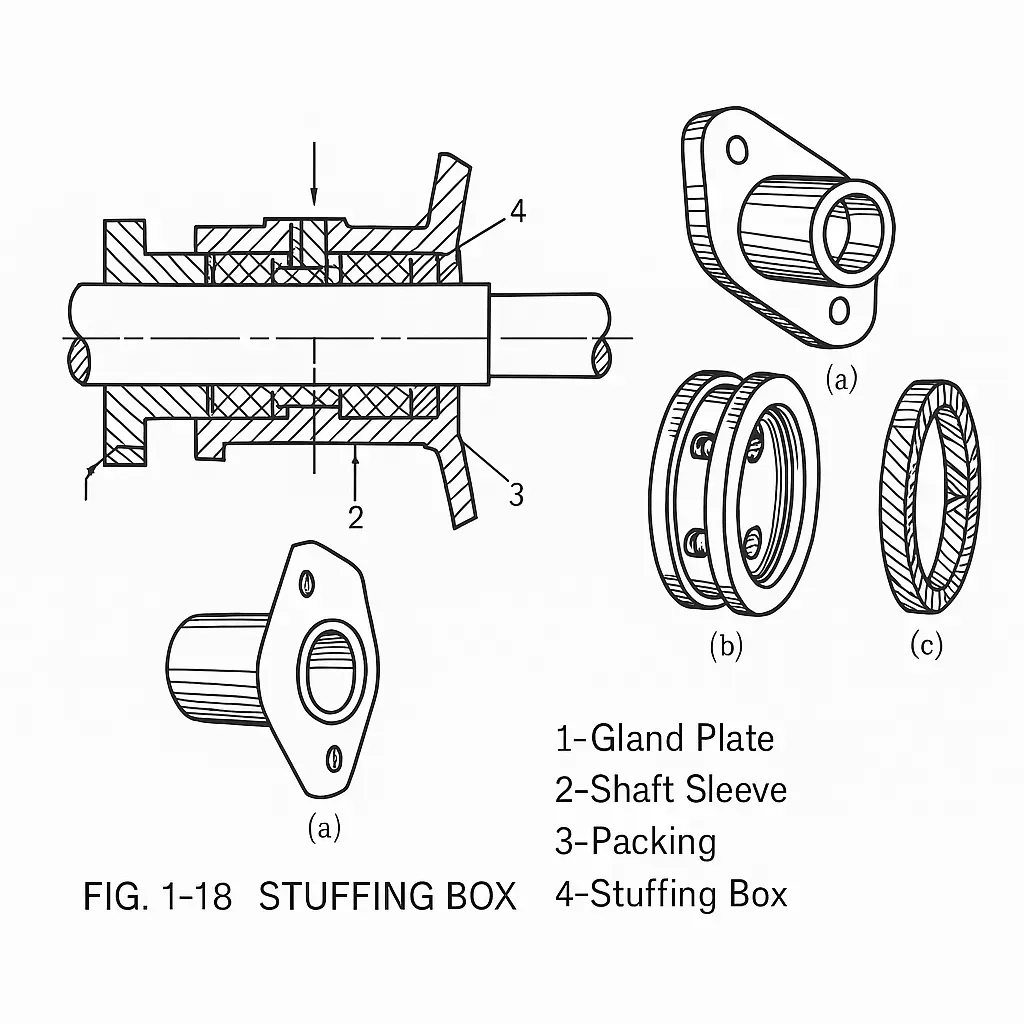
Pump Shaft Seals: Structure, Principles and Types
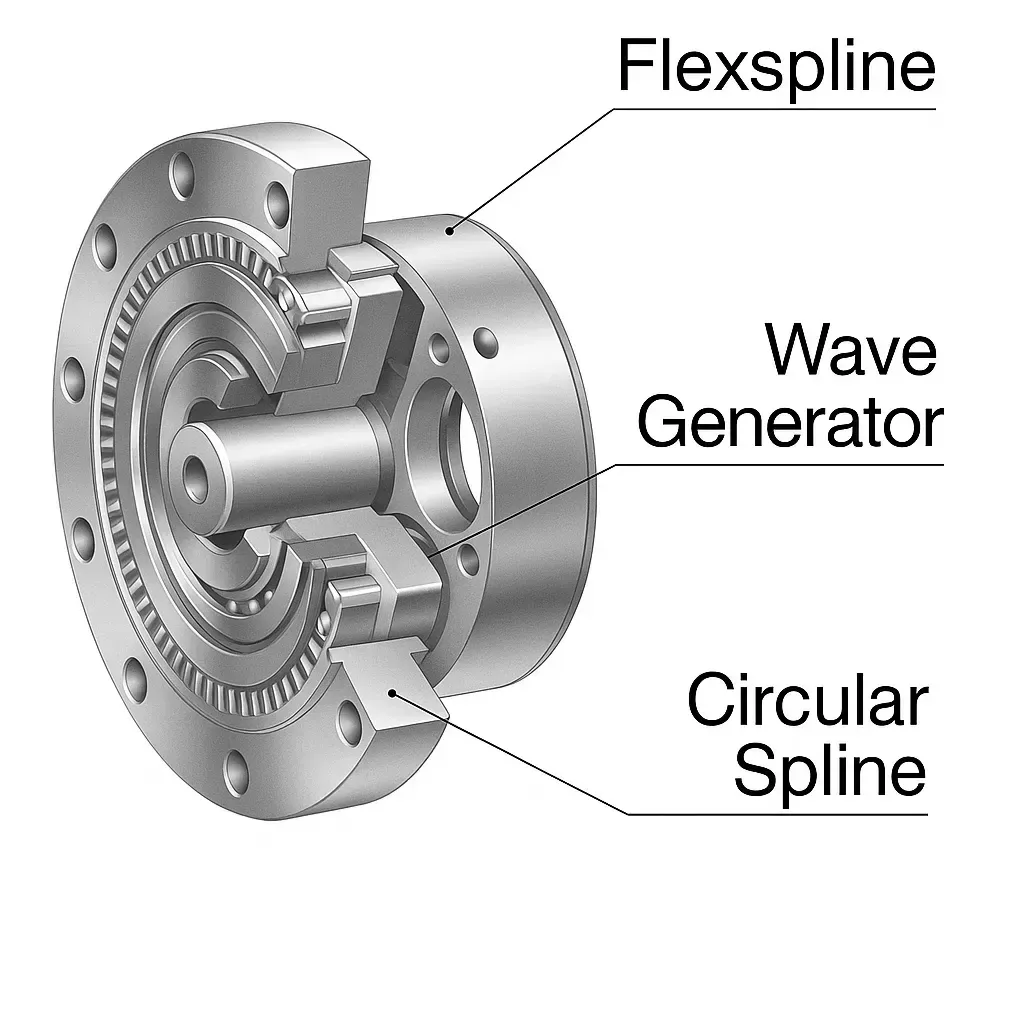
RV vs Harmonic Reducers: Principles and Trade-offs

Common Manufacturing Issues in HASL and OSP Aluminum PCB Design
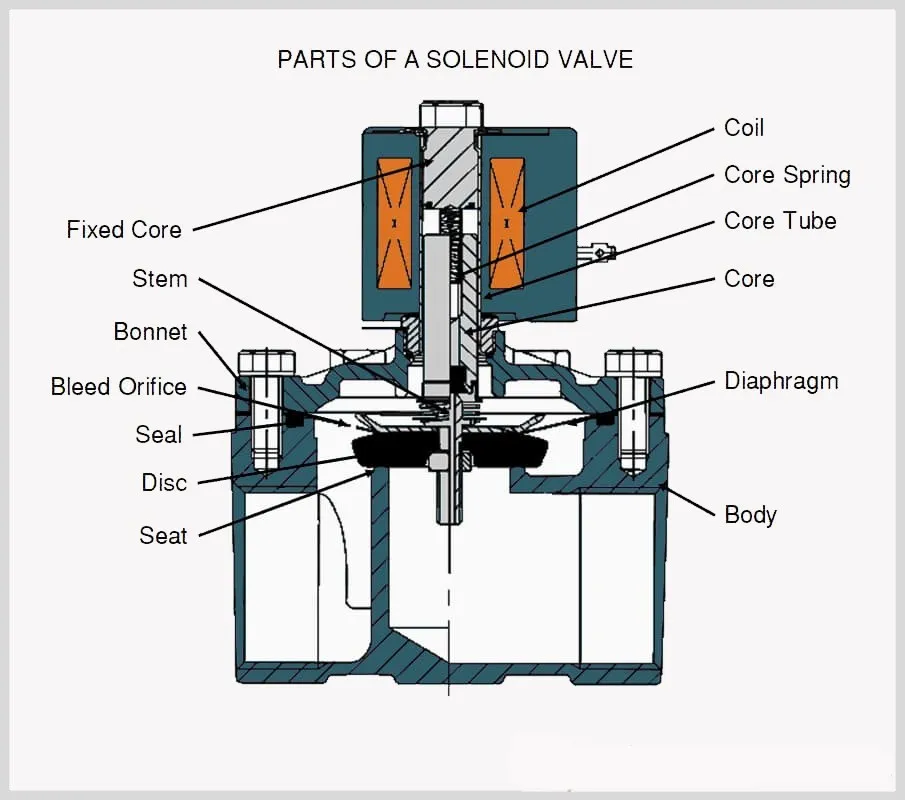
Troubleshooting Solenoid Valve Failures
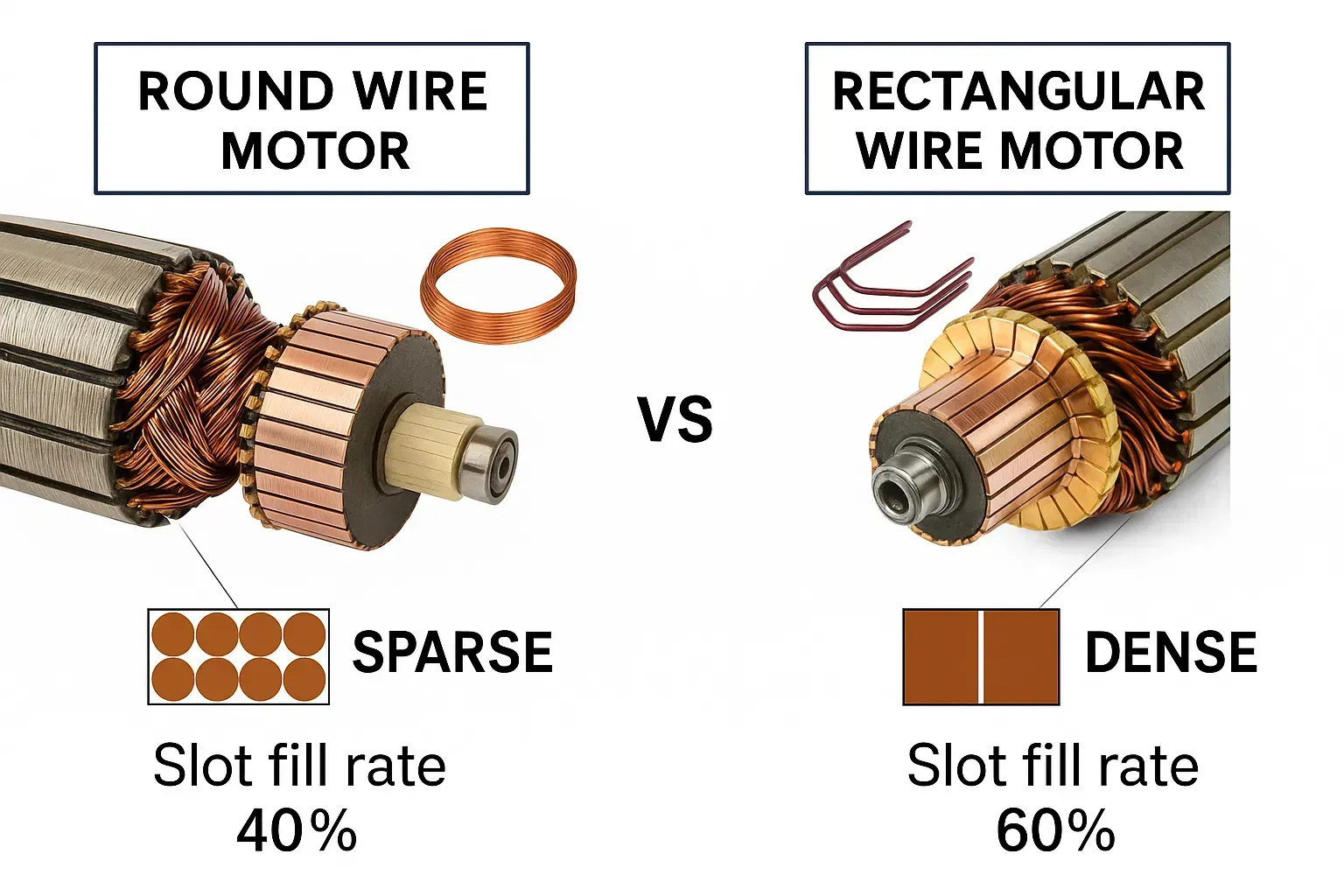
Flat-wire Motor Stator and Rotor Processes
Optimizing PCB Design and Manufacturing for PLC-Based Industrial Control Systems