




 00:53
PCB Mechanical Design
PCB Mechanical Design plays a crucial role in the development of reliable and efficient electronic systems, bridging the gap between electrical functionality and physical durability. This discipline focuses on the structural aspects of printed circuit boards, including enclosure integration, component placement for optimal heat dissipation, and considerations for vibration resistance and environmental protection. Engineers and designers searching for insights into PCB Mechanical Design often seek solutions to common challenges such as ensuring board rigidity, managing thermal expansion, and complying with industry standards like IPC-2221 for mechanical tolerances. Understanding the fundamentals of PCB Mechanical Design enables professionals to create boards that withstand real-world stresses while maintaining signal integrity and manufacturability. Key elements include selecting appropriate materials for substrates and laminates, designing mounting holes and cutouts for secure assembly, and incorporating features like stiffeners or edge plating to enhance mechanical strength. Practical applications range from consumer electronics, where compact designs must endure daily handling, to industrial equipment requiring robustness against harsh conditions. By applying best practices, such as finite element analysis for stress simulation or iterative prototyping, designers can minimize failures and reduce production costs. For those delving deeper into specific topics, the articles tagged under PCB Mechanical Design offer detailed guidance on tools like CAD software for 3D modeling, strategies for EMI shielding integration, and case studies from automotive and aerospace sectors. These resources provide actionable steps to refine your designs, whether you are optimizing for space constraints or ensuring compliance with regulatory requirements.
Video Guide
-
00:53
Technical Articles
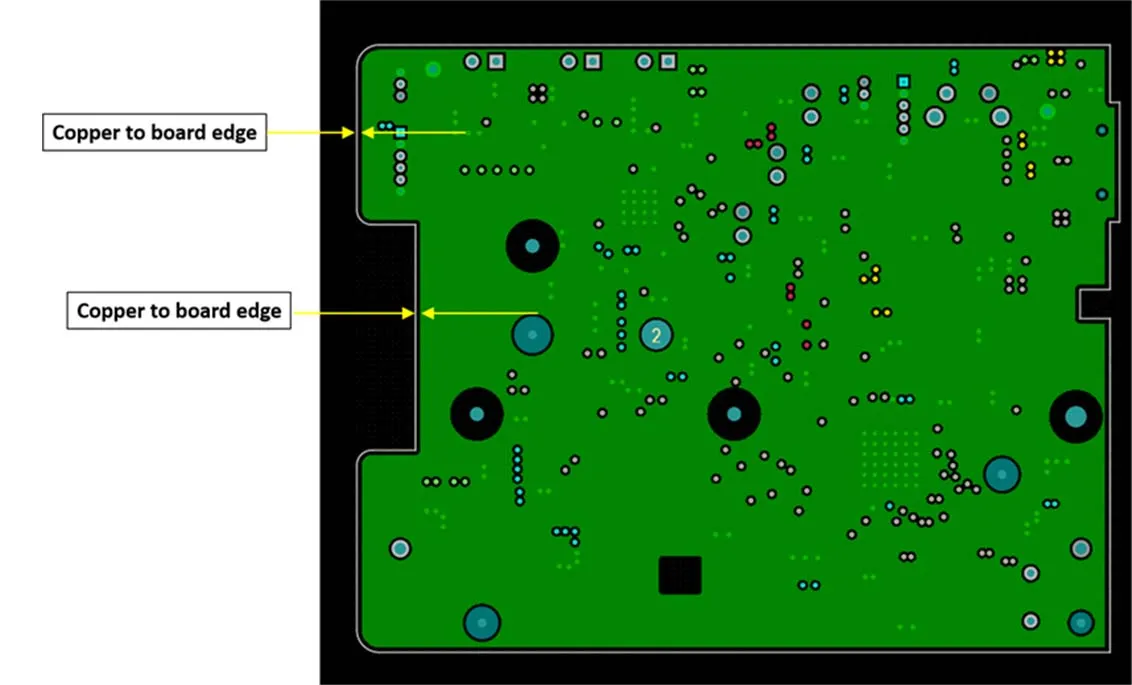
FR4 PCB Edge Clearance: How Much Copper Should Be Kept from the Board Edge?
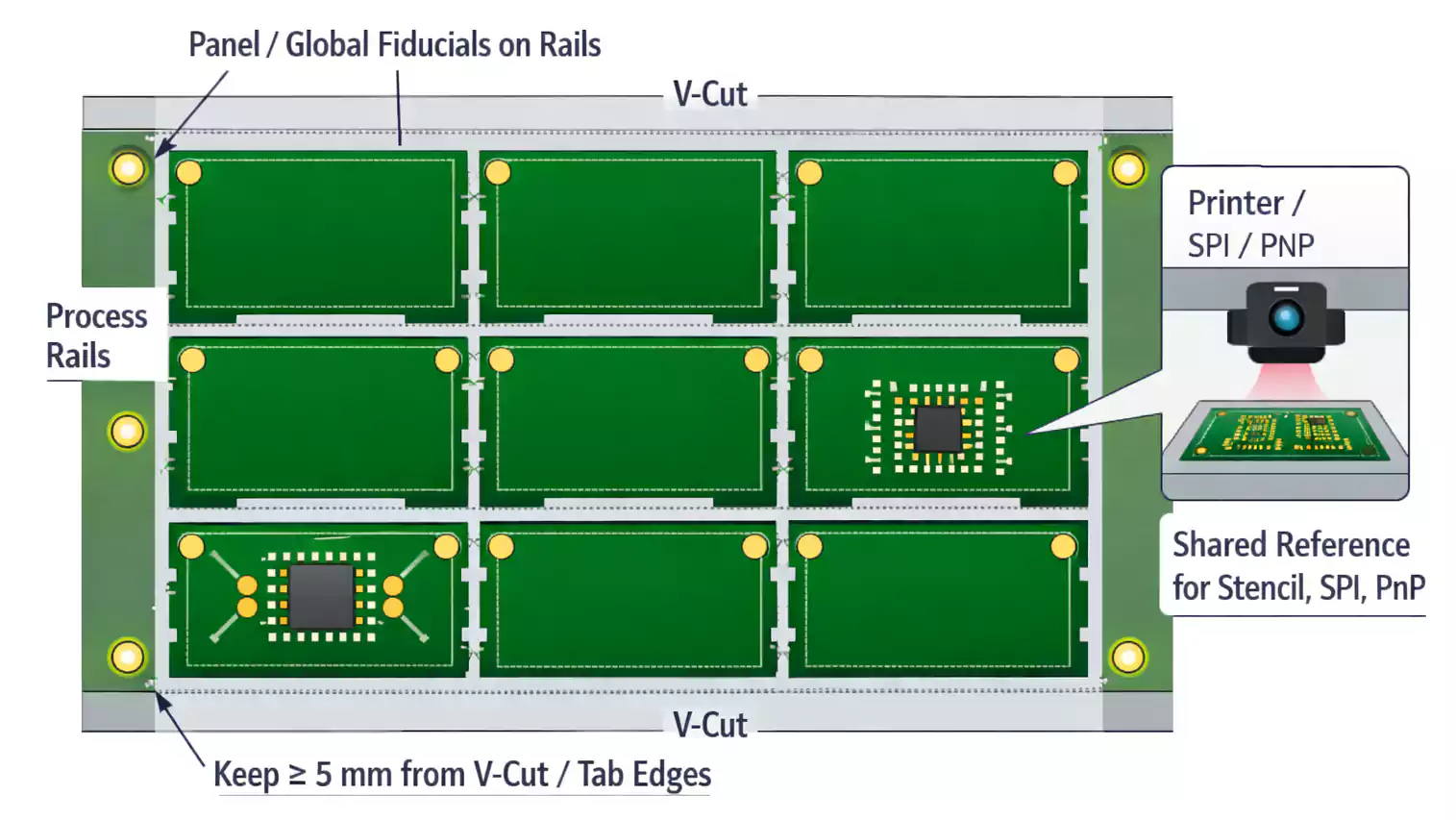
FR4 PCB Panelization Design: Fiducials, Rails, and Tooling Holes
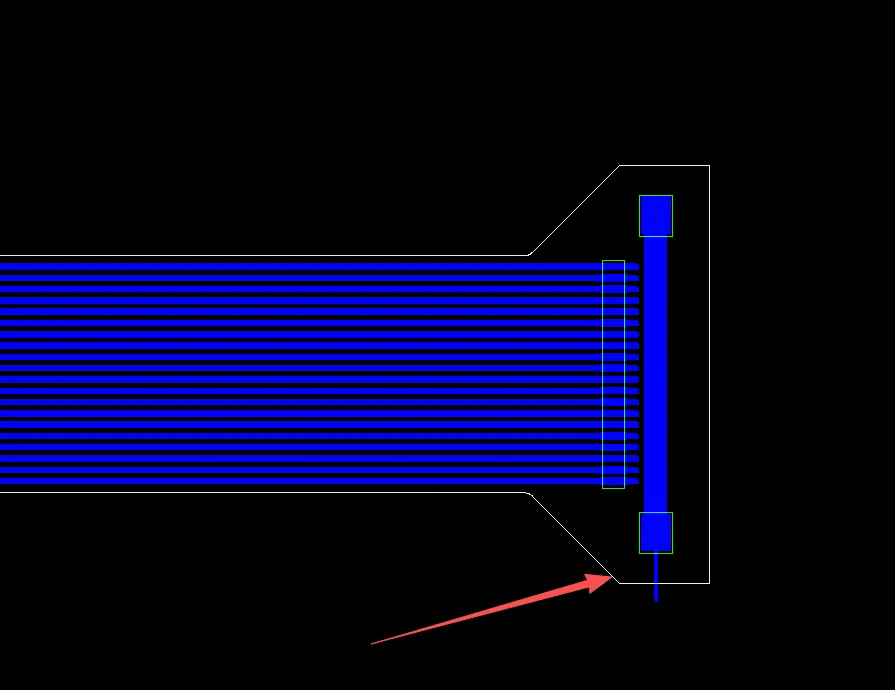
Can 0.1mm PI Stiffener Achieve 0.3mm FPC Total Thickness?
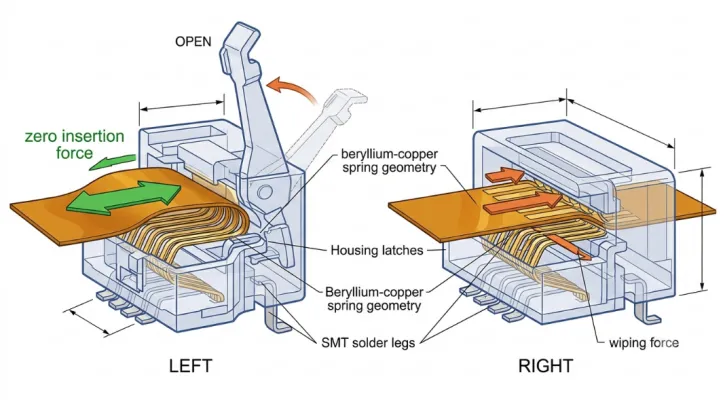
How Should FPC Be Designed for Connector Insertion Reliability?
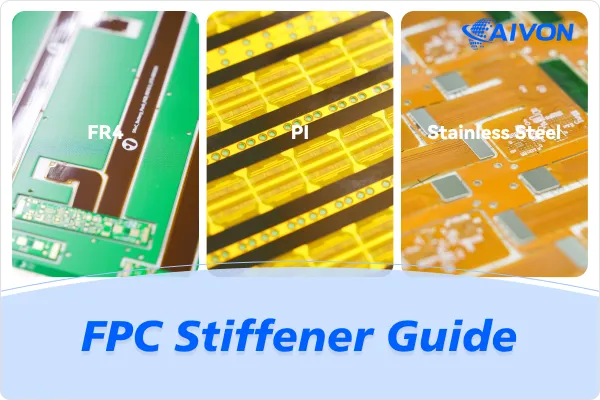
FPC Stiffener Guide: FR4, PI, Stainless Steel Comparison
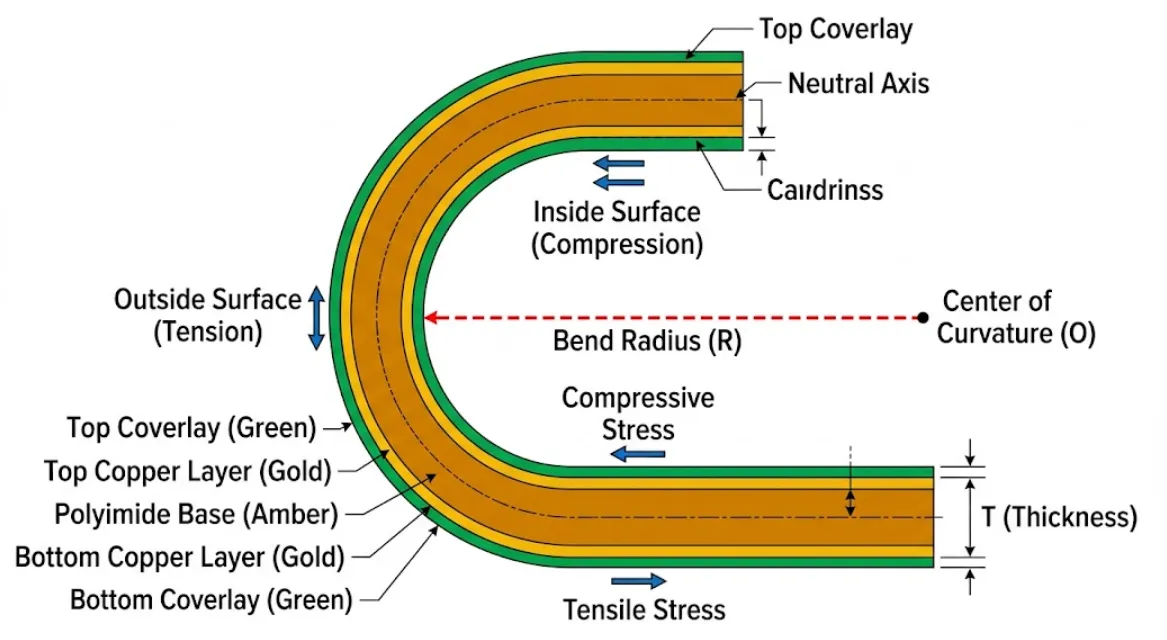
How to Design FPC Board Outline for Laser Cutting and Routing?
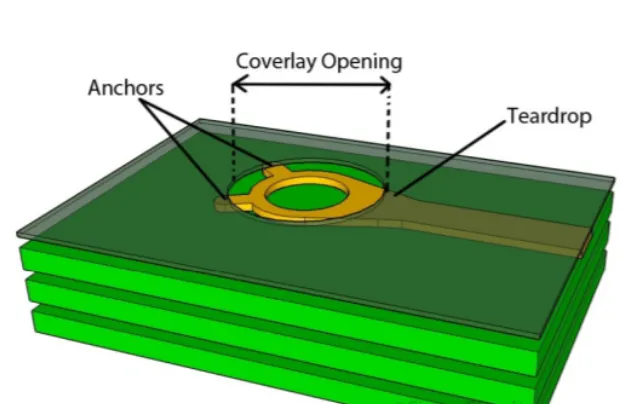
How to Design FPC Adhesive Tape Areas for Reliable Assembly?
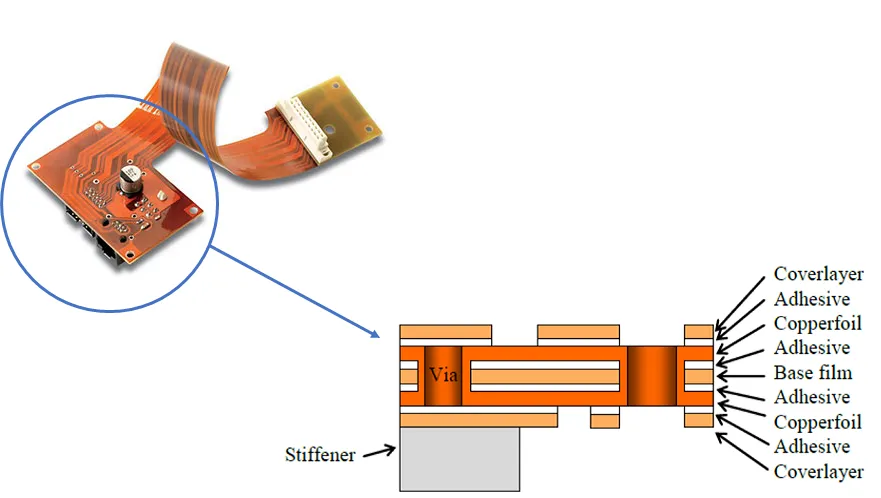
Why Should High Temperature Adhesive Be Used for FPC Reinforcement?
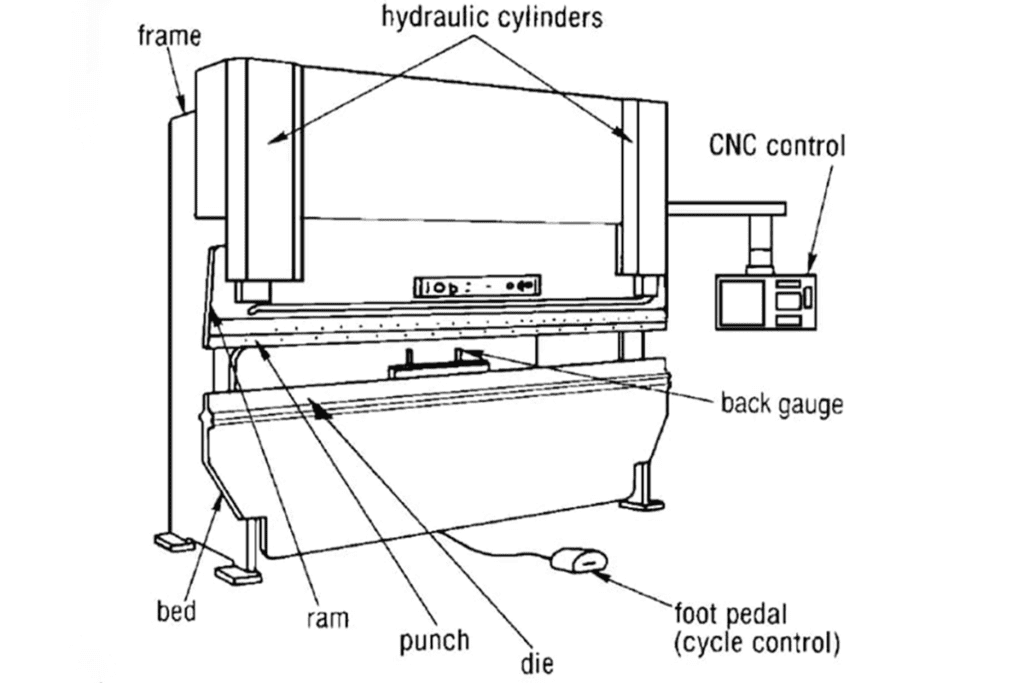
How Sheet Metal Bending Accuracy Is Controlled: Factors and Best Practices

Contour Lighting in Machine Vision: Methods and Implementation
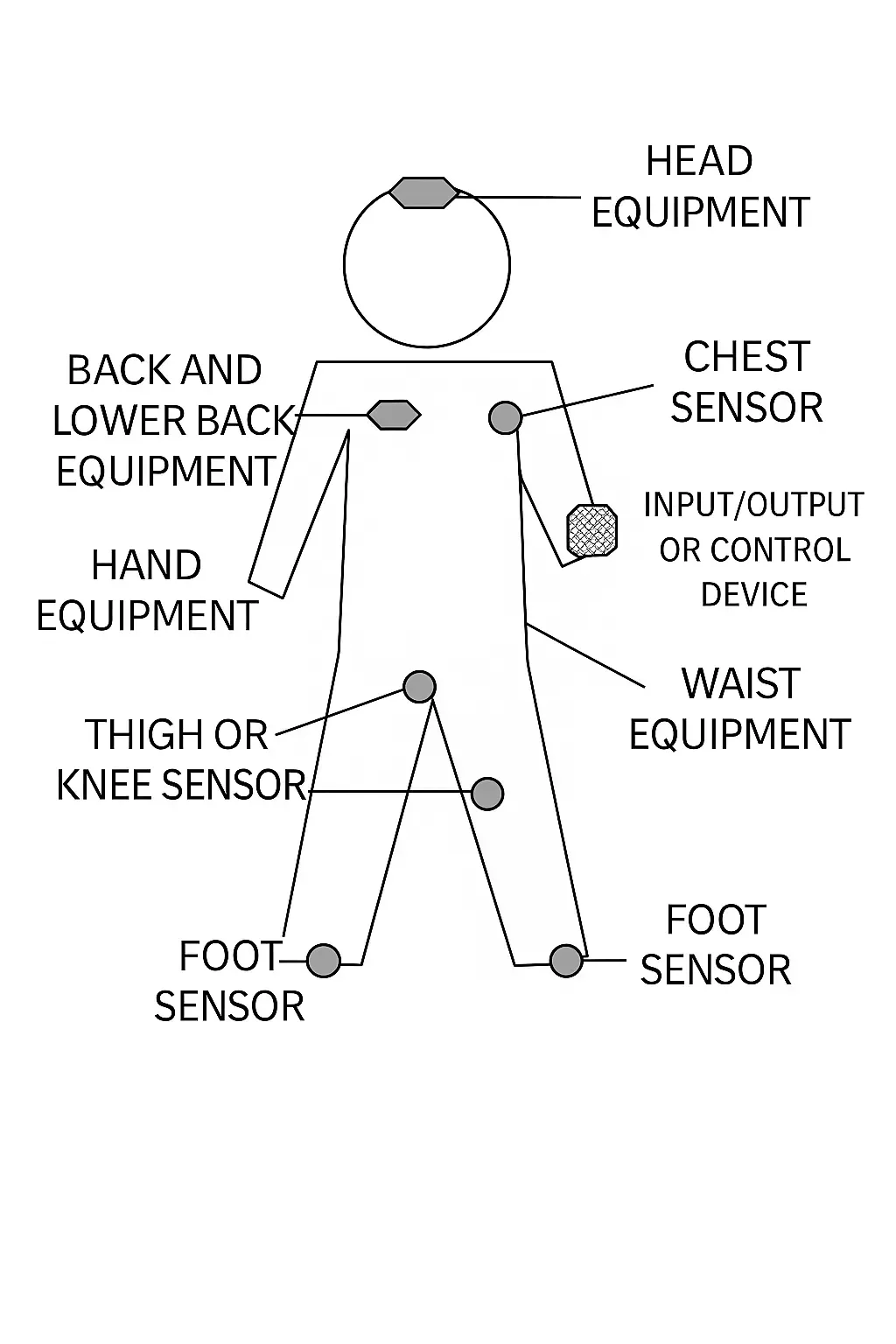
Wearable Wireless Network Technical Overview
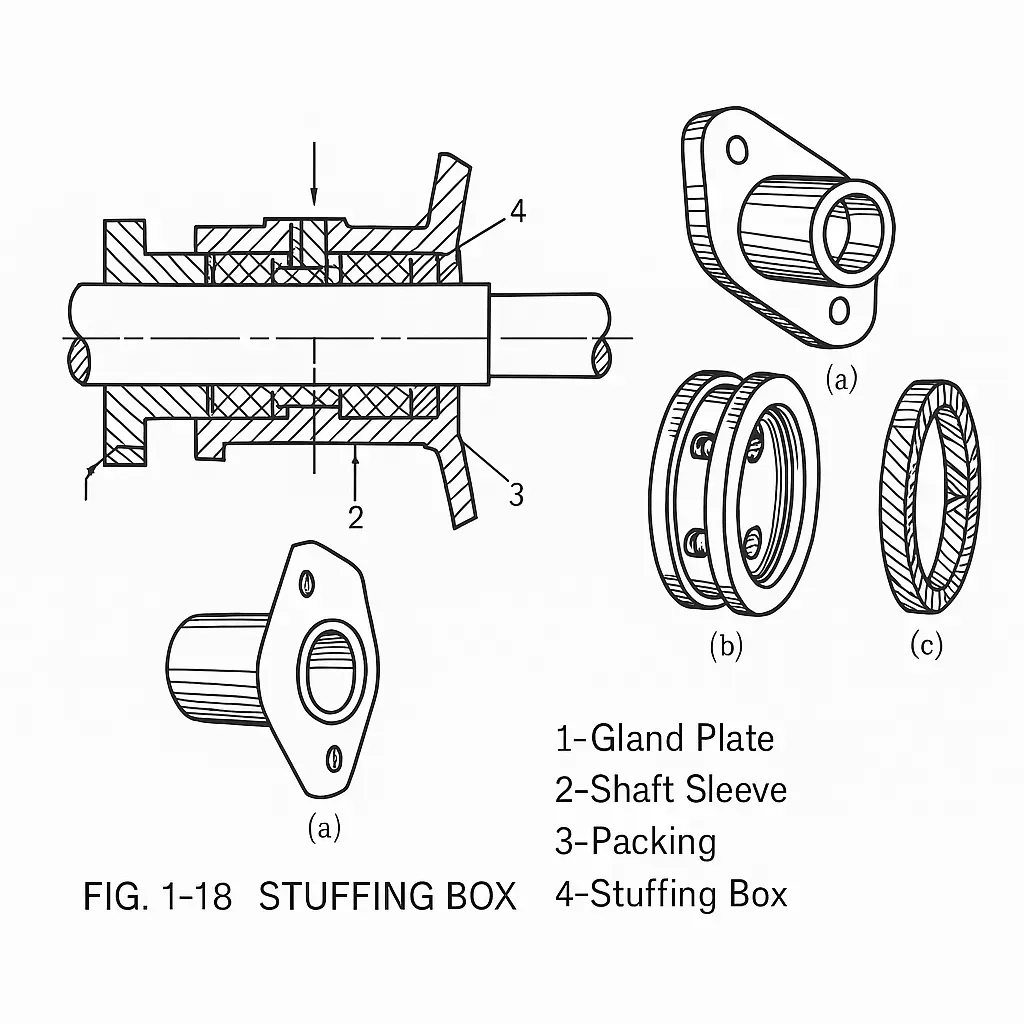
Pump Shaft Seals: Structure, Principles and Types
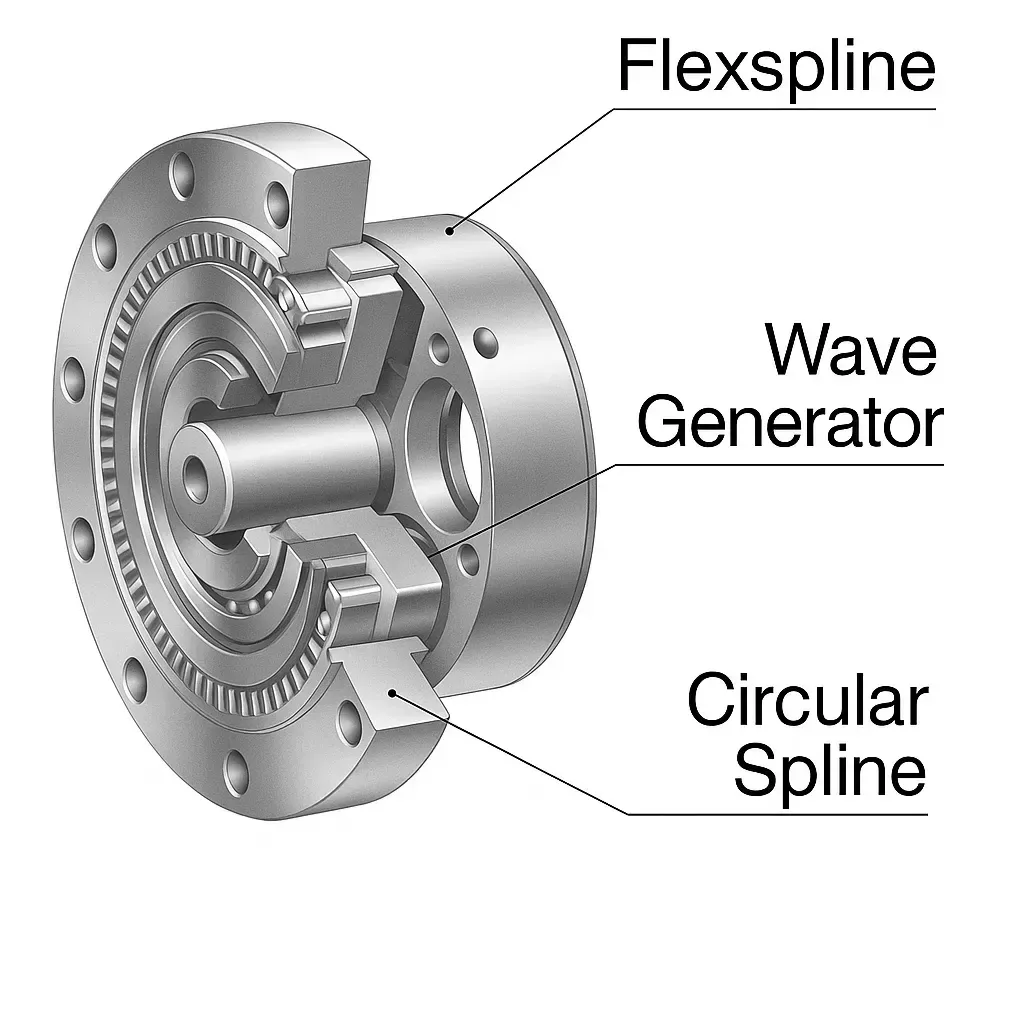
RV vs Harmonic Reducers: Principles and Trade-offs
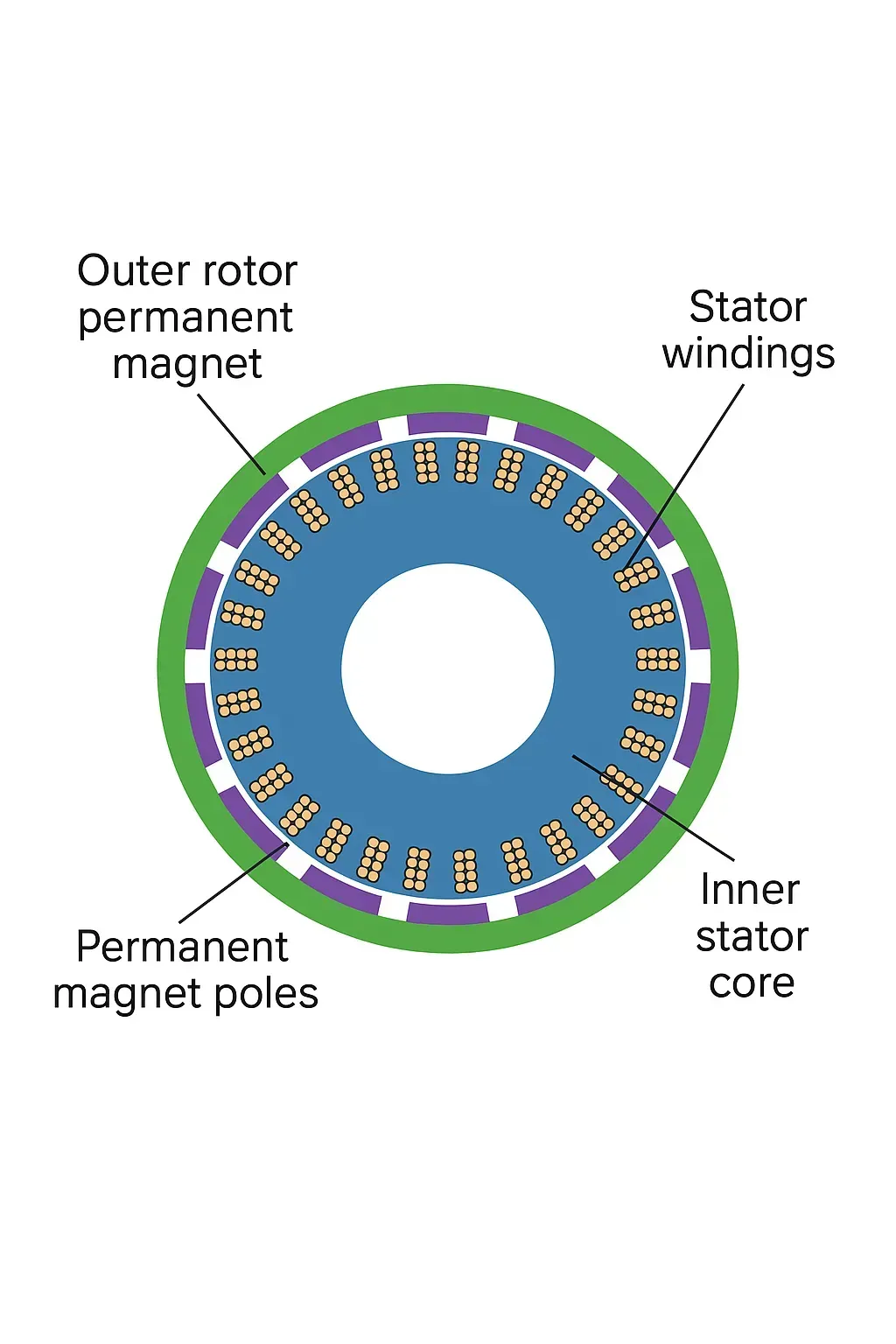
Inner-Rotor vs Outer-Rotor Permanent Magnet Motors
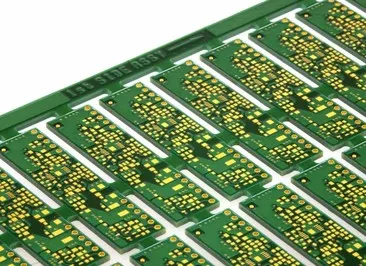
Standard PCB Dimensions vs. Custom: Weighing the Pros and Cons for Your Project
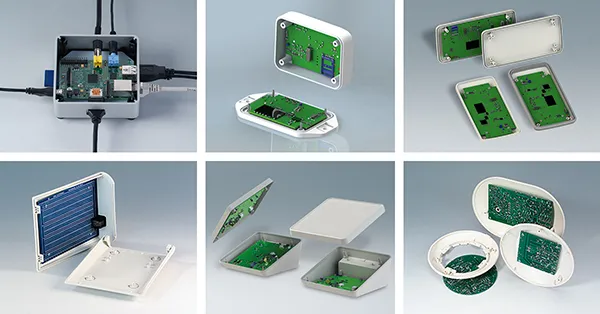
Maximizing Space: A Guide to Selecting the Right Standard PCB Dimensions for Your Enclosure
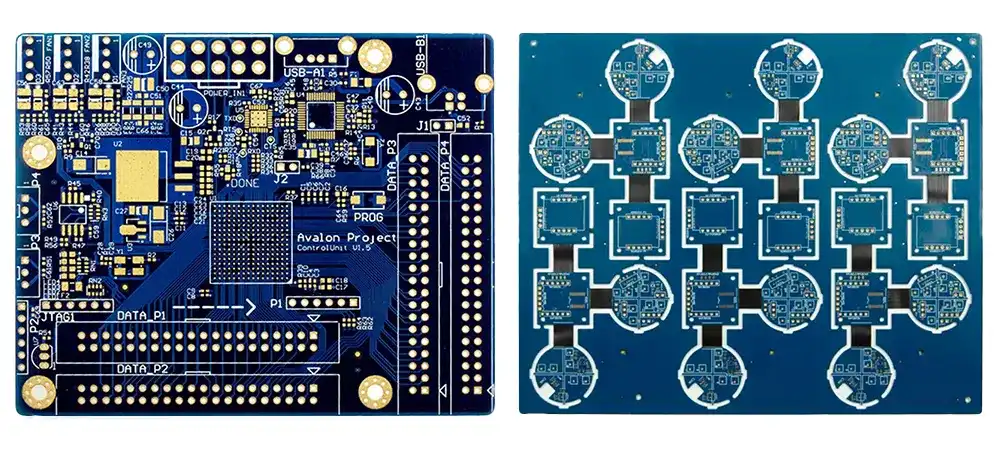
Standard vs. Custom: Navigating PCB Form Factor Options for Cost Effective Designs
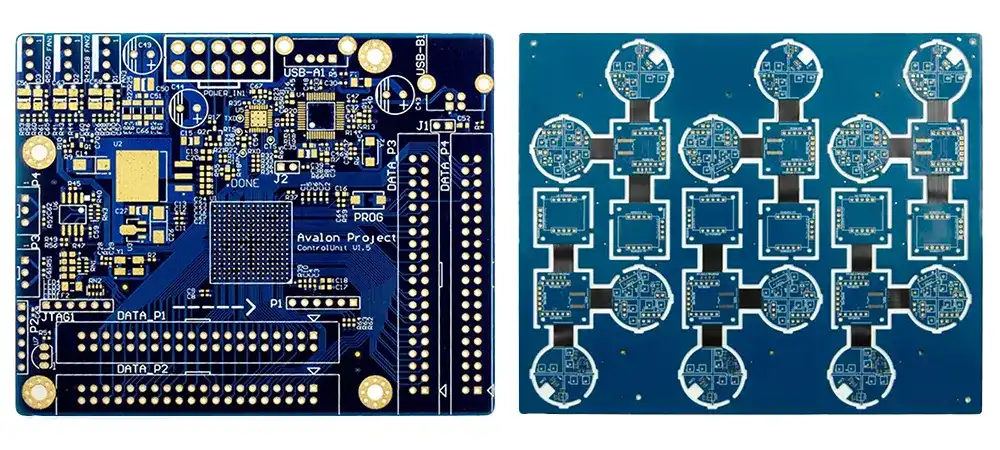
Beyond the Square: How Odd PCB Shapes Impact Manufacturing Costs