 00:53
00:53
PCB Mechanical Design
PCB Mechanical Design plays a crucial role in the development of reliable and efficient electronic systems, bridging the gap between electrical functionality and physical durability. This discipline focuses on the structural aspects of printed circuit boards, including enclosure integration, component placement for optimal heat dissipation, and considerations for vibration resistance and environmental protection. Engineers and designers searching for insights into PCB Mechanical Design often seek solutions to common challenges such as ensuring board rigidity, managing thermal expansion, and complying with industry standards like IPC-2221 for mechanical tolerances. Understanding the fundamentals of PCB Mechanical Design enables professionals to create boards that withstand real-world stresses while maintaining signal integrity and manufacturability. Key elements include selecting appropriate materials for substrates and laminates, designing mounting holes and cutouts for secure assembly, and incorporating features like stiffeners or edge plating to enhance mechanical strength. Practical applications range from consumer electronics, where compact designs must endure daily handling, to industrial equipment requiring robustness against harsh conditions. By applying best practices, such as finite element analysis for stress simulation or iterative prototyping, designers can minimize failures and reduce production costs. For those delving deeper into specific topics, the articles tagged under PCB Mechanical Design offer detailed guidance on tools like CAD software for 3D modeling, strategies for EMI shielding integration, and case studies from automotive and aerospace sectors. These resources provide actionable steps to refine your designs, whether you are optimizing for space constraints or ensuring compliance with regulatory requirements.
Video Guide
-
00:53
Technical Articles

DFM in Practice: The Hidden Tolerance Trap—Why SMT Connector Locating Pins Must Be Smaller Than the Hole

Wave Soldering Fixture Design Essentials for Process Engineers

Preventing Mechanical Stress Damage to SMT BGA Solder Joints: PCA Line Control Essentials
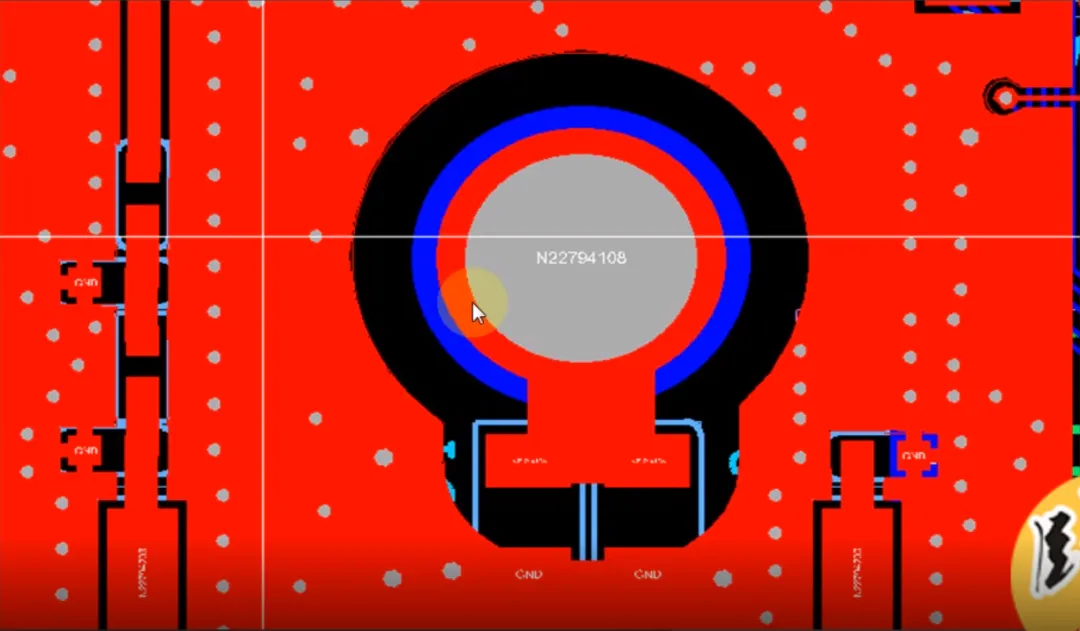
Why Designers Often Tie PCB Ground to Chassis Ground with a Parallel Resistor and Capacitor
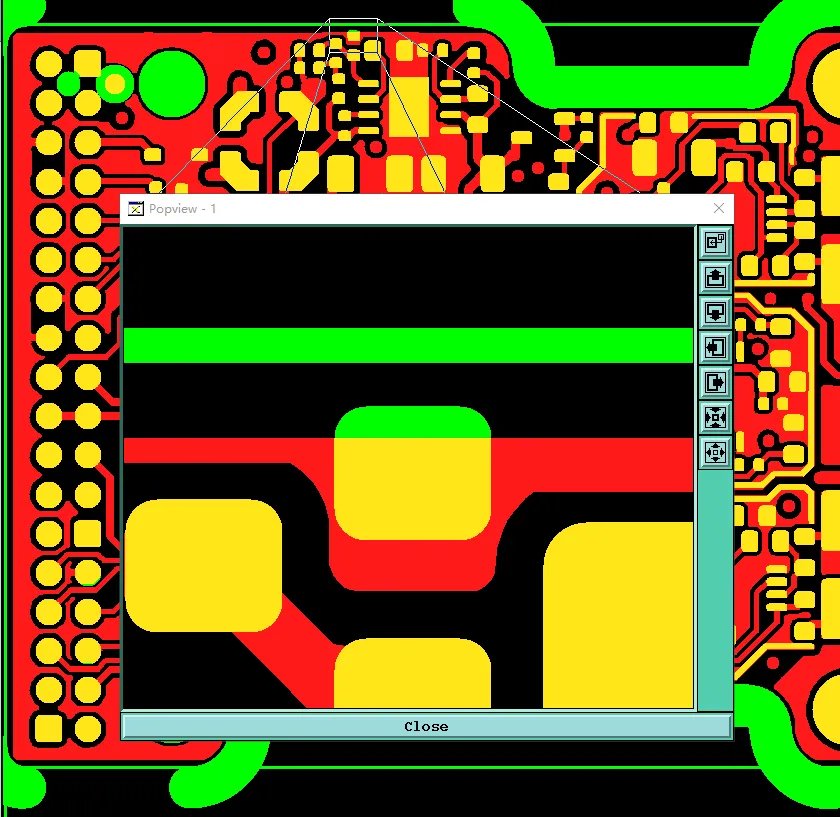
PCB CAM Review for Copper and SMD Pads Near the Board Edge
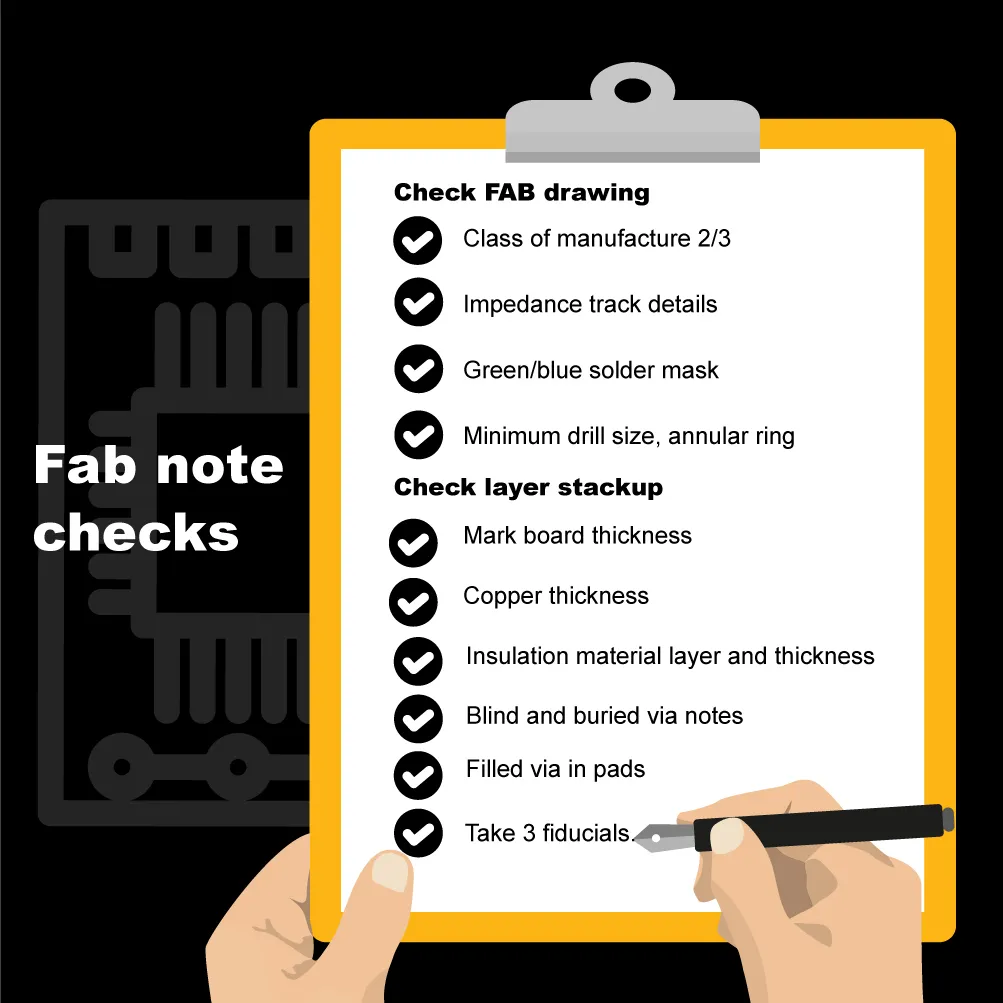
PCB Design Checklist: Design Inputs, Templates, Clock Placement, and Mechanical Controls
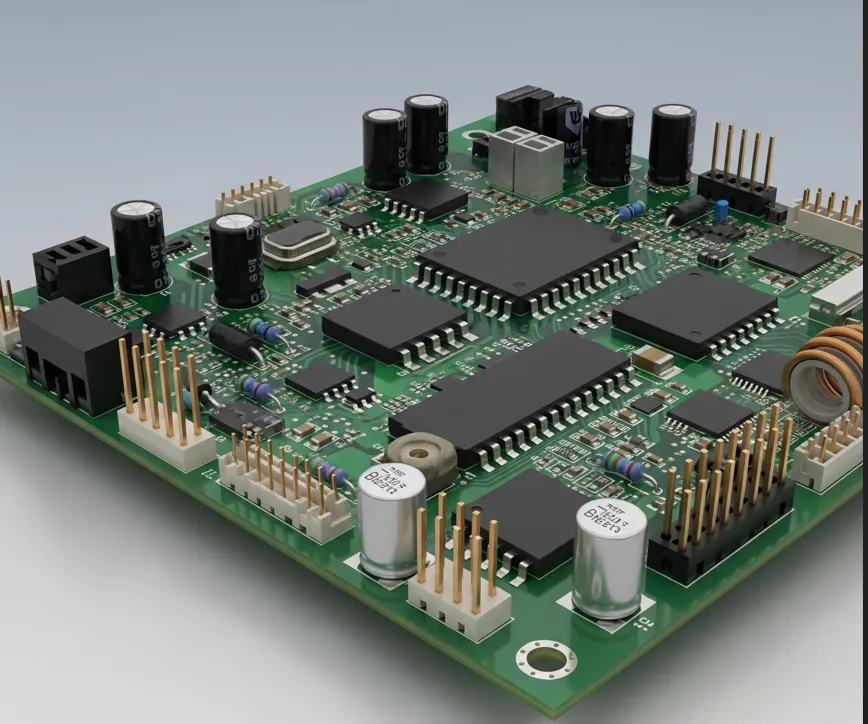
Mastering KiCad 3D Models: Linking Footprints, Embedding Files, Ray Tracing, and CLI Exports
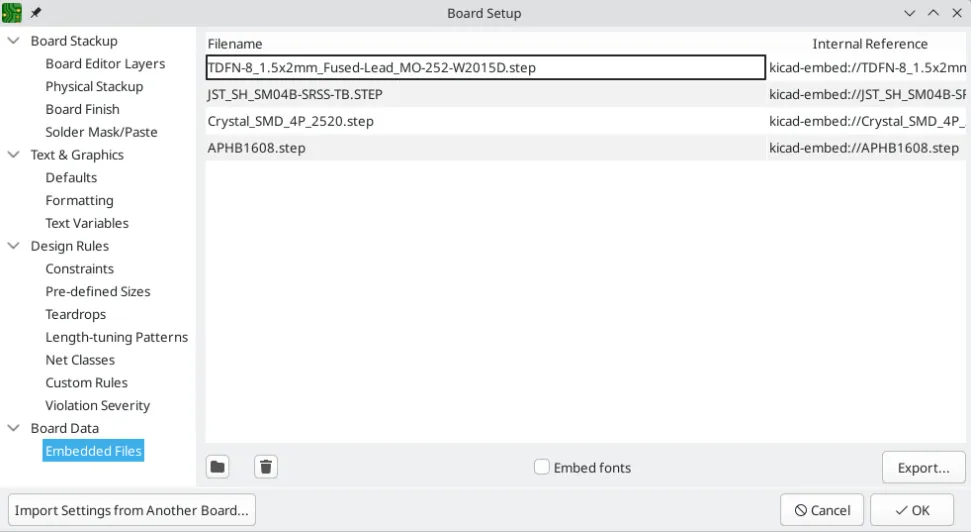
File Embedding Explained (Part 1): Embedding 3D Models in PCB Footprints
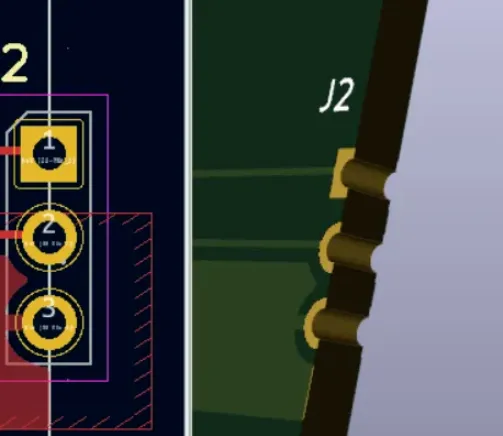
Designing PCB Castellated Holes with KiCad
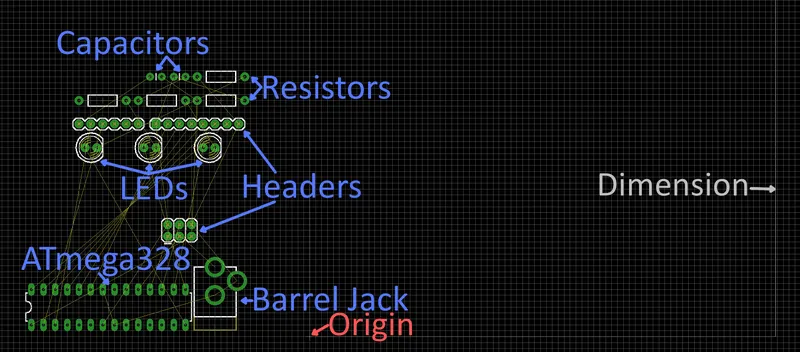
Stuck on PCB Placement? First Arrange These Four Types of Positions
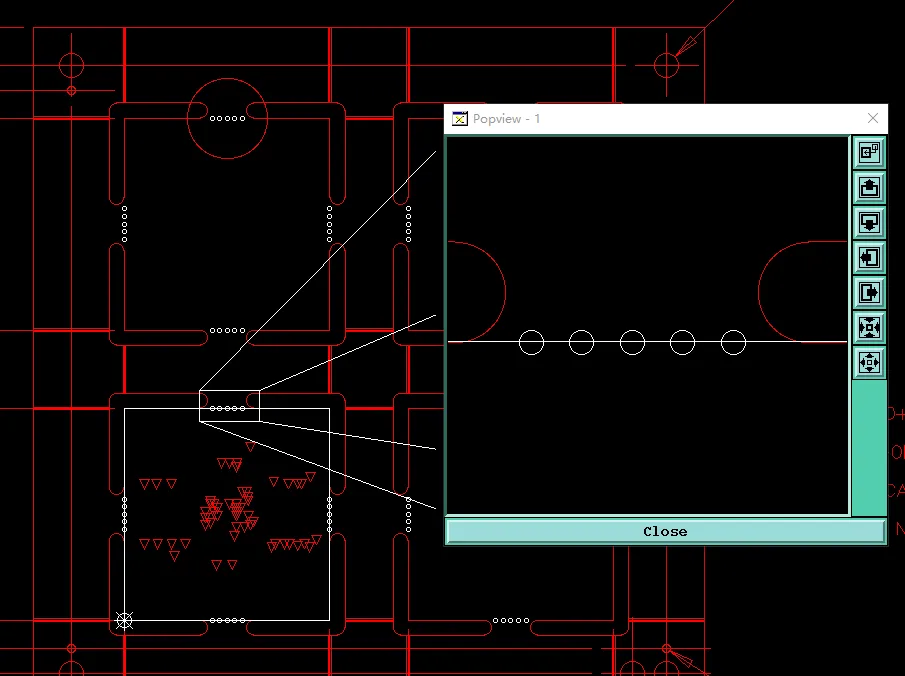
Common PCB V-Cut Issues Found During PCB CAM Review
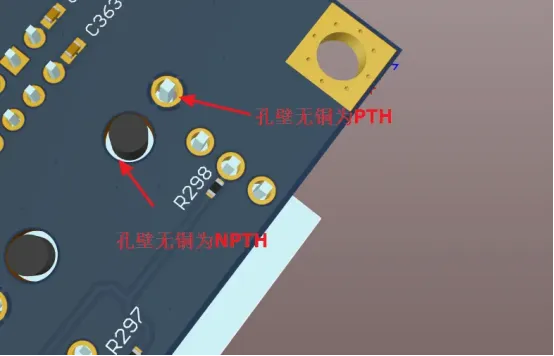
PTH and NPTH on a PCB: How to Tell the Holes Apart
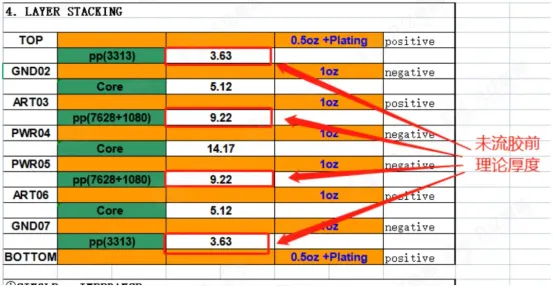
How PCB Copper Thickness Affects Current, Heat, and Strength
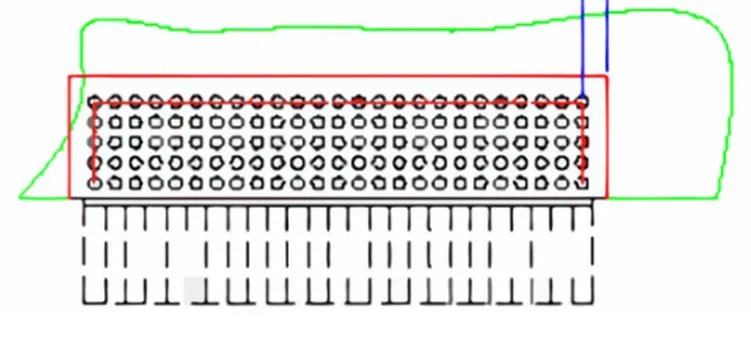
Why Moving a Component Only 1 mm from a Press-Fit Connector Still Causes Assembly Interference
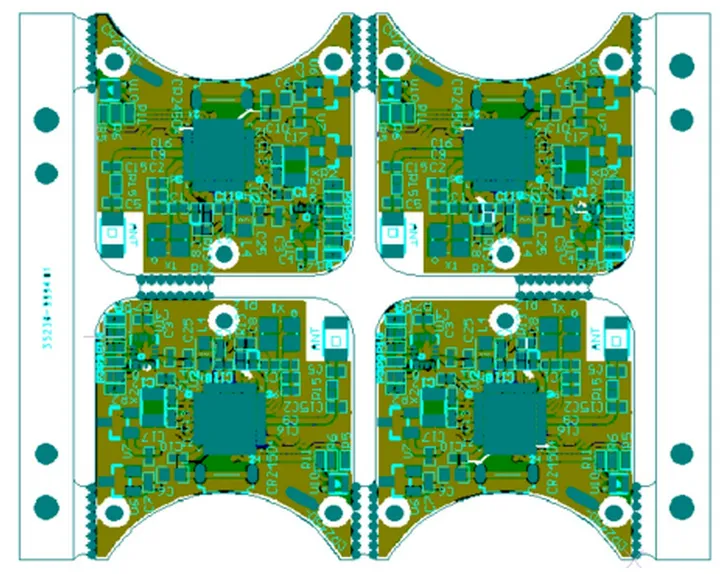
Why Adding Process Edges to a PCB Panel Is Not Wasted Board Material
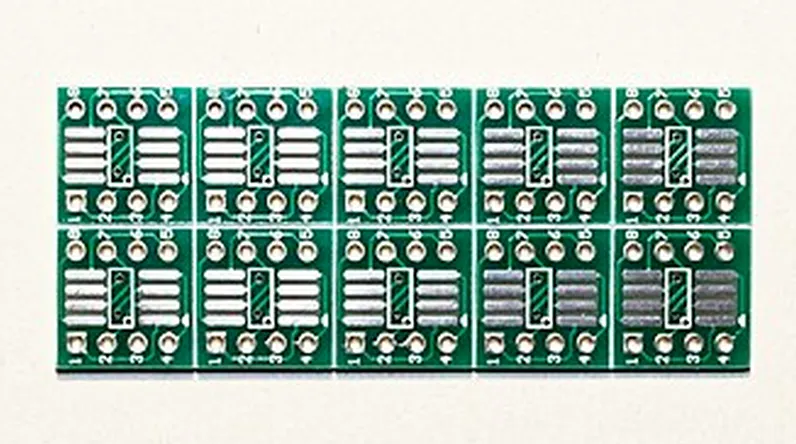
Why Do Copper Traces Near V-CUT Edges Crack During Depaneling?
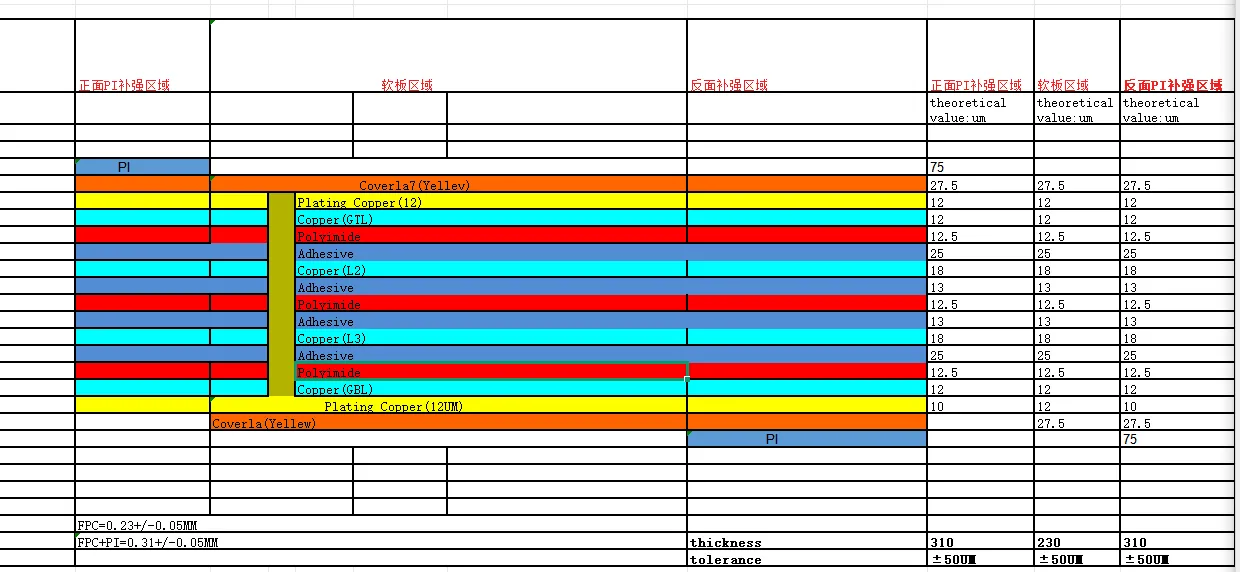
0.1 mm Finger Extension for Coverlay Retention on a 4-Layer Flexible Circuit

Mechanical Mounting with Non-Plated Through-Holes: Best Practices for PCBs
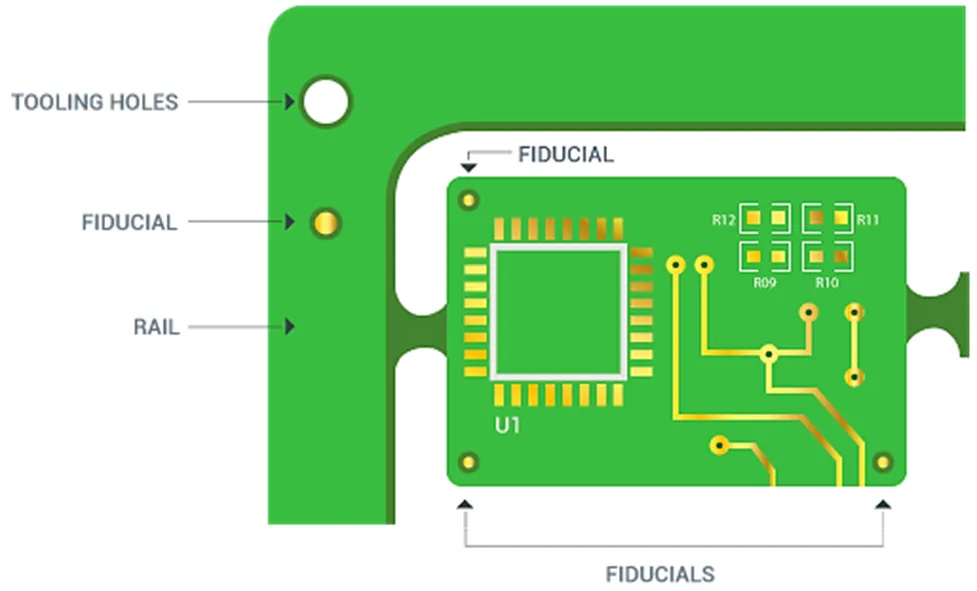
PCB Mounting Holes and Outlines: A Comprehensive Design Guide