 00:44
00:44
Rigid PCB Silkscreen
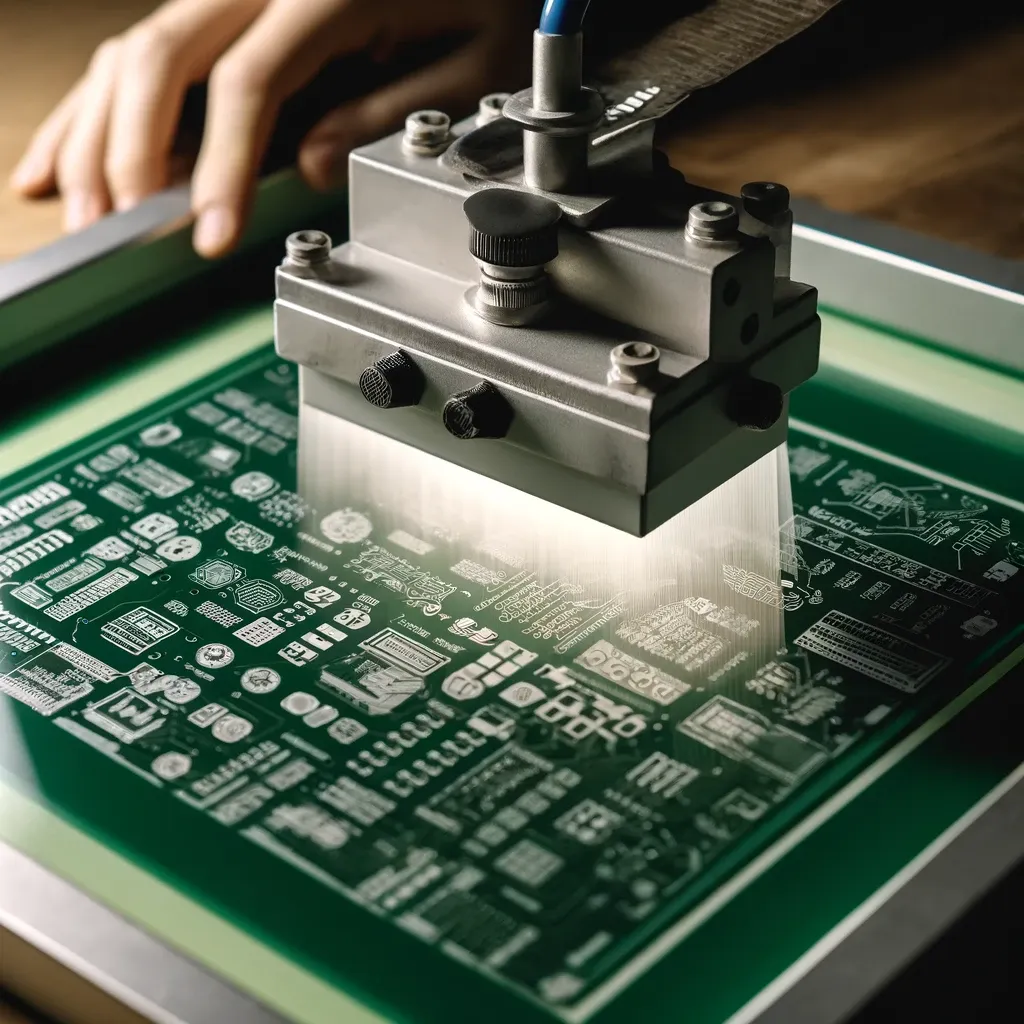
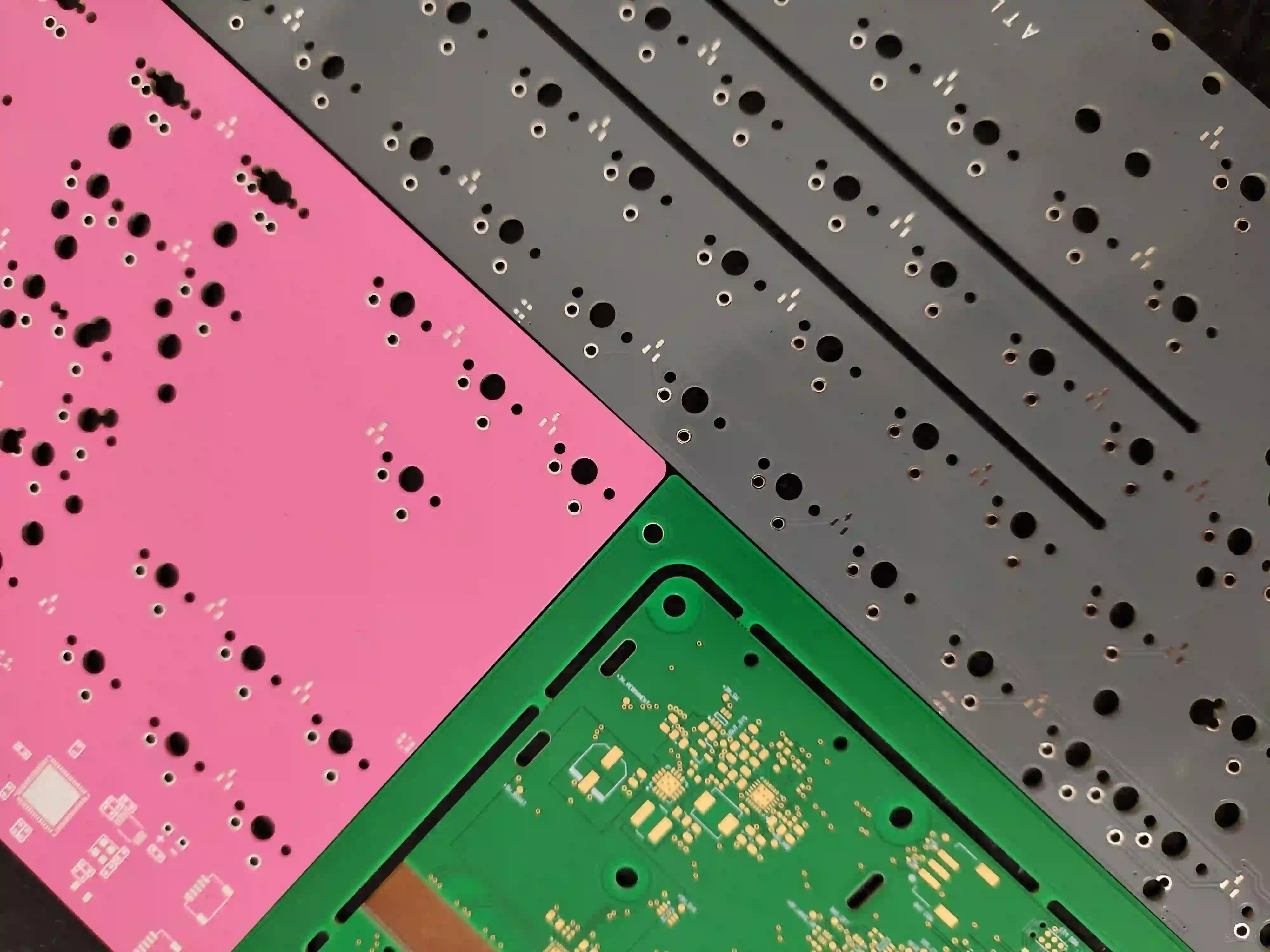
Rigid PCB silkscreen refers to the layer of ink applied to the surface of rigid printed circuit boards, providing essential visual markings such as component labels, reference designators, logos, and assembly instructions. This feature plays a critical role in the manufacturing, assembly, and maintenance of electronic devices, ensuring clarity and reducing errors during production and troubleshooting. For engineers, designers, and hobbyists searching for information on Rigid PCB Silkscreen, this tag compiles resources that delve into its technical specifications, design guidelines, and implementation strategies. Understanding the fundamentals of silkscreen application can significantly enhance PCB reliability and usability. Key considerations include selecting appropriate ink types for durability against environmental factors like heat and chemicals, optimizing legend placement to avoid interference with solder masks or vias, and adhering to industry standards such as IPC-7351 for legibility. Practical applications range from high-volume consumer electronics, where clear labeling streamlines automated assembly, to custom prototypes requiring precise identification of test points. Best practices emphasize minimizing silkscreen density to prevent bridging during soldering, using high-contrast colors for better visibility, and incorporating fiducials for alignment in multilayer boards. Articles tagged under Rigid PCB Silkscreen offer actionable insights, such as step-by-step tutorials on software tools like KiCad or Altium for creating effective silkscreen layers, troubleshooting common issues like ink smearing or misalignment, and case studies demonstrating improvements in production efficiency. By exploring these topics, readers can apply proven techniques to their own projects, whether optimizing designs for cost-effective fabrication or ensuring compliance with regulatory requirements in sectors like automotive and medical devices. This collection serves as a valuable reference for advancing your PCB design skills and achieving professional-grade results.
Video Guide
Technical Articles
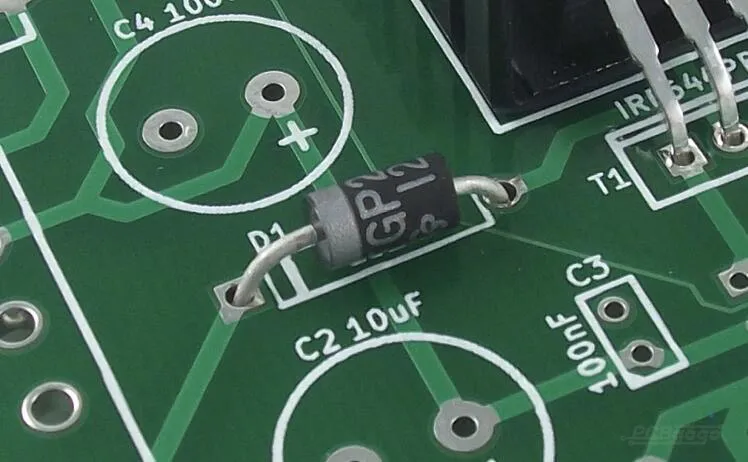
Mastering PCB Silkscreen Design for Clear and Efficient Boards
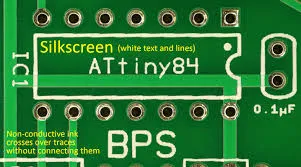
Optimal Silkscreen Font Sizes for PCB Component Identification
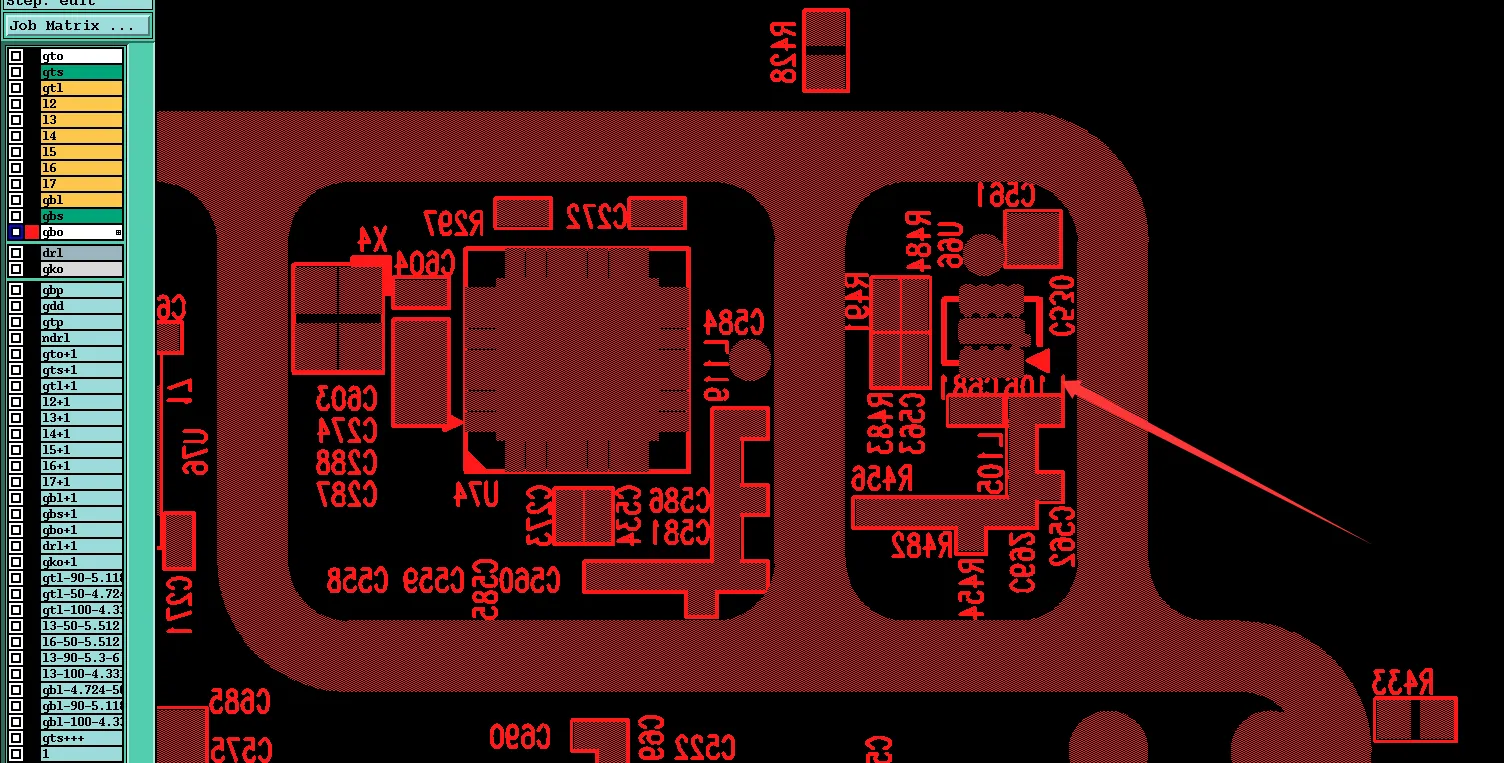
PCB Silkscreen and Marking: Common CAM Issues and Manufacturing Considerations
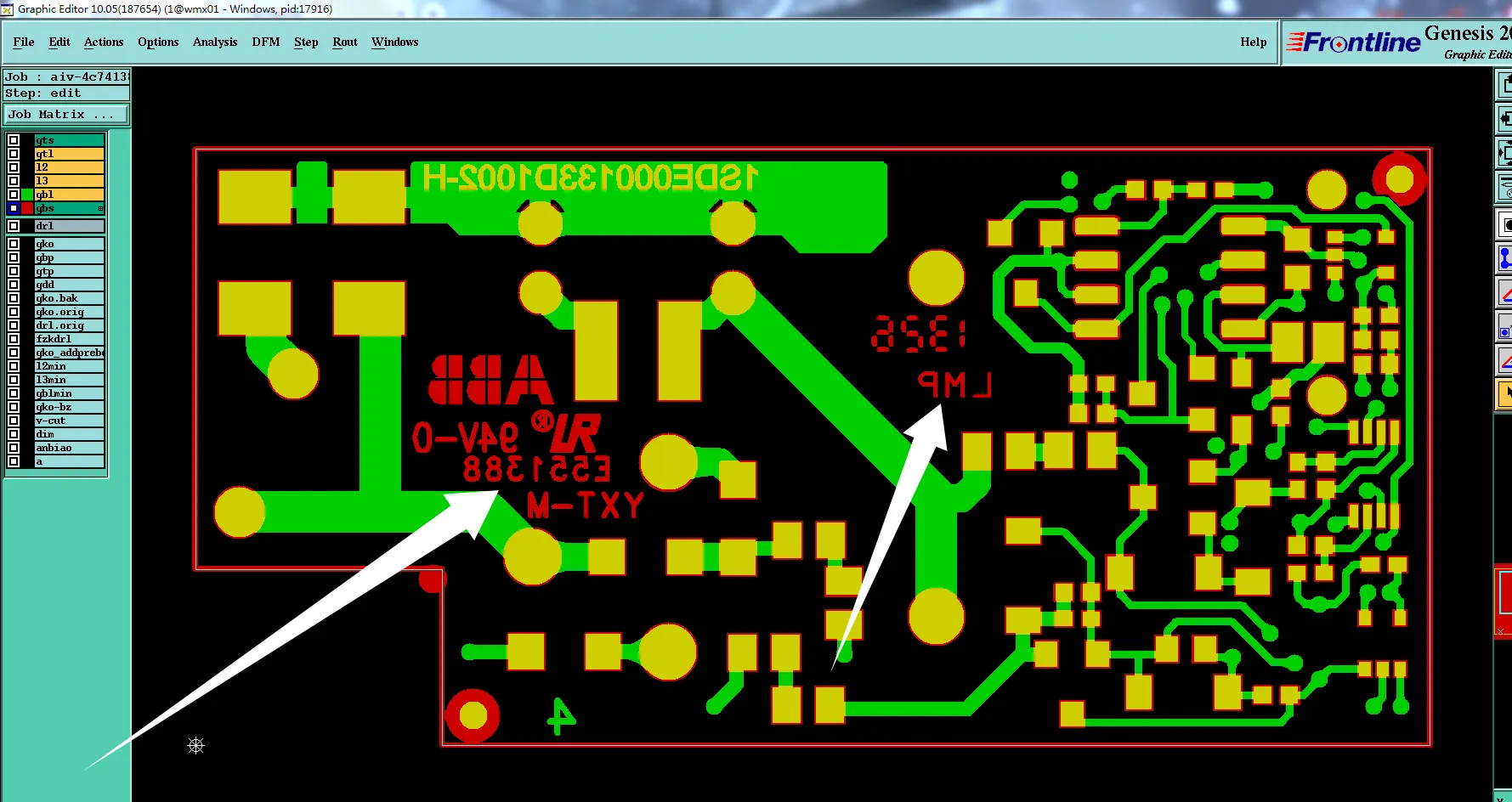
How We Resolved Serial ID Marking on 4-Layer ENIG PCB
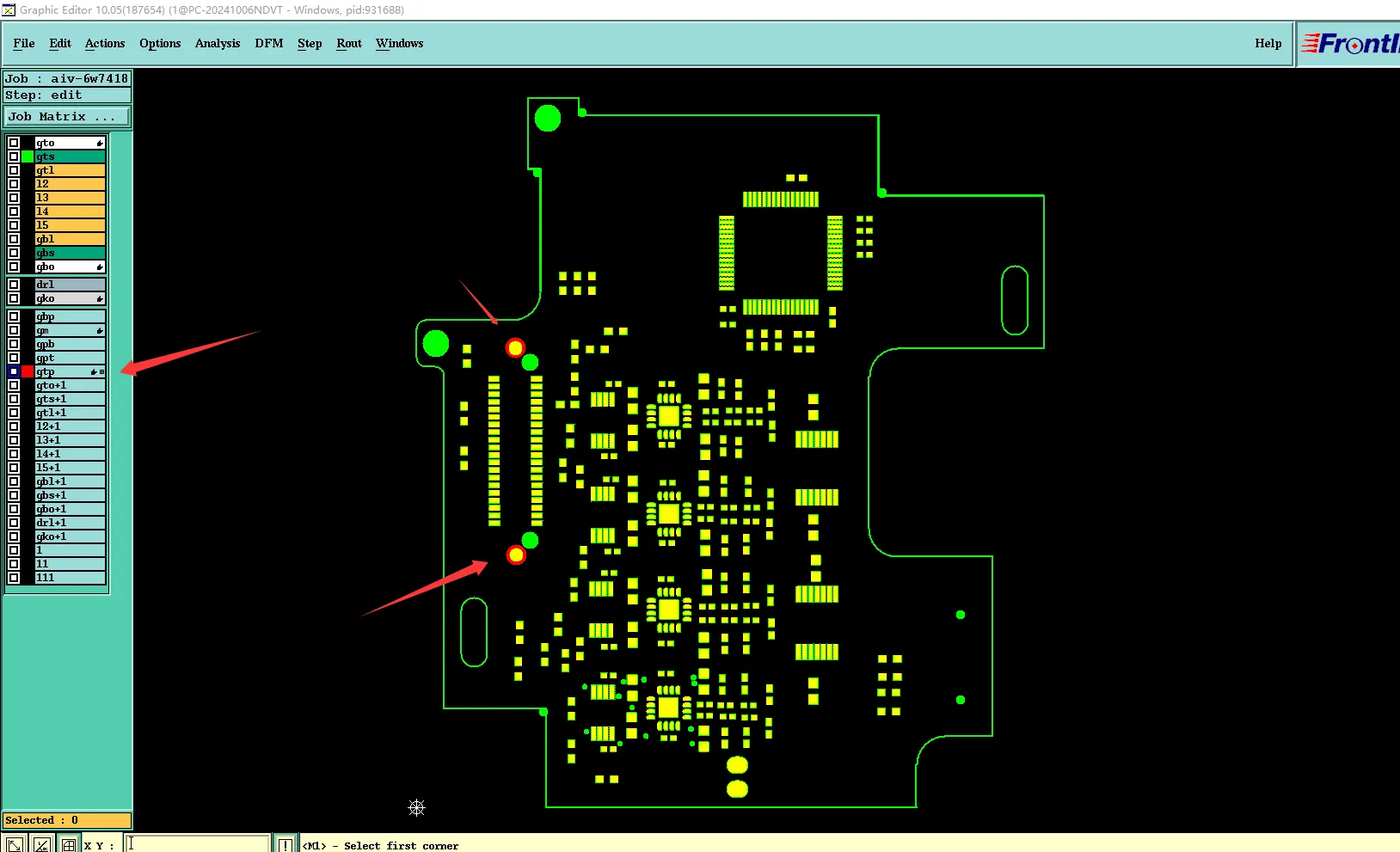
How DFM Handled Undersized Silkscreen on Dense 6L PCB
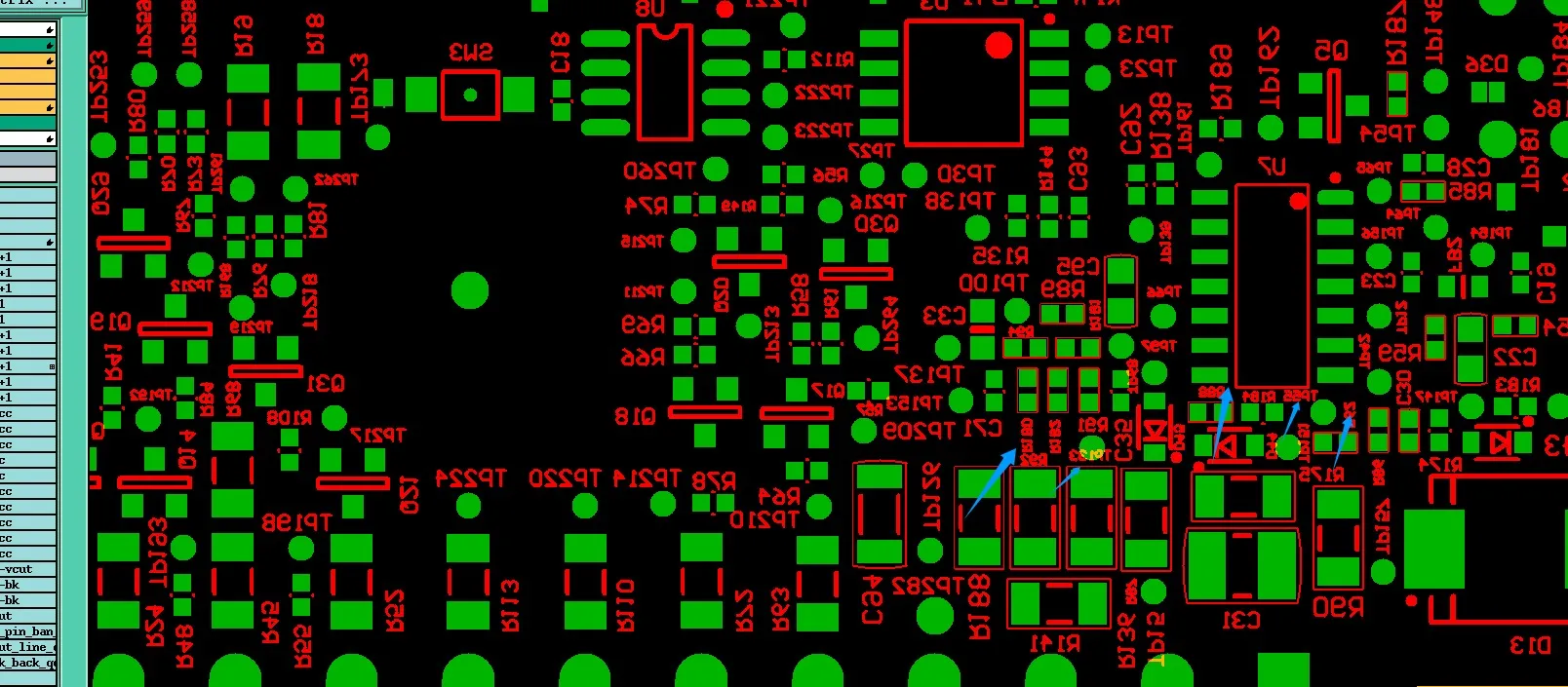
Preparing Customer Self-Panel Layout for 4-Layer PCB Production
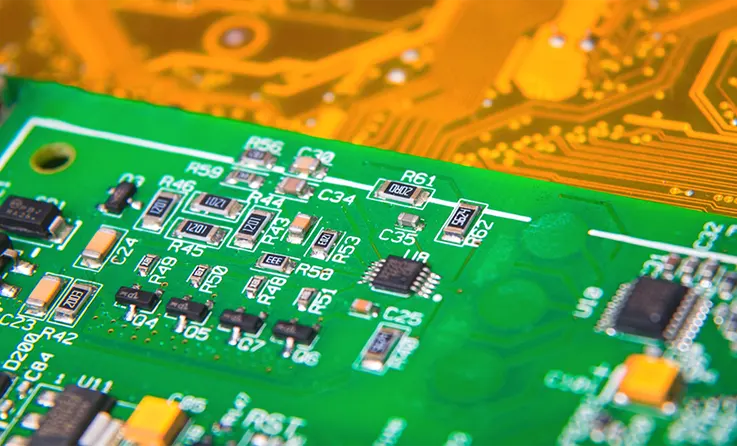
Silk Screen Color Matching: Achieving Precision in PCB Manufacturing

Silkscreen Fonts: Choosing the Right Typography for Your DIY PCB Projects
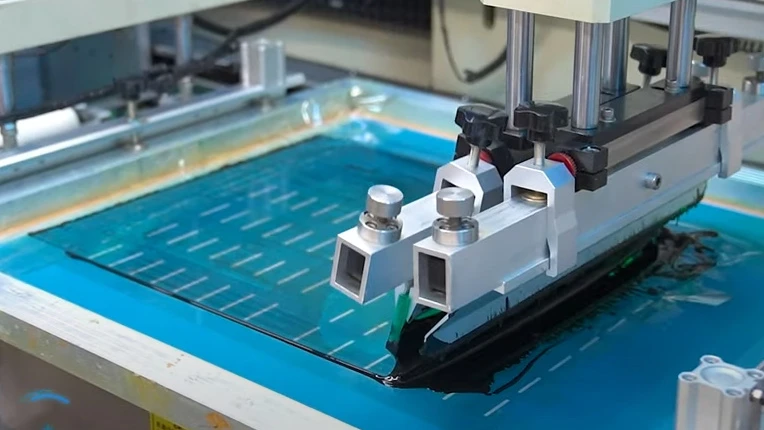
Silk Screen Color and High-Density PCBs: Optimizing for Clarity
The Future of Silk Screen Color Technology in PCB Manufacturing
The Ultimate Guide to Silk Screen Color for Beginners

The Cost Effective Silk Screen Color: Balancing Quality and Budget

The Cost-Effective Silk Screen Color: Balancing Quality and Budget

Advanced Techniques in Silk Screen Color Separation for PCBs