 00:45
00:45
Through-Hole Assembly
Through-hole assembly remains a cornerstone of printed circuit board (PCB) manufacturing, offering robust mechanical strength and reliability for electronic components. This technique involves inserting component leads through drilled holes in the PCB and soldering them on the opposite side, creating secure connections that withstand high stress and thermal cycling. For engineers, hobbyists, and manufacturers searching for through-hole assembly guidance, this tag compiles essential resources on its processes, tools, and troubleshooting methods. Understanding through-hole assembly is particularly valuable in applications requiring durability, such as automotive electronics, industrial controls, and aerospace systems, where vibration and environmental factors demand resilient designs. Unlike surface-mount technology, through-hole methods allow for easier prototyping and repairs, making them ideal for low-volume production or custom projects. Key best practices include selecting appropriate hole sizes to match component leads, ensuring proper solder flow to avoid cold joints, and using flux to enhance wetting during manual or wave soldering. Professionals often prioritize pre-assembly inspections to verify component orientation and board cleanliness, which can significantly reduce defects and improve yield rates. For those optimizing their workflows, articles under this tag delve into advanced techniques like selective soldering for mixed-technology boards and strategies for transitioning from through-hole to hybrid assemblies. By exploring these topics, readers can gain practical insights into cost-effective implementation, common pitfalls to avoid, and integration with modern design software. This collection serves as a focused reference to help refine your PCB assembly skills and achieve reliable results in diverse electronic projects.
Video Guide
-
00:45
Technical Articles

Wave Soldered PCB Solder Joint Geometry and Its Impact on Reliability: An In-Depth Analysis

Wave Soldering Fixture Design Essentials for Process Engineers

Complete Guide to Pad Design for Through?Hole Parts in SMT (Pin-in-Paste, PIP)
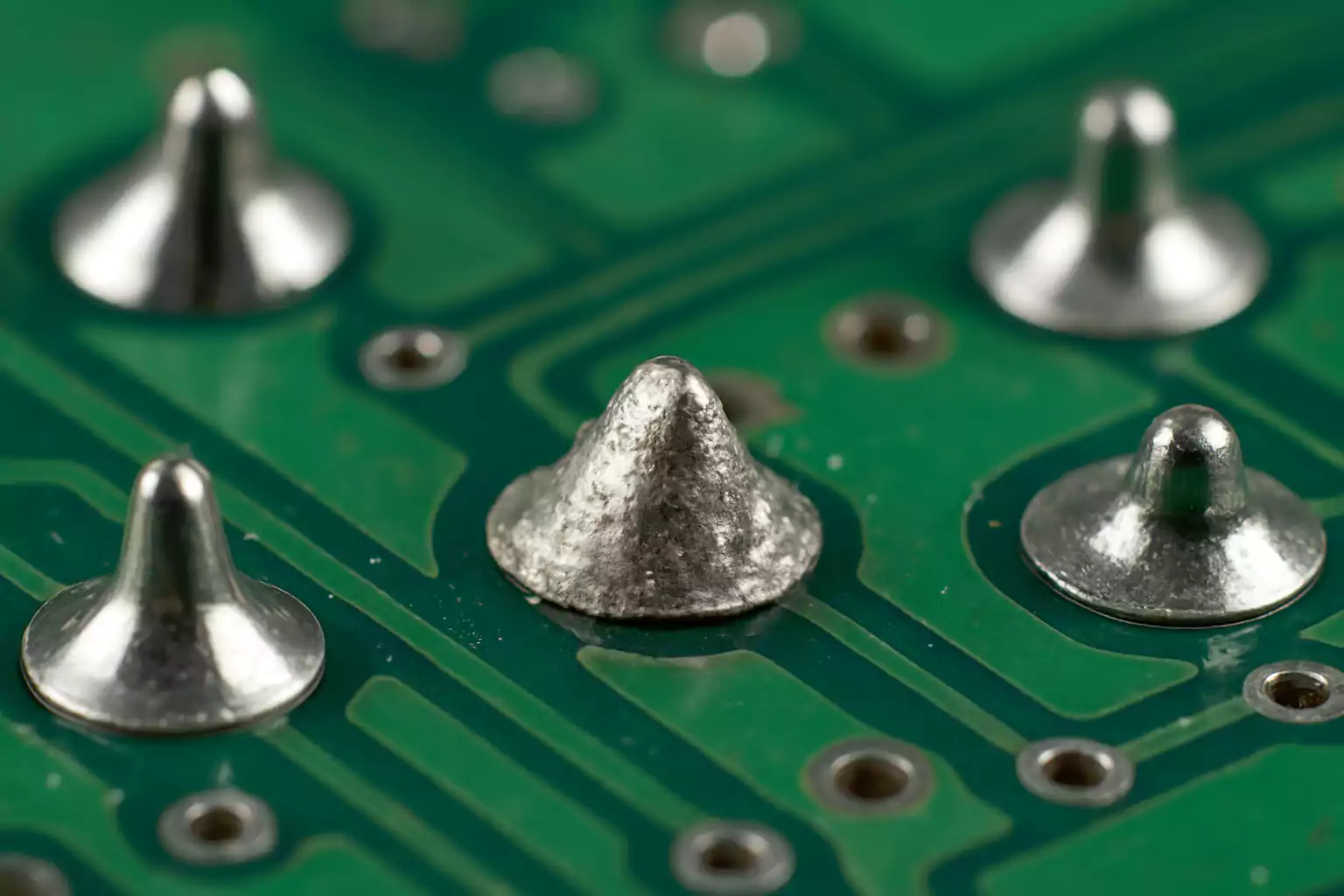
Wave Soldering Fundamentals: Flux Mechanisms, Defect Diagnostics, and a Performance Evaluation Framework
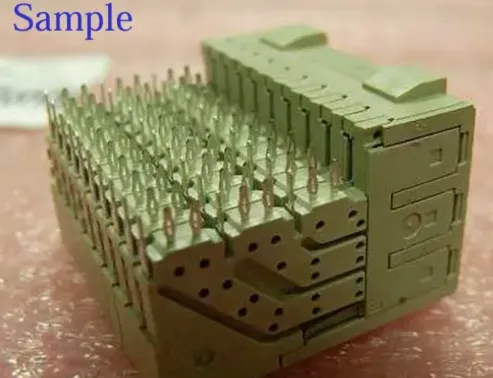
Press-Fit PCB Hole Design Standards and Process Best Practices

Wave Soldering in Through-Hole Assembly: Practical DOE Case Studies for Yield Improvement

Key Process Controls for Wave Soldering in PCBA
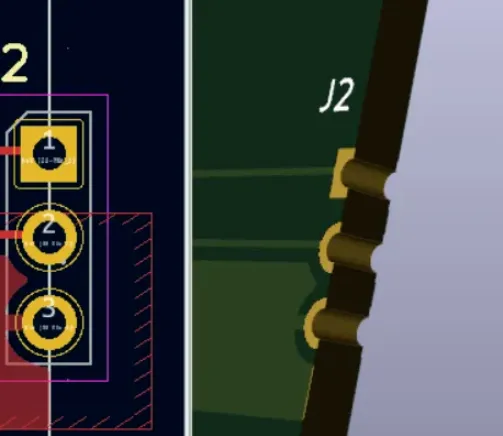
Designing PCB Castellated Holes with KiCad

Press-Fit Interconnects for Electronics: Principles, Materials, Process, and Controls

Achieving Precision in PCB Assembly: A Guide to Selective Soldering
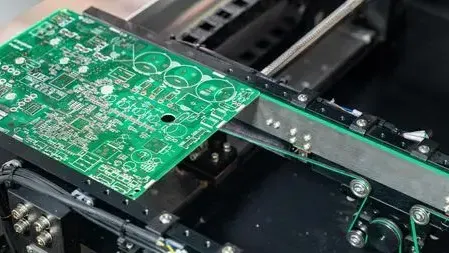
Essential Techniques for Soldering Through-Hole Components on Double-Sided PCBs
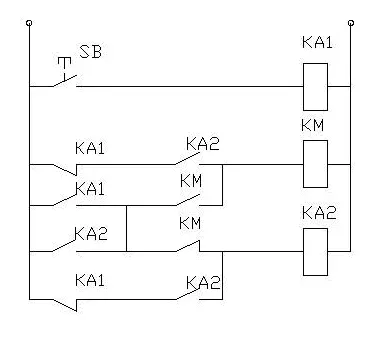
Single-Button Start-Stop Motor Control Circuit Diagrams
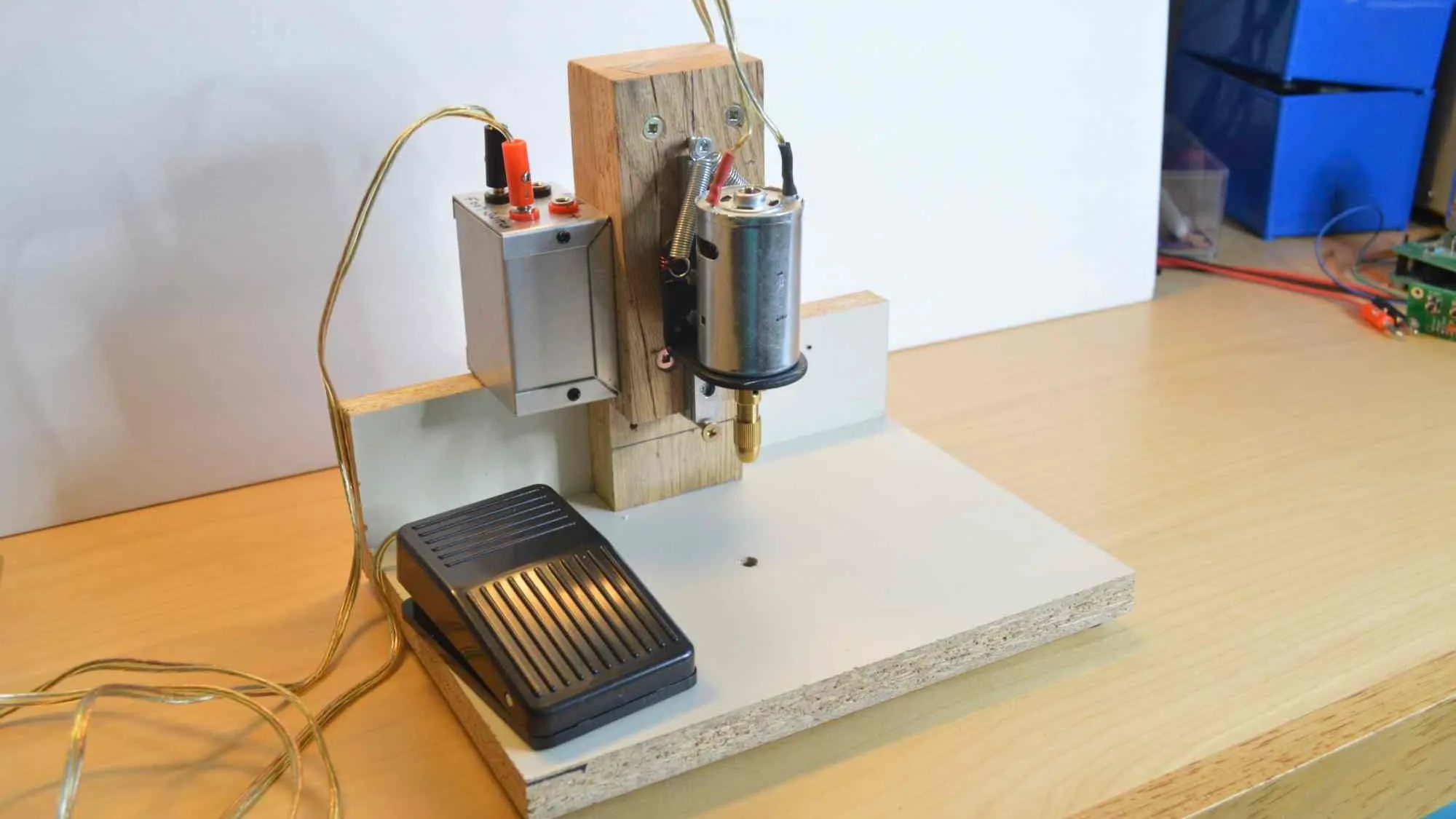
Choosing the Right Drill Bit for Your DIY PCB Projects
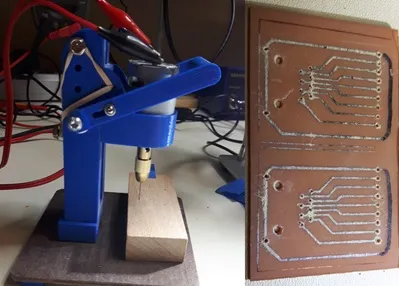
DIY PCB Drilling: A Beginner's Guide to Mechanical Methods
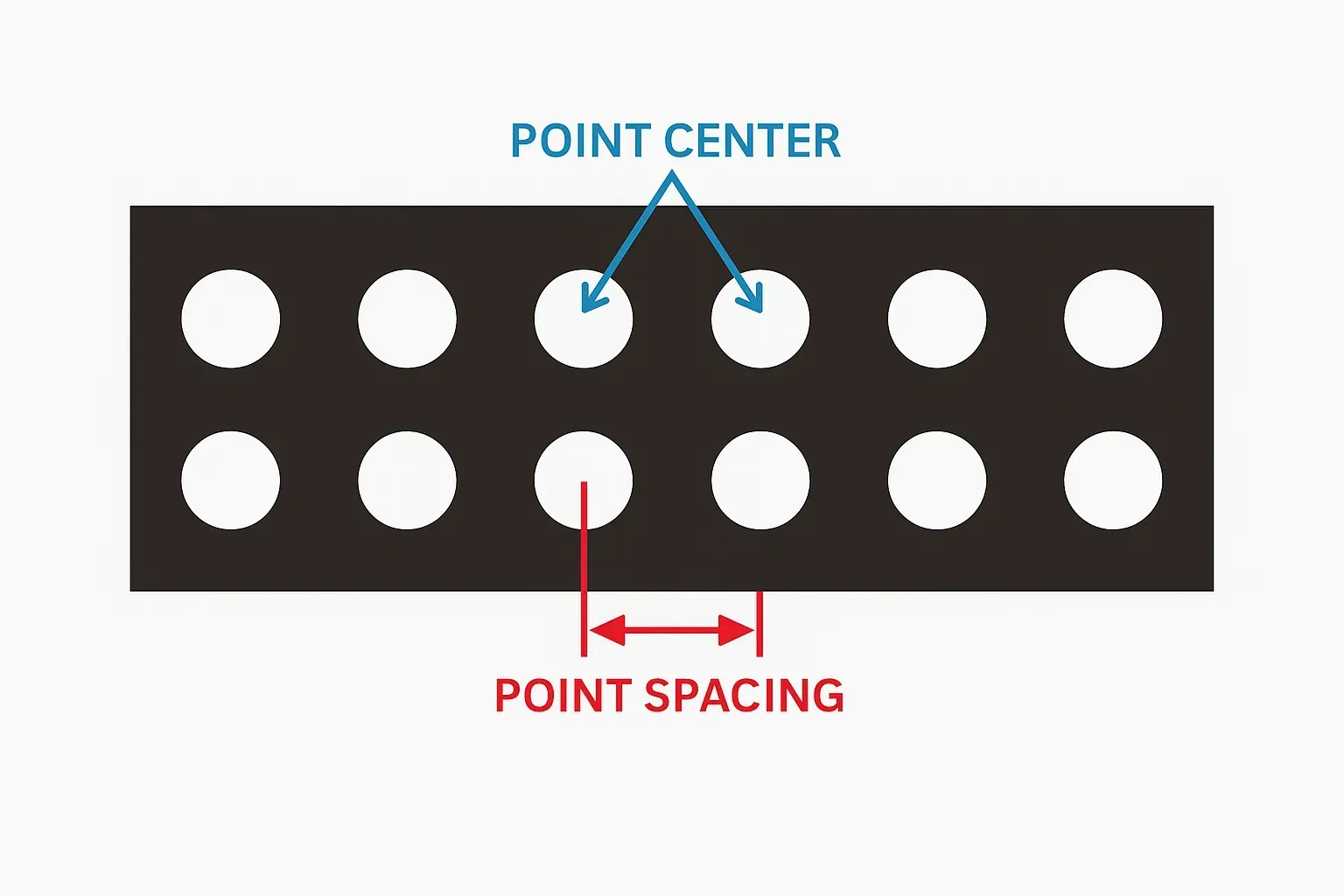
55 Technical Terms for LED Displays

Why MOSFETs Fail in Low-Power BLDC Motors

PCB Wave Soldering for Hobbyists: A Beginner's Guide to Through-Hole Assembly
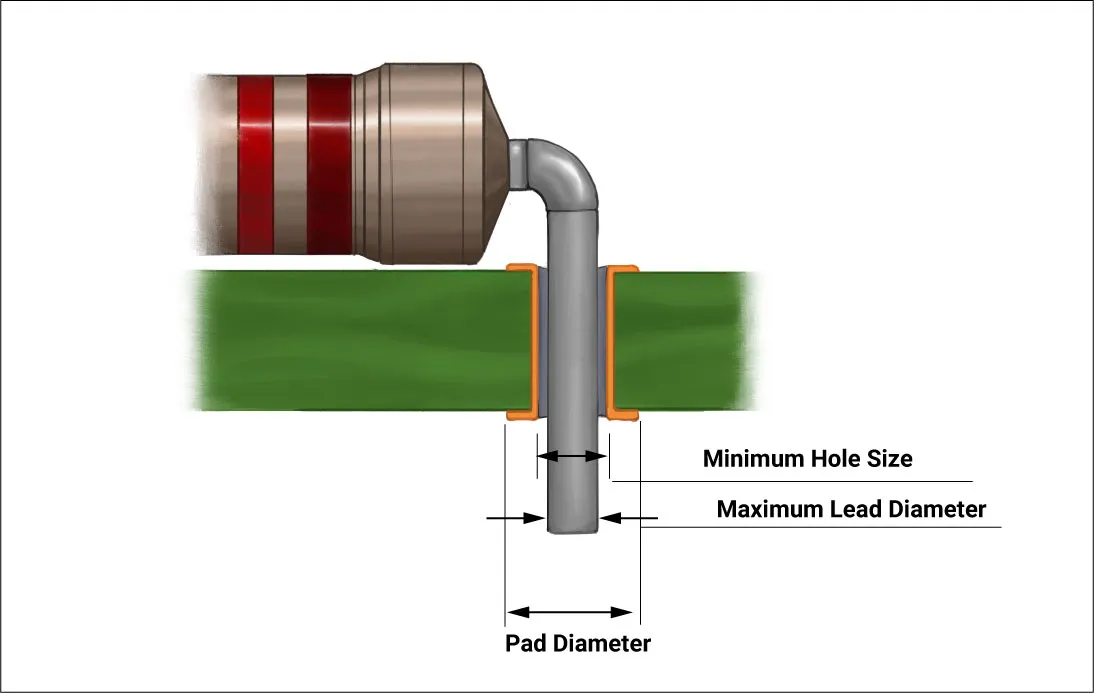
Achieving Consistent Hole Fill in PCB Wave Soldering: Tips and Techniques
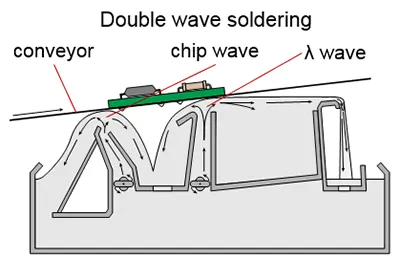
Understanding the Double Wave in PCB Wave Soldering: Benefits and Applications