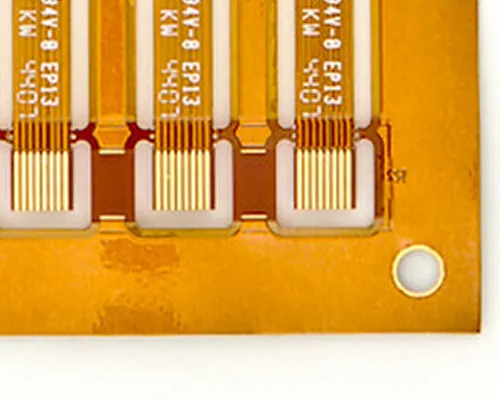
 00:52
00:52
Flexible PCB Assembly
Flexible PCB assembly represents a critical advancement in modern electronics design, enabling the creation of lightweight, bendable circuits that conform to complex shapes and confined spaces. This tag focuses on the specialized processes involved in assembling components onto flexible substrates, such as polyimide or polyester films, which differ significantly from rigid PCB methods due to their inherent flexibility and thermal sensitivity. For engineers, designers, and manufacturers searching for Flexible PCB Assembly, this collection offers in-depth insights into essential techniques like surface-mount technology adapted for flex circuits, adhesive bonding for component attachment, and reflow soldering optimized to prevent warping or delamination. Understanding the practical applications of flexible PCB assembly can transform product development in industries like wearables, automotive electronics, and medical devices. For instance, these assemblies are ideal for integrating into curved housings or foldable gadgets, where traditional rigid boards would fail. Key best practices include selecting compatible materials to ensure durability under repeated bending, implementing precise alignment tools to maintain circuit integrity, and conducting thorough reliability testing such as flex cycling and environmental stress simulations. Common challenges, like managing thermal expansion or avoiding solder joint failures, are addressed through actionable strategies, including the use of low-temperature solders and reinforcement techniques with stiffeners. By exploring the articles under this tag, readers can gain the knowledge needed to prototype and scale flexible PCB projects effectively. Topics range from beginner-friendly overviews of assembly workflows to advanced discussions on high-volume manufacturing and quality control standards. Whether you are troubleshooting assembly defects or seeking innovative design inspirations, these resources provide the technical guidance to enhance your electronics projects with flexibility and efficiency.
Video Guide
Technical Articles

VR Headset PCB Prototyping: Fast and Cost-Effective Methods
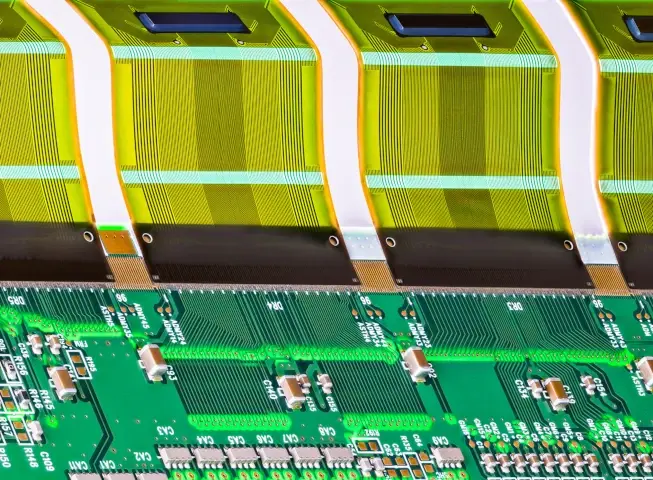
The Definitive Guide to Rigid-Flex PCB Assembly: Precision, Reliability, and Performance
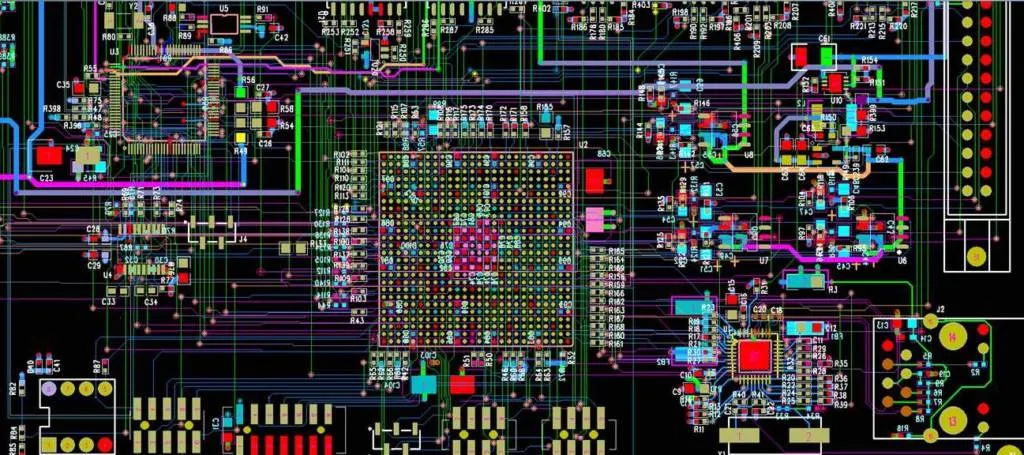
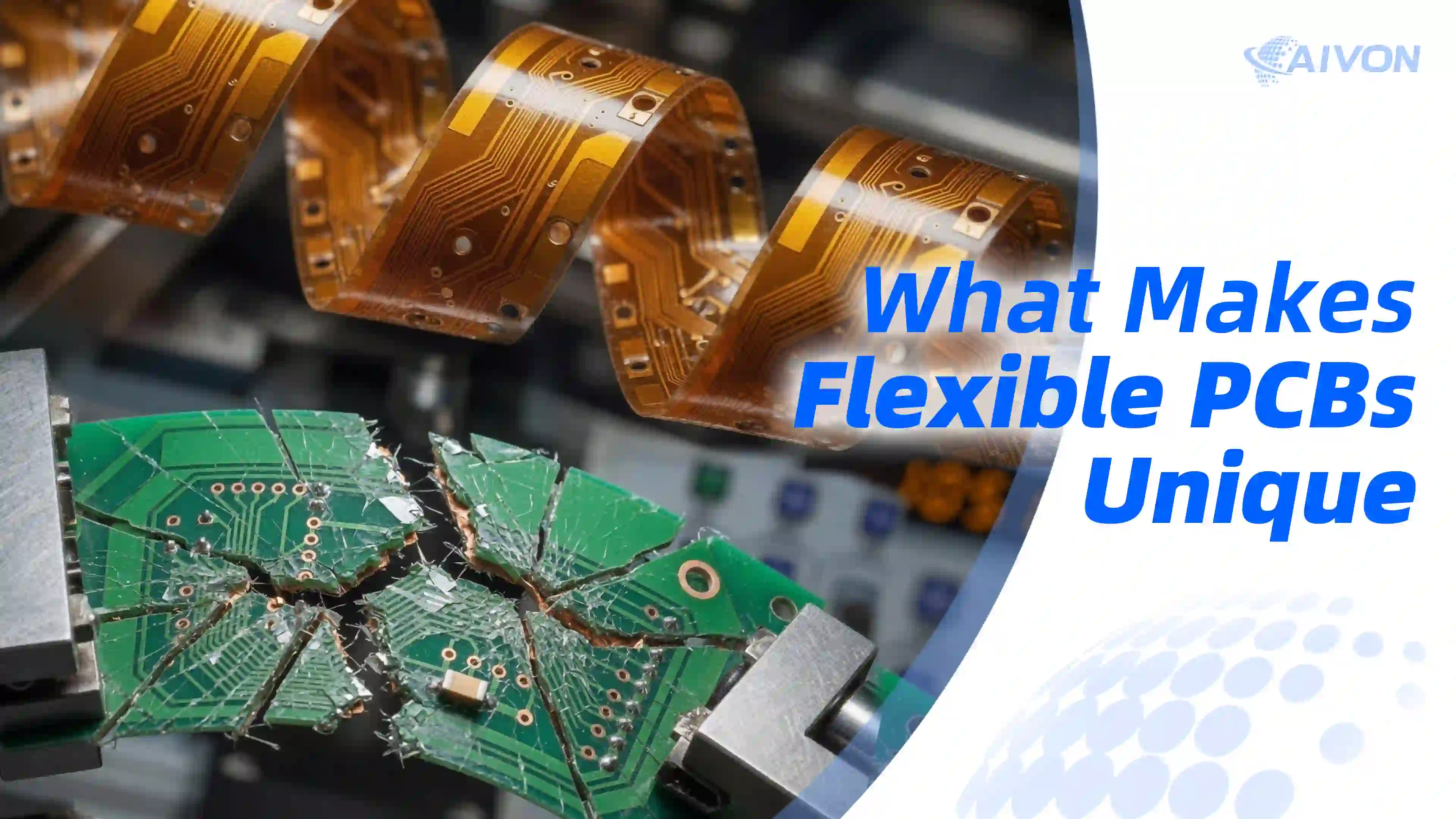
Comprehensive Guide to Flexible PCB Design and Reliability
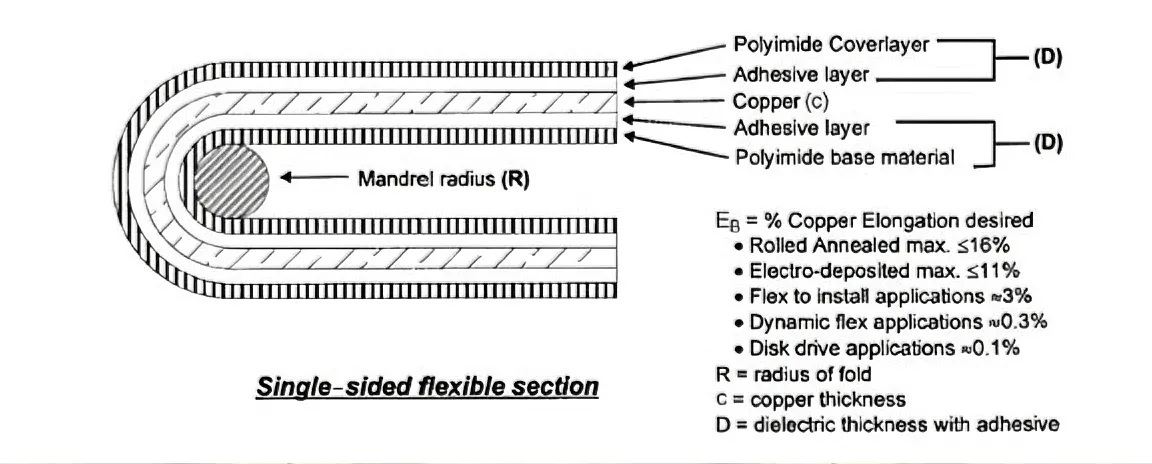
Soldering on Flexible PCBs: Techniques for Hobbyists

Transverse-Mode Charge-Transfer Capacitive Touch Sensing: Principles, Advantages, and PCB Integration
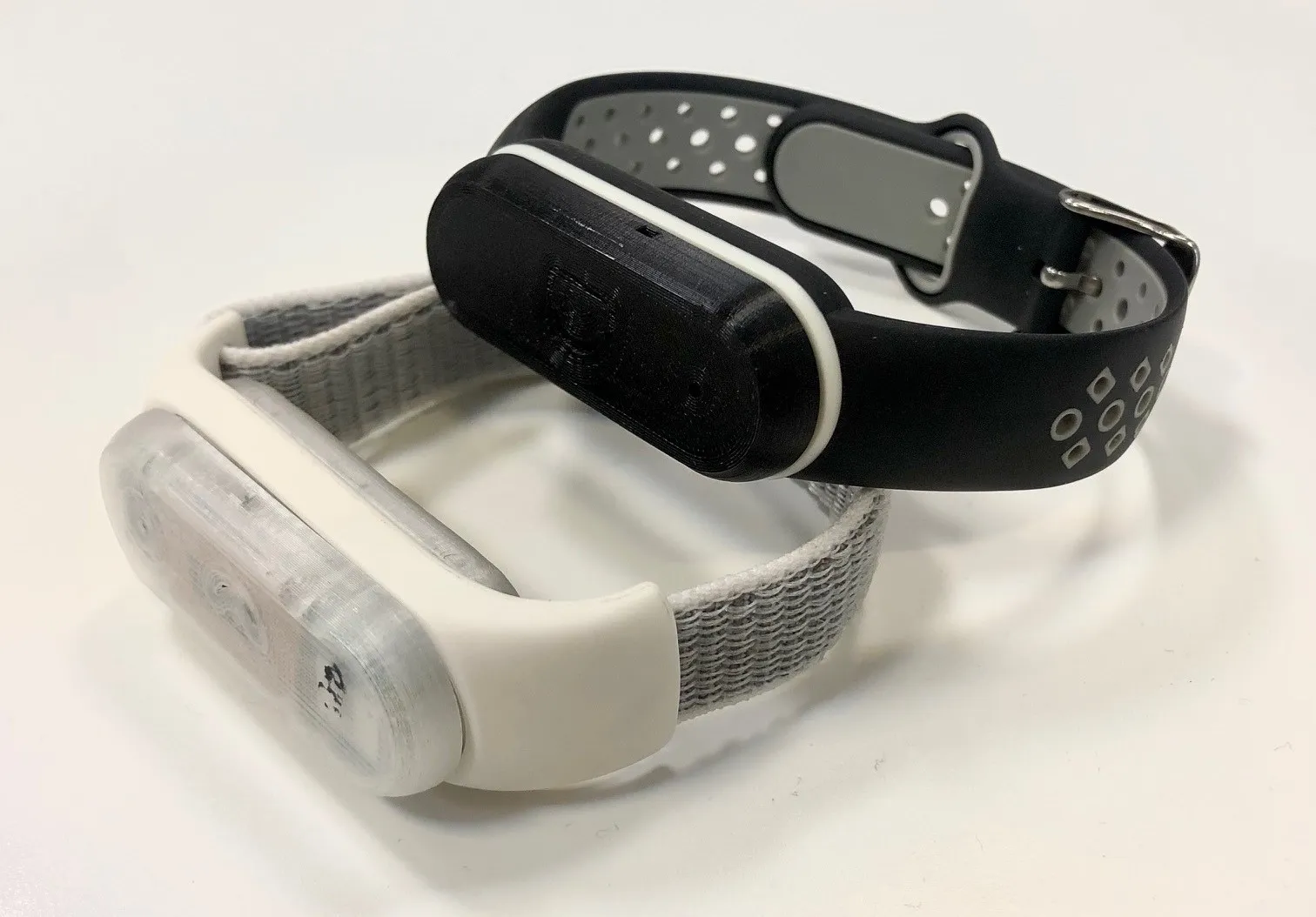
The Ultimate Guide to Flexible PCBs in Wearable Fitness Trackers
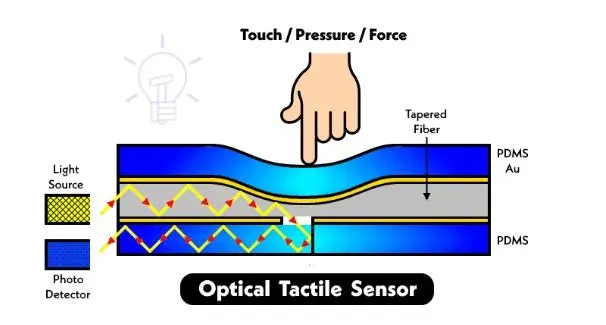
Tactile Sensors: Principles, Types, and Integration in Electronics and Robotics
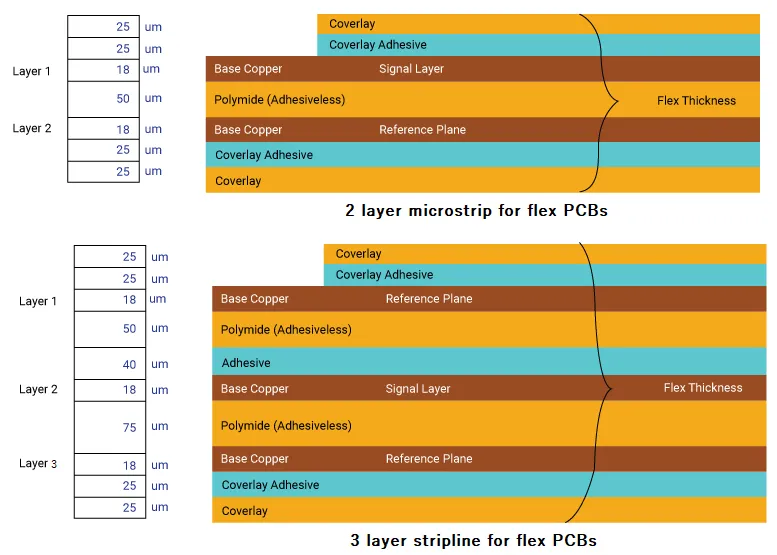
Beyond the Board: Mastering Flexible PCB Assembly for Reliability
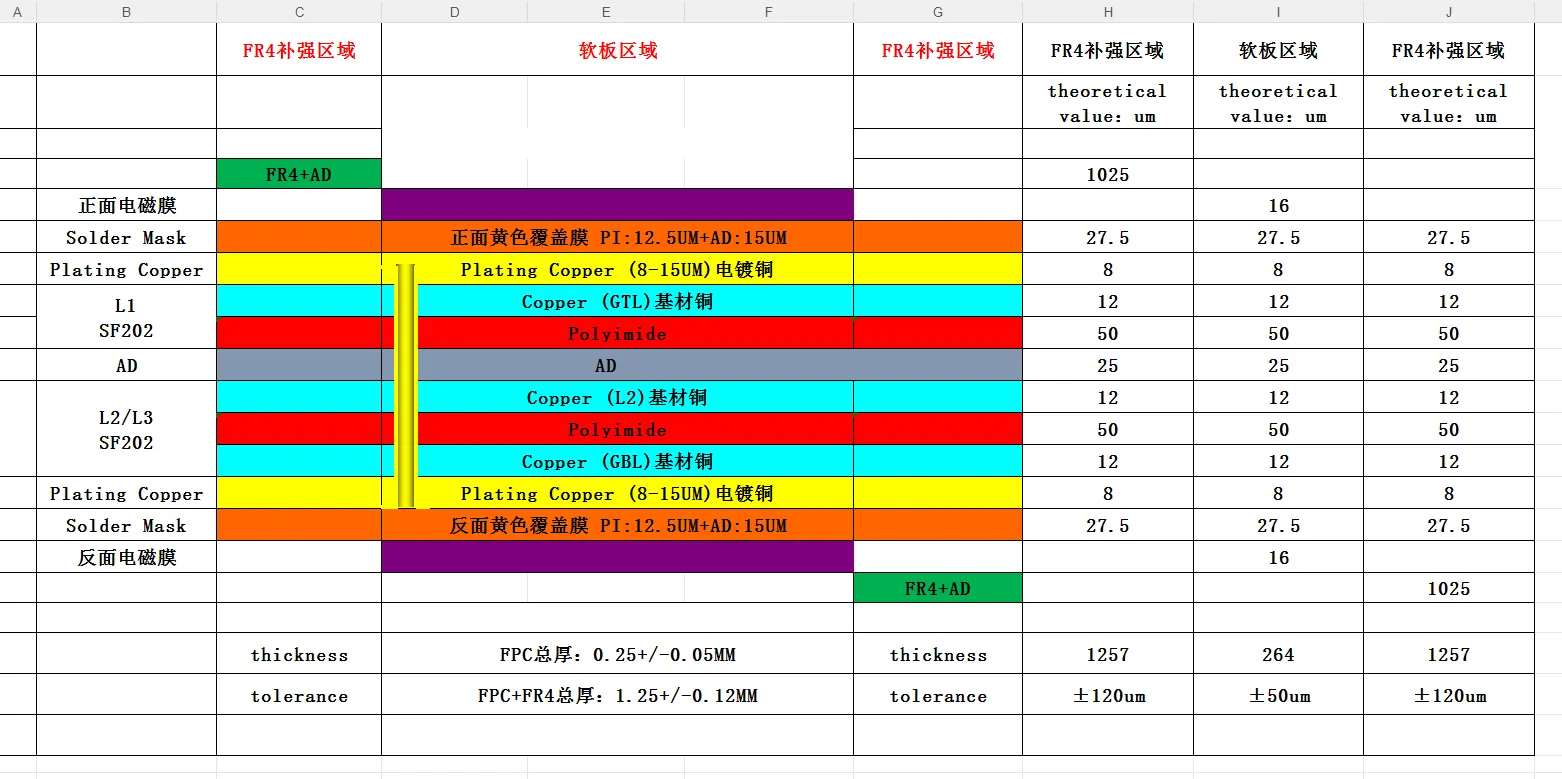
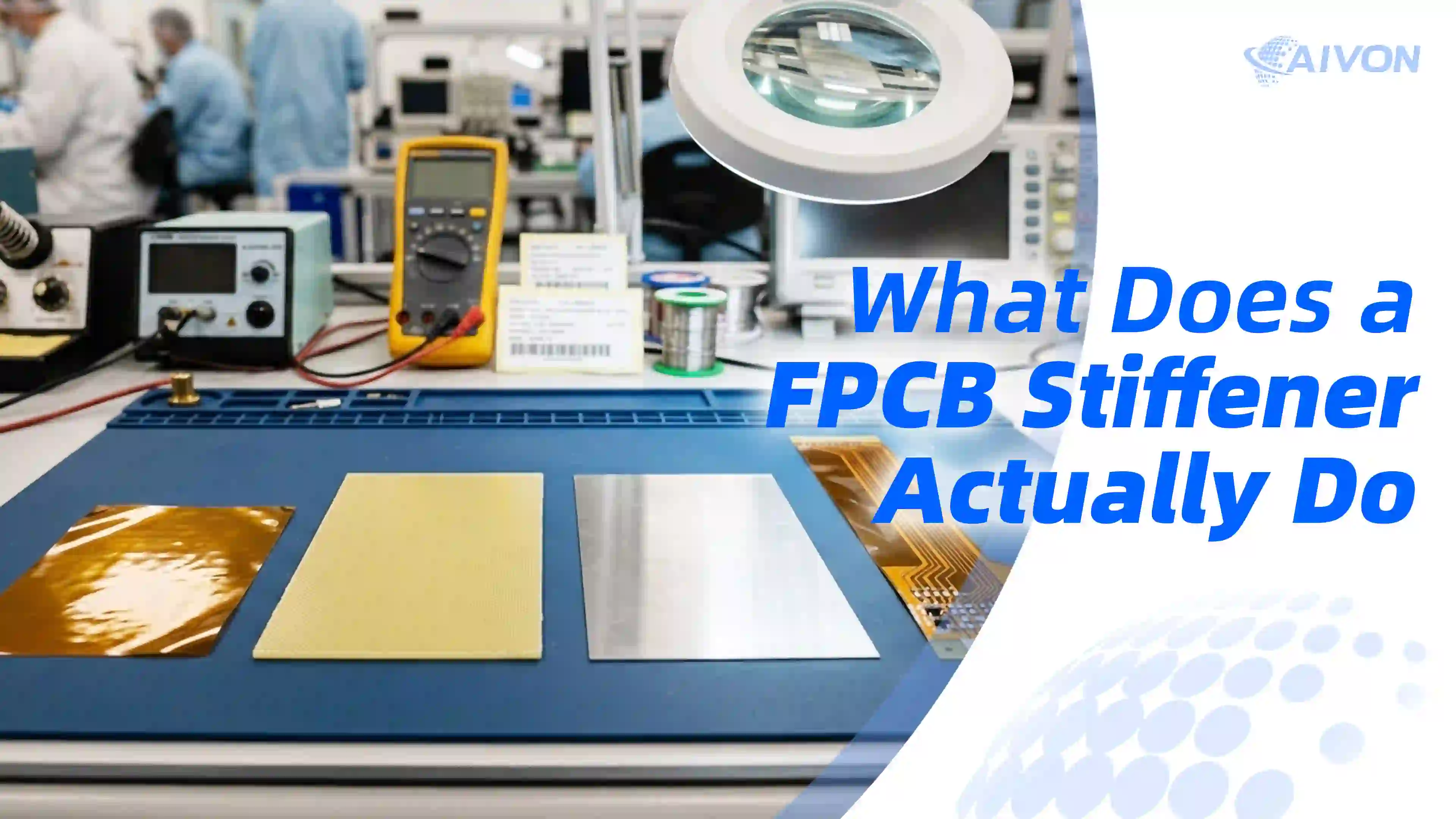
FPC Stiffener Design Rules: Avoiding Common DFM Roadblocks
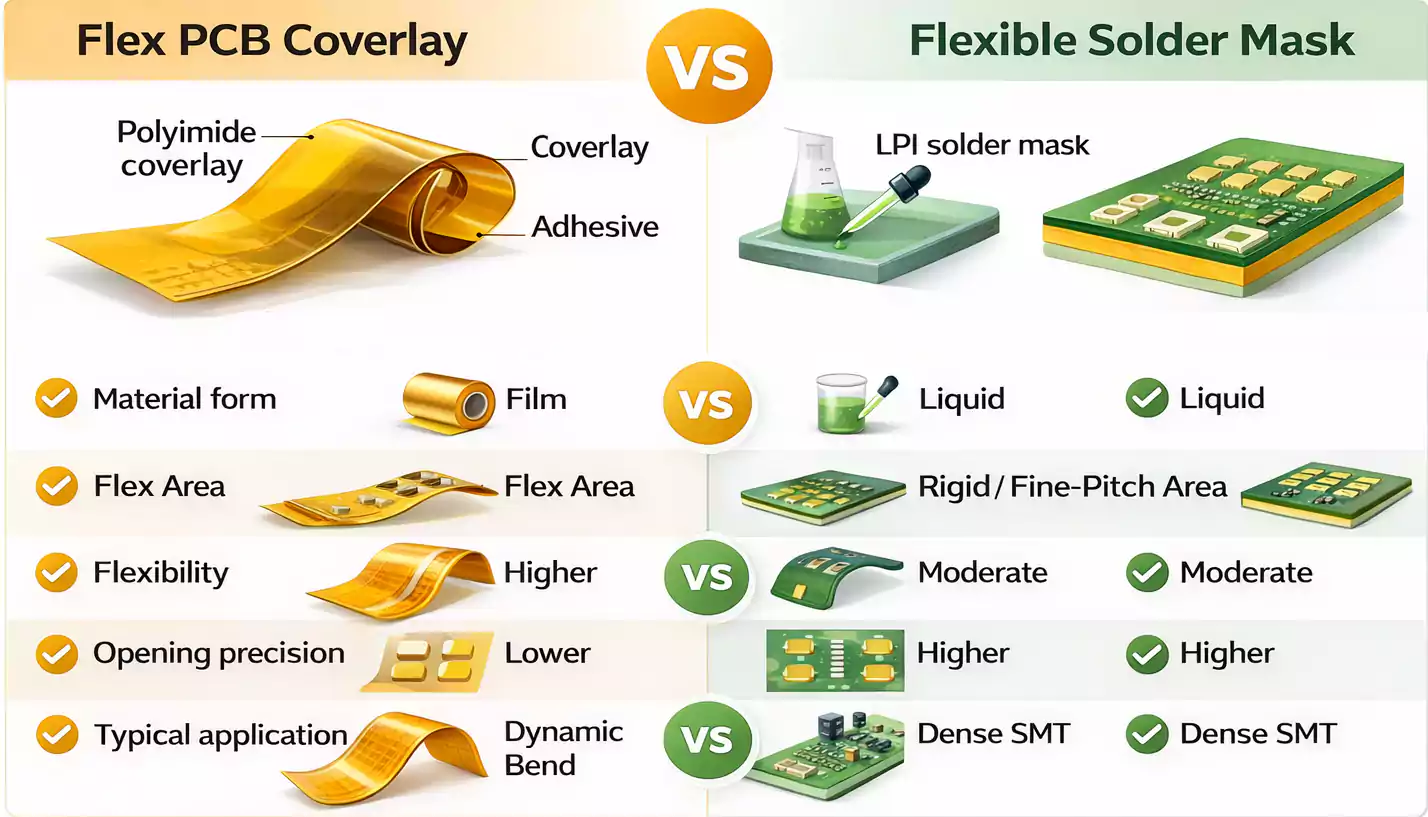
Coverlay Opening vs Solder Mask Opening: What's the Difference?
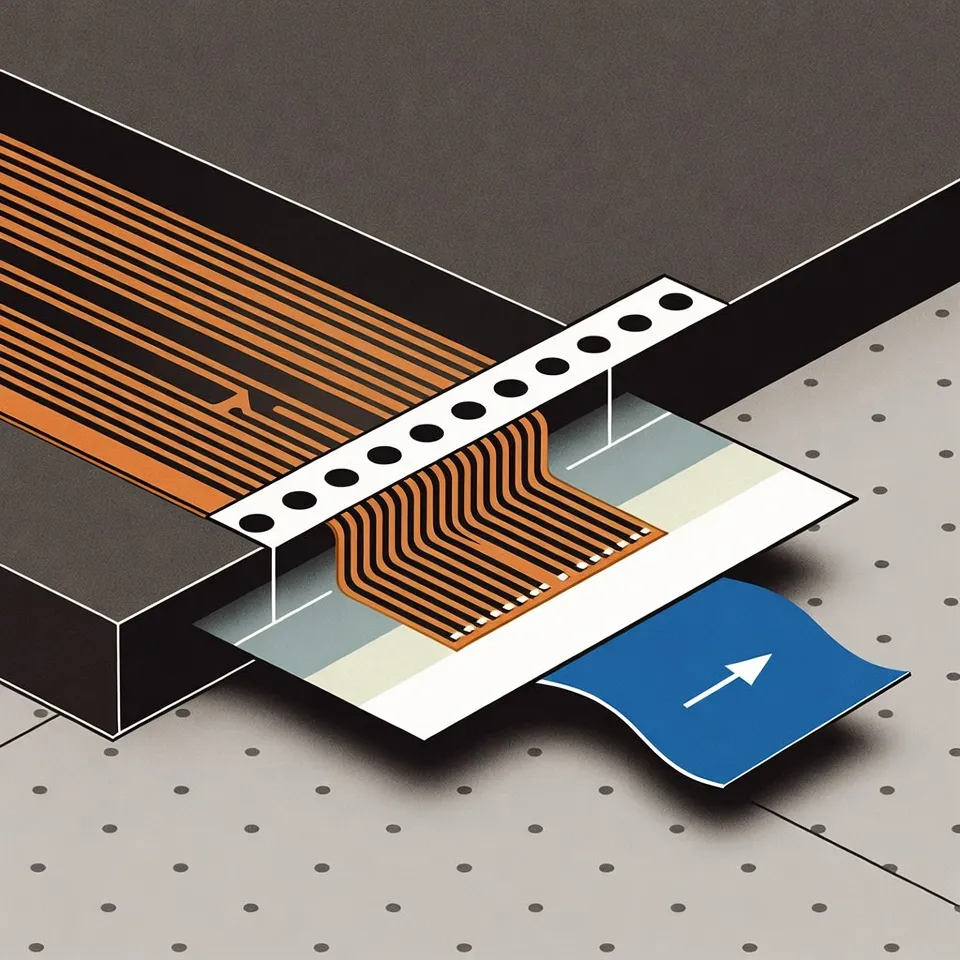
Best Way to Design Glue Paper Pull-out on FPC Panels
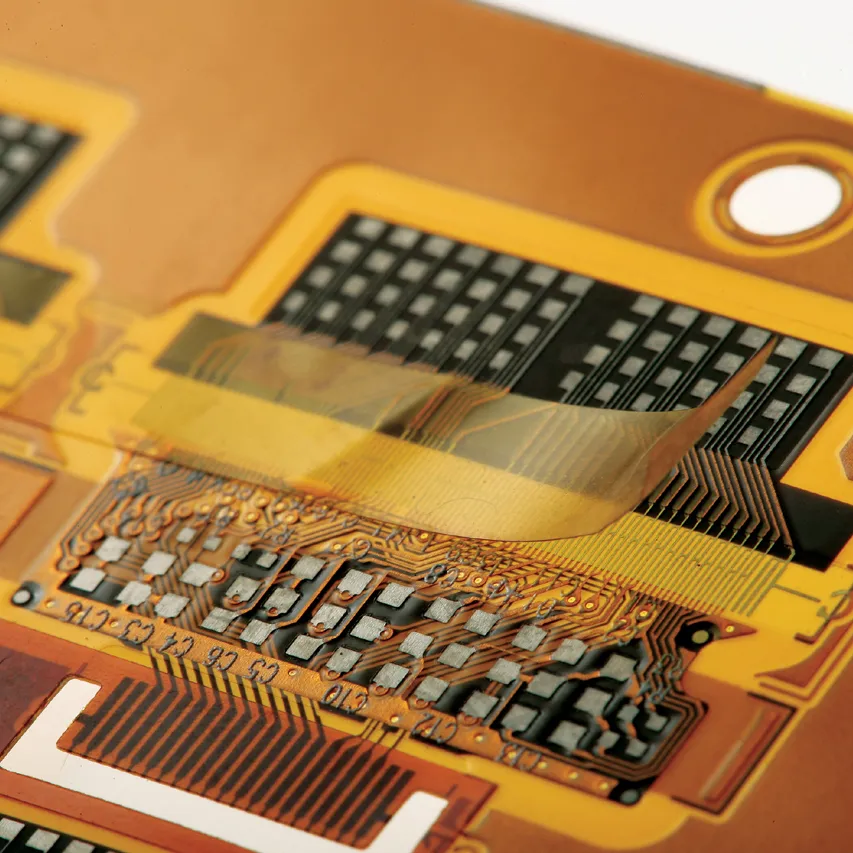
Why Adhesive Tape Flush with FPC Outline Often Overflows
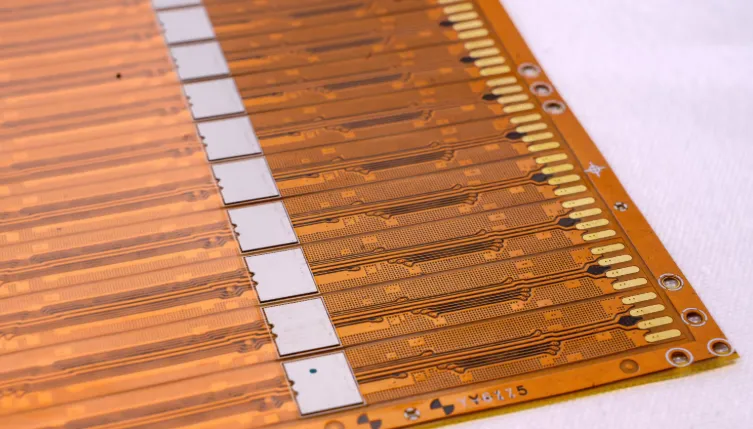
FR4 Stiffener Inner Shrink Rule for FPC Boards
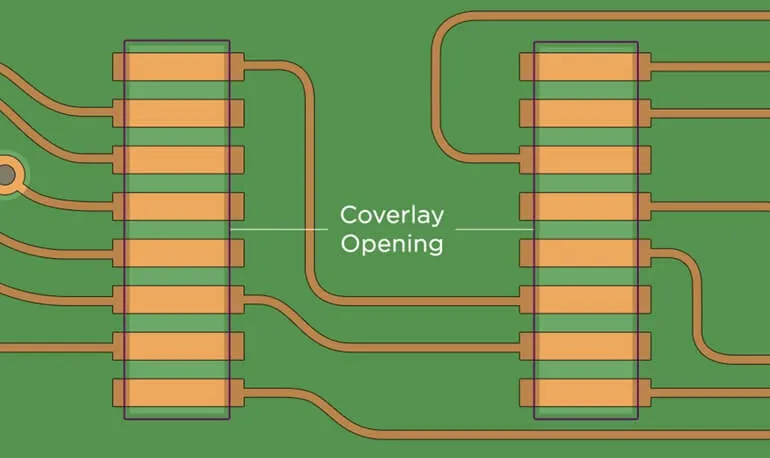
How Do FPC Factories Compensate Coverlay Openings in Practice?
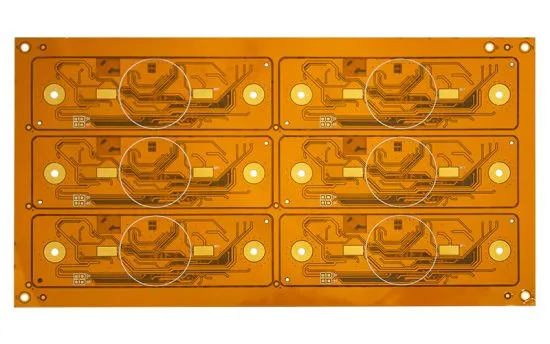
How to Properly Specify Back Adhesive Type and Thickness for FPC
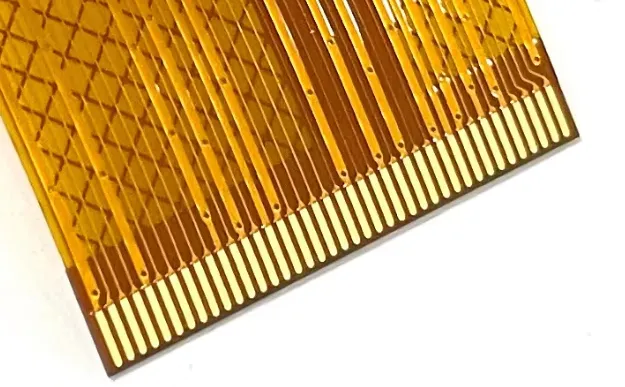
Should Via Openings Be Kept on FPC Boards?
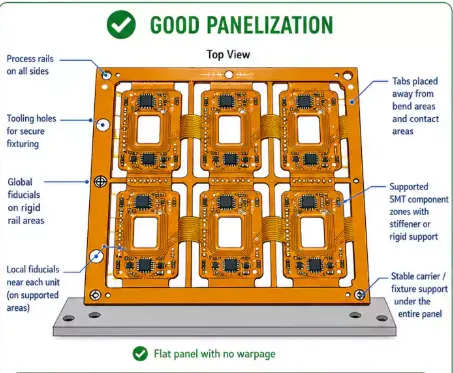
When Should You Add Waste Edge Protection on FPC Panels?
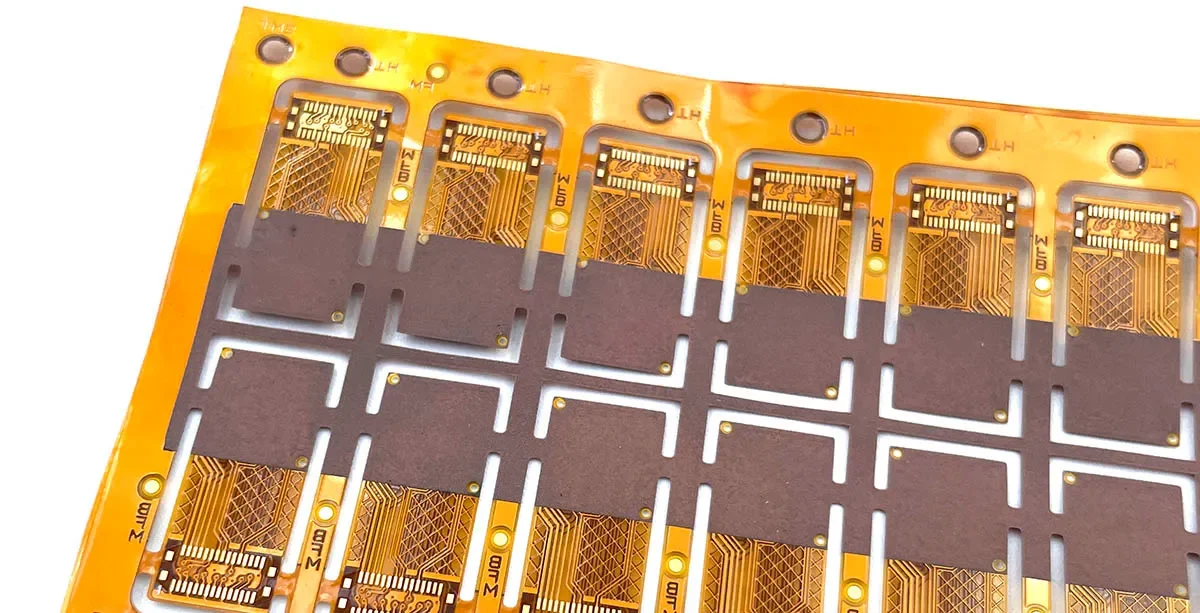
FPC Panel Size for Mass Production: What Size Works Better?
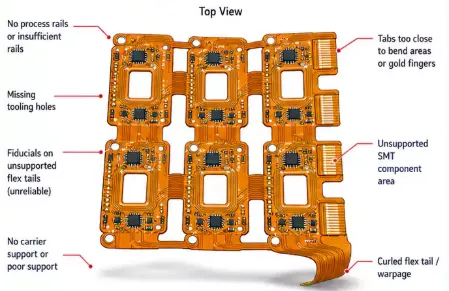
Why FPC Panels Without Process Edges on Both Ends Often Have Problems