 00:52
00:52
Flexible PCB Assembly
Flexible PCB assembly represents a critical advancement in modern electronics design, enabling the creation of lightweight, bendable circuits that conform to complex shapes and confined spaces. This tag focuses on the specialized processes involved in assembling components onto flexible substrates, such as polyimide or polyester films, which differ significantly from rigid PCB methods due to their inherent flexibility and thermal sensitivity. For engineers, designers, and manufacturers searching for Flexible PCB Assembly, this collection offers in-depth insights into essential techniques like surface-mount technology adapted for flex circuits, adhesive bonding for component attachment, and reflow soldering optimized to prevent warping or delamination. Understanding the practical applications of flexible PCB assembly can transform product development in industries like wearables, automotive electronics, and medical devices. For instance, these assemblies are ideal for integrating into curved housings or foldable gadgets, where traditional rigid boards would fail. Key best practices include selecting compatible materials to ensure durability under repeated bending, implementing precise alignment tools to maintain circuit integrity, and conducting thorough reliability testing such as flex cycling and environmental stress simulations. Common challenges, like managing thermal expansion or avoiding solder joint failures, are addressed through actionable strategies, including the use of low-temperature solders and reinforcement techniques with stiffeners. By exploring the articles under this tag, readers can gain the knowledge needed to prototype and scale flexible PCB projects effectively. Topics range from beginner-friendly overviews of assembly workflows to advanced discussions on high-volume manufacturing and quality control standards. Whether you are troubleshooting assembly defects or seeking innovative design inspirations, these resources provide the technical guidance to enhance your electronics projects with flexibility and efficiency.
Video Guide
Technical Articles
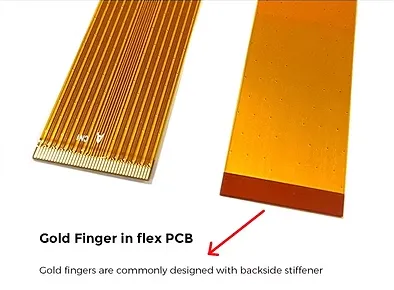
How Far Should PI Stiffener Be from FPC Gold Finger Opening?
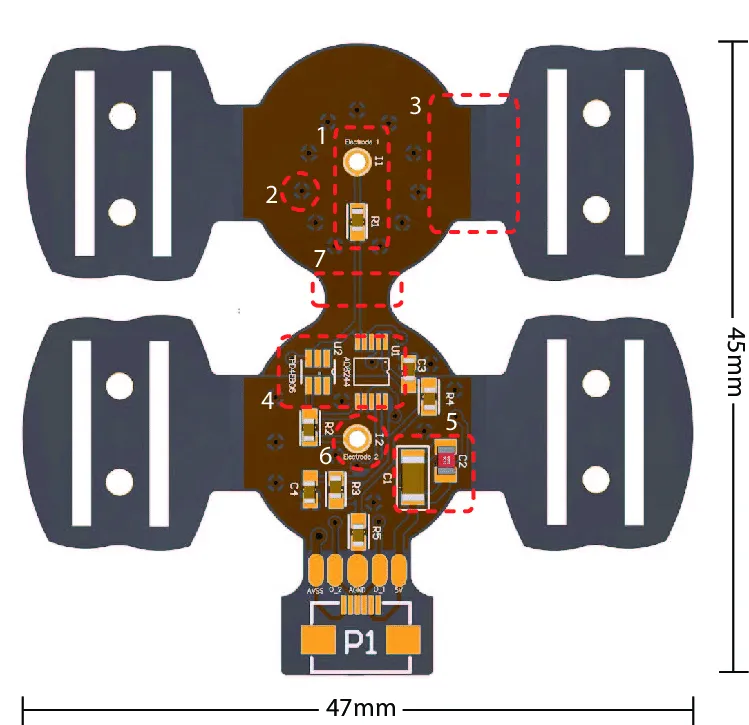
What Happens When FPC Characters Are Placed on or Too Close to Pads
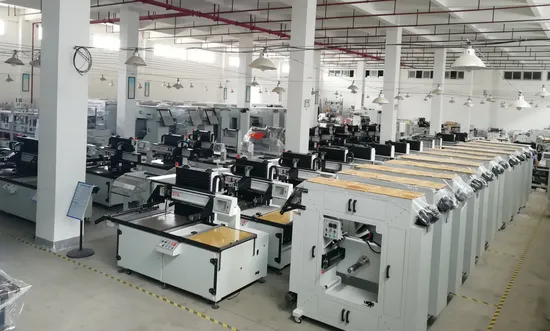
Why FPC Silkscreen Characters Keep Coming Out Blurry

Pressure Sensors in Robotics: Tactile Sensing, Proprioception, and Flexible PCB Integration
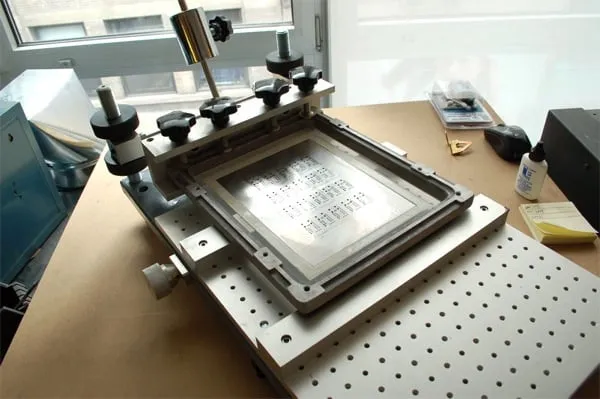
Step Up Stencil Solutions for Flex and Rigid Flex PCBs: Achieving Reliable Solder Joints on Flexible Substrates
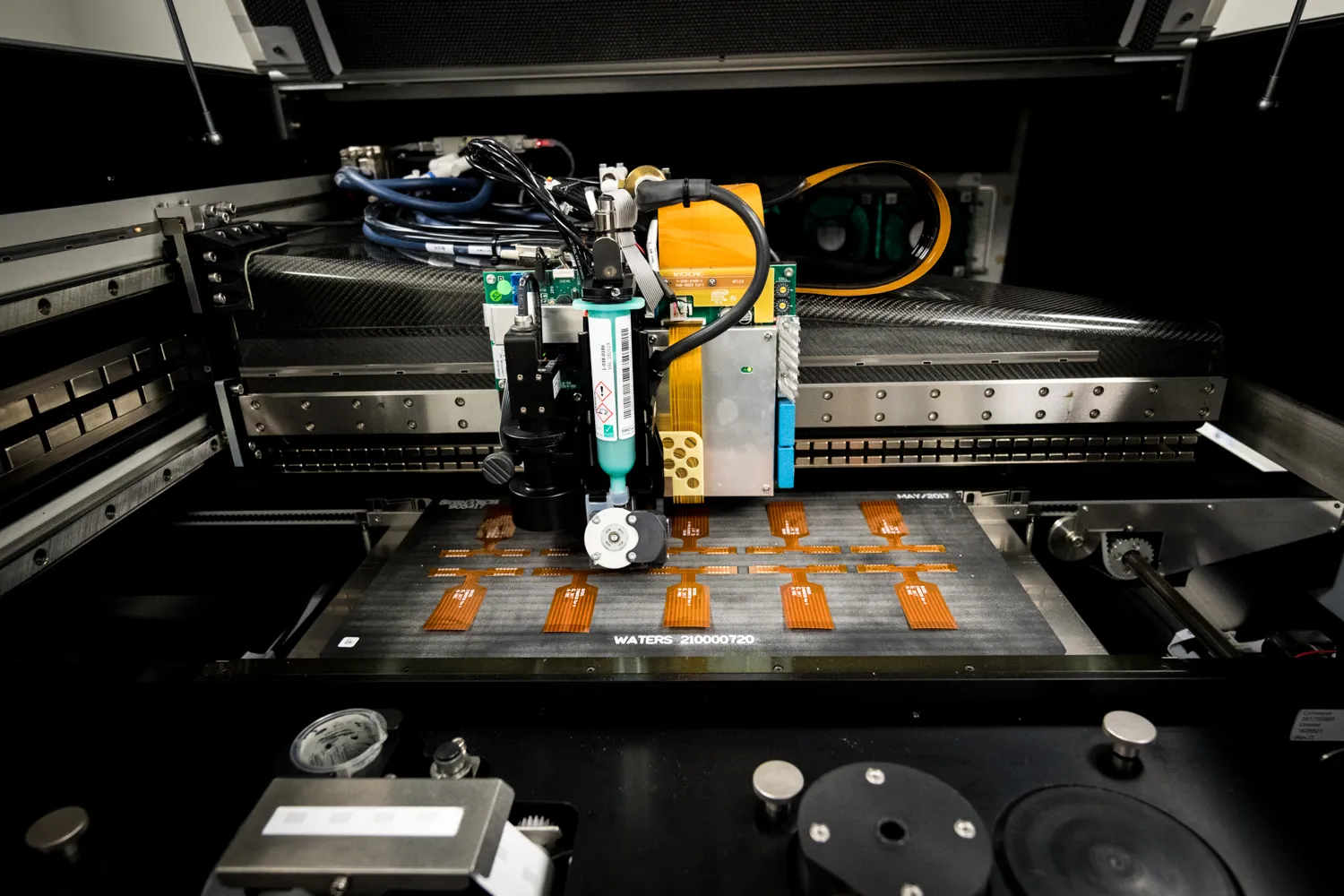
Implementing DFA in Flex and Rigid Flex PCB Design
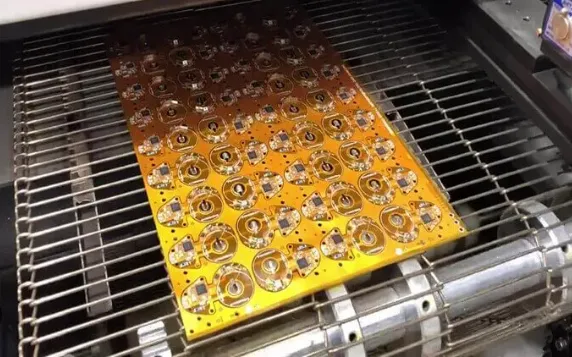
Flexible PCB Assembly Techniques: A Comprehensive Guide
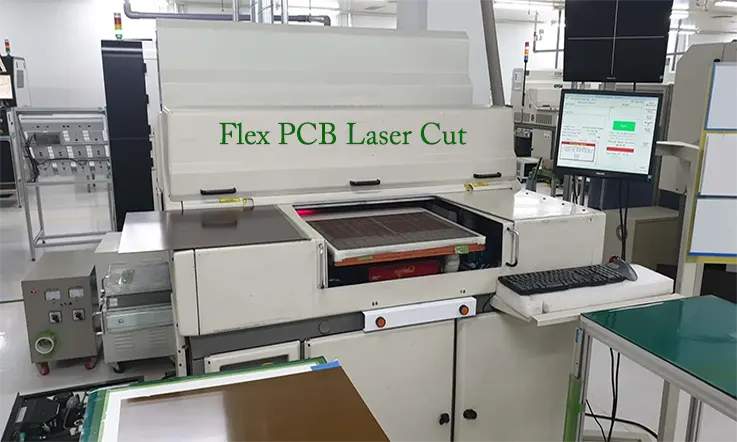
Mastering Flexible PCB Manufacturing: Handling Thin and Bendable Substrates
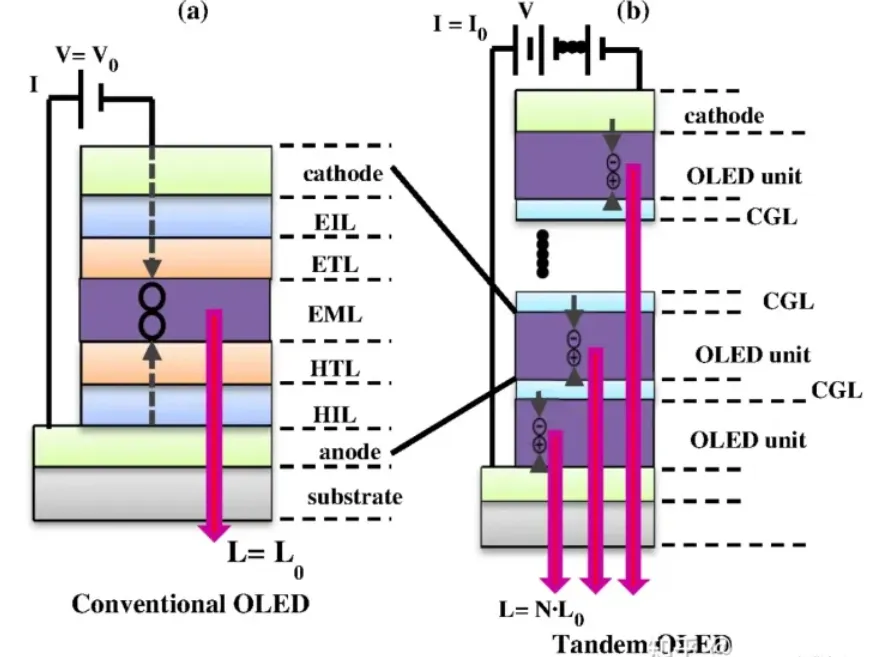
Key OLED Terms Explained: 15 Technical Concepts
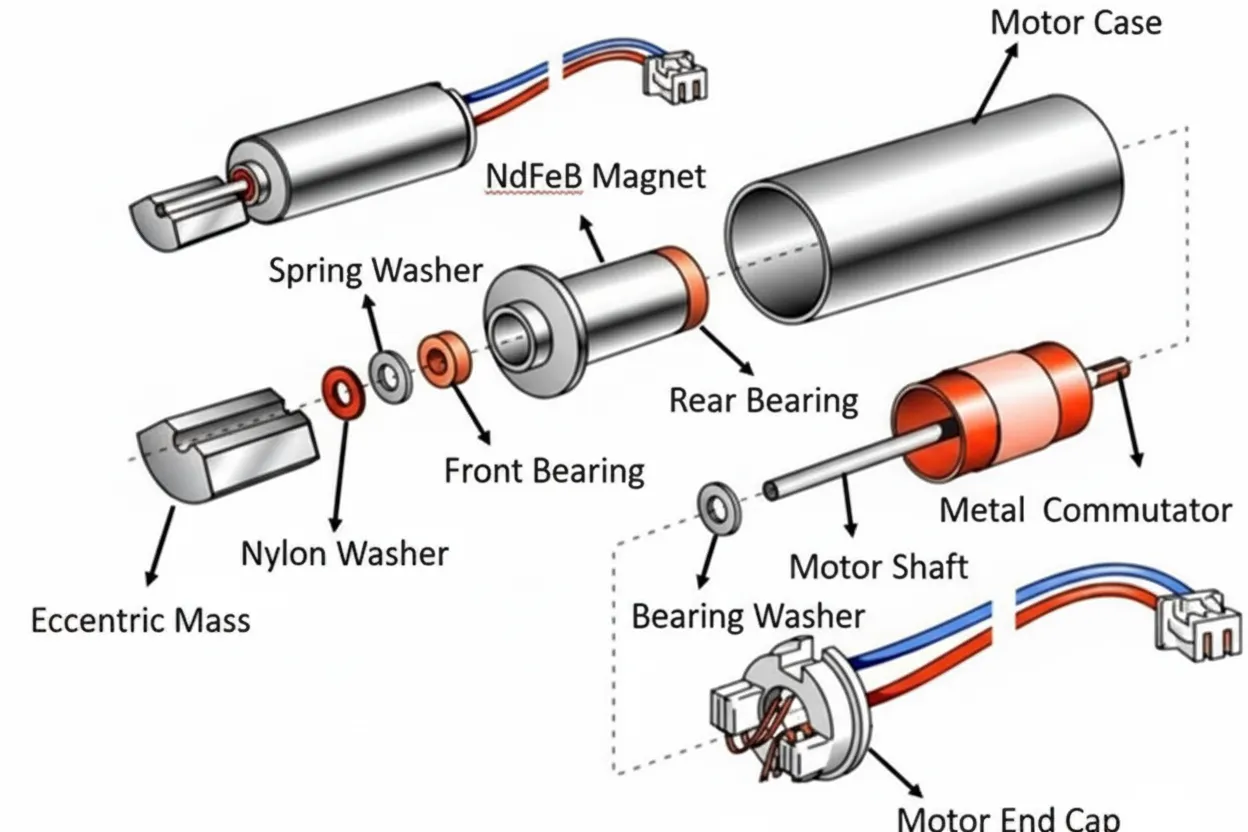
Phone Vibration Motors: Design, Operation, and PCB Integration for Haptic Feedback
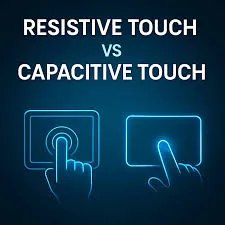
Capacitive vs Resistive Touchscreens: Principles, Comparison, and PCB Design Insights
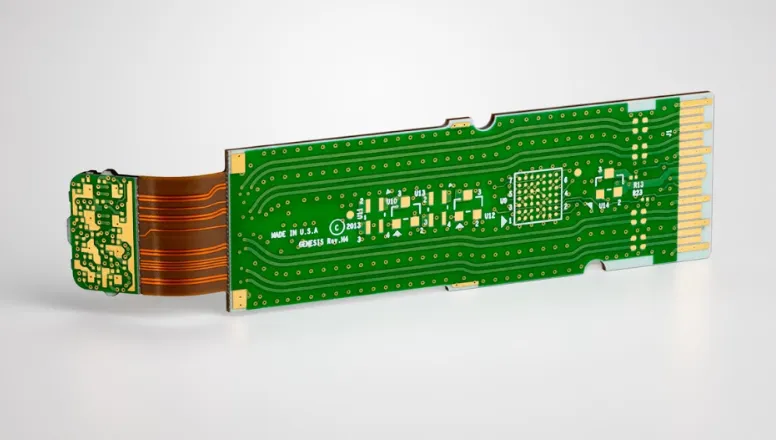
Flexible PCBs: Materials, Fabrication, Assembly and Applications
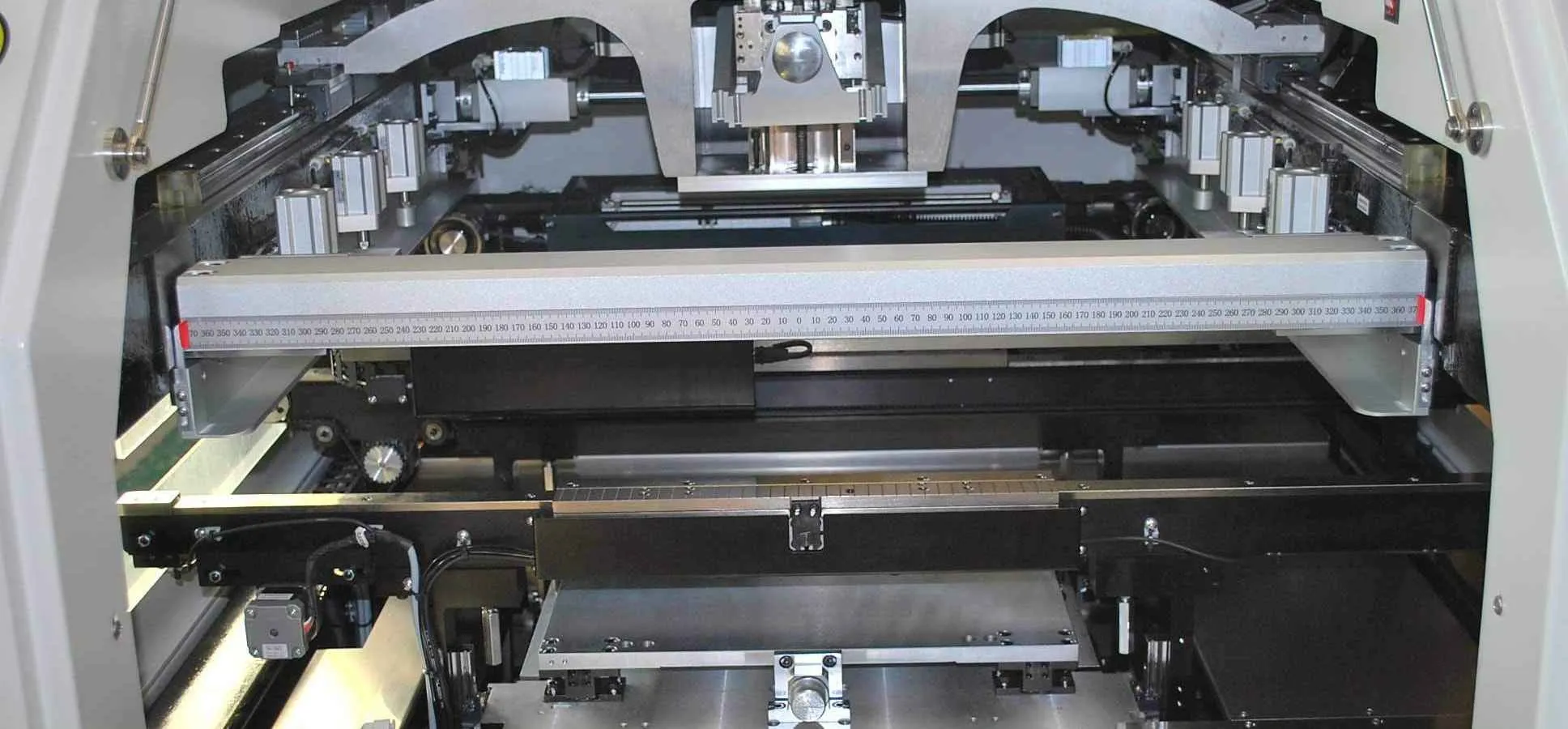
Solder Paste Printing for Flexible PCBs: Challenges and Solutions

Flexible PCB for Medical Wearable Devices: Design & Applications
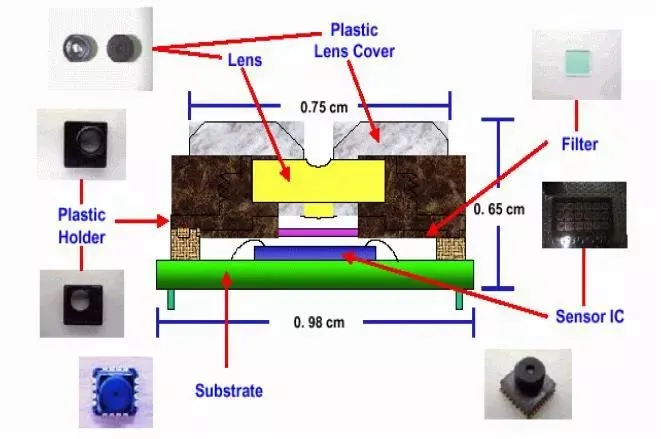
Mobile Camera Structure and Imaging Principles
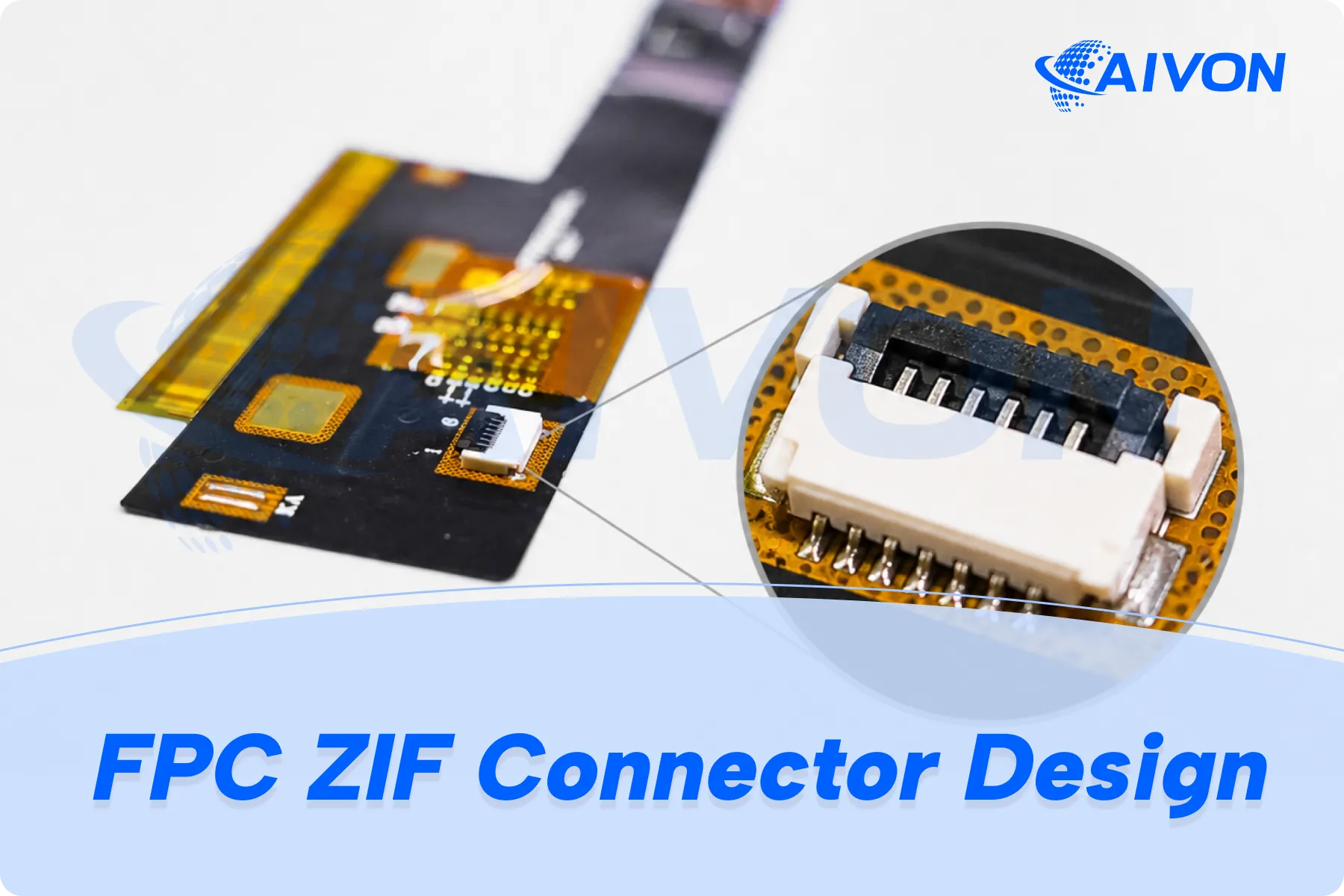
FPC Connector and ZIF Interface Design Best Practices
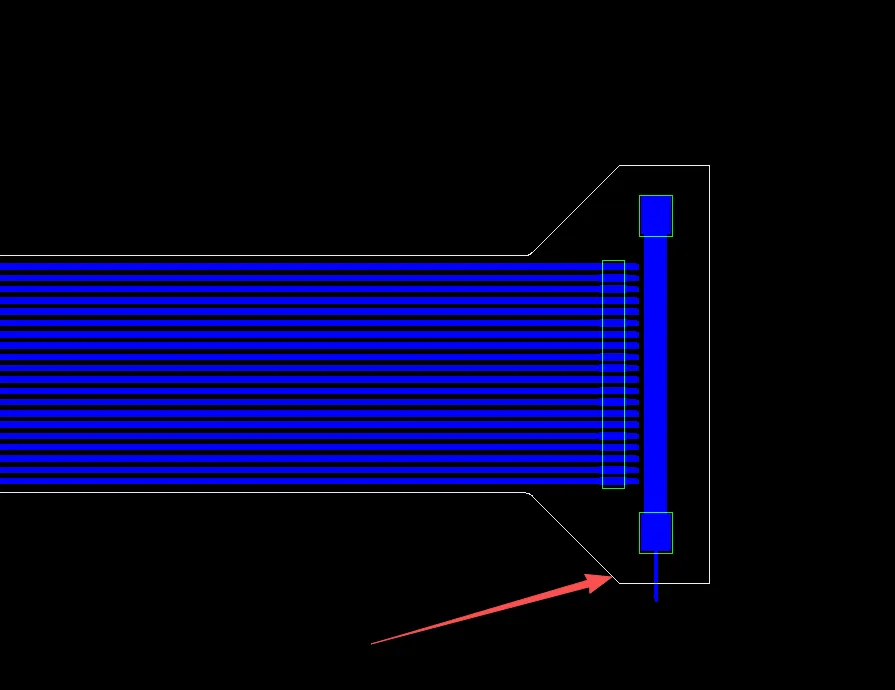
Can 0.1mm PI Stiffener Achieve 0.3mm FPC Total Thickness?
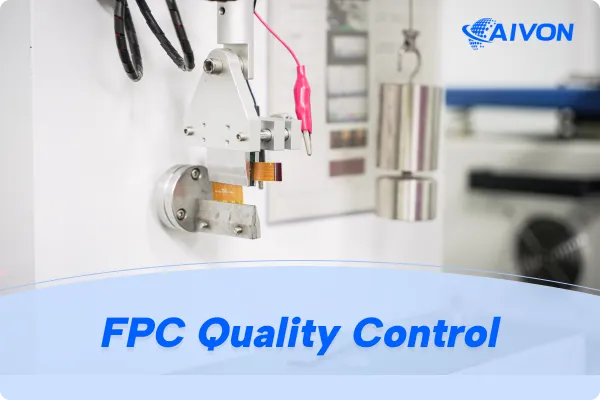
Quality Control in FPC Manufacturing: Key Inspection Points
Why Does FPC Coverlay Lift or Peel During Use?