 00:52
00:52
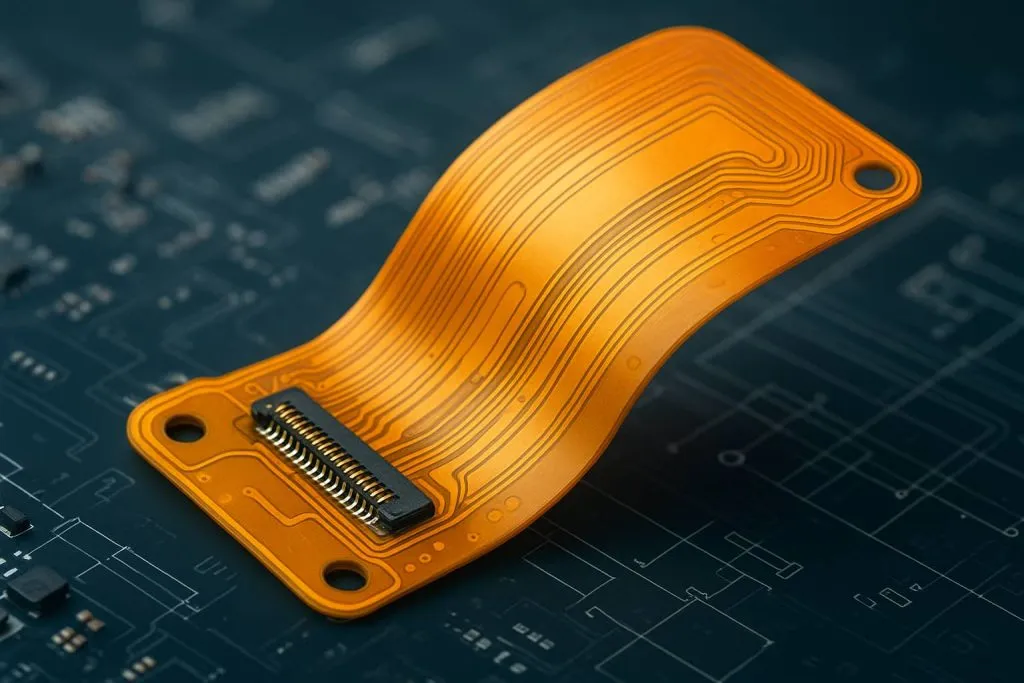
Flexible PCB
Flexible PCBs, also known as flex circuits, represent a versatile advancement in printed circuit board technology, allowing for designs that bend, fold, and conform to irregular shapes without compromising electrical performance. These boards are constructed from flexible substrates like polyimide or polyester, enabling their use in compact, space-constrained applications where rigid PCBs would be impractical. For engineers, designers, and hobbyists searching for information on Flexible PCB, this tag serves as a comprehensive resource covering essential topics such as material selection, manufacturing processes, and integration strategies that ensure reliability in dynamic environments. One of the primary advantages of Flexible PCBs is their ability to reduce weight and improve durability in products like wearable devices, medical implants, automotive sensors, and aerospace components. By eliminating the need for bulky connectors and wiring harnesses, they streamline assembly and minimize failure points, which is crucial for high-vibration or high-movement scenarios. When designing with Flexible PCBs, best practices include optimizing trace routing to avoid stress concentrations, selecting appropriate adhesives for layer bonding, and conducting thorough bend testing to predict lifespan. Understanding these elements can help prevent common issues like delamination or signal integrity loss, ultimately leading to more efficient prototypes and production runs. This tag aggregates articles that delve into real-world case studies, such as implementing Flexible PCBs in consumer electronics or troubleshooting fabrication challenges. Readers interested in advancing their projects can find guidance on cost-effective prototyping methods, compliance with standards like IPC-6013, and comparisons with rigid-flex hybrids. Whether you are exploring initial concepts or refining advanced designs, the content here provides practical insights to enhance your electronics innovations.
Video Guide
Technical Articles
Semi Flex PCBs for Hobbyists: A Beginner's Guide to Flexible Electronics

Flexible PCB for Aerospace: Benefits, Design, and Applications
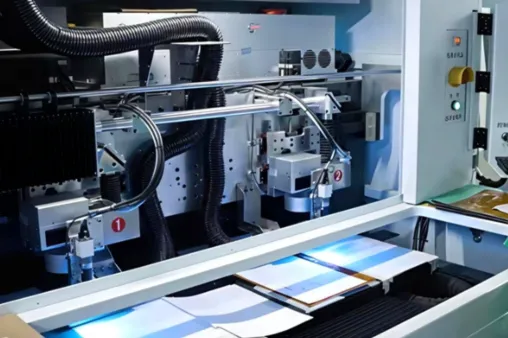
From Concept to Prototype: A Step by Step Guide to Polyimide PCB Manufacturing
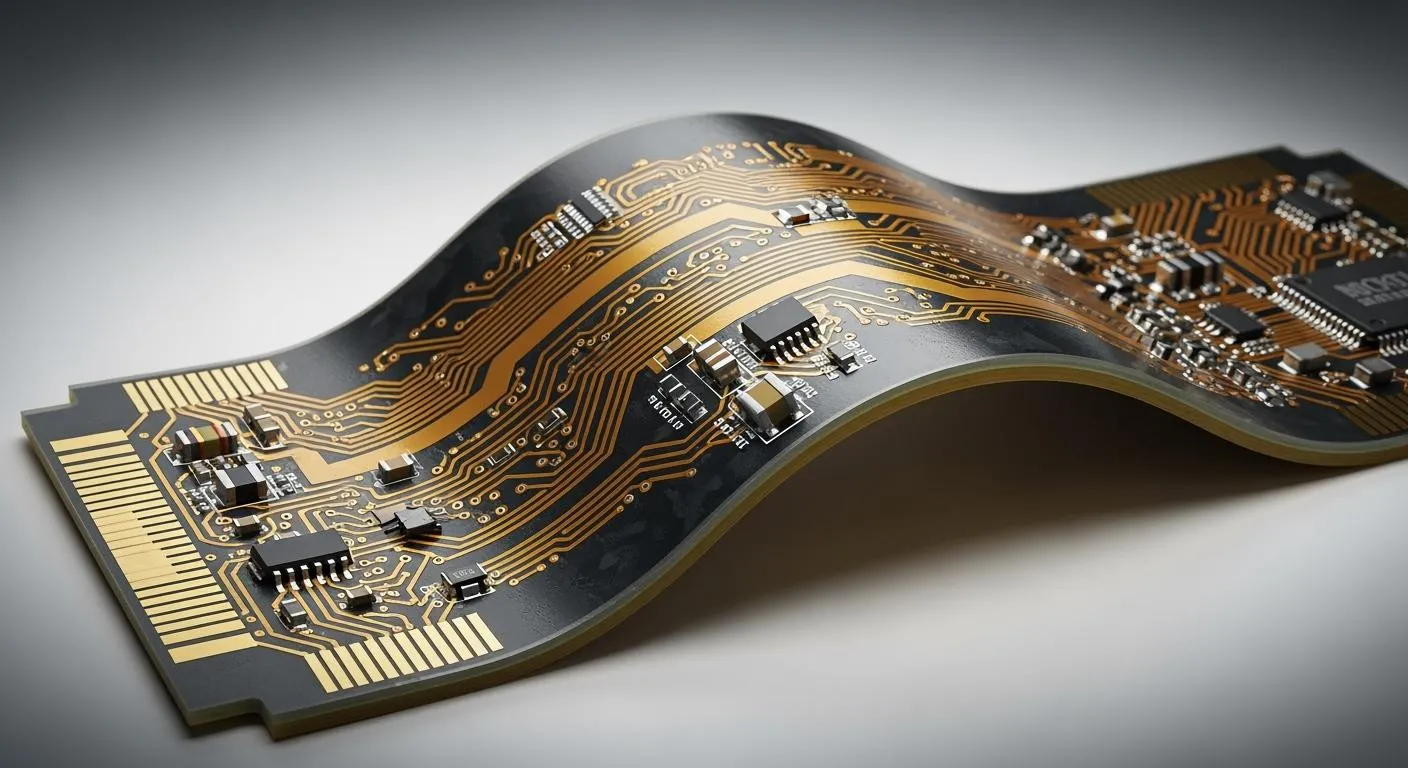
Beginner's Guide to Flexible PCBs: Understanding the Basics for Electronic Projects
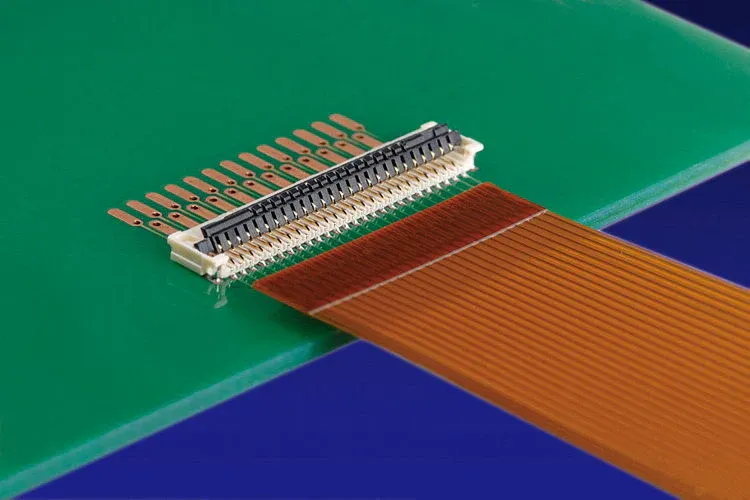
Flexible PCB Stiffeners: Enhancing Reliability and Component Support
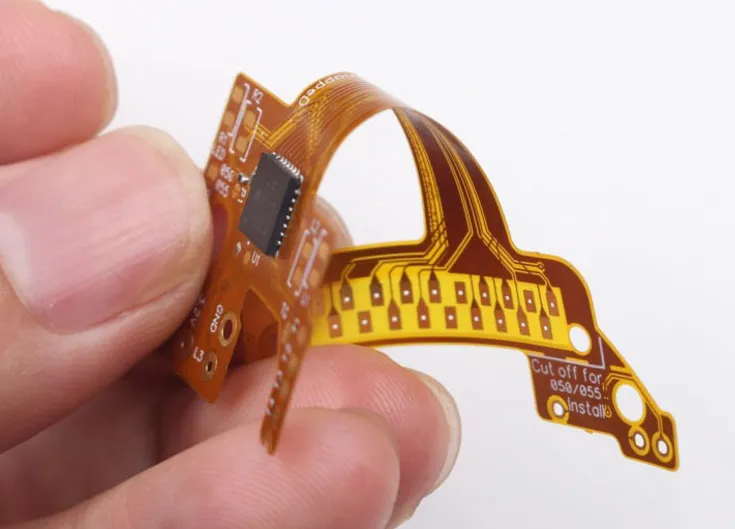
DIY Flexible PCBs: A Hobbyist's Guide to Creating Bendable Circuits at Home
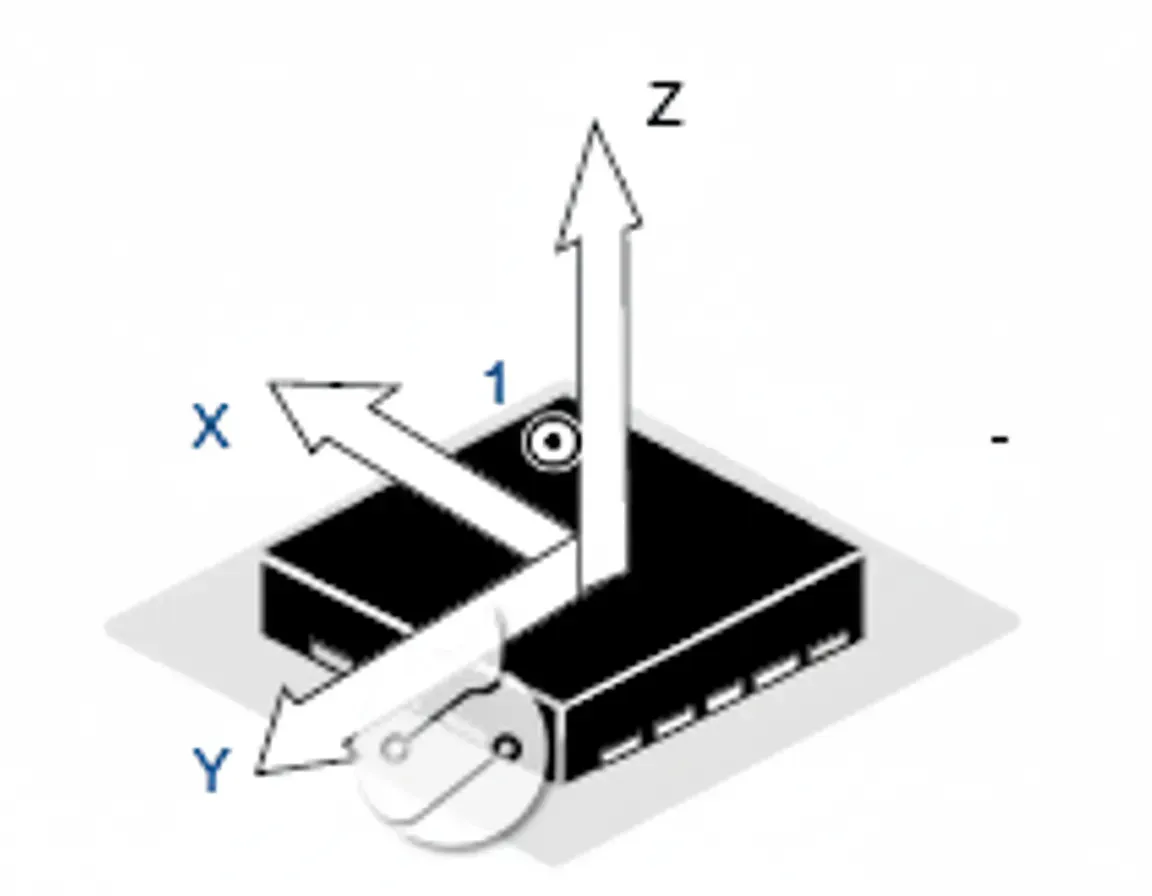
Accelerometer Principles and Applications
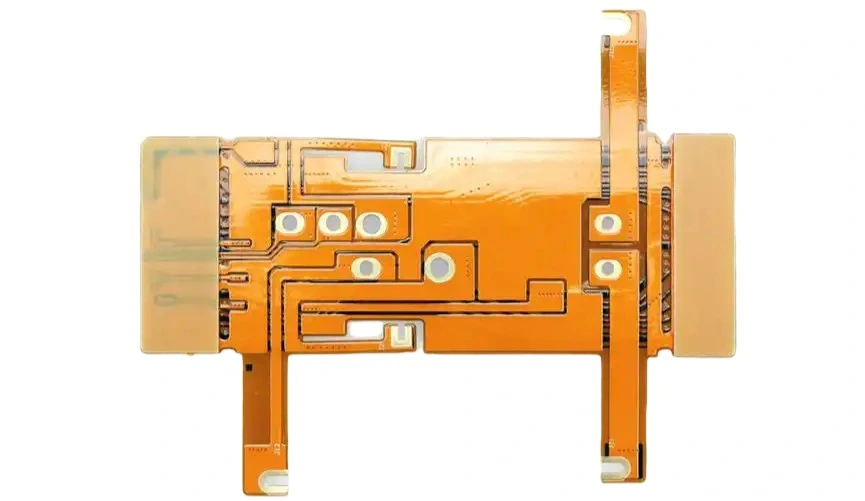
Adhesiveless Flexible PCBs: Advantages for High-Performance Applications

Smartwatch Heart Rate Methods and Trade-offs

Flexible Future: Using Flex PCBs in VR Headset Design
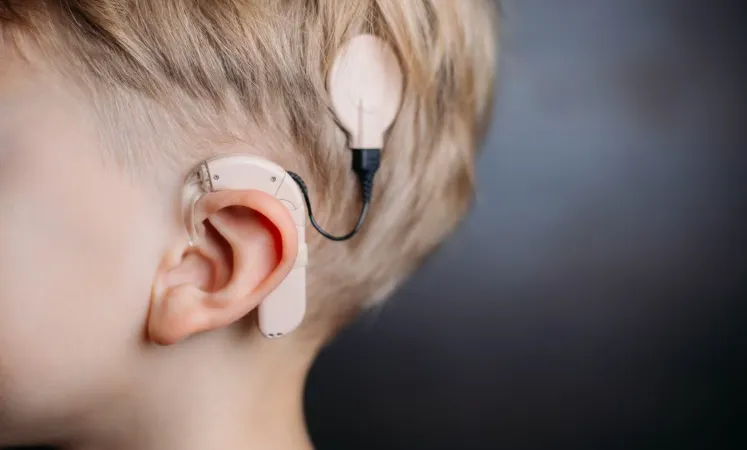
Flex Plus Professional Flex PCB Hearing Aids FPC
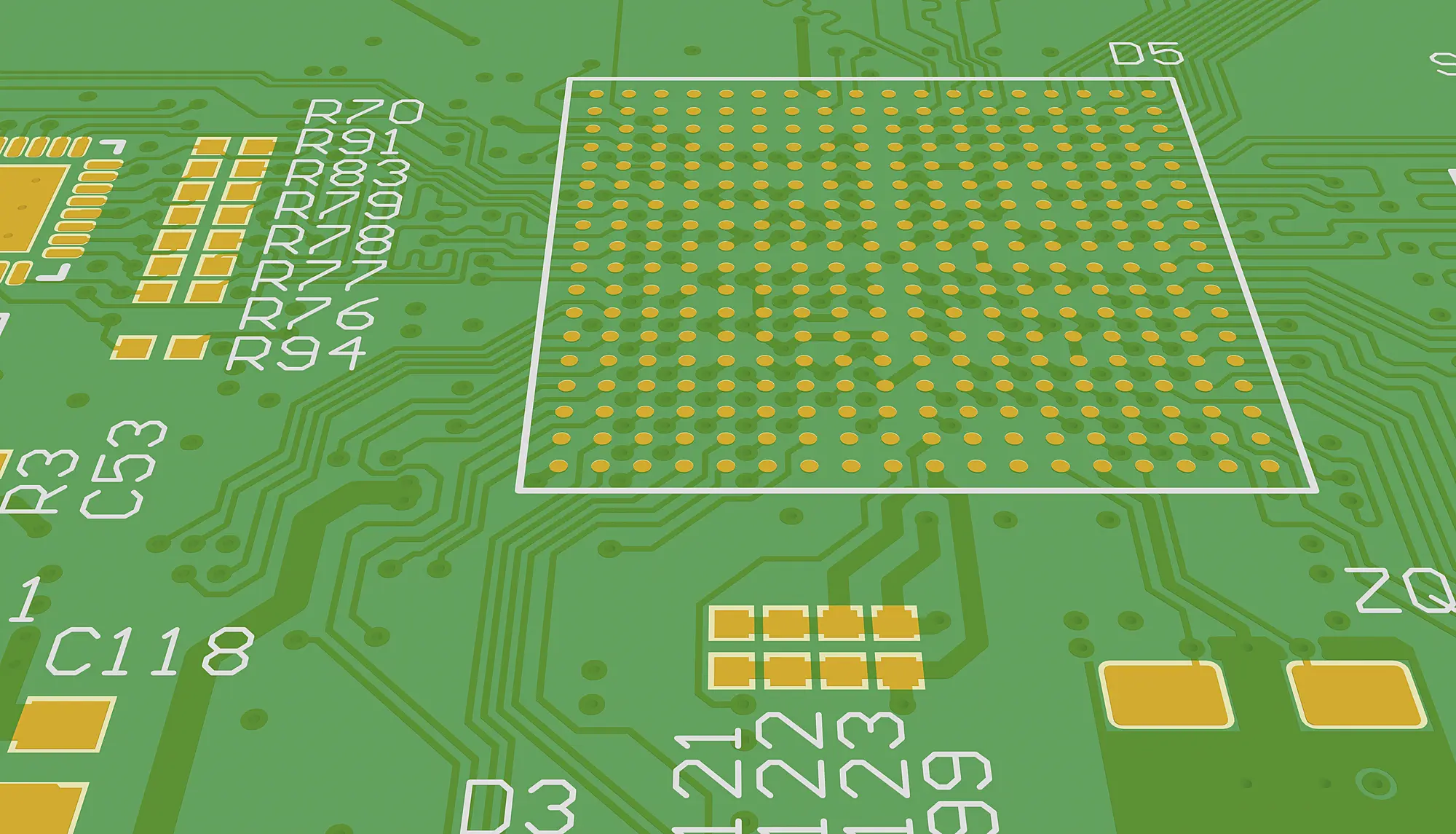
Silk Screen Color for Flexible PCBs: Special Considerations
Choosing the Right Materials for Your Flex-to-Install PCB: A Comparative Analysis

Wearable Medical Device Architectures and Design Challenges

Electronic Tattoos: Flexible Electronics and PCB Technologies for Next-Gen Wearables

Smart Bands & Wristbands: Features, Uses, Design & Buying Guide
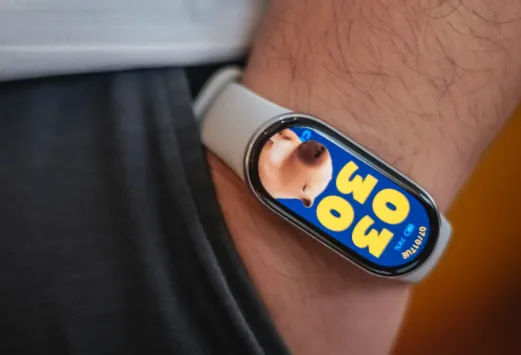
Why Smart Bands Often Feel Useless - Are They Worth Buying?
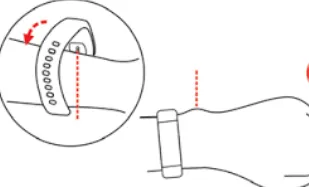
Smart Wristband Functions and Uses
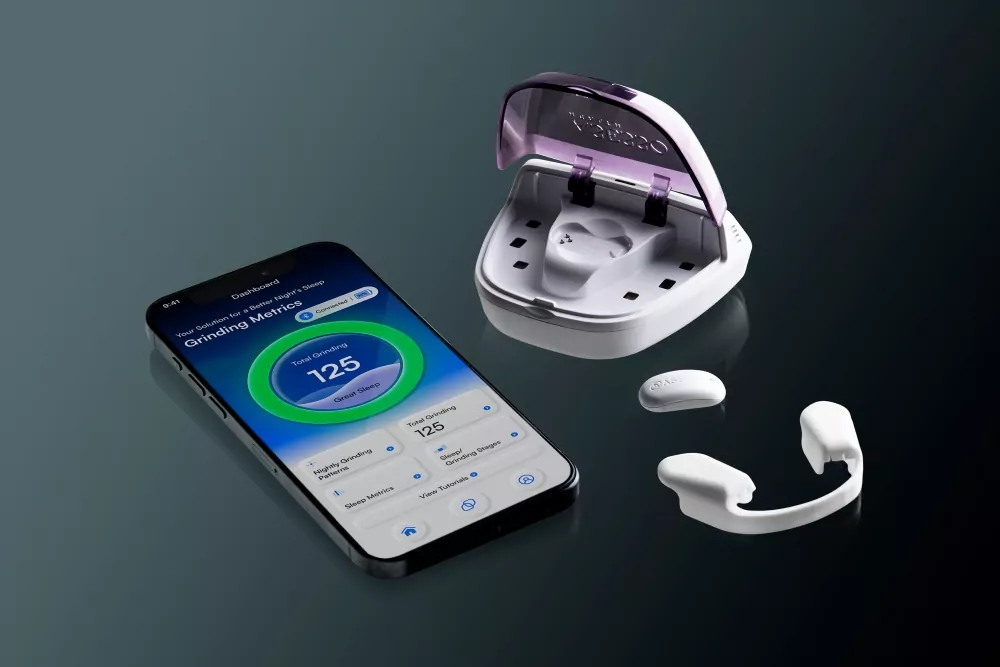
7 Interaction Technologies for More Practical Wearable Devices