 00:56
PCB Materials
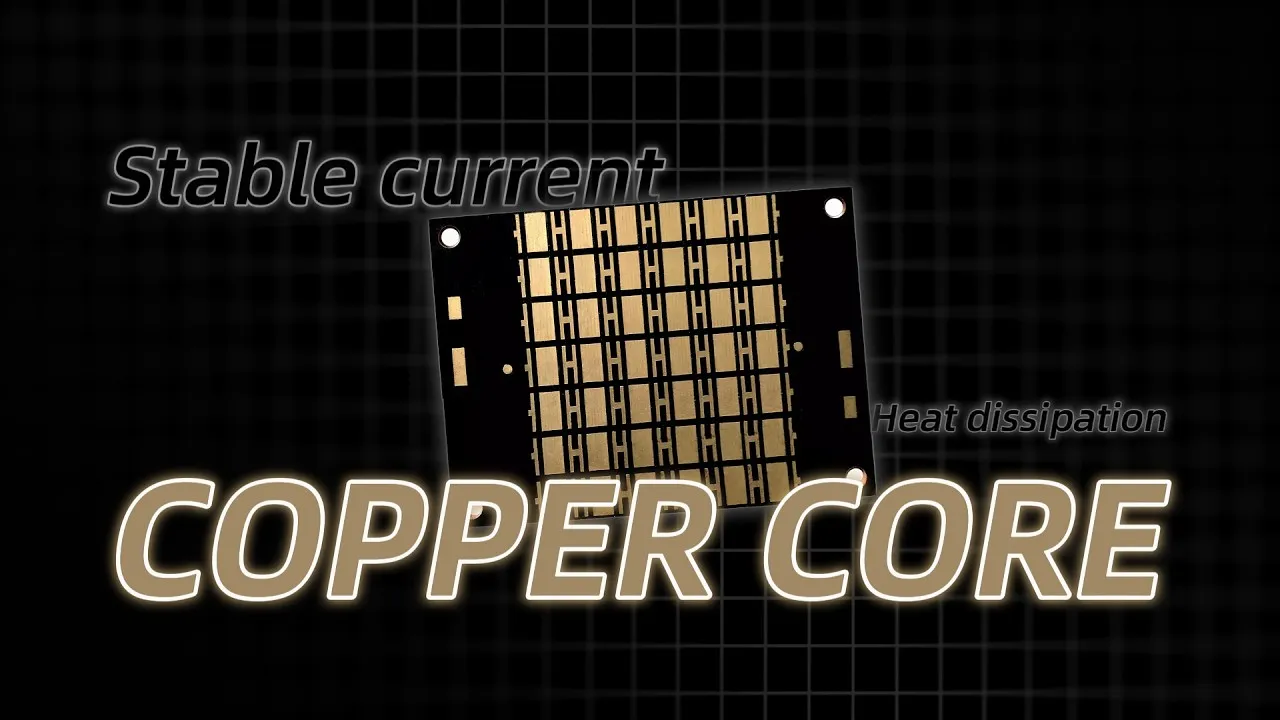
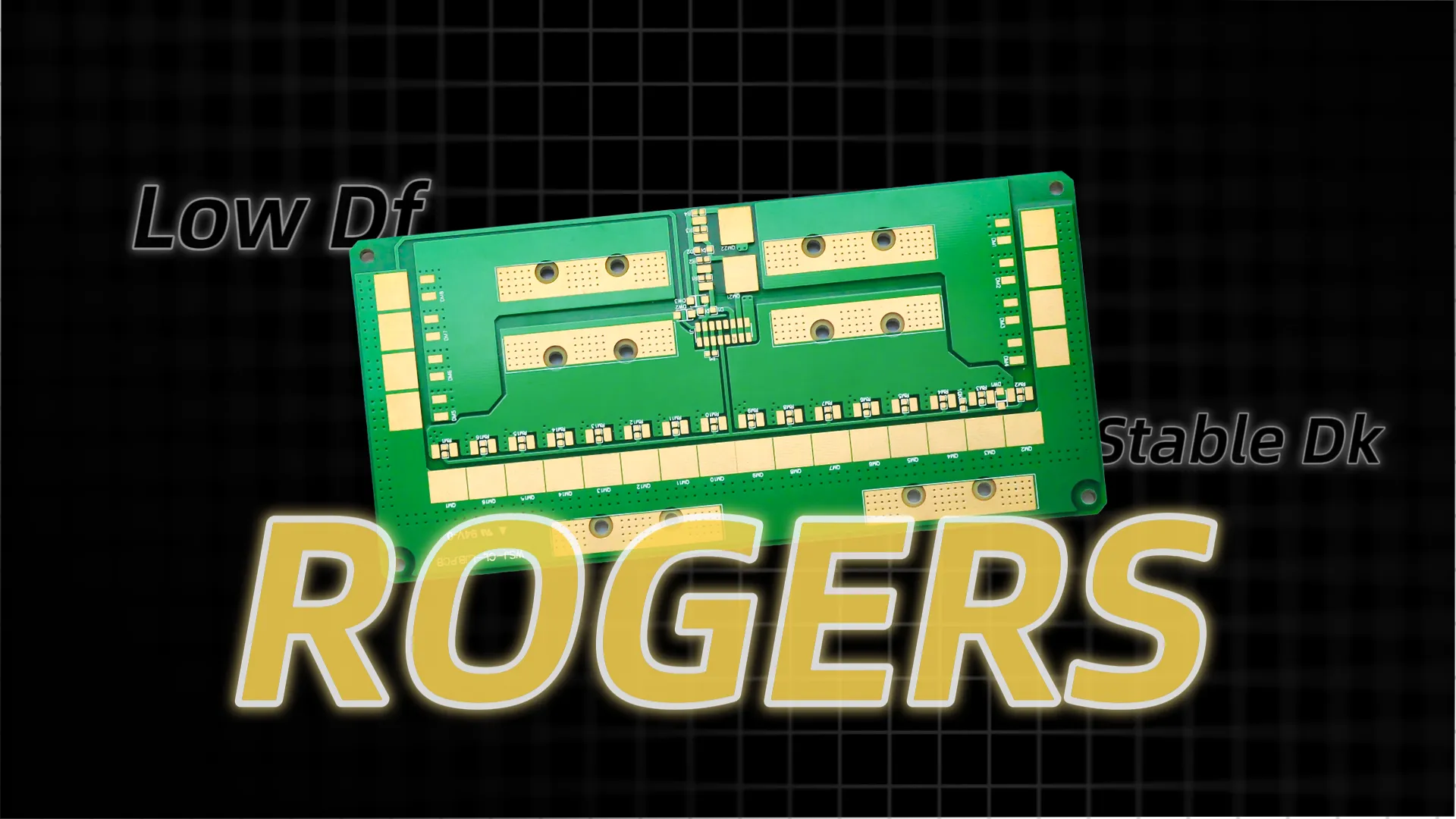
Printed circuit boards (PCBs) form the backbone of modern electronics, and the choice of materials directly influences performance, reliability, and cost. The PCB Materials tag on this blog gathers in-depth resources that explore the various substrates, laminates, and coatings essential for PCB design and manufacturing. Whether you are an engineer optimizing for high-frequency applications or a hobbyist building prototypes, understanding these materials helps ensure your projects meet thermal, mechanical, and electrical requirements. From FR-4 as a standard fiberglass-reinforced epoxy to advanced options like polyimide for flexible circuits, selecting the right material can prevent issues such as signal loss, warping, or failure under extreme conditions. Key considerations in PCB materials include dielectric constant, thermal conductivity, and moisture absorption, which affect signal integrity and longevity. For instance, high-speed designs often benefit from low-loss materials like Rogers laminates, while budget-conscious projects might stick with phenolic resins. Practical applications range from consumer gadgets to aerospace systems, where materials must withstand vibration, heat, and environmental stressors. Best practices involve matching material properties to your PCB's operating environment, such as using halogen-free options for eco-friendly compliance or ceramic-filled substrates for enhanced heat dissipation. Testing for compatibility with soldering processes and ensuring RoHS adherence are also critical steps to avoid manufacturing defects. By delving into the articles linked under this tag, you can gain actionable insights on material selection, comparison charts, and case studies that apply to real-world scenarios. This collection serves as a valuable reference for refining your designs and staying updated on industry advancements in PCB technology.
Video Guide
Technical Articles
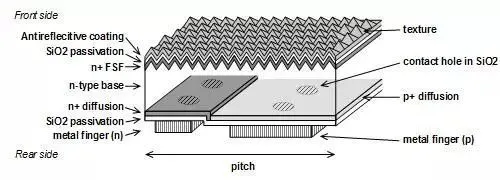
High-efficiency Crystalline Silicon Solar Cell Technologies
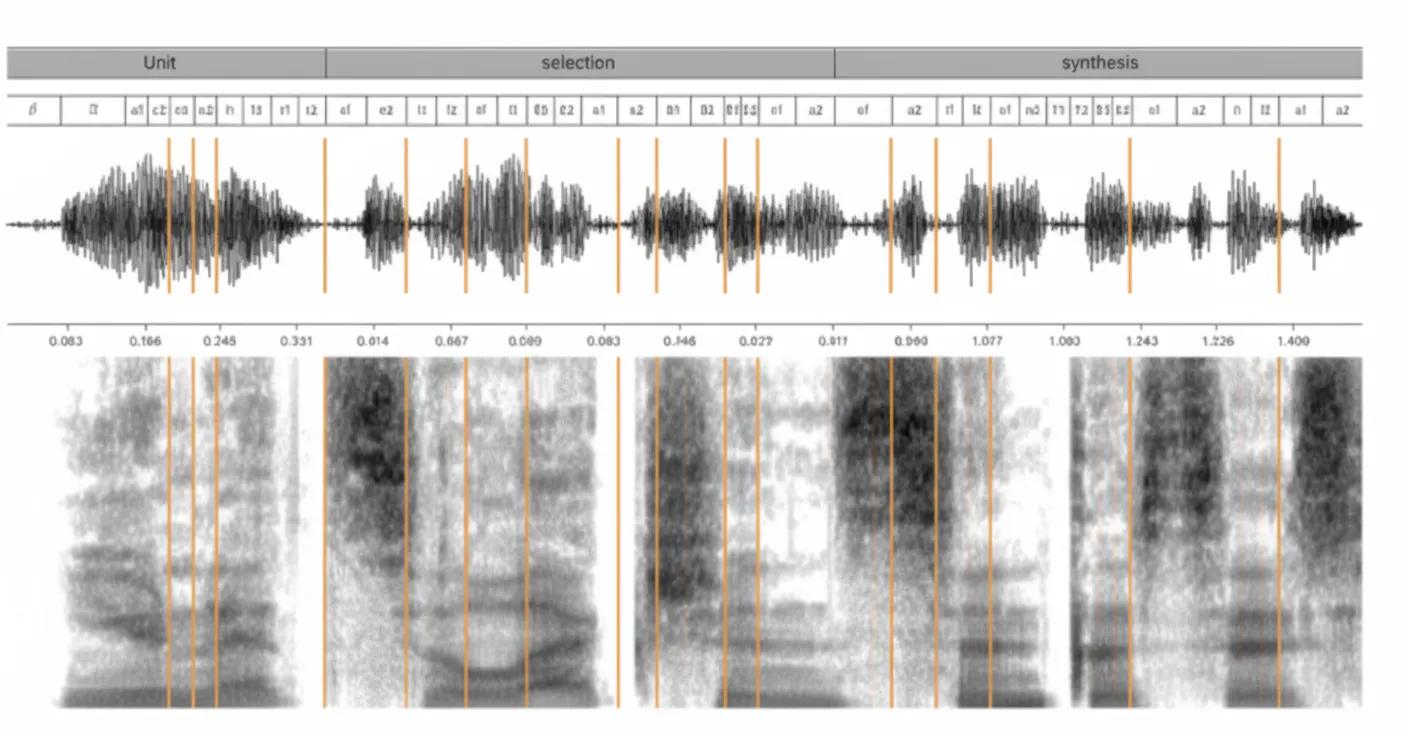
Siri Deep Learning Speech Synthesis Techniques

What Is a Laser TV?
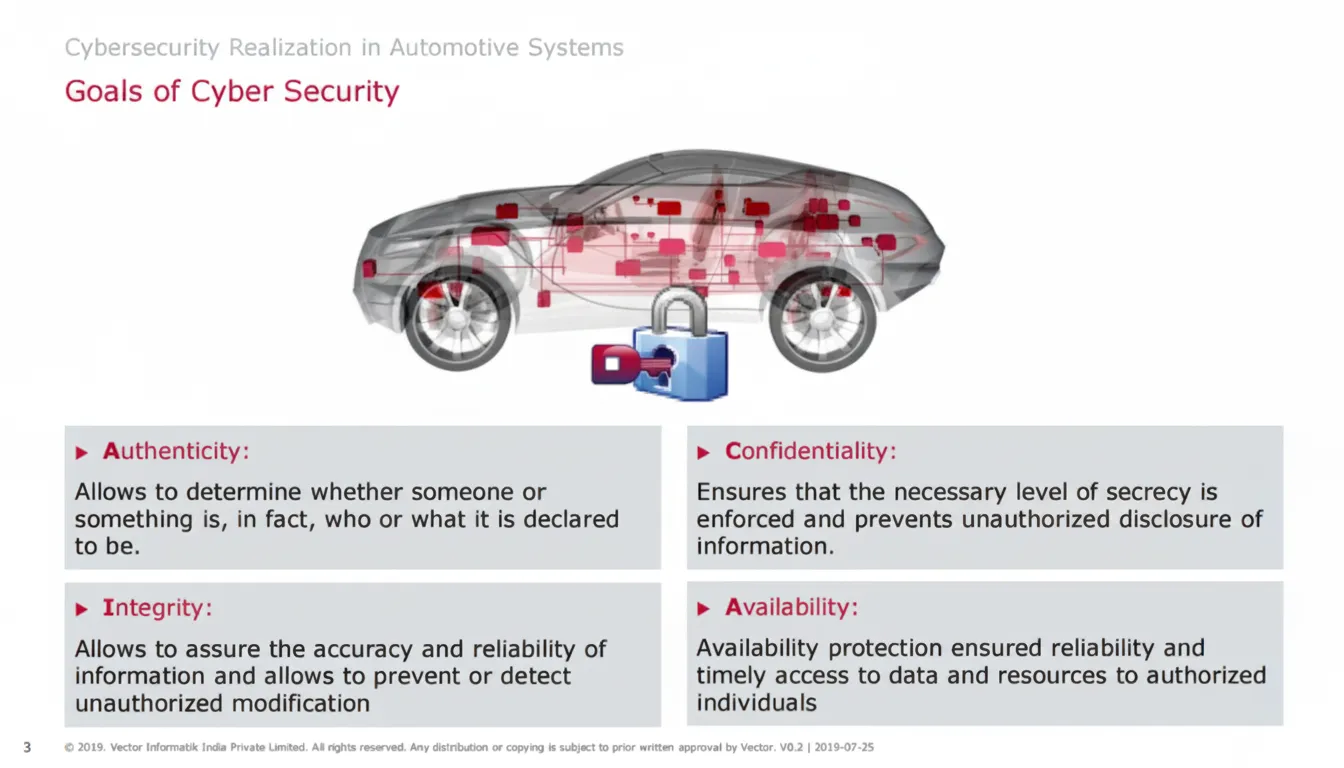
MICROSAR Network Security Explained

4-Layer HDI PCB Engineering Review Case: Stackup Deviation, Countersink Hole Depth, and Material Availability Challenges
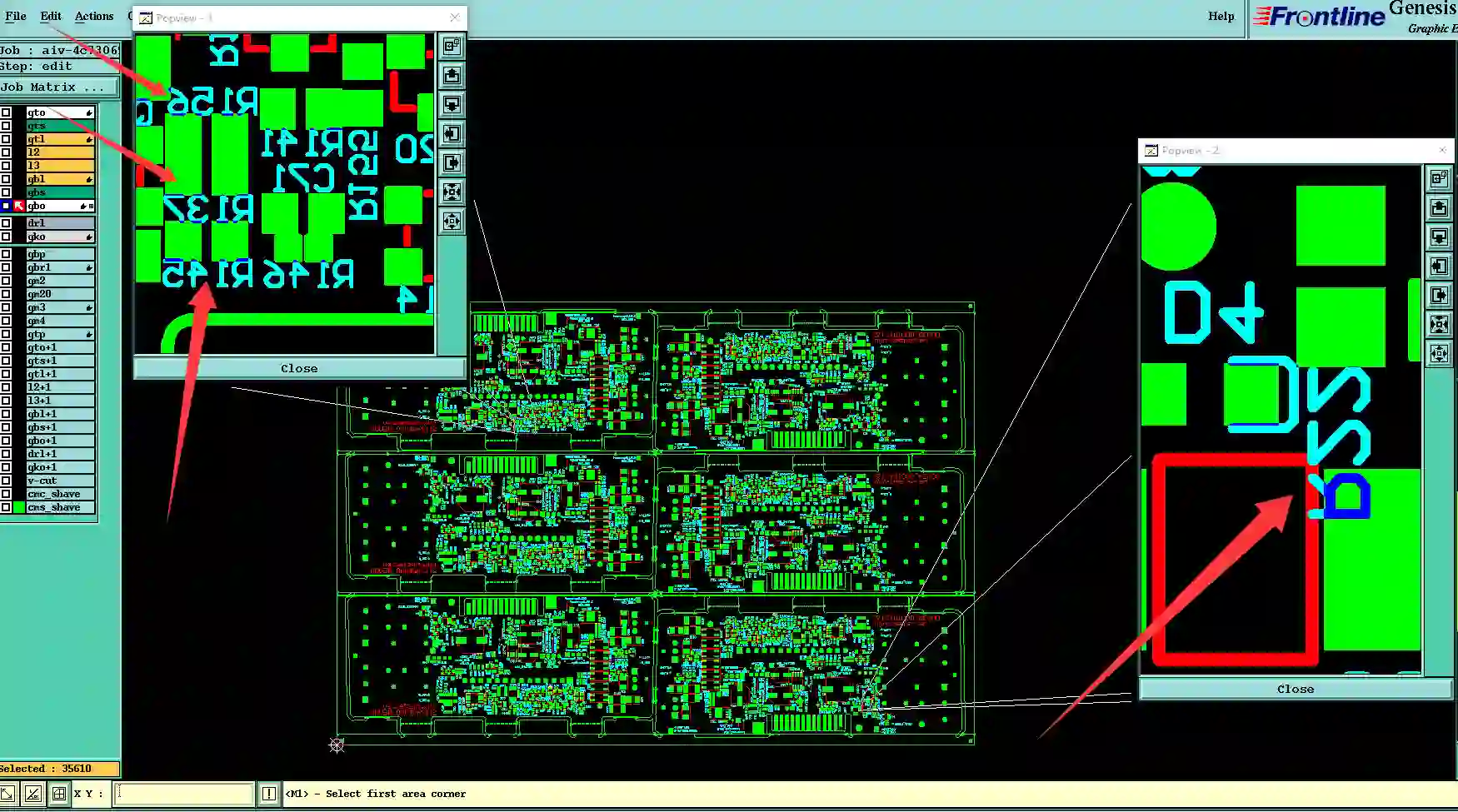
Engineering Case Study: 4-Layer FR-4 PCB Hole Spacing Optimization and Silkscreen Character Height DFM Review
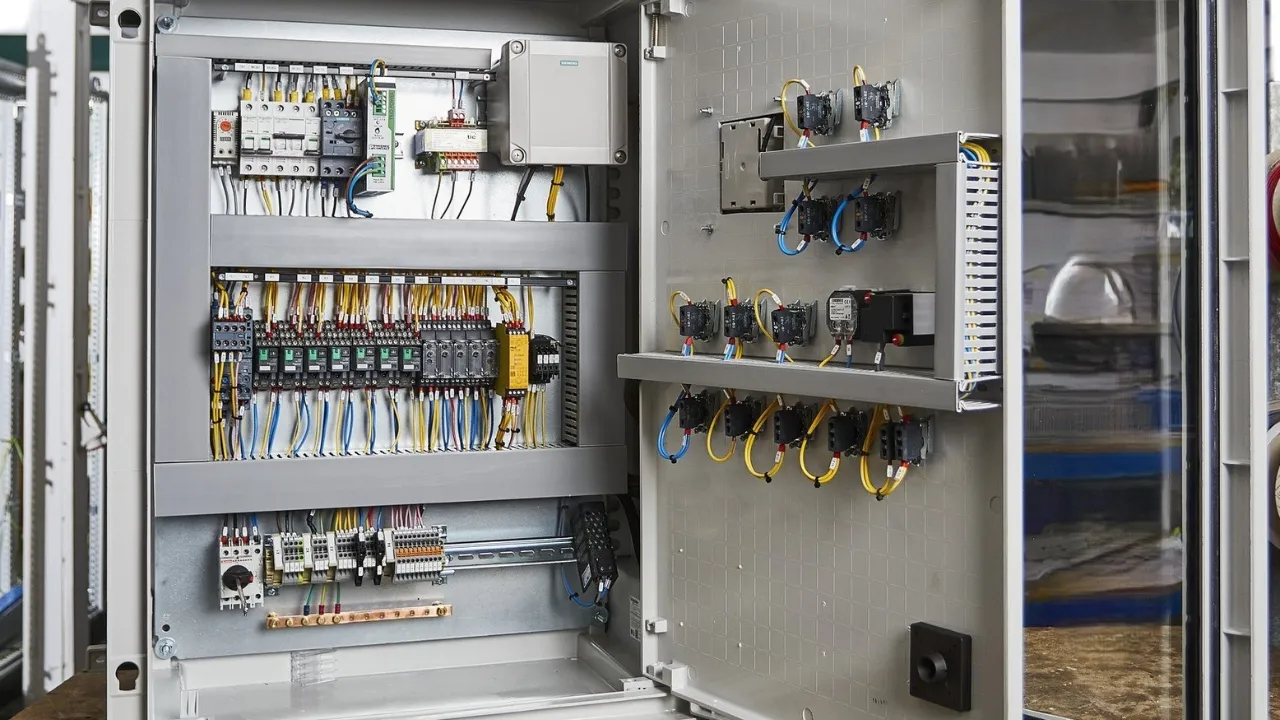
Sheet Metal vs Plastic Enclosures for Electronics: Which One Should You Choose?
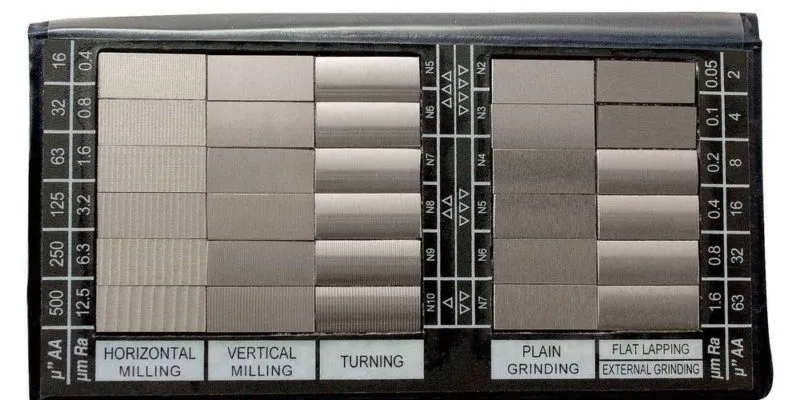
Sheet Metal Surface Finish Standards: A Guide for Engineers
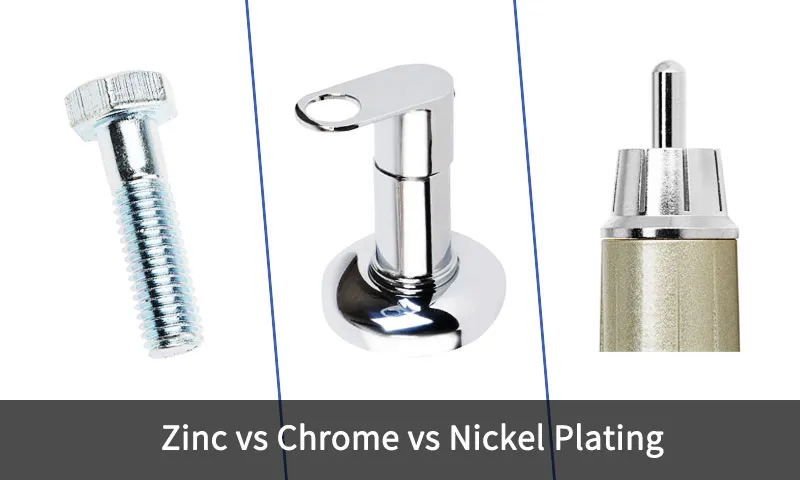
Sheet Metal Plating Options: Zinc, Nickel and Chrome Finishes Explained
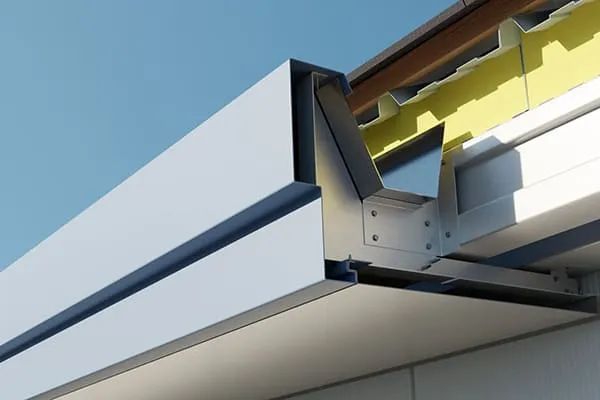
Best Sheet Metal Materials for Outdoor Applications: Aluminum, Stainless Steel & More
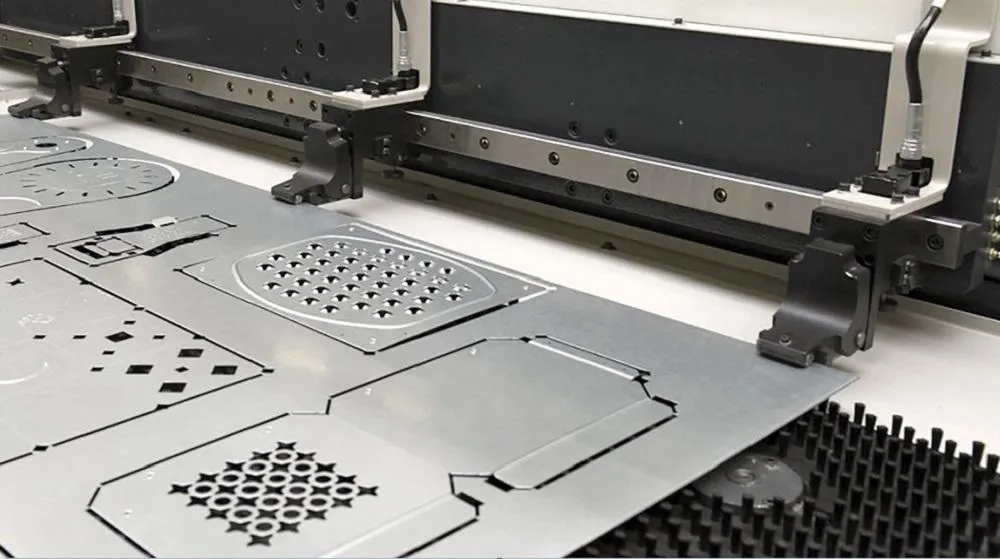
How Material Properties Affect Sheet Metal Fabrication
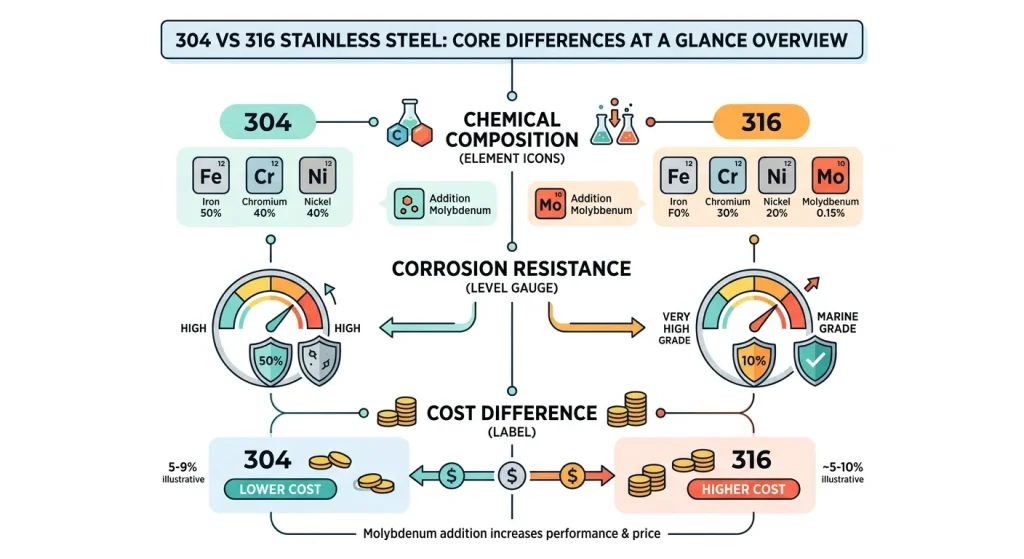
304 vs 316 Stainless Steel for Sheet Metal Fabrication: Key Differences
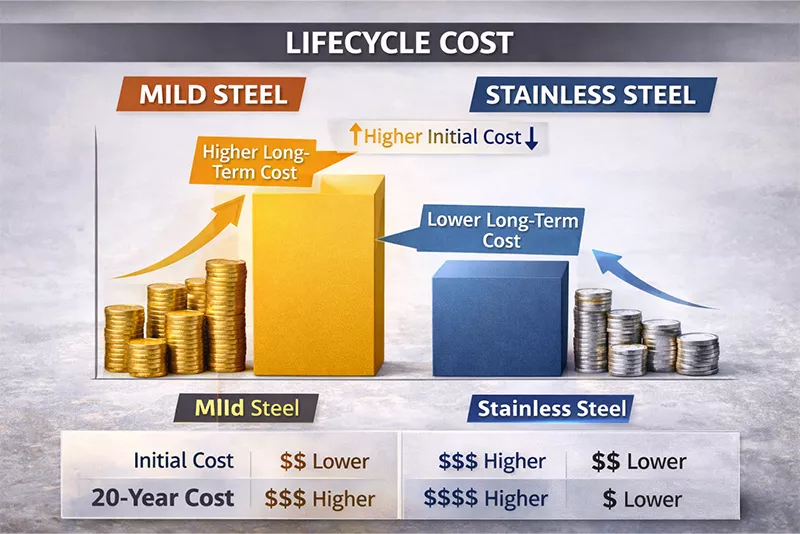
Mild Steel vs Stainless Steel Sheet Metal: Which Is Better?
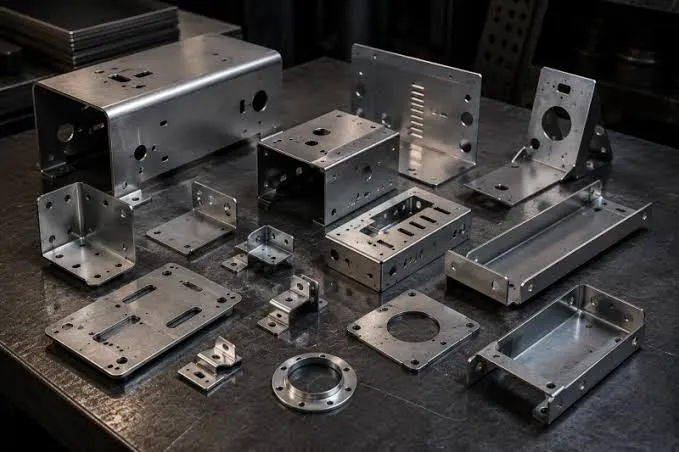
7 Common Sheet Metal Material Selection Mistakes Engineers Should Avoid
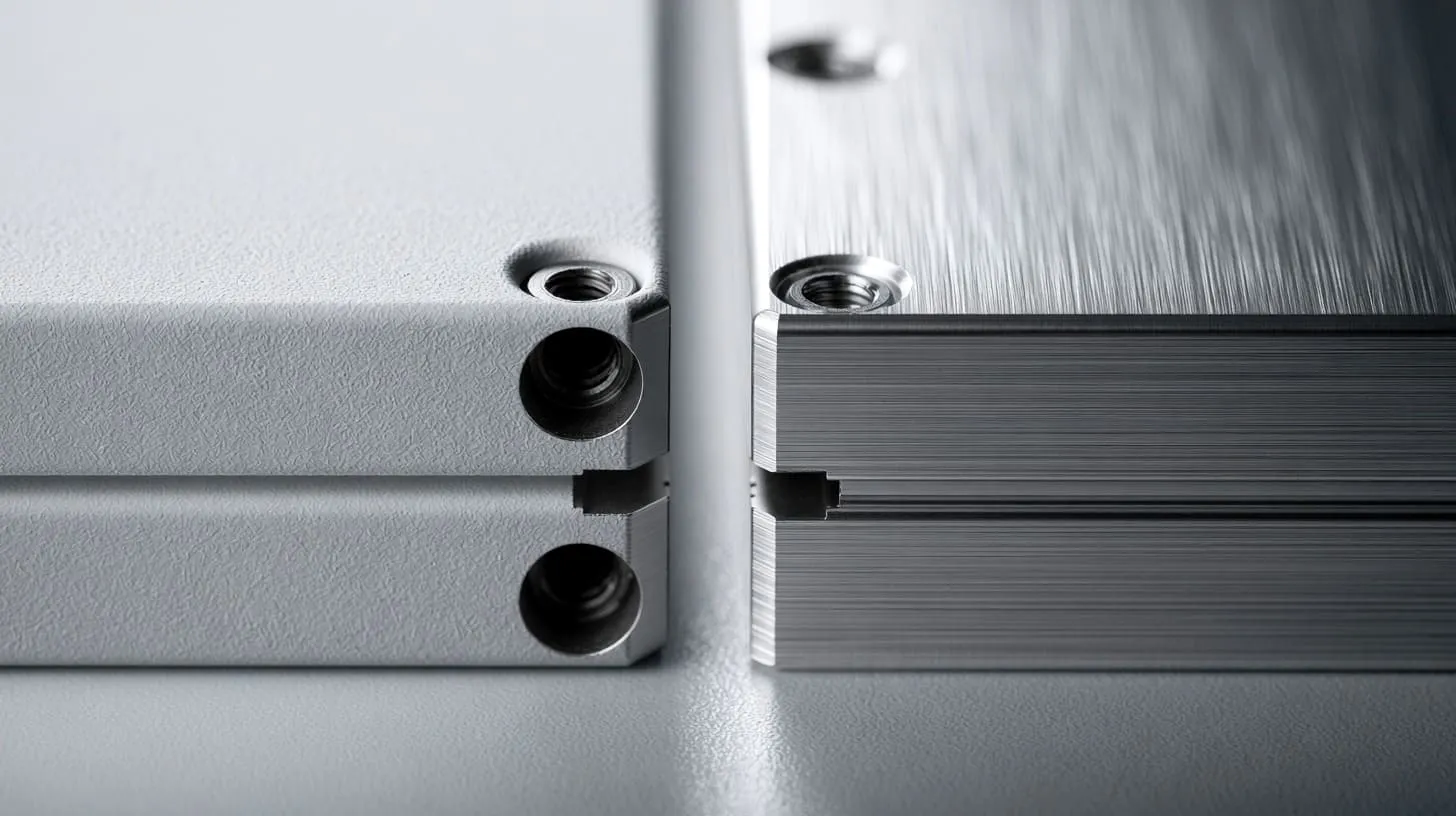
Powder Coating vs Anodizing for Sheet Metal Parts: Which Finish Is Better?
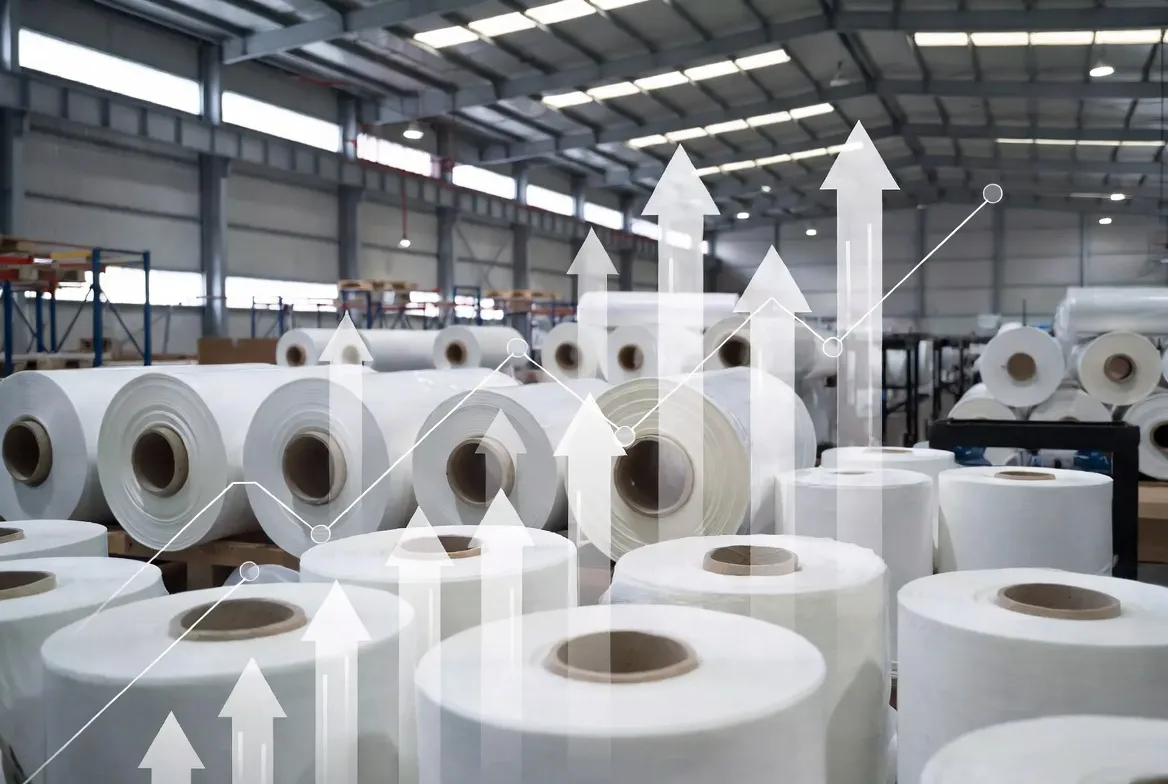
Electronic Glass Cloth Prices Poised for Another 15% Rise in August: Supply Stagnation Intensifies PCB Industry Pressures
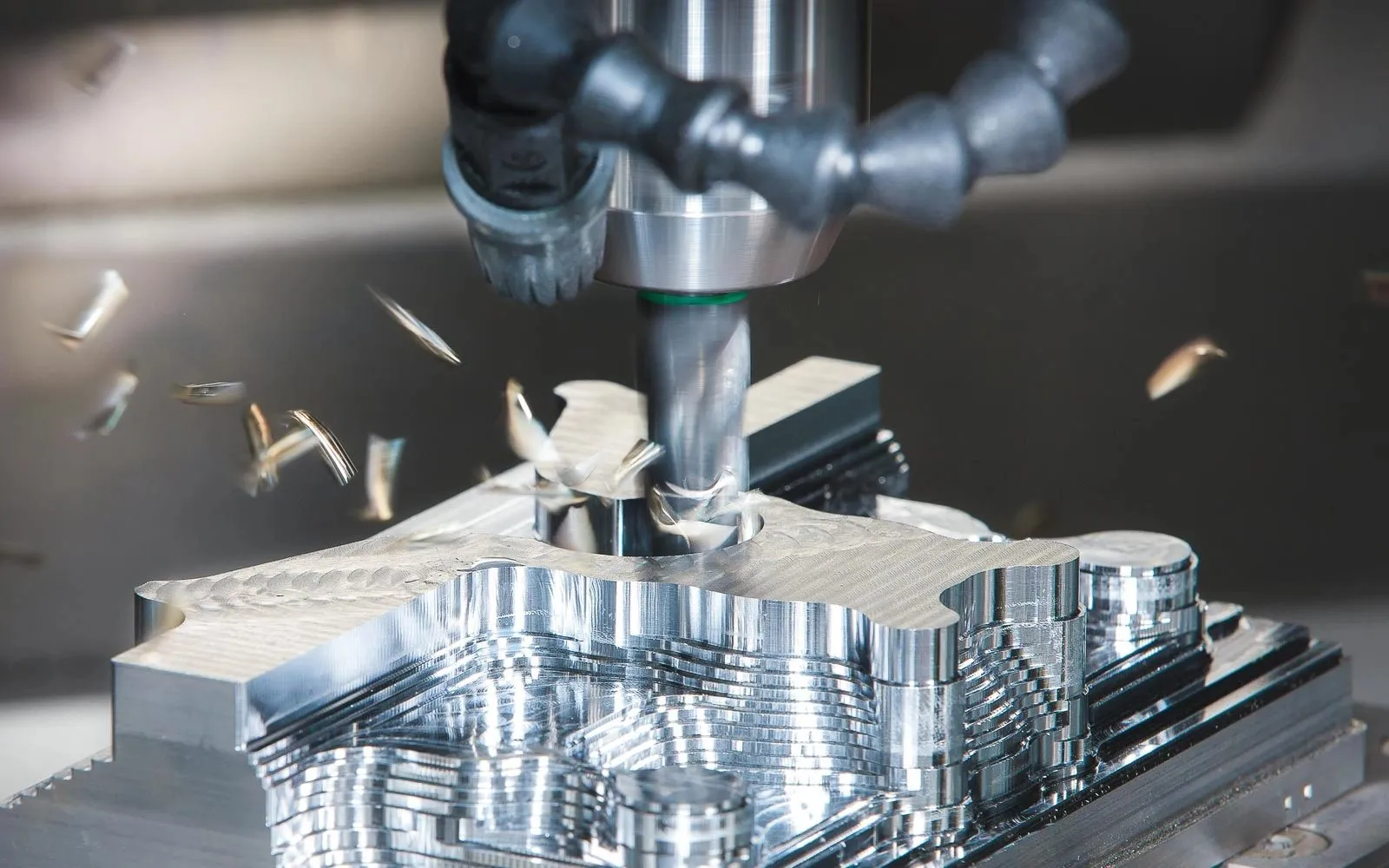
Best Materials for Prototype vs Production CNC Machining
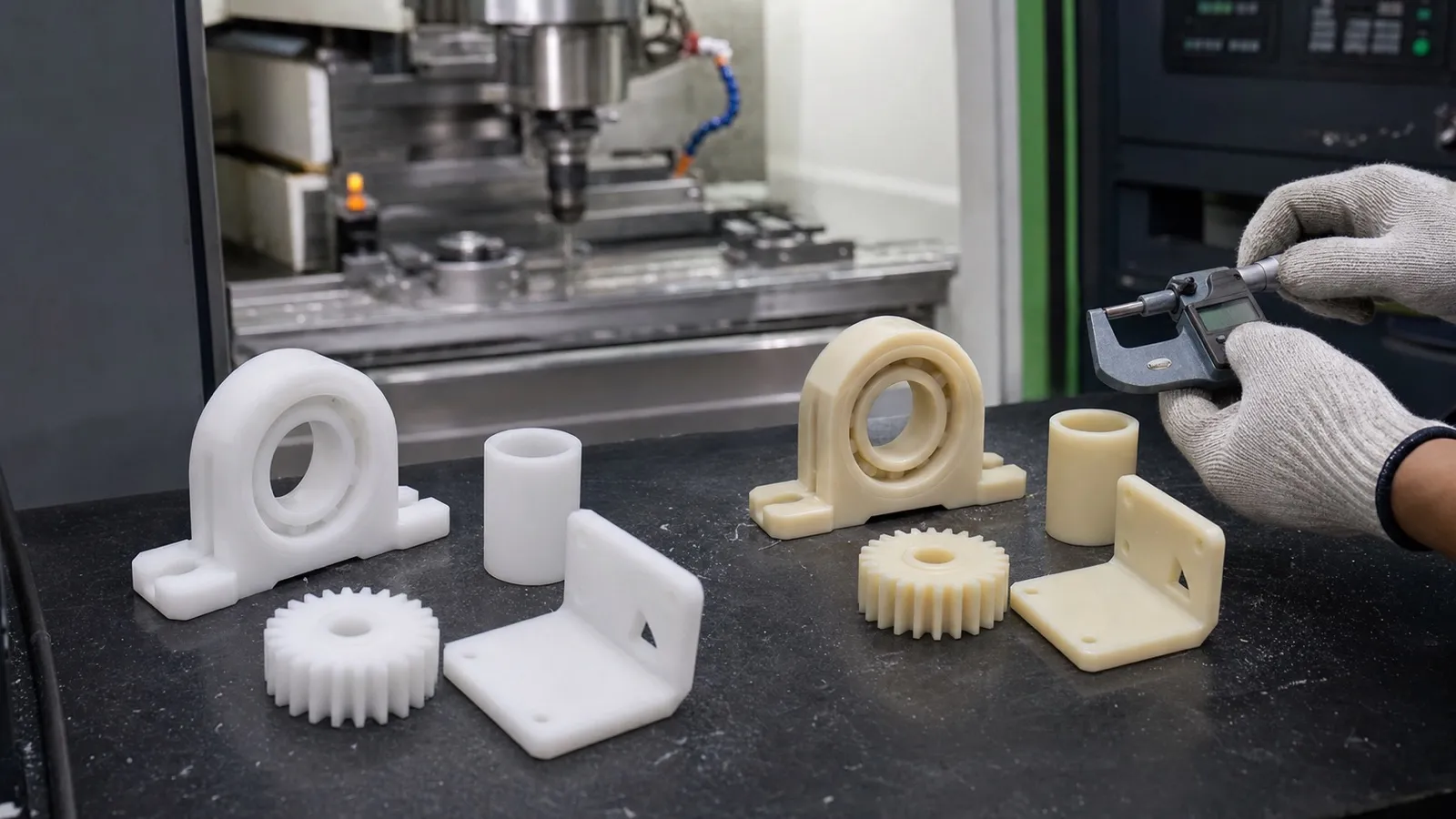
ABS vs POM vs Nylon: Choosing the Right Plastic for CNC Machining
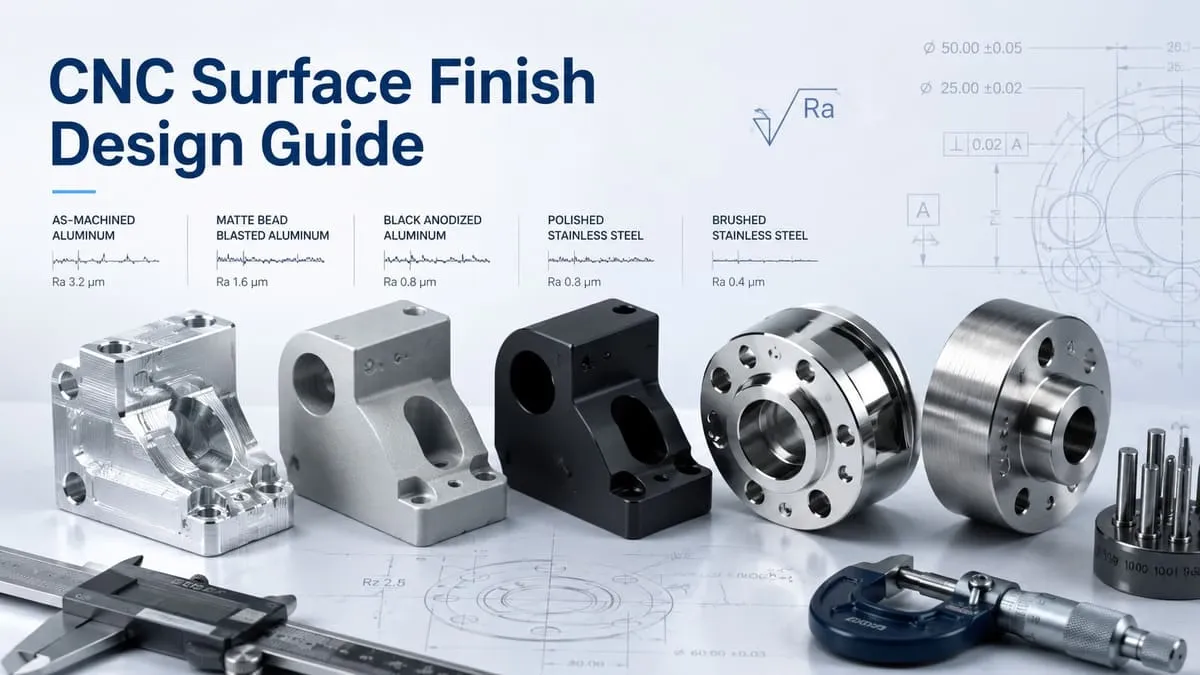
How to Choose the Right Surface Finish for CNC Parts